6 things America's top flight attendant thinks about the future of travel


The coronavirus pandemic has had massive impacts on the travel industry. From parked planes to reduced capacity to suspensions of loyalty programs, airlines in particular have been forced to adapt to this new normal — and the fall may bring more bad news. So what does the future hold?
Yesterday, we had a chance to hear directly from America's most powerful flight attendant, Sara Nelson, as she joined Brian Kelly for his Future of Travel webinar.
You can access the full session recording at the end of this article, but read on for her thoughts on masks, the CARES Act and what to do to protect yourself on the road.
We need a federal mask mandate on planes
The issue of mask-wearing has become a hot topic of discussion, with Delta along with United and American requiring them onboard and threatening lifetime bans for passengers who don't comply. Unfortunately, this hasn't stopped disagreements, as Sara mentioned a flight attendant who was assaulted earlier in the week for trying to enforce the policy.
The solution? A federal mandate for masks on flights.
"Yes, airlines have policies that everybody has to wear masks," she said, adding that these vary from carrier to carrier. With a mandate from the government, you'd have the "backing of federal rules and consequences" for those who don't comply. The goal would be clear guidance "with no wiggle room" for passengers
That said, she doesn't see mask requirements becoming a permanent fixture of flying for everyone. While some might choose to do so in a post-vaccine world, others will be "very happy to show off their smiles."
Reduced service will continue ... for now
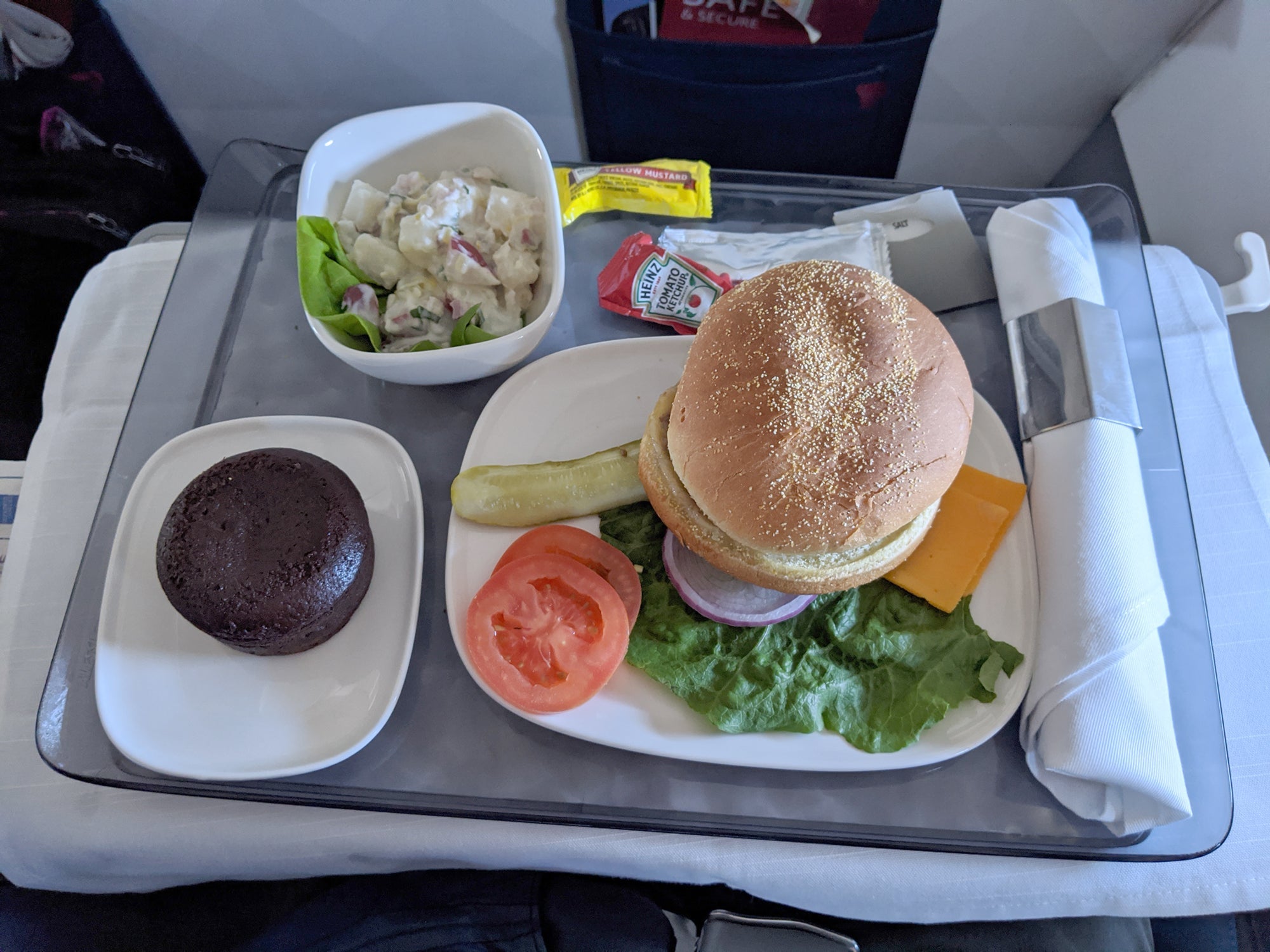
Another notable impact of the pandemic on air travel has been a reduction in service onboard, though Sara was quick to note that these are based on health considerations rather than cost-cutting. Unfortunately, she doesn't see service returning for some time.
"Until we have a vaccine," she said, "I think that we are going to see these reduced service procedures and a cut down on the number of touch points that crews and passengers have with each other."

But will these become permanent? Sara doesn't believe so.
"Just like we saw after September 11, when the times get good again and people start to travel ... this is an area where airlines love to compete, so we will see that service come back when it's safe."
RELATED: Is COVID threatening the future of first class?
Flying can be safe, with the right steps
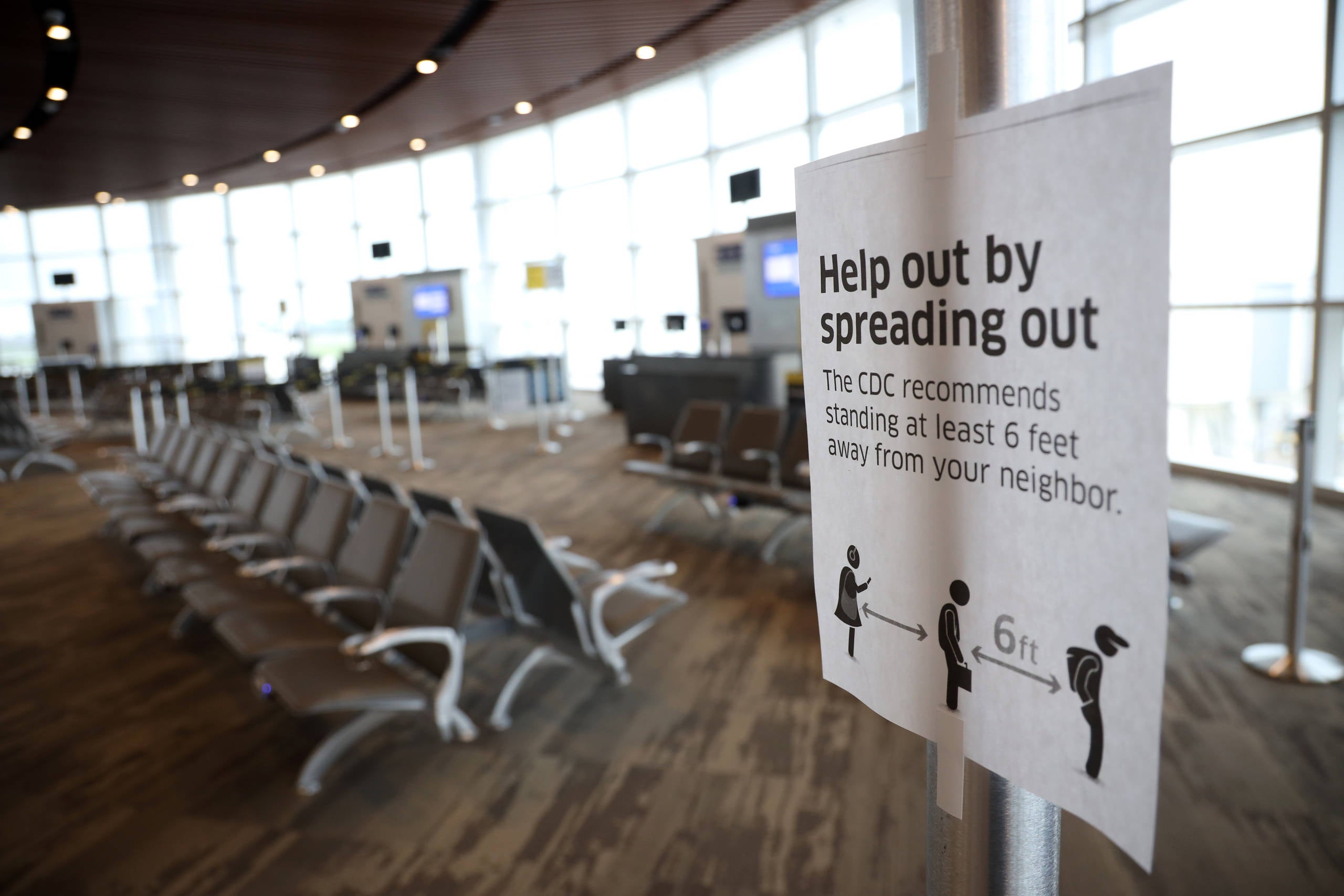
Many viewers asked questions about how safe it is to actually take a flight, and while Sara doesn't have a medical background, she did speak to the layered approach that health professionals are recommending to minimize the risk of contracting COVID-19 during air travel.
"If everyone is properly using the masks, if everyone is practicing proper hand hygiene. Washing your hands with soap and water for 20 seconds, wherever you can, and then backing that up with hand sanitizer that's least at least 60% alcohol to kill those germs ... also bringing [sanitizing] wipes to wipe things down."
She even offered an analogy, comparing this type of approach with a particular type of European cheese. "If you layer Swiss cheese on top of each other, you'll ultimately cover up all the holes." While no one step is going to prevent you from getting sick by itself, combining these steps can significantly mitigate the risk.
There are things you can do to be a better passenger
There are many folks out there who haven't traveled — in fact, our initial poll on the webinar found that 85% of attendees hadn't taken a single flight since April 1. However, some are looking at taking to the skies in the weeks and months to come, so Brian took the opportunity to ask Sara for some tips on making this as safe and enjoyable as possible.
The first involved an over-arching attitude.
"We're all in this together," she said, "Coming in with that spirit is foundational." She's even seen an increased willingness of passengers to accept little inconveniences in the interest of public health by cutting down possible touch points (like the reduced service mentioned earlier).
Other than that, she stressed the need to be properly provisioned — bringing at least a couple of masks, hand sanitizer and anything else you'd need that might not be provided. "You may not have access to food, so you're going to want to think about packing that PB&J or something that can stay good while traveling. You also may not have access to a blanket ... so make sure that when you're traveling, you've got layers and are able to stay comfortable."
All in all, do what you can to take care of yourself rather than relying on others. "The fewer times you have to ask somebody for something ... the more that you're doing your part to do what we can on social distancing and air travel."
Coronavirus' impact is worse than 9/11
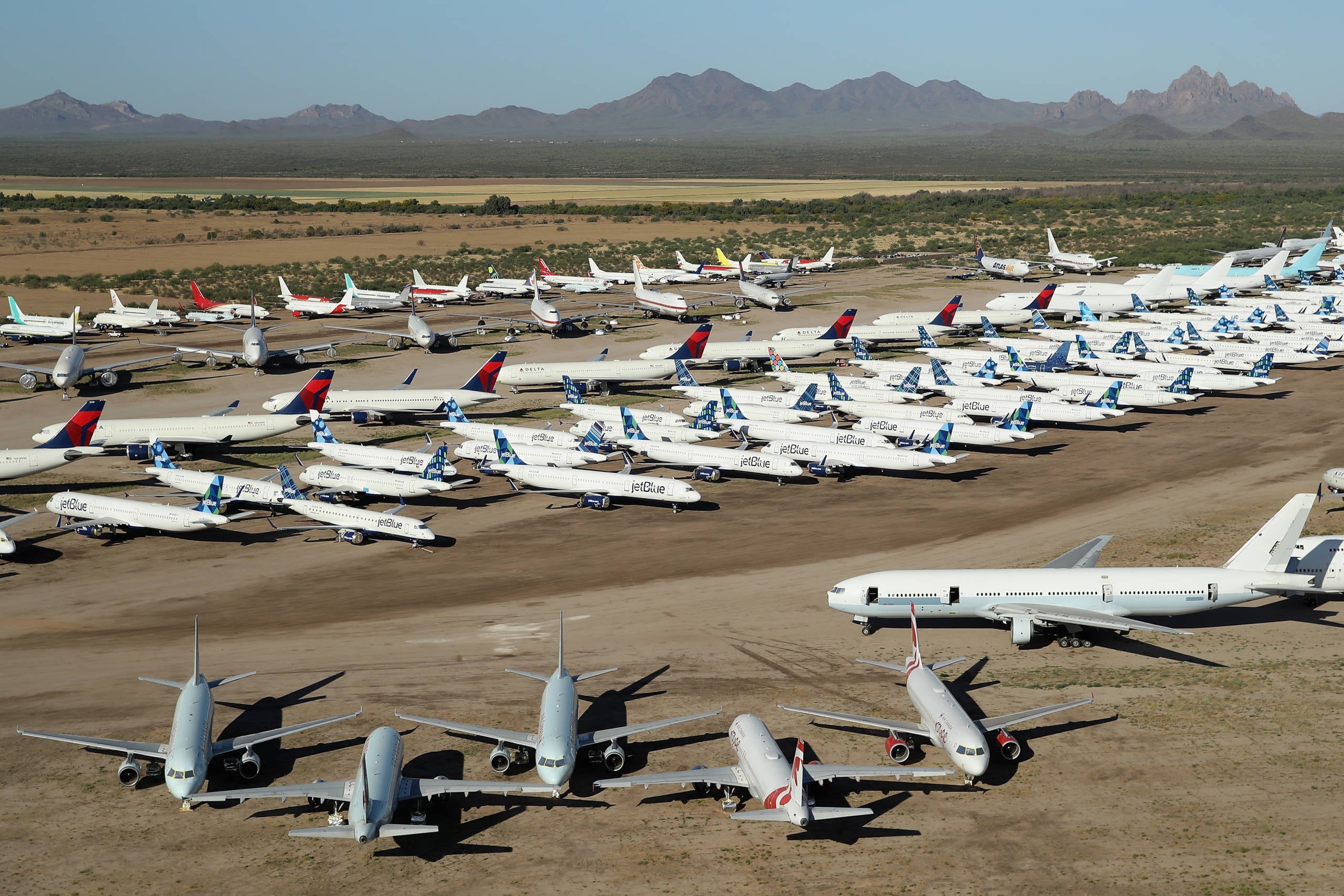
Sara has a very personal connection to September 11, 2001, as she was a Boston-based flight attendant for United and close to a number of individuals on United Flight 175 that crashed into the South Tower of the World Trade Center. In her current role, however, she's looking closely at the financial impact of the current pandemic and how it compares to the terrorist attacks — and it's not even close.
9/11 "pales in comparison to what we're going through right now," she said on the webinar. "This is bigger than 9/11 and the Great Recession combined. If you want to put it, just in terms of the financial impact ... it's five times more than September 11, and we're not even through the event yet. September 11 was one day, and then every day after that, it was some way of climbing out."
There may be more government assistance for airlines
The CARES Act including significant financial assistance for airlines, but that support is set to expire on Sep. 30, 2020. However, that was based on the assumption that the pandemic would be contained by the fall. With cases continuing to spike — and some states pulling back on their reopening plans — that doesn't appear to be the case.
So what will happen with this funding from Sara's perspective?
"We're starting to see ... a little bit of a change in narrative from Senate Republicans and from the White House about a willingness to do a coronavirus relief package," she said. "So I think that we're going to see it."
She also took time to highlight just how necessary this aid was, pointing out that air travel fell off a cliff in March, and the airlines couldn't simply stop flying. If they did, "You're not going to get your goods and services, your medicines that you need at home. We're not going to be able to get essential personnel to go fight the virus." Had the support not come, the U.S. airlines wouldn't have been able to stay in the air.
Webinar recording
Want more details? Be sure to check out the full recording below, and feel free to use the show notes we've provided to jump right to sections of interest.
Show notes
- 2:19 — Introduction from Brian Kelly
- 4:50 — Sara's background
- 7:06 — General information on the flight attendants' union
- 9:56 — Sara's experience on September 11, 2001
- 17:15 — Discussion of the CARES Act
- 25:18 — Is there more aid to come?
- 31:17 — How to restore faith in air travel (including mask mandates)
- 35:50 — Blocking middle seats
- 37:45 — Reduction in in-flight service
- 40:06 — How much Sara has flown recently
- 42:06 — Tips for passengers
- 44:10 — Q&A
Follow-up reading
- Airline coronavirus change and cancellation policies: A complete list of major carriers
- I just traveled internationally for the first time since coronavirus lockdowns — Here's what my trip was like
- When will international travel return? A country-by-country guide to coronavirus recovery
- Your health while traveling: A conversation with Brian Kelly and Doctor Mike
- Will you need a coronavirus test to fly? Everything we know right now
- Getting a coronavirus test for travel sounds great — but in many places, it's nearly impossible
- TPG's safe travel guide: How to minimize risk on your summer vacation
- Now may be the time to book future travel
About Sara Nelson
Sara Nelson has served as the International President of the Association of Flight Attendants-CWA, AFL-CIO since 2014. Her union posts include local officer positions, national strike chair, and national communications chair. She first became a union member in 1996 when she was hired as a flight attendant at United Airlines, and today she represents 50,000 of aviation's first responders at 20 airlines.
As a result, she is the perfect individual to speak to what impact the pandemic has had on airlines, flight attendants and in-flight service — along with how you can play a role in making travel as safe as possible.
"The Future of Travel with Brian Kelly" is a series of live events looking ahead at what's in store for the travel industry as it begins to recover from the coronavirus pandemic. Join Brian as he interviews top experts and company executives on a range of topics, including traveler health, cleanliness measures, loyalty programs and what it all means for the traveling public.
For recordings of past sessions, please visit the following links:
TPG featured card
at American Express's secure site
Terms & restrictions apply. See rates & fees.
| 4X | Earn 4X Membership Rewards® points per dollar spent on purchases at restaurants worldwide, on up to $50,000 in purchases per calendar year, then 1X points for the rest of the year. |
| 4X | Earn 4X Membership Rewards® points per dollar spent at US supermarkets, on up to $25,000 in purchases per calendar year, then 1X points for the rest of the year. |
| 5X | Earn 5X Membership Rewards® points on prepaid hotel stays booked through AmexTravel.com or the Amex Travel App™. |
| 3X | Earn 3X Membership Rewards® points on flights booked through AmexTravel.com, the Amex Travel App™, or purchased directly from airlines. |
| 2X | Earn 2X Membership Rewards® points on prepaid car rentals booked through AmexTravel.com or the Amex Travel App™ and cruises booked and paid through AmexTravel.com. |
| 1X | Earn 1X Membership Rewards® point per dollar spent on all other eligible purchases. |
Pros
- Valuable dining and food-related credits
- Flexible rewards with airline and hotel transfer partners
- Multiple travel and purchase protections
- No foreign transaction fees
- Access to Amex Offers for additional savings (enrollment required)
Cons
- Not as useful for those living outside the U.S.
- Some may have trouble using Uber and other dining credits
- You may be eligible for as high as 100,000 Membership Rewards® Points after you spend $8,000 in eligible purchases on your new Card in your first 6 months of Card Membership. Welcome offers vary and you may not be eligible for an offer. Apply to know if you’re approved and find out your exact welcome offer amount – all with no credit score impact. If you’re approved and choose to accept the Card, your score may be impacted.
- Earn 4X Membership Rewards® points per dollar spent on purchases at restaurants worldwide, on up to $50,000 in purchases per calendar year, then 1X points for the rest of the year.
- Earn 4X Membership Rewards® points per dollar spent at US supermarkets, on up to $25,000 in purchases per calendar year, then 1X points for the rest of the year.
- Earn 5X Membership Rewards® points on prepaid hotel stays booked through AmexTravel.com or the Amex Travel App™.
- Earn 3X Membership Rewards® points on flights booked through AmexTravel.com, the Amex Travel App™, or purchased directly from airlines.
- Earn 2X Membership Rewards® points on prepaid car rentals booked through AmexTravel.com or the Amex Travel App™ and cruises booked and paid through AmexTravel.com.
- Earn 1X Membership Rewards® point per dollar spent on all other eligible purchases.
- Pay It® lets you tap in the American Express® App to quickly pay for small purchase amounts throughout the month and still earn rewards the way you usually do. Plan It® gives you the option to split up big purchases into equal monthly payments with a fixed fee. You’ll know upfront exactly how much you’ll pay.
- $120 Dining Credit: Earn up to a total of $10 in statement credits monthly when you pay with the Gold Card at Grubhub (including Seamless), Buffalo Wild Wings, Five Guys, The Cheesecake Factory, and Wonder. This can be an annual savings of up to $120. Enrollment required.
- $100 Resy Credit: Get up to $100 in statement credits each calendar year at over 10,000 qualifying U.S. Resy restaurants after you pay for eligible purchases with the American Express® Gold Card. That’s up to $50 in statement credits semi-annually. Enrollment required.
- $84 Dunkin' Credit: Earn up to $7 in monthly statement credits after you pay with the American Express® Gold Card at U.S. Dunkin’ locations. Enrollment required.
- $120 Uber Cash on Gold: Enjoy up to $120 in Uber Cash annually with your Gold Card. Just add your Card to your Uber account and you'll get $10 in Uber Cash each month to use on orders and rides in the U.S. when you select an Amex Card for your transaction.
- Enjoy complimentary Hertz Five Star® Status benefits like skipping the counter at select locations, adding an additional driver at no additional cost*, and vehicle upgrades**. Benefit enrollment and Hertz Gold+ registration are required. *Additional drivers must meet standard rental qualifications and must be a spouse or domestic partner to qualify as complimentary. Other additional drivers subject to fees. **Benefits are subject to availability and vary by location. Additional Hertz program Terms and Conditions including age restrictions apply.
- Book two nights or more with The Hotel Collection through AmexTravel.com or the Amex Travel App™ and receive a $100* credit towards eligible charges at over 1,400 upscale hotels worldwide. *Eligible charges vary by property.
- Book your travel through the Amex Travel App™ with added peace of mind – backed by American Express® service and support. Only for American Express® Card Members.
- Whenever you need us, we're here. Our Member Services team will ensure you are taken care of. From lost Card replacement to statement questions, we are available to help 24/7.
- No Foreign Transaction Fees.
- Annual Fee is $325.
- Terms Apply.