Airlines may face a tough fall after that summer uptick


Images of mostly full planes and news of added flights has been something of a balm for would-be flyers after months of dominated by headlines of cutbacks — even some failures — during the coronavirus pandemic.
American Airlines CEO Doug Parker put it well during the carrier's annual shareholder meeting earlier in June: "There is definitely pent up demand for air travel. We expect to see more customers return as more states, and businesses, and activities and attractions open up."
Many of those flying today are leisure travelers eager to get out of their homes after months of sheltering in place. American and other carriers have reported an uptick in bookings to places with space, like beaches in Florida and airports near national parks or in the Rocky Mountains.
Sign up for the free daily TPG newsletter for more airline news!
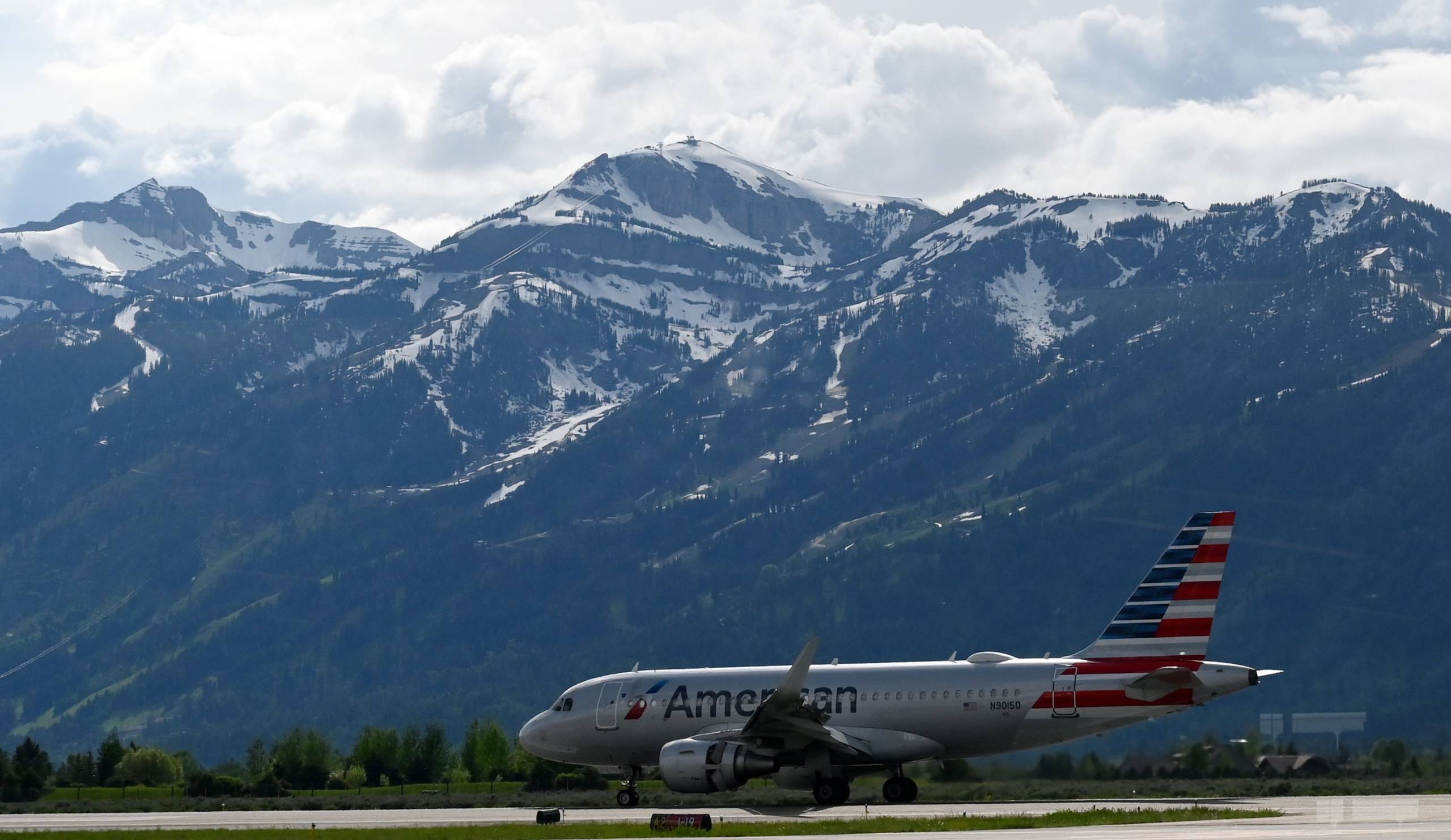
Some carriers have even announced new routes to markets like these to take advantage of the trend. For example, Alaska Airlines will add service between its Los Angeles (LAX) base and Fresno (FAT) — the closest airport to Yosemite National Park — in September even as its schedule remains well below 2019 levels.
So far this summer, the trend seems to confirm Parker's rosy-ish forecast. Transportation Security Administration (TSA) screening numbers are on a steady rise — though still down more than 80% from the same period in 2019. Passenger booking data from trade group Airlines for America (A4A) has risen to down just 80% year-over-year during the week ending June 7 from down around 100% in April.
But what happens when the summer passes and, as occurs every year, leisure travelers give way to the ranks of business flyers after Labor Day?
Related: American to reopen lounges, add flights to Florida, Rockies as flyers return
View this post on Instagram
"The autumn of discontent is gradually approaching, which is why we don't view increased summer schedules as a harbinger of solid recovery," J.P. Morgan analyst Jamie Baker wrote in a report on June 10.

Uncertainty seems the buzzword in the industry. No one has a good view on what travel will look in August, let alone October or January 2021. Multiple variables, from a second-wave of COVID-19 infections to the status of border restrictions, keep much potential travel in limbo.
In its latest update on Tuesday, the International Air Transport Association (IATA) said that bookings for long-haul flights this winter remain "close to zero" at a time when about 14% of seats are historically already reserved. This leaves the outlook, as the organization's chief economist Brian Pearce put it, very "uncertain at this stage."
Related: State-by-state guide to coronavirus reopening
In the U.S., airlines have benefitted from payroll assistance from the federal government's coronavirus aid package, or CARES Act. However, the package's minimum schedule requirements and other job protections expire Sept. 30, allowing airlines to cull their route maps and reduce workforces as they see fit for the market.
Alaska, American, Delta Air Lines, JetBlue Airways and United Airlines have all warned that they will be smaller come the fall. What these carriers all have in common is they rely more on business travelers than the likes of Southwest Airlines and discounters Allegiant Air and Spirit Airlines. Southwest plans to fly an essentially "full" schedule — full by number of flights but not by routes flown — by year's end, with Allegiant and Spirit also moving in that direction.
Raymond James analyst Savanthi Syth told TPG that a lot will depend on when corporate travel resumes. Pointing to the fact that a lot of offices in major cities are not expected to begin reopening until September, she does not expect any meaningful resumption in business travel until October at the earliest — if not until 2021.
Related: Alaska Airlines adds new California route even as it warns of flying, staff cuts
A significant unknown variable is what happens if there is a second wave of COVID-19 infections. The recent spike in infections in states that have reopened earlier than others is still considered part of the first wave. However, airlines appear to be prepared for the virus to become endemic and executives have warned that the industry will not fully recover until there is either a vaccine or effective treatment.
"It really is [that] there is just so much unknown," Syth said about the recovery. "Airlines are putting the cash cushion in and hoping for the best."
U.S. carriers have, on average, enough cash to cover their costs for 15 months, based on Raymond James' latest analysis on June 14. This ranges widely among major airlines, from just 8.3 months of cash-on-hand at American to 22.9 months at Southwest.
Related: Spirit Airlines CEO sees recovery taking a 'big move in the right direction'
In the name of raising cash to get through the crisis, United unveiled plans for a $5 billion mortgage of its MileagePlus loyalty program on June 15. It estimates that the funds, plus proceeds from a potential $4.5 billion government CARES Act loan, will give it upwards of $17 billion in cash that should see it through to the other side of the crisis.
That $17 billion amounts to "quite a large war chest to get us through a second wave, or third wave of COVID if that happens," senior United executives told media.
But airlines are not writing off business travel entirely for the rest of the year. United's vice president of international network and alliances, Patrick Quayle, told Brett Snyder on the Cranky Flier Interview podcast on Tuesday that the carrier is seeing traveler confidence return into the fall. This is driving a continued improvement in bookings, though he did not specify between leisure or business travelers.
Related: United to mortgage MileagePlus for coronavirus funds, anticipates no impact to members
Most U.S. airlines, including United, are allowing travelers to change tickets booked by June 30 without a fee. This encourages people to make reservations, but does not guarantee that they will actually fly come their travel date.
One thing every airline is doing to support the continuing return of flyers is attempting to assuage fears of the virus onboard. Some, like Delta and Southwest, have gone as far as blocking seats or capping bookings — moves that come on top of enhanced cleaning measures, air filtration and mandating crews and passengers wear masks onboard. Others, like Spirit and United, feel social distancing onboard is not necessary — nor feasible — on top of the latter measures.
These efforts come as an increasing number of would-be flyers express concerns about getting back on a plane. In IATA's latest consumer confidence survey, 55% of potential travelers will wait at least six months before boarding a flight again. That's a jump from the 40% who said they would wait in the organization's previous survey from April.
"Hence, the reason that job one is to instill trust and confidence," aviation analyst and former airline executive Robert Mann tweeted in response to IATA's survey.
Related: Which US airlines are blocking middle seats and requiring masks?
TPG featured card
at American Express's secure site
Terms & restrictions apply. See rates & fees.
| 4X | Earn 4X Membership Rewards® points per dollar spent on purchases at restaurants worldwide, on up to $50,000 in purchases per calendar year, then 1X points for the rest of the year. |
| 4X | Earn 4X Membership Rewards® points per dollar spent at US supermarkets, on up to $25,000 in purchases per calendar year, then 1X points for the rest of the year. |
| 5X | Earn 5X Membership Rewards® points on prepaid hotel stays booked through AmexTravel.com or the Amex Travel App™. |
| 3X | Earn 3X Membership Rewards® points on flights booked through AmexTravel.com, the Amex Travel App™, or purchased directly from airlines. |
| 2X | Earn 2X Membership Rewards® points on prepaid car rentals booked through AmexTravel.com or the Amex Travel App™ and cruises booked and paid through AmexTravel.com. |
| 1X | Earn 1X Membership Rewards® point per dollar spent on all other eligible purchases. |
Pros
- Valuable dining and food-related credits
- Flexible rewards with airline and hotel transfer partners
- Multiple travel and purchase protections
- No foreign transaction fees
- Access to Amex Offers for additional savings (enrollment required)
Cons
- Not as useful for those living outside the U.S.
- Some may have trouble using Uber and other dining credits
- You may be eligible for as high as 100,000 Membership Rewards® Points after you spend $8,000 in eligible purchases on your new Card in your first 6 months of Card Membership. Welcome offers vary and you may not be eligible for an offer. Apply to know if you’re approved and find out your exact welcome offer amount – all with no credit score impact. If you’re approved and choose to accept the Card, your score may be impacted.
- Earn 4X Membership Rewards® points per dollar spent on purchases at restaurants worldwide, on up to $50,000 in purchases per calendar year, then 1X points for the rest of the year.
- Earn 4X Membership Rewards® points per dollar spent at US supermarkets, on up to $25,000 in purchases per calendar year, then 1X points for the rest of the year.
- Earn 5X Membership Rewards® points on prepaid hotel stays booked through AmexTravel.com or the Amex Travel App™.
- Earn 3X Membership Rewards® points on flights booked through AmexTravel.com, the Amex Travel App™, or purchased directly from airlines.
- Earn 2X Membership Rewards® points on prepaid car rentals booked through AmexTravel.com or the Amex Travel App™ and cruises booked and paid through AmexTravel.com.
- Earn 1X Membership Rewards® point per dollar spent on all other eligible purchases.
- Pay It® lets you tap in the American Express® App to quickly pay for small purchase amounts throughout the month and still earn rewards the way you usually do. Plan It® gives you the option to split up big purchases into equal monthly payments with a fixed fee. You’ll know upfront exactly how much you’ll pay.
- $120 Dining Credit: Earn up to a total of $10 in statement credits monthly when you pay with the Gold Card at Grubhub (including Seamless), Buffalo Wild Wings, Five Guys, The Cheesecake Factory, and Wonder. This can be an annual savings of up to $120. Enrollment required.
- $100 Resy Credit: Get up to $100 in statement credits each calendar year at over 10,000 qualifying U.S. Resy restaurants after you pay for eligible purchases with the American Express® Gold Card. That’s up to $50 in statement credits semi-annually. Enrollment required.
- $84 Dunkin' Credit: Earn up to $7 in monthly statement credits after you pay with the American Express® Gold Card at U.S. Dunkin’ locations. Enrollment required.
- $120 Uber Cash on Gold: Enjoy up to $120 in Uber Cash annually with your Gold Card. Just add your Card to your Uber account and you'll get $10 in Uber Cash each month to use on orders and rides in the U.S. when you select an Amex Card for your transaction.
- Enjoy complimentary Hertz Five Star® Status benefits like skipping the counter at select locations, adding an additional driver at no additional cost*, and vehicle upgrades**. Benefit enrollment and Hertz Gold+ registration are required. *Additional drivers must meet standard rental qualifications and must be a spouse or domestic partner to qualify as complimentary. Other additional drivers subject to fees. **Benefits are subject to availability and vary by location. Additional Hertz program Terms and Conditions including age restrictions apply.
- Book two nights or more with The Hotel Collection through AmexTravel.com or the Amex Travel App™ and receive a $100* credit towards eligible charges at over 1,400 upscale hotels worldwide. *Eligible charges vary by property.
- Book your travel through the Amex Travel App™ with added peace of mind – backed by American Express® service and support. Only for American Express® Card Members.
- Whenever you need us, we're here. Our Member Services team will ensure you are taken care of. From lost Card replacement to statement questions, we are available to help 24/7.
- No Foreign Transaction Fees.
- Annual Fee is $325.
- Terms Apply.