United Airlines to mortgage MileagePlus for coronavirus funds, anticipates no impact to members

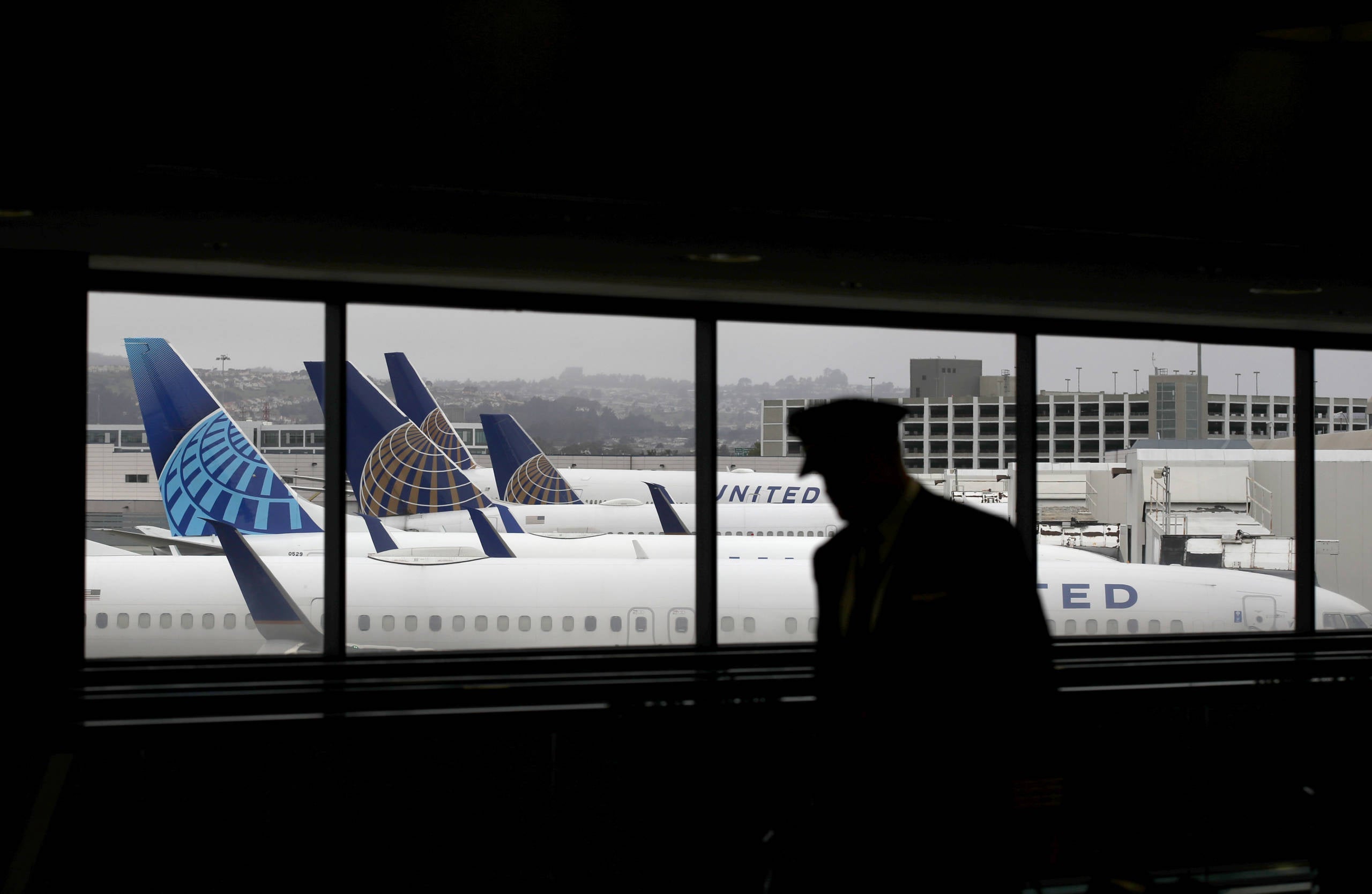
United Airlines thinks it has the cash it needs to navigate the rest of the coronavirus pandemic without further impacts on customers with a new $5 billion mortgage of the MileagePlus loyalty program.
The deal coupled with an expected $4.5 billion loan from the federal government's CARES Act coronavirus aid package would give the Chicago-based carrier around $17 billion in liquidity — or cash — by the end of September, senior United executives said Monday. They believe funds would be enough navigate the crisis and a multi-year recovery that's expected before the industry returns to 2019 passenger numbers.
"It is quite a large war chest to get us through a second wave, or third wave of COVID if that happens," they said. "$17 billion should see us through until there's a vaccine or demand has recovered."
Sign up for the free daily TPG newsletter for more airline news!
The United executives emphasized that the transaction would "bring no changes" to how customers use MileagePlus. The airline also maintains control of the program, ceding none to lenders. The loan, in essence, leverages the loyalty program's nearly $22 billion value and $5.3 billion in annual revenue to raise liquidity to carry United through the crisis.
Other airlines have sold miles or points to credit card partners to raise funds. For example, JetBlue Airways raised $150 million through an advance sale of TrueBlue points to Barclays in March.
Others, like American Airlines' AAdvantage program, have said they plan to use their loyalty program as collateral for a potential CARES Act loan.
Related: United Airlines joins American in signaling that the summer may not be lost
Ample cash is seen as key for airlines to weather the COVID-19 crisis. Revenue all but disappeared during the early days of the pandemic as more people cancelled flights than bought new tickets. That has begun to reverse, but numbers remain low.

Data from trade group Airlines for America (A4A) shows that U.S. air passenger bookings remained down 80% year-over-year during the week ending June 7.
All of the major airline bankruptcies that have occurred since the coronavirus outbreak have been attributed to the lack of revenue. Carriers have had to continue paying bills, for example on aircraft, even as revenue virtually disappeared and customers demanded refunds for cancelled flights. Restructurings including United partner Avianca as well as fellow South American carrier LATAM Airlines have occurred under such a scenario.
Related: State-by-state guide to coronavirus reopening
United continues to see monthly improvements. The number of travelers on flights continues to rise with the carrier expecting to fill around 55% of seats in July even as it plans a double-digit increase in the number of flights compared to June. During the month United plans to fly roughly 30% of what it flew in July 2019.
Most of the added flights are U.S. domestic ones with many going to destinations popular with leisure travelers, for example the Rocky Mountains in Colorado or beaches in Florida.
Returning travelers also means United is losing money at a slower pace. The carrier expects its cash burn -- or the amount it losses on a daily basis -- to drop to $40 million a day by the end of June and $30 million a day by the end of September.
Related: What aircraft could U.S. airlines send to the boneyard after the crisis?
TPG featured card
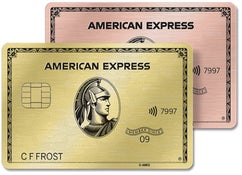
at American Express's secure site
Terms & restrictions apply. See rates & fees.
| 4X | Earn 4X Membership Rewards® points per dollar spent on purchases at restaurants worldwide, on up to $50,000 in purchases per calendar year, then 1X points for the rest of the year. |
| 4X | Earn 4X Membership Rewards® points per dollar spent at US supermarkets, on up to $25,000 in purchases per calendar year, then 1X points for the rest of the year. |
| 5X | Earn 5X Membership Rewards® points on prepaid hotel stays booked through AmexTravel.com or the Amex Travel App™. |
| 3X | Earn 3X Membership Rewards® points on flights booked through AmexTravel.com, the Amex Travel App™, or purchased directly from airlines. |
| 2X | Earn 2X Membership Rewards® points on prepaid car rentals booked through AmexTravel.com or the Amex Travel App™ and cruises booked and paid through AmexTravel.com. |
| 1X | Earn 1X Membership Rewards® point per dollar spent on all other eligible purchases. |
Pros
- Valuable dining and food-related credits
- Flexible rewards with airline and hotel transfer partners
- Multiple travel and purchase protections
- No foreign transaction fees
- Access to Amex Offers for additional savings (enrollment required)
Cons
- Not as useful for those living outside the U.S.
- Some may have trouble using Uber and other dining credits
- You may be eligible for as high as 100,000 Membership Rewards® Points after you spend $8,000 in eligible purchases on your new Card in your first 6 months of Card Membership. Welcome offers vary and you may not be eligible for an offer. Apply to know if you’re approved and find out your exact welcome offer amount – all with no credit score impact. If you’re approved and choose to accept the Card, your score may be impacted.
- Earn 4X Membership Rewards® points per dollar spent on purchases at restaurants worldwide, on up to $50,000 in purchases per calendar year, then 1X points for the rest of the year.
- Earn 4X Membership Rewards® points per dollar spent at US supermarkets, on up to $25,000 in purchases per calendar year, then 1X points for the rest of the year.
- Earn 5X Membership Rewards® points on prepaid hotel stays booked through AmexTravel.com or the Amex Travel App™.
- Earn 3X Membership Rewards® points on flights booked through AmexTravel.com, the Amex Travel App™, or purchased directly from airlines.
- Earn 2X Membership Rewards® points on prepaid car rentals booked through AmexTravel.com or the Amex Travel App™ and cruises booked and paid through AmexTravel.com.
- Earn 1X Membership Rewards® point per dollar spent on all other eligible purchases.
- Pay It® lets you tap in the American Express® App to quickly pay for small purchase amounts throughout the month and still earn rewards the way you usually do. Plan It® gives you the option to split up big purchases into equal monthly payments with a fixed fee. You’ll know upfront exactly how much you’ll pay.
- $120 Dining Credit: Earn up to a total of $10 in statement credits monthly when you pay with the Gold Card at Grubhub (including Seamless), Buffalo Wild Wings, Five Guys, The Cheesecake Factory, and Wonder. This can be an annual savings of up to $120. Enrollment required.
- $100 Resy Credit: Get up to $100 in statement credits each calendar year at over 10,000 qualifying U.S. Resy restaurants after you pay for eligible purchases with the American Express® Gold Card. That’s up to $50 in statement credits semi-annually. Enrollment required.
- $84 Dunkin' Credit: Earn up to $7 in monthly statement credits after you pay with the American Express® Gold Card at U.S. Dunkin’ locations. Enrollment required.
- $120 Uber Cash on Gold: Enjoy up to $120 in Uber Cash annually with your Gold Card. Just add your Card to your Uber account and you'll get $10 in Uber Cash each month to use on orders and rides in the U.S. when you select an Amex Card for your transaction.
- Enjoy complimentary Hertz Five Star® Status benefits like skipping the counter at select locations, adding an additional driver at no additional cost*, and vehicle upgrades**. Benefit enrollment and Hertz Gold+ registration are required. *Additional drivers must meet standard rental qualifications and must be a spouse or domestic partner to qualify as complimentary. Other additional drivers subject to fees. **Benefits are subject to availability and vary by location. Additional Hertz program Terms and Conditions including age restrictions apply.
- Book two nights or more with The Hotel Collection through AmexTravel.com or the Amex Travel App™ and receive a $100* credit towards eligible charges at over 1,400 upscale hotels worldwide. *Eligible charges vary by property.
- Book your travel through the Amex Travel App™ with added peace of mind – backed by American Express® service and support. Only for American Express® Card Members.
- Whenever you need us, we're here. Our Member Services team will ensure you are taken care of. From lost Card replacement to statement questions, we are available to help 24/7.
- No Foreign Transaction Fees.
- Annual Fee is $325.
- Terms Apply.