What your hotel stay will look like in a world after coronavirus

Editor's Note

Editor’s note: This is a recurring post, regularly updated with new information.
2020: The year of the roller-coaster ride for the hospitality industry and everyone that loves visiting hotels around the globe. While stay-at-home orders greatly hampered travel in early spring, things looked up ever so slightly over the summer — as road trips reigned supreme and hotel occupancy rates began to climb.
Unfortunately, recent waves of infections across the U.S. and in many countries around the world has blunted this return to normalcy.
That said, throughout the ongoing pandemic, the hotel industry stepped up to find ways to make their properties as safe as possible and welcome back travelers in a post-coronavirus world. The industry understood how important it would be to adapt to lure customers back. It hasn't been easy, and we'll see more challenges as we get through the next few months that are expected to be difficult ones on the COVID-19 front.
For more TPG news delivered each morning to your inbox, sign up for our daily newsletter.
Today, as part of Hotels & Destinations Week at the 2020 TPG Awards, we'll continue with our "Spotlight on Safety" series as we consider what properties have done (and will likely continue to do) in the months and years to come.
Before this pandemic, few people gave a second thought to sleeping in a bed that hundreds of others had slept in, or touching door handles, faucets and television remotes. But after, people will be hyper-conscious of all the surfaces in a hotel room that are hosts for the virus.
To assuage fears of guests that will return to hotels, a flurry of organizations and individual companies came forward with detailed operational plans on how they planned to welcome guests back to their properties and how they're continuing to strive to provide a safe environment for both guests and employees.

Related: Staying at a hotel in the age of coronavirus
At an industry level, we've seen the U.S. Travel Association, which represents and advocates on behalf of the entire travel industry, release its own set of guidelines in early May. They're based on four fundamental pillars and aim to give all companies who participate in the travel industry guidance for how they can strive to safely operate as the world continues its cautious reopening.
The American Hotel & Lodging Association (AHLA) has released guidelines for all hotels across the spectrum to follow to bolster their cleanliness and safety standards as well as to signal to guests that they're safe to stay in.
And, some of the world's major hotel chains, including Marriott, Hilton, Hyatt, Wyndham, Sandals and more have communicated plans of their own to take additional cleaning and sanitization steps as well as to certify that their properties are indeed safe for guests to return to.
So, what will it take for guests to believe that the hotel they've chosen is clean and safe?
Is clean certification on the horizon?
"For the hospitality industry to restart successfully, the key to success is instilling consumer confidence that a hotel campus is clean, safe and secure," said Scott Berman, principal and industry leader of the Hospitality & Leisure Group at PricewaterhouseCoopers, Miami. "This conversation is turning into guidelines, and those guidelines will eventually turn into brand standards."
Some countries have already begun putting this into practice. According to Skift, the Singapore Tourism Board launched a "new clean" auditing initiative that measures hotel compliance with seven criteria for cleanliness. The properties will be considered "SG Clean" if the hotels meet the standards.
To earn the SG Clean Quality Mark, a hotel property will have to appoint a manager to oversee the implementation of cleanliness and hygiene practices as well as to ensure compliance with health and travel advisories, guidelines and government orders on COVID-19, according to the Singapore Tourism Board,
Singapore has already certified many businesses — including the Grand Hyatt Singapore, where a COVID-19 outbreak occurred earlier this year. The country hopes to enroll more than 37,000 businesses, from retail stores to restaurants to hotels, in the coming months.
Visit TPG’s guide to all coronavirus news and updates
Neighboring Malaysia implemented its version of the program — called "Clean & Safe Malaysia" — through which hotels can be declared safe by "relevant authorities."
If hotels can convey the message to their guests that they're being regulated, checked and approved by the authorities for clean and safe practices, it may ease the minds of at least some guests who are eager to get back on the road but are still put off by the idea of staying in a hotel.
Rebuilding consumer confidence will be key to getting not just the travel industry recovering, but the economy as a whole. According to the U.S. Travel Association, the losses coming as a result of the COVID-19 pandemic will result in a staggering $1.2 trillion blow to the nation's GDP — and an $80 billion shortfall in tax revenue for the federal government.
Related: Beyond coronavirus — What the future of travel will look like for all of us
The American Hotel & Lodging Association (AHLA) released an industrywide initiative at the end of April called "Safe Stay," which is mean to "change hotel industry norms, behaviors and standards to ensure both hotel guests and employees are confident in the cleanliness and safety of hotels once travel resumes."
Its goal is to get a large majority of hotels and other lodging venues on board with its plans so that the public can once again have confidence in staying at a hotel or other accommodation.
Its plan hinges on four main principles: enhanced cleaning standards throughout the whole property; higher-grade cleaning products that adhere to CDC guidelines; social distancing and reduced person-to-person contact; and effective communication between the hotel and its guests about all these processes.
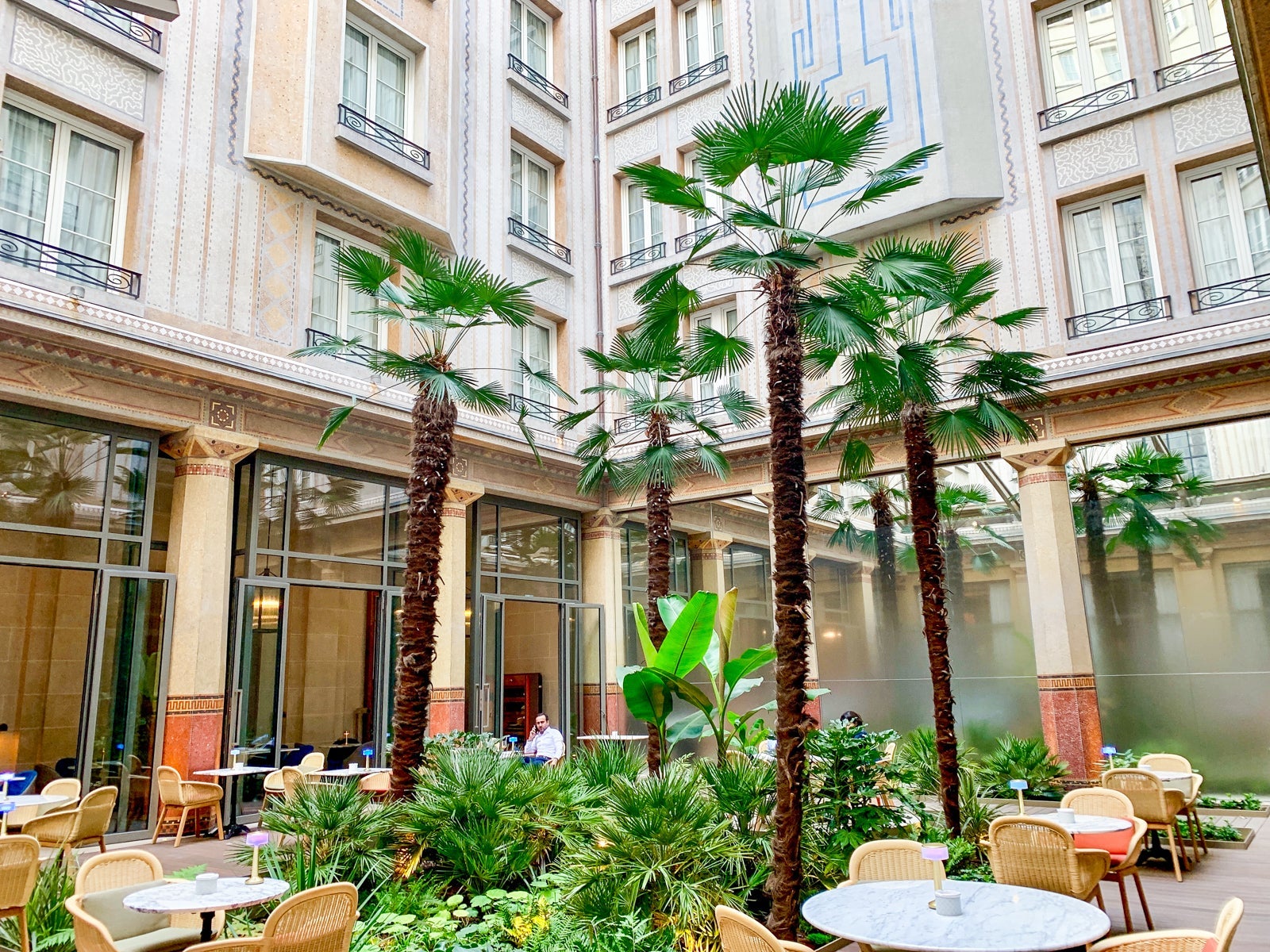
There are, of course, fundamental questions about how a hotel could be certified — and who would be in charge of that process. Will it come down to local and state authorities, or will that responsibility fall on individual properties or their larger corporate parents?
TPG spoke with Darron Billeter, associate professor of marketing at the Marriott School of Business at Brigham Young University, and he said countries and firms will have economic incentives to differentiate themselves from competitors by demonstrating that their accommodations are safe, clean and equipped to keep guests safe.
Within the U.S., a sort of checklist to ensure cleanliness and safety already exists in the form of the American Automobile Association's (AAA) Diamond Program. It includes standards for hotels and restaurants to meet — and surpass — to receive a Diamond designation.
Individual properties are inspected annually and the inspection criteria include the cleanliness of public areas and guest rooms. However, there isn't a publicly available, point-by-point checklist for guests to see.
Although there's some sort of framework for ensuring cleanliness standards, it hasn't traditionally been at the forefront of a hotel's pitch to consumers. It's likely that, in a post-coronavirus reality, that will change. But to hold any weight with consumers, individual items on a checklist must be disclosed and communicated to guests at many points during a hotel stay.
"Firms must invest in publicity to communicate the changes they are making in order for it to impact the purchasing process," Billeter explained. "Furthermore, there must be product integrity. The firms must change their processes to really provide outstanding cleanliness in service, or else the certifications will lack credibility."
Whenever hotels begin to roll out plans for their new standards, it's clear they will have to be effective, credible and clearly communicated to guests.
What will your stay look like?
So, what will an average hotel stay look and feel like after the world begins to move around again? We don't know for sure quite yet, but there are plenty of clues from current hotel practices — as well as what we're seeing in other industries.
Sanitized arrivals
A hotel's defense against the spread of germs will begin before a guest even enters a hotel. At mid-range or lower-end hotels, this could mean automatic sliding doors — which many already have — and bellhops wearing personal protective equipment (PPE) at higher-end properties to open and close doors for guests. Hotels may require guests and visitors to be screened for temperature checks as they enter the hotel.
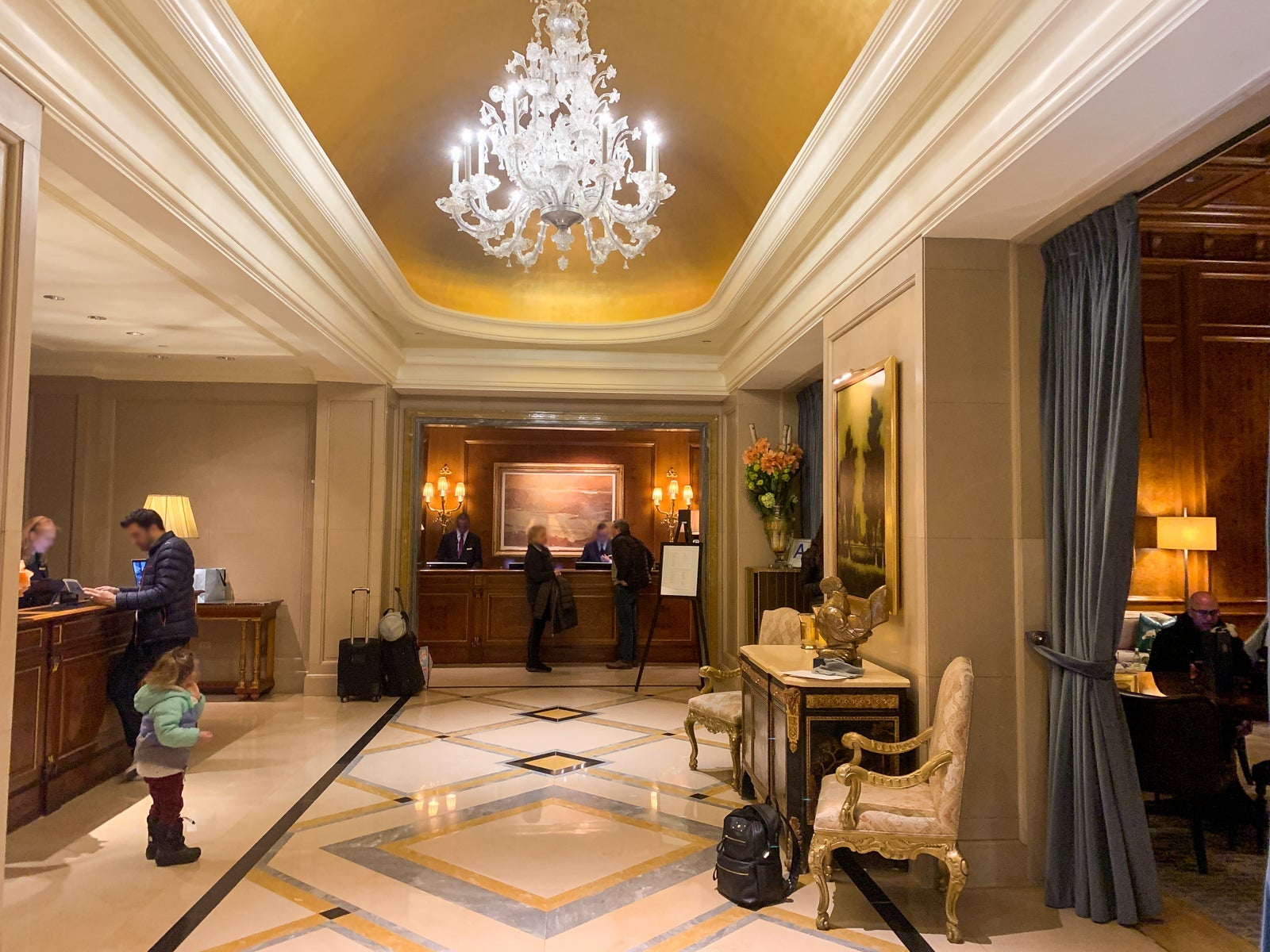
Front-desk agents might be equipped with face masks and gloves to complete check-in and checkout procedures as well as handle guest requests, signaling immediately the hotel is taking the safety of its employees and its guests seriously.
We may see at least a pause in guests handing over their credit card and ID, and payments may be limited to the card listed on the original reservation made online so cards don't need to be exchanged and handled by multiple people. We could also see a further shift toward contactless payment. (Here are tips for sanitizing your credit cards as well as how to pay without touching anything.)
Hotels will likely continue to utilize touch-free hand sanitizer stations in lobbies and throughout their properties, and we could see disinfectant wipes located outside elevators so guests can wipe down the buttons. Perhaps we'll even see a return to a bygone era where luxury properties would staff an elevator with an attendant — wearing a mask and gloves, of course.
Apps for contactless arrival and departure
We'll likely see hotels roll out contactless initiatives, such as mobile check-in and digital keys. Check-in and door-key apps have been implemented in a somewhat piecemeal fashion over the past several years, but the pace will need to accelerate so guests can more easily open doors in public spaces and complete check-in and checkout procedures digitally.
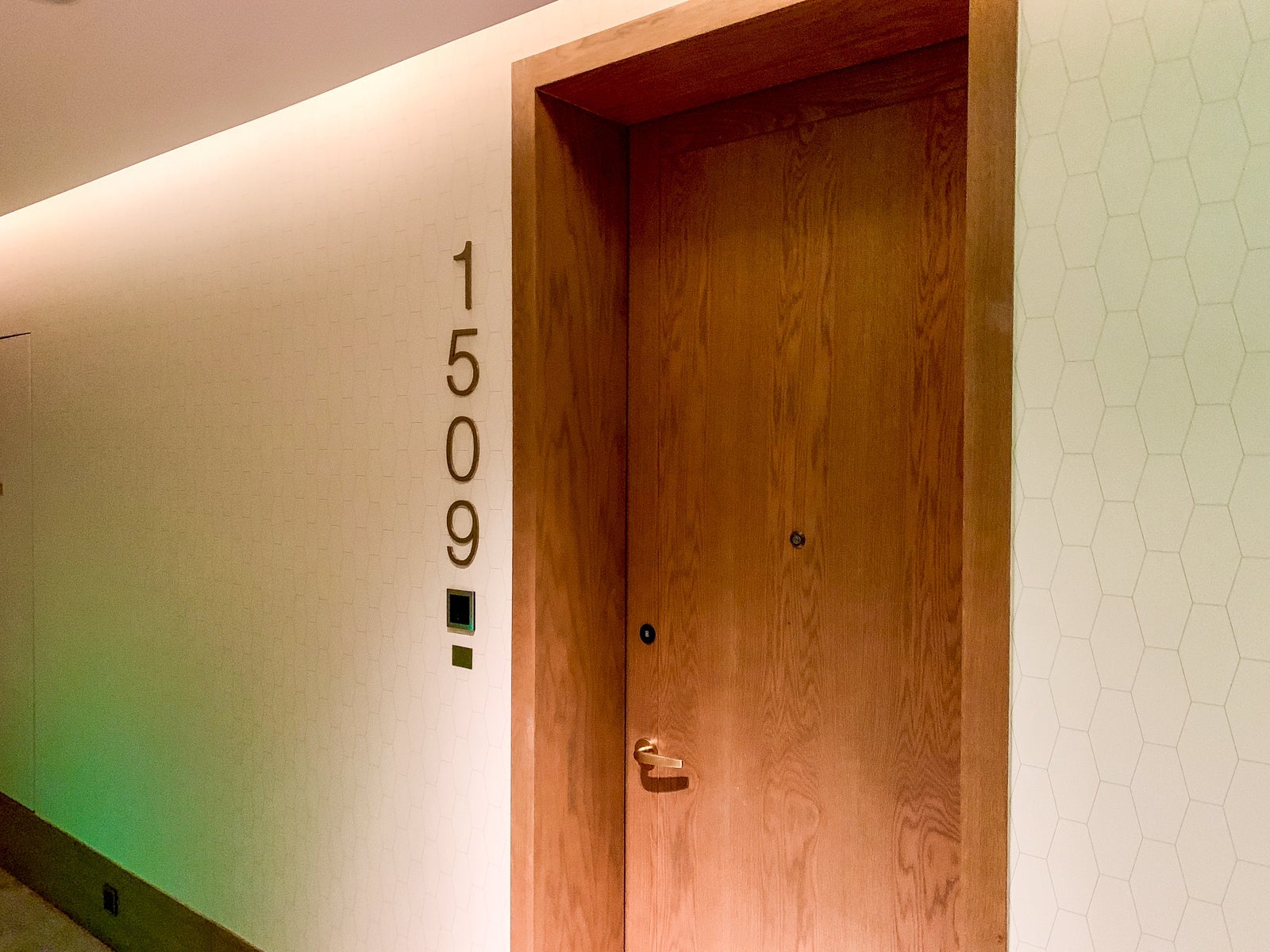
This could also be applied to in-room technology. Some hotels allow you to connect your mobile device to control a television, limiting the need to use a shared remote.
Technology-driven cleaning tools and health monitoring
Guests will not only need a clean room to sleep in; they'll also need to trust that it is indeed clean. "There are discussions moving in rapid fashion around whether daily housekeeping as we knew it pre-COVID will be very different when we come back," according to Berman. "Examples of major potential changes include adding new technologies, such as germ-detecting ultraviolet lighting in rooms, as well as contact tracing."
At least one hotel has already leaned heavily on new technologies. The Westin Houston Medical Center has become the first hotel in the nation with germ-killing robots that use UV light to disinfect areas throughout the hotel.
Of course, the use of ozone generators to remove odors from rooms — and kill microorganisms — has been standard practice for years at many hotels and could be one more point on a new-and-improved, clean-room checklist.
Related: How the coronavirus will change travel forever
And maybe we'll see even more hotel rooms coated with a long-term disinfectant like ACT CleanCoat, which has been used at hotels in Denmark and even a self-disinfecting cruise ship.
Reconsidering in-room amenities
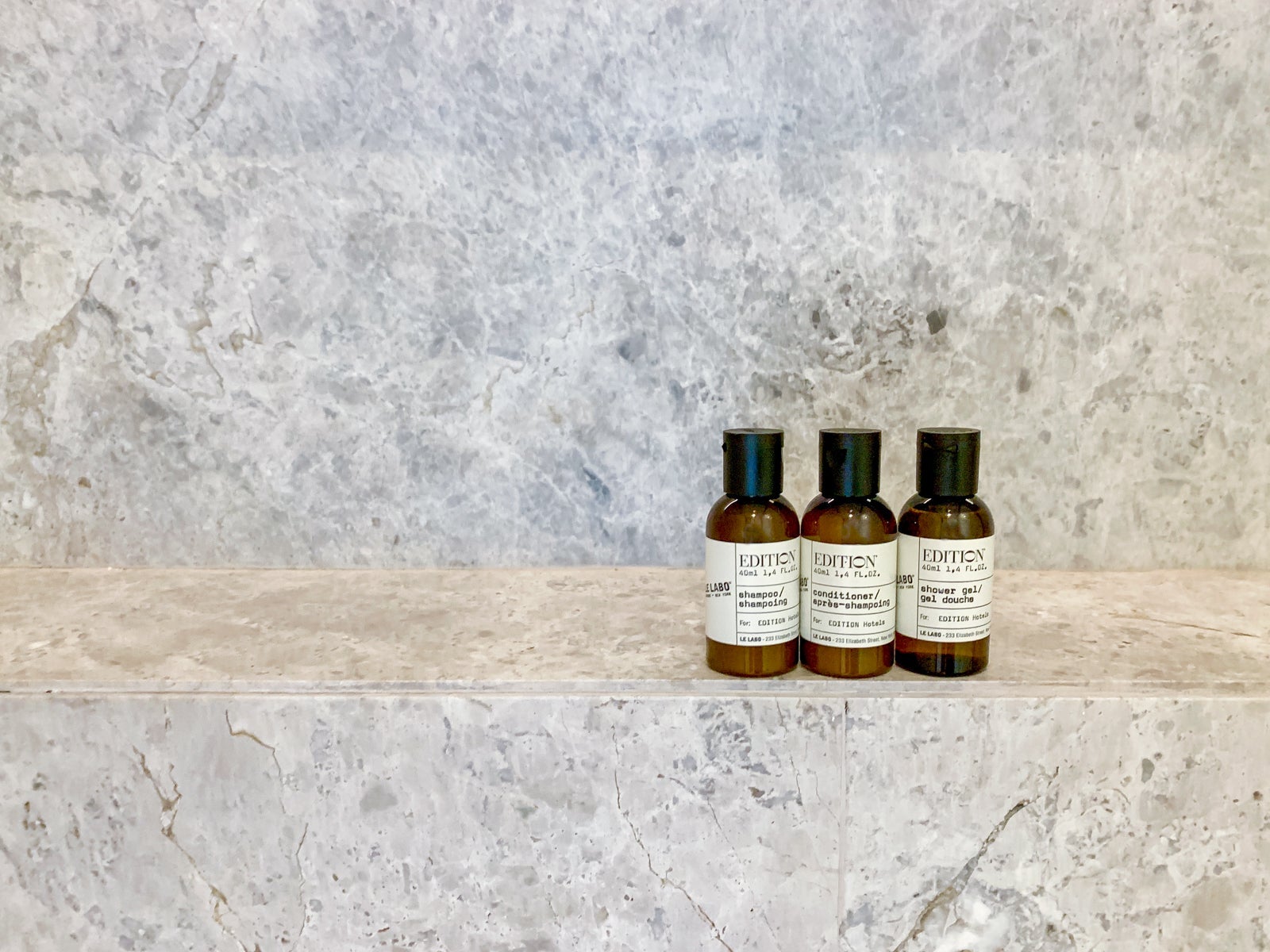
There could also be a return to some old practices, like reinstating the use of single-use toiletries instead of multiuse bottles to minimize the spread of germs through contact between guests. In recent years, Hyatt, IHG and Marriott have announced plans to phase out single-use plastics across their entire portfolio. But with a new focus on mitigating the spread of disease, there's a chance that single-use toiletries could make a comeback.
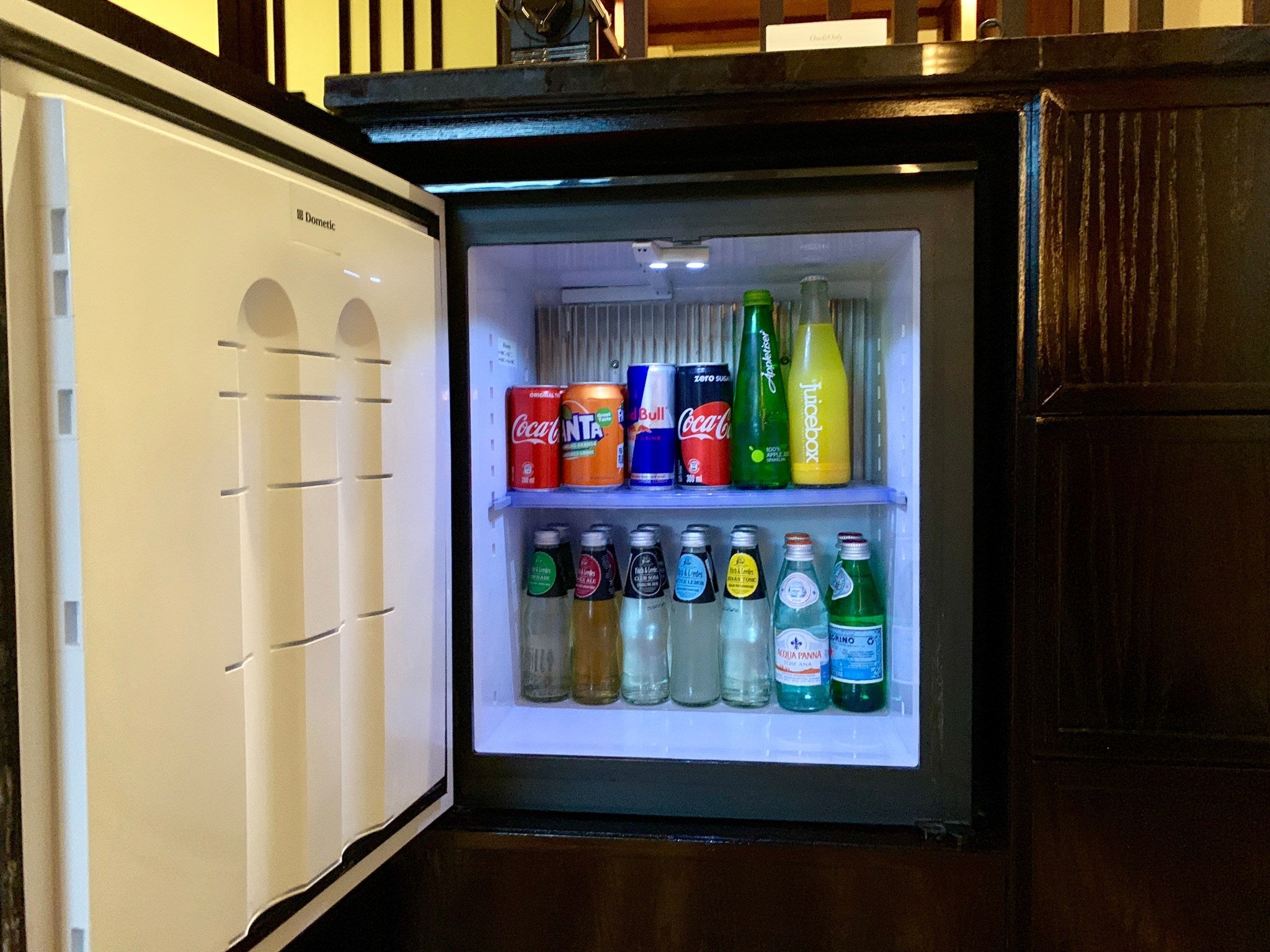
There’s a good chance these types of amenities (a cheese plate, for example, or a bottle of wine) won’t be immediately returning to hotel rooms.
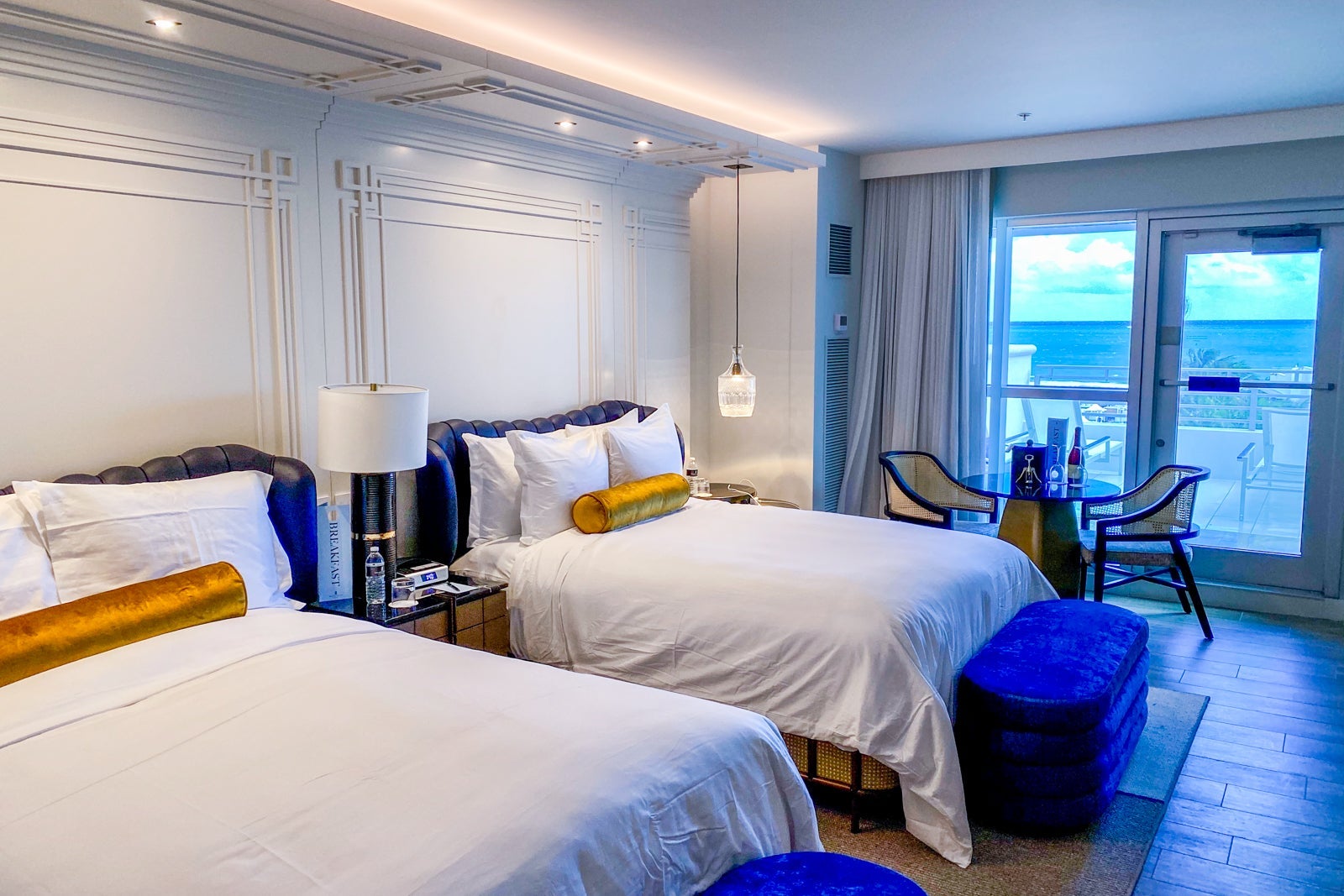
In guest rooms, the priority is going to be on cleanliness, not extravagance. We could even see a reduction in decorative pillows, bed runners, items stocked in minibars and even paper products like magazines and pamphlets.
According to a spokesperson for Hyatt, the chain has been working with experts who have advised the chain on enhanced cleaning and disinfecting procedures, as well as technology and equipment to implement that's designed to help protect guests and staff members from the spread of the virus.
The spokesperson told TPG that the chain has "increased frequency of cleaning and disinfecting of high-touch surfaces and areas like lobbies, guest rooms, restaurants, meeting and event spaces, recreational areas, public restrooms, fitness centers, elevator buttons, all employee areas, and more to help eliminate any potential bacteria and viruses, including COVID-19. The guidance also includes prominently placing hand sanitizer stations throughout hotel public areas and entrances, as well as introducing social distancing signage that will provide guidance for guests in public spaces."
Related: 5 key takeaways from our conversation with Hyatt’s Chief Commercial Officer
If hotels can successfully show they're taking the threat of germ spread seriously — maybe going so far as to wrap a television remote in plastic and replacing it daily — it could bring travelers additional peace of mind.
Differences in dining
As mentioned above, we're likely to see hotels displaying their new procedures prominently in lobbies, other public spaces and guest rooms. Just as restaurants in large cities such as New York and Los Angeles display letter grades in their windows that reflect how they fared in health department inspections, hotels will probably be eager to show off a "clean bill of health."
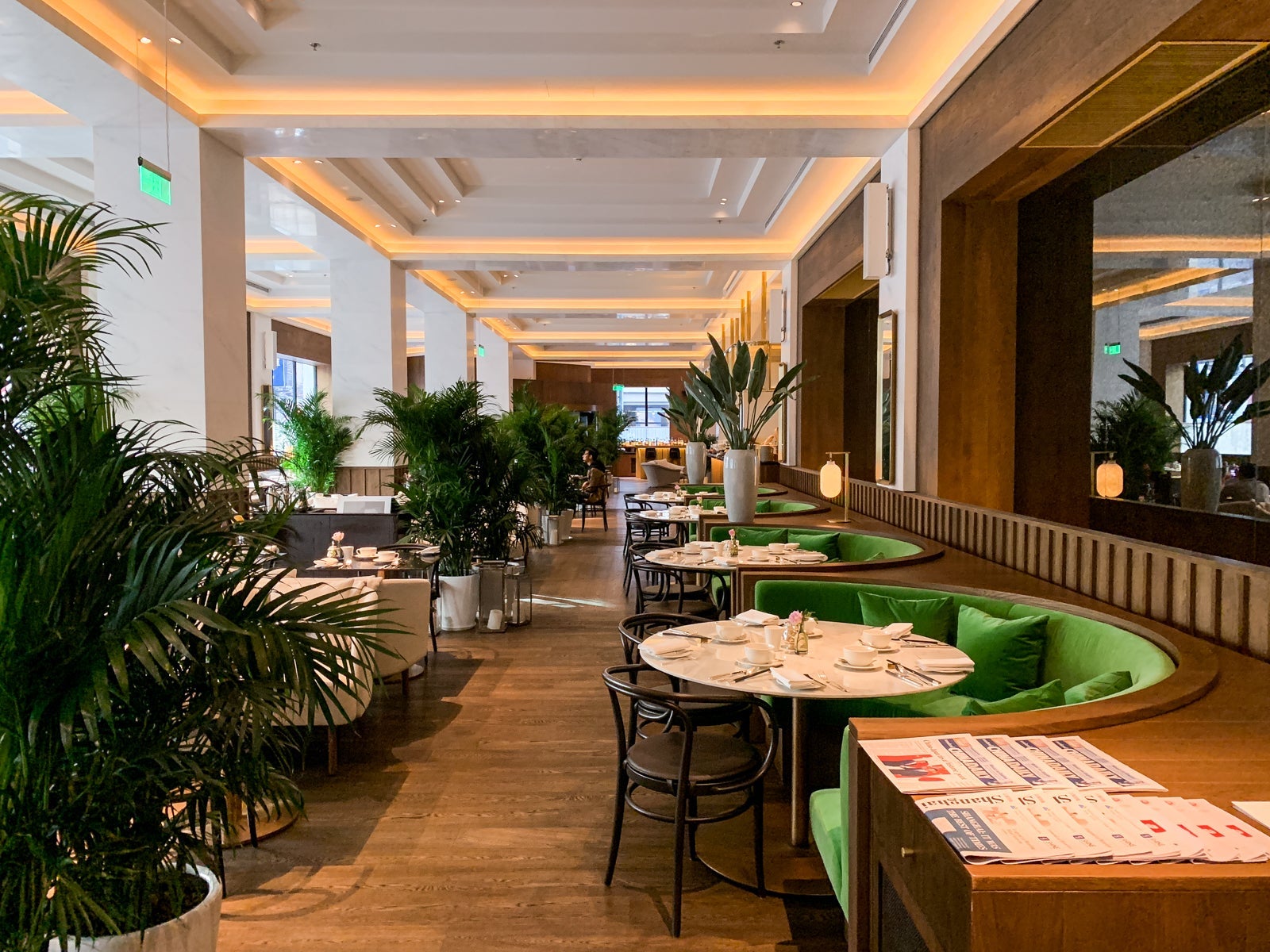
We'll also likely see social-distancing measures continue to apply within hotel restaurants and bars for a while, and guests will probably turn to room service in higher numbers. However, staff members who bring food to a guest's room will have to show they're following strict protocols to ensure minimal interaction for the safety of both parties. We could reasonably expect to see food delivered with a lot more plastic wrap. And, perhaps we'll even see rooms rearranged to be more suitable for in-room dining.
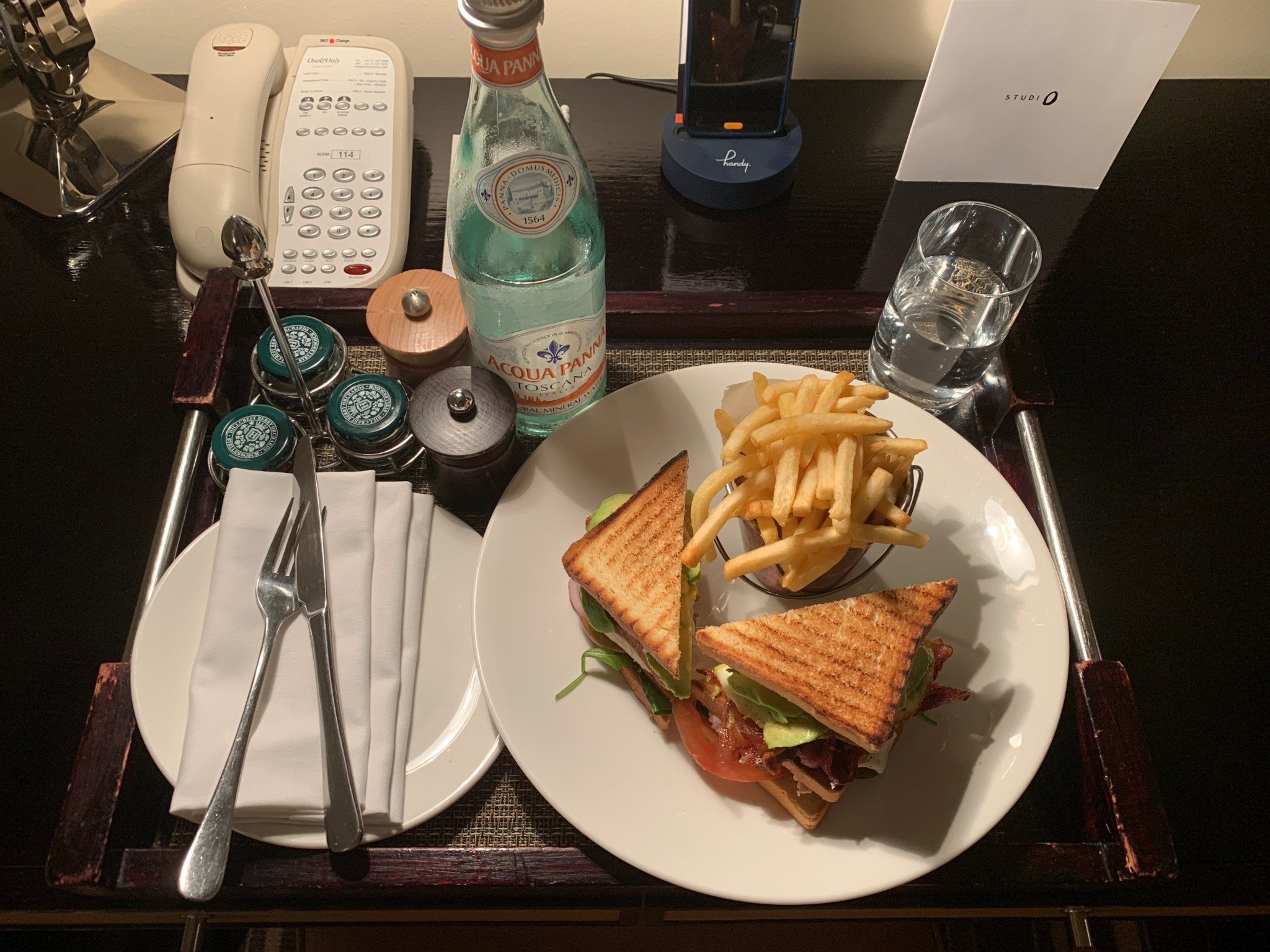
At properties that don't offer room service, the popular lobby grab-and-go stations where you can pick up a complimentary apple or cookie may not be stocked for several months. However, expect an expansion of options to pre-order food for pick-up — prepared in a sanitized kitchen and served in disposable containers.
And, those who love an elaborate Las Vegas buffet will likely be disappointed, at least in the near-term. Hotels aren't going to take the risk of a new outbreak originating at the make-your-own omelet station.
A big outstanding question here involves hotel elite status, which frequently confers free breakfast or welcome drinks to higher tiers. Some properties have shifted away from these value-added perks during the pandemic, offering bonus points or other substitute amenities in their place. If this continues in a post-coronavirus world, major hotel loyalty programs will have to seriously consider whether the new offerings can truly replace the value of the eliminated benefits.
Changes to other public spaces
Hotel pools, gyms and spas are other heavily-trafficked areas where we'll likely notice changes. In the gym, you may be worried about using the equipment. That's why we wouldn't be surprised to see mask-wearing attendants in the fitness center to ensure equipment is wiped down and disinfected between uses. And we'll likely see a reduction or elimination of amenities like headphones and fruit.
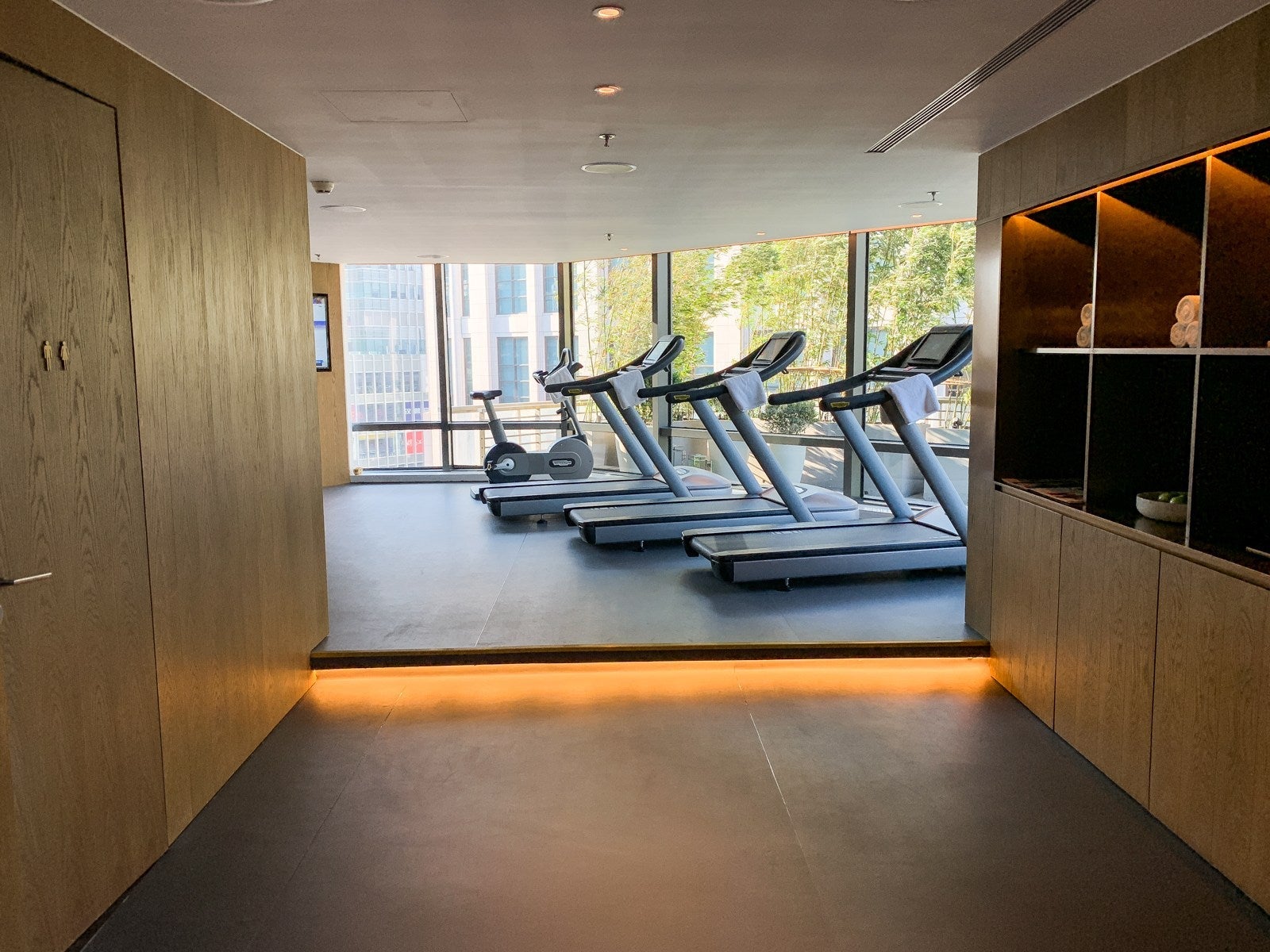
In the spa, staff members will also have to wear PPE, and there's a good chance the menu of treatments will be trimmed significantly to cut down on the spread of germs and minimize contact. We've also seen some reopened spas eliminating walk-ins — so there's a solid chance that reservations will be a requirement moving forward in an effort to control capacity and crowding.
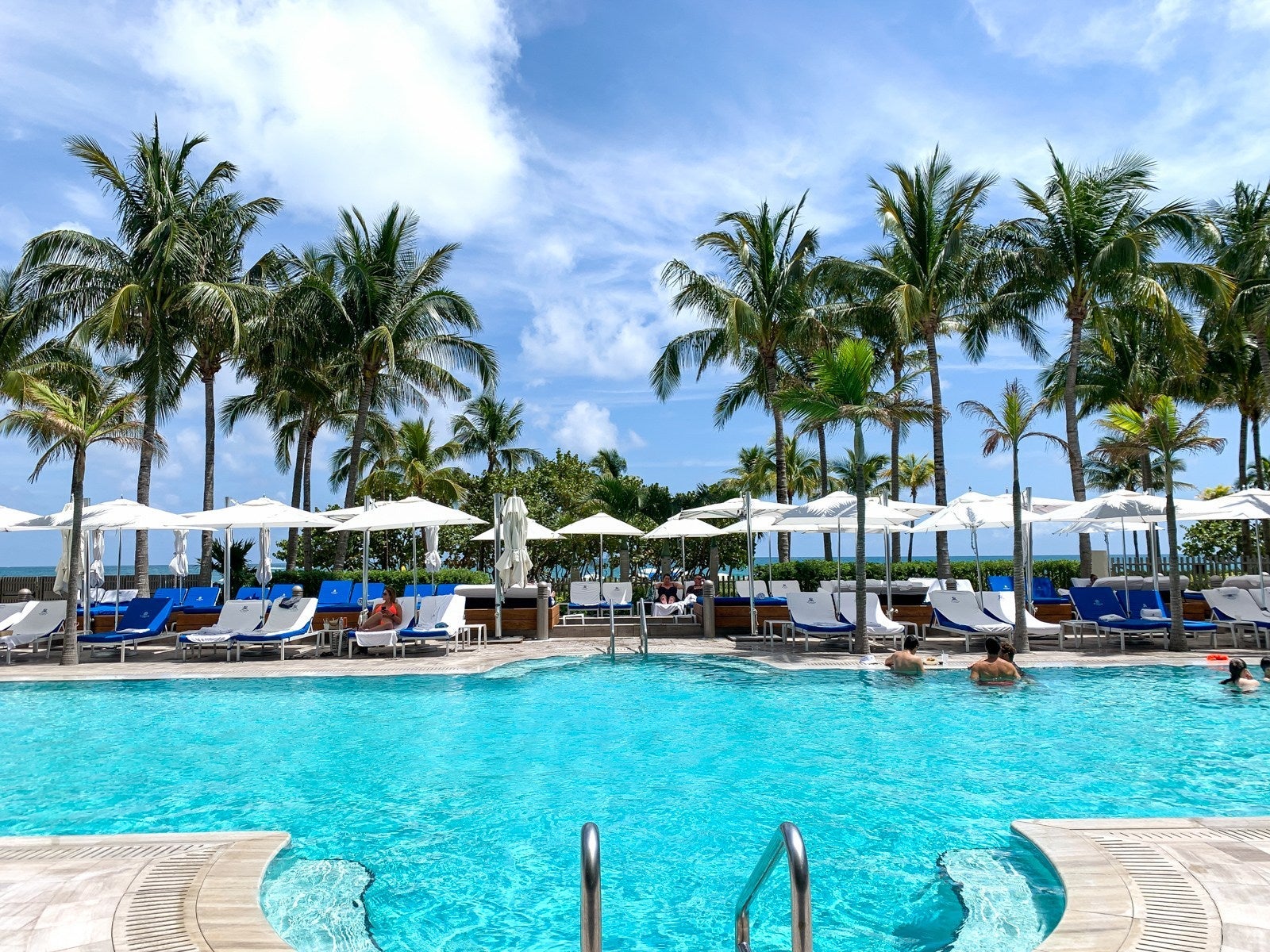
Finally, at the pool and the beach, we'll see social distancing measures, like chairs spaced further apart, and changes to service at the pool and beach. Attendants will be wearing masks and gloves, and they'll likely be less hands-on about setting up lounge chairs and fetching glasses of water and other drinks — though with these locations being powerful sources of revenue, a property can't go too far in limiting these services.
Do hotels have a plan?
Hotel chains are acutely aware of the fact that they will need strong, decisive measures in place to protect their properties against the spread of the disease and to reassure guests that they're safe to sleep at.
Over the last several months, the major U.S. hotel brands have been identifying and implementing plans that are designed to fortify their lines of defense at individual properties — and communicating those new practices to wary guests.
Here's what some other major chains are doing:
Marriott
The world's largest hotel brand was also the first to make a move in releasing a cleanliness and sanitization plan to the public. It's establishing what it's calling the Marriott Global Cleanliness Council to advise properties on implementing strategies to make them safer for guests and employees.
More specifically, properties are utilizing technologies like electrostatic sprayers to disinfect rooms and common areas, enact social-distancing guidelines in lobbies, gyms, at the pool and more. In addition, it has enhanced its food-safety guidelines and is leaning on its mobile app to decrease touchpoints between staff and guests.
You can read the full details of Marriott's approach here.
Hilton
Shortly after Marriott went public with its hotel-safety plan, Hilton followed with one of its own, betting on the reputations of institutions in health care and cleaning — specifically the Mayo Clinic and Lysol — to help bolster the effectiveness of its plan in the minds of its guests.
Its program — "Hilton CleanStay with Lysol protection" — focuses on many of the same aspects of Marriott's plan, like social-distancing where possible; enhanced cleanings and sanitization in guest rooms, lobbies and other public areas; and reliance on the mobile app and its built-in functionality. One noteworthy aspect of Hilton's plan is that it's now using a seal on the doors of guest rooms that tell guests that their room hasn't been entered since the last time it was cleaned.
You can read the full details of Hilton's plan here.
Hyatt
Chicago-based Hyatt became the third major hotel chain to release its plan to enhance cleanliness at its hotels, and a foundational element of its strategy is to achieve Global Biorisk Advisory Council (GBAC) STAR accreditation at more than 900 hotels worldwide.
Like its peers, Hyatt has boosted its standards for cleaning of guest rooms, public areas and other high-touch spots throughout each hotel, enhanced its food-safety standards, put social-distancing measures into effect where possible and more.
You can read the full details of Hyatt's plan here.
Sandals
Sandals Resorts, one of the world's most-recognized all-inclusive resort chains, has released its "Sandals Platinum Protocols of Cleanliness" initiative, which is set to roll out among all its 15 Sandals properties and three Beaches family all-inclusive properties in the coming weeks.
Highlights of its plan include identifying 18 high-touch areas to receive enhanced cleaning protocols, a minimum of three checks daily on property-level adherence to enhanced cleaning standards, use of advanced technologies to sanitize guest rooms, maintaining social distancing at each property, imposing regulations on suppliers to minimize contact and the spread of germs and dedicated "Quality Inspection Teams" and "Environmental Health and Safety Managers" at each property to maintain compliance with guidelines established by the CDC, WHO and local governments.
You can read the full details of Sandals' plan here.
Wyndham
Through its "Count on Us" initiative, Wyndham is joining the fray of hotel chains publicizing plans to keep guests and associates safe.
The initiative focuses around four main objectives, including a stepped-up cleaning and disinfection protocol of all guest rooms and public areas, shoring up its supply chains to make sure hotels are equipped with all the materials they need, adhering to the "Safe Stay" criteria outlined by the AHLA and making sure guests are aware of these new procedures and that they're also doing their part by doing things such as continuing to practice social distancing.
You can read the full details of Wyndham's plan here.
Bottom line
As the world envisions what life will be like after coronavirus, hotels are redefining what a hotel stay is going to look like, from socially-distanced lobby arrangements to seals on room doors to indicate a "safe" room.
And it's becoming increasingly apparent that how a hotel can communicate its new standards to the customer will be key for attracting them once again as the country (and world) continues its slow march toward opening again.
At this point, it goes without saying that in the post-coronavirus age, the greatest luxury in travel — and specifically hotels — won't be overwater villas or private butlers, but the assurance of cleanliness and safety.
All photos by the author.
TPG featured card

Rewards
| 4X | Earn 4X Membership Rewards® points per dollar spent on purchases at restaurants worldwide, on up to $50,000 in purchases per calendar year, then 1X points for the rest of the year. |
| 4X | Earn 4X Membership Rewards® points per dollar spent at US supermarkets, on up to $25,000 in purchases per calendar year, then 1X points for the rest of the year. |
| 3X | Earn 3X Membership Rewards® points per dollar spent on flights booked directly with airlines or on AmexTravel.com. |
| 2X | Earn 2X Membership Rewards® points per dollar spent on prepaid hotels and other eligible purchases booked on AmexTravel.com. |
| 1X | Earn 1X Membership Rewards® point per dollar spent on all other eligible purchases. |
Intro offer
Annual Fee
Recommended Credit
Why We Chose It
There’s a lot to love about the Amex Gold. It’s a fan favorite thanks to its fantastic bonus-earning rates at restaurants worldwide and at U.S. supermarkets. If you’re hitting the skies soon, you’ll also earn bonus Membership Rewards points on travel. Paired with up to $120 in Uber Cash annually (for U.S. Uber rides or Uber Eats orders, card must be added to Uber app and you can redeem with any Amex card), up to $120 in annual dining statement credits to be used with eligible partners, an up to $84 Dunkin’ credit each year at U.S. Dunkin Donuts and an up to $100 Resy credit annually, there’s no reason that foodies shouldn’t add the Amex Gold to their wallet. These benefits alone are worth more than $400, which offsets the $325 annual fee on the Amex Gold card. Enrollment is required for select benefits. (Partner offer)Pros
- 4 points per dollar spent on dining at restaurants worldwide and U.S. supermarkets (on the first $50,000 in purchases per calendar year; then 1 point per dollar spent thereafter and $25,000 in purchases per calendar year; then 1 point per dollar spent thereafter, respectively)
- 3 points per dollar spent on flights booked directly with the airline or with amextravel.com
- Packed with credits foodies will enjoy
- Solid welcome bonus
Cons
- Not as useful for those living outside the U.S.
- Some may have trouble using Uber and other dining credits
- You may be eligible for as high as 100,000 Membership Rewards® Points after you spend $6,000 in eligible purchases on your new Card in your first 6 months of Card Membership. Welcome offers vary and you may not be eligible for an offer. Apply to know if you’re approved and find out your exact welcome offer amount – all with no credit score impact. If you’re approved and choose to accept the Card, your score may be impacted.
- Earn 4X Membership Rewards® points per dollar spent on purchases at restaurants worldwide, on up to $50,000 in purchases per calendar year, then 1X points for the rest of the year.
- Earn 4X Membership Rewards® points per dollar spent at US supermarkets, on up to $25,000 in purchases per calendar year, then 1X points for the rest of the year.
- Earn 3X Membership Rewards® points per dollar spent on flights booked directly with airlines or on AmexTravel.com.
- Earn 2X Membership Rewards® points per dollar spent on prepaid hotels and other eligible purchases booked on AmexTravel.com.
- Earn 1X Membership Rewards® point per dollar spent on all other eligible purchases.
- $120 Uber Cash on Gold: Add your Gold Card to your Uber account and get $10 in Uber Cash each month to use on orders and rides in the U.S. when you select an American Express Card for your transaction. That’s up to $120 Uber Cash annually. Plus, after using your Uber Cash, use your Card to earn 4X Membership Rewards® points for Uber Eats purchases made with restaurants or U.S. supermarkets. Point caps and terms apply.
- $84 Dunkin' Credit: With the $84 Dunkin' Credit, you can earn up to $7 in monthly statement credits after you enroll and pay with the American Express® Gold Card at U.S. Dunkin' locations. Enrollment is required to receive this benefit.
- $100 Resy Credit: Get up to $100 in statement credits each calendar year after you pay with the American Express® Gold Card to dine at U.S. Resy restaurants or make other eligible Resy purchases. That's up to $50 in statement credits semi-annually. Enrollment required.
- $120 Dining Credit: Satisfy your cravings, sweet or savory, with the $120 Dining Credit. Earn up to $10 in statement credits monthly when you pay with the American Express® Gold Card at Grubhub, The Cheesecake Factory, Goldbelly, Wine.com, and Five Guys. Enrollment required.
- Explore over 1,000 upscale hotels worldwide with The Hotel Collection and receive a $100 credit towards eligible charges* with every booking of two nights or more through AmexTravel.com. *Eligible charges vary by property.
- No Foreign Transaction Fees.
- Annual Fee is $325.
- Terms Apply.
Rewards Rate
| 4X | Earn 4X Membership Rewards® points per dollar spent on purchases at restaurants worldwide, on up to $50,000 in purchases per calendar year, then 1X points for the rest of the year. |
| 4X | Earn 4X Membership Rewards® points per dollar spent at US supermarkets, on up to $25,000 in purchases per calendar year, then 1X points for the rest of the year. |
| 3X | Earn 3X Membership Rewards® points per dollar spent on flights booked directly with airlines or on AmexTravel.com. |
| 2X | Earn 2X Membership Rewards® points per dollar spent on prepaid hotels and other eligible purchases booked on AmexTravel.com. |
| 1X | Earn 1X Membership Rewards® point per dollar spent on all other eligible purchases. |
Intro Offer
You may be eligible for as high as 100,000 Membership Rewards® Points after spending $6,000 in eligible purchases on your new Card in your first 6 months of Membership. Welcome offers vary and you may not be eligible for an offer.As High As 100,000 points. Find Out Your Offer.Annual Fee
$325Recommended Credit
Credit ranges are a variation of FICO® Score 8, one of many types of credit scores lenders may use when considering your credit card application.Excellent to Good
Why We Chose It
There’s a lot to love about the Amex Gold. It’s a fan favorite thanks to its fantastic bonus-earning rates at restaurants worldwide and at U.S. supermarkets. If you’re hitting the skies soon, you’ll also earn bonus Membership Rewards points on travel. Paired with up to $120 in Uber Cash annually (for U.S. Uber rides or Uber Eats orders, card must be added to Uber app and you can redeem with any Amex card), up to $120 in annual dining statement credits to be used with eligible partners, an up to $84 Dunkin’ credit each year at U.S. Dunkin Donuts and an up to $100 Resy credit annually, there’s no reason that foodies shouldn’t add the Amex Gold to their wallet. These benefits alone are worth more than $400, which offsets the $325 annual fee on the Amex Gold card. Enrollment is required for select benefits. (Partner offer)Pros
- 4 points per dollar spent on dining at restaurants worldwide and U.S. supermarkets (on the first $50,000 in purchases per calendar year; then 1 point per dollar spent thereafter and $25,000 in purchases per calendar year; then 1 point per dollar spent thereafter, respectively)
- 3 points per dollar spent on flights booked directly with the airline or with amextravel.com
- Packed with credits foodies will enjoy
- Solid welcome bonus
Cons
- Not as useful for those living outside the U.S.
- Some may have trouble using Uber and other dining credits
- You may be eligible for as high as 100,000 Membership Rewards® Points after you spend $6,000 in eligible purchases on your new Card in your first 6 months of Card Membership. Welcome offers vary and you may not be eligible for an offer. Apply to know if you’re approved and find out your exact welcome offer amount – all with no credit score impact. If you’re approved and choose to accept the Card, your score may be impacted.
- Earn 4X Membership Rewards® points per dollar spent on purchases at restaurants worldwide, on up to $50,000 in purchases per calendar year, then 1X points for the rest of the year.
- Earn 4X Membership Rewards® points per dollar spent at US supermarkets, on up to $25,000 in purchases per calendar year, then 1X points for the rest of the year.
- Earn 3X Membership Rewards® points per dollar spent on flights booked directly with airlines or on AmexTravel.com.
- Earn 2X Membership Rewards® points per dollar spent on prepaid hotels and other eligible purchases booked on AmexTravel.com.
- Earn 1X Membership Rewards® point per dollar spent on all other eligible purchases.
- $120 Uber Cash on Gold: Add your Gold Card to your Uber account and get $10 in Uber Cash each month to use on orders and rides in the U.S. when you select an American Express Card for your transaction. That’s up to $120 Uber Cash annually. Plus, after using your Uber Cash, use your Card to earn 4X Membership Rewards® points for Uber Eats purchases made with restaurants or U.S. supermarkets. Point caps and terms apply.
- $84 Dunkin' Credit: With the $84 Dunkin' Credit, you can earn up to $7 in monthly statement credits after you enroll and pay with the American Express® Gold Card at U.S. Dunkin' locations. Enrollment is required to receive this benefit.
- $100 Resy Credit: Get up to $100 in statement credits each calendar year after you pay with the American Express® Gold Card to dine at U.S. Resy restaurants or make other eligible Resy purchases. That's up to $50 in statement credits semi-annually. Enrollment required.
- $120 Dining Credit: Satisfy your cravings, sweet or savory, with the $120 Dining Credit. Earn up to $10 in statement credits monthly when you pay with the American Express® Gold Card at Grubhub, The Cheesecake Factory, Goldbelly, Wine.com, and Five Guys. Enrollment required.
- Explore over 1,000 upscale hotels worldwide with The Hotel Collection and receive a $100 credit towards eligible charges* with every booking of two nights or more through AmexTravel.com. *Eligible charges vary by property.
- No Foreign Transaction Fees.
- Annual Fee is $325.
- Terms Apply.