Hotels -- and the ick factor -- in the time of coronavirus

Editor's note:TPG doesn't currently recommend traveling. However, I made this trip because I wanted to be closer to my family and help my sister take care of our parents as the coronavirus pandemic continues, with no end in sight. I'm sharing my story not to encourage similar trips, but to provide information for those who must travel.
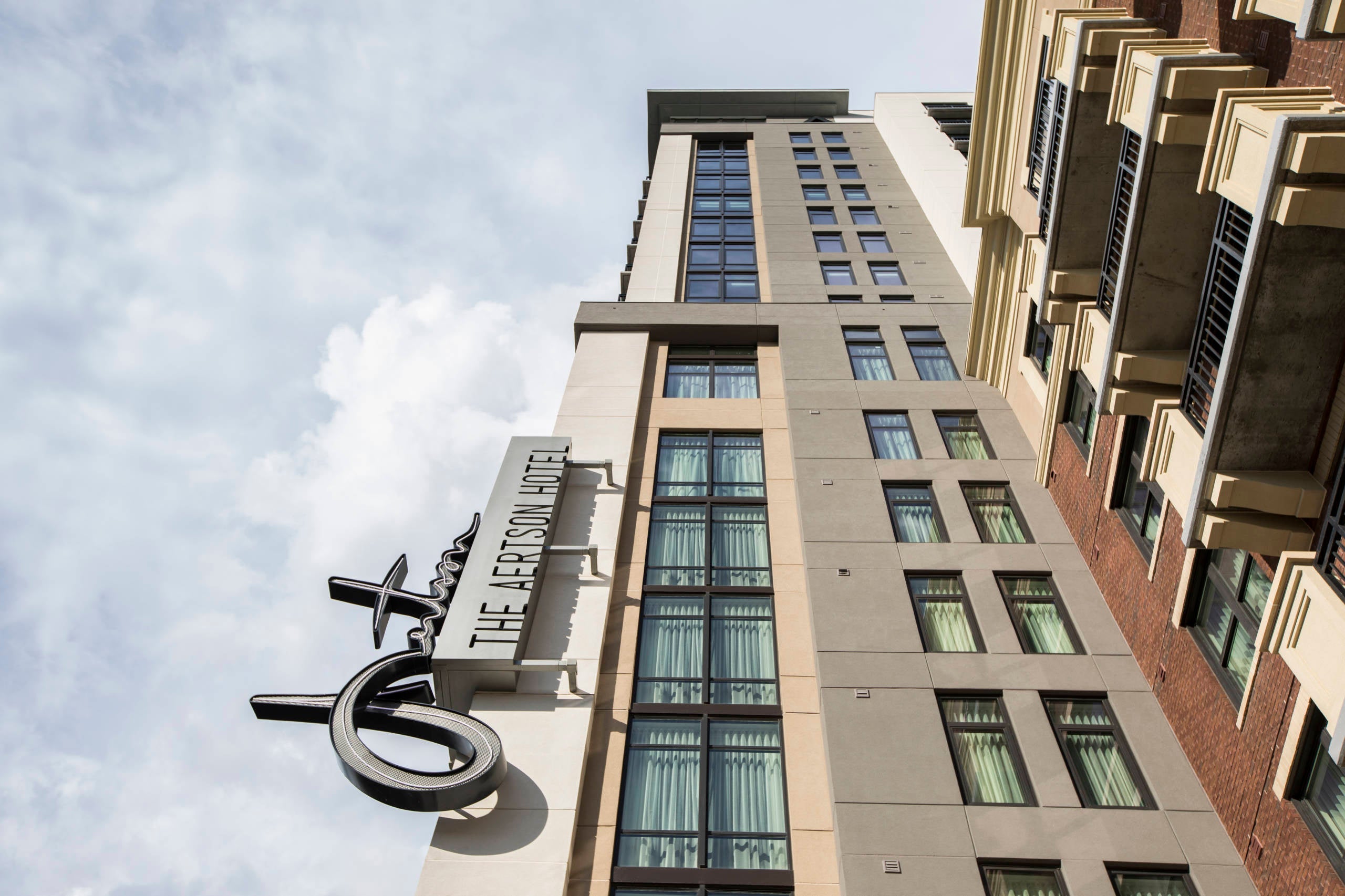
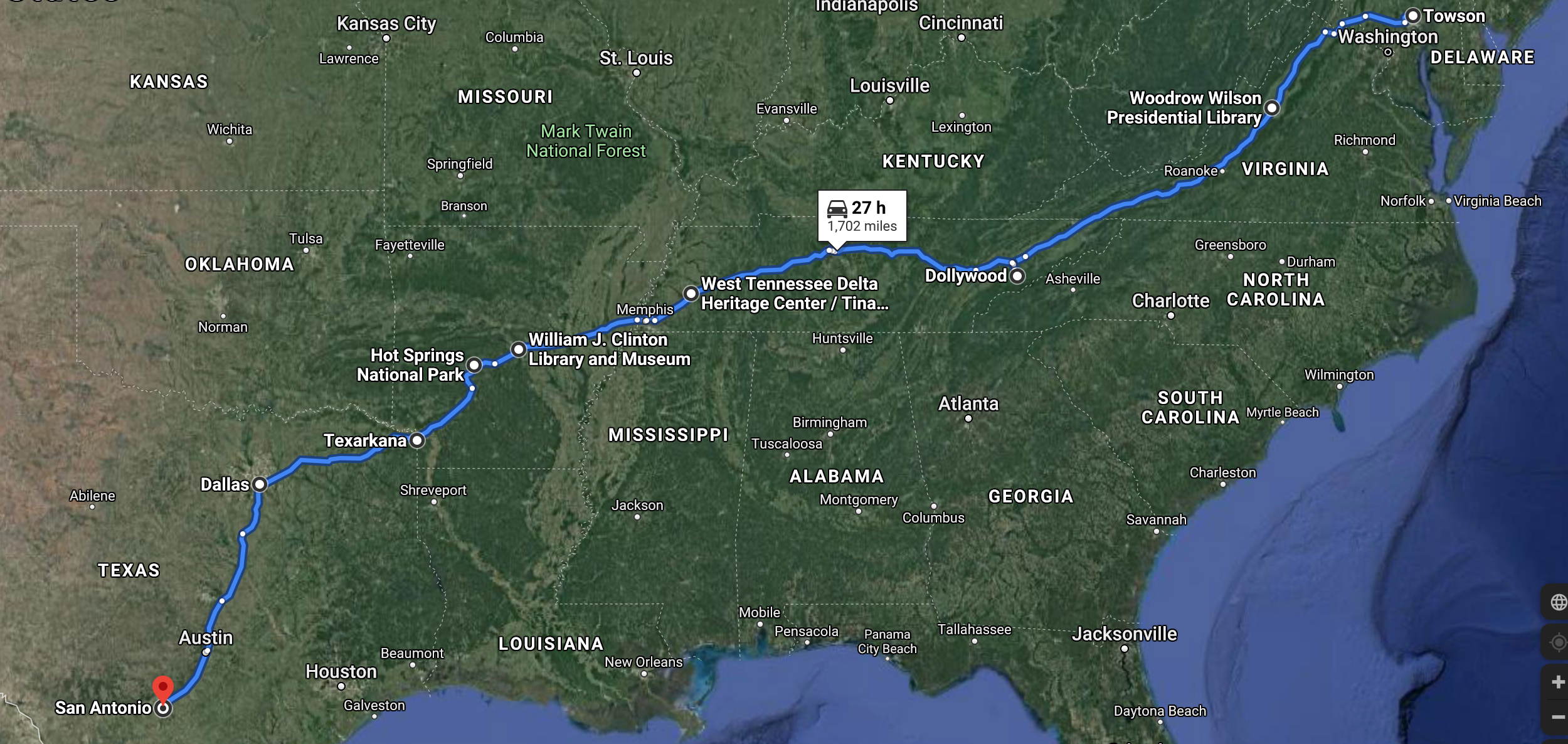
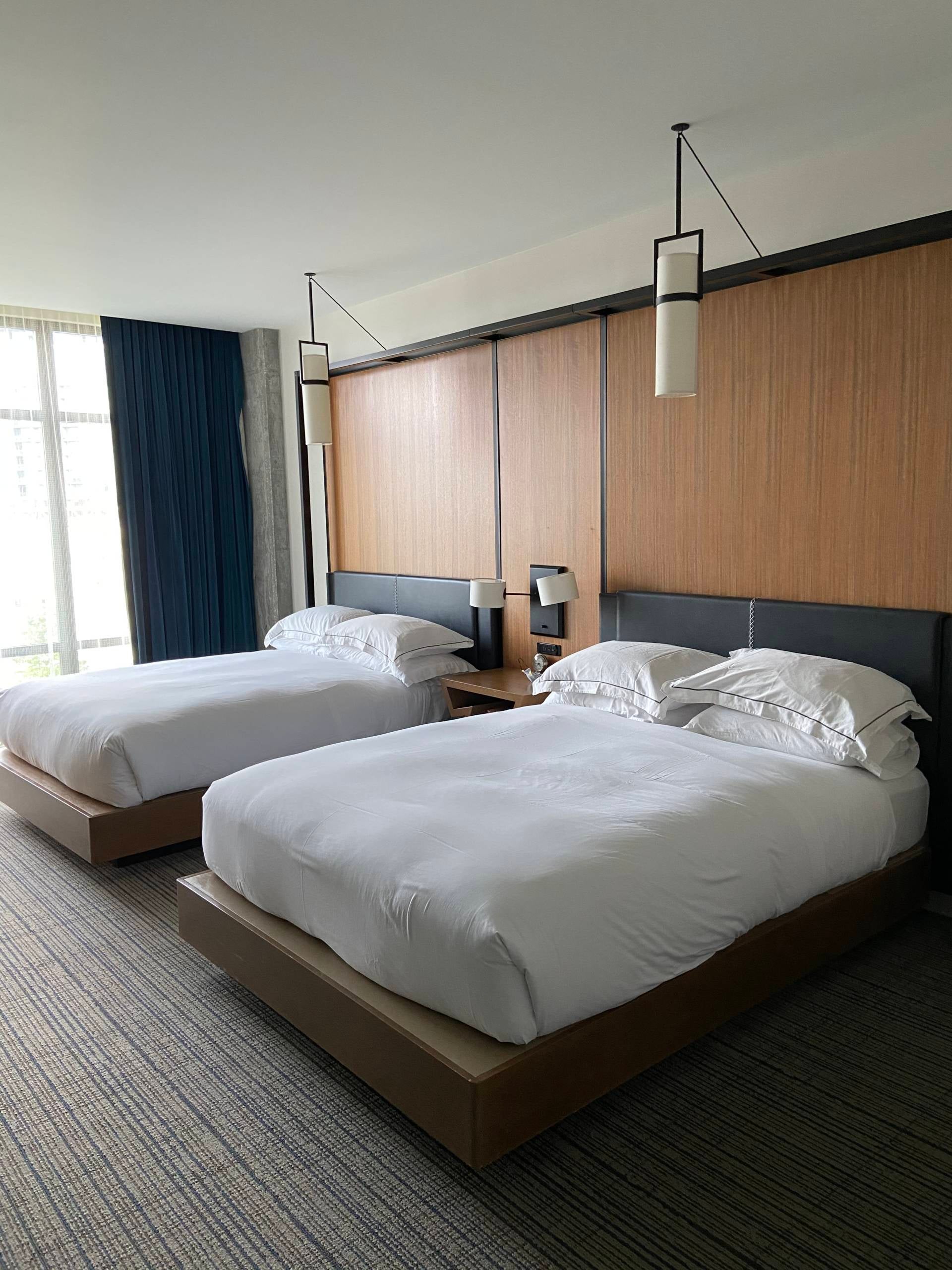
Last week, my 14-year-old and I did a 1,700-mile road trip from Towson, Maryland (a suburb north of Baltimore), to our family home in San Antonio, Texas. We decided to stop overnight in Nashville, where I had booked a deluxe room with two queen beds at the Kimpton Aertson in midtown.
Related reading: 10 tips for anyone taking a road trip right now
I'm a germaphobe, so hotels always cause me anxiety. Staying in a hotel during the coronavirus pandemic only heightened that anxiety. I'm going to share some observations from my stay and what one hospitality expert thinks you may come to expect from hotels in a post-coronavirus environment.
Related reading: How to ward off coronavirus in your hotel room

When we arrived at about 5:30 p.m., the front door was locked, so the man at the front desk had to let us in. The hotel restaurant was shut down and the lobby was immaculate but completely empty, with a slight smell of cleaning solution. I've never heard a hotel so quiet, even in the middle of the night.
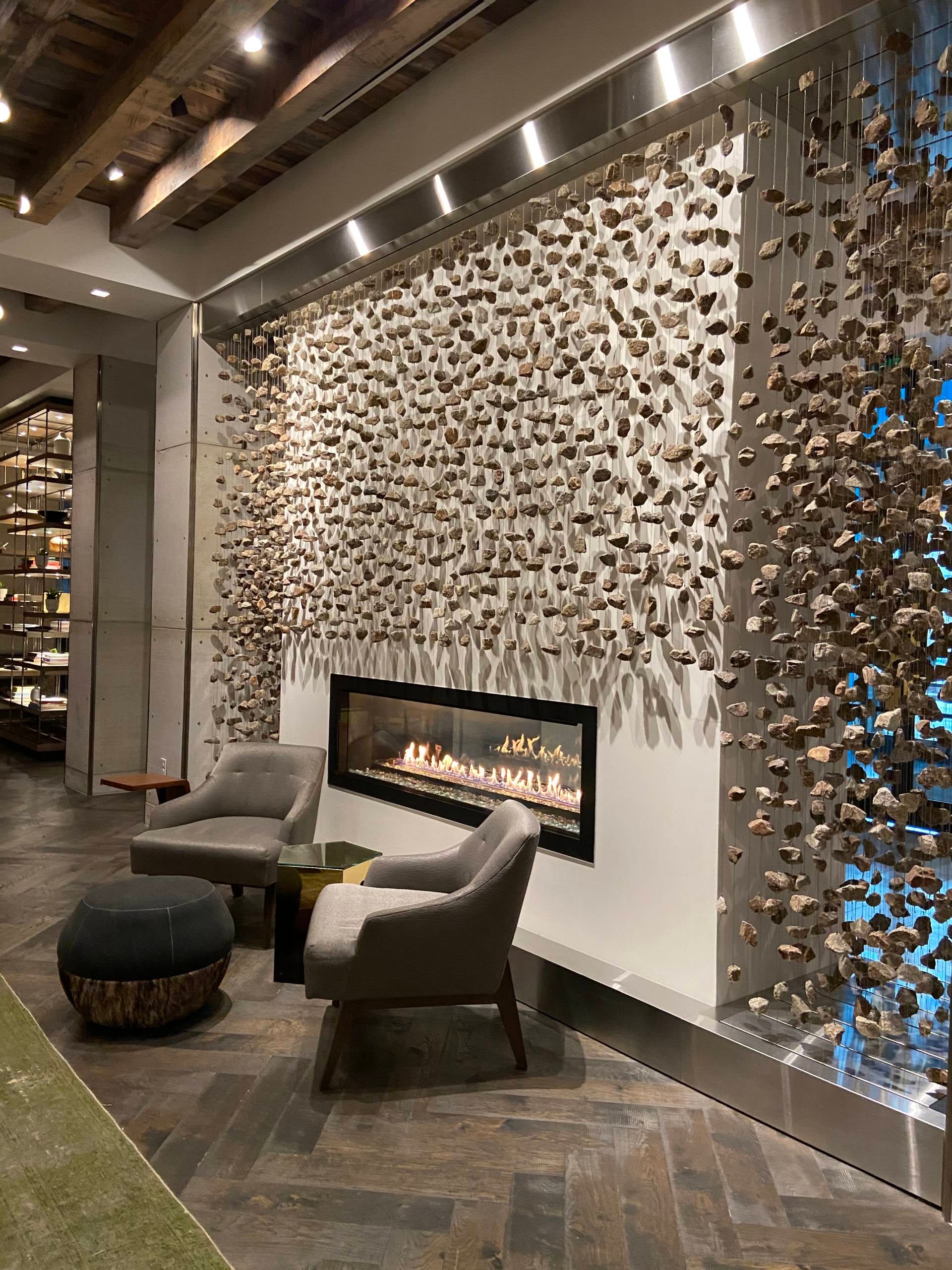
As I checked in, the front desk person was not wearing a mask, and there were no lines on the floor to promote social distancing. As he checked me in, he noted that the housekeeping staff did regular cleanings in the lobby and elevators. He also suggested using food delivery apps if we wanted a meal.
As we opened the door to our room, I was hit with the same slight smell of cleaning solution -- but I still used my own Clorox cleaning product and paper towels that I had brought along on the trip to do my own once-over. What really struck me was all the surfaces in the room I had to think about potentially being contaminated, making me wonder how each room would be fully cleaned once the coronavirus pandemic subsides.
Scanning the Hotel
Going up
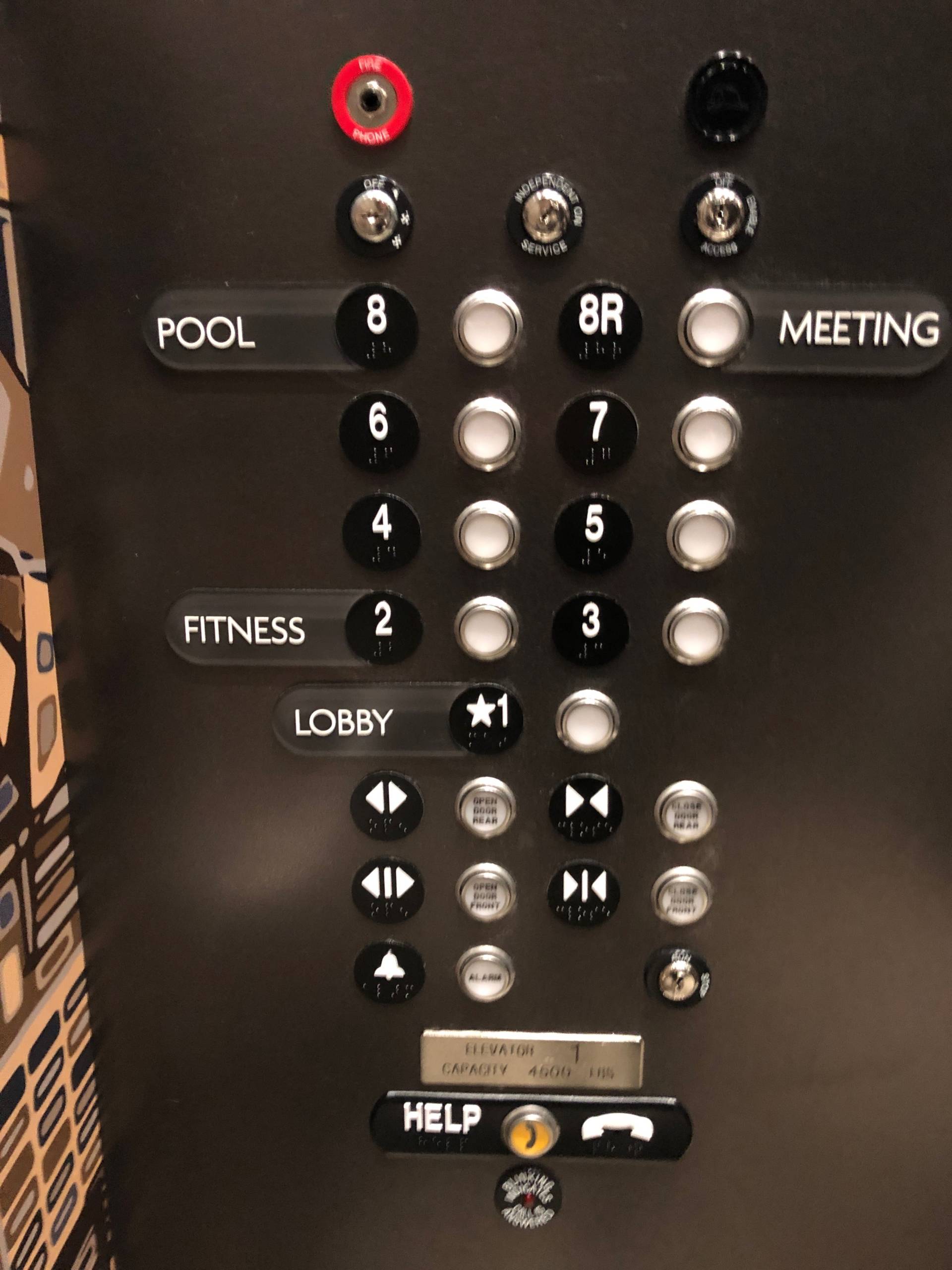
Pressing an elevator button is something guests have done without thinking for decades. But we now have to think about everyone who has touched that button. Did they have gloves on? Were their hands clean? How often do housekeepers come in and clean those buttons? I pressed the button with my elbow.

Have a drink?
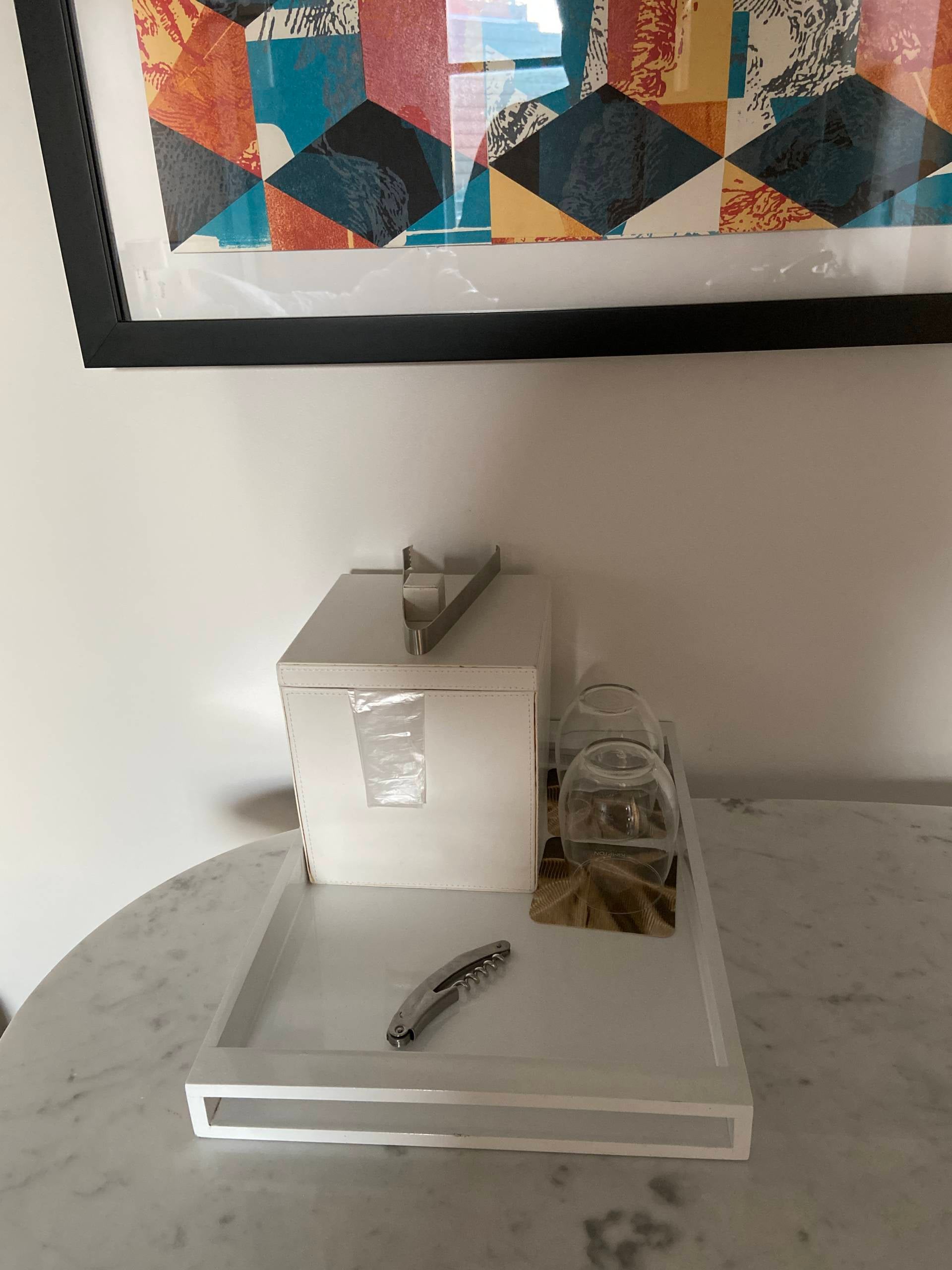
There was an ice bucket with the plastic insert, along with tongs and two wrapped glasses. The ice machine was not on, probably because of a fear of spreading coronavirus. How and how often are the ice bucket and tongs cleaned? Is it safe to have unwrapped drinking glasses? (It's a no for me.)
Below the surfaces
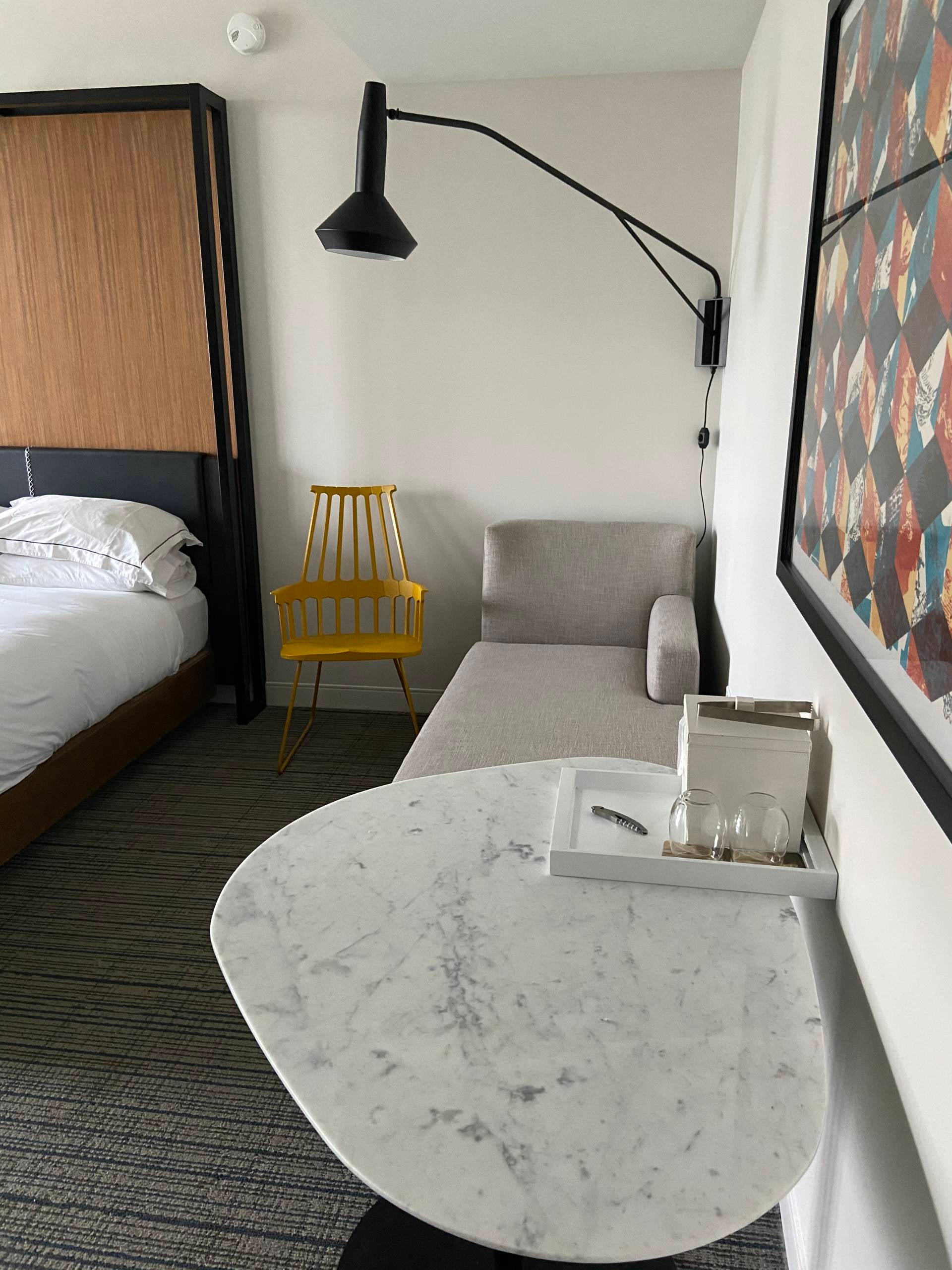
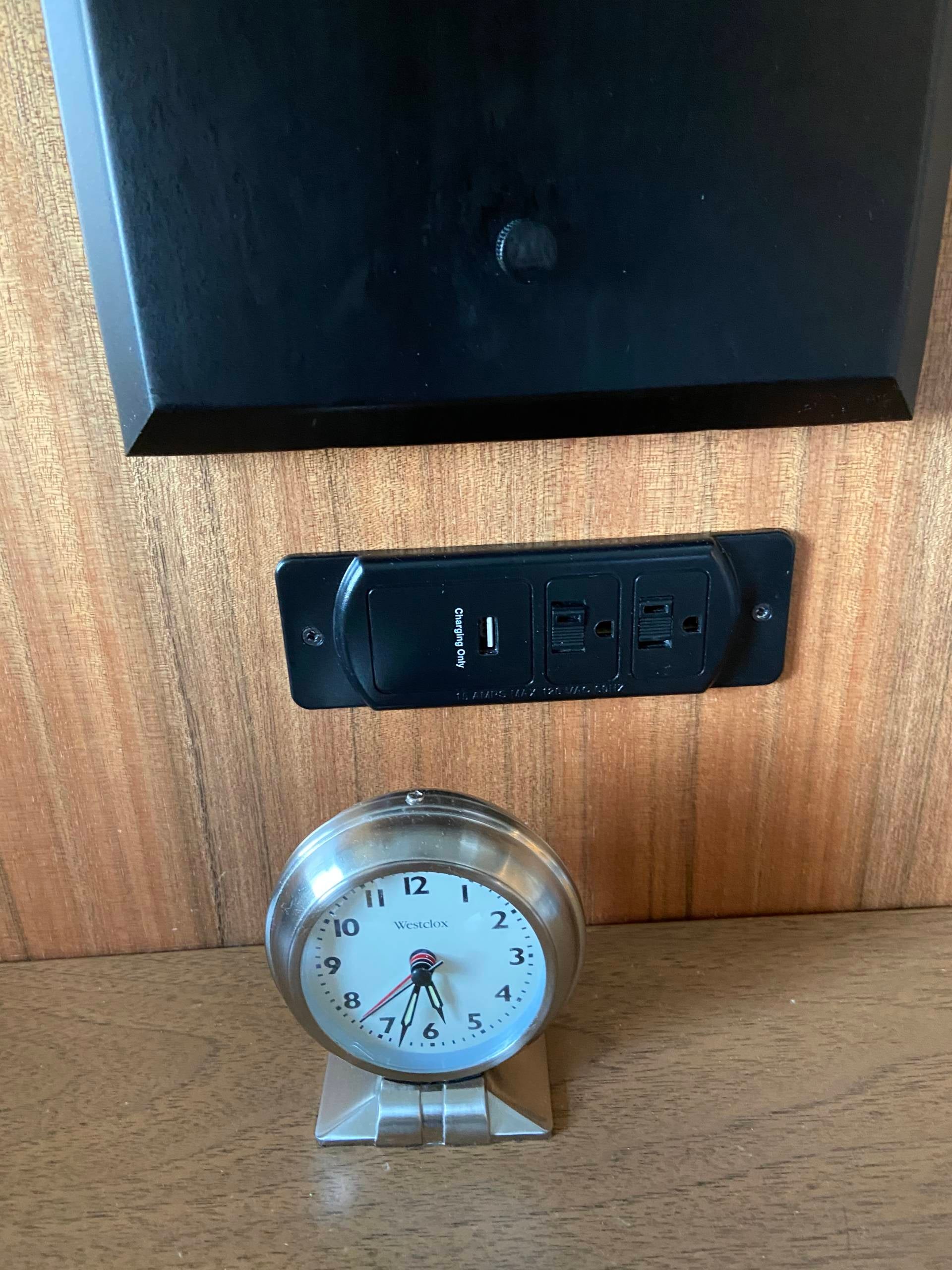
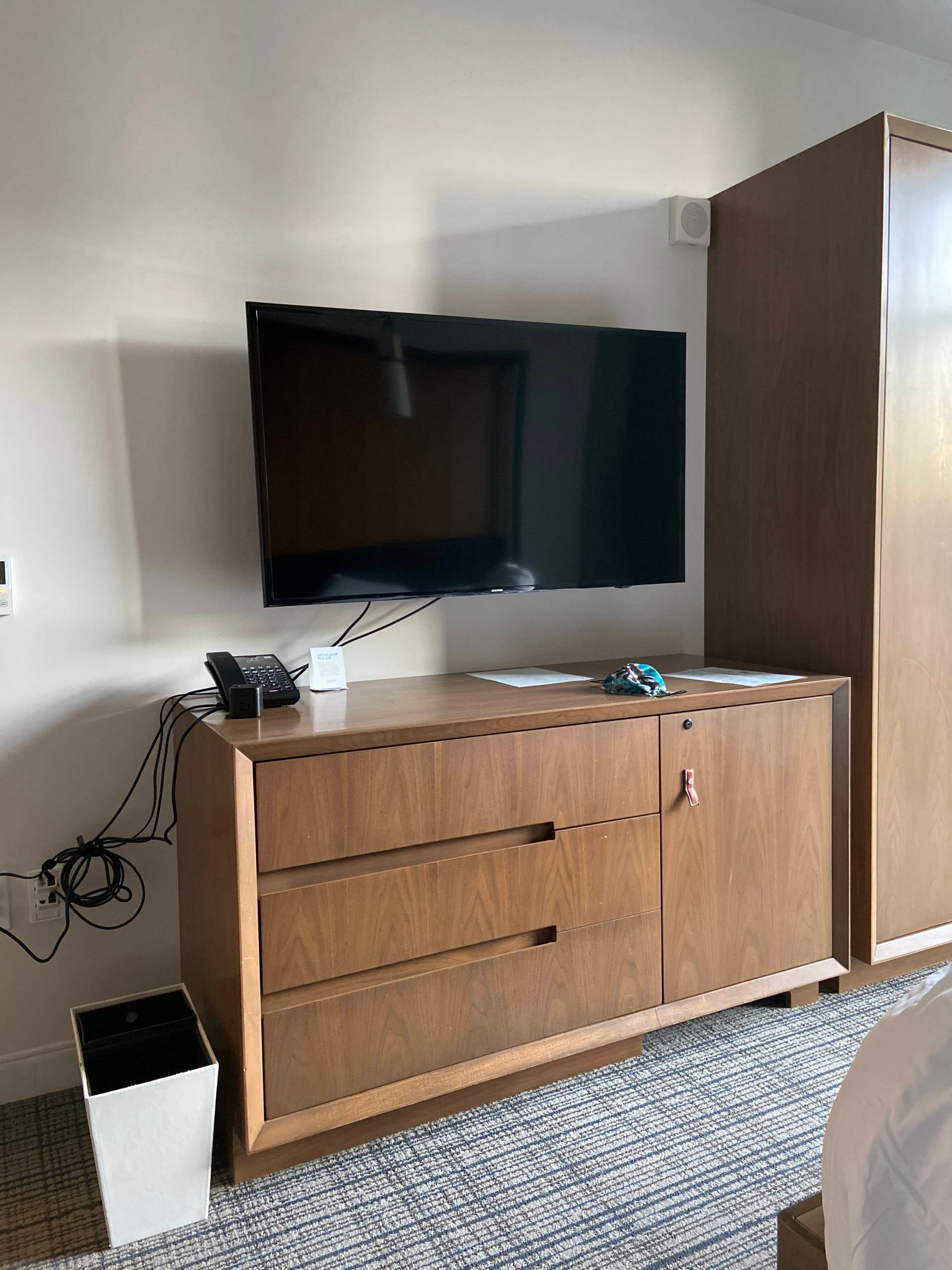
I want to reiterate that this room was immaculately clean. That being said, I was taking a much harder look at the surfaces. I wondered about sitting in the chair or on the chaise. I wondered about what lurked on the surface of that lovely marble table. I looked at light switches, outlets, alarm clocks and phones. It looked clean, but I still used my Clorox solution and paper towels to give everything a swipe.
The bathroom
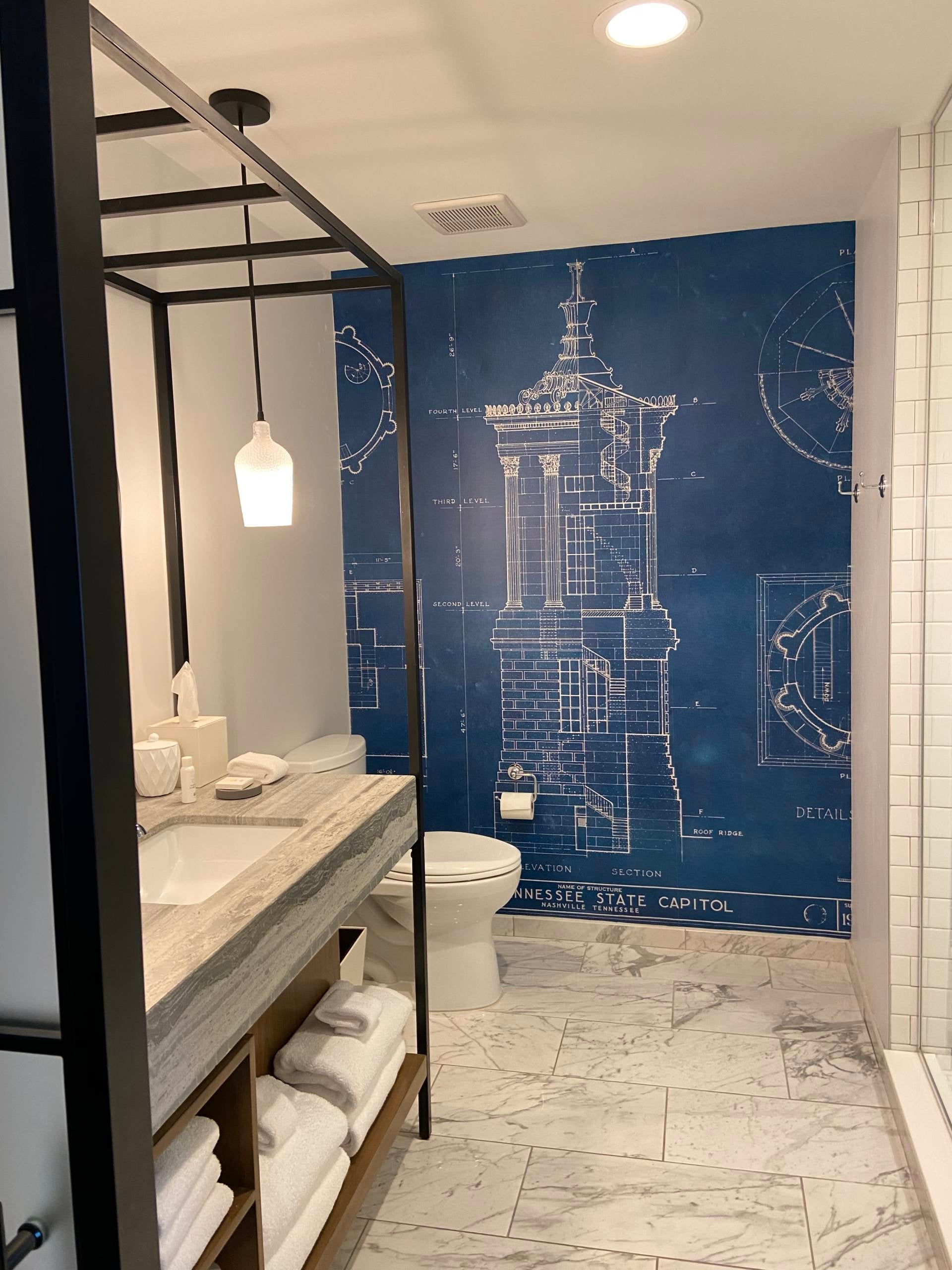
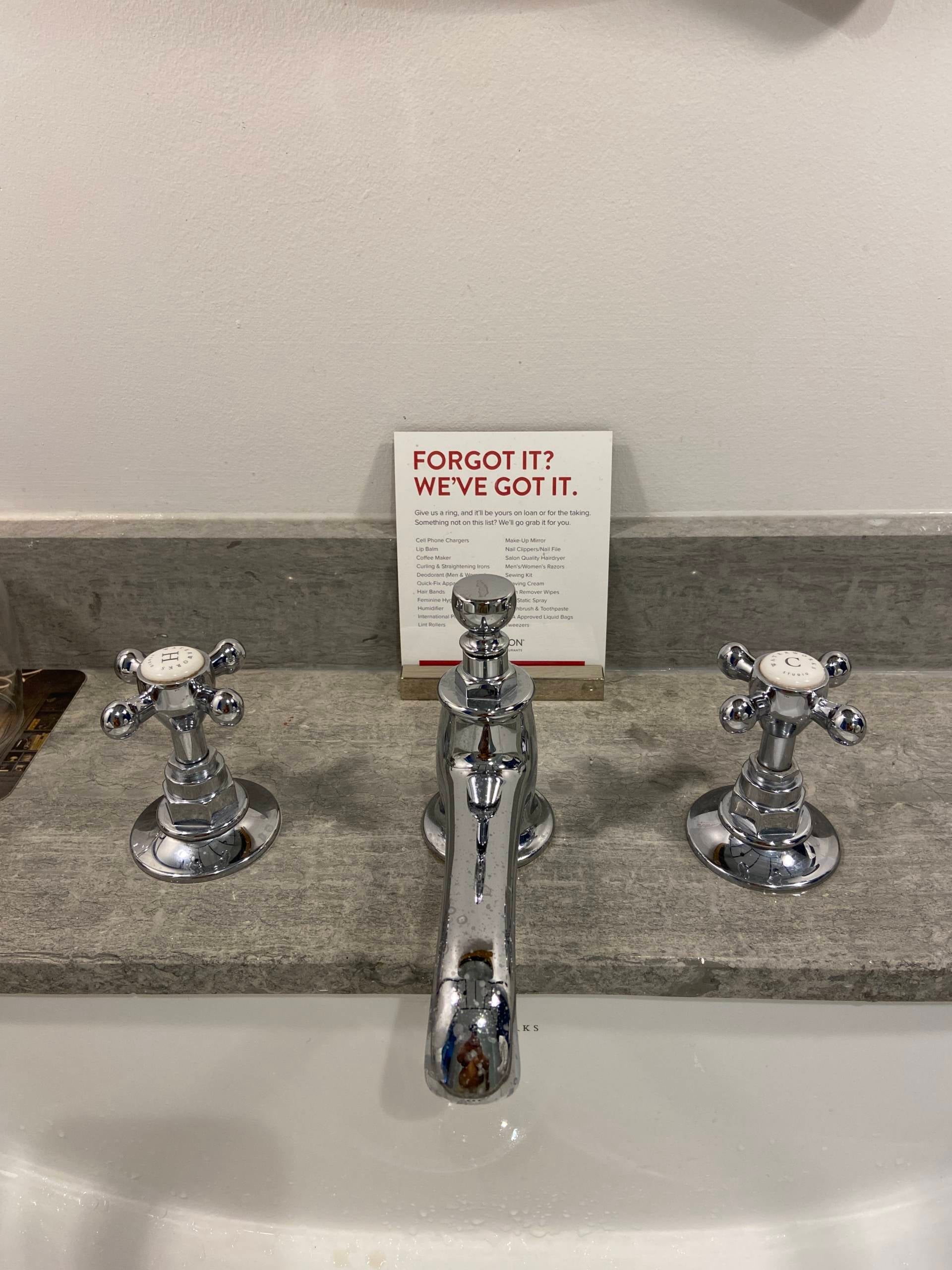
The hotel bathroom is a germaphobe's nightmare. It's the one place you cannot avoid -- plus it has the most hard surfaces where coronavirus potentially can last the longest. There's the tissue and cotton ball holder, the soap dish, the faucets, the toilet (watch those handles), the floor, the towel rack and the shower, including those showers with seating (like this one) and shelves to hold toiletries. All these are normally cleaned after each guest, but how does that look in a post-coronavirus stay?
Those bottles
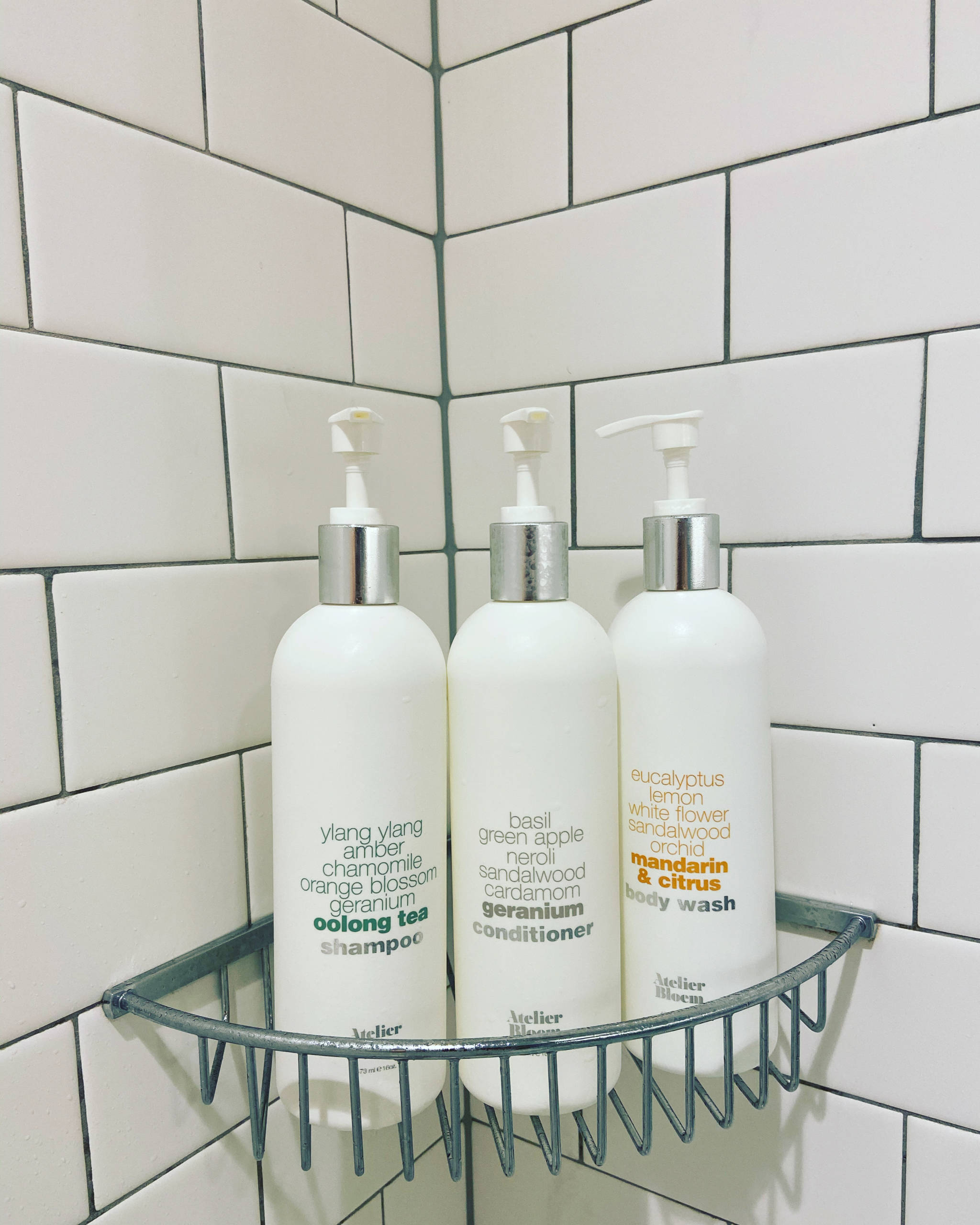
This gets its own entry. Hotels began announcing in 2018 that they were moving away from individual soaps/body washes, shampoos and conditioners and replacing them with refillable, pump-top dispensers for environmental reasons. (This particular issue didn't affect me then or now, since I always travel with my own toiletries.)
Related reading: The Critical Points: Give me back individual hotel toiletries
The Kimpton Aertson, a four-star hotel, was still providing the pump dispensers for shampoo, conditioner and body wash. It made me wonder how guests will react to them as they begin to stay in hotels again, and whether hotels will go back to single-use bottles.
Related reading: Marriott and IHG are ditching mini shampoo bottles — and that's a good thing
Don't touch that remote
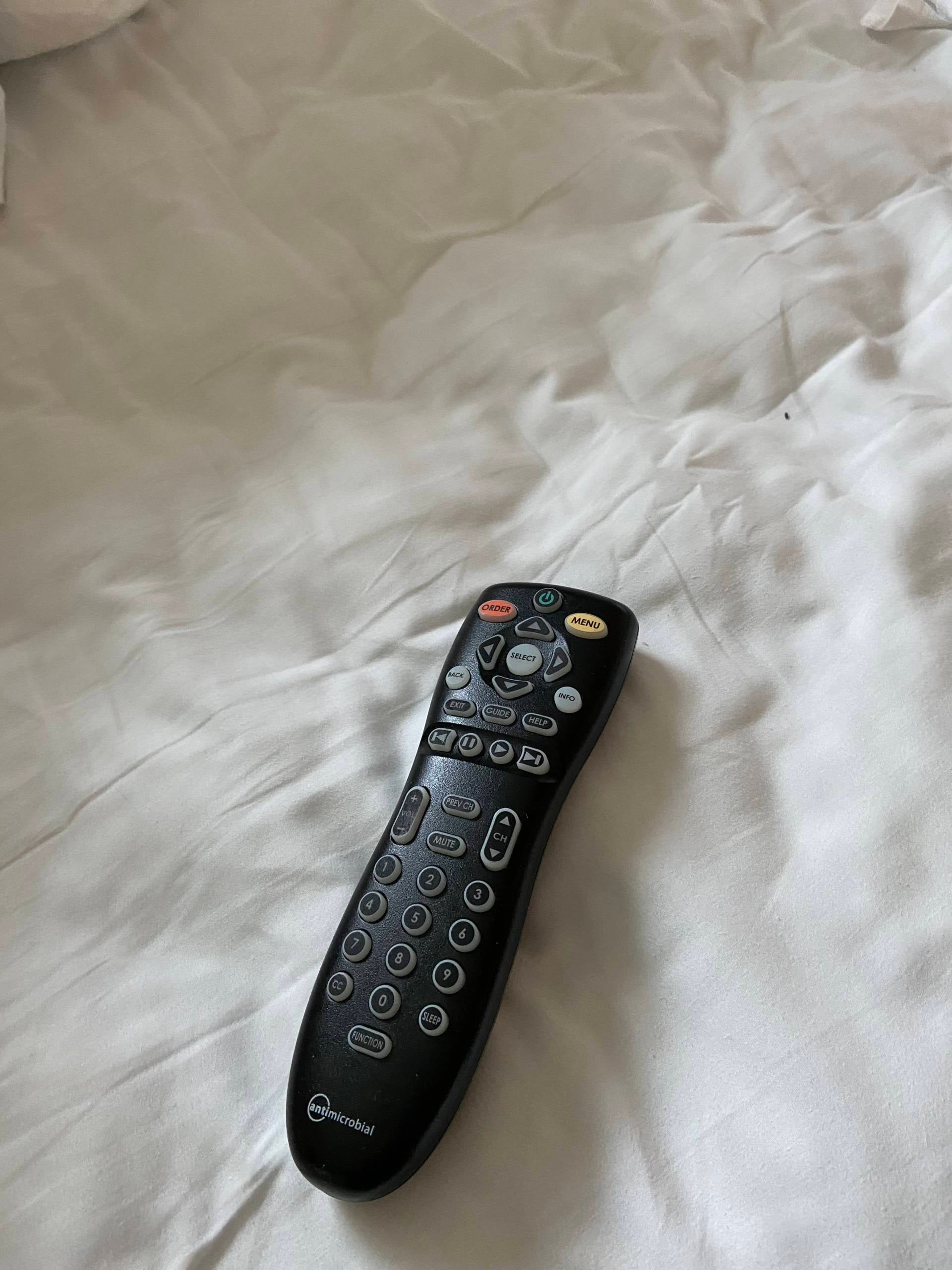
TV remotes are another issue. A 2018 study by Travelmath found that television remote controls are the second-dirtiest surface in a hotel room. Only the bathroom counter scored higher. The remote dropped to third place in 4-star hotels, with a bathroom counter and desk coming in first and second, respectively. I would Clorox those too -- or skip touching them entirely.
Related reading: How to tell if you're staying in a dirty hotel room
A hotel housekeeping manager weighs in
To put my experience in perspective, I checked in with Roxana Heretz-Hayda had a 30+-year career in the hotel industry, with titles including director of housekeeping and manager of property operations at properties in New York City and around the world. I asked her how hotel rooms are usually cleaned and what she expects in a future post-pandemic world.
Related reading: Here's Marriott's plan to fight coronavirus at its hotels
"In hotels with high standards, the housekeeping staff uses color-coded rags to clean different areas." said Heretz-Hayda. "For example, we used orange rags for bathrooms and blue ones for the guest room surfaces to avoid cross-contamination," she said.
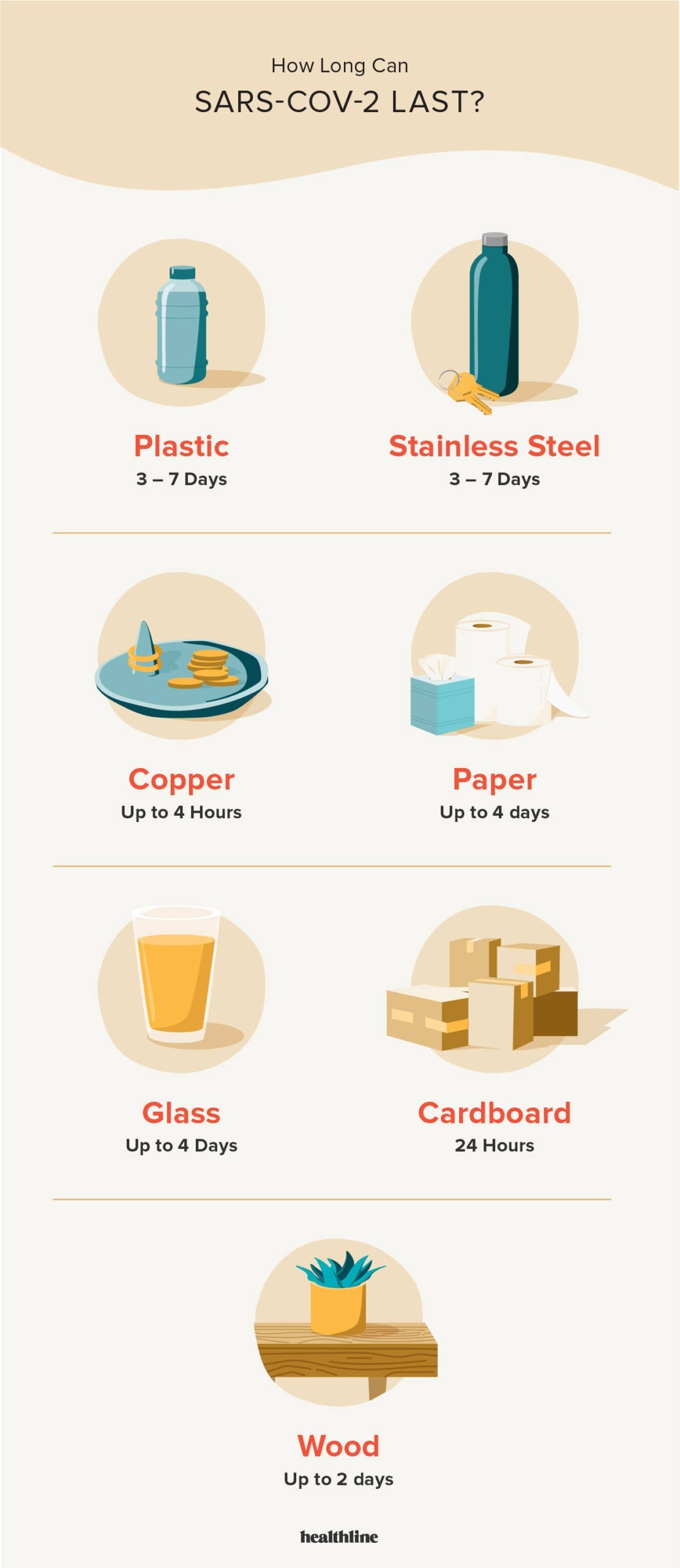
The coronavirus can last between 24 hours and seven days, depending on the surface, according to Healthline (a sister company to The Points Guy, owned by parent company Red Ventures).
"When a hotel is vacant, the viruses on the surfaces will not last from one guest to another, particularly if the hotel is careful to rotate which rooms are rented. But the question is, how will they handle things when occupancy picks up again?" Heretz-Hayda asked. "Hotels will not be able to remain at 30% occupancy to have enough time to clean, disinfect rooms, let them air out and hope the surface germs die. At some point, occupancy will pick up."
Related reading: Hilton teams up with Lysol and Mayo Clinic to promise clean hotels
Cleaning things such as light switches and remote controls are part of standard housekeeping practices, said Heretz-Hayda. "But as a housekeeping manager, could I say with absolute certainty that the cleaning staff cleaned each and every surface? I cannot," she said.
"Higher-end hotels usually have the room attendants clean a lower quota of rooms per shift, between 10 and 14 rooms a day. In value-priced hotels, the room attendants may be required to clean up to 24 rooms per day. That is only 20 minutes of cleaning per room, which includes changed sheets and towels." she continued. "Will housekeepers have time to do the thorough cleaning needed during coronavirus? Not unless hotels decrease room attendant quotas to give the staff the opportunity to thoroughly clean and sanitize. Additionally, hotels will have to remain absolutely vigilant in regards to re-enforcing cleaning procedures and chemical usage."
Related reading: Hyatt becomes next major hotel brand to reveal new sanitation standards
Housekeepers will need wear protective gear all day, plus hotels will need more housemen/porters to clean the public areas, said Heretz-Hayda. "Between every check-out and arrival, each guest room will require a more thorough cleaning, which may result in guests having to wait for their guest rooms upon arrival."
Related reading: Here's how hotels can prove to guests they're safe after coronavirus
Bottom line
Ultimately, the customers will bear the cost of these improved services, said Heretz-Hayda. Like airlines, cruise ships and trains, hotels are going to be forced to balance safe, clean hotel rooms and hope that guests will be not only willing to return, but will also be comfortable paying inevitably higher rates.
Related reading: The best hotel credit cards for 2020
TPG featured card
at American Express's secure site
Terms & restrictions apply. See rates & fees.
| 4X | Earn 4X Membership Rewards® points per dollar spent on purchases at restaurants worldwide, on up to $50,000 in purchases per calendar year, then 1X points for the rest of the year. |
| 4X | Earn 4X Membership Rewards® points per dollar spent at US supermarkets, on up to $25,000 in purchases per calendar year, then 1X points for the rest of the year. |
| 5X | Earn 5X Membership Rewards® points on prepaid hotel stays booked through AmexTravel.com or the Amex Travel App™. |
| 3X | Earn 3X Membership Rewards® points on flights booked through AmexTravel.com, the Amex Travel App™, or purchased directly from airlines. |
| 2X | Earn 2X Membership Rewards® points on prepaid car rentals booked through AmexTravel.com or the Amex Travel App™ and cruises booked and paid through AmexTravel.com. |
| 1X | Earn 1X Membership Rewards® point per dollar spent on all other eligible purchases. |
Pros
- Valuable dining and food-related credits
- Flexible rewards with airline and hotel transfer partners
- Multiple travel and purchase protections
- No foreign transaction fees
- Access to Amex Offers for additional savings (enrollment required)
Cons
- Not as useful for those living outside the U.S.
- Some may have trouble using Uber and other dining credits
- You may be eligible for as high as 100,000 Membership Rewards® Points after you spend $8,000 in eligible purchases on your new Card in your first 6 months of Card Membership. Welcome offers vary and you may not be eligible for an offer. Apply to know if you’re approved and find out your exact welcome offer amount – all with no credit score impact. If you’re approved and choose to accept the Card, your score may be impacted.
- Earn 4X Membership Rewards® points per dollar spent on purchases at restaurants worldwide, on up to $50,000 in purchases per calendar year, then 1X points for the rest of the year.
- Earn 4X Membership Rewards® points per dollar spent at US supermarkets, on up to $25,000 in purchases per calendar year, then 1X points for the rest of the year.
- Earn 5X Membership Rewards® points on prepaid hotel stays booked through AmexTravel.com or the Amex Travel App™.
- Earn 3X Membership Rewards® points on flights booked through AmexTravel.com, the Amex Travel App™, or purchased directly from airlines.
- Earn 2X Membership Rewards® points on prepaid car rentals booked through AmexTravel.com or the Amex Travel App™ and cruises booked and paid through AmexTravel.com.
- Earn 1X Membership Rewards® point per dollar spent on all other eligible purchases.
- Pay It® lets you tap in the American Express® App to quickly pay for small purchase amounts throughout the month and still earn rewards the way you usually do. Plan It® gives you the option to split up big purchases into equal monthly payments with a fixed fee. You’ll know upfront exactly how much you’ll pay.
- $120 Dining Credit: Earn up to a total of $10 in statement credits monthly when you pay with the Gold Card at Grubhub (including Seamless), Buffalo Wild Wings, Five Guys, The Cheesecake Factory, and Wonder. This can be an annual savings of up to $120. Enrollment required.
- $100 Resy Credit: Get up to $100 in statement credits each calendar year at over 10,000 qualifying U.S. Resy restaurants after you pay for eligible purchases with the American Express® Gold Card. That’s up to $50 in statement credits semi-annually. Enrollment required.
- $84 Dunkin' Credit: Earn up to $7 in monthly statement credits after you pay with the American Express® Gold Card at U.S. Dunkin’ locations. Enrollment required.
- $120 Uber Cash on Gold: Enjoy up to $120 in Uber Cash annually with your Gold Card. Just add your Card to your Uber account and you'll get $10 in Uber Cash each month to use on orders and rides in the U.S. when you select an Amex Card for your transaction.
- Enjoy complimentary Hertz Five Star® Status benefits like skipping the counter at select locations, adding an additional driver at no additional cost*, and vehicle upgrades**. Benefit enrollment and Hertz Gold+ registration are required. *Additional drivers must meet standard rental qualifications and must be a spouse or domestic partner to qualify as complimentary. Other additional drivers subject to fees. **Benefits are subject to availability and vary by location. Additional Hertz program Terms and Conditions including age restrictions apply.
- Book two nights or more with The Hotel Collection through AmexTravel.com or the Amex Travel App™ and receive a $100* credit towards eligible charges at over 1,400 upscale hotels worldwide. *Eligible charges vary by property.
- Book your travel through the Amex Travel App™ with added peace of mind – backed by American Express® service and support. Only for American Express® Card Members.
- Whenever you need us, we're here. Our Member Services team will ensure you are taken care of. From lost Card replacement to statement questions, we are available to help 24/7.
- No Foreign Transaction Fees.
- Annual Fee is $325.
- Terms Apply.