7 ways the big US airlines should help customers after a bailout


Before the coronavirus outbreak, I was writing a wish list of all the changes I wanted to see from the airlines. Post-outbreak, many of those wishes could become reality — if the government adds some clauses to a bailout package that's likely on its way to the airline industry.
Because of the unprecedented drop in demand, the airlines are lobbying for a $50 billion (or more) aid package from the U.S. government. Through mergers and acquisitions over the years, the major U.S. airlines have become too big to fail — making it likely that they'll get the aid that they request.
But, here's the thing: a government bailout will be (mostly) funded from taxpayer dollars. If the aid comes from our pockets, then the feds should add some strings attached to it in the form of customer-friendly changes.
For the past ten years, the "big 3" U.S. airlines have done all that they could to maximize revenue. They've added fees and introduced more restrictive fares. But once the coronavirus pandemic ends (hopefully soon), things could be different — hopefully starting with these seven changes that the government could require in exchange for accepting taxpayer help.
[table-of-contents /]
Modify basic economy fares
Perhaps the most unwelcome change in the last decade was the introduction of basic economy fares. These bare-bones tickets stripped out many of the typical inclusions you'd find in a regular coach fare, things like seat selection and the ability to earn full miles. (Delta's the sole outlier of the big 3 that awards full mileage on basic economy tickets).
RELATED: How to use credit cards to defeat basic economy
To be fair, basic economy — along with some of these other "enhancements" — was implemented at a time when the big 3 were looking for ways to better compete with the low-cost carriers like Frontier and Spirit in an effort to maximize profitability. They matched the fares of these budget airlines — while also mimicking the ultra low-cost experience.

Specifically, American, Delta and United claimed that they were losing passengers who'd book tickets for $5 less on Allegiant or Spirit, even though the big ones offered arguably better service and perks. These large behemoths decided to compete solely on price by making the experience comparable to that of the ultra-low cost carriers.
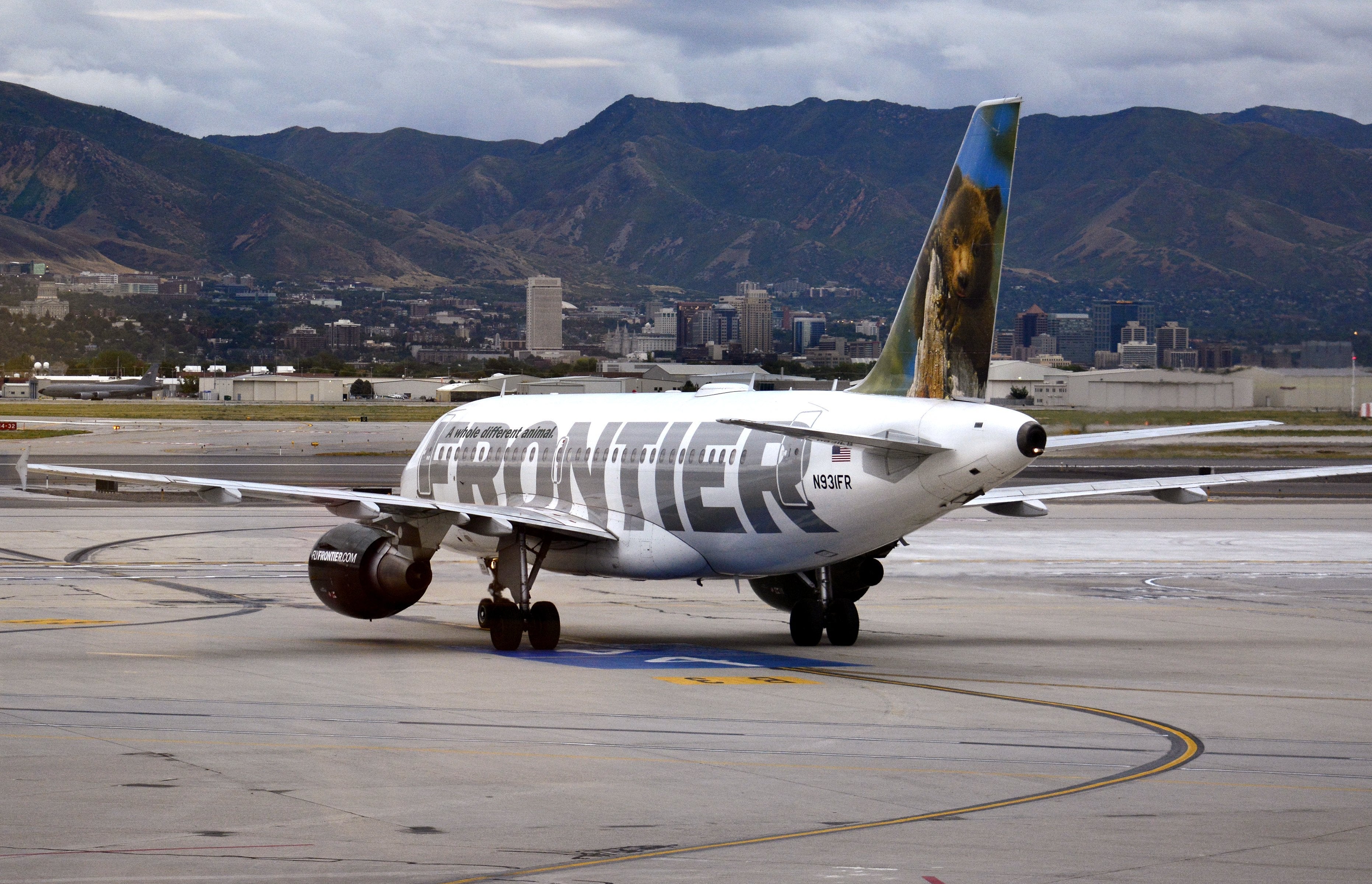
Though basic economy definitely helped airlines better compete, these fares were quickly expanded to most routes, even those not operated by low-cost carriers. As such, basic economy was, in many cases, disguised as a fare increase across the board. All of a sudden, you'd need to pay more for the "full" experience on the big 3 carriers.
I'm definitely an advocate for an airfare market governed by supply and demand, but why also add more restrictions on the passenger in the process? The airlines should be required to give something back in order to accept taxpayer help in the form of a bailout.
Elite status extensions to drive demand
2020 will end up being a year when the airlines need to convince passengers to get back in the air. There's no better way to do that than with their billion-dollar loyalty programs.
The bailout will help the airlines restart operations. But it's probably going to take a while for airfare demand to catch back up to pre-coronavirus levels.
To give fliers more of a reason to get back in the clouds, airlines should offer elite status extensions. Though changes to earning elite-status in 2020 will come at some point, I'd hope they're more generous than just lowering elite-qualifying thresholds.
By giving these extensions, airlines should hopefully drive more business, reducing their reliance on taxpayer money to maintain operations.
Better disclosed fees, especially for awards
Though the U.S. Department of Transportation requires that all optional fees must be disclosed through a prominent link on the airlines' websites, there's still more than can be done.
When booking tickets, you'll find your baggage allowance listed prominently on your confirmation. But how about the applicable change fee? You'll need to dig through the fare rules with a microscope (and a PhD) to figure that one out.
Likewise, when booking award tickets, figuring out the voluntary change and cancel penalties often requires lots of research or a phone call to the customer service line.
More transparency will help airlines better win customer satisfaction. A $200 change fee certainly stings, but it burns when it's buried in the terms and conditions of the ticket. (The same reasoning applies to hotels with resort fees).
Return of the award charts
Like the importance of disclosing fees, Delta and United should reinstate their mileage award charts.
Airlines claim that the elimination of award charts allows them to price mileage tickets in line with how much they'd cost with cash. While this is certainly unwelcome news to those looking to score great points redemptions, it also works to strip value from an airline's loyalty program. Passengers won't be as incentivized to collect miles with Delta or United.
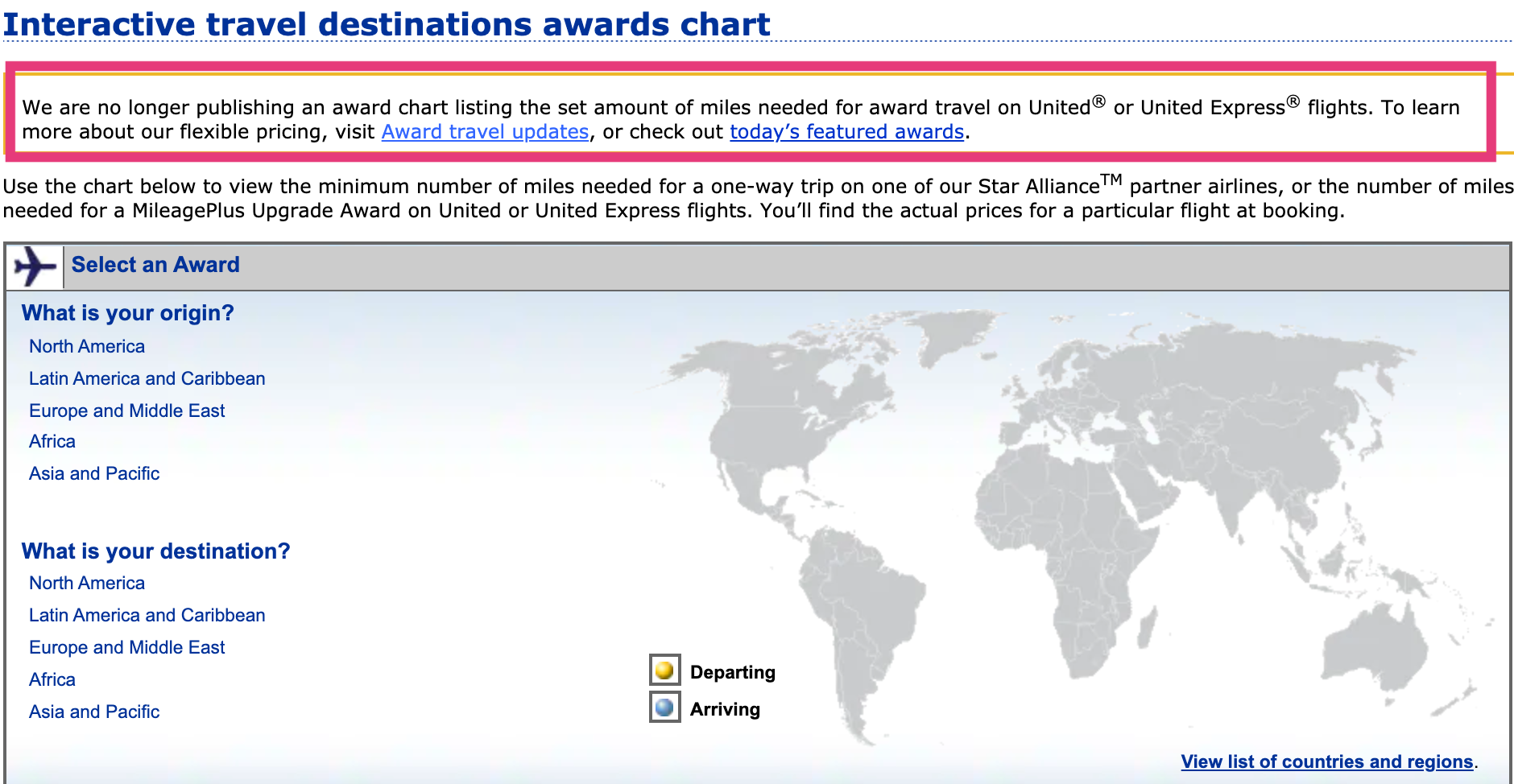
Post coronavirus, it'll probably take some time for demand to recover. As such, you'd expect the airlines to use their loyalty program to drive more business. There's no better way to get started and buy-back loyalty from frequent-fliers than by reinstating award charts.
Give ample notice of devaluations
Just like reinstating award charts will instill confidence in frequent flyers, so too will giving ample notice of devaluations. Every time a loyalty program makes a last-minute change, frequent-fliers are rightfully upset. This practice doesn't leave customers with a good taste in their mouths and certainly discourages repeat business.
Airlines are allowed to make modifications to their programs. After all, award program pricing and policies will end up converging to a steady-state average in the long-run. But if there's a 3- to 6-month notice to devaluations, passengers have ample time to use their miles — and wouldn't be nearly as upset as they are when blindsided by changes.
Lowered change fees
Change fees give airlines a sizable revenue boost each year. After all, most passengers buy non-refundable tickets that often have a $200 (or more) change fee. The airlines contend that these fees allow them to offer low fares, while also adding some level of flexibility for the passenger if plans shift.
But, what happens if you bought a one-way ticket from New York to Chicago for just $99 and now need to move it by a day? That'll cost you $200, plus a possible fare difference. In this case, it often makes sense to just buy a new ticket — meaning that your previous ticket had effectively zero flexibility.
Over the last few years, we've seen some smaller airlines actually improve the change and cancellation fee structure. As part of a bailout package, I'd love to see American, Delta and United adopt something similar.
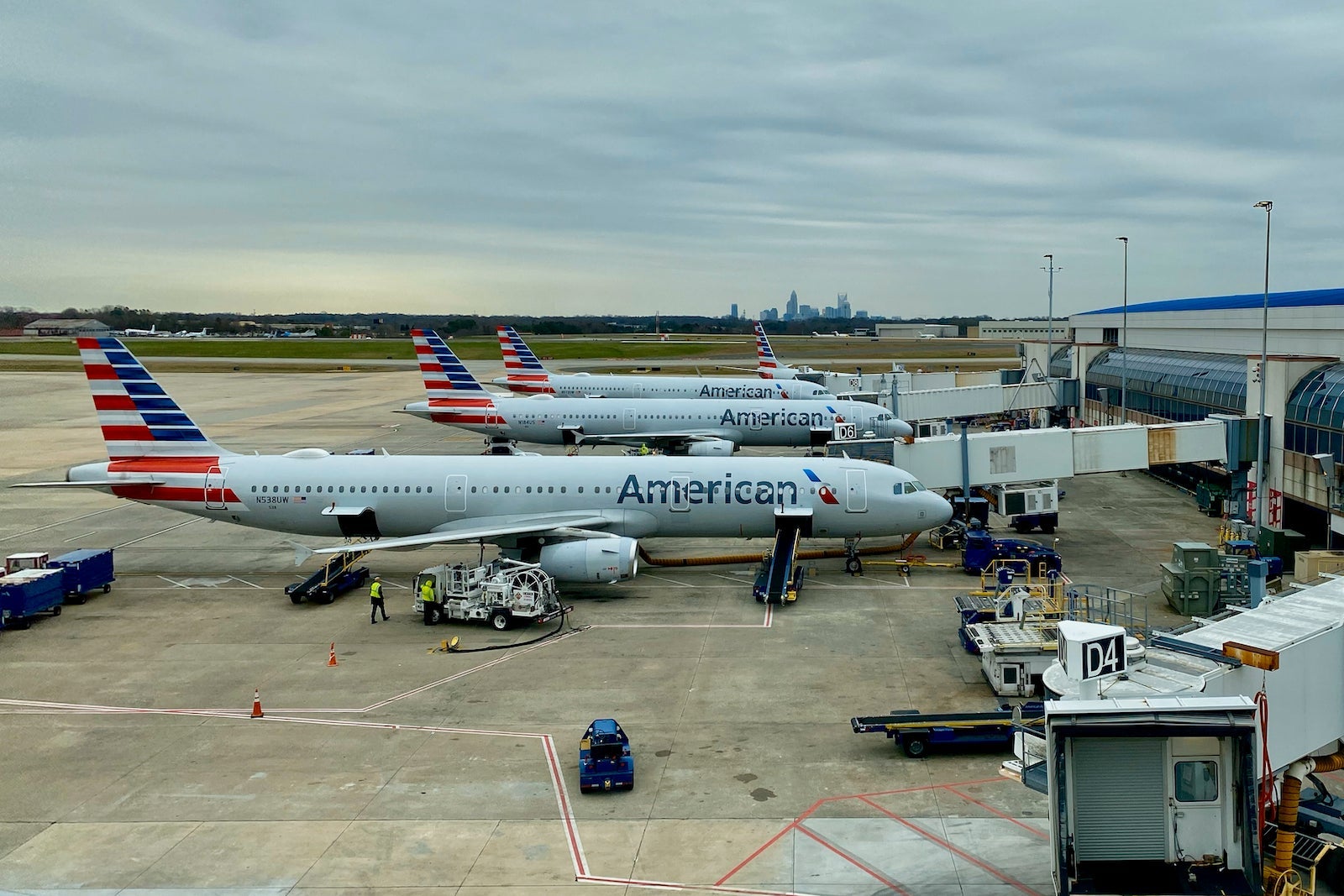
For one, the airlines should consider capping the change fee at a percentage of the fare, with a maximum of $200. This way you can guarantee that almost all tickets have some level of flexibility, regardless of the ticket cost.
Another idea is to have a range of fees depending on when you're modifying your itinerary. If you're doing so more than two months in advance of a flight, chances are that the airline can easily resell your seat, recovering the lost revenue from your modified ticket. If that's the case, then the change fee can be lower — maybe around $50 to $100 — for changes made well in advance. For last-minute modifications, the full fee is warranted.
Adopt a customer-friendly approach to service
This is the catch-all of everything I've outlined above. Ever since the 2008 financial crisis, airlines have been in the driver's seat. They've been able to get away with maximizing revenue from every aspect of the travel experience — all while thinking the good times would never end.
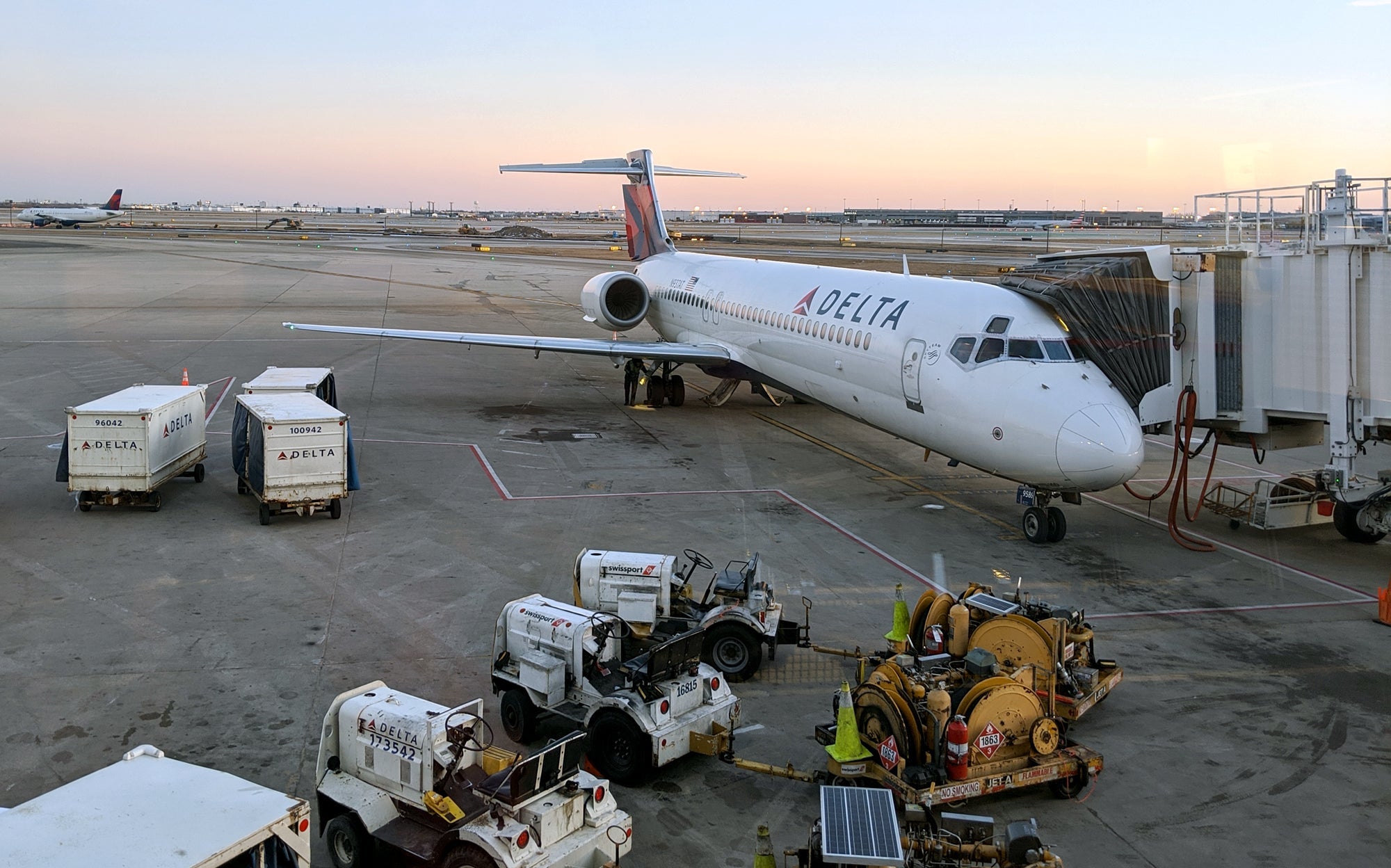
With the coronavirus, that's come to a grinding halt. Airlines will be reliant on the government for help, and it'll take some time for demand to recover. As such, it's time for the airlines to stop taking passengers for granted.
Bottom line
The coronavirus pandemic is unprecedented, and has caused widespread change and upheaval in the travel industry. The demand for air travel has come to a grinding halt, which has taken a multi-billion-dollar toll on the country's largest airlines.
Now, the U.S. government is promising a bailout which will be funded by taxpayers. As such, the feds have the unique ability to attach some strings to the aid package that'd benefit passengers.
From the elimination of basic economy to lowering change fees, there's plenty of customer-friendly improvements that could be made. Hopefully we'll see some of the seven I outlined above implemented post-coronavirus.
For more on the coronavirus outbreak, see:
TPG featured card

at Capital One's secure site
Terms & restrictions apply. See rates & fees.
| 5X miles | Earn 5X miles on hotels, vacation rentals and rental cars booked through Capital One Travel |
| 2X miles | Earn unlimited 2X miles on every purchase, every day |
Pros
- Stellar welcome offer of 75,000 miles after spending $4,000 on purchases in the first three months from account opening. Plus, a $250 Capital One Travel credit to use in your first cardholder year upon account opening.
- You'll earn 2 miles per dollar on every purchase, which means you won't have to worry about memorizing bonus categories
- Rewards are versatile and can be redeemed for a statement credit or transferred to Capital One’s transfer partners
Cons
- Highest bonus-earning categories only on travel booked via Capital One Travel
- LIMITED-TIME OFFER: Enjoy $250 to use on Capital One Travel in your first cardholder year, plus earn 75,000 bonus miles once you spend $4,000 on purchases within the first 3 months from account opening - that’s equal to $1,000 in travel
- Earn unlimited 2X miles on every purchase, every day
- Earn 5X miles on hotels, vacation rentals and rental cars booked through Capital One Travel
- Miles won't expire for the life of the account and there's no limit to how many you can earn
- Receive up to a $120 credit for Global Entry or TSA PreCheck®
- Use your miles to get reimbursed for any travel purchase—or redeem by booking a trip through Capital One Travel
- Enjoy a $50 experience credit and other premium benefits with every hotel and vacation rental booked from the Lifestyle Collection
- Transfer your miles to your choice of 15+ travel loyalty programs
- Top rated mobile app