AvGeekery for beginners: How to Tell Boeing 737s Apart

The Boeing 737 is the original workhorse of aviation. Since its release in 1967, Boeing has made more than 11,000 units.
It is the most popular commercial aircraft of all time. Boeing says that on average in 2019, over 2,000 Boeing 737 airplanes were in the air at any given time, and one 737 took off or landed every 2 seconds. Amazing really.
But, how can you tell them all apart? And for that matter, with the Airbus A320 family now sporting blended winglets, how can you differentiate between it and the Boeing 737?
For the latest travel news, deals and points and miles tips, sign up for our daily newsletter.
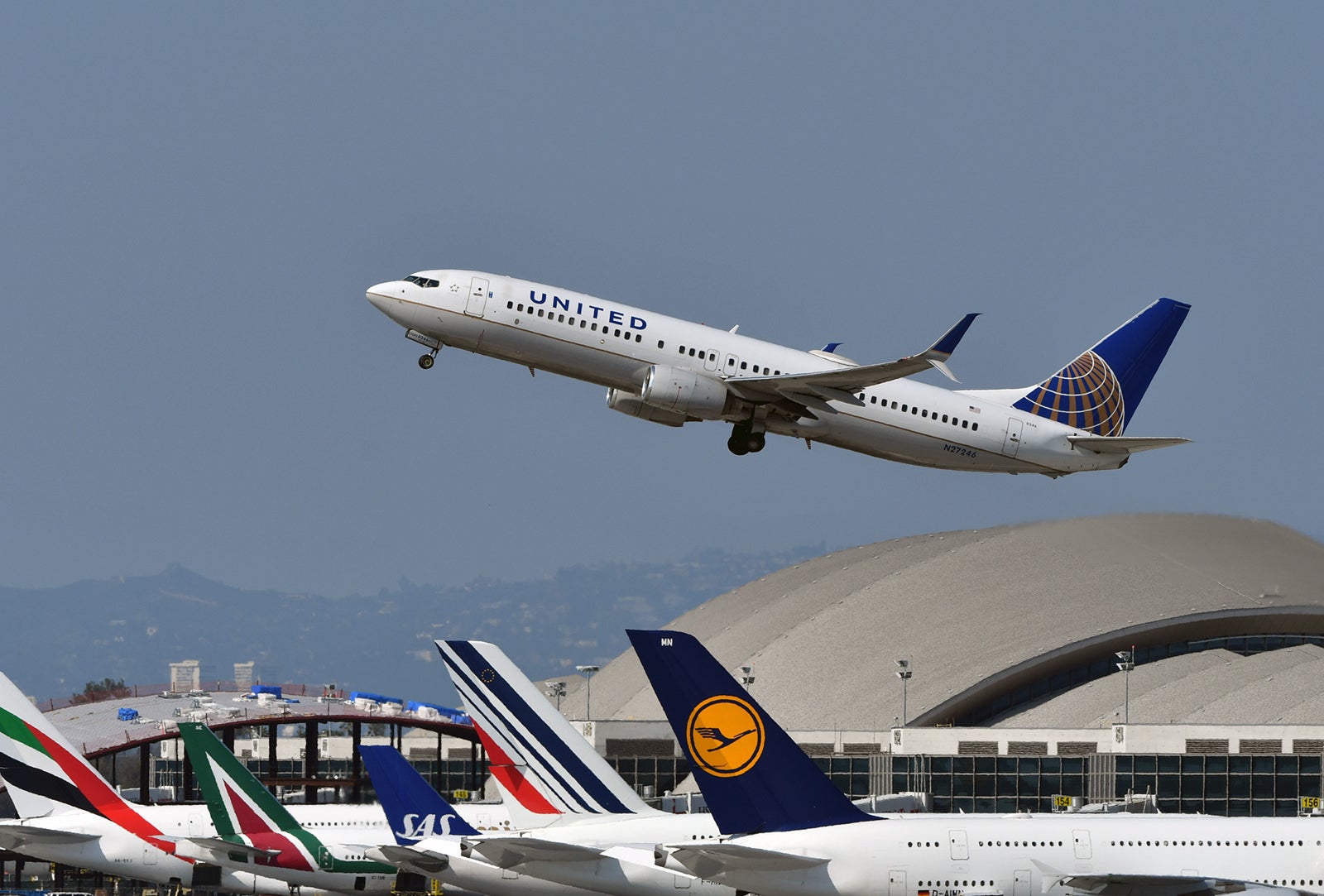
The 737 versus the A320
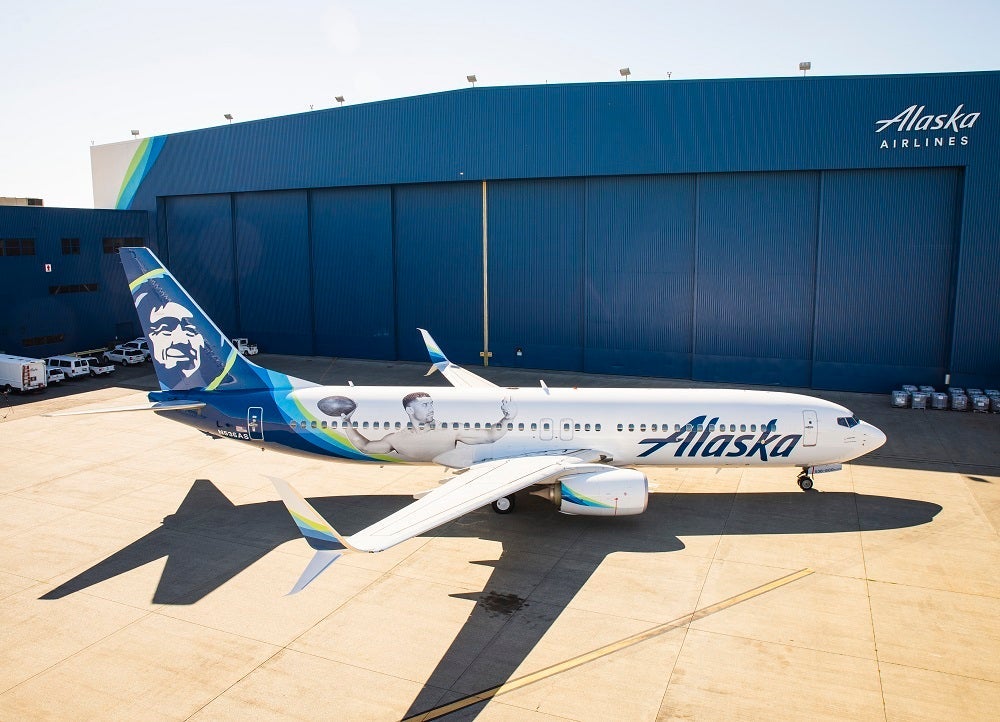
The Boeing 737 is similar to the Airbus A320 family of aircraft. Indeed, the A320 was developed as a response to the utter domination of the Boeing 737 in the marketplace.
Related: How to tell the A320 family apart
First, the Boeing 737 has a pointier nose than the Airbus A320. It just looks...angrier. The flight deck windows feature that Boeing touch—a "V" shape. The A320 has a notched upper on the aft cockpit window. Finally, the Boeing 737 vertical stabilizer—that fin at the back of the plane—has a triangular shape where it attaches to the fuselage; the A320 family do not.
Related: Why I prefer an Airbus A320 to a Boeing 737
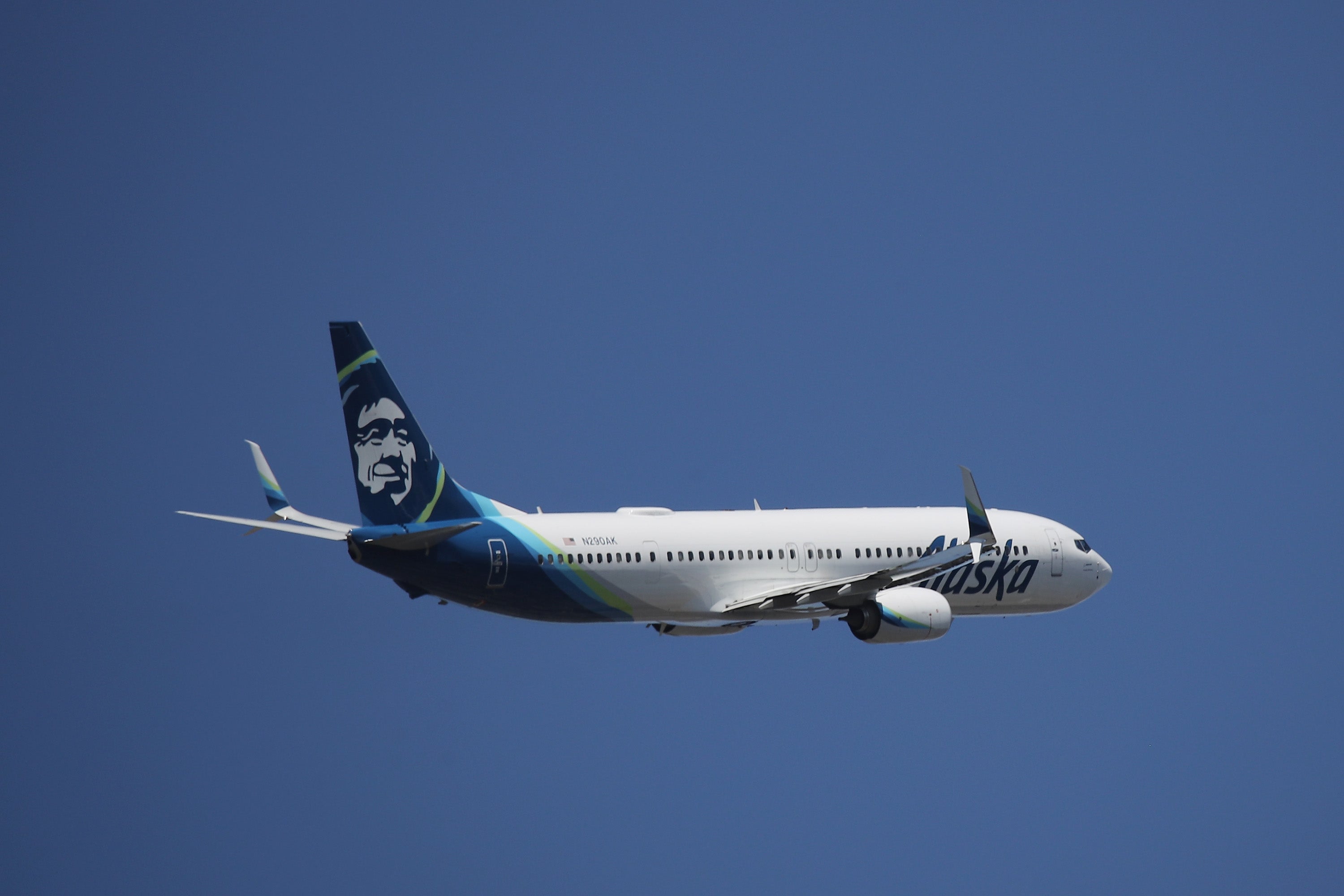
The Variants
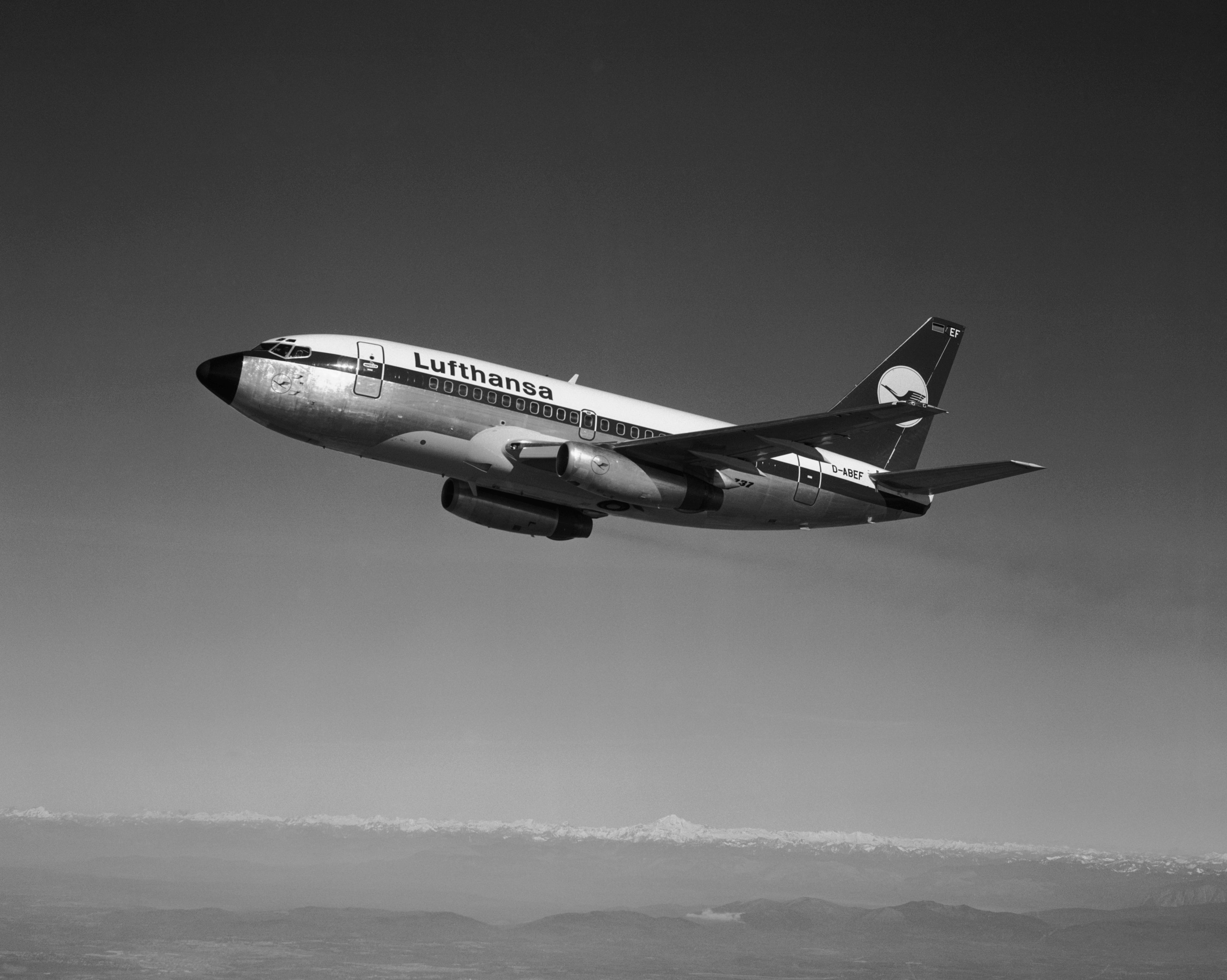
The Boeing 737 is a large family with several variants over the years.

- The 100 and 200 series are the original variants; none of which are flying passengers in the U.S.
- The Classics: 737-300, 737-400, 737-500; none of which are flying passengers in the U.S.
- The NG: 737-600, 737-700/-700ER, 737-800 and 737-900/-900ER. Most of these are flying today.
- The MAX: 737 MAX 7, 737 MAX 8, 737 MAX 8200, 737 MAX 9 and 737 MAX 10.
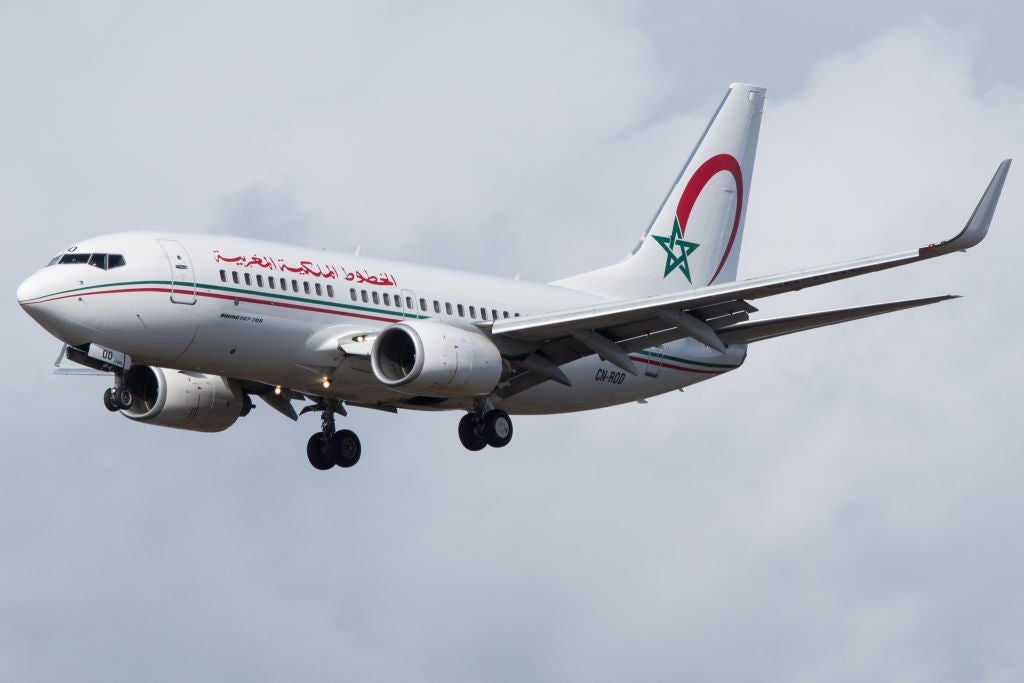
In each generation, the differences amount to stretch or shrunk variations. For example, WestJet still flies the Boeing 737-600, which is similar in size to the Airbus A318. Southwest is the largest operator of Boeing 737-700s in the world; it also operates Boeing 737-800s. (Spot them with blended winglets.)
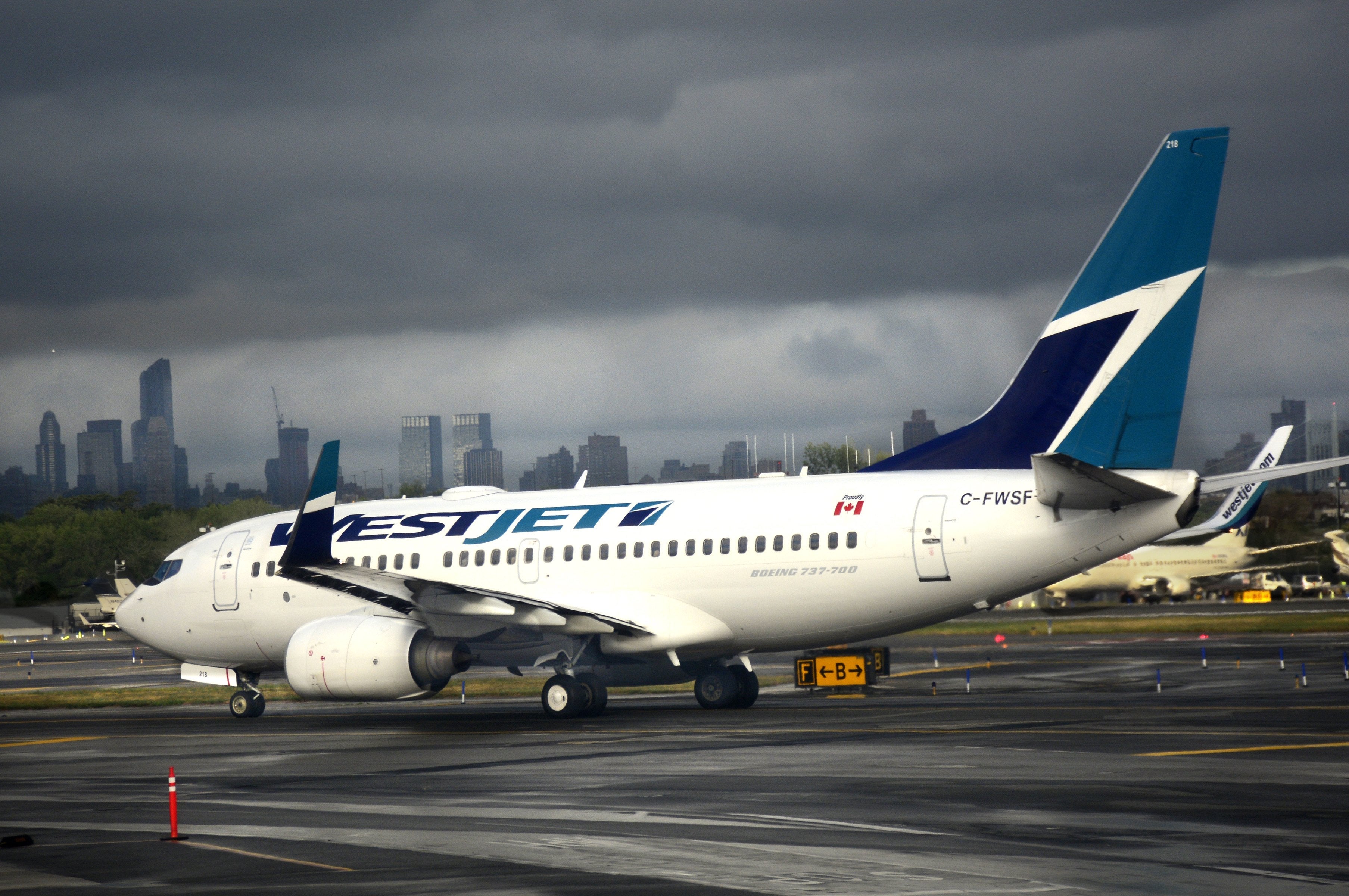
The Wingtips
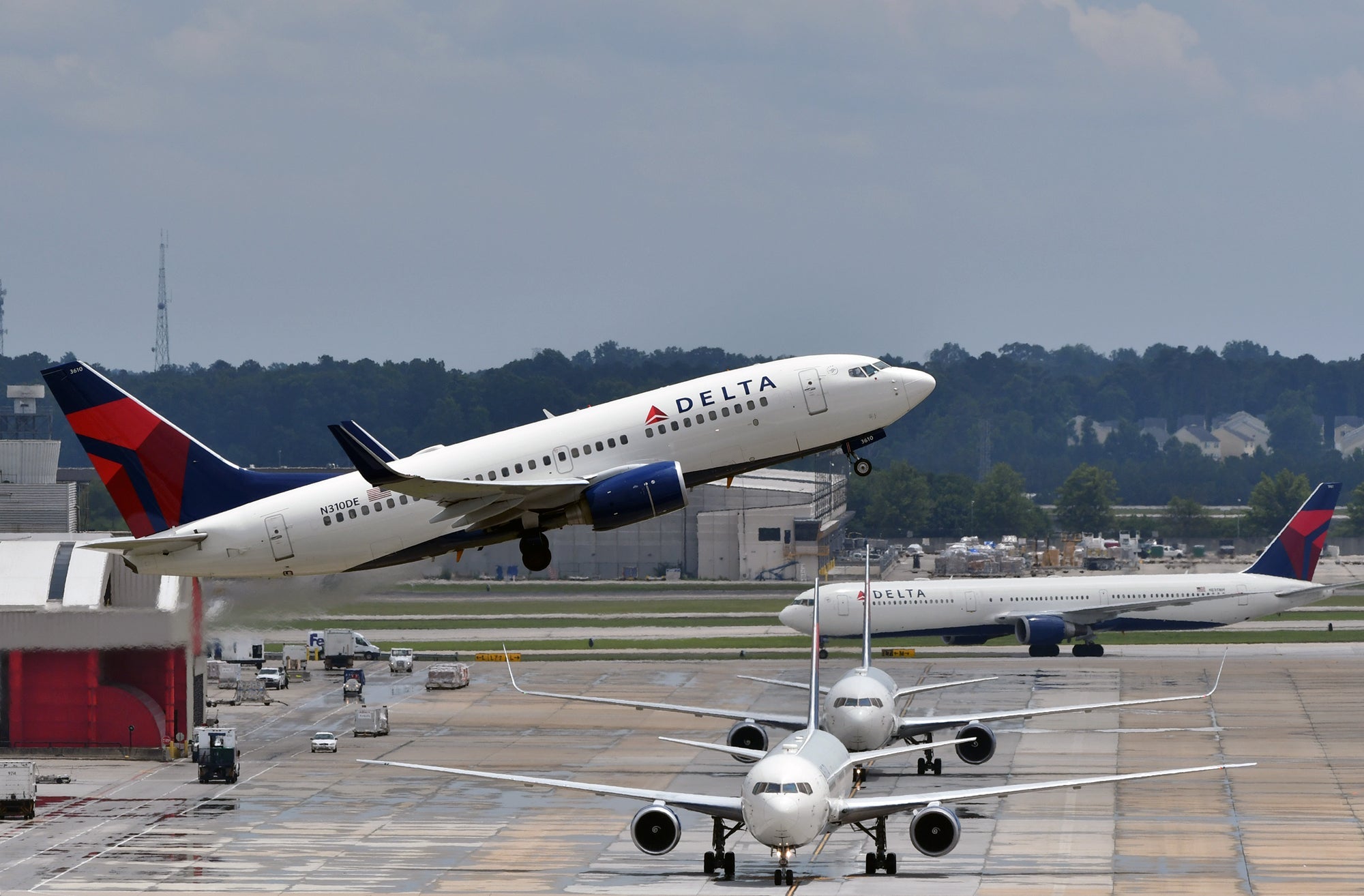
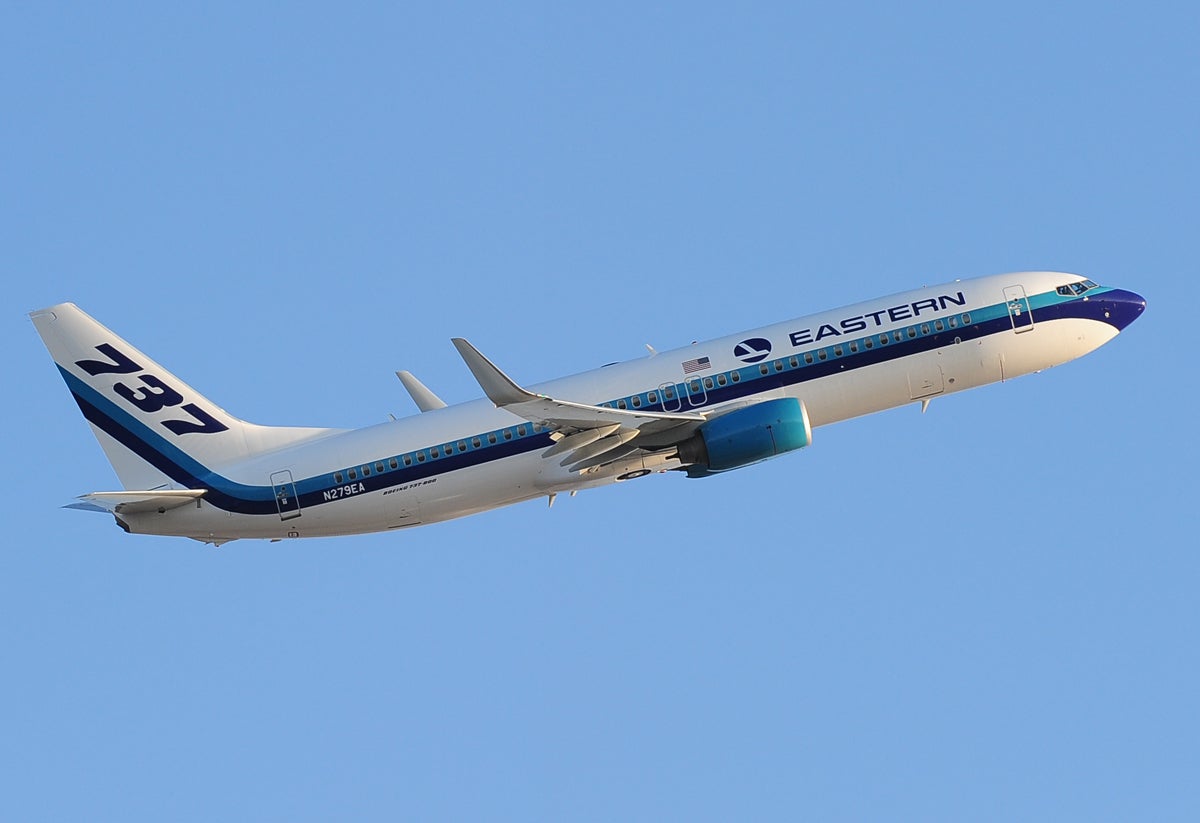
A Boeing 737 will typically have either blended wingtips, split scimitar winglets or the special winglets that are found on the MAX. The split scimitar is an add-on to a blended winglet—literally bolted on to the bottom of the wing tip.
"Basically, the newer the 737, the more stylish are the winglets," writes Chris Brady, who runs the Boeing 737 Technical Guide, has flown all manner of Classics, NG and the A320. "The 737 Classics, built until 1999, don't have winglets, although a few have been retrofitted with them."
"The first 737NGs weren't built with winglets either as they were only certified in 2000 and for a while were optional. Split scimitar winglets came into service in 2014 and the MAX has a very angular winglet, not curved."
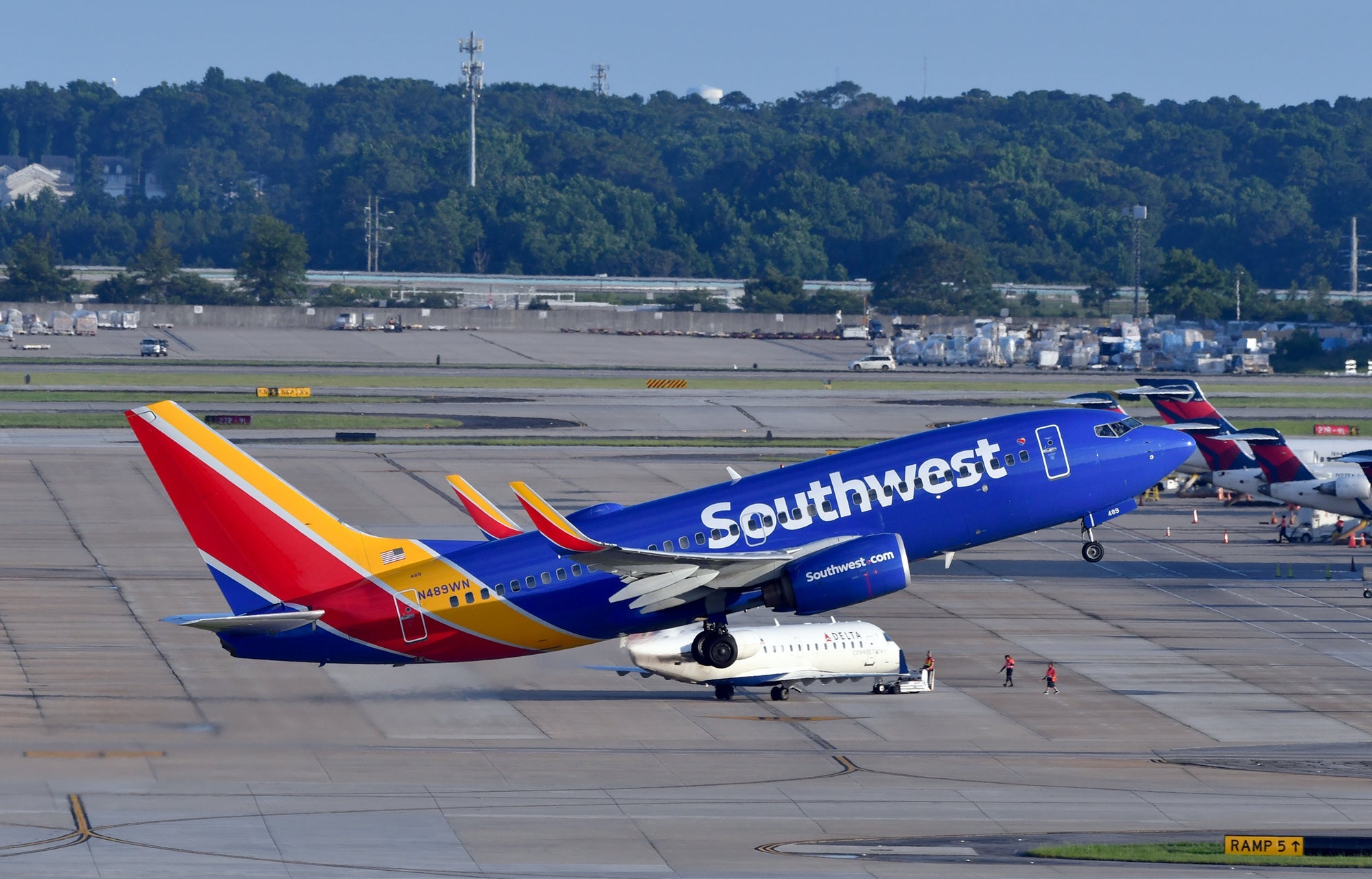
The Engine
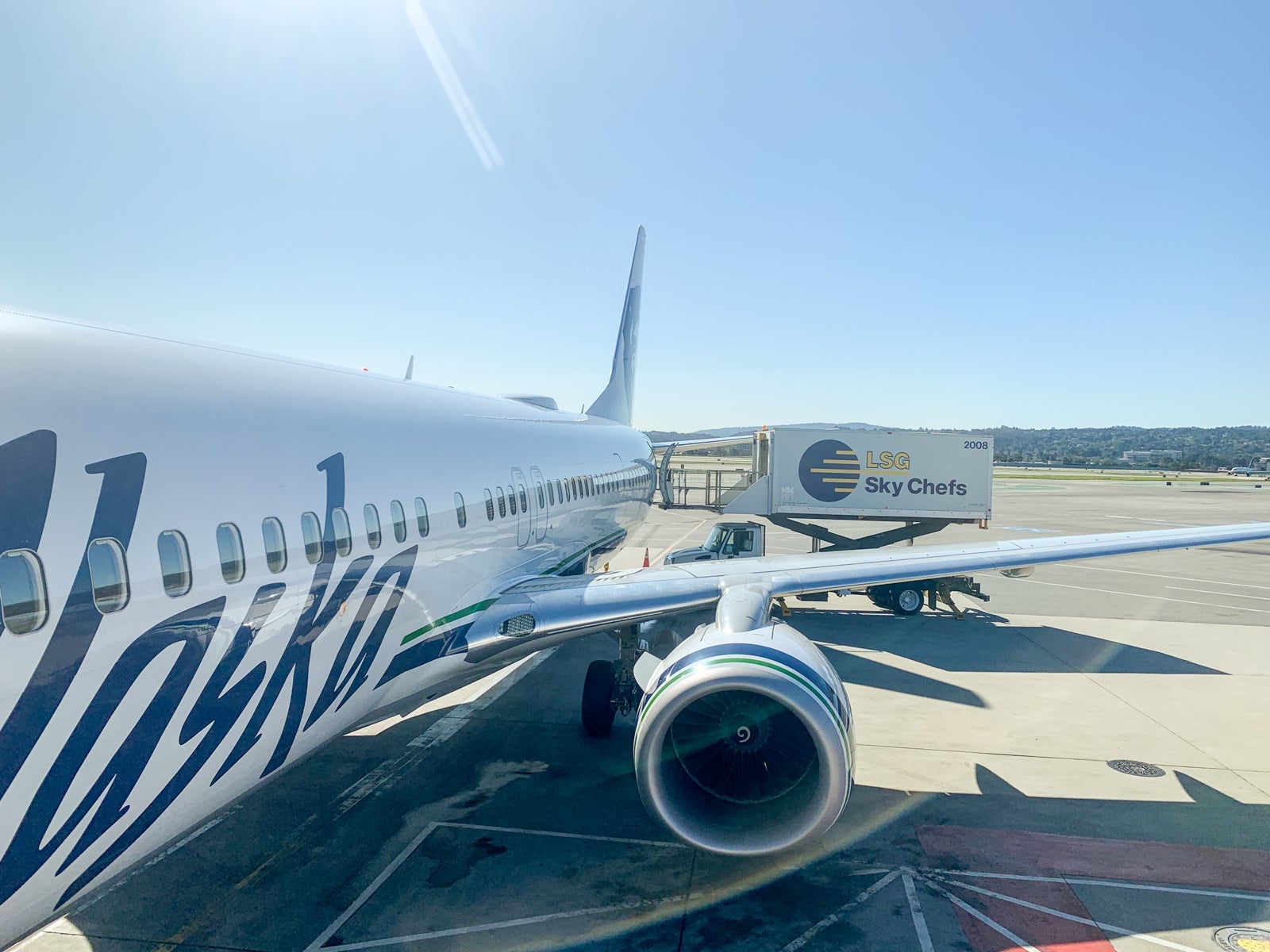
The Boeing 737 has a unique feature starting with the Classic models: the engine nacelle is not perfectly round, but has a flat bottom and is seemingly very close to the ground. If it looks like hamster, well, that's the nickname it gained. With the NG, Boeing needed to move the engine forward on the aircraft and needed an engine nacelle with a flat bottom so as to maximize ground clearance. Inside the engine, parts were moved around to the side from the bottom, and precious inches of clearance were gained. In addition, from the side you'll notice the Boeing 737 engines are shifted far forward of the engine.
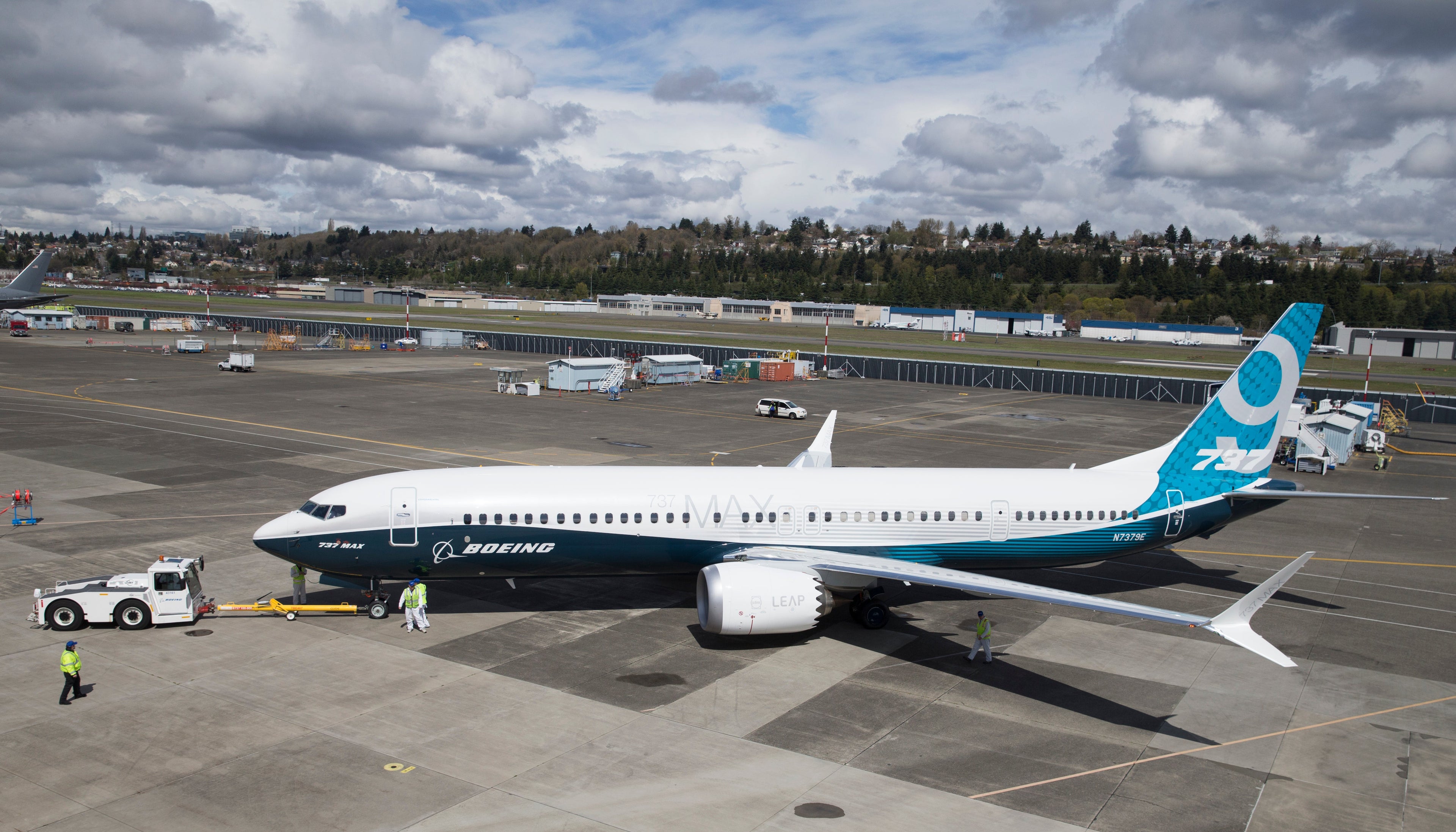
The Boeing 737 MAX aircraft sport engines that have chevron nacelles, just like the Dreamliner. That, plus its sharp wingtips, makes it easy to spot in the Boeing parking lot.
The Emergency Exits
As the Boeing 737-NG aircraft are each stretch or shrunk models of the main version, the Boeing 737-700, the emergency exits are a tell tale difference between the aircraft. This makes sense; as the plane is stretched out and more seats are added, more emergency exits are required. The 700 has one emergency exit door over the wing, the 800 and 900 each have two. And because the 900 is the longest of them all, it has an additional emergency exit just behind the wing on each side.
Its Nickname: FLUF
Perhaps the best part about the Boeing 737? Its nickname is FLUF, which stands for "Fat Little Ugly F*cker", a name given to it by pilots. And that's not all; Brady has documented a variety of Boeing 737 nicknames.
We love it just the same.
| Boeing 737-100, 200 |
|
|---|---|
Boeing 737-300,400,500 |
|
Boeing 737NG (600,700,800,900) |
|
Boeing 737 MAX |
|
The 737 Max
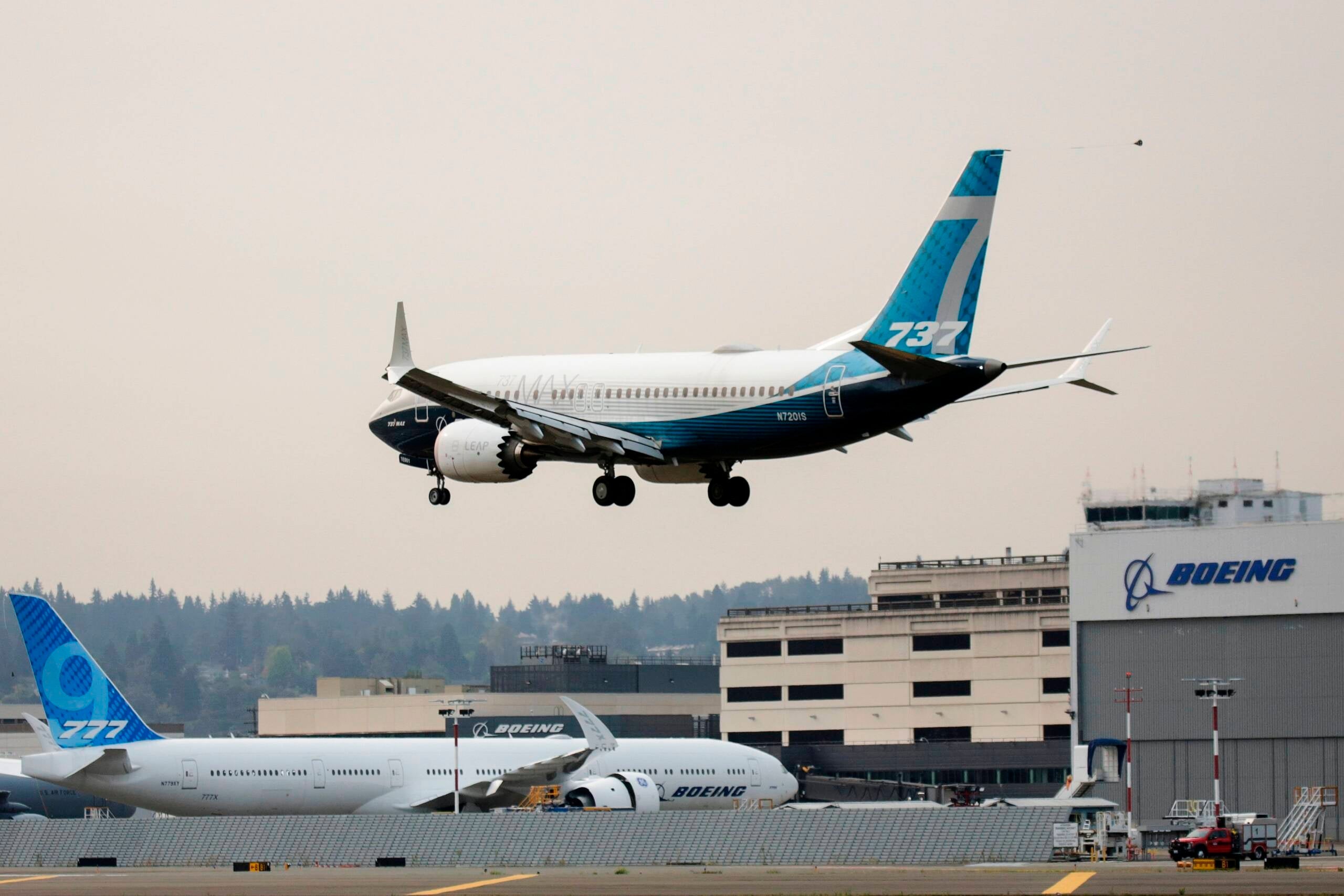
As we've been reporting the 737 MAX just returned to service after two deadly accidents grounded the aircraft for nearly two years. American Airlines flew paying passengers on a flight from Miami to New York on Dec. 29, 2020.
Related: The return of the 737 Max
Two MAX jets crashed - Lion Air 737 MAX 9 in late 2018 and an Ethiopian Airlines 737 MAX 8 in March 2019. 346 people died in the crashes blamed, in part, on flight control systems software issues.
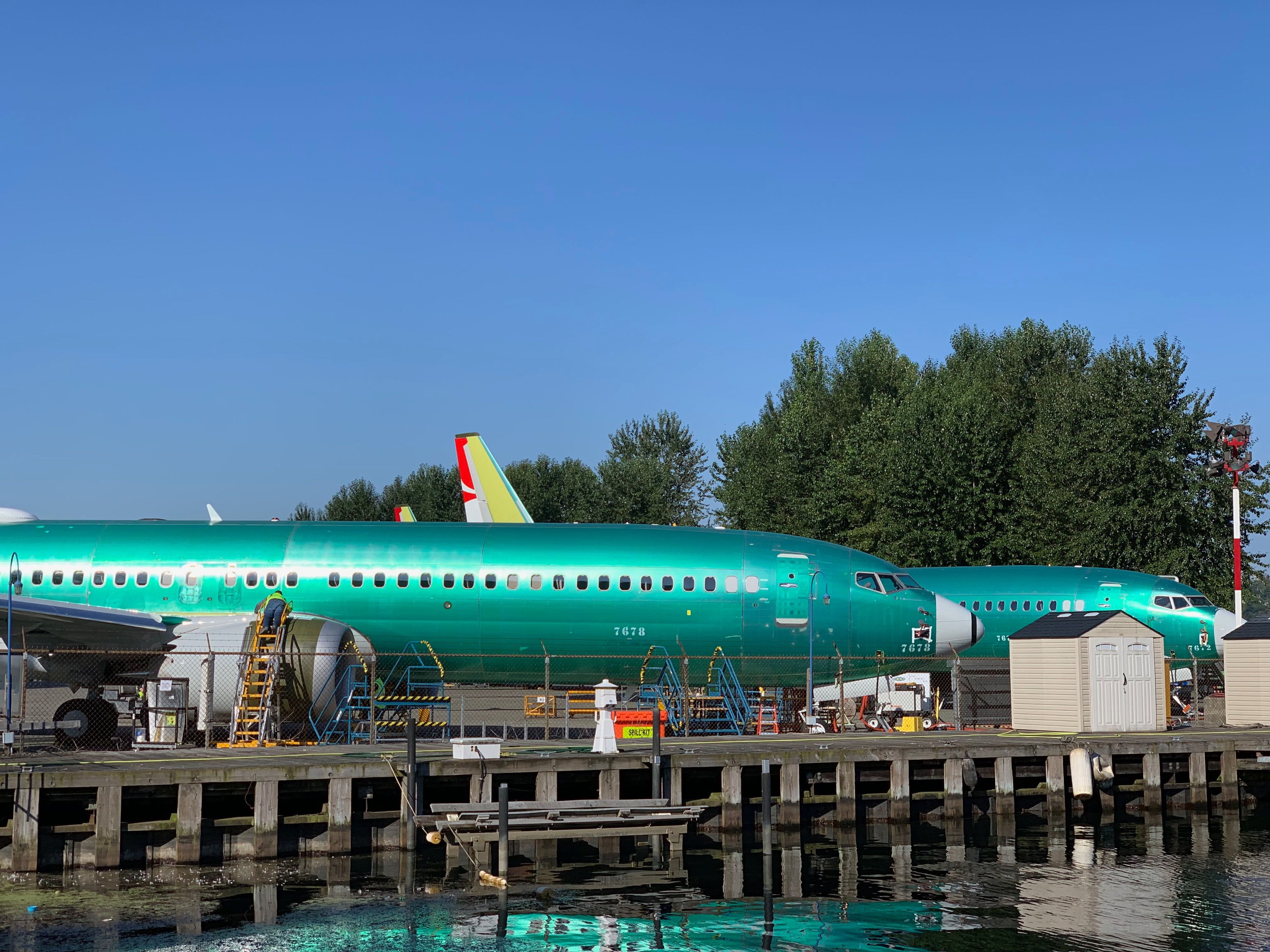
Hopefully, the relaunch of MAX service means the long successful career of the 737 family can resume again without issue.
If you want more AvGeek coverage check out our other posts on identifying aircraft in the "wild": How to tell commercial aircraft apart, how to tell Boeing 757s, 767s and 777s apart, how to tell Boeing 747s apart, how to tell Airbus A330s and A340s apart, how to tell A350s and 787s apart, and how to identify the A320 family of planes.
Additional reporting by Clint Henderson.
TPG featured card

at Capital One's secure site
Terms & restrictions apply. See rates & fees.
| 5X miles | Earn 5X miles on hotels, vacation rentals and rental cars booked through Capital One Travel |
| 2X miles | Earn unlimited 2X miles on every purchase, every day |
Pros
- Stellar welcome offer of 75,000 miles after spending $4,000 on purchases in the first three months from account opening. Plus, a $250 Capital One Travel credit to use in your first cardholder year upon account opening.
- You'll earn 2 miles per dollar on every purchase, which means you won't have to worry about memorizing bonus categories
- Rewards are versatile and can be redeemed for a statement credit or transferred to Capital One’s transfer partners
Cons
- Highest bonus-earning categories only on travel booked via Capital One Travel
- LIMITED-TIME OFFER: Enjoy $250 to use on Capital One Travel in your first cardholder year, plus earn 75,000 bonus miles once you spend $4,000 on purchases within the first 3 months from account opening - that’s equal to $1,000 in travel
- Earn unlimited 2X miles on every purchase, every day
- Earn 5X miles on hotels, vacation rentals and rental cars booked through Capital One Travel
- Miles won't expire for the life of the account and there's no limit to how many you can earn
- Receive up to a $120 credit for Global Entry or TSA PreCheck®
- Use your miles to get reimbursed for any travel purchase—or redeem by booking a trip through Capital One Travel
- Enjoy a $50 experience credit and other premium benefits with every hotel and vacation rental booked from the Lifestyle Collection
- Transfer your miles to your choice of 15+ travel loyalty programs
- Top rated mobile app