Why I prefer flying wide-body planes when traveling cross-country


Though now's not the time to travel, it hopefully won't be too long until we (safely) get back in the air again.
And once travel restarts, odds are that we'll be taking many more domestic trips than usual , before venturing abroad. That's one of the reasons we are running more flight reviews focused on domestic products.
Right before the coronavirus halted travel, I made a trip to the West Coast to attend the grand opening of the Amex Centurion Lounge at LAX. I reviewed United's Polaris product on the Boeing 787-10 on the way there, and American's Flagship First on the Airbus A321T on the return (both publishing next week).
Though I'll have a full comparison of these two products (along with JetBlue Mint) publishing shortly, there's one thing that I preferred about flying United, and it was the plane type.
Specifically, I much prefer flying on wide-body aircraft than single-aisle jets. And here's why.
For more travel tips and news, sign up for our daily newsletter
[table-of-contents /]
Cutting-edge hard product
In general, airlines reserve their best products for wide-body planes. That's because the jets are capable of flying a carrier's top-traffic, long-haul routes. Plus, there's much more space available to install industry-leading products.
Delta and United are the two carriers that regularly fly the Boeing 767, 777 and 787 on the premium routes between New York and Los Angeles and San Francisco.

Related: Ultimate guide to United Polaris
In business class, each seat features direct aisle access, as well as a more private and spacious version of biz compared to flying on a narrow-body like the Boeing 757.
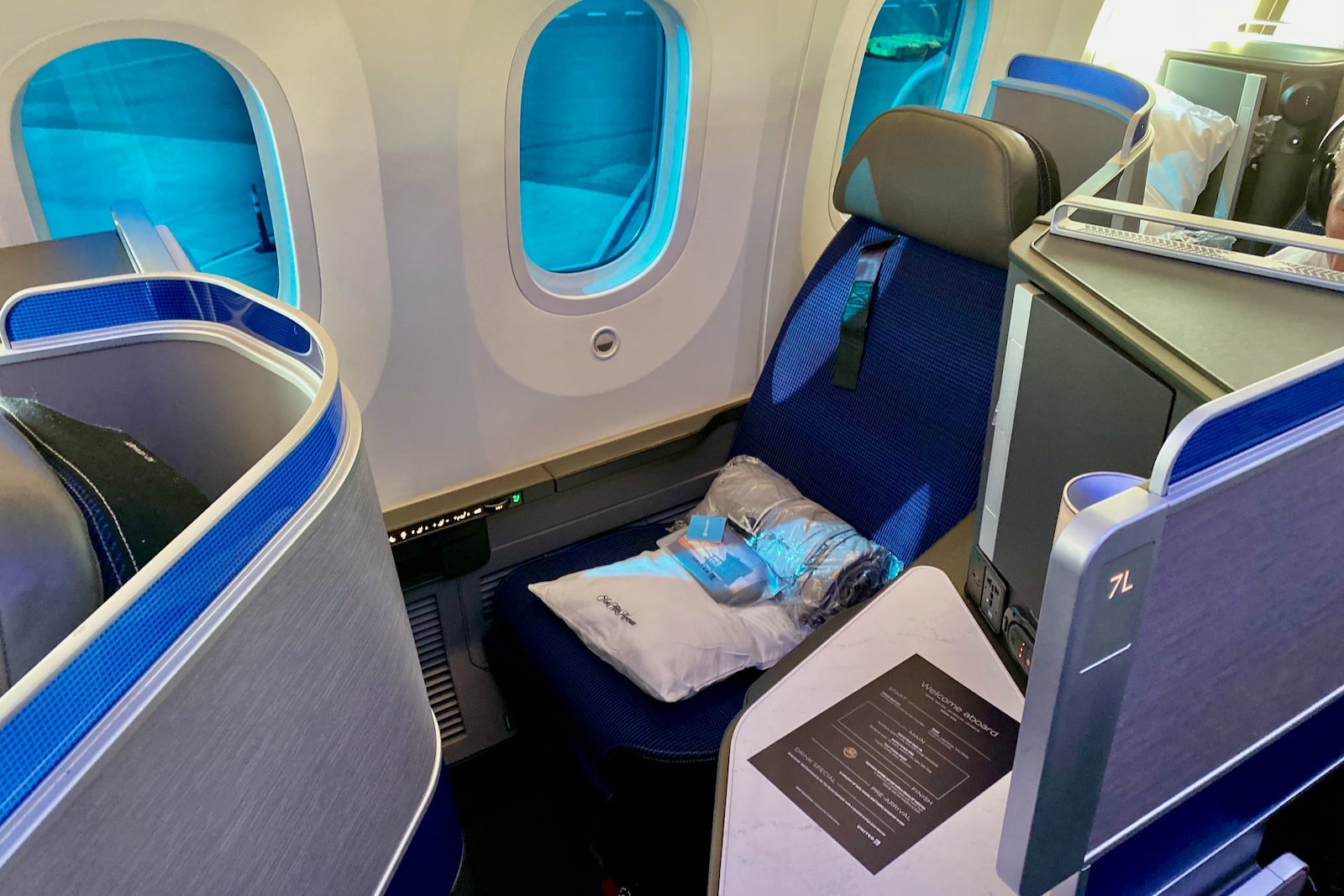
American and JetBlue fly only one plane type across the coasts — the Airbus A321. I definitely prefer this narrow-body plane to its chief competitor, the Boeing 737, but the comforts available on a wide-body far outweigh those of the A321.
(Note that AA is the only carrier to fly a true first-class product cross-country, so if you're looking for the best way to fly commercially in America, you'll be flying Flagship First on the A321T.)
Better coach experience
Though it'd be great if we could all enjoy the lie-flat seats up front, most passengers will find themselves in coach. And the economy experience on a Boeing 787 is generally much better than that on an A321.
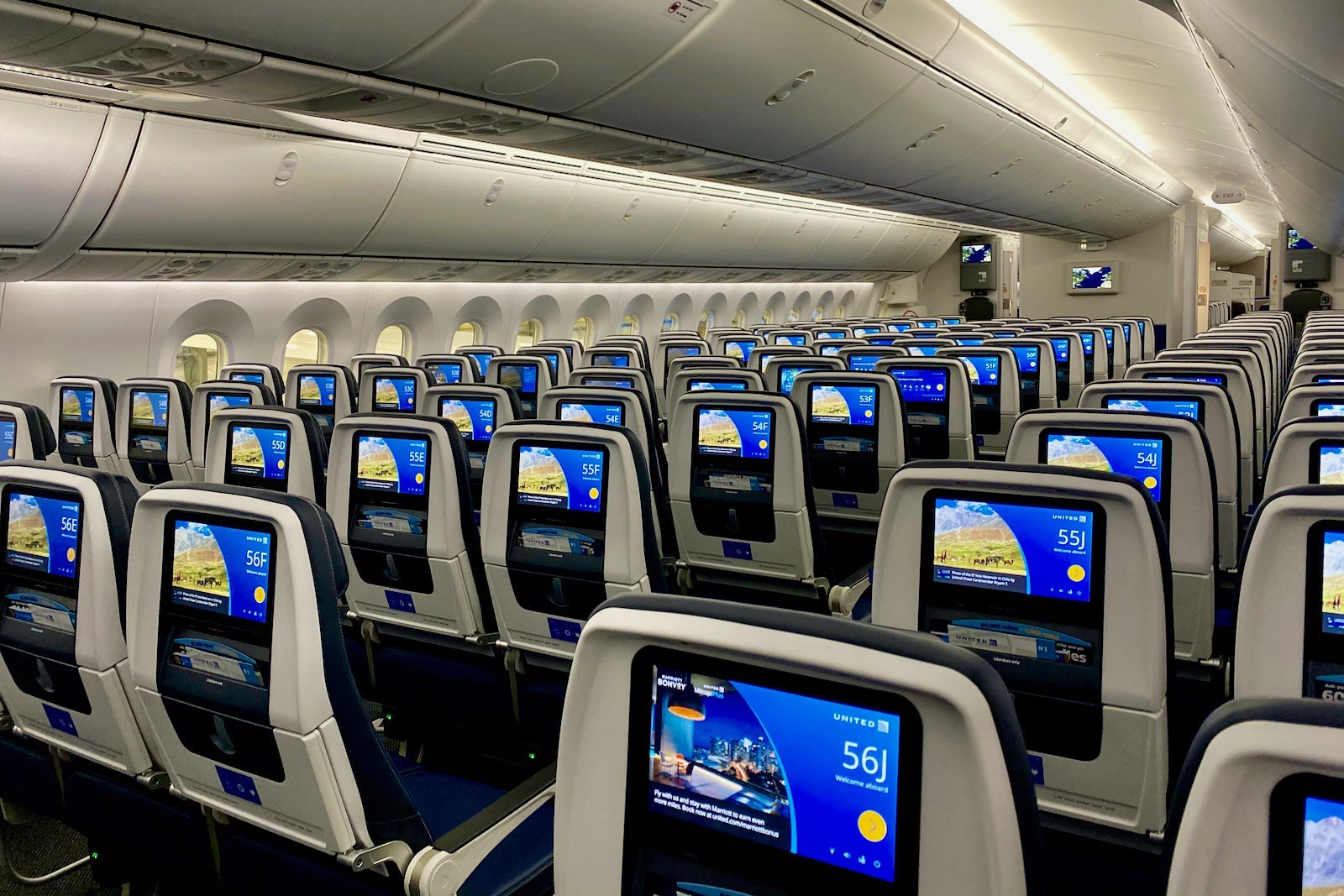
For one, there are many more aisle seats compared to a single-aisle jet. On an A321, there's an equal distribution of aisles, middles and windows. On a 787, there are many more aisles, then middles and finally windows.
Related: The best and worst transcon economy seats
More overhead space and volume
As the names imply, a wide-body is much larger than a narrow-body jet.
That's great for those who frequently need to gate check their bags since wide-bodies have much more overhead storage space.
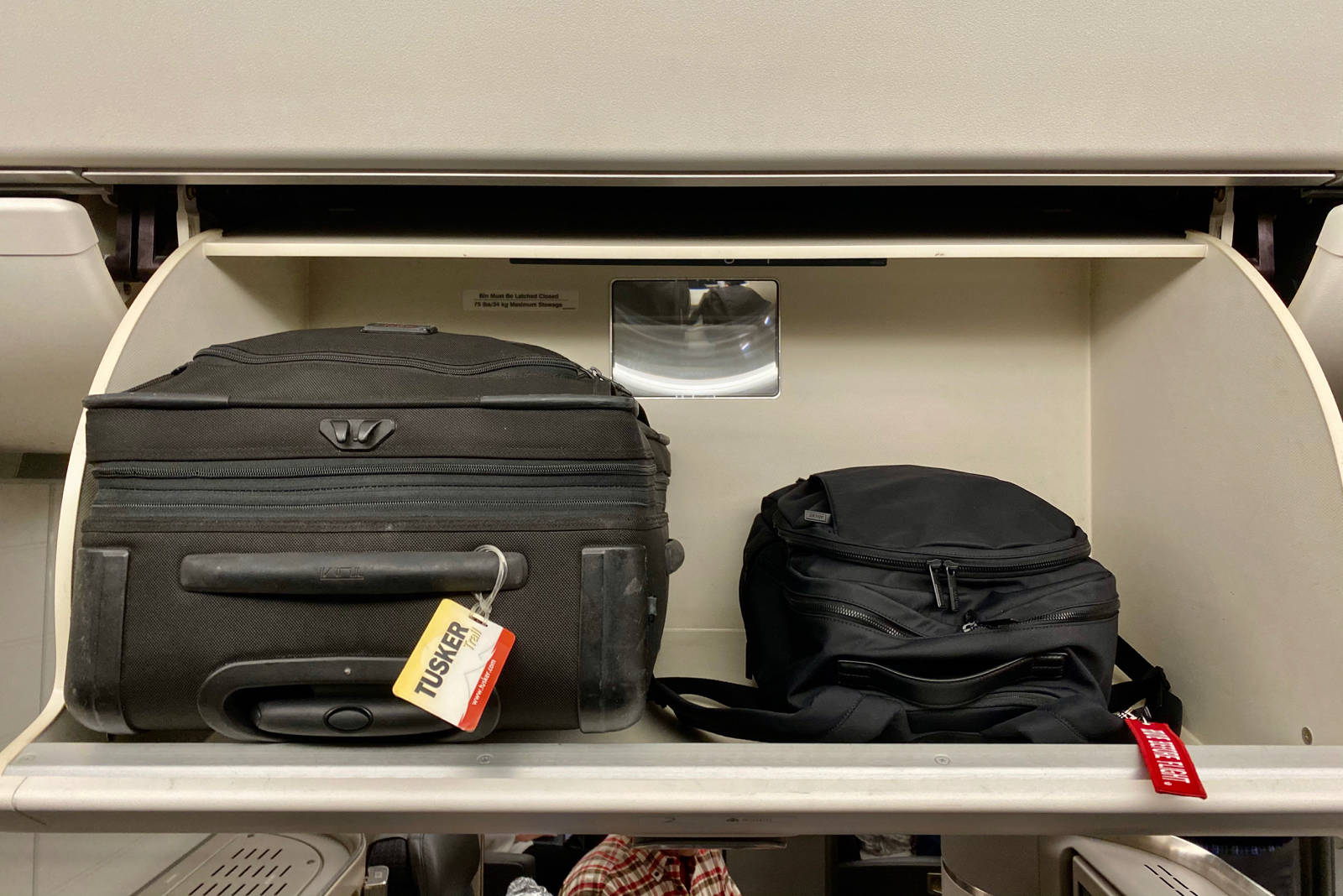
Additionally, I personally feel much less claustrophobic on a twin-aisle plane. The added volume in the cabin makes me feel more comfortable and enhances my perception of personal space.
Two aisles compared to one
When you're flying for five-plus hours across the country, you're definitely going to want to stretch your legs and move about the cabin.
On a narrow-body, you've got just one aisle and a small galley at the back of the plane in which to stretch. There's always so much foot traffic in these single-aisle planes that moving around can feel like you're playing a game of human Tetris.
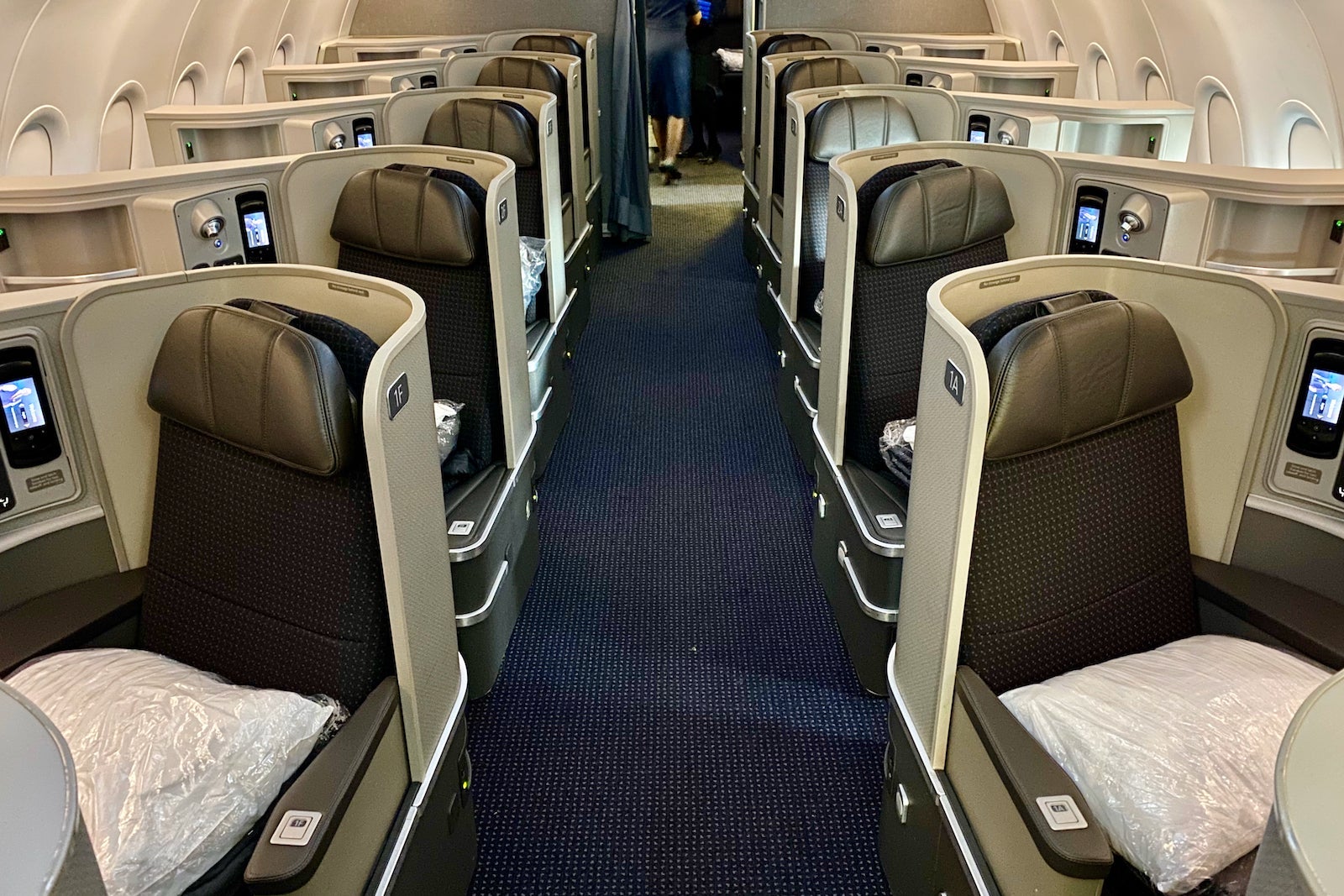
Wide-bodies have two aisles. Yes, they have more passengers as well, but at least there's another aisle in which to walk around. Plus, the galleys and lavatories on these twin-aisle jets are typically a bit larger than their single-aisle counterparts, making them much more comfortable overall.
Novelty
As an aviation enthusiast (follow my Instagram for all my pics!), I find that there's something special about getting on a twin-aisle plane.
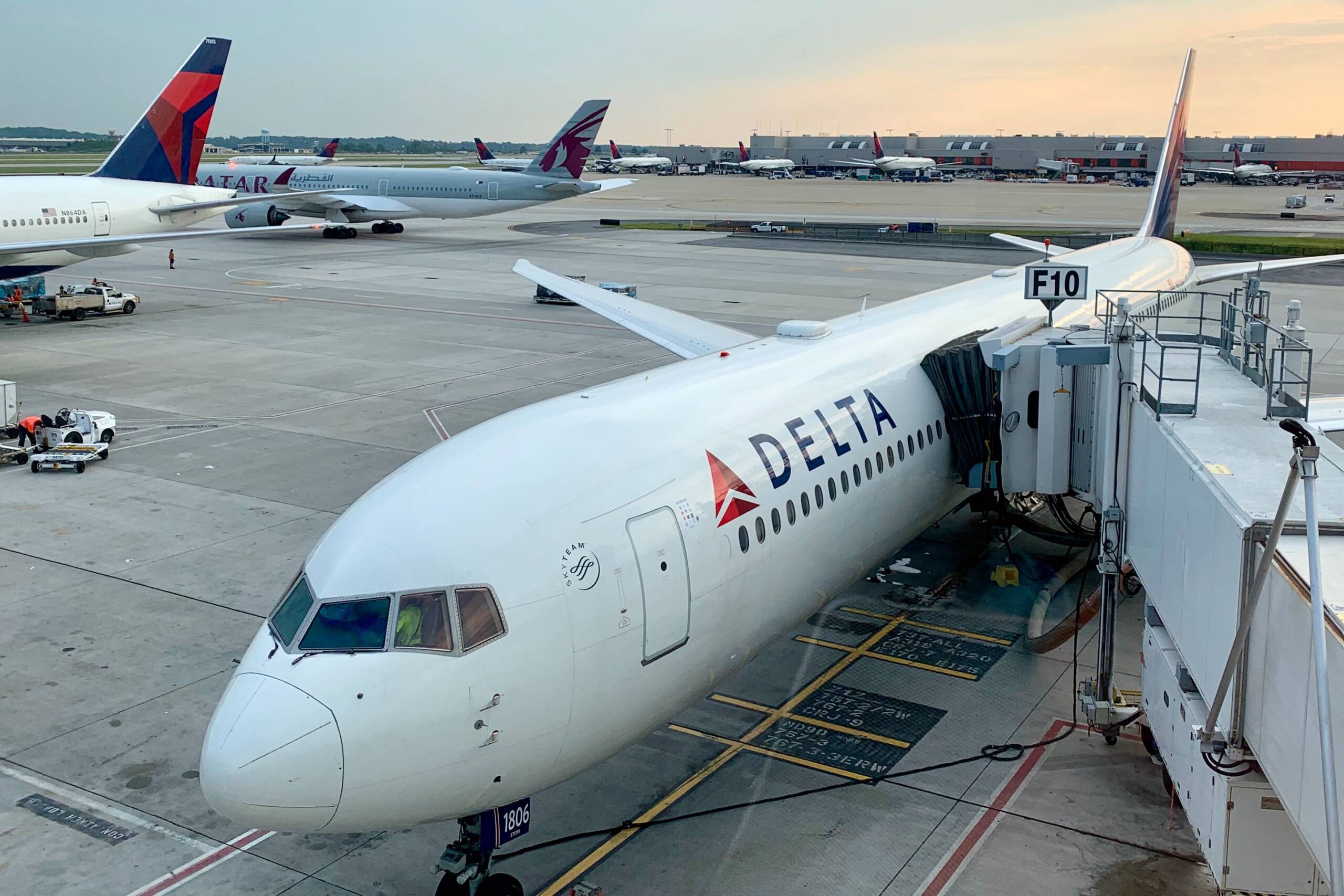
Most run-of-the-mill domestic flights are operated by narrow-bodies, and I like to change it up from time-to-time. Getting a chance to fly a wide-body domestically is a privilege to me.
Related: American to retire 100 more planes early amid pandemic
Also, as the industry recovers from the coronavirus, odds are that we're going to see many fewer domestic flights operated by wide-bodies. During the pandemic, we've seen American Airlines retire a lot of its international fleet. The carrier previously used these wide-bodies for many domestic flights, but now that they've been retired, AA will probably be flying many more Oasis 737s with dense seating layouts on routes that used to feature the Boeing 767.
Bottom line
If faced with the choice, I'm on team wide-body.
You'll typically enjoy a better hard product in biz, an improved coach experience and more overhead space. Plus, when it's time to head to the lavatory, the two aisles on a wide-body help ease the congestion.
And finally, if you're an AvGeek like me, you'll enjoy the novelty of flying some of the biggest planes on domestic routes.
TPG featured card

at American Express's secure site
Terms & restrictions apply. See rates & fees.
| 3X | Earn 3X Miles on Delta purchases. |
| 1X | Earn 1X Miles on all other eligible purchases. |
Pros
- Delta SkyClub access when flying Delta
- Annual companion ticket for travel on Delta (upon renewal)
- Ability to earn MQDs through spending
- Various statement credits for eligible purchases
Cons
- Steep annual fee of $650
- Other Delta cobranded cards offer superior earning categories
- Earn 100,000 Bonus Miles after you spend $6,000 or more in purchases with your new Card within the first 6 months of Card Membership and an additional 25,000 bonus miles after you make an additional $3,000 in purchases on the Card within your first 6 months, starting from the date that your account is opened. Offer Ends 04/01/2026.
- Delta SkyMiles® Reserve American Express Card Members receive 15 Visits per Medallion® Year to the Delta Sky Club® when flying Delta and can unlock an unlimited number of Visits after spending $75,000 in purchases on your Card in a calendar year. Plus, you’ll receive four One-Time Guest Passes each Medallion Year so you can share the experience with family and friends when traveling Delta together.
- Enjoy complimentary access to The Centurion® Lounge in the U.S. and select international locations (as set forth on the Centurion Lounge Website), Sidecar by The Centurion® Lounge in the U.S. (see the Centurion Lounge Website for more information on Sidecar by The Centurion® Lounge availability), and Escape Lounges when flying on a Delta flight booked with the Delta SkyMiles® Reserve American Express Card. § To access Sidecar by The Centurion® Lounge, Card Members must arrive within 90 minutes of their departing flight (including layovers). To access The Centurion® Lounge, Card Members must arrive within 3 hours of their departing flight. Effective July 8, 2026, during a layover, Card Members must arrive within 5 hours of the connecting flight.
- Receive $2,500 Medallion® Qualification Dollars with MQD Headstart each Medallion Qualification Year and earn $1 MQD for each $10 in purchases on your Delta SkyMiles® Reserve American Express Card with MQD Boost to get closer to Status next Medallion Year.
- Enjoy a Companion Certificate on a Delta First, Delta Comfort, or Delta Main round-trip flight to select destinations each year after renewal of your Card. The Companion Certificate requires payment of government-imposed taxes and fees of between $22 and $250 (for itineraries with up to four flight segments). Baggage charges and other restrictions apply. Delta Basic experiences are not eligible for this benefit.
- $240 Resy Credit: When you use your Delta SkyMiles® Reserve American Express Card for eligible purchases with U.S. Resy restaurants, you can earn up to $20 each month in statement credits. Enrollment required.
- $120 Rideshare Credit: Earn up to $10 back in statement credits each month after you use your Delta SkyMiles® Reserve American Express Card to pay for U.S. rideshare purchases with select providers. Enrollment required.
- Delta SkyMiles® Reserve American Express Card Members get 15% off when using miles to book Award Travel on Delta flights through delta.com and the Fly Delta app. Discount not applicable to partner-operated flights or to taxes and fees.
- With your Delta SkyMiles® Reserve American Express Card, receive upgrade priority over others with the same Medallion tier, product and fare experience purchased, and Million Miler milestone when you fly with Delta.
- Earn 3X Miles on Delta purchases and earn 1X Miles on all other eligible purchases.
- No Foreign Transaction Fees. Enjoy international travel without additional fees on purchases made abroad.
- $650 Annual Fee.
- Apply with confidence. Know if you're approved for a Card with no impact to your credit score. If you're approved and you choose to accept this Card, your credit score may be impacted.
- Terms Apply.
- See Rates & Fees