You may never board a plane the same way again — because of coronavirus

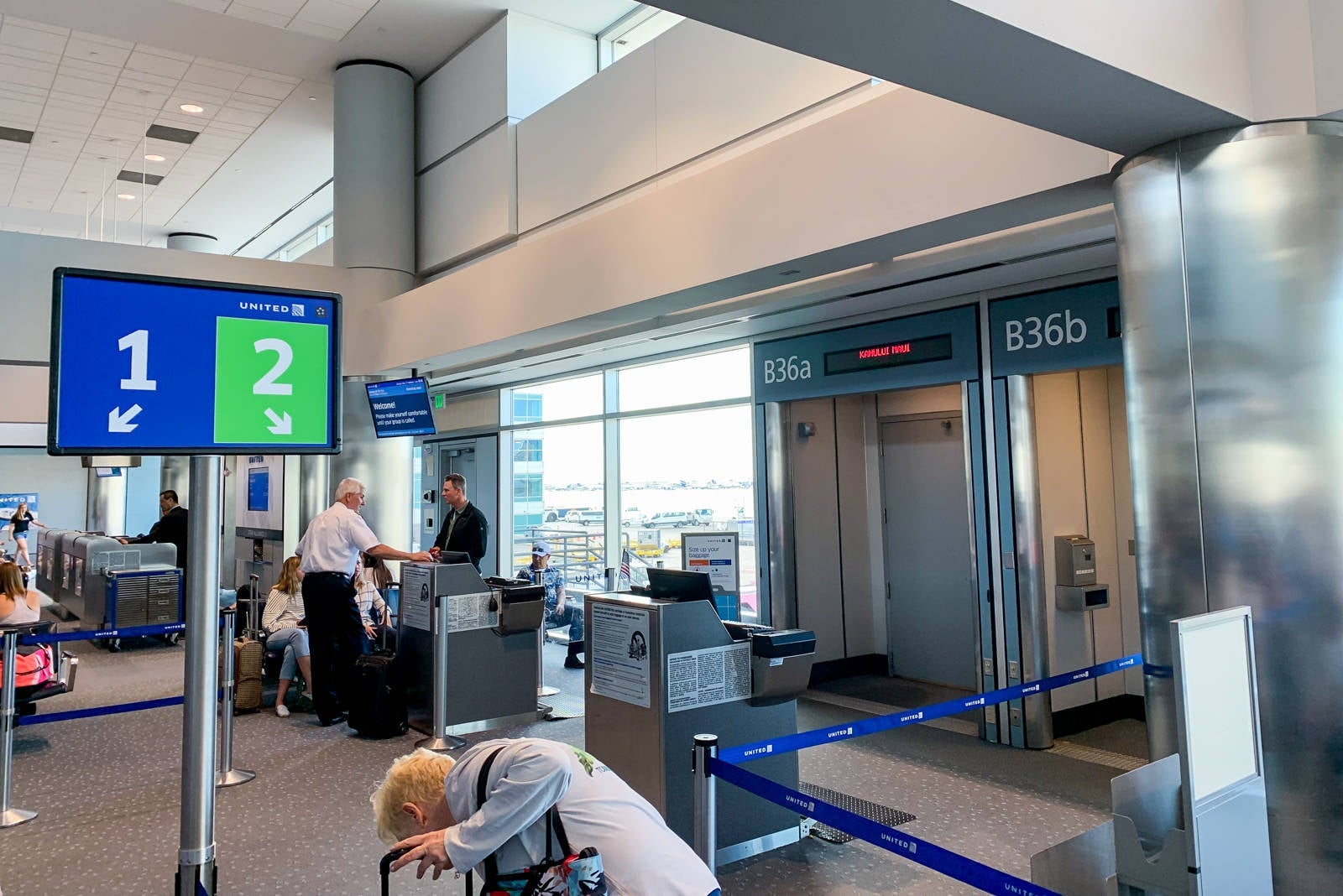
Because of the coronavirus pandemic, airlines across the world are adjusting service procedures to reassure the flying public that air travel is indeed safe. These measures range from changed inflight catering to more frequent cleaning between flights.
One of the most noteworthy changes we've seen has been to the boarding process. To reduce the number of passengers interacting with each other, some carriers have introduced back-to-front boarding. This method may or may not be here to stay, but let's dive into the details.
For more travel tips and news, sign up for our daily newsletter.
[table-of-contents /]
Airlines that have adopted back-to-front boarding
Of the big 3 U.S. carriers, Delta and United have (temporarily) adopted this policy, whereby passengers are asked to remain seated at the gate until their rows are called. United's even boarding business class after coach (Delta's premium passengers can board at their leisure).
On the other hand, American Airlines is still sticking to its nine-group system. Nonetheless, the Fort Worth, Texas-based carrier has made some changes to its boarding process. Specifically, it's now requiring all passengers to be on board at least 15 minutes before departure, or they'll risk losing their seat.
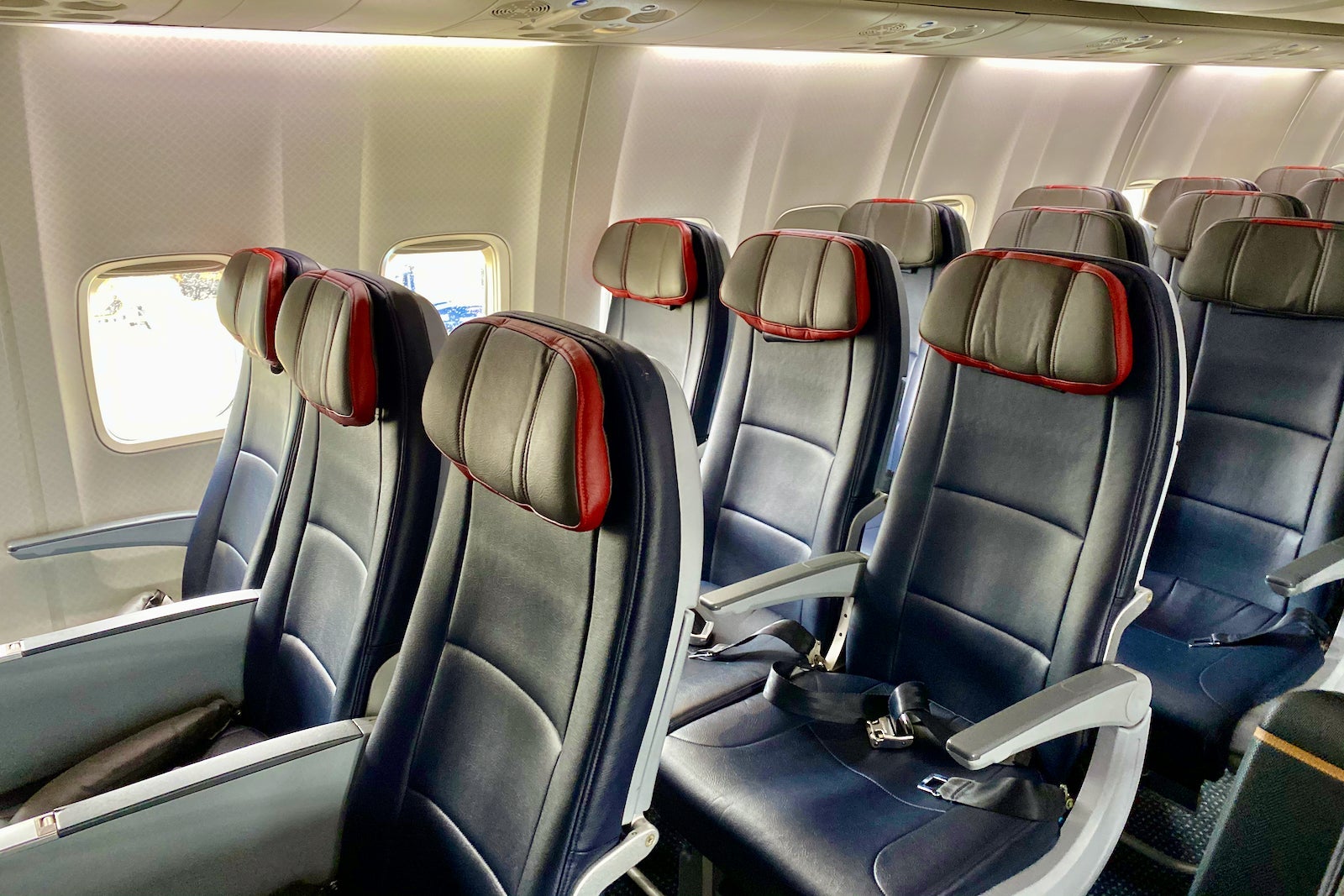
Back-to-front is one of the slowest boarding methods...
As simple as back-to-front boarding may be, it's actually not the most efficient method. Airlines have all adopted different models, looking for the fastest one; perhaps most interesting is Southwest's boarding process without assigned seats.
Though you might think that it doesn't get any faster than back-to-front boarding, there's been a slew of scientific studies to find the fastest boarding method. After all, before the coronavirus hit, airlines were looking to minimize the amount of time a plane was sitting on the ground. (With decreased demand and fewer people traveling, there's less pressure on turning flights as fast).
The verdict is still out on which method is actually the speediest under real-world conditions, but one thing's for certain — back-to-front boarding isn't nearly as good as alternate methods. According to Jason Steffen, an astrophysicist at Northwestern University who has studied boarding processes, the bottleneck with this method is that too many people crowd the narrow aisles when their group is called.

Additionally, in my experience, back-to-front boarding also suffers from the issue of some people using overhead bins far in front of their rows, which inevitably slows down the process later on.
Related: Why I always board last, no matter where I'm sitting on the plane
...But it's also one of the safest
These days fastest isn't necessarily best. With a renewed focus on passenger safety, we've seen airlines sacrifice efficient boarding processes for social distancing. Time will tell whether these changes become permanent, but in the meantime, it's certainly one of the safest ways to spread people apart.
As Delta explains, they're using an inefficient boarding method "to reduce the instances of customers needing to pass by one another to reach their seat."
While Southwest's random first-come, first-served boarding model is much faster, it also results in increased interactions among passengers. After all, if you're looking for the absolute safest way to fly, you'll likely stay seated in a window seat the entire flight, and refuse any service items too, since both things minimize imteractions.
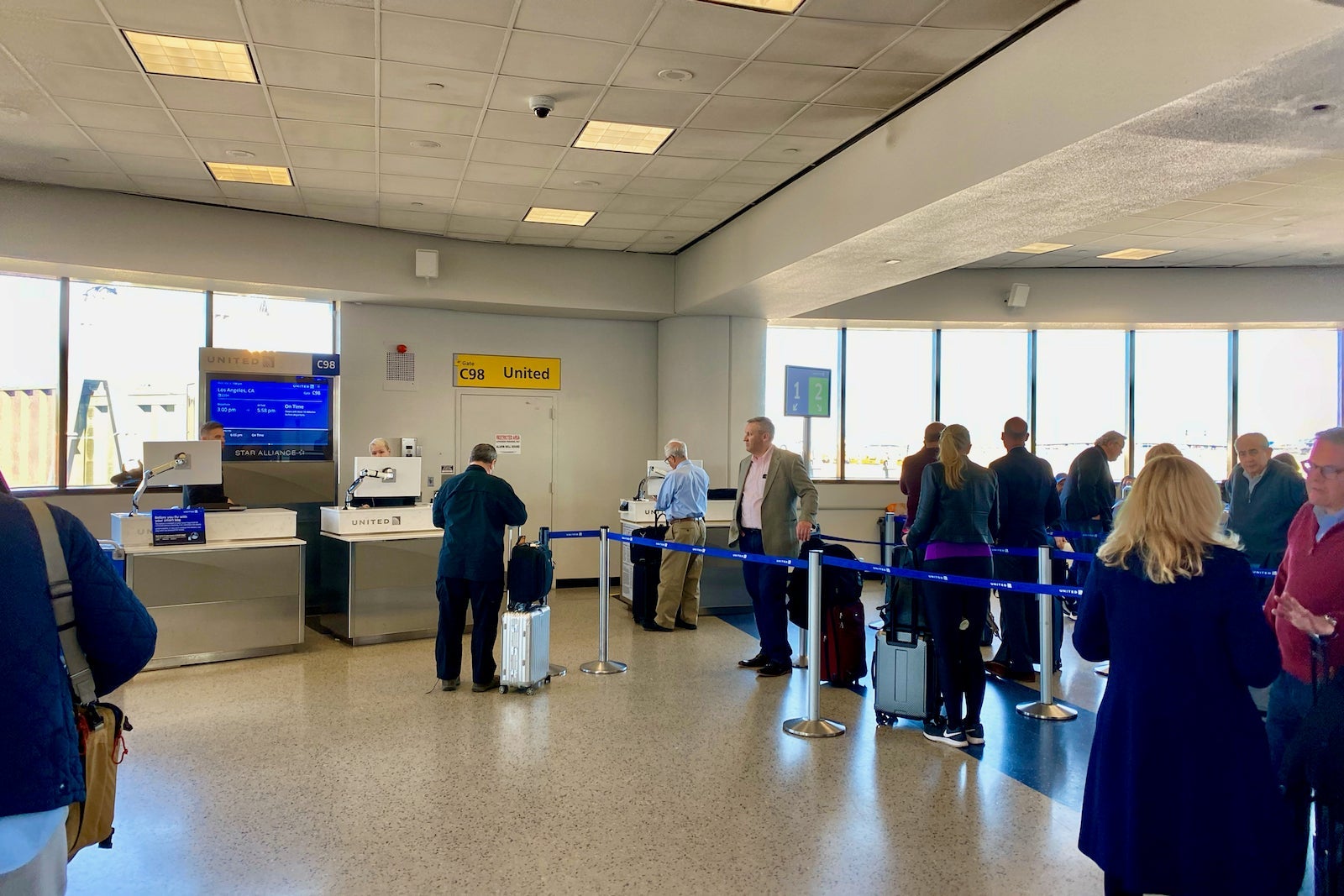
Safety isn't the only reason some might prefer this boarding process. Personally, I've long been a proponent of being one of the last to board. That way I can maximize my time in the lounge working or relaxing. With back-to-front boarding, I wouldn't feel as pressured to get to the gate area early.
Related: Complete guide to airline social distancing policies
Two boarding doors can help speed things up
As airlines balance safety and efficiency, we're likely going to see some of these procedures modified in the coming months. One way that carriers could keep passengers separated would be by boarding through the rear door too.
Growing up in South Florida, I remember when airlines like JetBlue offered optional boarding through the rear door. It'd require a walk down a staircase and outside (pending weather conditions), but it could definitely be an option for those looking to get to the plane with limited touchpoints. Plus, aviation enthusiasts like me can't pass up the opportunity to walk on the tarmac.
https://www.instagram.com/p/B8L-PoTFAII/
Adding rear-door deplaning could also help speed up disembarkation. Right now, most airlines are calling individual rows to deplane one at a time, meaning that those seated in the back have to wait a while to get off the plane. But if they could leave via airstairs at the rear, it'd definitely be possible to speed things up.
Related: Airplane boarding is already way more efficient than you think
Bottom line
Airplane boarding is a stressful time for just about everyone. Some people enjoy boarding first, others last.
Nowadays, that choice will likely come down to where you're seated on the plane. With a rise in back-to-front boarding, airlines are abandoning the group systems in favor of the method that keeps passengers most distanced.
Time will tell whether this process is here to stay, but one thing's for certain: it's definitely not the most efficient boarding process there is.
TPG featured card

at Capital One's secure site
Terms & restrictions apply. See rates & fees.
| 5X miles | Earn 5X miles on hotels, vacation rentals and rental cars booked through Capital One Travel |
| 2X miles | Earn unlimited 2X miles on every purchase, every day |
Pros
- Stellar welcome offer of 75,000 miles after spending $4,000 on purchases in the first three months from account opening. Plus, a $250 Capital One Travel credit to use in your first cardholder year upon account opening.
- You'll earn 2 miles per dollar on every purchase, which means you won't have to worry about memorizing bonus categories
- Rewards are versatile and can be redeemed for a statement credit or transferred to Capital One’s transfer partners
Cons
- Highest bonus-earning categories only on travel booked via Capital One Travel
- LIMITED-TIME OFFER: Enjoy $250 to use on Capital One Travel in your first cardholder year, plus earn 75,000 bonus miles once you spend $4,000 on purchases within the first 3 months from account opening - that’s equal to $1,000 in travel
- Earn unlimited 2X miles on every purchase, every day
- Earn 5X miles on hotels, vacation rentals and rental cars booked through Capital One Travel
- Miles won't expire for the life of the account and there's no limit to how many you can earn
- Receive up to a $120 credit for Global Entry or TSA PreCheck®
- Use your miles to get reimbursed for any travel purchase—or redeem by booking a trip through Capital One Travel
- Enjoy a $50 experience credit and other premium benefits with every hotel and vacation rental booked from the Lifestyle Collection
- Transfer your miles to your choice of 15+ travel loyalty programs
- Top rated mobile app