NYC airport screening and new, $5 test spur hopes of a return to travel, but how realistic are these solutions?


The ongoing coronavirus pandemic has had a massive impact on international travel. In fact, right now, it's easier to list the countries where Americans can visit than try to highlight all of the destinations they can't. (Note: we've done both.)
Even within the U.S., states have imposed ever-changing guidelines on who can visit and what they must do after arriving, making for a lot of confusion — not to mentioned a slew of canceled or postponed trips.
Now, recent announcements from New York Governor Andrew Cuomo and Abbott Laboratories are shedding light on one possible solution.
Stay up-to-date on the outbreak by visiting our hub page for coronavirus coverage and signing up for our daily newsletter.
In a press conference last week, Gov. Cuomo indicated that testing sites would be set up at New York-JFK and New York-LaGuardia (LGA) for arriving passengers — an extension of a pilot testing program earlier in the year at JFK Terminal 4 that was restricted to airline and airport employees.
Just days later, Abbott announced that it had received an Emergency Use Authorization (EUA) from the U.S. Food and Drug Administration for a new, inexpensive rapid antigen test that delivers results in just 15 minutes.
But are these developments worth celebrating as silver bullets that would smash down barriers to international travel? Or do they simply represent encouraging signs toward an eventual restart of the global travel industry?
Let's see how these measures stack up to other strategies currently being used (or under consideration) as we move into the fall.
negative COVID-19 tests
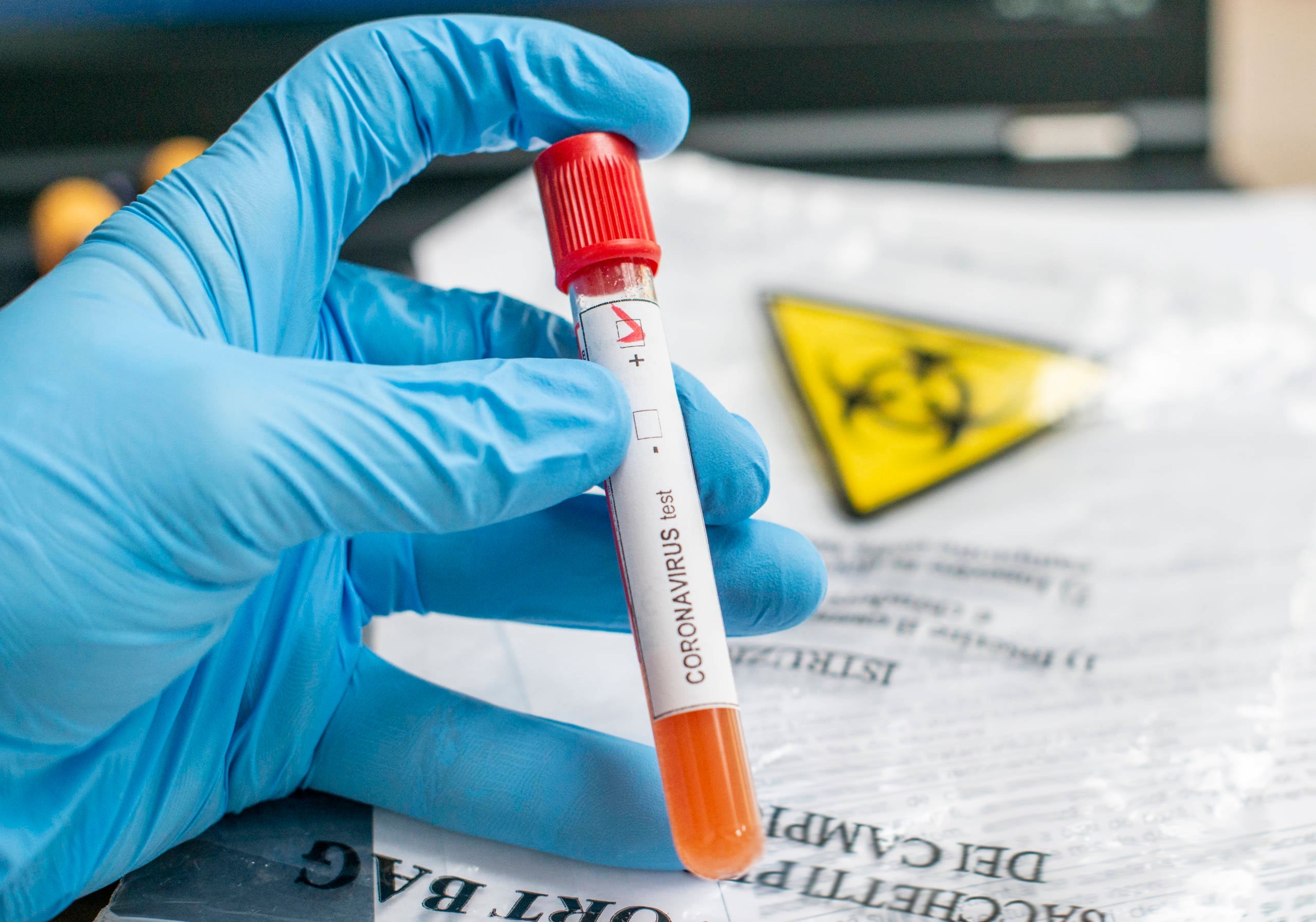
One of the first methods we've seen for countries reopening their borders involves providing proof of negative COVID-19 tests. This is the case for several countries that are currently accepting Americans — including Barbados, French Polynesia and Rwanda. In the vast majority of cases, the requirement is a Real-Time Polymerase Chain Reaction test (or RT-PCR), and for most countries, this must be taken within 72 hours of arrival.

Sadly, this timeline may be hard to meet in many parts of the country.
It's also worth pointing out that these policies can change at a moment's notice — Croatia, for example, initially announced the requirement for a negative PCR test within 48 hours of departure, only to revise the policy to be within 48 hours of arrival. And with no nonstop flights between the U.S. and Croatia, that could provide a near impossible barrier to overcome.
And of course, a test taken within 72 hours of travel provides no guarantee that a traveler isn't exposed and/or infected a day or two prior to departure. So while these tests can lower the chance of someone carrying COVID-19 into a country, it's by no means foolproof.
Approved travel corridors
Another possibility involves approved travel corridors between destinations, which has already come to fruition in Europe. The United Kingdom, for example, began easing travel restrictions for those coming from low-risk areas in July, and it maintains a list of countries exempted from the UK's well-documented, 14-day mandatory quarantine upon arrival.
However, like testing requirements, it can change at any time.
For example, at 4 a.m. local time on Saturday, Aug. 29, the Czech Republic, Jamaica and Switzerland were removed from the exempt list. If you were booked on a morning flight from Zurich (ZRH) or Prague (PRG) to any UK airport this past weekend, you suddenly went from having a quarantine-free arrival to a 14-day period of isolation.
More recently, word leaked that discussions were underway for a so-called "air bridge" between New York and London — as the two cities have seen notable drops in infection rates. This would enable eligible visitors to skip the mandatory quarantine in the UK.
However, were a corridor like this restricted to residents of New York state, there are some notable questions. What would stop a NY resident from flying home from a trip (or second home) in Florida — a place that's still seeing a rash of COVID-19 infections — and hop a flight to London? And without testing, how could either city guarantee that these "approved" visitors were actually free of the virus?
Rapid testing at airports
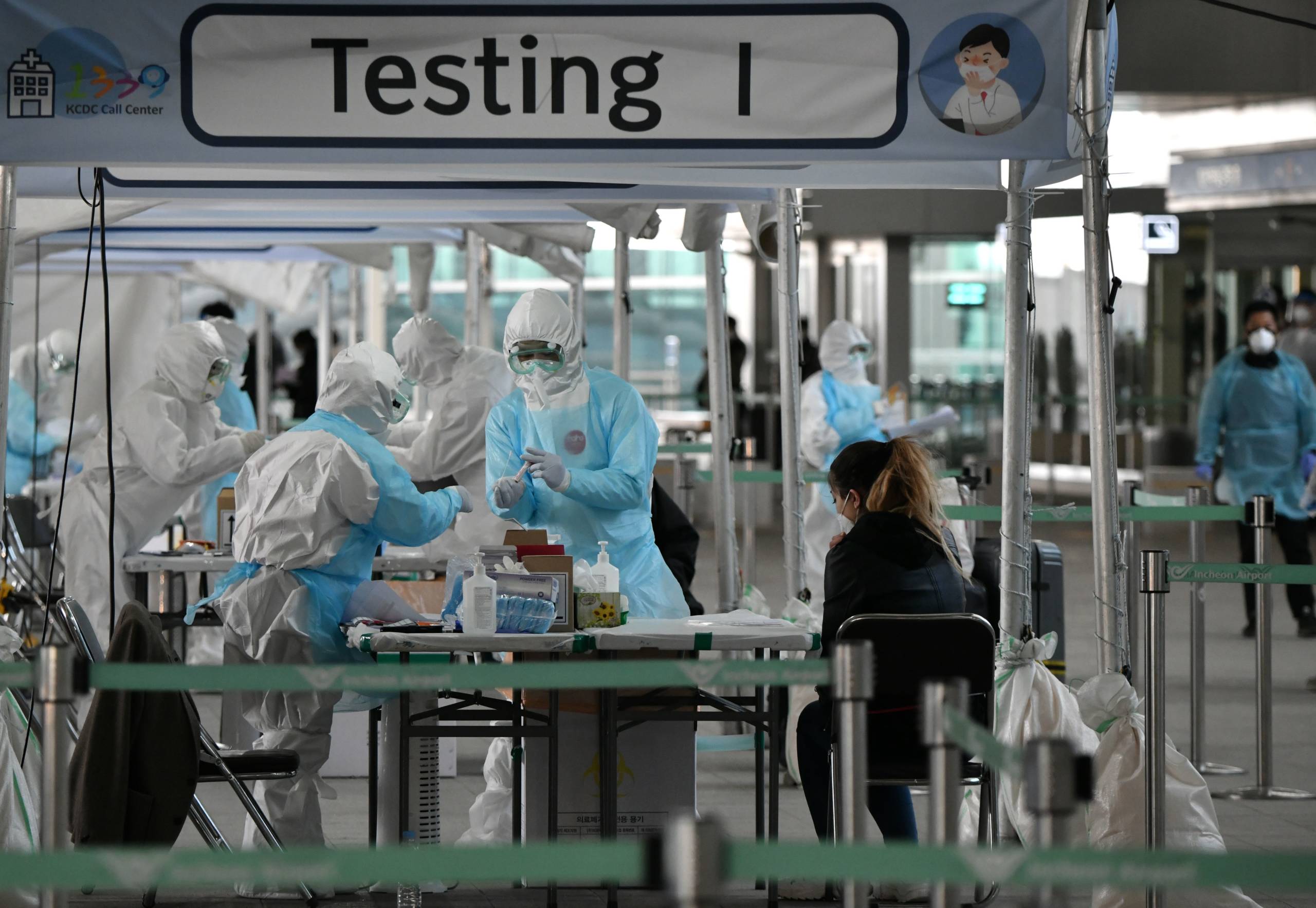
One way to bolster corridors as a viable solution? Rapid testing at airports, which could then dictate a passenger's ability to either board a flight or enter a country upon arrival. As noted earlier, JFK and LGA are ramping up these efforts, but many airports have implemented testing of arriving passengers for months — including Hong Kong (HKG) and Seoul (ICN), the latter of which was experienced first-hand by TPG intern Brian Kim ahead of his 14-day quarantine.
And the new development from Abbot Laboratories in late August seems like promising news. The company's new rapid antigen test sells for just $5, is roughly the size of a credit card and delivers results in just 15 minutes — with an overall accuracy rate above 95%.
However, there are some limitations to a screening like this. For starters, it's not meant to detect COVID-19 in asymptomatic or presymptomatic individuals. And with a clinical study for the test finding a false negative rate of 2.9%, that could mean a handful of infected individuals are allowed to travel without restriction.
It's also not the full RT-PCR test required by many countries for entry — so it won't help you clear immigration upon arrival.
The more important restriction on any rapid testing environment, though, is capacity. Abbott is scaling up production to produce 50 million of its new tests per month by October, and the travel industry would fall far down the priority chain for gaining access to said tests. Even with a large supply of test kits, airports would also need licensed personnel to administer them.
And what happens if you test positive as you're trying to leave your destination to fly home? Do you suddenly need to extend your trip by two weeks before you can return home? And who's responsible for those costs?
Testing can provide great information, but scaling up to truly reinvigorate global travel demand would be an immense logistical challenge.
Proof of vaccine administration
This brings us to the solution that likely has the longest timeline for implementation, but represents the most likely path for a full-scale resumption of international travel: a reliable, thoroughly-vetted COVID-19 vaccine. Once widely available, it's easy to foresee vaccination proof as an essential document during the travel experience — no different than providing your passport or showing your child's birth certificate when asked.
After all, many countries currently require proof of certain vaccines upon entry, and misunderstanding (or forgetting) these regulations could see you turned away at the border. A COVID-19 vaccination would be the next, logical addition.
Bottom line

No, the world is not yet open for travel — and it'll likely be months before that begins happening in a meaningful way (and it could be years before we reach pre-pandemic levels).
Nonetheless, that hasn't stopped authorities from exploring different methods to ease international travel restrictions while still maintaining low levels of COVID-19 transmission within their borders. While widespread, affordable, rapid testing would be a great development in this direction, we probably won't see a notable uptick in demand until safe and effective vaccines hit the market.
In other words, keep saving those points and miles. Your revenge trip will come — eventually.
TPG featured card

at Capital One's secure site
Terms & restrictions apply. See rates & fees.
| 5X miles | Earn 5X miles on hotels, vacation rentals and rental cars booked through Capital One Travel |
| 2X miles | Earn unlimited 2X miles on every purchase, every day |
Pros
- Stellar welcome offer of 75,000 miles after spending $4,000 on purchases in the first three months from account opening. Plus, a $250 Capital One Travel credit to use in your first cardholder year upon account opening.
- You'll earn 2 miles per dollar on every purchase, which means you won't have to worry about memorizing bonus categories
- Rewards are versatile and can be redeemed for a statement credit or transferred to Capital One’s transfer partners
Cons
- Highest bonus-earning categories only on travel booked via Capital One Travel
- LIMITED-TIME OFFER: Enjoy $250 to use on Capital One Travel in your first cardholder year, plus earn 75,000 bonus miles once you spend $4,000 on purchases within the first 3 months from account opening - that’s equal to $1,000 in travel
- Earn unlimited 2X miles on every purchase, every day
- Earn 5X miles on hotels, vacation rentals and rental cars booked through Capital One Travel
- Miles won't expire for the life of the account and there's no limit to how many you can earn
- Receive up to a $120 credit for Global Entry or TSA PreCheck®
- Use your miles to get reimbursed for any travel purchase—or redeem by booking a trip through Capital One Travel
- Enjoy a $50 experience credit and other premium benefits with every hotel and vacation rental booked from the Lifestyle Collection
- Transfer your miles to your choice of 15+ travel loyalty programs
- Top rated mobile app