Who's next? Will American and Delta follow United in eliminating change fees?


UPDATE (3:44 p.m. ET on Aug. 31): American and Delta have joined United in saying they plan to eliminate change fees on most domestic itineraries. American has gone even one step further, saying that it would also end change fees on short-haul international flying – including on routes between the U.S. and Canada, Mexico and the Caribbean. Even more, unlike United, American says customers will get a credit when changing to a less-expensive itinerary.
The latest update is: American and Delta, following United's lead, eliminate most change fees and more
ORIGINAL POST (1:39 p.m. ET on Aug. 31): The pandemic is going to have lasting effects on the airline industry.
Though we're mere months into the "new normal," United shocked the aviation world with flyer-friendly news on Sunday. The Chicago-based carrier is permanently removing change fees from most domestic flights.
It's hard to imagine a world where United, one of the largest legacy carriers in the U.S., breaks from the long-standing practice of charging $200 or more to change a flight. Yet, here we are. In the midst of a pandemic, airlines are rewriting the playbook.
Though United started the trend, it's only a matter of time before other carriers bid farewell to change fees.
For more travel tips and news, sign up for our daily newsletter.
Change fees are big money makers
Before the pandemic, airlines likely wouldn't have batted an eye at the possibility of removing change fees. Aside from Southwest's generous no-change-fee policy, most other large U.S. airlines relied on these ancillary charges to pad their bottom lines.
In 2019, United made over $625 million in reservation change and cancellation fees, according to the Bureau of Transporation Statistics. That's nearly 1.5% of its annual operating revenue. Combined, ten of the largest U.S. carriers made a whopping $2.84 billion from these fees.

Had the coronavirus never been a thing, airlines would've likely continued their longstanding practice of charging change fees. Though paying $200 to change your flight is irksome, it's real money to the airlines that's now part of their revenue stream.
But change fees don't fly in an uncertain world
Ever since the coronavirus came stateside, airlines were quick to announce limited-time change-fee waivers for both new and existing travel. Given the uncertainty around future travel, airlines needed to both incentivize new bookings, while also covering travelers with existing tickets.
At the outset, these waivers just covered a few weeks of travel. But as the virus spread, so too did the eligible dates covered by the waivers. And now, most airlines are waiving change fees for any tickets booked through the end of the year.
With a full industry recovery now not expected for at least a few years, airlines will likely need to keep extending these waivers — or follow United's lead and just outright eliminate them.
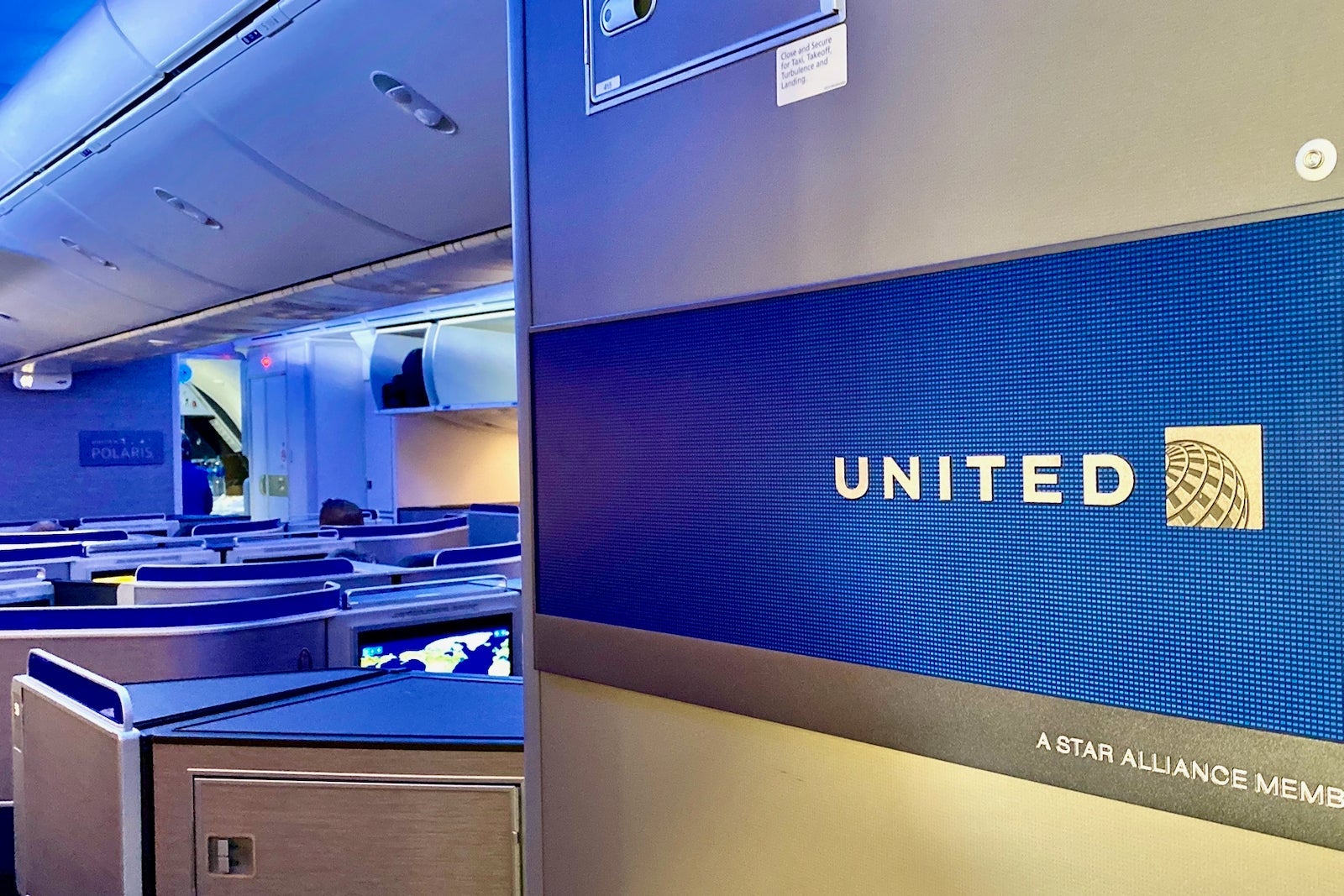
Of course United promises that change fees are eliminated forever, well after the pandemic is behind us. And though United may lose future revenue from change fees, the move buys consumer confidence in the short-term and allows the airline to experiment with other fee structures in the future.
Plus, basic economy and international tickets are excluded from United's move, so the airline could always widen the fare gap between basic and standard economy to account for some of the lost revenue. And international tickets have long carried higher penalties than domestic tickets, so United will still see a sizable revenue stream here.
Related: United permanently eliminates most change fees, adds free standby option
History repeats itself
U.S. airlines, and specifically the "Big 3," are good at playing follow the leader. When one carrier makes a move, others typically follow suit shortly thereafter. If they don't, then one carrier is left with a competitive advantage.
Of course, we've already seen this game play out as it relates to the short-term waivers discussed above. The same thing happened with elite status extensions too.
Delta was the first U.S. carrier to extend elite status due to the pandemic. United followed suit later the same afternoon. Within weeks, Alaska, American, JetBlue and Southwest all extended status too.
It's only a matter of time until American, Delta and others make their move. According to Henry Harteveldt, president at Atmosphere Research Group, "American and Delta don't have much of a choice. Southwest and United have boxed them in a corner. If they don't match, they risk losing customers to Southwest and United. If they do match, it's a zero-sum game."
Harteveldt also noted that we'll likely see new policies announced shortly. "Airlines are going to respond quickly. They have to figure out what they'll gain, but the responses are coming," he said.
But in order to outdo United, could American and Delta go even further?
Changes to basic economy and international tickets?
While United's move is praiseworthy, the airline noticeably left out basic economy and international tickets from its announcement. When the temporary waivers expire, basic economy tickets will revert back to being non-changeable and non-cancelable. International tickets will carry the standard change charges, which can go as high as $500 or more.
If, and when, other airlines match United, they may try to make an even bigger splash. One possibility is by waiving change fees for basic economy tickets.
Of course, that would come with some risk to airlines. Basic economy was designed specifically for those who don't value flexibility. Upending that by offering free changes on these once-restrictive tickets undermines the segmentation strategy.
Harteveldt agrees. "Basic economy remains off the table for this fee waiver," he said. "Basic economy is a distinct fare product, and the entire reason it exists is to compete with the ultra-low-cost carriers. The legacy network carriers need to keep all the fences intact to maintain the fare structure."
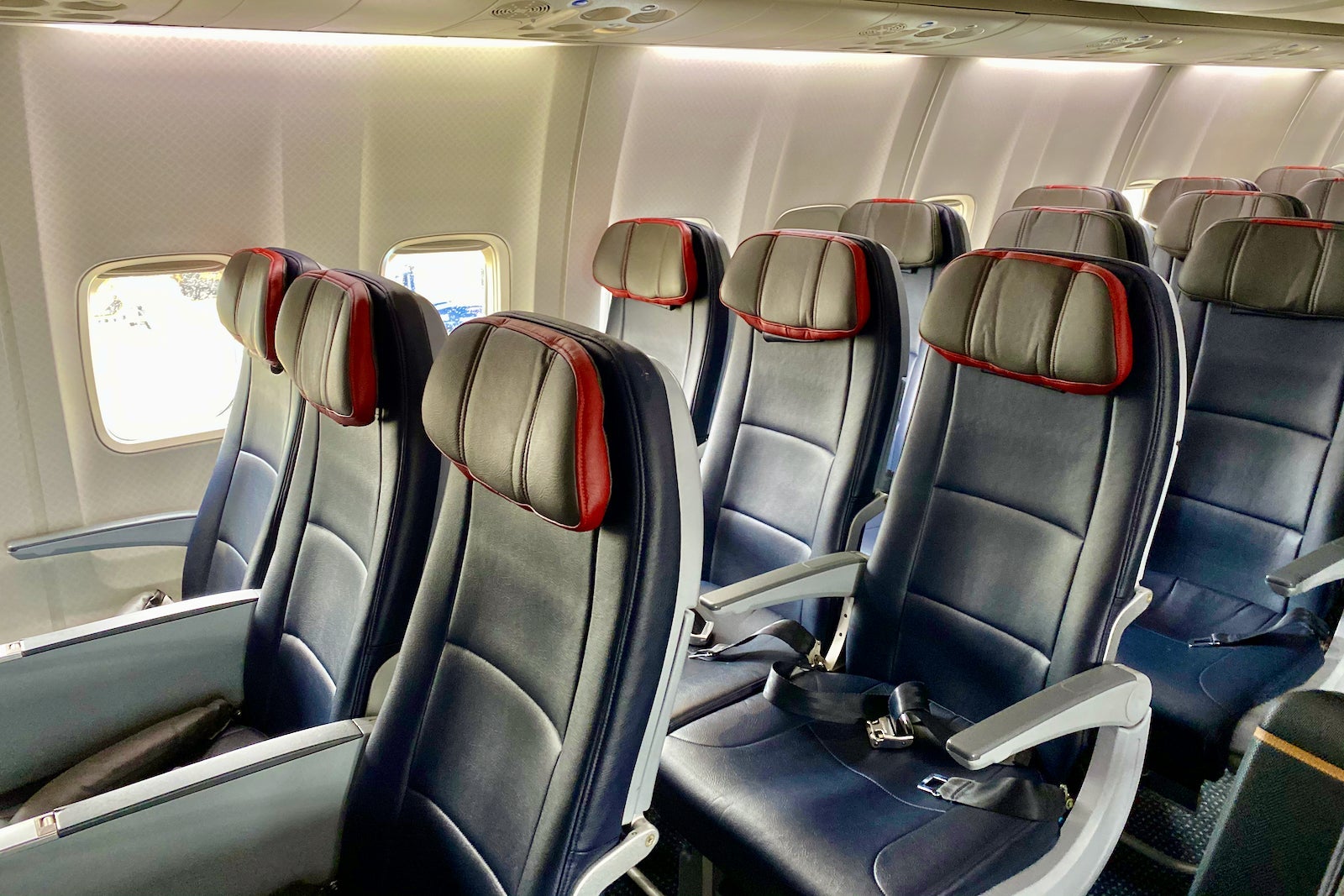
United's competitors could instead eliminate change fees for international tickets too. They'd be forgoing more revenue, but they'd be one-upping United.
However, Harteveldt warned that "the network carriers have strong international (joint-venture) partnerships. It's substantially harder to eliminate international change fees with joint-venture partners." His prediction? There's less than a 50/50 chance that American or Delta bid farewell to international change fees.
One way that airlines could outdo United is by honoring lower fares when making changes, according to Harteveldt. United's new policy doesn't offer credits when changing to cheaper flights. Should American or Delta adopt such a flexible policy, they'd definitely make a splash — and compete more closely with Southwest.
Related: The ultimate guide to basic economy
Bottom line
Executives at American and Delta are likely plotting their next move.
According to Harteveldt, they don't have much of a choice; they're going to respond quickly. Though the details will likely differ from United's policy, odds are that one, if not both, of the airlines will try to outdo United.
"I'll see you and raise you," Harteveldt remarked.
TPG featured card

at Capital One's secure site
Terms & restrictions apply. See rates & fees.
| 5X miles | Earn 5X miles on hotels, vacation rentals and rental cars booked through Capital One Travel |
| 2X miles | Earn unlimited 2X miles on every purchase, every day |
Pros
- Stellar welcome offer of 75,000 miles after spending $4,000 on purchases in the first three months from account opening. Plus, a $250 Capital One Travel credit to use in your first cardholder year upon account opening.
- You'll earn 2 miles per dollar on every purchase, which means you won't have to worry about memorizing bonus categories
- Rewards are versatile and can be redeemed for a statement credit or transferred to Capital One’s transfer partners
Cons
- Highest bonus-earning categories only on travel booked via Capital One Travel
- LIMITED-TIME OFFER: Enjoy $250 to use on Capital One Travel in your first cardholder year, plus earn 75,000 bonus miles once you spend $4,000 on purchases within the first 3 months from account opening - that’s equal to $1,000 in travel
- Earn unlimited 2X miles on every purchase, every day
- Earn 5X miles on hotels, vacation rentals and rental cars booked through Capital One Travel
- Miles won't expire for the life of the account and there's no limit to how many you can earn
- Receive up to a $120 credit for Global Entry or TSA PreCheck®
- Use your miles to get reimbursed for any travel purchase—or redeem by booking a trip through Capital One Travel
- Enjoy a $50 experience credit and other premium benefits with every hotel and vacation rental booked from the Lifestyle Collection
- Transfer your miles to your choice of 15+ travel loyalty programs
- Top rated mobile app