The pandemic's devastating effect on wildlife and conservation efforts

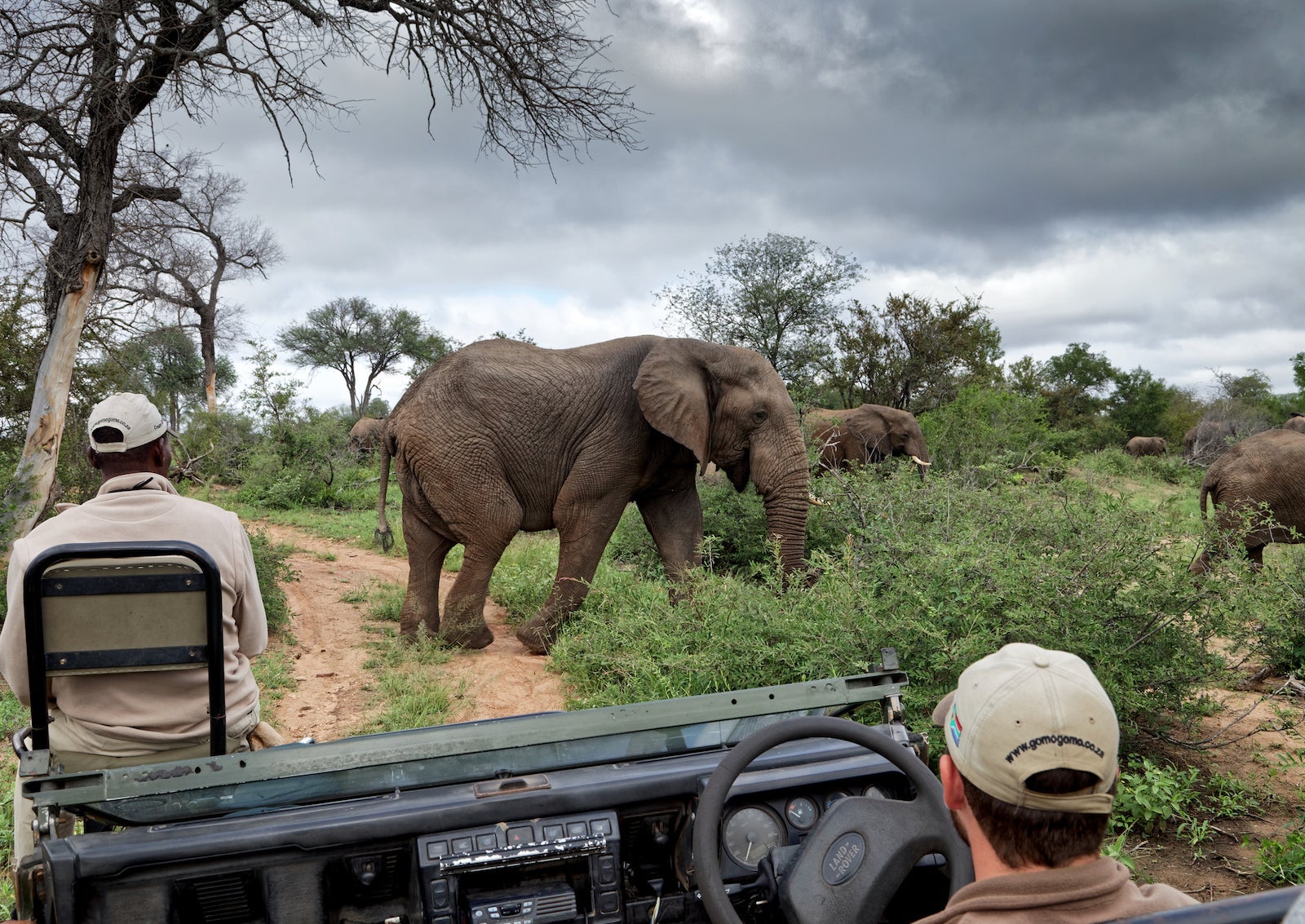
When travel was put on pause and countries slammed shut their borders, some destinations that had long been plagued by overtourism began to show signs of recovery. Venetian waterways became significantly more clear, and smog above the Himalayas dissipated. In some countries, however, the absence of tourists can be disastrous, and one sector of the industry has been left particularly vulnerable.
Around the globe, people have lost their livelihoods and their lives to the coronavirus pandemic. But in Africa, and other regions of the globe that rely heavily on tourism to support crucial conservation efforts, the devastation is particularly acute.
Visit TPG's guide to all coronavirus news and updates
In conservation areas predominantly funded by tourism, "The lack of incentive to protect the wildlife in order to attract tourists will no doubt have an impact," says Nicole Robinson, the chief marketing officer at andBeyond — which operates high-end lodges all over the continent.
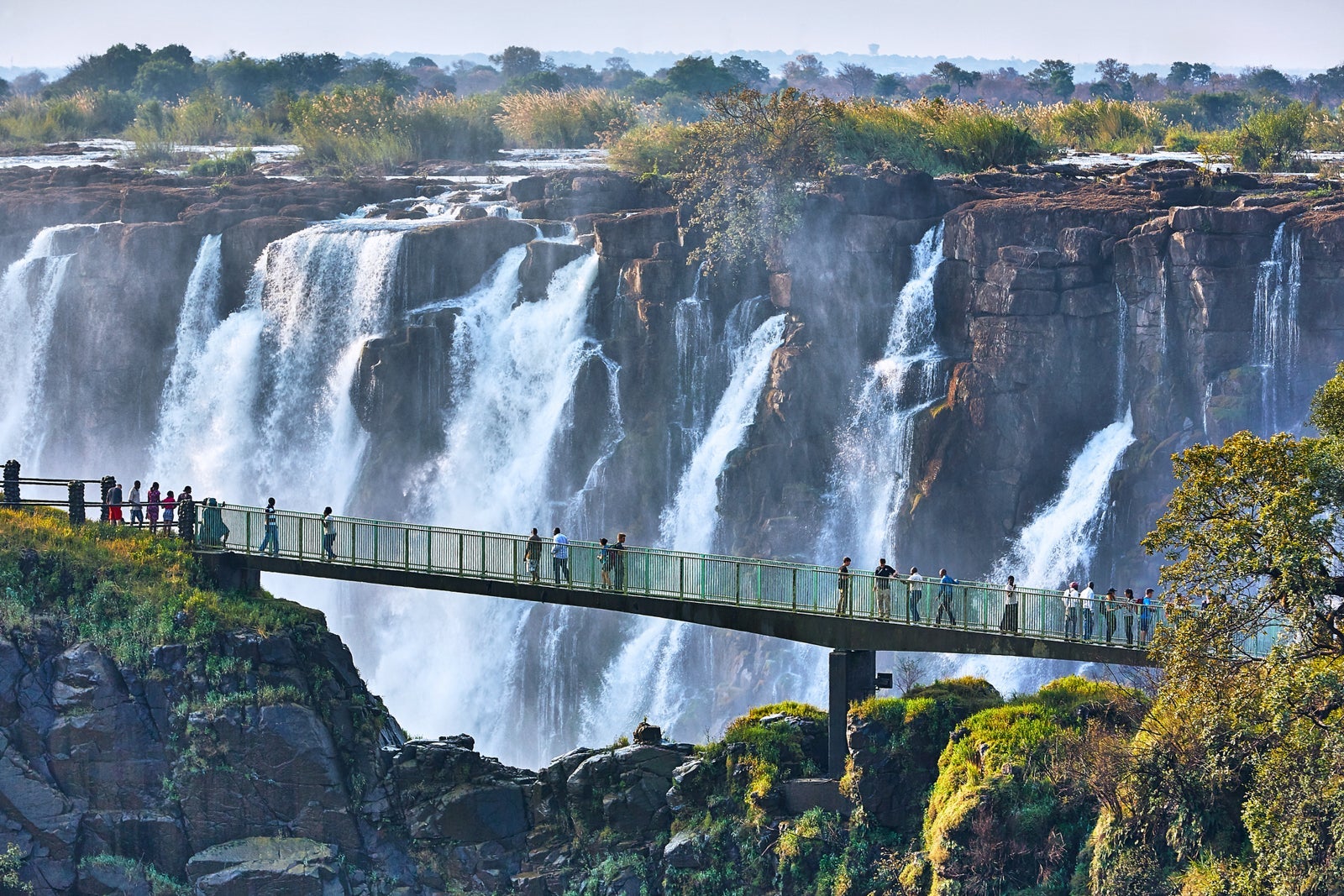
For locals, the value of wildlife — and any urgency to protect it — is often indelibly linked to tourism.
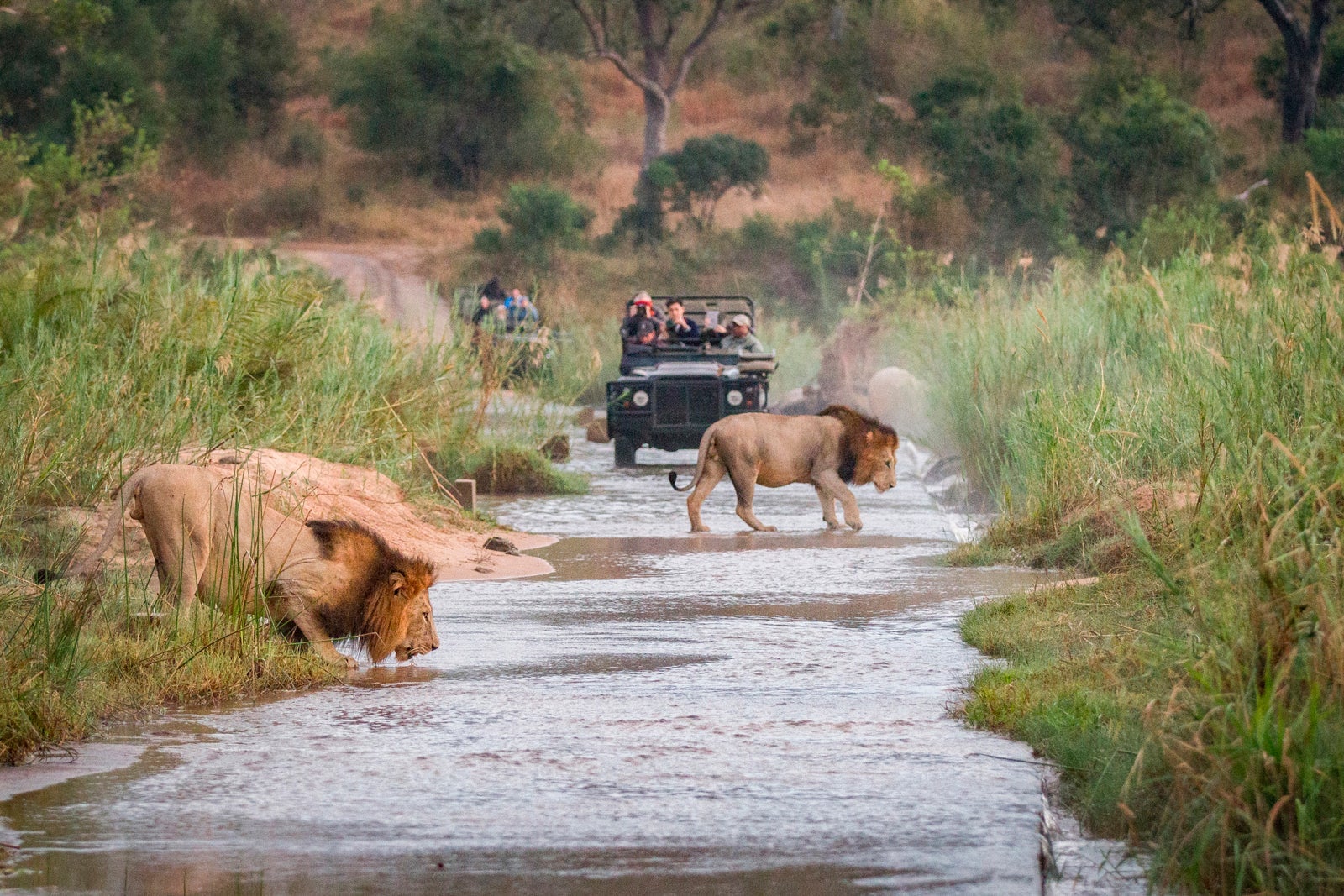
"Without tourists, elephants are only seen locally as raiding cornfields, and lions attack cattle," Matt Brown, the regional managing director for Africa at The Nature Conservancy (TNC), told TPG. "When tourists come to see elephants and lions, it helps create a mindset shift ... with locals, because all of those elephants are worth more alive than dead."
In the absence of tourists, Brown said, "wild animals ... are just trouble [to locals], frankly, and they do not have value. We see tourism as a really critical link with conservation. They work hand in glove."
For more TPG news delivered each morning to your inbox, sign up for our daily newsletter.
Coronavirus pressed pause on conservation
In Kenya, travel and tourism accounts for 8.2% of the total economy, according to the World Travel and Tourism Council. In Tanzania, that number is 10.7% — and in Namibia, nearly 15% of the economy can be traced to travel.

And wildlife is at the heart of this industry. A report on developing nature-based tourism — produced by the international conservation charity Space for Giants, the advisory firm Conservation Capital and the United Nations Environment Programme — said 80% of trips to Africa were bought for wildlife watching.
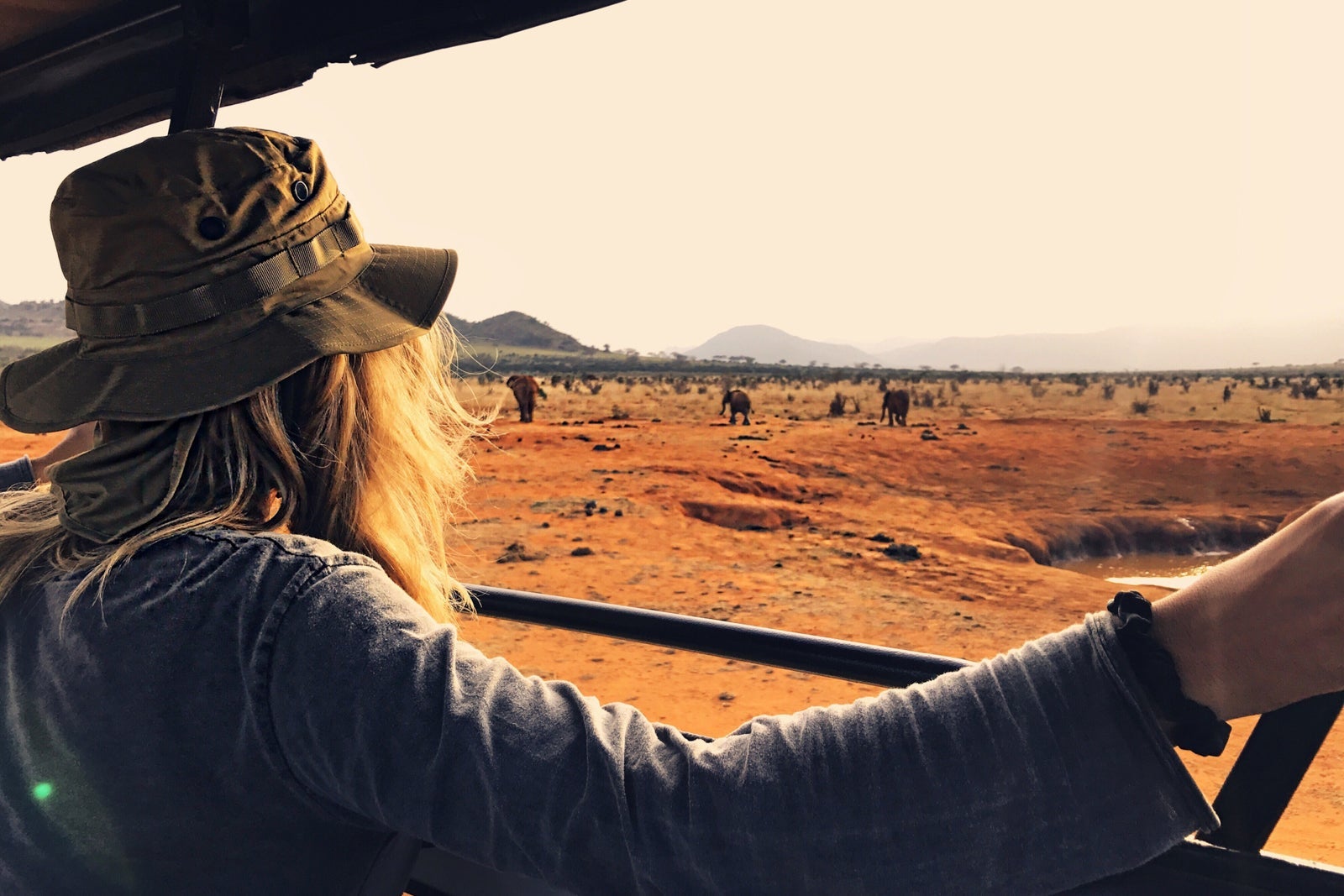
So, what happens when you cut off tourism to a destination that relies so heavily on tourism? "It's a big problem," Brown tells me, as he paints a picture of how crucial this revenue is — particularly in Tanzania, Namibia and Kenya, where a majority of TNC's conservation work is focused.
"You have a business model set up where wildlife conservation is funded [by] tourism," Brown said. "The COVID-19 pandemic happened so quickly, none of these wildlife preserves [and NGOs] could plan ahead."
Tanzania welcomed nearly 2,000 visitors on March 1, Brown says by way of example. By March 23, there were just seven.
Related: Dreaming of an African safari — A bucket-list trip to Tanzania on points and miles
When tourism comes to an abrupt stop, there's an immediate loss of revenue — the money that had financed the protection of wildlife, employed rangers, funded community work disappears overnight.
There's public funding for state-protected areas, sure, but it's woefully insubstantial. The Space for Giants paper, for example, suggests that government funding may account for only a tenth of the necessary budget to maintain and protect wildlife habitats.
It's hard to put a number on just how much poaching has increased since the onset of the pandemic as a result of this monetary deficit. But by late April alone, at least six rhinos were poached in Botswana after tourism ceased, according to CNBC. In South Africa, the number of rhinos killed was even higher. Anecdotal reports of increased poaching and wildlife crimes have also emerged from Uganda, Kenya and Zambia.
There's also been an increase in poaching in Tanzania and Zimbabwe. Meg McGriff North, an advisor with Brownell Travel, told TPG that "lodge and camp owners are still doing what they can to fund private anti-poaching" efforts — but with "limited resources" and "huge expanse[s] of land" to protect, combined with "increased hunger in local communities" it's a serious challenge.
"One of the most important anti-poaching methods is human presence," North added, explaining that many lodges have attempted to keep at least a "skeleton staff of rangers and guides" to maintain the specter of security in the bush.
Brown also says there's an increase in meat poaching in Tanzania and Kenya, as well as Zambia. Mirroring North, he says fewer rangers means poachers are more likely to be successful.
But it's also because local communities are suffering from severe unemployment. "Because of [the] economic downturn ... the threat of poaching for meat, for ivory or rhino horn [increases]. And then that's compounded by the fact that these reserves have lost their main revenue source to have the best protection they can have."
Brown says, the offense is higher and defense is weaker. It's a dangerous game with losers on both sides.
Uncertainties ahead for future travel
Even though tourism is resuming at a measured pace in many parts of the world, travel to Africa is unlikely to recover as quickly.
In mid-May, Tanzania technically reopened for tourism. But international flights to and from Dar es Salaam (DAR) didn't resume until June. At the same time, hospitals in Tanzania were "overwhelmed" — and the U.S. embassy warned there was a risk the coronavirus could exhibit "exponential growth" in the East African nation, according to the BBC.
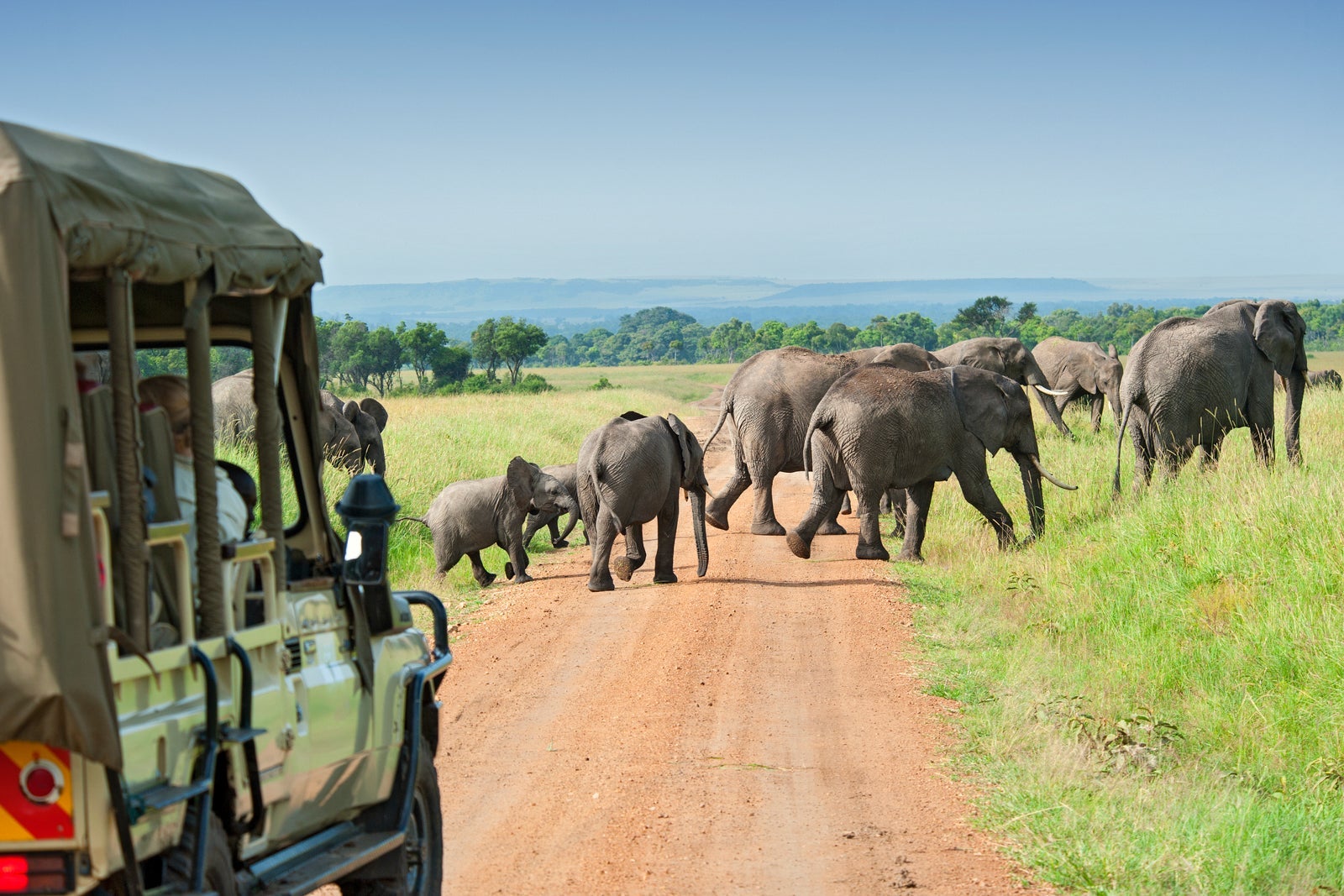
In Kenya, which began easing restrictions on May 4, has seen a collateral rise in COVID-19 cases. Save for repatriation flights, Kenya has extended its ban on commercial flights until at least June 11.
Namibia has reopened its national parks, but only domestic travel is permitted at this time. The timeline for other popular destinations in Africa, such as Rwanda and Botswana, remains murky at best.
And South Africa, according to a recent tourism report, may not open to international travelers until February 2021. And the country's struggling flag carrier, South African Airways, slashed some routes in February, making the picture of recovery even murkier.
How you can help right now
Brown tells me that a lot of lodges were expecting this summer — this year — to be great for tourism. Now, things are grim.
"I think we've lost this summer," Brown said, saying there's still some hope for the holiday period. But generally, TNC is forecasting a 12-month gap. And that's all assuming countries begin to reopen, welcome back international travelers and successfully manage the pandemic without a recurrence.
Instead of canceling, andBeyond's Robinson said, "85% of our guests have opted to postpone travel by a year," echoing Brown. "However, we have seen a sharp decline in our summer bookings compared to last year — we are 80% down on forward bookings for June to August compared to the same time last year. We are seeing very few new requests for summer 2020, but we are seeing requests come in for travel specifically over December and January and then into our high season for 2021."
Related: 6 trips you should book at least a year in advance
For travelers who are still in the position to be planning and booking travel, there may be no better way to show your support than planning a safari. And if you had a safari on the books and are in the financial position to do so, postponing — rather than canceling outright — can help keep tourism dollars with the communities and conservationists who badly need the financial support.
"We think the biggest thing travelers can do now is plan their next trip, pay the deposits and keep the tourism sector alive," said North. "Unlike a city hotel, a lodge [in] Africa is so much more than just a place to sleep."
Brown urges travelers to be mindful about looking at the breakdown of a lodge's charges. Find out precisely what percentage of your rate goes to rangers, to wildlife protection and conservation.
Related: The best ways to redeem points and miles for a safari
Of course, travelers can also make donations to nonprofits and conservancies working to support the communities (and their wildlife) in the most hard-hit regions.
The Nature Conservancy has created a crisis fund so people sitting at home can contribute — just a little goes a long way.
And though COVID-19 has forced andBeyond and its partner, Africa Foundation, to temporarily suspend projects, andBeyond is refocusing to help rural communities from the immediate threat of the pandemic. "We are supporting Africa Foundation with fundraising efforts for priority projects that include enabling access to water and hand sanitizer; the provision of essential supplies for clinics in rural areas; and the provision of food parcels for rural communities," said Robinson.
Related: 5 tourism-supported charities that need your help now more than ever
North also recommends supporting conservation and community projects run by andBeyond and the Great Plains Foundation, among others.
The Points Guy himself, Brian Kelly, supports Virunga National Park in the Democratic Republic of the Congo, which is home to an endangered population of mountain gorillas. Donations to the park can buy new boots for a ranger, fund an anti-poaching patrol or feed an orphaned gorilla.
"If you have the ability to give a little extra support that's great," said Brown, "and if you are a traveler and want to keep traveling, make the move today to try to book some future trips ... it will help everyone to know there's future demand, even if it's 12 to 18 months from now. That's very positive."
TPG featured card

at American Express's secure site
Terms & restrictions apply. See rates & fees.
| 4X | Earn 4X Membership Rewards® points per dollar spent on purchases at restaurants worldwide, on up to $50,000 in purchases per calendar year, then 1X points for the rest of the year. |
| 4X | Earn 4X Membership Rewards® points per dollar spent at US supermarkets, on up to $25,000 in purchases per calendar year, then 1X points for the rest of the year. |
| 5X | Earn 5X Membership Rewards® points on prepaid hotel stays booked through AmexTravel.com or the Amex Travel App™. |
| 3X | Earn 3X Membership Rewards® points on flights booked through AmexTravel.com, the Amex Travel App™, or purchased directly from airlines. |
| 2X | Earn 2X Membership Rewards® points on prepaid car rentals booked through AmexTravel.com or the Amex Travel App™ and cruises booked and paid through AmexTravel.com. |
| 1X | Earn 1X Membership Rewards® point per dollar spent on all other eligible purchases. |
Pros
- Valuable dining and food-related credits
- Flexible rewards with airline and hotel transfer partners
- Multiple travel and purchase protections
- No foreign transaction fees
- Access to Amex Offers for additional savings (enrollment required)
Cons
- Not as useful for those living outside the U.S.
- Some may have trouble using Uber and other dining credits
- You may be eligible for as high as 100,000 Membership Rewards® Points after you spend $8,000 in eligible purchases on your new Card in your first 6 months of Card Membership. Welcome offers vary and you may not be eligible for an offer. Apply to know if you’re approved and find out your exact welcome offer amount – all with no credit score impact. If you’re approved and choose to accept the Card, your score may be impacted.
- Earn 4X Membership Rewards® points per dollar spent on purchases at restaurants worldwide, on up to $50,000 in purchases per calendar year, then 1X points for the rest of the year.
- Earn 4X Membership Rewards® points per dollar spent at US supermarkets, on up to $25,000 in purchases per calendar year, then 1X points for the rest of the year.
- Earn 5X Membership Rewards® points on prepaid hotel stays booked through AmexTravel.com or the Amex Travel App™.
- Earn 3X Membership Rewards® points on flights booked through AmexTravel.com, the Amex Travel App™, or purchased directly from airlines.
- Earn 2X Membership Rewards® points on prepaid car rentals booked through AmexTravel.com or the Amex Travel App™ and cruises booked and paid through AmexTravel.com.
- Earn 1X Membership Rewards® point per dollar spent on all other eligible purchases.
- Pay It® lets you tap in the American Express® App to quickly pay for small purchase amounts throughout the month and still earn rewards the way you usually do. Plan It® gives you the option to split up big purchases into equal monthly payments with a fixed fee. You’ll know upfront exactly how much you’ll pay.
- $120 Dining Credit: Earn up to a total of $10 in statement credits monthly when you pay with the Gold Card at Grubhub (including Seamless), Buffalo Wild Wings, Five Guys, The Cheesecake Factory, and Wonder. This can be an annual savings of up to $120. Enrollment required.
- $100 Resy Credit: Get up to $100 in statement credits each calendar year at over 10,000 qualifying U.S. Resy restaurants after you pay for eligible purchases with the American Express® Gold Card. That’s up to $50 in statement credits semi-annually. Enrollment required.
- $84 Dunkin' Credit: Earn up to $7 in monthly statement credits after you pay with the American Express® Gold Card at U.S. Dunkin’ locations. Enrollment required.
- $120 Uber Cash on Gold: Enjoy up to $120 in Uber Cash annually with your Gold Card. Just add your Card to your Uber account and you'll get $10 in Uber Cash each month to use on orders and rides in the U.S. when you select an Amex Card for your transaction.
- Enjoy complimentary Hertz Five Star® Status benefits like skipping the counter at select locations, adding an additional driver at no additional cost*, and vehicle upgrades**. Benefit enrollment and Hertz Gold+ registration are required. *Additional drivers must meet standard rental qualifications and must be a spouse or domestic partner to qualify as complimentary. Other additional drivers subject to fees. **Benefits are subject to availability and vary by location. Additional Hertz program Terms and Conditions including age restrictions apply.
- Book two nights or more with The Hotel Collection through AmexTravel.com or the Amex Travel App™ and receive a $100* credit towards eligible charges at over 1,400 upscale hotels worldwide. *Eligible charges vary by property.
- Book your travel through the Amex Travel App™ with added peace of mind – backed by American Express® service and support. Only for American Express® Card Members.
- Whenever you need us, we're here. Our Member Services team will ensure you are taken care of. From lost Card replacement to statement questions, we are available to help 24/7.
- No Foreign Transaction Fees.
- Annual Fee is $325.
- Terms Apply.