Clearer skies ahead: The unexpected way that coronavirus is transforming the airline industry

On this Earth Day, April 22, we are publishing a selection of environmentally-themed stories that have appeared previously on our site. With them, we want to remind all of us that it's possible to combine travel with being mindful of the impact it can have on the environment — and with working to minimize it. This story originally appeared on March 27, 2020. It has been lightly edited to reflect news developments.
In the wake of the COVID-19 pandemic and its economic fallout, the U.S. Congress passed a $2 trillion recovery bill last month that includes emergency funding for airlines. It sets aside $50 billion for the industry that could see the U.S. government taking an equity stake in some airlines. Of that, $25 billion goes to help keep workers in their jobs and another $25 billion is for loans and loan guarantees.
Stay up-to-date on the outbreak by visiting our hub page for coronavirus coverage and signing up for our daily newsletter.
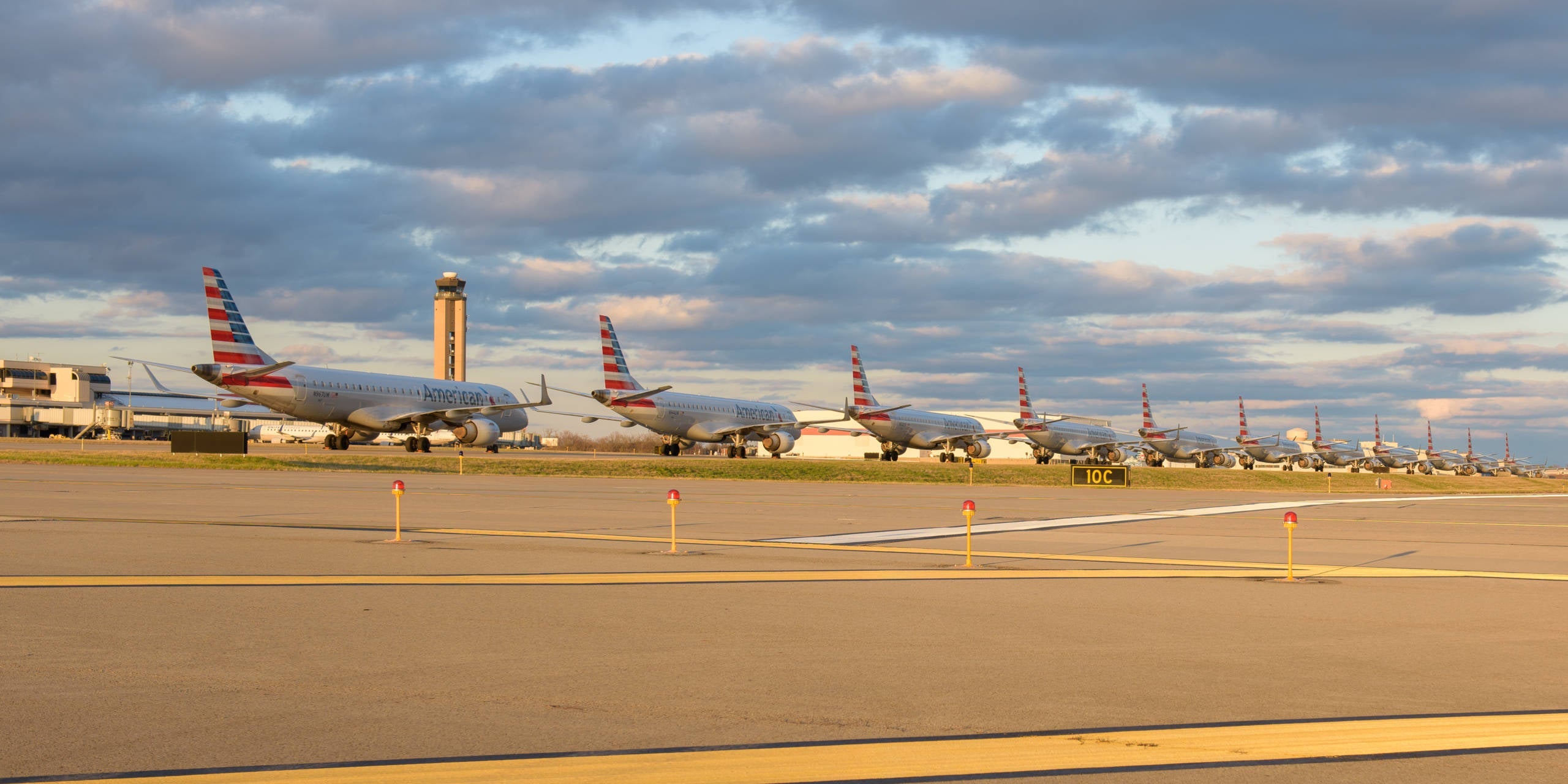
The pandemic has devastated the airline industry. American Airlines is canceling 80 percent of its May schedule. Alaska Airlines cut spring capacity by about 70%.
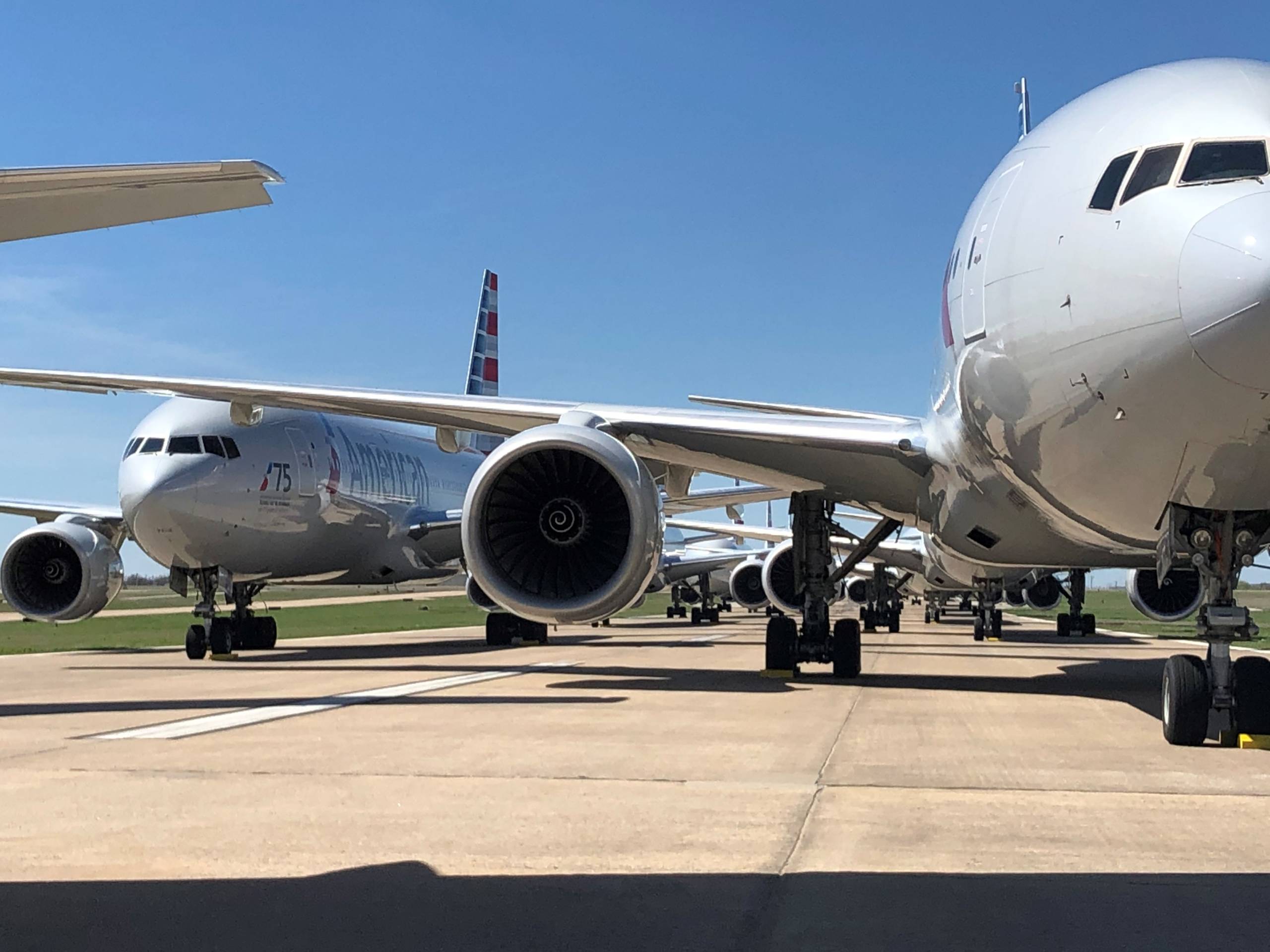
American, United and Delta have all said the drop in demand is unprecedented, worse than what they experienced after 9/11.
Related: More than half of global airlines could 'die' without aid, says IATA
Related: Airlines face 'critical' threat from coronavirus-related cash crunch
It's all horrible news for travel addicts like those of us at The Points Guy, and it has been a time of terrible uncertainty for airline employees who are seeing hours cut or who have been furloughed.
But there may be one positive outcome from all this: It could help the airlines make rapid progress on their environmental goals.

Worldwide there has been a major drop in pollution as economic activity has ground to a halt. CNN reports the levels of nitrous dioxide in the United States fell dramatically in the first three weeks of March.
It's not the way any of us want to see the air get cleaner, but it has been instructive for the fight against global warming.
We've written about how airlines like Delta are investing hundreds of millions of dollars to make their fleets more energy-efficient and other measures that airlines (and hotels) are taking to lessen the environmental damage caused by their businesses. Delta has, in fact, pledged to be the first carbon-neutral airline in the world.
Democrats had proposed that bailout funds for airlines come with significant new environmental regulations, including requiring U.S. airlines to be carbon-neutral on all domestic flights by 2025. The House version of the economic rescue bill would have required airlines to reduce carbon emissions 25% by 2035. It looks like the final version of the bill, however, doesn't include those new requirements.
Related: US 'Big 3' well-positioned to survive possible coronavirus crisis shakeout
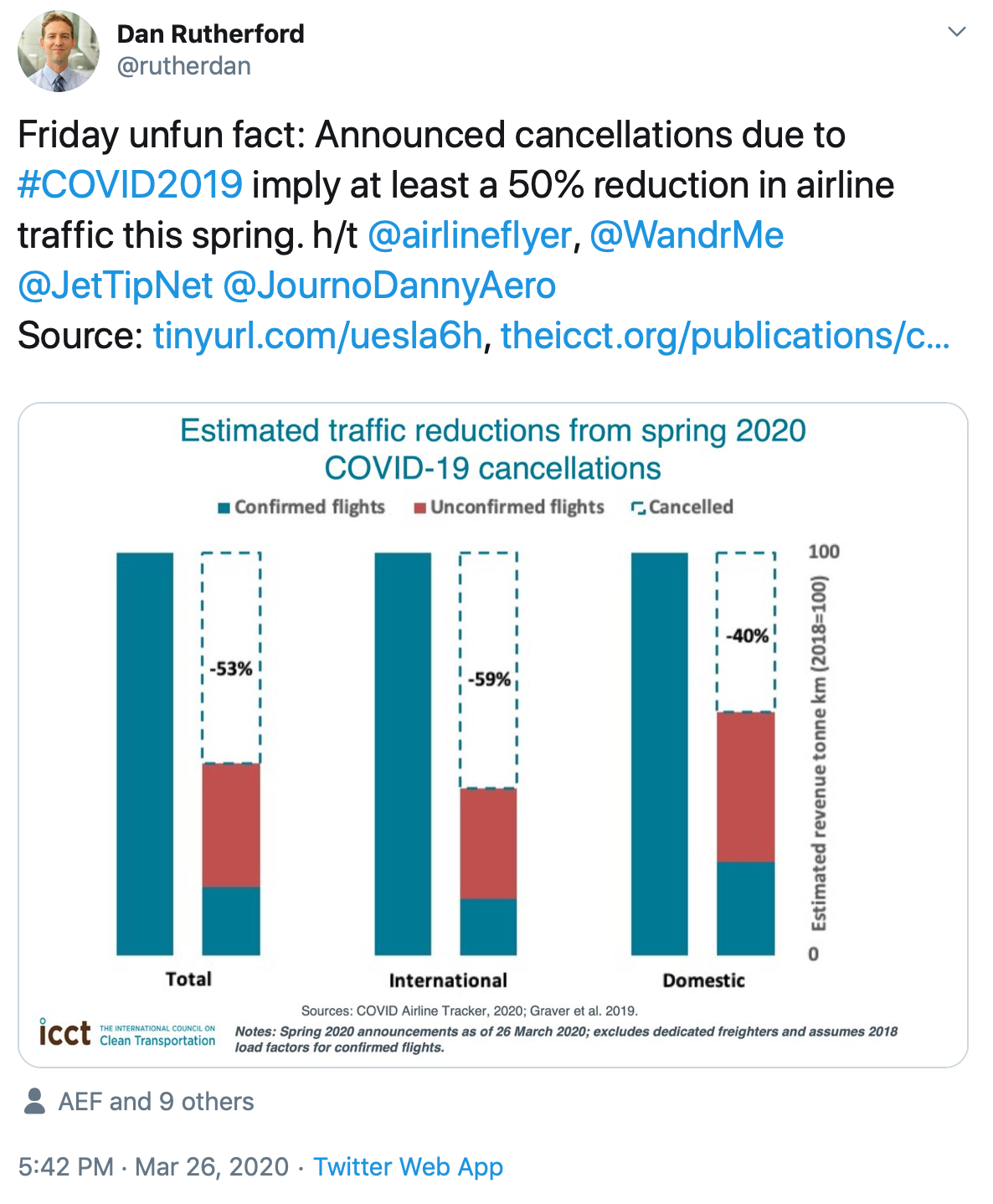
Obviously, a collapse in demand and a drastic reduction in flights are also leading to a massive drop in emissions.
But we are also seeing major changes to the fleets of some airlines that could mean substantially lower pollution. Analysts I spoke with suggested that the retirement of older planes that burn more fuel and have higher carbon emissions could spike this year. Those planes have been kept in service as airline traffic boomed in the past decade.
Airline analyst Henry Harteveldt, president of Atmosphere Research, told TPG: "A new airplane can burn 6% (or more) less fuel per available seat-mile than an older aircraft. Newer aircraft use engines that emit fewer emissions to start with, and they burn less fuel during the flight. Airline fans may mourn the loss of older aircraft like the MD-80 or the 767, but the Earth won't."
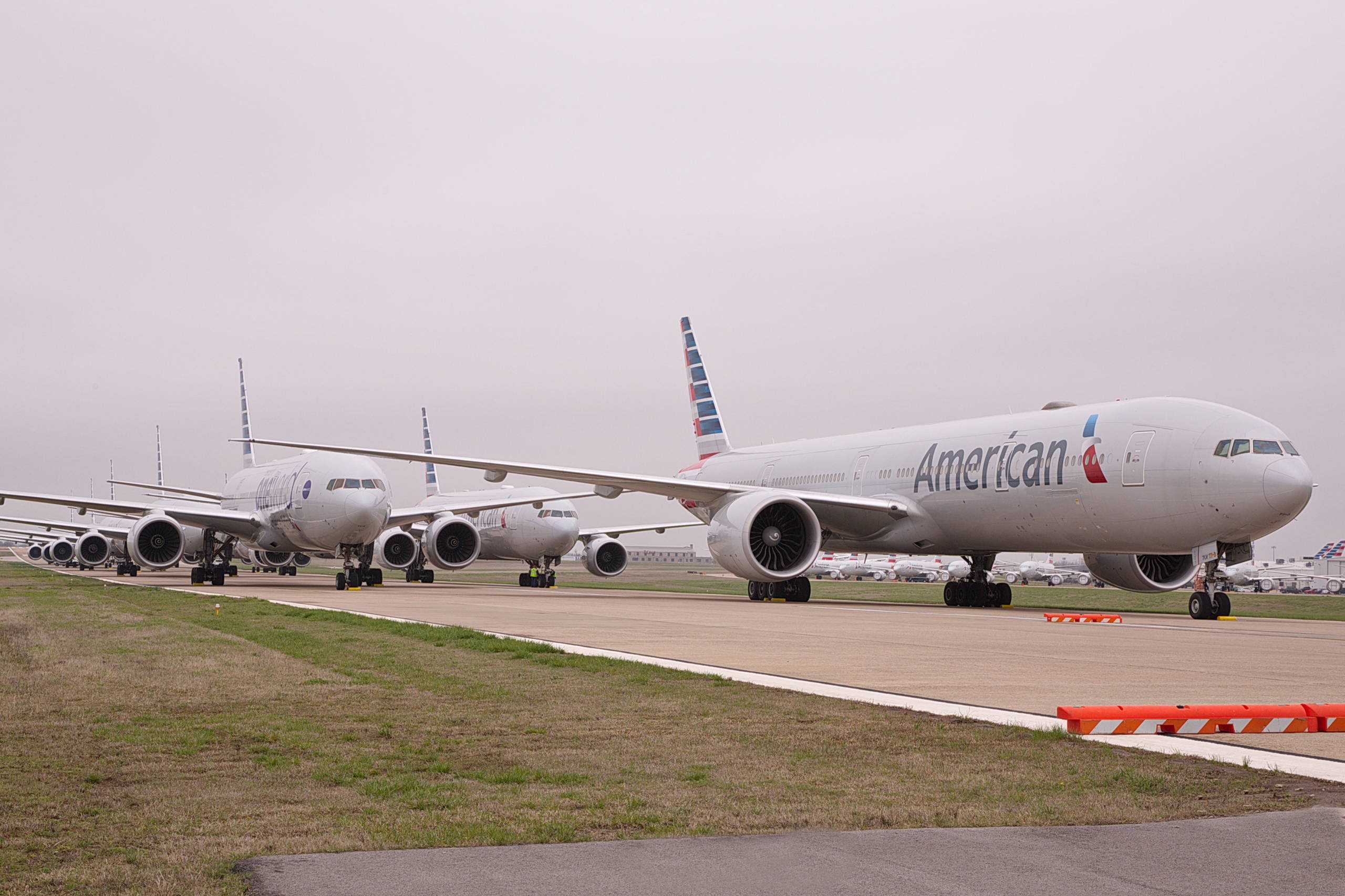
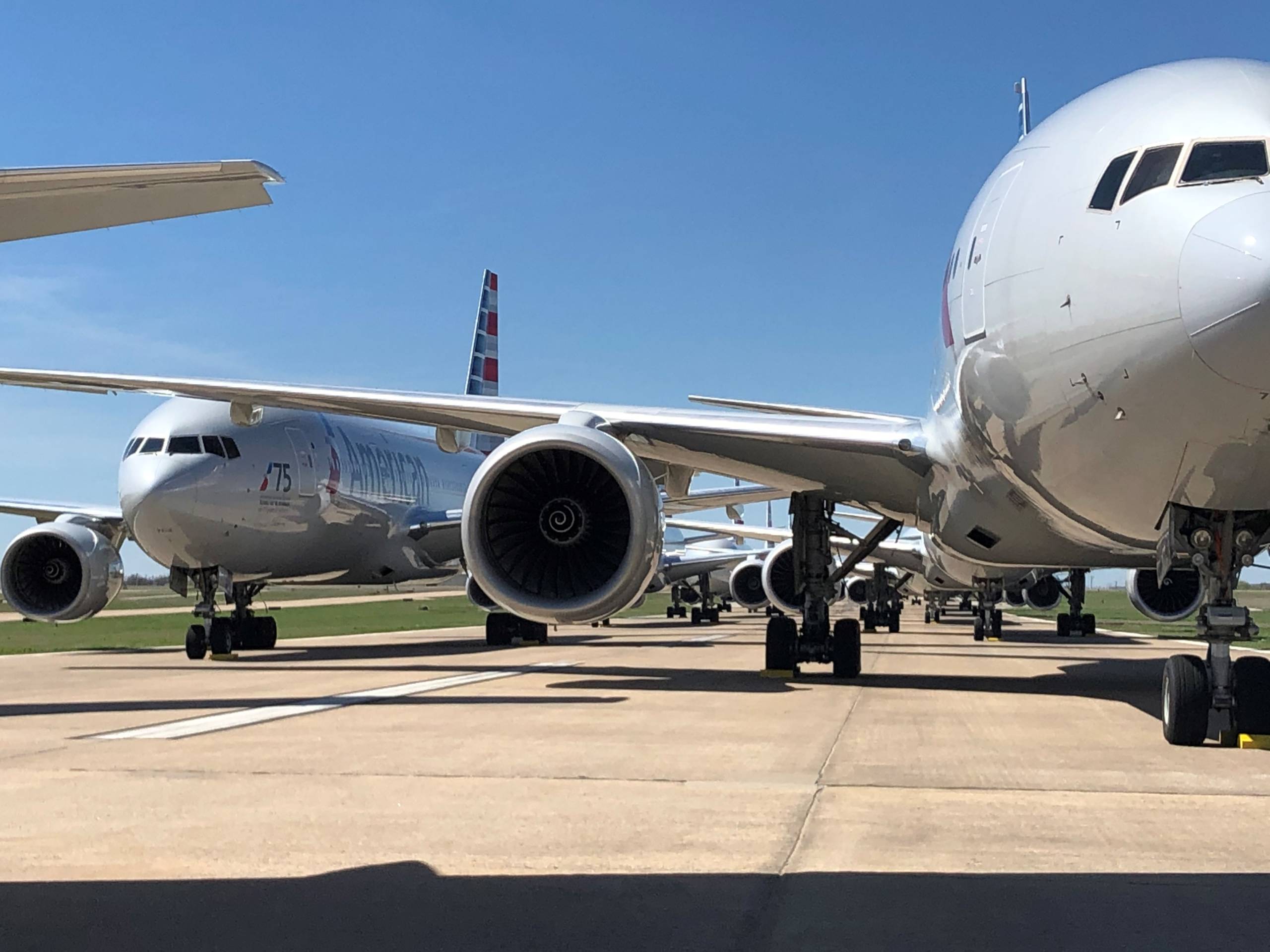
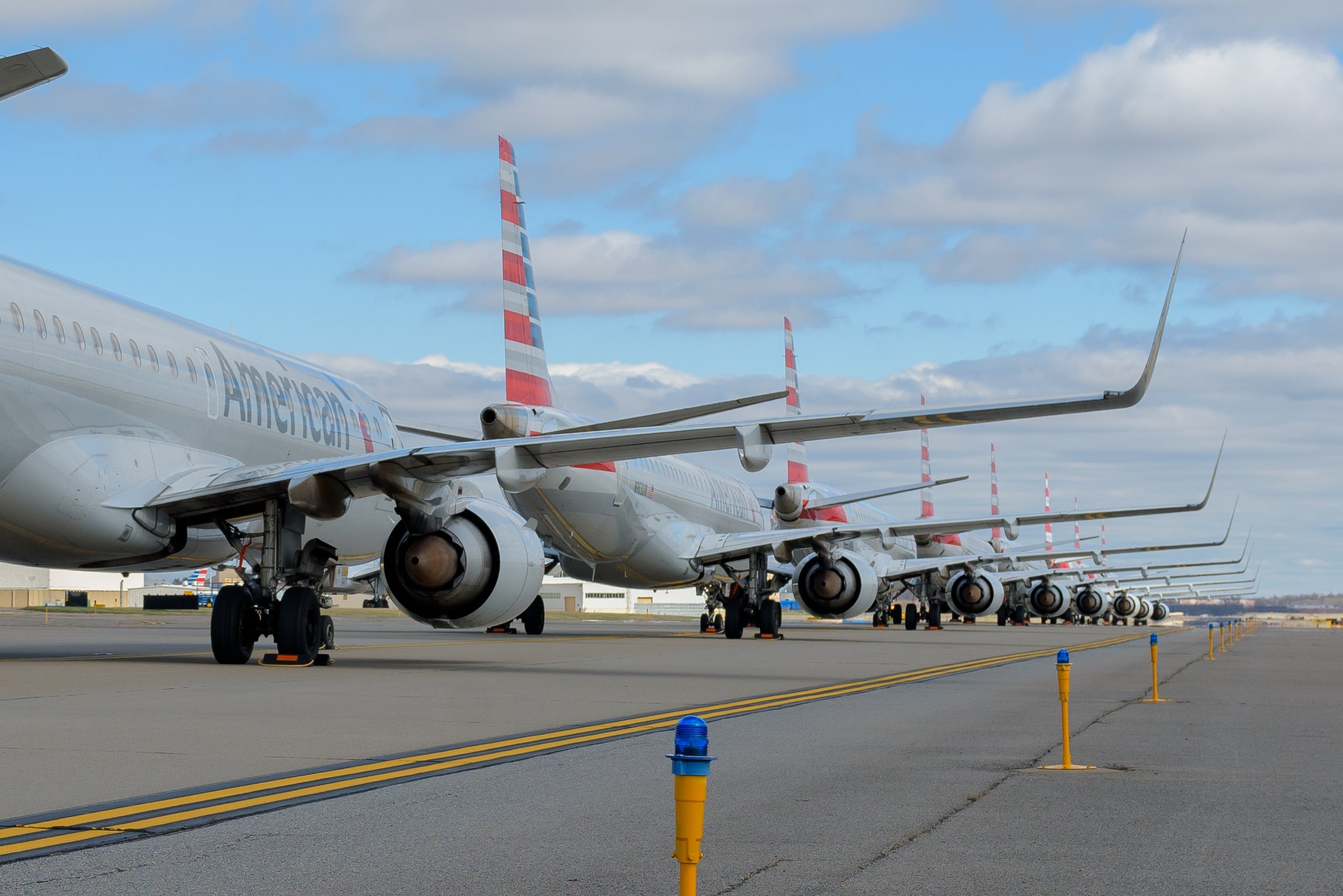
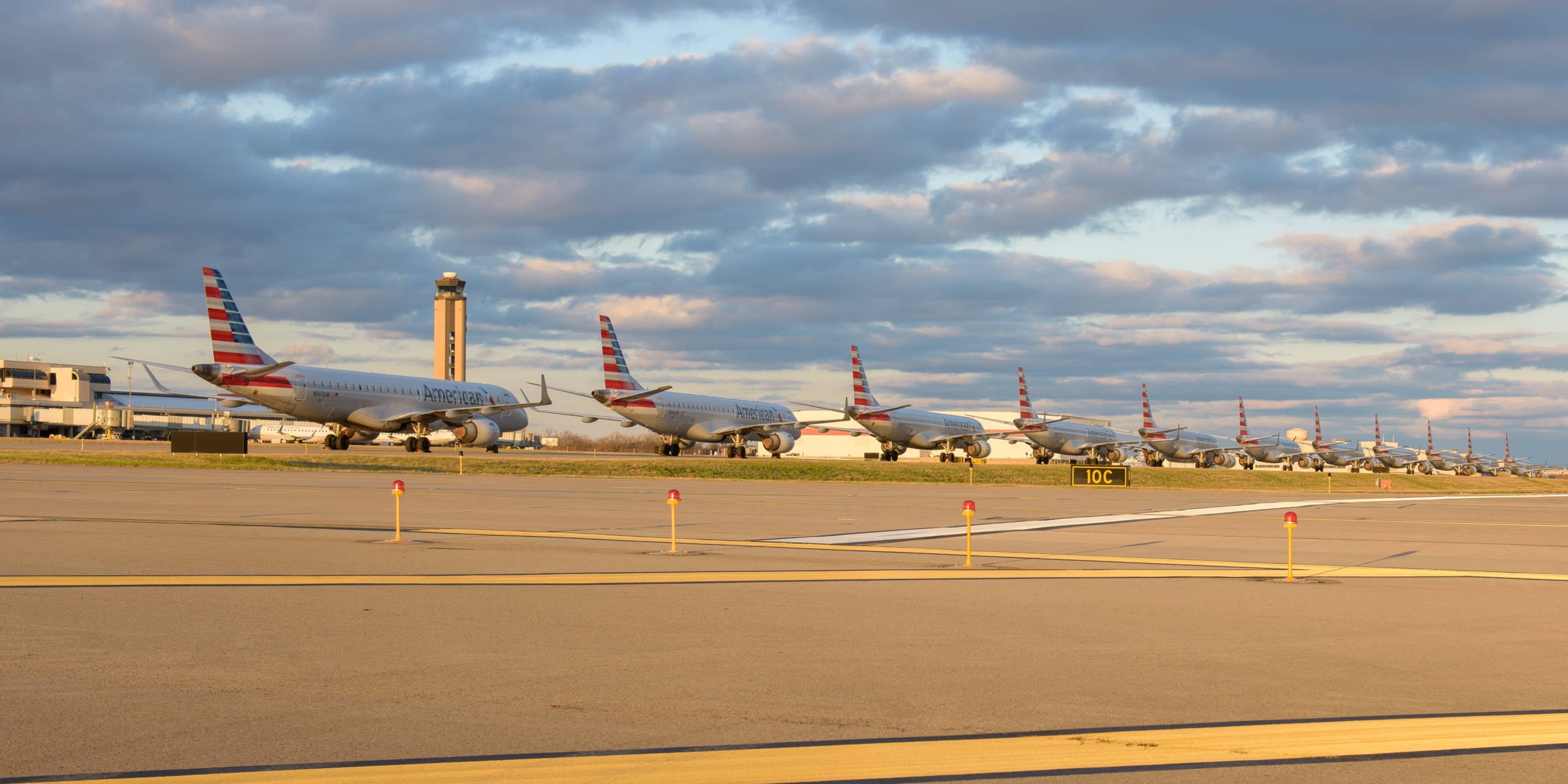
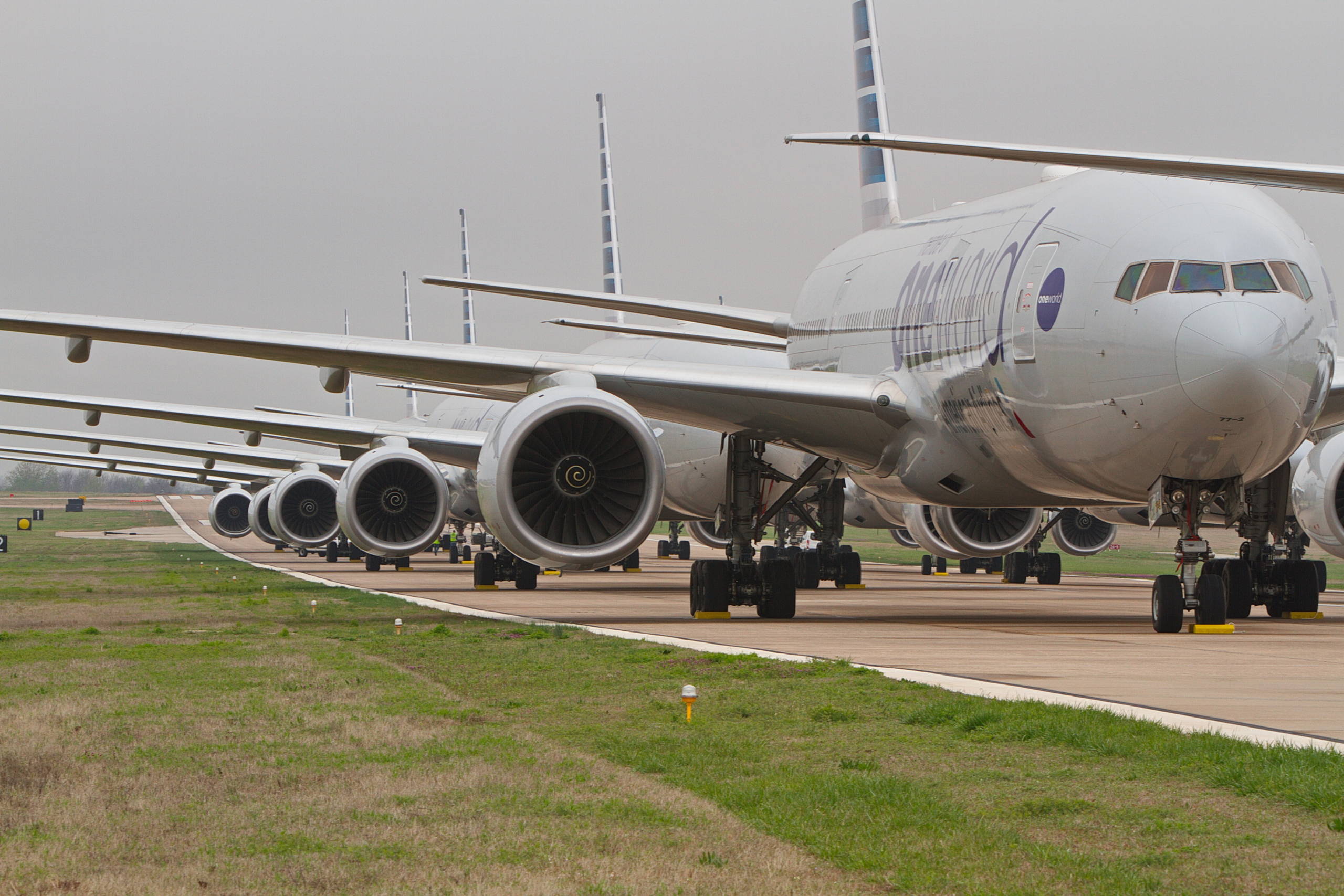
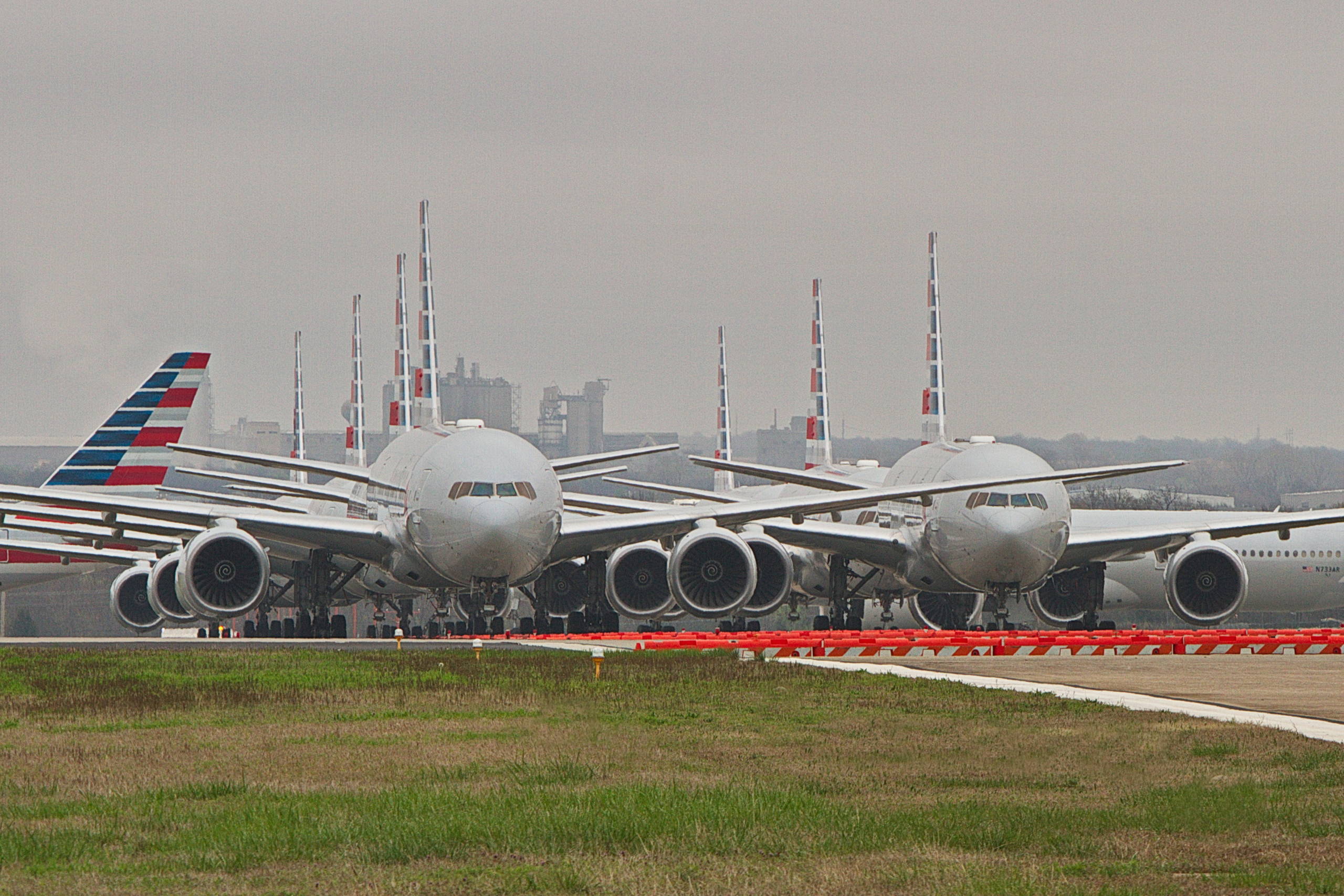
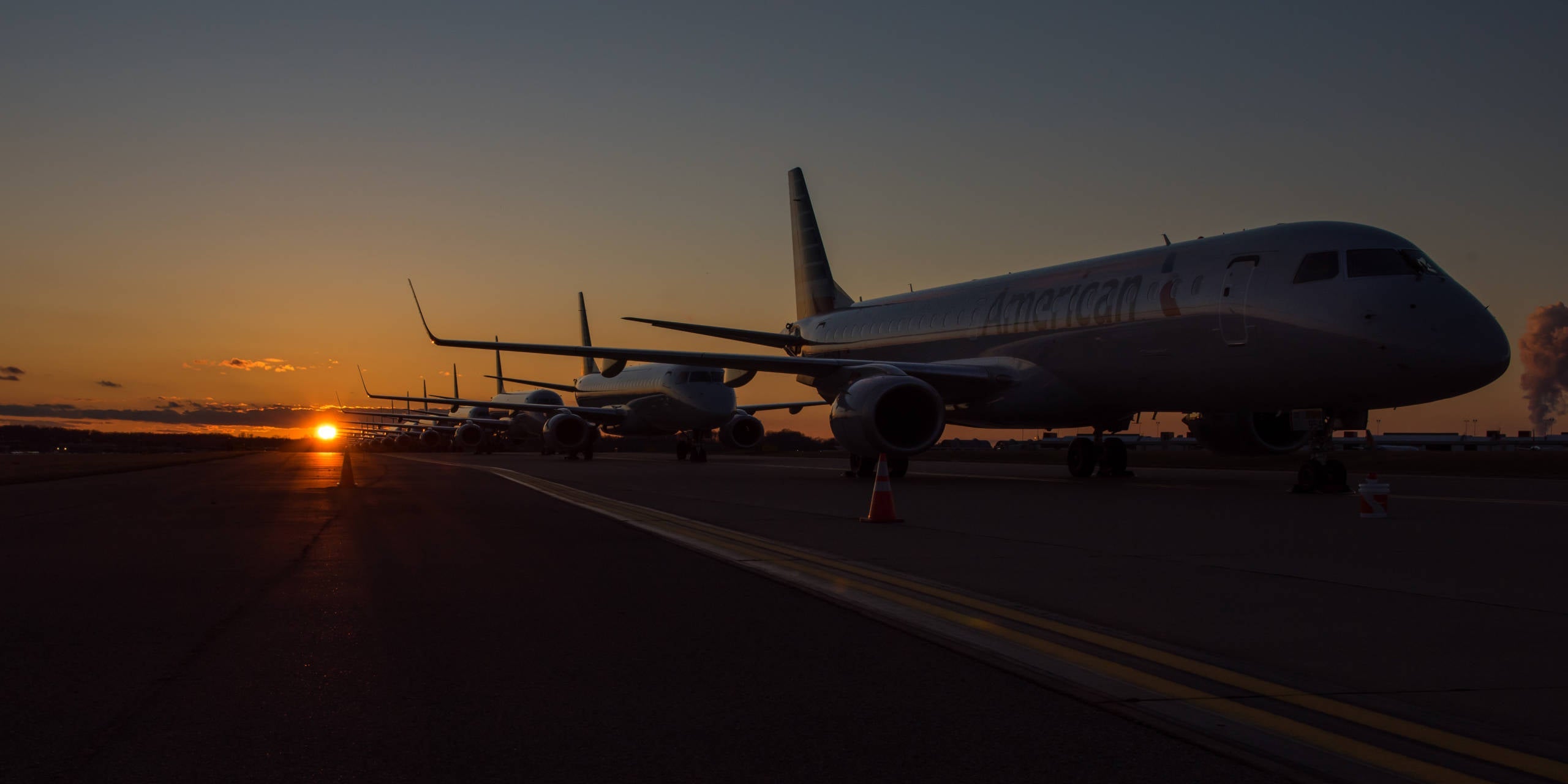
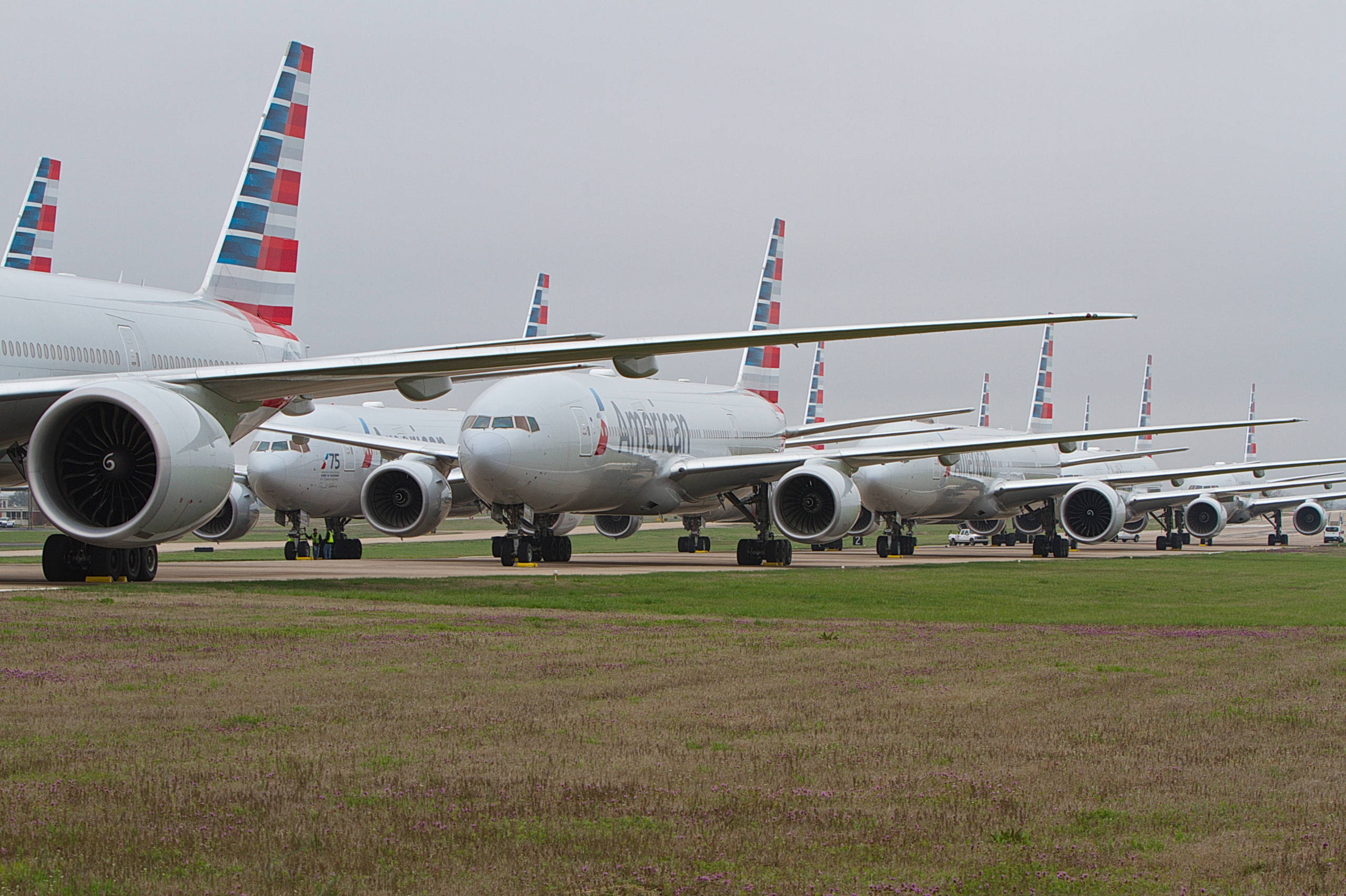
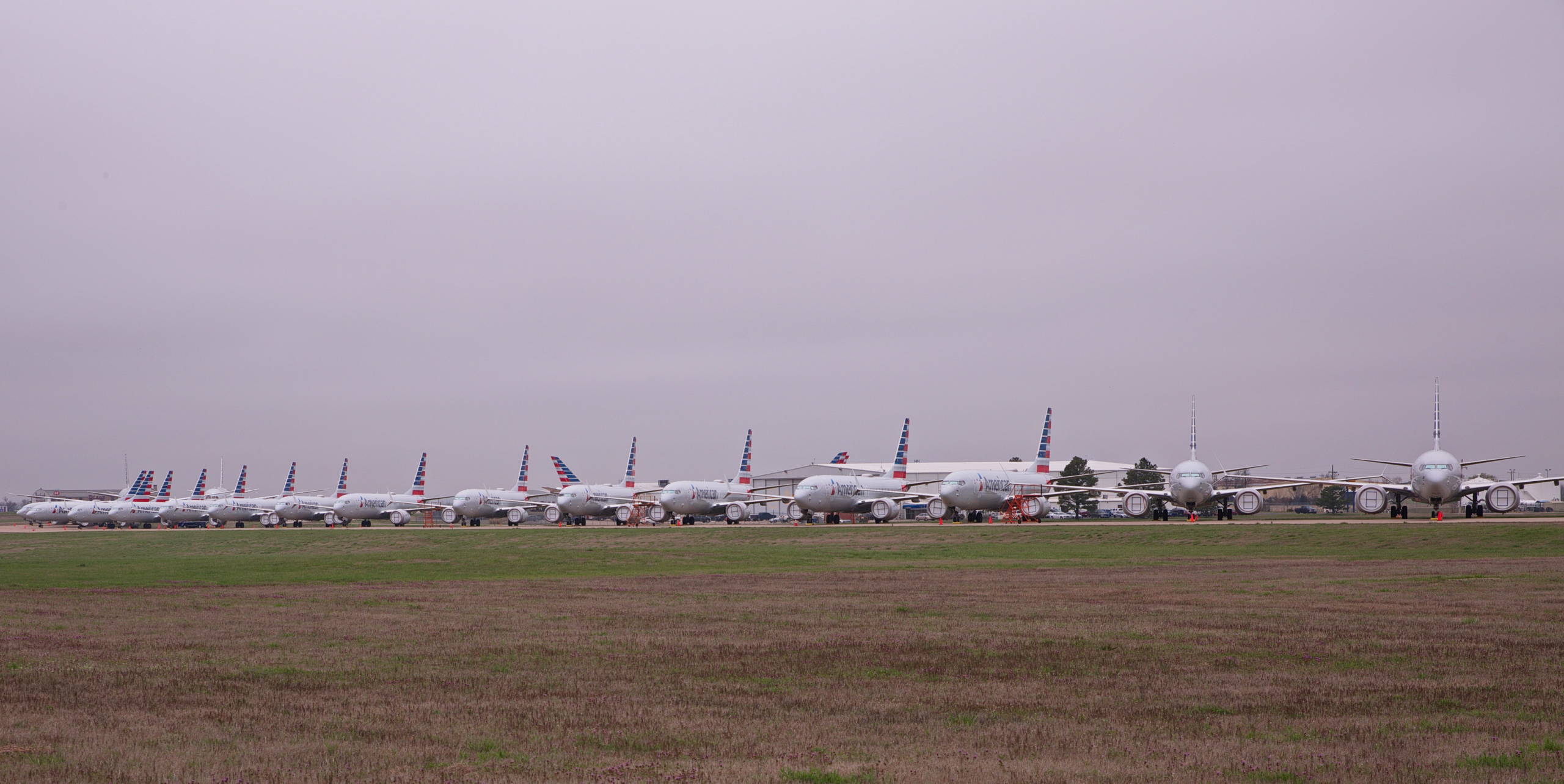
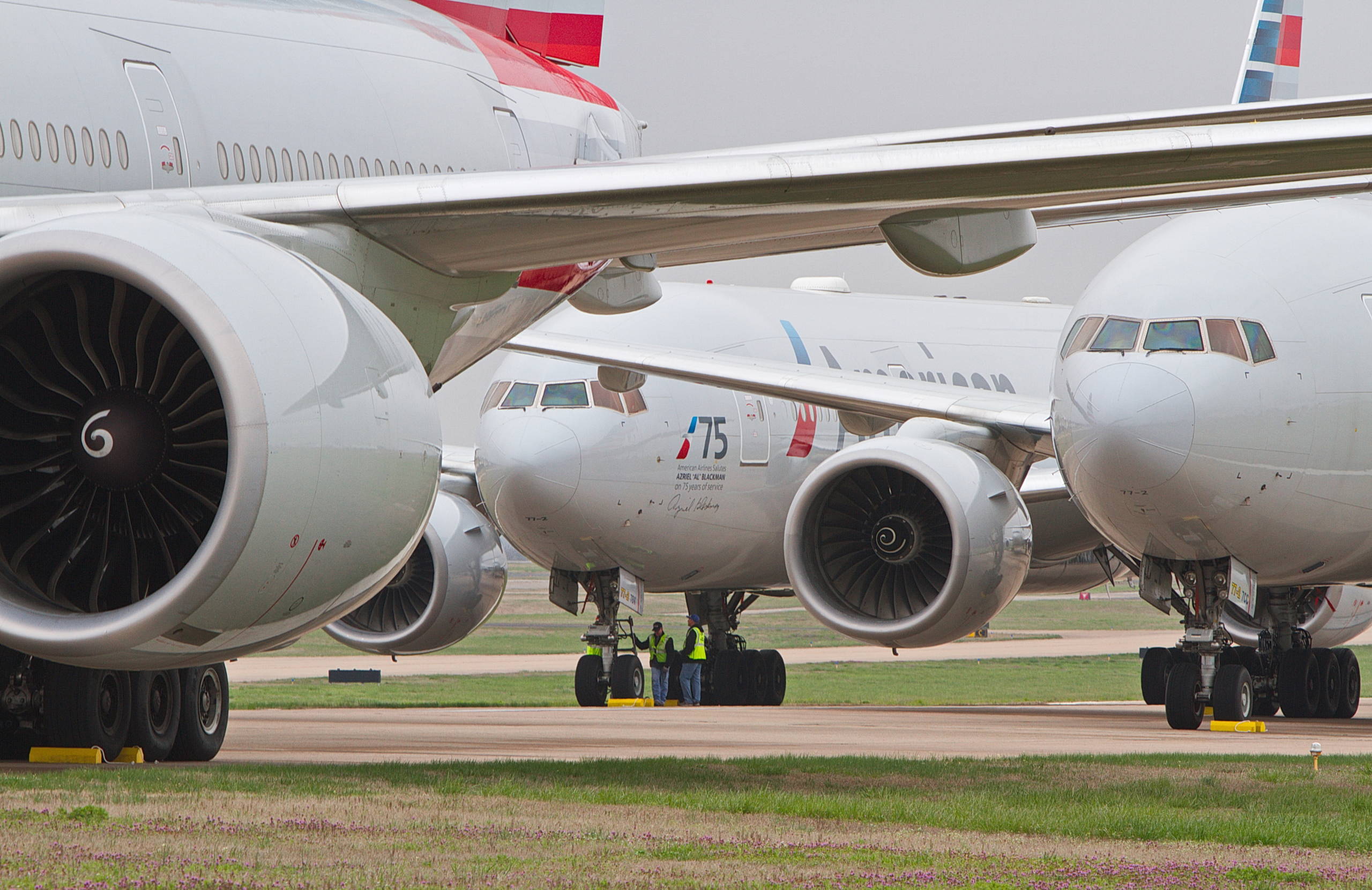
American Airlines is set to retire its Boeing 767-300ER and older Embraer E190 jets early. American has parked all of its less-fuel efficient 767s, which had been due to be retired next year. All of its 34 Boeing 757-200s will be retired early as well. Delta has indicated it could retire its MD-88s, MD-90s and some of its older Boeing 757s and 767s. United, so far, hasn't suggested any early retirements but it has a fairly fuel-efficient fleet relative to some other U.S. carriers.
Related: US airlines could retire older aircraft due to coronavirus downturn
Older planes like those E190s and MD-80s could eventually disappear from many fleets - much earlier than expected. They'll hopefully be replaced by energy-efficient planes like the Airbus A220 and 737 MAX (if it ever returns to the skies). Those airplanes use from 14% to 20% less fuel per passenger mile. As TPG's Alberto Riva points out in his article on the retirement of American's MD-80s last year, "On a typical 90-minute flight, a Boeing 737-800 will carry about 20 percent more passengers for 20 percent less fuel."
And here's hoping the 767s and 757s get replaced with the much more fuel-efficient Boeing 787 Dreamliners and A321neos.
Still, there is a note of caution from Brian Sumers, senior aviation business editor at Skift. He told TPG:
"Generally, the older an airplane, the more it pollutes, so if there's a silver lining to this crisis, it may mean less emissions, as airlines retire their oldest jets. At the same time, you can also see a possible drawback. When times are good and airlines have cash to spend, they buy new airplanes, and those airplanes tend to be the most efficient — even better than five-year-old airplanes. It's going to take a while for demand to recover, and until it does, I doubt we'll see many airlines taking delivery of new airplanes."Meantime, Dan Rutherford, shipping and aviation director at The International Council on Clean Transportation, said via email, "I'd assume that most leisure traffic comes back pretty quickly, but that some of the highest frequency business travel (fly in/fly out meetings, etc.) might get a second look. People seem to be warming to Zoom etc. these days."
Related: Coronavirus crisis raises questions about the survival of already struggling airlinesRelated: US airlines seek at least $50 billion in aid to combat coronavirus crisisRelated: 9 ways to go green on your next flightRelated: What your favorite airlines and hotels are doing to fight climate change
Additional reporting by Zach Wichter and Edward Russell.
TPG featured card

at Capital One's secure site
Terms & restrictions apply. See rates & fees.
| 5X miles | Earn 5X miles on hotels, vacation rentals and rental cars booked through Capital One Travel |
| 2X miles | Earn unlimited 2X miles on every purchase, every day |
Pros
- Stellar welcome offer of 75,000 miles after spending $4,000 on purchases in the first three months from account opening. Plus, a $250 Capital One Travel credit to use in your first cardholder year upon account opening.
- You'll earn 2 miles per dollar on every purchase, which means you won't have to worry about memorizing bonus categories
- Rewards are versatile and can be redeemed for a statement credit or transferred to Capital One’s transfer partners
Cons
- Highest bonus-earning categories only on travel booked via Capital One Travel
- LIMITED-TIME OFFER: Enjoy $250 to use on Capital One Travel in your first cardholder year, plus earn 75,000 bonus miles once you spend $4,000 on purchases within the first 3 months from account opening - that’s equal to $1,000 in travel
- Earn unlimited 2X miles on every purchase, every day
- Earn 5X miles on hotels, vacation rentals and rental cars booked through Capital One Travel
- Miles won't expire for the life of the account and there's no limit to how many you can earn
- Receive up to a $120 credit for Global Entry or TSA PreCheck®
- Use your miles to get reimbursed for any travel purchase—or redeem by booking a trip through Capital One Travel
- Enjoy a $50 experience credit and other premium benefits with every hotel and vacation rental booked from the Lifestyle Collection
- Transfer your miles to your choice of 15+ travel loyalty programs
- Top rated mobile app