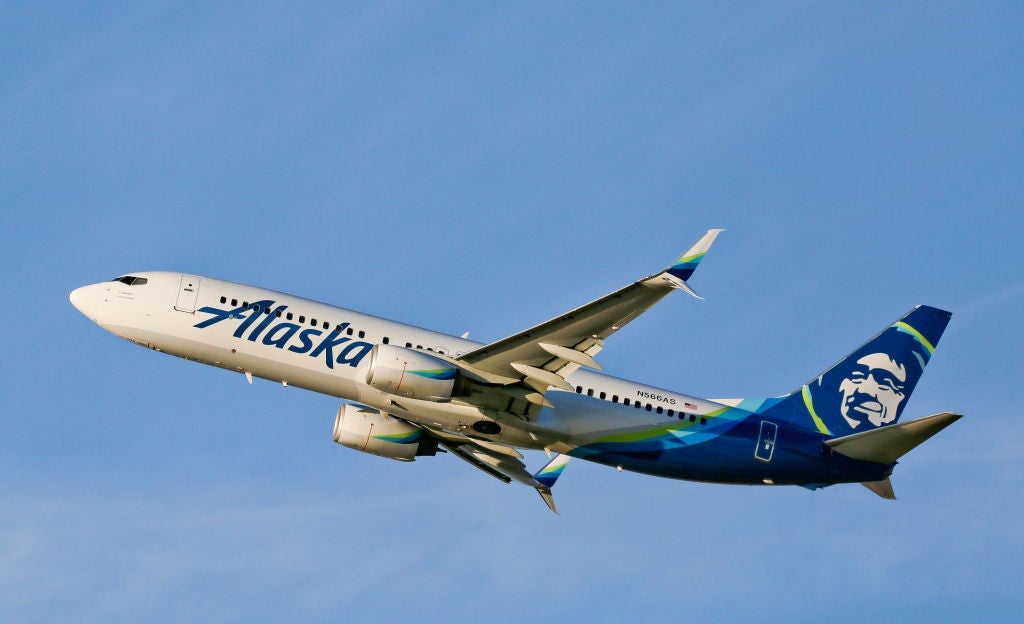

The Seattle-based carrier will cut roughly 910 of its average 1,300 daily flights in April and May, Alaska said Wednesday. The reduction is nearly five-times larger than a previously planned 15% cut and, with demand down by 80% or more, is likely to be extended into June and beyond.
“These actions are unprecedented, but these are truly unprecedented times,” Brad Tilden, CEO of Alaska, said in a statement. “It is imperative that we act swiftly and courageously to ensure that we’re here to continue our mission in the future.”
Get Coronavirus travel updates. Stay on top of industry impacts, flight cancellations, and more.
Multiple U.S. airline CEOs have described the COVID-19 pandemic as an unprecedented crisis for the industry. Elected leaders around the country have asked, or in many places ordered, residents to stay home. Against that backdrop, the number of people taking to the air has fallen off a cliff.
The Transportation Security Administration (TSA) reported 279,018 passengers passed through airport security checkpoints on Tuesday, or roughly 13% as many as on the same day in 2019.
Put another way, 279,000 is the roughly the number of passengers that Alaska alone — the nation's fifth largest carrier — carried over just two days in December, U.S. Department of Transportation data shows.
Related: Alaska Airlines plans coronavirus capacity cuts of up to 15%; CEO will forgo pay
Travelers' decision to stay home and cancel trips has resulted in a cash crunch at airlines. Alaska's CEO and president have both forgone their salaries, while other senior executives have slashed their compensation by up to half. The carrier is offering employees voluntary unpaid leave, and has halted hiring and cut other spending in its effort to save cash.
A $50 billion aid package for U.S. airlines is pending in Congress. The bill aims to alleviate the loss in revenues by providing $25 billion in grants for staff compensation and preventing furloughs or layoffs until the end of September, and an equal amount in loans to cover other carriers' day-to-day fixed costs.
Despite the aid, many expect a significant loss in revenue and slow recovery from the economic downturn caused by the pandemic. In a recent report, Raymond James analysts estimated that demand would not return to pre-pandemic levels until around July 2021.
Related: More than half of global airlines could ‘die’ without aid, says IATA