4 reasons why I’d consider avoiding domestic widebodies

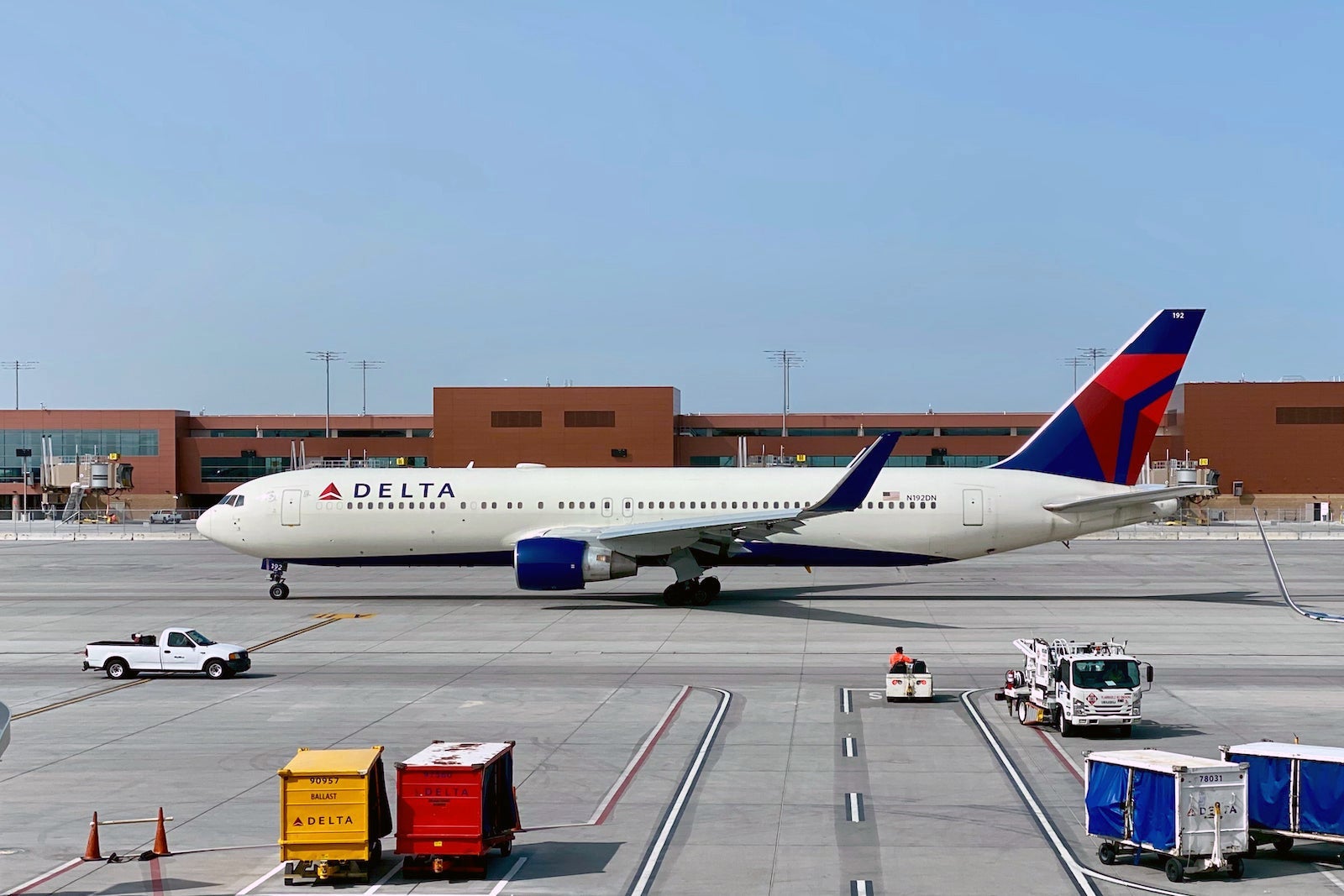
With long-haul travel still largely suspended, airlines have plenty of spare wide-body jets. Instead of parking them in the desert, American, Delta and United are deploying their largest planes on high-profile domestic hops.
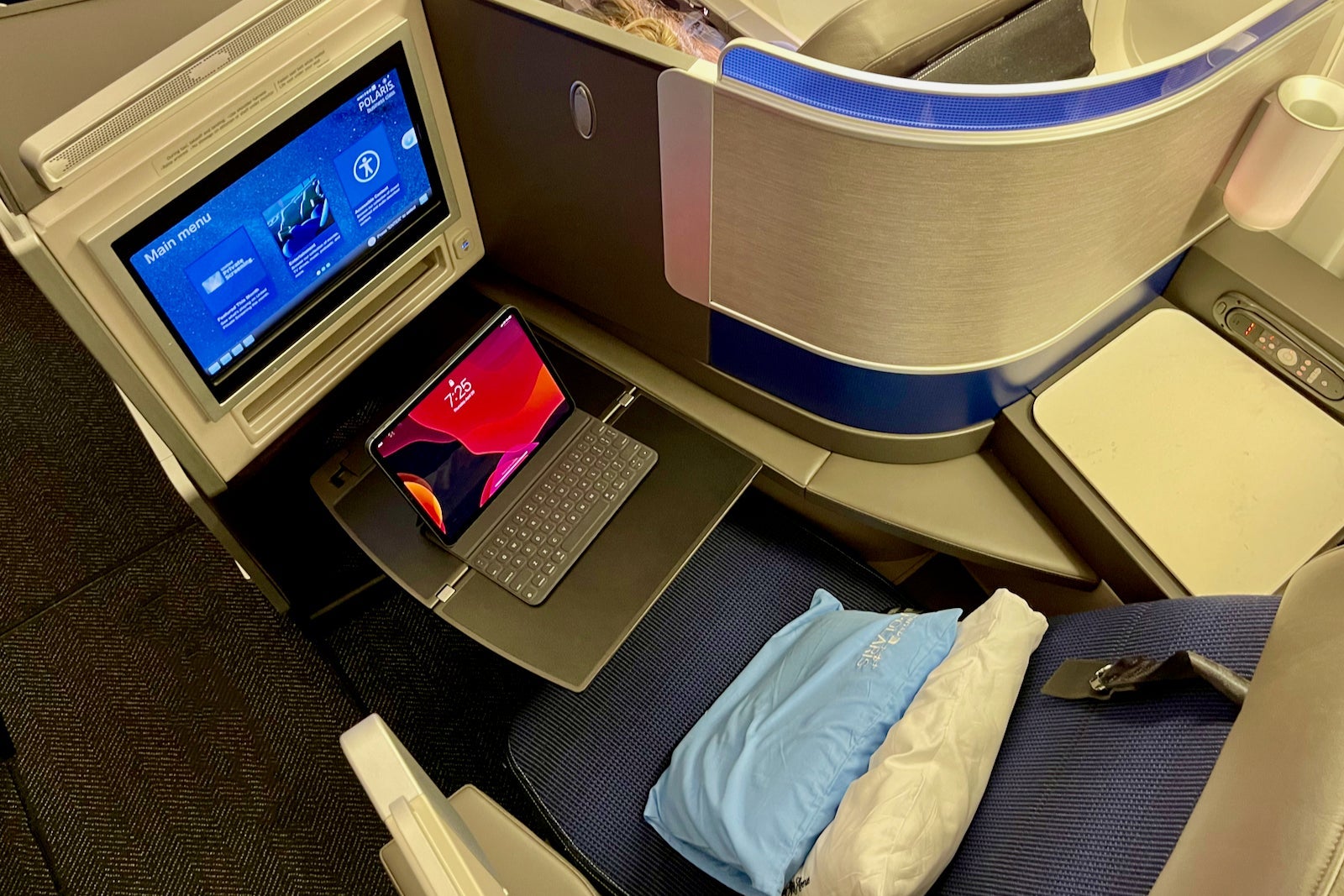
That represents a massive upgrade for flyers in the pointy end of the plane. Relative to the traditional domestic first-class recliners, these jets sport lie-flat business-class pods up front, and some also feature dedicated first-class and premium economy cabins. Even coach flyers will appreciate that these jets are outfitted with seat-back entertainment from nose to tail.
Throughout the pandemic, I've re-routed some of my domestic travel to specifically fly a twin-aisle plane. I even joined a crew of TPG reporters for a four-cabin review of American Airlines' Boeing 777-300 service between New York-JFK and Miami (MIA).
But despite the generally improved passenger experience, I've recently noticed some downsides to flying a wide-body domestically.
Have to fly to and from major hubs
This one's simple. If you're trying to snag a seat on a domestic wide-body flight, you'll need to fly between two major airports.
Airlines traditionally station their largest planes at their biggest hubs. With more demand, spacious ramps and taxiways and longer runways, major gateways can handle widebodies much more efficiently than smaller, regional airports.
For some, the inconvenience of getting to a hub could far outweigh the benefit of a lie-flat seat for a short domestic hop.
Case in point: this summer, American Airlines will exclusively fly Boeing 777s between New York-JFK and Miami (MIA). I live in lower Manhattan, so JFK is by far the least convenient of NYC's three major airports for me. I'd need to leave my apartment earlier and pay a more expensive Uber fare to get to JFK, relative to Newark or LaGuardia.
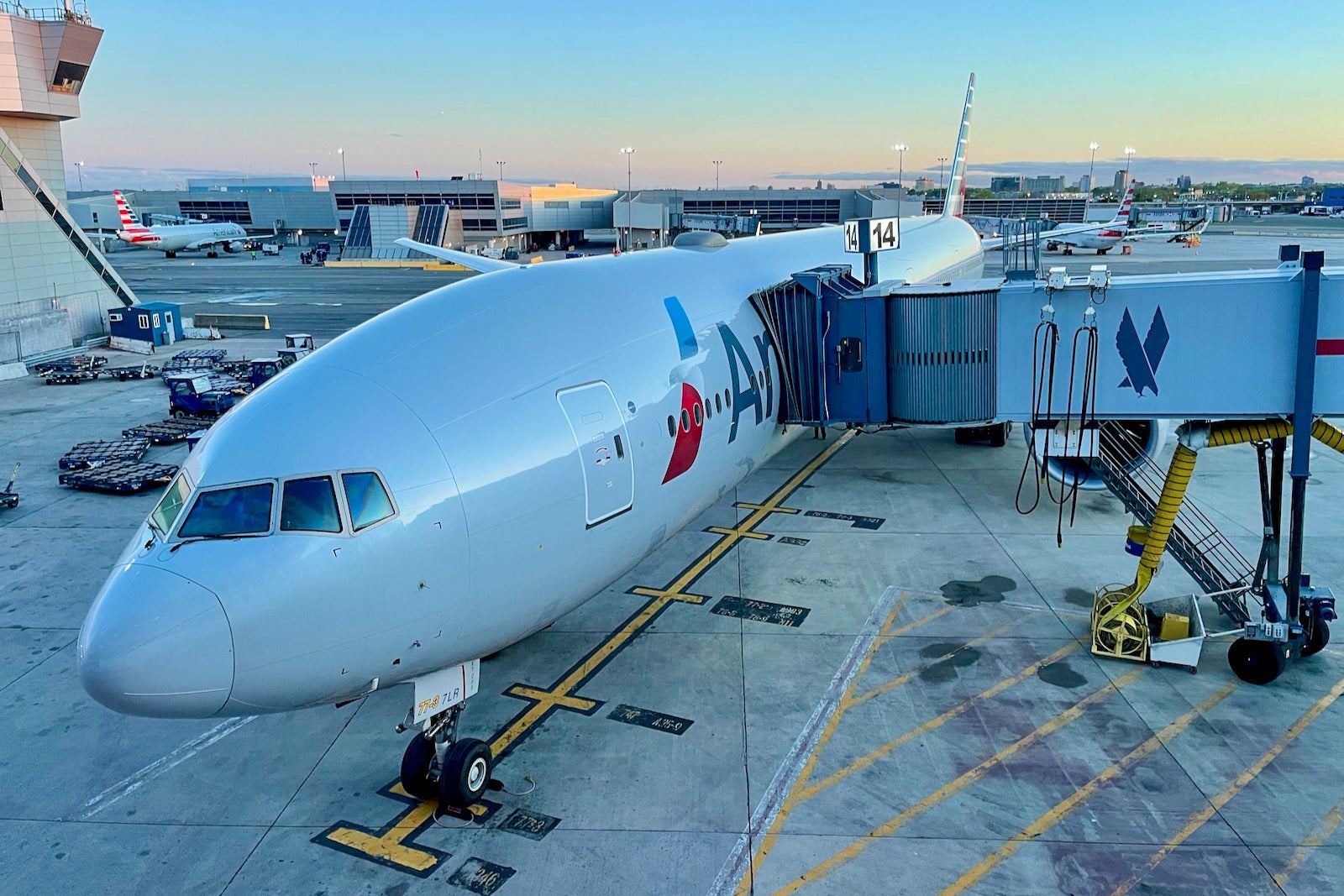
In Florida, my family lives in Boca Raton, right between Fort Lauderdale (FLL) and West Palm Beach (PBI). Miami is (at least) an additional 30 minutes from my parents compared to South Florida's two smaller airports.

For a two-and-a-half-hour flight from New York to Florida, I'd only consider taking the wide-body if the flight times worked best, or I was first meeting friends near the Miami airport. Otherwise, it's LaGuardia or Newark to PBI or FLL for me.
Slower boarding and deplaning process
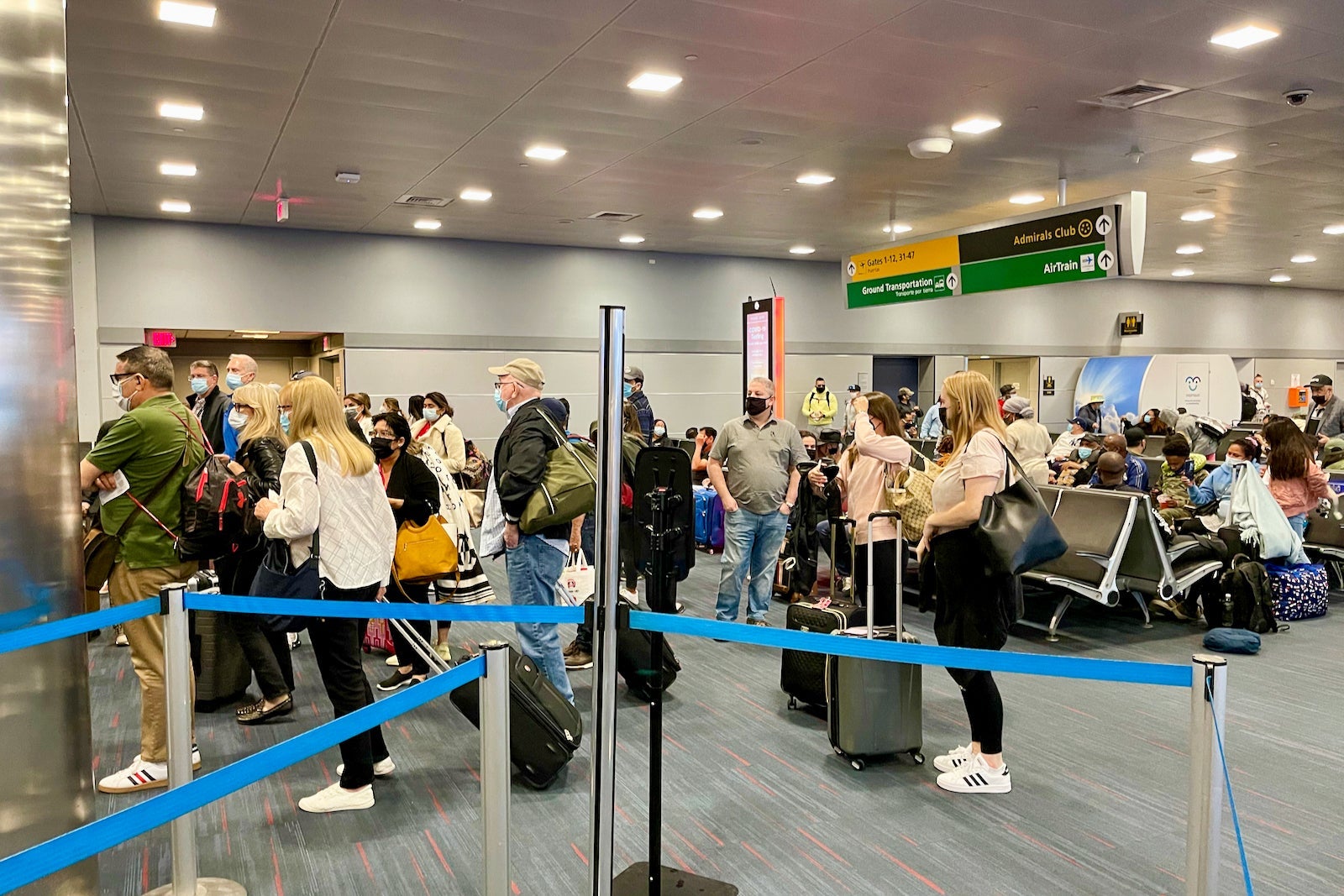
In addition to trekking to a major hub, flying on a wide-body means that you'll need to factor in additional time for a slower boarding and deplaning process.
American's Boeing 777-300ER holds 304 passengers, whereas its Airbus A320 or Boeing 737 MAX flying from smaller airports seats 150 and 172, respectively.
With roughly double as many seats, boarding and deplaning take longer. Admittedly, there are two aisles to ease congestion, but nevertheless, boarding still starts earlier for large planes.
Going back to my example of flying from New York to South Florida, my goal is usually to minimize door-to-door time, especially if I have plans on either end.
Adding a wide-body to the mix, especially if I'm seated in coach, slows things down.
Subpar Wi-Fi
Wide-body jets were designed to fly long-haul international jaunts, not short domestic missions.
To stay connected when traveling abroad, the big 3 U.S. airlines have outfitted their largest jets with global Wi-Fi internet connectivity. American and United mostly partner with Panasonic, while Delta's international fleet is split between GoGo's 2Ku and Ku network.
While these networks work just fine for domestic segments, the speed and reliability are generally far worse than my preferred satellite Wi-Fi provider, ViaSat, which you'll find on a good chunk of AA narrow-body jets, some Delta and United planes and on all JetBlue flights.
If I'm flying during business hours, having access to fast and reliable Wi-Fi is a must — one more reason to consider avoiding a wide-body.
More middle seats on the largest jets
There's no question that twin-aisle planes offer a much better inflight experience up front. With lie-flat pods, large seat-back monitors and plenty of storage, business- and first-class flyers are in for a big upgrade compared to standard domestic recliners.
However, it's a whole different story if you're flying on coach. That's because the odds of sitting in the dreaded middle seat are higher when flying on the largest wide-body jets.
Consider United's flagship Boeing 777-300ER. The plane is outfitted with 266 coach seats arranged in a 3-4-3 configuration, broken down into 108 aisles, 104 middles and 54 window seats.
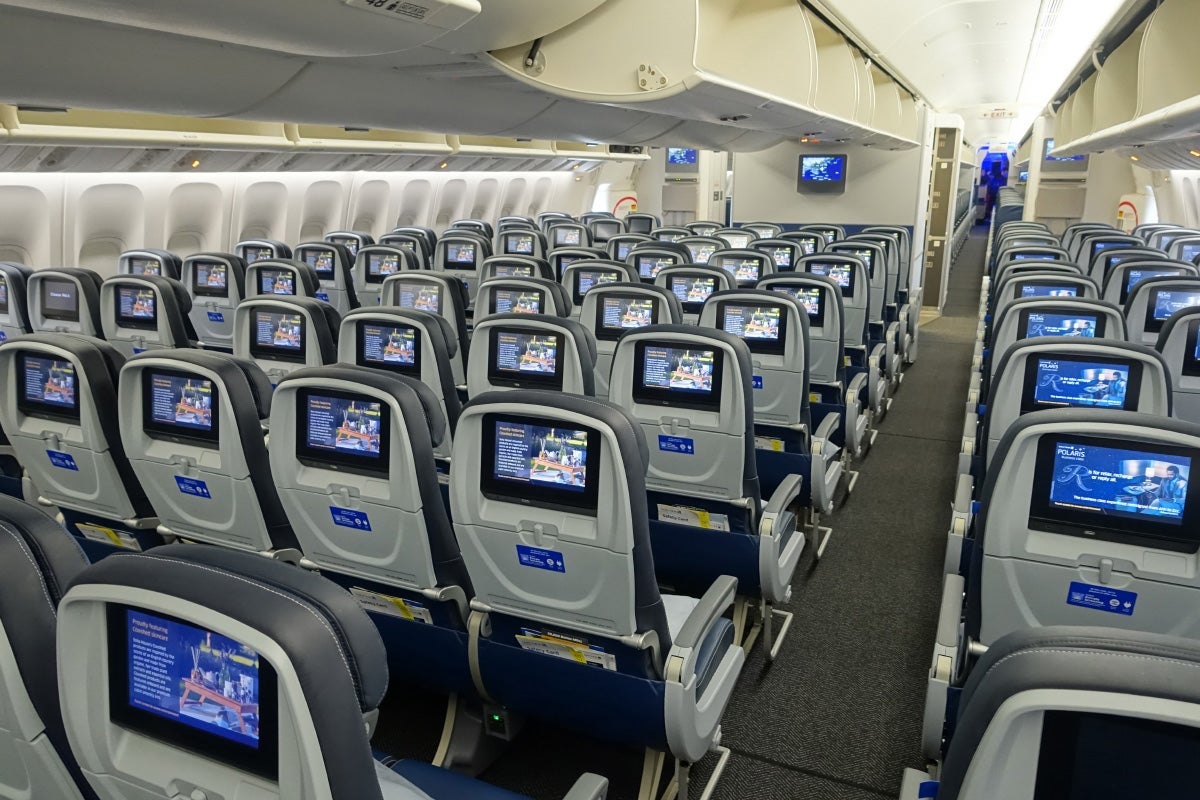
The coach cabins on United's mainline domestic narrow-body jets are arranged in an industry-standard 3-3 configuration, with an equal number of aisles, middles and windows.
If you're flying in economy and had the choice between a United 777-300 and an Airbus A320, you're nearly 20% more likely to end up in a middle on the 777, all else being equal.
Just note that smaller wide-body jets, like the Boeing 767, have fewer middles per row, thanks to its favorable 2-3-2 configuration. As such, you'll want to pay close attention to the seat map and aircraft assignment when you're booking.
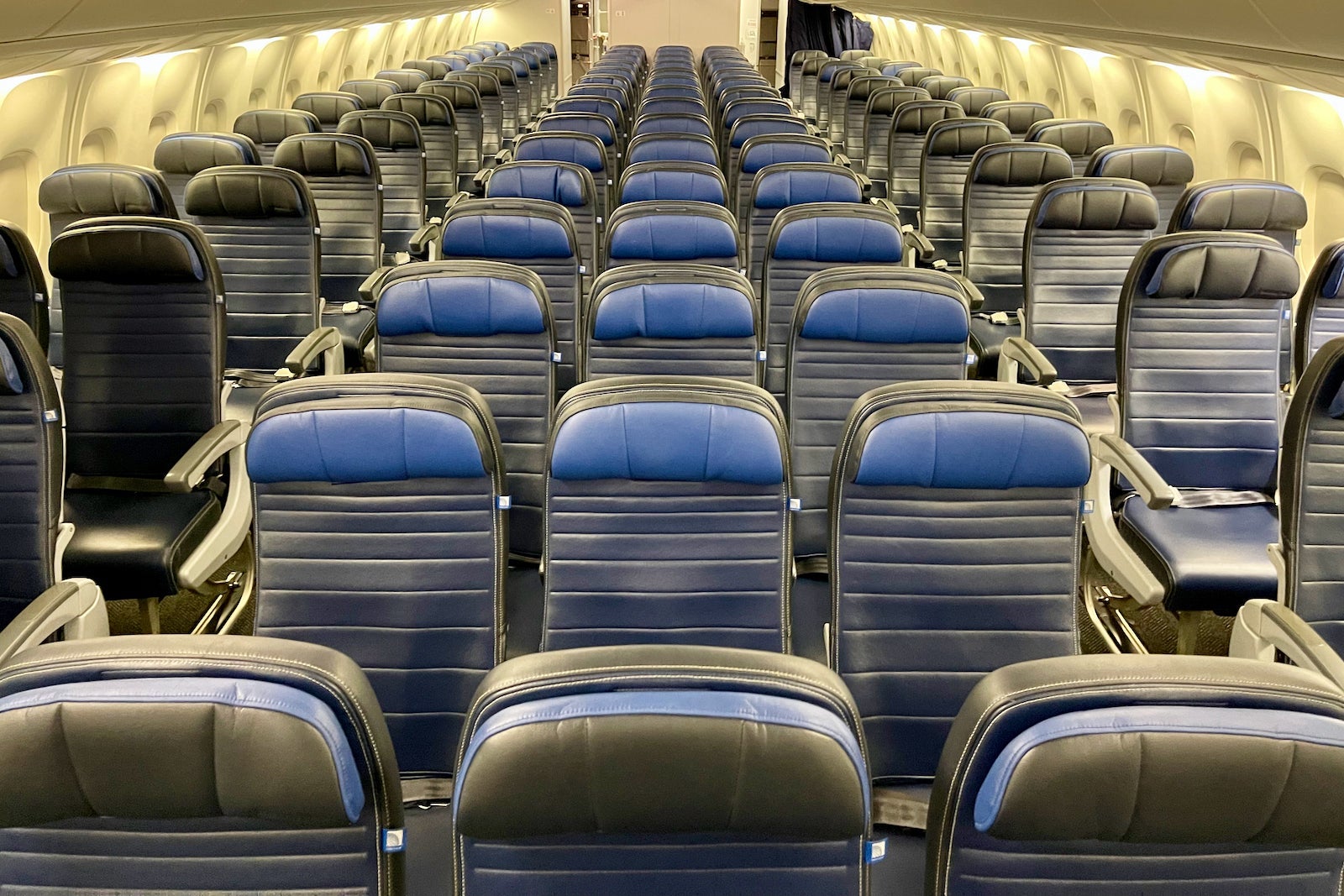
Do note, however, that some travelers, especially families traveling with younger children, might prefer to fly in economy on a wide-body because most seats have built-in entertainment screens, whereas many AA and United domestic jets don't feature them.
Also, elite frequent flyers might prefer widebodies since the premium economy cabin is often available for no extra charge.
The thrill of the wide-body could make up for it all
Despite four reasons to avoid flying an internationally equipped jet on a domestic hop, it could still make sense to choose with the larger plane.
For one, the longer the journey, the more comfortable the premium inflight experience. I don't need a lie-flat pod for a short hop from Dallas to Chicago or Miami to Charlotte. But Newark to Denver or Washington to San Francisco? You bet I'll be searching for one.
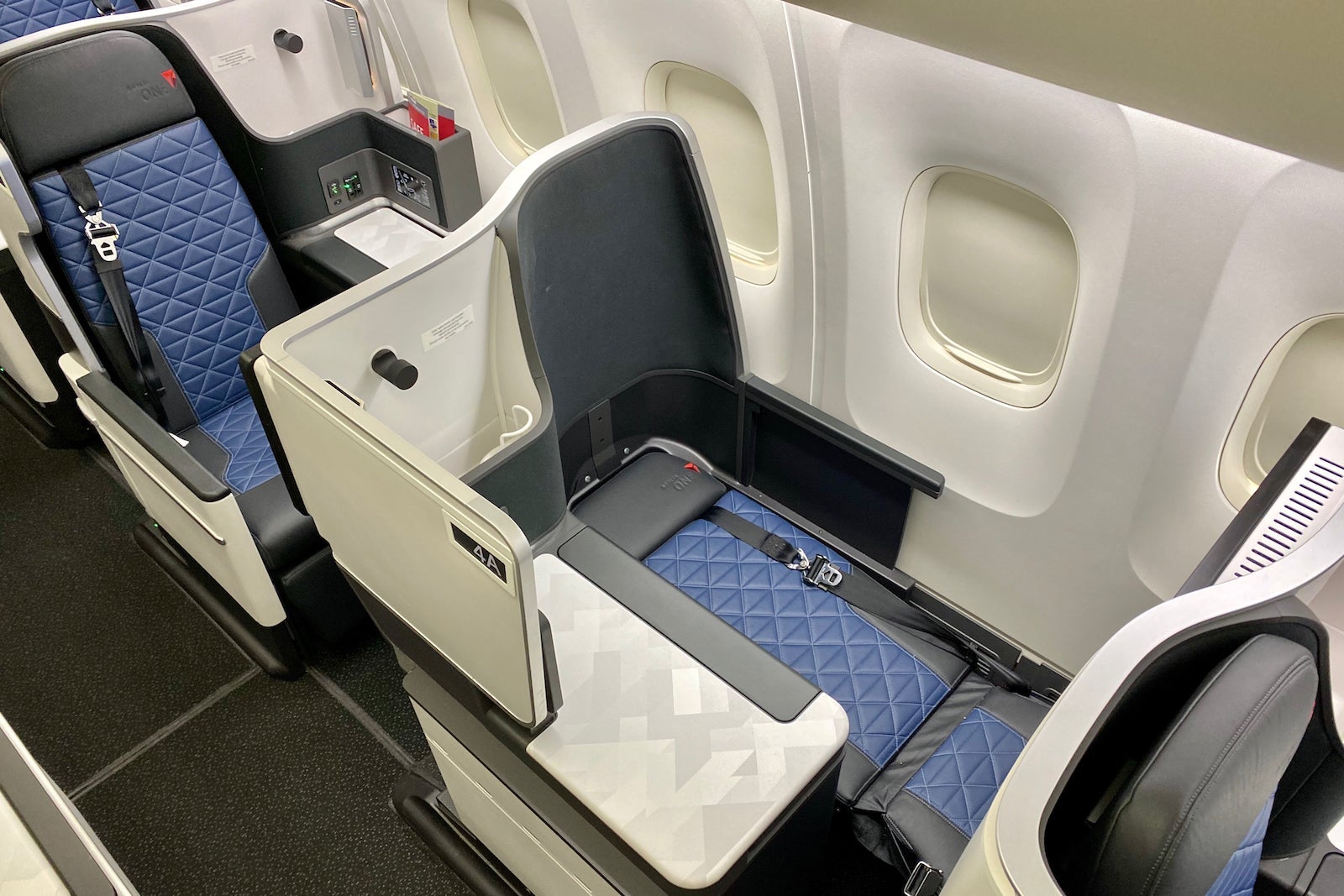
Plus, if you're looking to maximize onboard social distancing, you can't beat a business-class cabin on a wide-body plane, where each seat is essentially its own suite.
Others might choose the wide-body for the novelty.
With most international travel still off-limits due to the pandemic, the thrill of being on a heavy jet could be enough to sway an aviation enthusiast to give it a try — like it already has for me multiple times this year.
TPG featured card

at American Express's secure site
Terms & restrictions apply. See rates & fees.
| 3X | Earn 3X Miles on Delta purchases. |
| 1X | Earn 1X Miles on all other eligible purchases. |
Pros
- Delta SkyClub access when flying Delta
- Annual companion ticket for travel on Delta (upon renewal)
- Ability to earn MQDs through spending
- Various statement credits for eligible purchases
Cons
- Steep annual fee of $650
- Other Delta cobranded cards offer superior earning categories
- Earn 100,000 Bonus Miles after you spend $6,000 or more in purchases with your new Card within the first 6 months of Card Membership and an additional 25,000 bonus miles after you make an additional $3,000 in purchases on the Card within your first 6 months, starting from the date that your account is opened. Offer Ends 04/01/2026.
- Delta SkyMiles® Reserve American Express Card Members receive 15 Visits per Medallion® Year to the Delta Sky Club® when flying Delta and can unlock an unlimited number of Visits after spending $75,000 in purchases on your Card in a calendar year. Plus, you’ll receive four One-Time Guest Passes each Medallion Year so you can share the experience with family and friends when traveling Delta together.
- Enjoy complimentary access to The Centurion® Lounge in the U.S. and select international locations (as set forth on the Centurion Lounge Website), Sidecar by The Centurion® Lounge in the U.S. (see the Centurion Lounge Website for more information on Sidecar by The Centurion® Lounge availability), and Escape Lounges when flying on a Delta flight booked with the Delta SkyMiles® Reserve American Express Card. § To access Sidecar by The Centurion® Lounge, Card Members must arrive within 90 minutes of their departing flight (including layovers). To access The Centurion® Lounge, Card Members must arrive within 3 hours of their departing flight. Effective July 8, 2026, during a layover, Card Members must arrive within 5 hours of the connecting flight.
- Receive $2,500 Medallion® Qualification Dollars with MQD Headstart each Medallion Qualification Year and earn $1 MQD for each $10 in purchases on your Delta SkyMiles® Reserve American Express Card with MQD Boost to get closer to Status next Medallion Year.
- Enjoy a Companion Certificate on a Delta First, Delta Comfort, or Delta Main round-trip flight to select destinations each year after renewal of your Card. The Companion Certificate requires payment of government-imposed taxes and fees of between $22 and $250 (for itineraries with up to four flight segments). Baggage charges and other restrictions apply. Delta Basic experiences are not eligible for this benefit.
- $240 Resy Credit: When you use your Delta SkyMiles® Reserve American Express Card for eligible purchases with U.S. Resy restaurants, you can earn up to $20 each month in statement credits. Enrollment required.
- $120 Rideshare Credit: Earn up to $10 back in statement credits each month after you use your Delta SkyMiles® Reserve American Express Card to pay for U.S. rideshare purchases with select providers. Enrollment required.
- Delta SkyMiles® Reserve American Express Card Members get 15% off when using miles to book Award Travel on Delta flights through delta.com and the Fly Delta app. Discount not applicable to partner-operated flights or to taxes and fees.
- With your Delta SkyMiles® Reserve American Express Card, receive upgrade priority over others with the same Medallion tier, product and fare experience purchased, and Million Miler milestone when you fly with Delta.
- Earn 3X Miles on Delta purchases and earn 1X Miles on all other eligible purchases.
- No Foreign Transaction Fees. Enjoy international travel without additional fees on purchases made abroad.
- $650 Annual Fee.
- Apply with confidence. Know if you're approved for a Card with no impact to your credit score. If you're approved and you choose to accept this Card, your credit score may be impacted.
- Terms Apply.
- See Rates & Fees