The airlines that bounced back first from the depths of the pandemic may surprise you

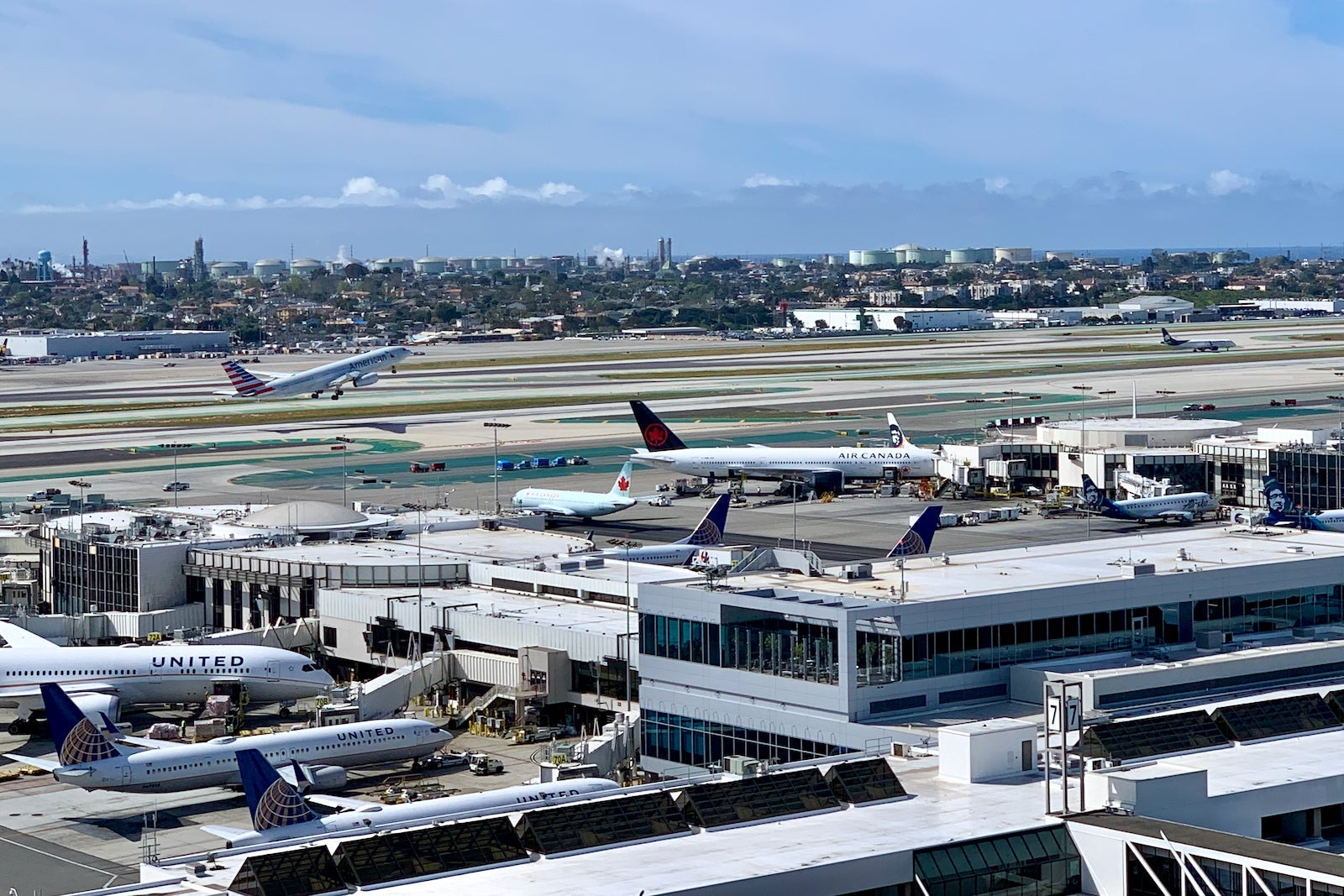
At the height of the pandemic in April, just over 3 million passengers crossed through TSA checkpoints nationwide. That number is just shy of 5% of the over 70 million flyers who went through TSA checkpoints in April 2019.
In May of this year, U.S. airlines started seeing signs of life once again. Over 7 million passengers cleared domestic security checkpoints during the month — more than double April's count.
And while every major U.S. carrier carried more passengers in May than April, some far outpaced the competition. In fact, Allegiant and Frontier — two of America's biggest ultra-low-cost carriers (ULCCs)— led the month-over-month recovery, according to the U.S. Department of Transportation (DOT) and its data arm, the Bureau of Transportation Statistics (BTS).
Sign up for the free daily TPG newsletter for more airline news!
Allegiant, Frontier led the recovery
Allegiant both added more flights and filled its planes at a higher month-over-month percentage than any other major U.S. carrier. The Las Vegas-based budget airline flew over 350% more flights in May compared to April. According to data on enplanements, the airline carried over 760,000 passengers in May — a whopping 1,839% increase relative to the 39,224 passengers it flew in April.
Before the pandemic, Allegiant primarily served point-to-point leisure routes on days when it saw enough demand. The airline is famously known for stopping most operations on Tuesdays — one of the quietest days of the week for leisure travel.
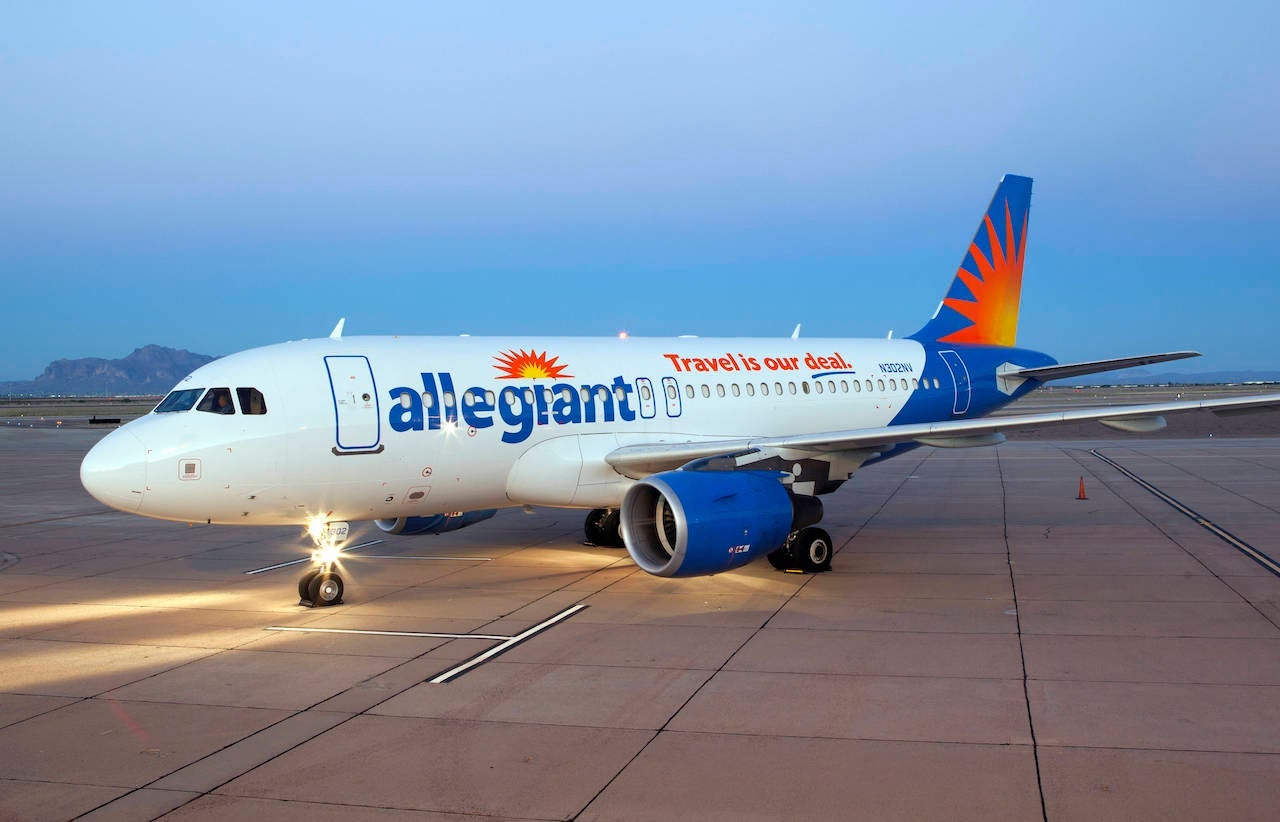
Though Allegiant led the recovery in May, it likely had higher hopes. In fact, it scheduled 9,643 flights and canceled 5,166 of them (53.6%) within a week of departure. Hopefully, customers waited until the last minute to claim a refund for their canceled flights.
Though Allegiant took the top spot, Frontier — another of America's largest low-cost carriers — came in second. The airline operated nearly 100% more flights in May as compared to its April schedule and boarded almost 500% more passengers.
Related: An exclusive interview with the CEO of Frontier Airlines

Spirit filled its planes with a leaner schedule
The story isn't all positive for America's budget airlines. Spirit Airlines, trimmed its schedule by about 70% in May compared to April. It operated significantly fewer flights than either Allegiant or Frontier.
However, the Miramar, Florida-based carrier was able to increase enplanements by 5% in May. Even though the airline's scale wasn't as big as its competitors, Spirit filled its planes.
That Spirit and other ULCCs were able to fill their planes doesn't come as a surprise. These carriers slashed their fares to new lows, which clearly seems to have convinced some on-the-fence travelers to take to the skies. Plus, these airlines primarily focus on leisure travel, which has been recovering at a faster rate than business travel.
Related: What's it like to fly during a pandemic? We compared 4 different US airlines
JetBlue cut flights, increased passengers
JetBlue followed a very similar pattern to Spirit Airlines. The carrier operated 42% fewer flights in May, but enplanements rose by 57% from what will likely be a historically bad April for the carrier.
JetBlue remains one of the handful of airlines capping the capacity of every flight. Through at least Oct. 15, the New York-based airline is blocking all middle seats in coach.
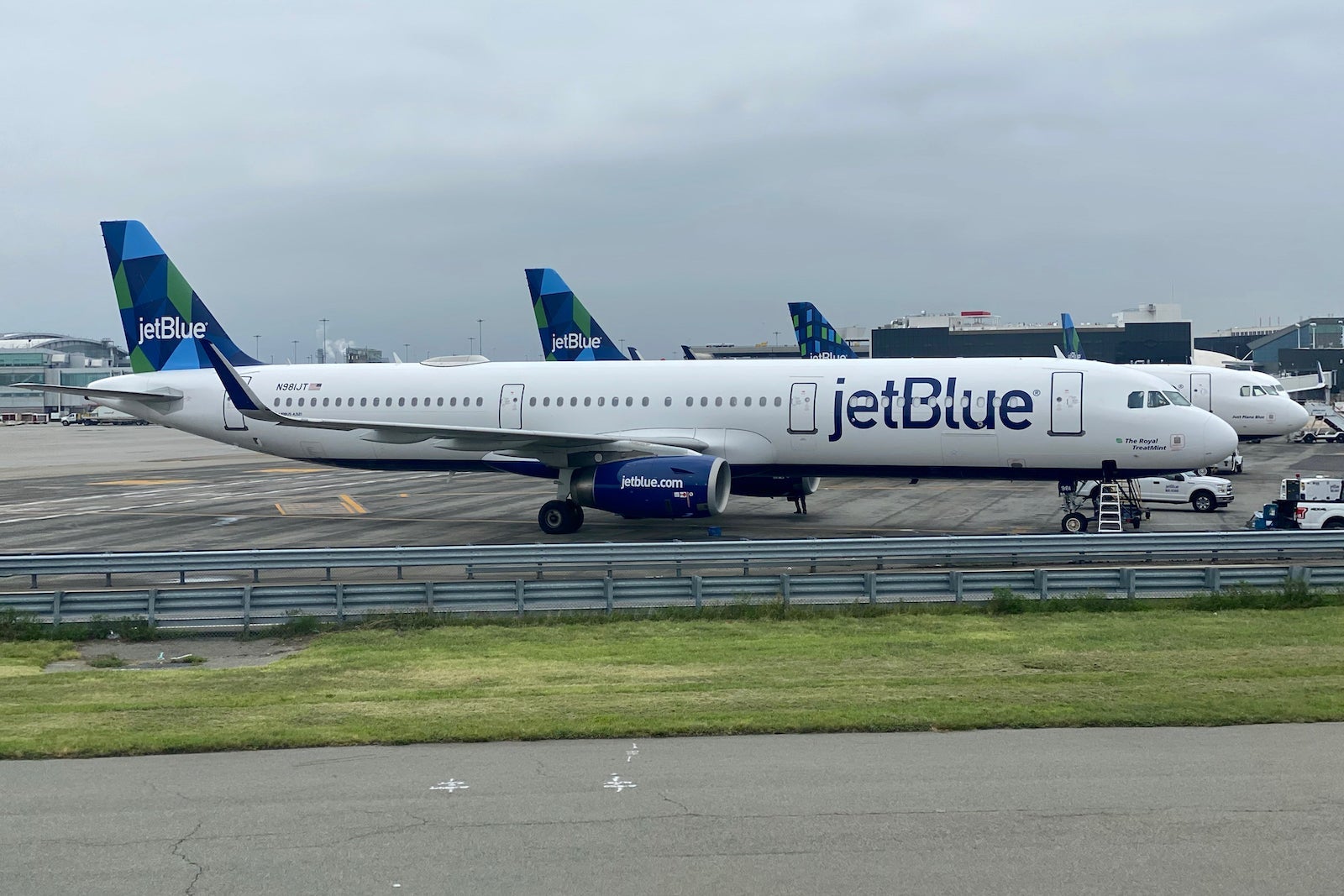
In May, JetBlue carried more passengers compared to April. Nonetheless, JetBlue remains one of the best airlines to fly to maximize onboard social distancing. Even if its load factor increases — like it did in May — you can rest assured it won't get close to 100% through Oct. 15.
Related: JetBlue flyers want empty middle seats, says international flights coming to LAX
American filled the most seats of the Big 3
Before the pandemic, American Airlines was the largest U.S. carrier. AA retained that title in May based on the 53,495 flights it operated. (Delta and United both operated about 30,000 flights in May.)
AA also beat its major competitors for the number of enplanements month-over-month. American saw a nearly 160% growth in enplanements, compared to 78% and 100% at Delta and United, respectively.
The latest data coincides with the guidance American's executives gave back in May. According to AA's CEO Doug Parker, "We are still flying only 20% of our schedule, but on that much-reduced schedule we are definitely seeing more demand than we were seeing in prior months."
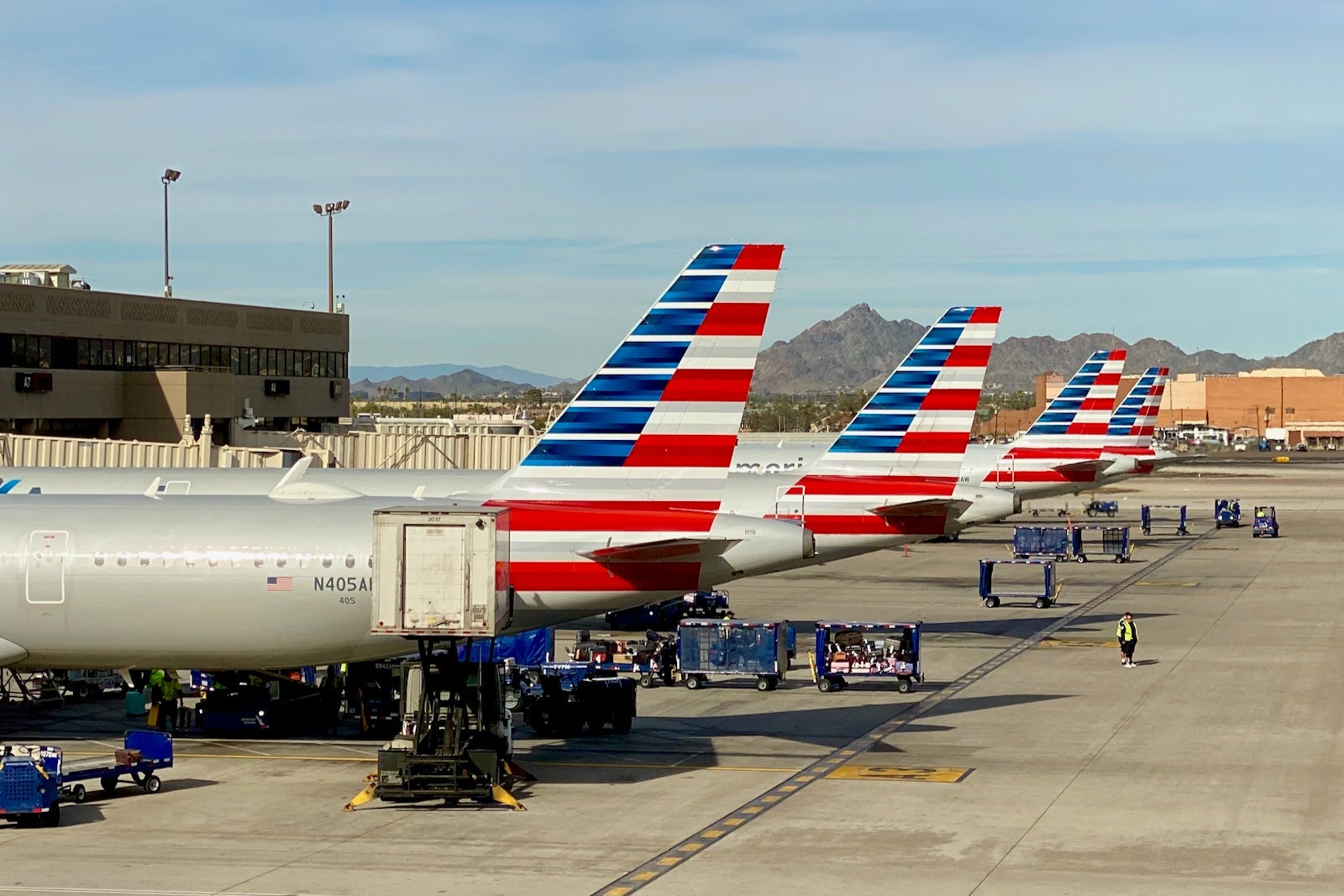
The second-quarter results also paint a similar picture. Passenger revenue at American was at least 61% higher than its two competitors in the second quarter, their respective financial statements show. At the same time, the airline flew at least 61% more capacity than either Delta and United.
"American did what made sense for it," Cowen analyst Helane Becker told TPG. "They were seeing strong demand in May and June so they added capacity to handle that demand… the strategy worked fine."
Bottom line
The pandemic has taken a toll on airlines across the world. In the U.S., carriers saw the steepest drop in passengers in April and then slowly started to regain momentum in May.
Allegiant Air bounced back the fastest — both in terms of operated flights and enplanements. Of the ULCCs, Frontier also followed a similar trajectory. Spirit Airlines, on the other hand, trimmed more flights in May compared to April, though it managed to carry about 5% more passengers.
Of the three largest U.S. airlines, American recovered the fastest by carrying a higher percentage of passengers month-over-month.
Though we're starting to see signs of life, a complete recovery is still a long way away — especially as we enter what's likely a tough fall.
Additional reporting by Edward Russell
TPG featured card

at Capital One's secure site
Terms & restrictions apply. See rates & fees.
| 5X miles | Earn 5X miles on hotels, vacation rentals and rental cars booked through Capital One Travel |
| 2X miles | Earn unlimited 2X miles on every purchase, every day |
Pros
- Stellar welcome offer of 75,000 miles after spending $4,000 on purchases in the first three months from account opening. Plus, a $250 Capital One Travel credit to use in your first cardholder year upon account opening.
- You'll earn 2 miles per dollar on every purchase, which means you won't have to worry about memorizing bonus categories
- Rewards are versatile and can be redeemed for a statement credit or transferred to Capital One’s transfer partners
Cons
- Highest bonus-earning categories only on travel booked via Capital One Travel
- LIMITED-TIME OFFER: Enjoy $250 to use on Capital One Travel in your first cardholder year, plus earn 75,000 bonus miles once you spend $4,000 on purchases within the first 3 months from account opening - that’s equal to $1,000 in travel
- Earn unlimited 2X miles on every purchase, every day
- Earn 5X miles on hotels, vacation rentals and rental cars booked through Capital One Travel
- Miles won't expire for the life of the account and there's no limit to how many you can earn
- Receive up to a $120 credit for Global Entry or TSA PreCheck®
- Use your miles to get reimbursed for any travel purchase—or redeem by booking a trip through Capital One Travel
- Enjoy a $50 experience credit and other premium benefits with every hotel and vacation rental booked from the Lifestyle Collection
- Transfer your miles to your choice of 15+ travel loyalty programs
- Top rated mobile app