United CEO slams low-cost airlines as carrier grows basic economy

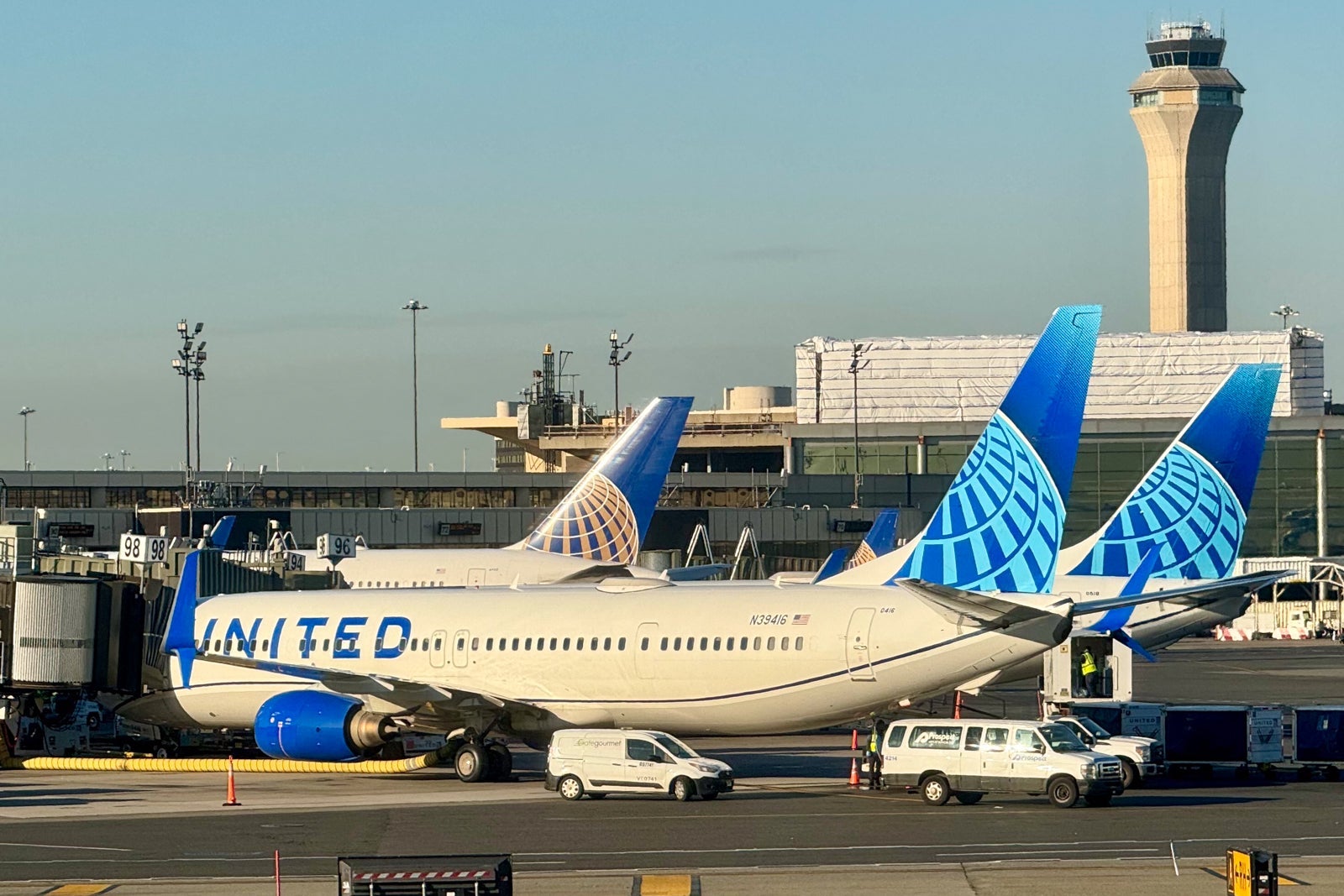
United Airlines CEO Scott Kirby offered a bleak outlook for ultra-low-cost carriers — which have been struggling with sluggish domestic travel demand — during a call with analysts Wednesday morning.
"We also expected and now believe it'll happen even faster, that the domestic market is going to see a shakeout," he said during the call.
Kirby's comments on the Wednesday earnings call followed a LinkedIn post Tuesday, where he said ultra-low-cost carriers will be "forced to make adjustments."
"What's different this time, however, is that the lowest margin airlines are the so-called low-cost carriers, and that's where I think the changes are going to occur," Kirby wrote on LinkedIn. "As a result, United is going to emerge in a structurally stronger and sustainable position."
While travel has boomed since pandemic-related restrictions were lifted, demand has begun to soften, hitting ultra-low-cost carriers the hardest. Ultra-low-cost carriers offer a bare-bones short-haul service to primarily leisure destinations with no premium products. That's now costing them customers who are opting to splurge on more expensive long-haul flights and premium products.
As a result, airlines are expecting a rougher fourth quarter and start to 2024, with an outsize impact expected for the major ultra-low-cost carriers like Spirit Airlines, Frontier Airlines and Allegiant Airlines. Spirit and Frontier also told investors at a conference last month that they are forecasting significant losses for the third quarter.
Landing gear in the kitchen? Touring United's renovated Chicago headquarters in the Willis Tower
"There are only so many seats Florida, Cancun or Vegas can support in such a short period of time," Andrew Nocella, United's chief commercial officer, said on the call.
Ultra-low-cost carriers have also been squeezed by rising fuel and labor costs, putting further pressure on the ultra-low-cost carrier business model that doesn't generate revenue through premium cabins or lounges.

This isn't the first time Kirby has criticized the ultra-low-cost carrier business model. In 2019, Kirby said the business model is one the carriers "are not in control of" at the Skift Forum Asia.
Kirby's remarks come as United plans to grow its basic economy class, hoping to further sway travelers away from its ultra-low-cost competitors. United saw major gains in its basic economy offerings as third-quarter revenue for the seat class rose by 50% from the same period last year.
The Chicago-based carrier is betting that the travelers who fly with ultra-low-cost carriers will instead flock to United for its low fares and premium products.
Snazzy to the MAX: Putting United's newest cabin to the test
Nocella said on the earnings call that basic economy comprises 12% of United's domestic passengers and is expected to be even more competitive in the market following the arrival of larger aircraft, which will allow United to add more basic economy seating.
Kirby also took a swipe at Frontier, referencing the carrier's policy that cracked down on passengers trying to take a carry-on-size bag as a personal item in order to avoid paying the ancillary fees.
"I mean charging people $99 at the gate and paying your employees a commission to take their purses away crossed the line," Kirby said. "And so while they've gone in one direction, we've gone the other with an improved product."
The decision to expand basic economy is also part of United's strategy to offer a wide array of products to remain competitive in the industry.
"All the way from basic economy, which just allows us to compete profitably on price on the low end," Kirby said, "and all the way up to Polaris on long-haul international, United is able to give our customers the real choice they want."
Related reading:
TPG featured card
at American Express's secure site
Terms & restrictions apply. See rates & fees.
| 4X | Earn 4X Membership Rewards® points per dollar spent on purchases at restaurants worldwide, on up to $50,000 in purchases per calendar year, then 1X points for the rest of the year. |
| 4X | Earn 4X Membership Rewards® points per dollar spent at US supermarkets, on up to $25,000 in purchases per calendar year, then 1X points for the rest of the year. |
| 5X | Earn 5X Membership Rewards® points on prepaid hotel stays booked through AmexTravel.com or the Amex Travel App™. |
| 3X | Earn 3X Membership Rewards® points on flights booked through AmexTravel.com, the Amex Travel App™, or purchased directly from airlines. |
| 2X | Earn 2X Membership Rewards® points on prepaid car rentals booked through AmexTravel.com or the Amex Travel App™ and cruises booked and paid through AmexTravel.com. |
| 1X | Earn 1X Membership Rewards® point per dollar spent on all other eligible purchases. |
Pros
- Valuable dining and food-related credits
- Flexible rewards with airline and hotel transfer partners
- Multiple travel and purchase protections
- No foreign transaction fees
- Access to Amex Offers for additional savings (enrollment required)
Cons
- Not as useful for those living outside the U.S.
- Some may have trouble using Uber and other dining credits
- You may be eligible for as high as 100,000 Membership Rewards® Points after you spend $8,000 in eligible purchases on your new Card in your first 6 months of Card Membership. Welcome offers vary and you may not be eligible for an offer. Apply to know if you’re approved and find out your exact welcome offer amount – all with no credit score impact. If you’re approved and choose to accept the Card, your score may be impacted.
- Earn 4X Membership Rewards® points per dollar spent on purchases at restaurants worldwide, on up to $50,000 in purchases per calendar year, then 1X points for the rest of the year.
- Earn 4X Membership Rewards® points per dollar spent at US supermarkets, on up to $25,000 in purchases per calendar year, then 1X points for the rest of the year.
- Earn 5X Membership Rewards® points on prepaid hotel stays booked through AmexTravel.com or the Amex Travel App™.
- Earn 3X Membership Rewards® points on flights booked through AmexTravel.com, the Amex Travel App™, or purchased directly from airlines.
- Earn 2X Membership Rewards® points on prepaid car rentals booked through AmexTravel.com or the Amex Travel App™ and cruises booked and paid through AmexTravel.com.
- Earn 1X Membership Rewards® point per dollar spent on all other eligible purchases.
- Pay It® lets you tap in the American Express® App to quickly pay for small purchase amounts throughout the month and still earn rewards the way you usually do. Plan It® gives you the option to split up big purchases into equal monthly payments with a fixed fee. You’ll know upfront exactly how much you’ll pay.
- $120 Dining Credit: Earn up to a total of $10 in statement credits monthly when you pay with the Gold Card at Grubhub (including Seamless), Buffalo Wild Wings, Five Guys, The Cheesecake Factory, and Wonder. This can be an annual savings of up to $120. Enrollment required.
- $100 Resy Credit: Get up to $100 in statement credits each calendar year at over 10,000 qualifying U.S. Resy restaurants after you pay for eligible purchases with the American Express® Gold Card. That’s up to $50 in statement credits semi-annually. Enrollment required.
- $84 Dunkin' Credit: Earn up to $7 in monthly statement credits after you pay with the American Express® Gold Card at U.S. Dunkin’ locations. Enrollment required.
- $120 Uber Cash on Gold: Enjoy up to $120 in Uber Cash annually with your Gold Card. Just add your Card to your Uber account and you'll get $10 in Uber Cash each month to use on orders and rides in the U.S. when you select an Amex Card for your transaction.
- Enjoy complimentary Hertz Five Star® Status benefits like skipping the counter at select locations, adding an additional driver at no additional cost*, and vehicle upgrades**. Benefit enrollment and Hertz Gold+ registration are required. *Additional drivers must meet standard rental qualifications and must be a spouse or domestic partner to qualify as complimentary. Other additional drivers subject to fees. **Benefits are subject to availability and vary by location. Additional Hertz program Terms and Conditions including age restrictions apply.
- Book two nights or more with The Hotel Collection through AmexTravel.com or the Amex Travel App™ and receive a $100* credit towards eligible charges at over 1,400 upscale hotels worldwide. *Eligible charges vary by property.
- Book your travel through the Amex Travel App™ with added peace of mind – backed by American Express® service and support. Only for American Express® Card Members.
- Whenever you need us, we're here. Our Member Services team will ensure you are taken care of. From lost Card replacement to statement questions, we are available to help 24/7.
- No Foreign Transaction Fees.
- Annual Fee is $325.
- Terms Apply.