Why coronavirus could mark the return of fifth freedom flights

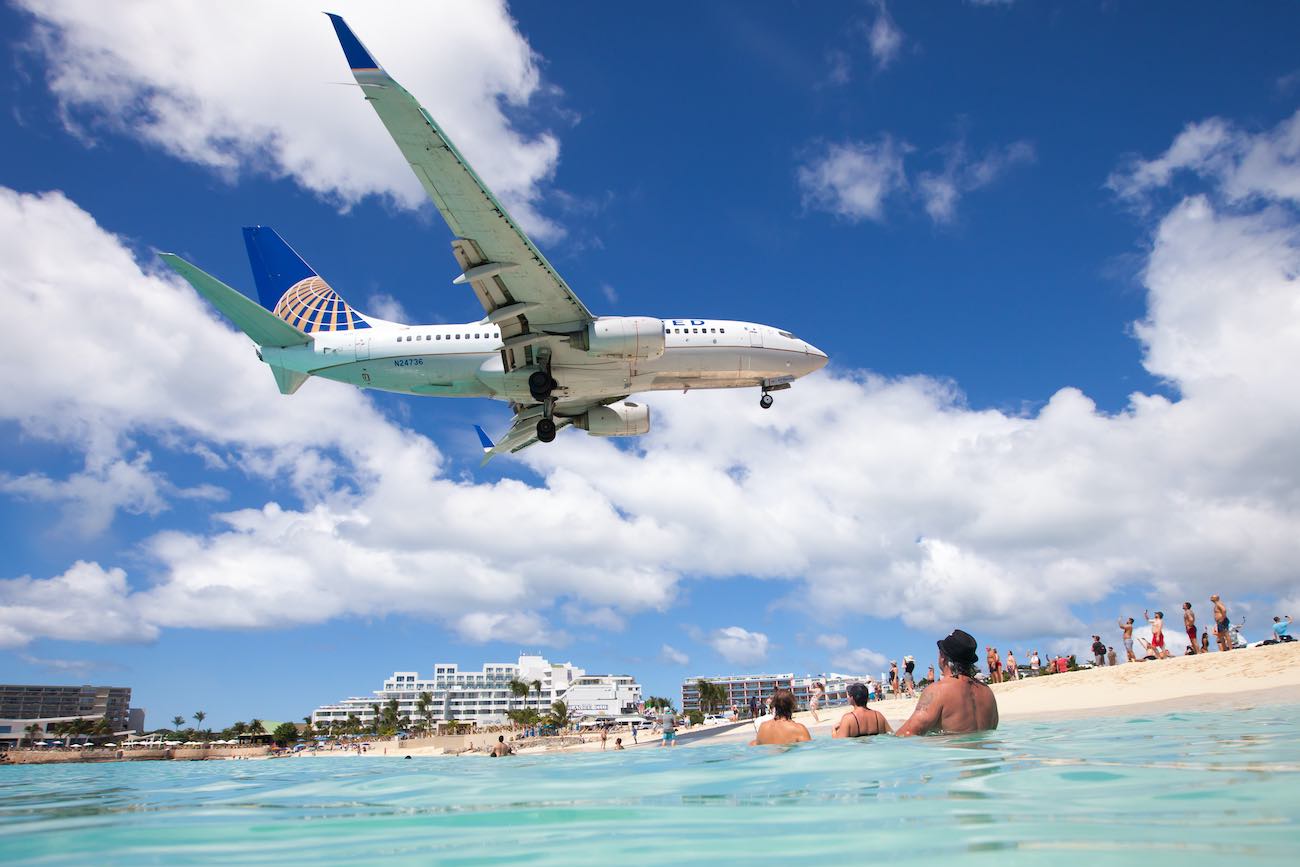
I've always had a fascination with fifth freedom flights. They bring me back to a time before I was born, when carriers like PanAm, Trans World Airlines and Northwest Orient not only had hubs at home in the U.S., but in Asia and Europe as well. In the '80s early '90s, PanAm operated seemingly obscure routes for a U.S. airline, like Frankfurt (FRA) to Karachi (KHI), Lisbon (LIS) to Barcelona (BCN) and Santiago (SCL) to Sao Paulo (GRU).
Nowadays, air travel relies on airline alliances and partnerships for international travel, and ultra-long-haul routes are on the rise. This largely negated any need for U.S. airlines to operate international hubs, and Delta Air Lines — the last U.S. airline with a true international hub — announced the closure of its Tokyo-Narita (NRT) hub in 2019.
That said, I do think we'll see the resurgence of fifth freedom routes in a post-coronavirus world. As a refresher, a fifth freedom flight is one that's operated between two countries that aren't the operating airlines' home country; for example, Singapore Airlines' New York-JFK to Frankfurt route. These have long acted as a way for airlines to serve new cities and drum up new demand, and I think it's the key for airlines to keep serving international routes when we emerge from the coronavirus outbreak.
Here's why we might see more fifth freedom routes as travel ramps up again.
For more travel tips and news, sign up for our daily newsletter.
[table-of-contents /]
Ultra-long-haul aren't practical post-coronavirus
One reason for the demise of the international hub is ultra-long-haul routes. Before the coronavirus pandemic, you could fly daily from Newark (EWR) to Singapore (SIN) on Singapore Airlines, and United from San Francisco (SFO) to Singapore. Internationally, we've seen other ultra-long-haul routes like London (LHR) to Perth (PER) on Qantas, and the airline once showed interest in launching nonstop service from Sydney (SYD) to London and New York.
While convenient, these flights aren't exceptionally profitable. Recent numbers show that Qantas only achieved a 2% profit yield on its London to Perth service, and burned 30% more fuel than a one-stop service through the Middle East. Additionally, break-even load was 16% higher than a one-stop service, so Qantas would have to fill at least 80% of the plane to not lose money on the flight.
On the other hand, Singapore Airlines only operates premium economy and business class cabins on its Newark to Singapore service. In 2018, the airline's CEO stated that the airline had trouble selling premium economy tickets on the flight, even when fares were as low as $1,600 round-trip.

The airline was selling business class tickets without an issue, but that was far before the coronavirus outbreak pummeled the travel industry. Business travel — the main driver of these routes — will likely resume after leisure travel, but it may never return to pre-coronavirus demand. With that in mind, demand on these ultra-long-haul routes may never return either.
Fifth freedom routes would let airlines consolidate service while not cutting cities
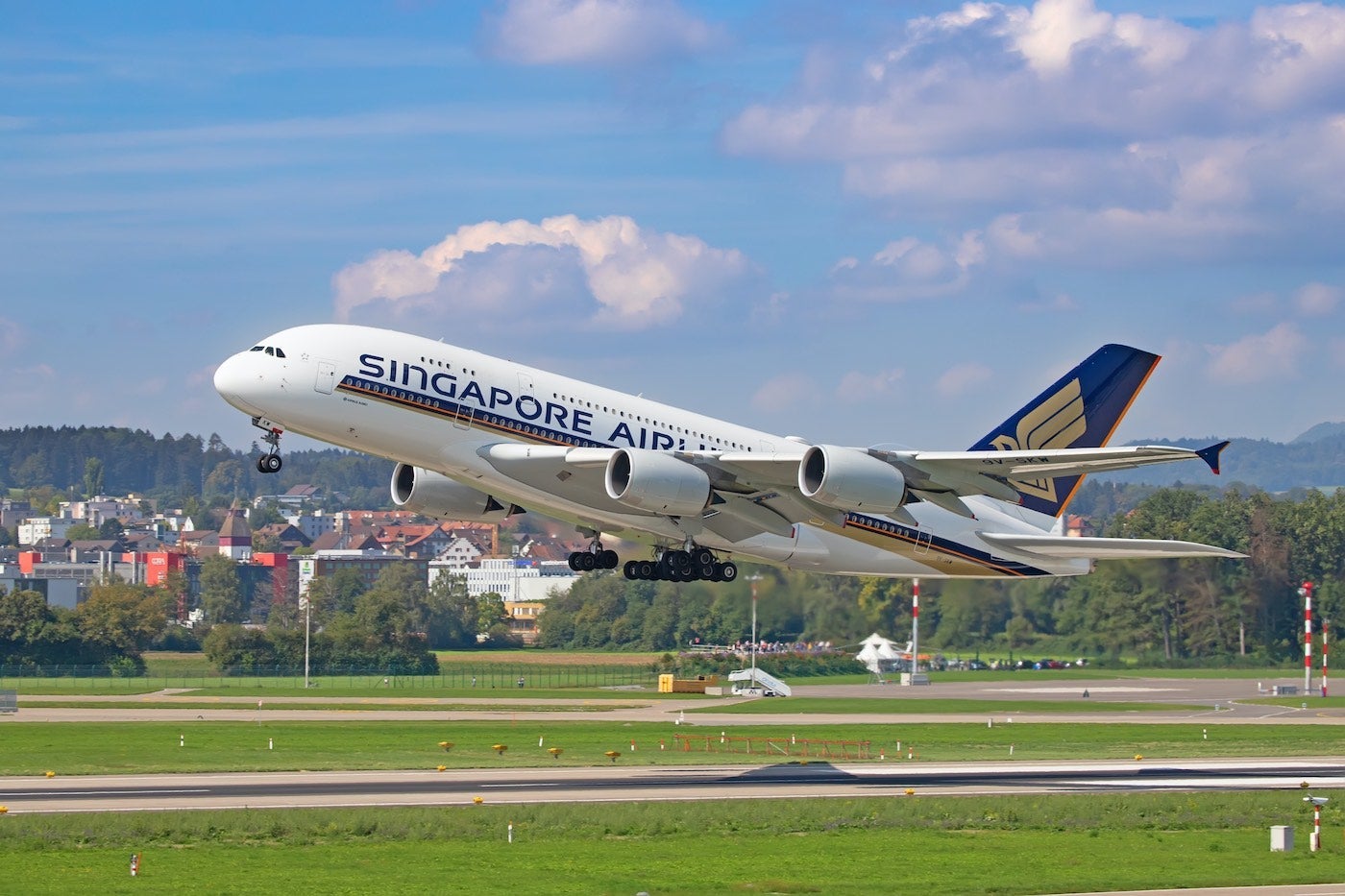
Singapore Airlines also operates a one-stop service from New York-JFK to Singapore via Frankfurt and Houston (IAH) via Manchester (MAN). The airline has fifth freedom rights between NYC and Frankfurt, giving it access to the lucrative trans-Atlantic market. The New York to Frankfurt route is especially interesting as Frankfurt is a hub for Lufthansa, one of its Star Alliance partners. So not only can the airline sell tickets on this route, but it can sell connecting tickets onward to other European destinations.
This will be particularly useful for Singapore Airlines as coronavirus travel returns. If leisure travel to Europe returns before business travel to Asia, the airline will be able to sell tickets from New York and Houston to recoup some of its losses. Plus, it can still move connecting business traffic to Singapore without relying on a partner airline.
U.S. airlines may have to do something similar in the future, too. If demand falls sharply on United's route from San Francisco to Sydney, it could continue to serve the city by operating its nonstop flight from San Francisco to Auckland (AKL) and tagging on a fifth freedom route from Auckland to Sydney.
Fifth freedom routes help airlines grow
Fifth freedom routes have also helped airlines expand over the years. One good example of this is Emirates — it operates a ton of fifth freedom routes around the world, including two departing from the New York metro area: Newark to Athens (ATH) and New York-JFK to Milan (MXP).
These two routes are extremely important to Emirates too. Milan is one of the most competitive routes at JFK, with Alitalia, American, Delta and Emirates all offering year-round scheduled service. In fact, the route is so popular for Emirates, that Emirates President Sir Tim Clark told TPG Editor at Large Zach Honig that "every single flight is full" in a 2019 interview.
While fifth freedom routes currently make up less than 1% of Emirates' traffic, the airline is eager to add more flights to the U.S.. Unfortunately, it's run into issues getting approval to do so, but we could still see it happen if airlines cut New York frequencies in a post-coronavirus world.
Plus, like Singapore Airlines, Emirates offers connecting service from both Athens and Milan to its hub in Dubai (DXB), giving the airline additional frequencies from New York to Dubai for business and leisure travelers.
Cathay Pacific has a similar strategy in Taipei (TPE). Despite the airport being a hub for both EVA Air and China Airlines, it operates fifth freedom flights from Taipei to Seoul (ICN) and a handful of Japanese cities, as well as its hub in Hong Kong.
Could a similar strategy help U.S. airlines?
Emirates and Singapore Airlines have a huge advantage when it comes to fifth freedom routes. Both of the airlines have ultraposh premium products on new planes — so when travelers are presented with the choice of an aging American 777 or an Emirates A380 from New York to Milan, the choice is easy if prices are similar.
However, U.S. airlines have been revamping their cabins, upping onboard service and purchasing new planes over the years. This has given us new business class products like Delta One Suites and United Polaris, both of which rival many international business class products (but still fall behind Singapore Airlines).
So if Delta were to launch connecting service from, say, Tokyo-Haneda (HND) to Hong Kong (HKG), it may have some luck bringing over both business and leisure travelers that want to experience Delta One Suites. Plus, it would add Hong Kong back to Delta's network and be the only nonstop SkyTeam flight on the ultra-popular route.
Fifth Freedom routes can be more dynamic than partnerships
Airline partnerships are great — they open up more destinations to travelers and are profitable for major airlines around the world. For example, Kansas City (MCI) to Munich (MUC) isn't a practical route for Lufthansa to operate nonstop, but it can still access the Kansas City market by connecting passengers through its U.S. gateway at Chicago-O'Hare (ORD) with Star Alliance partner United Airlines.
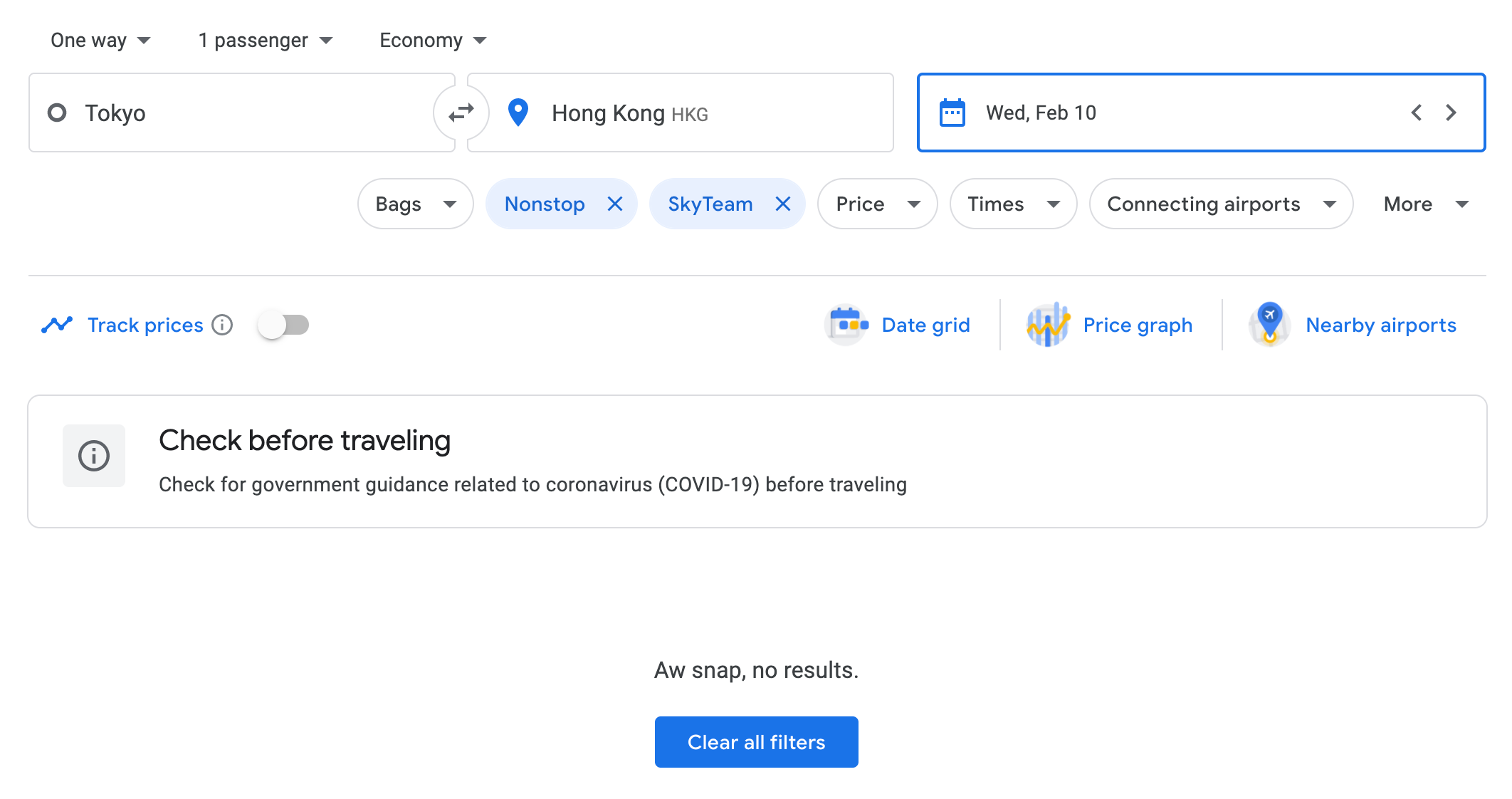
There are times when these partnerships fall short though. As discussed earlier, there's no nonstop flight from Tokyo to Hong Kong on SkyTeam airlines, making it hard for Delta to connect passengers despite offering many nonstop flights from the U.S. to Tokyo. If Delta added its own flight on this route, it'd open up a new market and wouldn't have to share profits with a connecting airline.
This is even more important in a world where passengers will be weary of connecting through additional airports. So immediately following coronavirus, I think it will be hard for Delta to sell a two-stop connecting ticket even if it's on a cheap fare.
Of course, Delta could connect passengers to Hong Kong (and other airports) through Shanghai (PVG) with its partnership with China Eastern, but given the U.S. and China's current air travel dispute, this connection could be cut at any time.
The cargo factor
Air cargo has become extremely important since the coronavirus outbreak started ravaging the world. It's been used to ship medical supplies and other essentials around the world, oftentimes on passenger planes.
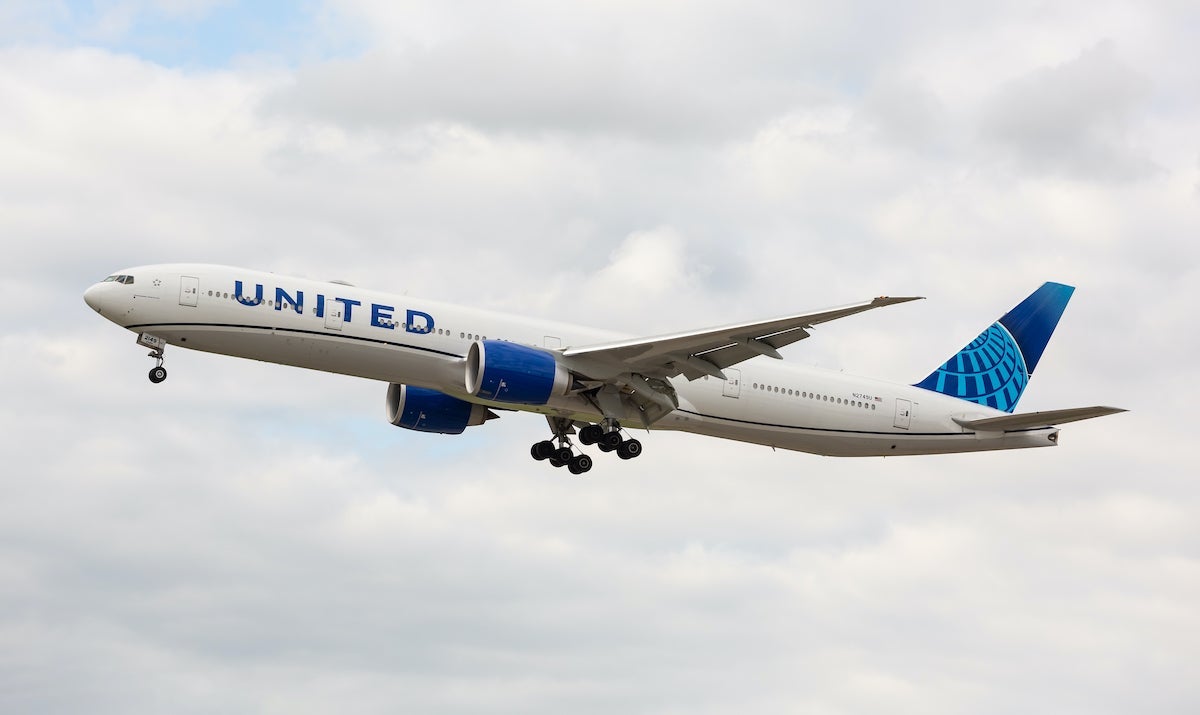
This is becoming so important that United has asked for DOT approval to operate a new fifth-freedom flight from Hong Kong to Singapore. The airline flew this route in years past, but cut it shortly after the airline started nonstop service from San Francisco to Singapore.
Interestingly enough, though, United's DOT application notes that United reserves the right to add passenger traffic to this route in the future. Doing this would allow United to cut its nonstop route from San Francisco to Singapore, and instead offer a one-stop route from San Francisco to Singapore via Hong Kong.
If airlines added more fifth-freedom routes, they'd open themselves up to more cargo routes too. This is especially important for U.S. airlines as none of the big three operate a dedicated cargo fleet and could use added cargo traffic to subsidize passenger traffic until demand recovers.
Bottom line
While we may never see a truly global airline again, I think we will see airlines around the world fly more fifth freedom routes in a post-coronavirus travel world. It will not only help airlines save money by consolidating routes, but earn more on cargo and international point-to-point traffic too.
Feature photo by Skycolors/Shutterstock
TPG featured card

at Capital One's secure site
Terms & restrictions apply. See rates & fees.
| 5X miles | Earn 5X miles on hotels, vacation rentals and rental cars booked through Capital One Travel |
| 2X miles | Earn unlimited 2X miles on every purchase, every day |
Pros
- Stellar welcome offer of 75,000 miles after spending $4,000 on purchases in the first three months from account opening. Plus, a $250 Capital One Travel credit to use in your first cardholder year upon account opening.
- You'll earn 2 miles per dollar on every purchase, which means you won't have to worry about memorizing bonus categories
- Rewards are versatile and can be redeemed for a statement credit or transferred to Capital One’s transfer partners
Cons
- Highest bonus-earning categories only on travel booked via Capital One Travel
- LIMITED-TIME OFFER: Enjoy $250 to use on Capital One Travel in your first cardholder year, plus earn 75,000 bonus miles once you spend $4,000 on purchases within the first 3 months from account opening - that’s equal to $1,000 in travel
- Earn unlimited 2X miles on every purchase, every day
- Earn 5X miles on hotels, vacation rentals and rental cars booked through Capital One Travel
- Miles won't expire for the life of the account and there's no limit to how many you can earn
- Receive up to a $120 credit for Global Entry or TSA PreCheck®
- Use your miles to get reimbursed for any travel purchase—or redeem by booking a trip through Capital One Travel
- Enjoy a $50 experience credit and other premium benefits with every hotel and vacation rental booked from the Lifestyle Collection
- Transfer your miles to your choice of 15+ travel loyalty programs
- Top rated mobile app