Airlines, airports shift terminals as passenger traffic craters

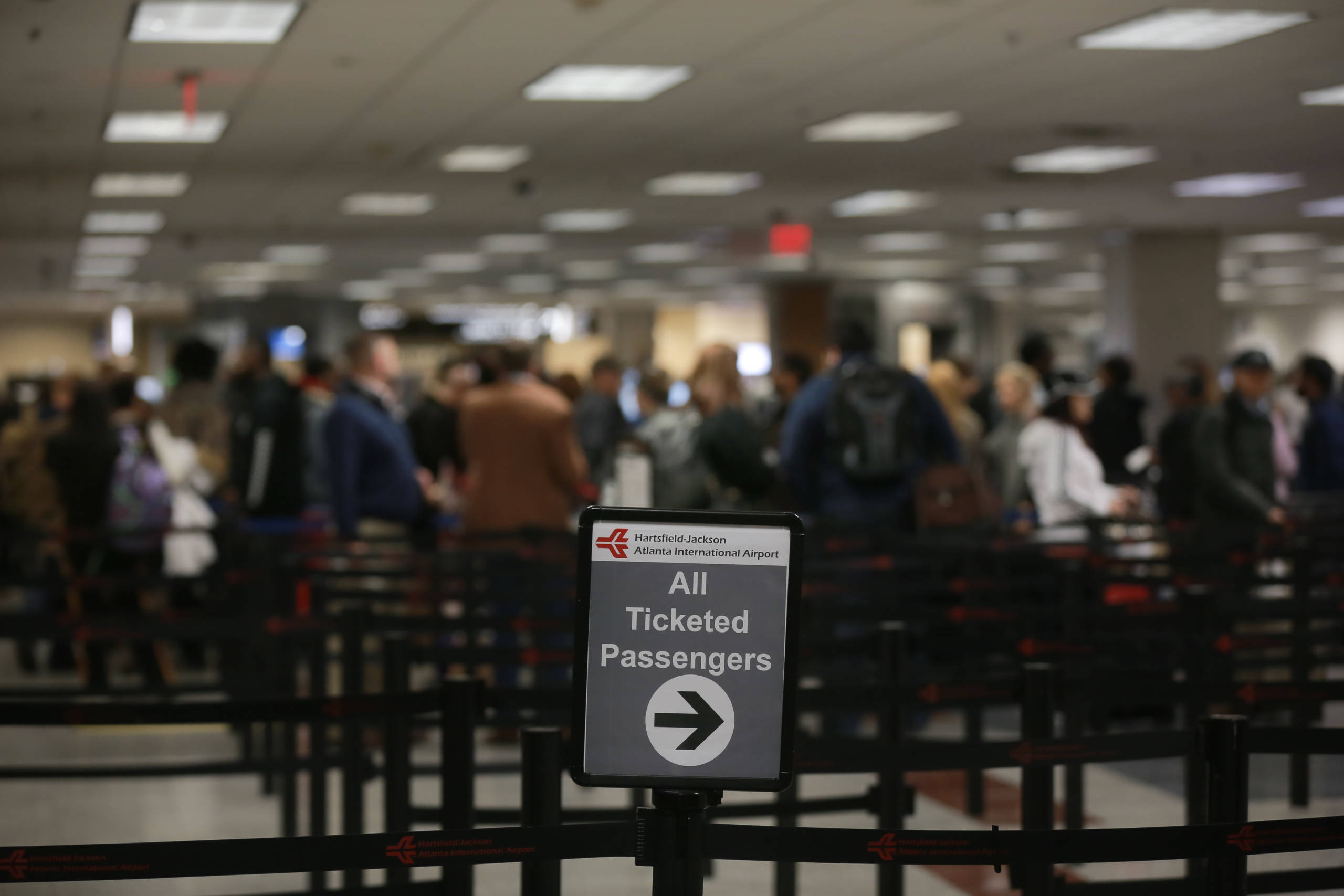
Travelers around the U.S. may be heading to different terminals than usual for their flights, as airports consolidate operations to cope with a major drop in demand and a lack of available Transportation Security Administration agents for screening.
The scope of the changes remains fluid as the industry struggles to keep pace with the effects of the quickly-evolving coronavirus pandemic.
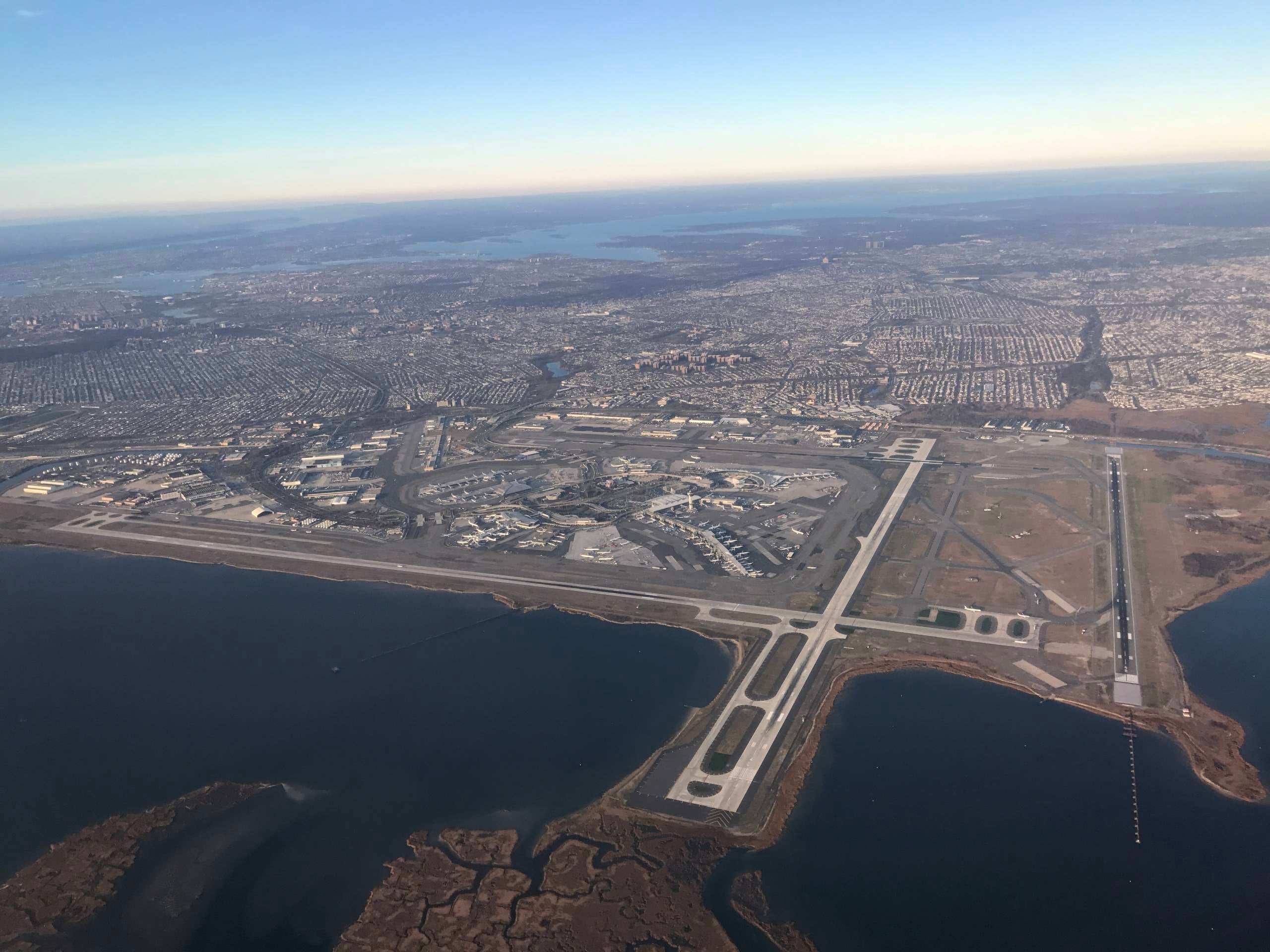
For example, at New York's JFK Airport, all passengers now must check in at Terminal 4 after 8 p.m. (8:30 for JetBlue passengers).
Sign up for the free daily TPG newsletter for more airline news.
Operations at JFK are also somewhat consolidated earlier in the day, with airlines including British Airways, Alaska Airlines and Iberia mostly vacating Terminal 7 and bunking up with American in Terminal 8. Alaska said arrivals after 9 p.m. will continue using Terminal 7 for the time being.
For Oneworld flyers, the changes at JFK offer a preview of what's to come when a redevelopment project there is completed and brings AA and BA together under one roof for good. American and British Airways, of course, are each members of the Oneworld alliance.
Related: Coronavirus-related waivers and schedule changes in place at U.S. airlines.
Elsewhere in the New York area, Delta has consolidated its LaGuardia check-ins to Terminal C, and United has brought all of its land-side operations to Terminal C in Newark as a result of the TSA closing the Terminal A checkpoint. United is still using gates in Terminal A for some flights, and passengers can take a post-security bus there from Terminal C.
"TSA has seen a significant decrease in the number of travelers flying nationwide," an agency representative said in a statement. "In some cases, due to the desire to maintain social distancing, some checkpoint lanes at airports are not open to ensure passengers are spaced apart by not having two lanes open adjacent to each other."

Other airports are seeing consolidated operations as well.
American Airlines, for example, continues to operate out of all terminals at Dallas/Fort Worth International Airport, but has closed some gates in response to decreased demand.
In Houston, United Airlines has consolidated check-in operations to Terminals C and E, and the TSA has closed the Terminal B security checkpoint.
"We are looking at all the things we can do to save on costs, and this is one of them: consolidating terminals," said David Gonzalez, a United Airlines spokesman. "We're just doing everything we can to make sure our customers continue to receive the customer service they're accustomed to from us."
In Atlanta, the busiest airport in the world by passenger volume, Delta is reducing its footprint at its main hub, scaling back its use of concourses C, D and E, according to the Atlanta Journal-Constitution. In a memo to employees reviewed by TPG, Delta's CEO said the airline is using a runway at ATL for airplane storage. Delta has also temporarily shuttered operations at JFK's Terminal 2, as well as Terminal 3 at LAX.
It's likely that airport operations will remain in flux as airlines continue to cut their schedules.
According to American Airlines, it was operating less than half its network-wide schedule on Wednesday, with 75% of its JFK operation canceled, 70% at LGA and even a 53% reduction at DFW.
For airlines, help getting through the slump is on the horizon, with an aid package worth $50 billion expected to become law by the end of the week. While grants and loans may provide a temporary shot in the arm for U.S. carriers, it remains unclear when demand for travel will rebound, and it's likely that the airline industry will look different for a long time, even after the pandemic passes.
TPG featured card

at Capital One's secure site
Terms & restrictions apply. See rates & fees.
| 5X miles | Earn 5X miles on hotels, vacation rentals and rental cars booked through Capital One Travel |
| 2X miles | Earn unlimited 2X miles on every purchase, every day |
Pros
- Stellar welcome offer of 75,000 miles after spending $4,000 on purchases in the first three months from account opening. Plus, a $250 Capital One Travel credit to use in your first cardholder year upon account opening.
- You'll earn 2 miles per dollar on every purchase, which means you won't have to worry about memorizing bonus categories
- Rewards are versatile and can be redeemed for a statement credit or transferred to Capital One’s transfer partners
Cons
- Highest bonus-earning categories only on travel booked via Capital One Travel
- LIMITED-TIME OFFER: Enjoy $250 to use on Capital One Travel in your first cardholder year, plus earn 75,000 bonus miles once you spend $4,000 on purchases within the first 3 months from account opening - that’s equal to $1,000 in travel
- Earn unlimited 2X miles on every purchase, every day
- Earn 5X miles on hotels, vacation rentals and rental cars booked through Capital One Travel
- Miles won't expire for the life of the account and there's no limit to how many you can earn
- Receive up to a $120 credit for Global Entry or TSA PreCheck®
- Use your miles to get reimbursed for any travel purchase—or redeem by booking a trip through Capital One Travel
- Enjoy a $50 experience credit and other premium benefits with every hotel and vacation rental booked from the Lifestyle Collection
- Transfer your miles to your choice of 15+ travel loyalty programs
- Top rated mobile app