The Points Guy believes that credit cards can transform lives, helping you leverage everyday spending for cash back or travel experiences that might otherwise be out of reach. That's why we publish a variety of editorial content and card comparisons: to help you find a great card to turn your goals into reality.
Our site may earn compensation when a customer clicks on a link, when an application is approved, or when an account is opened with our partners, and this may impact how or where these products appear. While we don't cover all available credit cards, our editorial team creates and maintains all of the analysis of these cards, and our content is not influenced nor subject to review by any credit card company, bank or partner prior to (or after) publication. Please view our advertising policy and product review methodology for more information.
Advertiser disclosure
The Points Guy believes that credit cards can transform lives, helping you leverage everyday spending for cash back or travel experiences that might otherwise be out of reach. That's why we publish a variety of editorial content and card comparisons: to help you find a great card to turn your goals into reality.
Our site may earn compensation when a customer clicks on a link, when an application is approved, or when an account is opened with our partners, and this may impact how or where these products appear. While we don't cover all available credit cards, our editorial team creates and maintains all of the analysis of these cards, and our content is not influenced nor subject to review by any credit card company, bank or partner prior to (or after) publication. Please view our advertising policy and product review methodology for more information.
Guides
7 things to understand about credit before applying for a new card
Stella is a full-time writer with expertise in credit cards, points and miles, and all things travel. She is a journalism graduate of the University of North Carolina, Chapel Hill and previously worked as a copywriter at JetBlue Airways and as a credit cards writer at LendingTree.
When Ryan worked as a TPG credit cards writer, he oversaw refreshes of card reviews and card offer stories. He enjoyed racking up cash back and helping readers maximize their points and miles for their next big trip.
also contributed to this story
July 29, 2024 • 10 min read
The cards we feature here are from partners who compensate us when you are approved through our site, and this may impact how or where these products appear. We don't cover all available credit cards, but our analysis, reviews, and opinions are entirely from our editorial team. Terms apply to the offers listed on this page. Please view our advertising policy and product review methodology for more information.Editorial disclaimer: Opinions expressed here are the author's alone, not those of any bank, credit card issuer, airline or hotel chain, and have not been reviewed, approved or otherwise endorsed by any of these entities.
Comments
By commenting, you agree to our Community Guidelines to help create a positive space for conversation. The responses below are not provided or commissioned by the bank advertiser, our partners, or The Points Guy (“TPG”). They have not been reviewed, approved, or otherwise endorsed by any of these parties. All responses are submitted by individual contributors, and neither the bank advertiser, our partners, nor TPG are responsible for ensuring that all posts and/or questions are answered.
Related stories
Quick summary
The article outlines seven key factors to understand before applying for a new rewards credit card, including the importance of knowing your credit score and credit utilization ratio.
It dispels common myths, such as the idea that carrying a balance improves your credit score, and emphasizes paying off balances in full each month.
Guidance is provided on selecting cards with minimal fees, understanding issuer-specific rules for bonus eligibility and considering business cards even for side hustles.
The article stresses the importance of not overextending financially to meet bonus requirements and maintaining responsible credit habits.
What to consider
Some offers mentioned in the article are no longer available.
Issuer-specific rules, such as limits on bonus eligibility and application frequency, can impact approval and rewards.
Maintaining a low credit utilization ratio and keeping long-standing accounts open can help improve your credit score.
What you'll miss from the article
A detailed breakdown of common credit mistakes and practical steps to optimize your credit card application strategy.
Generated by AI with support from our editorial team.
Update: Some offers mentioned below are no longer available. View the current offers here.
When you apply for a new credit card, your credit score plays a large role in whether or not the bank approves you.
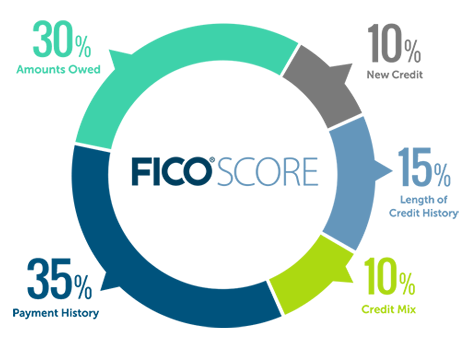
Two of the most commonly used score types are FICO and VantageScore. Although the exact formulas used to calculate these score types aren’t publicly available, FICO states its scores are based 35% on payment history, 30% on amounts owed, 15% on the length of credit history, 10% on new credit and 10% on your mix of credit.
You can and should check your credit score frequently. Luckily, there are many free ways to do so.
For example, many credit cards offer a free FICO score to cardholders. You can also request your credit report for free from each of the three major credit reporting agencies every 12 months. By examining your credit report, you can check that the information used to calculate your credit score is accurate.
Banks and other lenders use your credit score to determine your creditworthiness. Having a good credit score by no means guarantees a decision in your favor, though. Even with an excellent credit score, you could still get declined for a specific credit card. After all, credit card companies also consider other factors when deciding whether to approve your application.
However, knowing your credit score should inform your credit card strategy. For example, if you have a low credit score, you may need to start with a student or a secured credit card to build up your credit. Once you know your score, you can work to improve it.
One credit card myth is that carrying a balance on your credit card will boost your credit score. However, this myth is busted. The reality is that if you carry a large balance on your credit card, your credit score will drop. On top of that, you’ll need to pay interest on your balance, which will effectively slash the value of any rewards you’ve earned on your card.
If you are currently carrying a balance on one or more credit cards, your priority should not be to earn rewards but to decrease your credit card debt. For example, a balance transfer credit card could help you avoid interest charges while you work to pay off your debt.
Using a 0% introductory annual percentage rate credit card could help you finance a large purchase if you don’t have the cash to cover it. But generally speaking, if you decide to open a new credit card, you should prioritize paying off your existing balances before you start accruing interest on another card.
As noted above, the amount you currently owe accounts for 30% of your FICO score. The amount you owe affects your credit utilization ratio, which is the relationship between your balances and total available credit across all your revolving accounts (including credit cards).
It’s generally a good idea to keep your credit utilization ratio below 30%. So, if you only have one credit card with a credit limit of $10,000, you shouldn’t let your balance rise above $3,000. If your credit utilization creeps above 30%, you can lower it by making a payment on your card. Even if you pay your credit card balances in full each month, you’ll want to ensure your credit utilization is preferably below 30% when you apply for a new credit card.
Of course, when you open a new credit card or request a credit limit increase, your credit utilization will drop because you’ll actually have more credit available. Likewise, if you close a credit card or get your credit limit decreased, your credit utilization will increase because you’ll now have less credit available.
One of the first cards you should apply for in your credit journey is a no-annual-fee credit card, such as the Capital One VentureOne Rewards Credit Card. You may be able to get a no-annual-fee card with minimal benefits even if your credit score is relatively low, as some no-annual-fee cards are specifically designed for cardholders with poor to average credit. However, using this card responsibly can help you build credit and boost your credit score over time.
Plus, you can keep a no-annual-fee card account open for the foreseeable future without incurring any annual fees. Getting and keeping a no-annual-fee credit card can help your credit score by increasing your credit history length.
Knowing the rules and requirements of each issuer is an essential part of being successful with your credit card applications. Each issuer has different rules for welcome bonus eligibility.
For example, Chase’s 5/24 rule means that Chase will not approve you for most of its cards if you’ve opened five or more personal cards across all banks in the past 24 months. Due to Chase’s 5/24 rule, I often recommend adding cards in the Chase trifecta to your wallet before applying for other cards. Even if you aren’t ready to pay an annual fee, the Chase Freedom Unlimited® (see rates and fees) and Chase Freedom Flex® (see rates and fees) are excellent no-annual-fee cards to get while you’re under Chase’s 5/24 rule.
Other issuers also have specific restrictions. For example, when determining your eligibility for its welcome bonuses, American Express considers whether you’ve held a particular card before in addition to your overall behavior opening and closing American Express cards.
When you sign up for a card with a welcome bonus, you typically need to complete a minimum spending requirement within a particular time frame to earn the bonus. Therefore, it’s critical to consider this minimum spending requirement when you see an appealing welcome bonus. After all, you need to spend this amount of money to get the bonus in the specified amount of time.
If you aren’t sure you can meet the spending requirements without carrying a balance or incurring extra expenses, don’t apply. After all, since most issuers restrict bonus eligibility to once every few years or once in a lifetime, you typically don’t want to apply for a card but not earn the bonus. Or worse, you certainly don’t want to spend more than planned just because you are chasing credit card rewards.
Business cards are for all types of small businesses, including new companies and entrepreneurs who may need to separate business expenses from personal expenses. Even individuals with a side hustle may be eligible for select small-business cards. In short, you might qualify for a business credit card without realizing it.
After all, your credit score is the leading determinant of your creditworthiness when applying for a new card. Having a good credit score can save you money.
Comments
By commenting, you agree to our Community Guidelines to help create a positive space for conversation. The responses below are not provided or commissioned by the bank advertiser, our partners, or The Points Guy (“TPG”). They have not been reviewed, approved, or otherwise endorsed by any of these parties. All responses are submitted by individual contributors, and neither the bank advertiser, our partners, nor TPG are responsible for ensuring that all posts and/or questions are answered.