What name should I put on my business credit card application?


Editor's Note
For many small-business owners, a business credit card is a smart and effective way to help manage business-related expenses.
With the right card, you gain numerous advantages beyond the convenience of having an extended line of credit. With responsible use, you can build your business credit history. You may also be able to earn rewards, receive free employee cards and get access to expense management software.
When you're ready to apply for a business credit card, the process won't be the same as applying for a personal credit card. In addition to some personal information, you'll also need to provide several business-related details. This includes how long you've been in business, your annual business revenue and the number of employees.
You'll also be asked to provide your business name. This can be your personal name or your legal business name if you have one.
Not sure which one to use? Keep reading to learn more and decide what name to put on your business credit card.
Why you might want a business credit card
There are plenty of reasons to apply for a business credit card. The simplest reason is if you have an established business and are looking for a better way to organize your expenses.

Even if you don't need a business card, you might want one to help separate your work expenses from personal ones. It can also prevent your spending balances from being reported on your personal credit report. This can keep your credit utilization low on your personal credit report and thus help you maintain a higher credit score.
Or, maybe you want to earn some nice welcome bonuses without affecting your eligibility for future personal credit card applications and avoiding restrictions such as Chase's 5/24 rule.
What name should you apply with for a business credit card?
The specific answer to this question will depend on your business's structure. Banks allow you to specify whether you are applying as a partnership, a type of corporation or a sole proprietorship, among other options.

Some card issuers will give you an overwhelming number of choices. Larger companies or those registered as corporations, LLCs or partnerships will have an easier time deciding what name to use — they will simply apply with the business's name.

Things get a little more complicated if you're a sole proprietor.
If you're not 100% sure of the business structure you should select, speak with a lawyer or tax professional. Many points enthusiasts will be applying as sole proprietors or self-employed for things like:
- DoorDash or Uber driver
- Rover petsitter
- Freelance writer
- Babysitter
Applying as a sole proprietor can be a great option because you don't need to file any paperwork with your state or federal government to form one; you establish a sole proprietorship simply by doing business. If you go this hassle-free route, you'll apply for business credit cards using your own name.
Some banks (especially Chase) like to ask for supporting documentation before approving a business card application, including proof of physical address. By using your name as the business name, you can submit rent or utility bills consistent with the information you gave on your application.
Related: Who qualifies for a business credit card?
How to get a credit card in your business name
Branding is half the battle in attracting customers, so maybe you don't want to call your new consulting firm just by your own name. If your business is operating under a name other than your legal name, you must file a DBA (doing business as) form.

The specific regulations on this (who, where, when and what you need to file) vary by state. Again, you should consult a legal professional before proceeding. This is a necessary step before you can open a bank account or line of credit under your business name.
In many ways, this is a warning about what not to do: Never, under any circumstances, make up a business name for your application without filling out the necessary paperwork first.
Not only will you have no recourse if a card issuer asks you for supporting business documentation, but you'd also be committing fraud by passing yourself off as a business that doesn't exist. The simple and short answer for most business owners looking to apply for business cards is to use your own name and keep things simple and legal.
Related: The ultimate guide to credit card application restrictions
Bottom line
Business credit cards can be a great way to enjoy even more welcome bonuses, bonus spending categories and other valuable perks. If you qualify for business credit cards, remember that these applications often face slightly more intense scrutiny than personal credit card applications.
Always be prepared to present your business registration certificate or other relevant documents if needed. When in doubt, consult a legal professional, and if you're applying as a sole proprietorship, consider just using your own name as your business name.
Related: Considerations for your small-business credit card strategy
TPG featured card
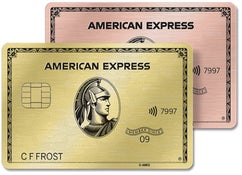
at American Express's secure site
Terms & restrictions apply. See rates & fees.
| 4X | Earn 4X Membership Rewards® points per dollar spent on purchases at restaurants worldwide, on up to $50,000 in purchases per calendar year, then 1X points for the rest of the year. |
| 4X | Earn 4X Membership Rewards® points per dollar spent at US supermarkets, on up to $25,000 in purchases per calendar year, then 1X points for the rest of the year. |
| 5X | Earn 5X Membership Rewards® points on prepaid hotel stays booked through AmexTravel.com or the Amex Travel App™. |
| 3X | Earn 3X Membership Rewards® points on flights booked through AmexTravel.com, the Amex Travel App™, or purchased directly from airlines. |
| 2X | Earn 2X Membership Rewards® points on prepaid car rentals booked through AmexTravel.com or the Amex Travel App™ and cruises booked and paid through AmexTravel.com. |
| 1X | Earn 1X Membership Rewards® point per dollar spent on all other eligible purchases. |
Pros
- Valuable dining and food-related credits
- Flexible rewards with airline and hotel transfer partners
- Multiple travel and purchase protections
- No foreign transaction fees
- Access to Amex Offers for additional savings (enrollment required)
Cons
- Not as useful for those living outside the U.S.
- Some may have trouble using Uber and other dining credits
- You may be eligible for as high as 100,000 Membership Rewards® Points after you spend $8,000 in eligible purchases on your new Card in your first 6 months of Card Membership. Welcome offers vary and you may not be eligible for an offer. Apply to know if you’re approved and find out your exact welcome offer amount – all with no credit score impact. If you’re approved and choose to accept the Card, your score may be impacted.
- Earn 4X Membership Rewards® points per dollar spent on purchases at restaurants worldwide, on up to $50,000 in purchases per calendar year, then 1X points for the rest of the year.
- Earn 4X Membership Rewards® points per dollar spent at US supermarkets, on up to $25,000 in purchases per calendar year, then 1X points for the rest of the year.
- Earn 5X Membership Rewards® points on prepaid hotel stays booked through AmexTravel.com or the Amex Travel App™.
- Earn 3X Membership Rewards® points on flights booked through AmexTravel.com, the Amex Travel App™, or purchased directly from airlines.
- Earn 2X Membership Rewards® points on prepaid car rentals booked through AmexTravel.com or the Amex Travel App™ and cruises booked and paid through AmexTravel.com.
- Earn 1X Membership Rewards® point per dollar spent on all other eligible purchases.
- Pay It® lets you tap in the American Express® App to quickly pay for small purchase amounts throughout the month and still earn rewards the way you usually do. Plan It® gives you the option to split up big purchases into equal monthly payments with a fixed fee. You’ll know upfront exactly how much you’ll pay.
- $120 Dining Credit: Earn up to a total of $10 in statement credits monthly when you pay with the Gold Card at Grubhub (including Seamless), Buffalo Wild Wings, Five Guys, The Cheesecake Factory, and Wonder. This can be an annual savings of up to $120. Enrollment required.
- $100 Resy Credit: Get up to $100 in statement credits each calendar year at over 10,000 qualifying U.S. Resy restaurants after you pay for eligible purchases with the American Express® Gold Card. That’s up to $50 in statement credits semi-annually. Enrollment required.
- $84 Dunkin' Credit: Earn up to $7 in monthly statement credits after you pay with the American Express® Gold Card at U.S. Dunkin’ locations. Enrollment required.
- $120 Uber Cash on Gold: Enjoy up to $120 in Uber Cash annually with your Gold Card. Just add your Card to your Uber account and you'll get $10 in Uber Cash each month to use on orders and rides in the U.S. when you select an Amex Card for your transaction.
- Enjoy complimentary Hertz Five Star® Status benefits like skipping the counter at select locations, adding an additional driver at no additional cost*, and vehicle upgrades**. Benefit enrollment and Hertz Gold+ registration are required. *Additional drivers must meet standard rental qualifications and must be a spouse or domestic partner to qualify as complimentary. Other additional drivers subject to fees. **Benefits are subject to availability and vary by location. Additional Hertz program Terms and Conditions including age restrictions apply.
- Book two nights or more with The Hotel Collection through AmexTravel.com or the Amex Travel App™ and receive a $100* credit towards eligible charges at over 1,400 upscale hotels worldwide. *Eligible charges vary by property.
- Book your travel through the Amex Travel App™ with added peace of mind – backed by American Express® service and support. Only for American Express® Card Members.
- Whenever you need us, we're here. Our Member Services team will ensure you are taken care of. From lost Card replacement to statement questions, we are available to help 24/7.
- No Foreign Transaction Fees.
- Annual Fee is $325.
- Terms Apply.