What the COVID-19 vaccine might mean for your travel plans

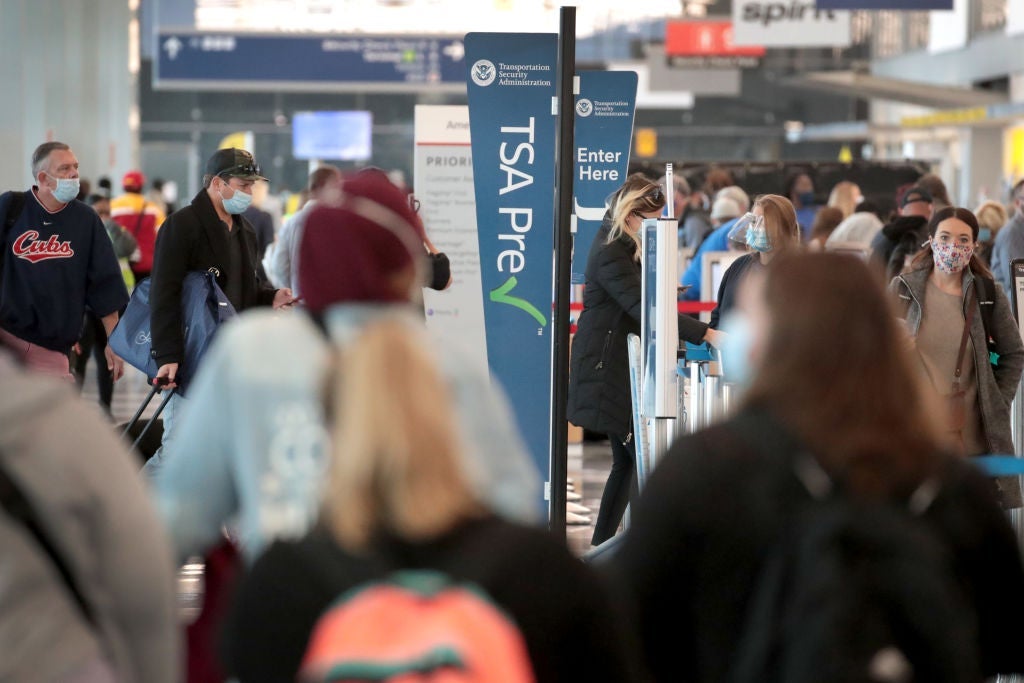
Even though less than 5% of the U.S. population has been fully vaccinated against the novel coronavirus so far, some travel providers and governments are already accepting proof of vaccination as a requirement for travel — or a substitute for quarantine and COVID-19 testing requirements.
Iceland, for example, is among the first countries to issue COVID-19 vaccination certificates that will allow people to skip the mandatory quarantine. And at the beginning of February, Georgia said any traveler who could provide proof they'd received the full course of any COVID-19 vaccine could enter the country.
There are also a handful of cruise lines that have announced plans to make the vaccine a requirement for passengers.
Related: Country-by-country guide to where you can go if you're vaccinated
What's more, travelers who've had the vaccine are itching to hit the road.
"I have multiple trips planned for later this year, the biggest one being South Africa," said Michele Scott, a physician and member of TPG's Facebook group, after receiving her first dose of the vaccine. "[But even after being vaccinated], I'm still taking precautions [like] wearing a mask, wiping my seat down and using hand sanitizer," she said.
So, once you've been vaccinated, can you immediately head to the airport? Is it safe to toss your mask, board a plane and travel worry-free? The short answer: No.
Here's everything you need to know about traveling after being vaccinated.
Can you travel after being vaccinated?
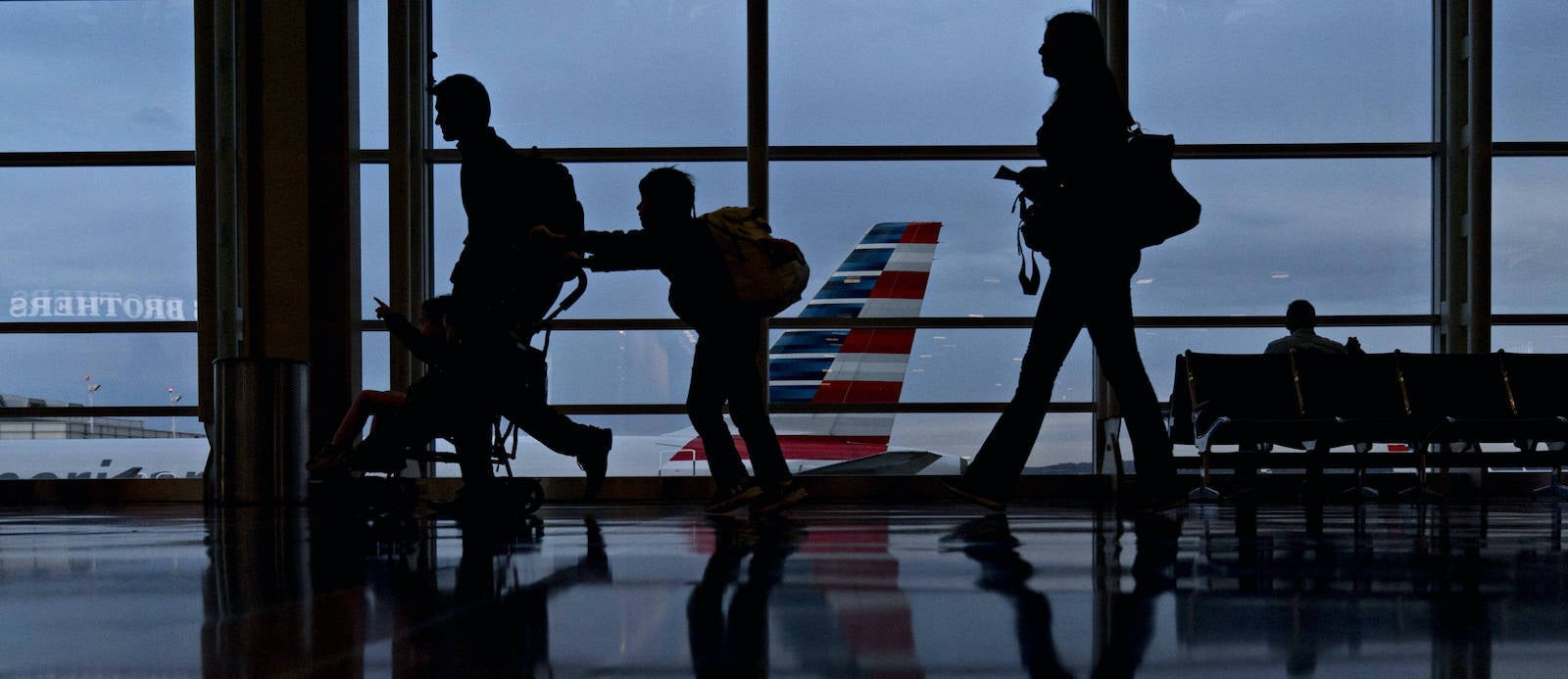
The arrival of multiple vaccines has inspired optimism about the return of travel.

And it's likely that many destinations and travel providers will eventually require travelers to provide proof of having received a COVID-19 vaccine for entry — or at least as a requisite for skipping quarantine or testing requirements.
But even if you've been vaccinated, you might not be fully in the clear, as the vaccine doesn't protect you until at least one week after you've taken the second dose, several experts told TPG.
"It takes a while for the immune system to kick in," said Kacey Ernst, an epidemiology professor at the Univerisity of Arizona. "So, you don't want to go get vaccinated and hop on your flight the next day and expect that you're covered."
Related: These are the U.S. travel advisories for January 2021
Can you spread the virus if you've been vaccinated?
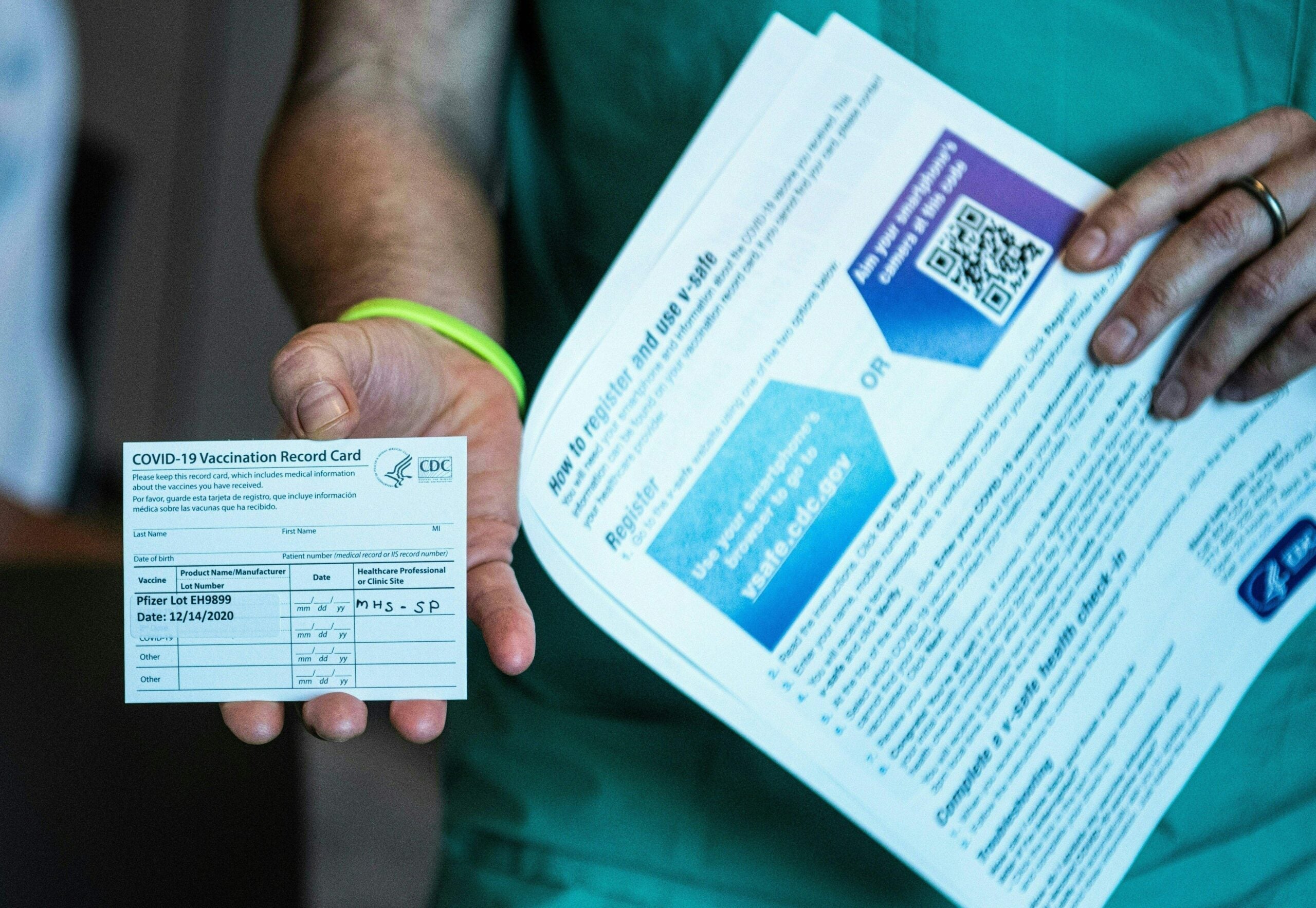
The U.S. Centers for Disease Control and Prevention (CDC) says it's possible a person could be infected with COVID-19 just before or just after vaccination and still get sick. But the vaccine will not make you sick with COVID-19, nor will you test positive after being vaccinated.
What still isn't entirely clear, however, is whether someone who has been vaccinated can unkowingly carry and spread the virus without expressing any symptoms.
That's why experts say if you're traveling, it's essential to continue practicing all recommended health measures. So, that indoor party you planned to throw to celebrate your vaccination? Probably not a good idea.
Indoor and other high-risk activities should be avoided, even if you're around others who have been vaccinated.
And, if you're thinking about heading straight from your first vaccination appointment to the airport, that's not a great idea either. Trials of the first doses of the Pfizer and Moderna vaccines had a 52.4% and 80.2% efficacy rate, respectively.
"We know what the high-risk factors are, but [COVID-19] still behaves in a way where we don't have all of the answers and data points," said Dr. Jenny Yu, the senior manager for medical integrity at Healthline (owned by TPG's parent company, Red Ventures).
"Because of that, we can't have [large gatherings] until everyone's vaccinated. Even though you're protected … to protect others, it's still necessary to take precautions."
Can you skip quarantine if you've been vaccinated?

If you're in the U.S., yes -- with several caveats.
The CDC recently said fully vaccinated people would no longer be required to quarantine after being exposed to someone with COVID-19 if they meet all the criteria, including:
- Being fully vaccinated
- Being within three months following receipt of the last dose
- Remaining asymptomatic since exposure
But the CDC says travelers, regardless of vaccination status, should still self-quarantine for at least seven days following travel if they receive a negative COVID-19 test and experience no symptoms (and 10 days without a test).
And being vaccinated definitely won't exempt you from the new order requiring you to present a negative COVID-19 test before flying to the United States from abroad — at least not right now.
Related: The CDC says people who are fully vaccinated can skip quarantine — with caveats
What if I'm traveling to a place that hasn't vaccinated many people?

The vaccination rollout in the U.S. hasn't exactly gone smoothly, and Europe isn't faring much better, either.
That means if you're traveling in the U.S. or abroad right now, you're going to come into contact with people who haven't been vaccinated. Several experts reiterated to TPG that you shouldn't let your guard down even after being vaccinated.
"Having situational awareness and knowing what's going on in the area where you're traveling to, and being cognizant of the level of risk that you're traveling from, is important," said Ernst.
Just because you've been vaccinated doesn't mean you can disregard all public health advice. So, you must continue to wear your mask, practice social distancing and pack your hand sanitizer and disinfecting wipes along with your passport.
Achievig herd immunity (which occurs when a significant percentage of a population is immune to an infection) can take a while. For measles, as an example, about 95% of a population must be vaccinated for herd immunity, while the threshold is about 80% for polio.It's not yet known what the percentage is for the novel coronavirus, but one indication that COVID-19 doesn't behave like other diseases is Dr. Anthony Fauci's changing estimates. In December, he said between 75 and 85% of the population must be vaccinated to achieve herd immunity, up from 60 to 70% early on in the pandemic.Will a vaccine passport be required to travel?
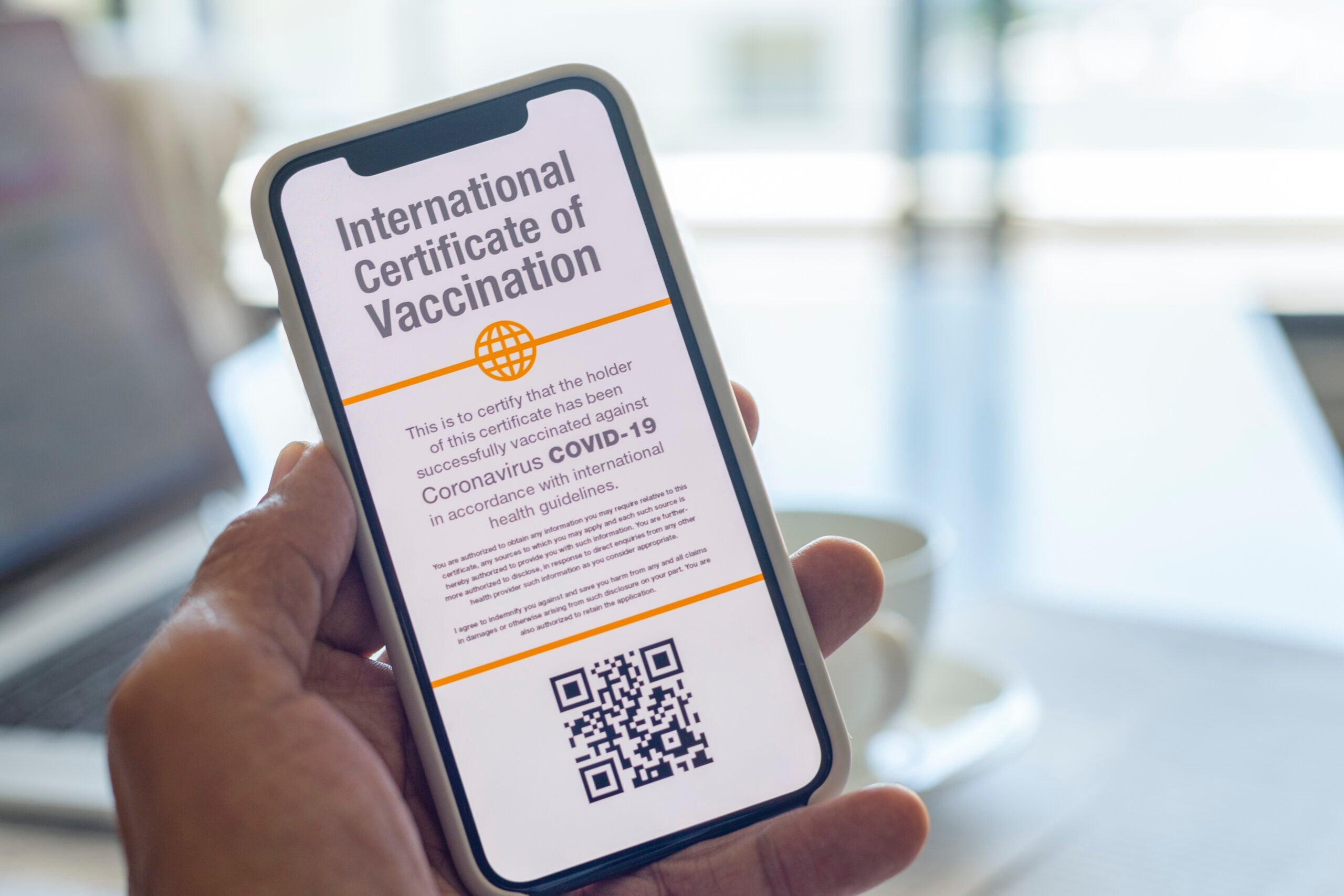
Experts have said that health or vaccine passports could reshape the travel industry. This would be a form of proof that you've taken the coronavirus vaccine or have tested negative for COVID-19.
Several companies have already announced or rolled out health passports. American Airlines and British Airways worked with a technology firm, Daon, to introduce a mobile health passport called VeriFLY.
IATA announced it's in the final stage of developing a digitalized "Travel Pass" that would help support the reopening of international borders.
And Australia's flag carrier, Qantas, has said it's working toward requiring all passengers to present proof of vaccination before boarding — a process that would leverage an electronic vaccination passport that might look similar to IATA's Travel Pass.
At this time, it's unclear how health or vaccine passports would be standardized around the world. In December, however, the World Health Organization (WHO) told TPG it was "exploring how the common vaccination record could be done electronically."
Otherwise, travelers may need to be prepared to download a bevy of new apps before their next international trip or cruise.
Related: Will you need an immunity passport to fly? How the COVID-19 vaccine will restart travel
Bottom line
Being vaccinated against COVID-19 is vital to stamping out the pandemic and will be key to travel's comeback. But even if you've been vaccinated, experts cautioned travelers to continue practicing the health standards introduced during the pandemic.
"Continue to wear your mask, have hand sanitizer [and] go travel, go have fun, go enjoy the places that you want to see," Ernst said. "Just do it in a sensible manner."
TPG featured card
at American Express's secure site
Terms & restrictions apply. See rates & fees.
| 4X | Earn 4X Membership Rewards® points per dollar spent on purchases at restaurants worldwide, on up to $50,000 in purchases per calendar year, then 1X points for the rest of the year. |
| 4X | Earn 4X Membership Rewards® points per dollar spent at US supermarkets, on up to $25,000 in purchases per calendar year, then 1X points for the rest of the year. |
| 5X | New! Earn 5X Membership Rewards® points on prepaid hotel stays booked through AmexTravel.com or the Amex Travel App. |
| 3X | Earn 3X Membership Rewards® points on flights booked through AmexTravel.com, the Amex Travel App, or purchased directly from airlines. |
| 2X | Earn 2X Membership Rewards® points on prepaid car rentals booked through AmexTravel.com or the Amex Travel App and cruises booked and paid through AmexTravel.com. |
| 1X | Earn 1X Membership Rewards® point per dollar spent on all other eligible purchases. |
Pros
- Valuable dining and food-related credits
- Flexible rewards with airline and hotel transfer partners
- Multiple travel and purchase protections
- No foreign transaction fees
- Access to Amex Offers for additional savings (enrollment required)
Cons
- Not as useful for those living outside the U.S.
- Some may have trouble using Uber and other dining credits
- You may be eligible for as high as 100,000 Membership Rewards® Points after you spend $8,000 in eligible purchases on your new Card in your first 6 months of Card Membership. Welcome offers vary and you may not be eligible for an offer. Apply to know if you’re approved and find out your exact welcome offer amount – all with no credit score impact. If you’re approved and choose to accept the Card, your score may be impacted.
- Earn 4X Membership Rewards® points per dollar spent on purchases at restaurants worldwide, on up to $50,000 in purchases per calendar year, then 1X points for the rest of the year.
- Earn 4X Membership Rewards® points per dollar spent at US supermarkets, on up to $25,000 in purchases per calendar year, then 1X points for the rest of the year.
- New! Earn 5X Membership Rewards® points on prepaid hotel stays booked through AmexTravel.com or the Amex Travel App.
- Earn 3X Membership Rewards® points on flights booked through AmexTravel.com, the Amex Travel App, or purchased directly from airlines.
- Earn 2X Membership Rewards® points on prepaid car rentals booked through AmexTravel.com or the Amex Travel App and cruises booked and paid through AmexTravel.com.
- Earn 1X Membership Rewards® point per dollar spent on all other eligible purchases.
- Pay It® lets you tap in the American Express® App to quickly pay for small purchase amounts throughout the month and still earn rewards the way you usually do. Plan It® gives you the option to split up big purchases into equal monthly payments with a fixed fee. You’ll know upfront exactly how much you’ll pay.
- Updated! $120 Dining Credit: Earn up to a total of $10 in statement credits monthly when you pay with the Gold Card at Grubhub (including Seamless), Buffalo Wild Wings, Five Guys, The Cheesecake Factory, and Wonder. This can be an annual savings of up to $120. Enrollment required.
- $100 Resy Credit: Get up to $100 in statement credits each calendar year at over 10,000 qualifying U.S. Resy restaurants after you pay for eligible purchases with the American Express® Gold Card. That’s up to $50 in statement credits semi-annually. Enrollment required.
- $84 Dunkin' Credit: Earn up to $7 in monthly statement credits after you pay with the American Express® Gold Card at U.S. Dunkin’ locations. Enrollment required.
- $120 Uber Cash on Gold: Enjoy up to $120 in Uber Cash annually with your Gold Card. Just add your Card to your Uber account and you'll get $10 in Uber Cash each month to use on orders and rides in the U.S. when you select an Amex Card for your transaction.
- New! As an American Express® Gold Card Member, you can enjoy complimentary Hertz Five Star® Status. Enjoy benefits like skipping the counter at select locations, adding an additional driver at no additional cost*, and vehicle upgrades**. Benefit enrollment and Hertz Gold+ registration are required. *Additional drivers must meet standard rental qualifications and must be a spouse or domestic partner to qualify as complimentary. Other additional drivers subject to fees. **Benefits are subject to availability and vary by location. Additional Hertz program Terms and Conditions including age restrictions apply.
- Take advantage of a $100 credit towards eligible charges* at over 1,300 upscale hotels worldwide when you book The Hotel Collection through AmexTravel.com or the Amex Travel App **. *Eligible charges vary by property. **The Hotel Collection requires a two-night minimum stay.
- Book your travel through the Amex Travel App with added peace of mind – backed by American Express® service and support. Only for American Express® Card Members.
- Whenever you need us, we're here. Our Member Services team will ensure you are taken care of. From lost Card replacement to statement questions, we are available to help 24/7.
- No Foreign Transaction Fees.
- Annual Fee is $325.
- Terms Apply.