How you plan and organize your trip says more about you than you think


The way I see it, there are two types of people in this world: People who show up for a trip, and people who show up for their trip.
Personally, I have a borderline obsessive methodology for planning a vacation. I plan my trip around where I'm eating, and will spend countless hours researching and cross-checking the best spots from various reviews and social media platforms.
For more TPG news delivered each morning to your inbox, sign up for our daily newsletter.
Then, you have someone like my mother, who used a pen and paper to organize her trip to Barcelona and Amsterdam this summer and called it a spreadsheet. Yes, she's the cutest.
Related: Where you should travel to this year, based on your Myers-Briggs type
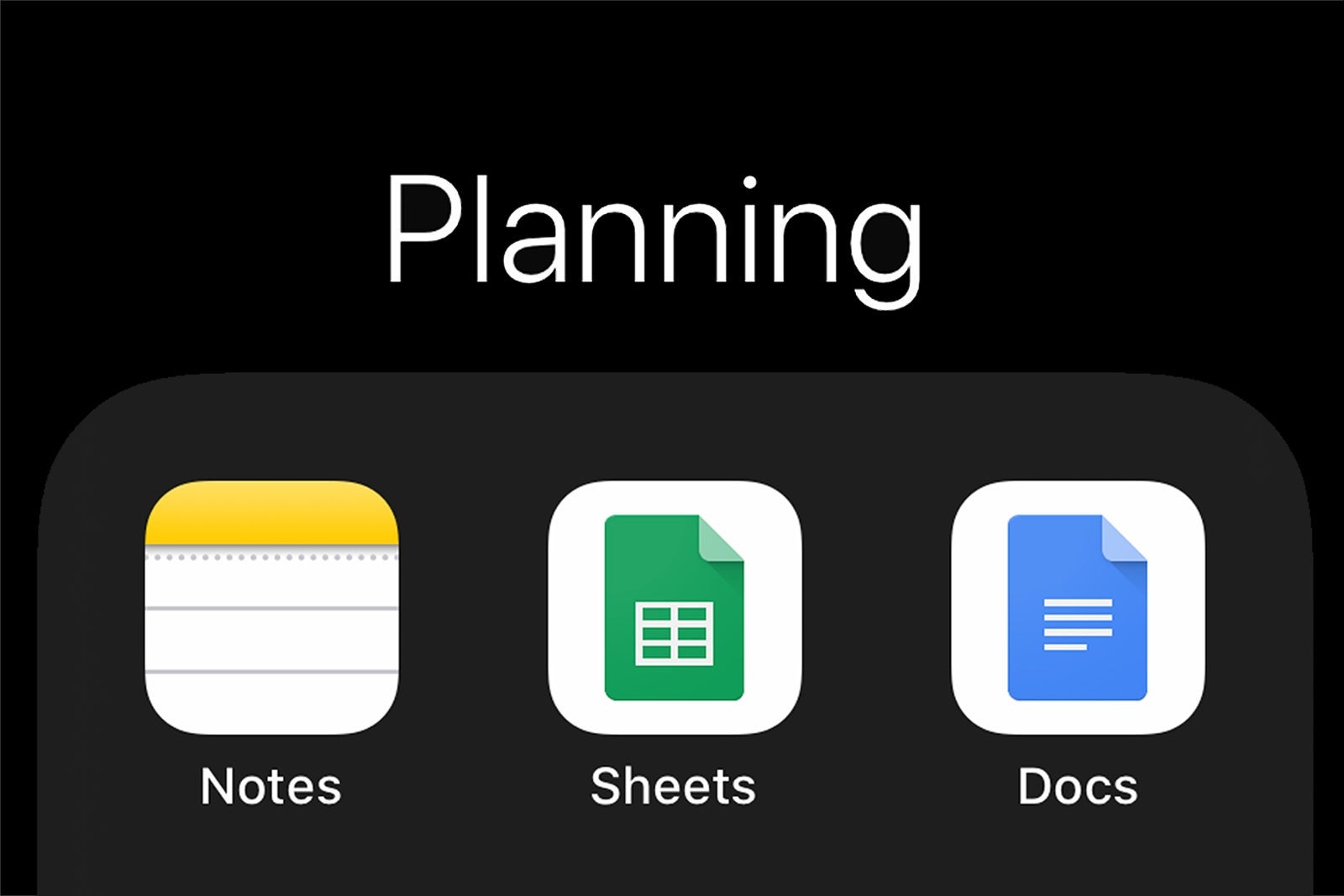
Since we know you're all actively planning out your 2020 travels (and, for some of you, an entire decade's worth of trips) we decided to look at some of the various strategies travelers have for organizing itineraries. Here's what your spreadsheet, notepad or spontaneous "anything goes" attitude say about you.
Spreadsheets
There's no way around this one. You're Type A through and through, and you don't settle for anything less than absolute perfection. The thought of not abiding to a schedule by the second makes you break out in hives. When you're not traveling, you're the one in your family or group of friends who makes the restaurant reservations. Since we know you like to plan ahead, set an award alert so you know precisely when availability opens up. You can add it to your spreadsheet after.
Senior reporter Katie Genter uses Google Sheets to keep track of hotels reservations, flights and other important bookings. That way, the details of each segment and the confirmation and booking numbers are all in one place. While it might have been stressful planning it all out, you know putting your itinerary in a hyper-organized spreadsheet with functions that automatically tally your current points and miles balance will make the entire trip seamless.
Word document
Using a Word or Google document makes it easy for you to keep everything in one place ... and save it in a folder on your desktop with all the other odds and ends you need for your vacation. You probably have a 10-step skincare routine but frequently lose your AirPods.

If you're using Google Docs, you're likely planning a group trip, so you need an easy way to share recommendations and collaborate with your companions. If you're organizing your trip with Microsoft Word, we have a feeling you're something of a traditionalist. Since we know you're probably going to stay in a chain hotel, make sure you're getting extra bonus points for it. Win, win.
Google Maps
You like to fly a little bit below the radar — after all, Google Maps may just be the most underrated way to plan a trip. When you're not planning a vacation to the other side of the world, you're likely setting calendar alerts so you never miss an appointment. You recently Marie Kondo-ed your apartment and you've never been prouder.
TPG reporter Liz Hund swears by this method, and typically organizes her itineraries with color-coded pins tracking the restaurants she wants to try, for example, and attractions she wants to see. This helps her visualize what locations are in close proximity to each other, and helps her better organize her vacation. Plus, you can easily share it with all your friends and family afterward.
Notes app
You thrive on structure and prefer to have all of the details mapped and planned out, but know you need to give yourself a little wiggle room for the inevitable delay or travel mishap. You want to be able to change your itinerary if necessary, so you don't like things totally set in stone. More likely than not, you're a big fan of the solo trip and firmly believe everyone should do it. (They should!)
Wallace Cotton, TPG's community manager (and arguably one of the biggest AvGeeks in the office) said he uses his Notes app to track travel plans and added, "It's not creative, but it gets the job done." While you don't necessarily need the fanciest or shiniest things around, you like to have flexibility. After all, what happens if you see a place pop up on Instagram that you just have to see in person?
Pen and paper
You can't be bothered with technology, and that's OK. You have a trusted travel agent who you've been using for years, and you want to step up your points game to make a trip to New York since the TWA Hotel isn't going to see itself. You may even have your frequent flyer number from Continental Airlines stashed away somewhere.
Less flexible than the notes app but a similar sensibility, using a good old pen and paper can help you remember what activities and attractions you want to prioritize. Let's just hope you remember where you put that Post-It.
Nothing
You like to live life on the edge. You're the, "We'll cross that bridge when we see water" type of person, and you know what? That's great.
You've been known to plan a last-minute trip from time to time (who can resist a cheap deal to the Caribbean?!) and have Google Flights bookmarked to check flight prices to, well, anywhere, on a whim. Pro tip: Get a card that earns you bonus points for airfare purchases, so even when you go to book a last minute flight, you're earning valuable points and miles that you can use on your next one.
TPG featured card
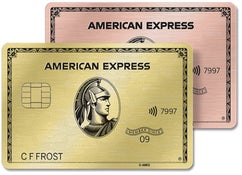
at American Express's secure site
Terms & restrictions apply. See rates & fees.
| 4X | Earn 4X Membership Rewards® points per dollar spent on purchases at restaurants worldwide, on up to $50,000 in purchases per calendar year, then 1X points for the rest of the year. |
| 4X | Earn 4X Membership Rewards® points per dollar spent at US supermarkets, on up to $25,000 in purchases per calendar year, then 1X points for the rest of the year. |
| 5X | Earn 5X Membership Rewards® points on prepaid hotel stays booked through AmexTravel.com or the Amex Travel App™. |
| 3X | Earn 3X Membership Rewards® points on flights booked through AmexTravel.com, the Amex Travel App™, or purchased directly from airlines. |
| 2X | Earn 2X Membership Rewards® points on prepaid car rentals booked through AmexTravel.com or the Amex Travel App™ and cruises booked and paid through AmexTravel.com. |
| 1X | Earn 1X Membership Rewards® point per dollar spent on all other eligible purchases. |
Pros
- Valuable dining and food-related credits
- Flexible rewards with airline and hotel transfer partners
- Multiple travel and purchase protections
- No foreign transaction fees
- Access to Amex Offers for additional savings (enrollment required)
Cons
- Not as useful for those living outside the U.S.
- Some may have trouble using Uber and other dining credits
- You may be eligible for as high as 100,000 Membership Rewards® Points after you spend $8,000 in eligible purchases on your new Card in your first 6 months of Card Membership. Welcome offers vary and you may not be eligible for an offer. Apply to know if you’re approved and find out your exact welcome offer amount – all with no credit score impact. If you’re approved and choose to accept the Card, your score may be impacted.
- Earn 4X Membership Rewards® points per dollar spent on purchases at restaurants worldwide, on up to $50,000 in purchases per calendar year, then 1X points for the rest of the year.
- Earn 4X Membership Rewards® points per dollar spent at US supermarkets, on up to $25,000 in purchases per calendar year, then 1X points for the rest of the year.
- Earn 5X Membership Rewards® points on prepaid hotel stays booked through AmexTravel.com or the Amex Travel App™.
- Earn 3X Membership Rewards® points on flights booked through AmexTravel.com, the Amex Travel App™, or purchased directly from airlines.
- Earn 2X Membership Rewards® points on prepaid car rentals booked through AmexTravel.com or the Amex Travel App™ and cruises booked and paid through AmexTravel.com.
- Earn 1X Membership Rewards® point per dollar spent on all other eligible purchases.
- Pay It® lets you tap in the American Express® App to quickly pay for small purchase amounts throughout the month and still earn rewards the way you usually do. Plan It® gives you the option to split up big purchases into equal monthly payments with a fixed fee. You’ll know upfront exactly how much you’ll pay.
- $120 Dining Credit: Earn up to a total of $10 in statement credits monthly when you pay with the Gold Card at Grubhub (including Seamless), Buffalo Wild Wings, Five Guys, The Cheesecake Factory, and Wonder. This can be an annual savings of up to $120. Enrollment required.
- $100 Resy Credit: Get up to $100 in statement credits each calendar year at over 10,000 qualifying U.S. Resy restaurants after you pay for eligible purchases with the American Express® Gold Card. That’s up to $50 in statement credits semi-annually. Enrollment required.
- $84 Dunkin' Credit: Earn up to $7 in monthly statement credits after you pay with the American Express® Gold Card at U.S. Dunkin’ locations. Enrollment required.
- $120 Uber Cash on Gold: Enjoy up to $120 in Uber Cash annually with your Gold Card. Just add your Card to your Uber account and you'll get $10 in Uber Cash each month to use on orders and rides in the U.S. when you select an Amex Card for your transaction.
- Enjoy complimentary Hertz Five Star® Status benefits like skipping the counter at select locations, adding an additional driver at no additional cost*, and vehicle upgrades**. Benefit enrollment and Hertz Gold+ registration are required. *Additional drivers must meet standard rental qualifications and must be a spouse or domestic partner to qualify as complimentary. Other additional drivers subject to fees. **Benefits are subject to availability and vary by location. Additional Hertz program Terms and Conditions including age restrictions apply.
- Book two nights or more with The Hotel Collection through AmexTravel.com or the Amex Travel App™ and receive a $100* credit towards eligible charges at over 1,400 upscale hotels worldwide. *Eligible charges vary by property.
- Book your travel through the Amex Travel App™ with added peace of mind – backed by American Express® service and support. Only for American Express® Card Members.
- Whenever you need us, we're here. Our Member Services team will ensure you are taken care of. From lost Card replacement to statement questions, we are available to help 24/7.
- No Foreign Transaction Fees.
- Annual Fee is $325.
- Terms Apply.