What to do when your hotel evacuates or can no longer host you


Have you ever arrived at a hotel to find it doesn't have room for you or has closed for repairs — or worse, had to evacuate during an emergency situation?
These scenarios are rare, but they can throw a wrench in your dream trip, not to mention put a dent in your wallet. Thankfully, there are things you can do to prepare for the unthinkable.
I talked to Michelle Couch-Friedman, an ombudsman columnist at The Points Guy and self-described "fiasco fixer," for the best ways travelers can protect themselves from unexpected hotel hiccups. What to do depends on the reason your hotel can no longer host you; let's walk through some of the most common scenarios you might face.
Related: I booked an airport hotel — at the wrong airport
When emergency strikes
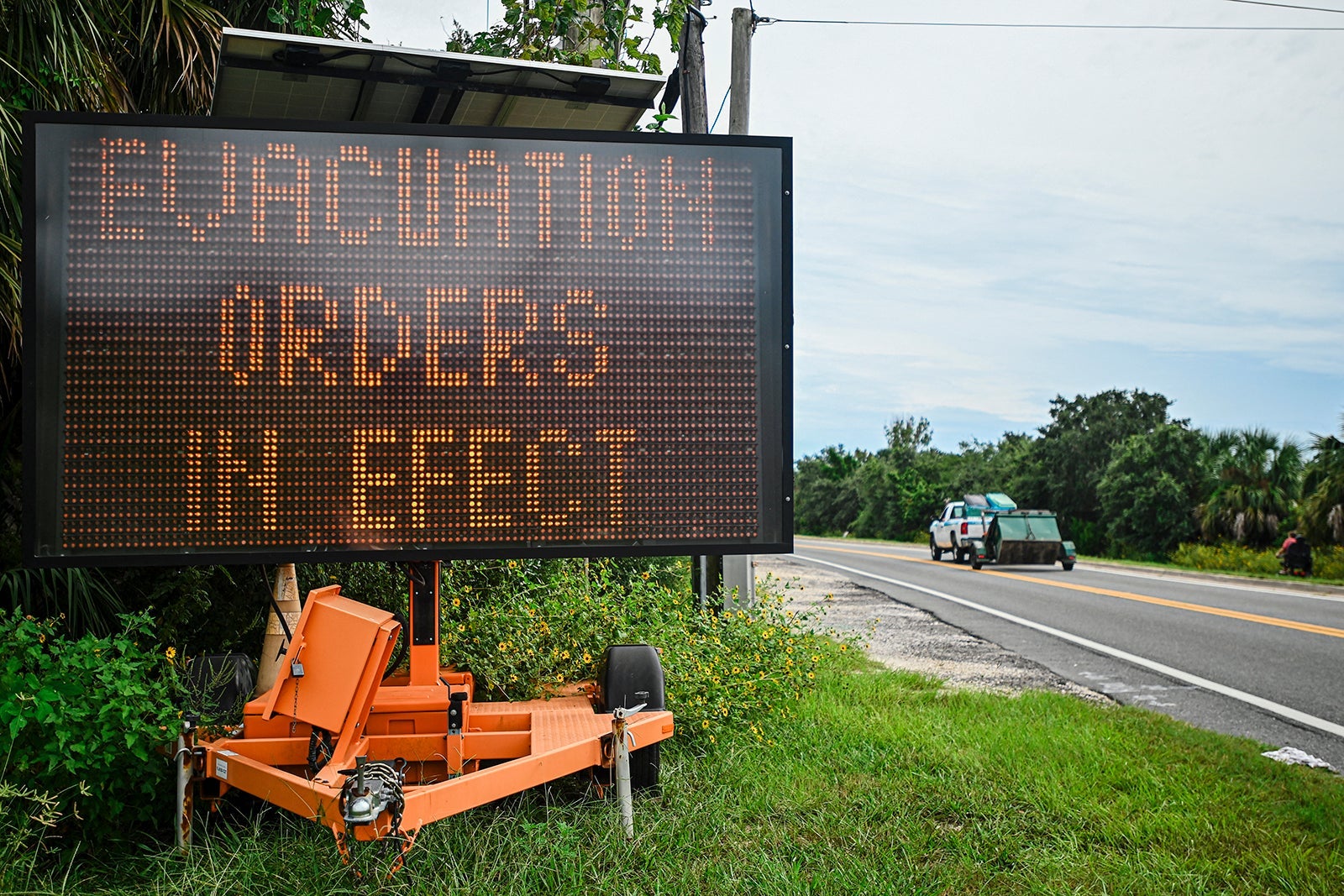
It's easy to forget about real-life risks while you're on vacation, but disaster can strike anywhere.
If your hotel is evacuated due to a natural disaster like a hurricane or wildfire, your first priority will be getting out safely and finding another place to stay. This process can be costly, but you can often get much of your money back.
Couch-Friedman says, "While the hotel is always responsible for refunding a prepaid, canceled reservation, a good, comprehensive travel insurance policy can cover all the additional expenses a traveler might incur as a result." These expenses may include things like lodging, transport, meals and cancelation fees for other parts of the trip.
Many travel credit cards have built-in trip protections, but what they cover and how much they'll pay vary. Be sure to understand your card's policy and decide if you need to purchase additional coverage.
However, Couch-Friedman says, "travelers need to remember that they can't buy travel insurance after a storm has already been named or the natural disaster has already become a problem."

Related: Should you get travel insurance if you have credit card protection?
If your hotel turns you away

You may also find yourself scrambling for non-emergency reasons, such as the hotel being overbooked or closing suddenly for renovations. In one case, a family arrived at a Marriott property to learn it had shuttered permanently before they even booked it.
In these cases, if the hotel is at fault, you will typically be refunded and "walked" to the nearest replacement property (at least, in the U.S.). However, the replacement may not necessarily be comparable to your original booking in terms of quality, amenities or location.
If this happens to you, Couch-Friedman's suggestion is to "politely ask to be relocated to a nearby hotel (even one not associated with the original hotel) and ask that the original hotel pay for at least the first night." Travel insurance typically doesn't cover this situation, so whatever the original hotel provides is all the reimbursement you'll get. "Negotiate what you will receive before you leave the original hotel," Couch-Friedman advises.
If you decline the hotel's suggested replacement and opt to find your own accommodation, the hotel is technically only responsible for refunding what you pre-paid. But, Couch-Friedman says, "polite negotiations can often lead to the traveler receiving a pile of loyalty points or vouchers for future stays."
Related: How to avoid vacation rental scams
If your hotel goes out of business

What happens if your hotel goes out of business right before, or even during, your trip? Many TPG readers experienced this bewildering scenario when short-term rental company Sonder abruptly shuttered last year.
In this case, you'll be responsible for finding alternative lodging, though Couch-Friedman says, "a good travel agent may be able to help locate replacement accommodations."
She also stresses that "travelers can (and should) immediately file a credit card dispute for any prepaid fees made to the bankrupt hotel chain." You should be able to get your money back.
Lastly, check your travel insurance policy for an insolvency clause, as you may be able to file a trip cancellation or interruption claim for any additional expenses incurred.
Related: These companies will use your points and miles to book your travel
Bottom line
When a hotel can no longer host you, remember that you have tools at your disposal. You can often get reimbursed for some or all of the expenses that arise by following the tips above.
This can also be a great time to cash in your points and miles, which recently came in clutch for a stranded TPG writer.