The Points Guy believes that credit cards can transform lives, helping you leverage everyday spending for cash back or travel experiences that might otherwise be out of reach. That's why we publish a variety of editorial content and card comparisons: to help you find a great card to turn your goals into reality.
Our site may earn compensation when a customer clicks on a link, when an application is approved, or when an account is opened with our partners, and this may impact how or where these products appear. While we don't cover all available credit cards, our editorial team creates and maintains all of the analysis of these cards, and our content is not influenced nor subject to review by any credit card company, bank or partner prior to (or after) publication. Please view our advertising policy and product review methodology for more information.
Advertiser disclosure
The Points Guy believes that credit cards can transform lives, helping you leverage everyday spending for cash back or travel experiences that might otherwise be out of reach. That's why we publish a variety of editorial content and card comparisons: to help you find a great card to turn your goals into reality.
Our site may earn compensation when a customer clicks on a link, when an application is approved, or when an account is opened with our partners, and this may impact how or where these products appear. While we don't cover all available credit cards, our editorial team creates and maintains all of the analysis of these cards, and our content is not influenced nor subject to review by any credit card company, bank or partner prior to (or after) publication. Please view our advertising policy and product review methodology for more information.
Guides
Are Turo car rentals covered by credit card insurance?
Katie Genter is a digital nomad who has traveled full time since June 2017. She writes and edits stories about points and miles, and loyalty programs, often letting her personal experiences color these stories.
June 17, 2021 • 9 min read
The cards we feature here are from partners who compensate us when you are approved through our site, and this may impact how or where these products appear. We don't cover all available credit cards, but our analysis, reviews, and opinions are entirely from our editorial team. Terms apply to the offers listed on this page. Please view our advertising policy and product review methodology for more information.Editorial disclaimer: Opinions expressed here are the author's alone, not those of any bank, credit card issuer, airline or hotel chain, and have not been reviewed, approved or otherwise endorsed by any of these entities.
Comments
By commenting, you agree to our Community Guidelines to help create a positive space for conversation. The responses below are not provided or commissioned by the bank advertiser, our partners, or The Points Guy (“TPG”). They have not been reviewed, approved, or otherwise endorsed by any of these parties. All responses are submitted by individual contributors, and neither the bank advertiser, our partners, nor TPG are responsible for ensuring that all posts and/or questions are answered.
Related stories
Quick summary
Peer-to-peer car rentals through platforms like Turo are generally not covered by most credit card rental insurance policies.
Turo is not classified as a traditional car rental agency, which leads to most credit card insurers excluding its rentals from coverage.
Turo offers its own protection plans, which vary in coverage and cost, but these can add significant expense to your rental.
Personal auto insurance may provide some coverage, but policy terms vary and should be confirmed directly with your provider.
What to consider
Credit card rental insurance typically excludes peer-to-peer car sharing platforms, unless the rental is completed through a commercial rental agency.
Turo's protection plans range in price and coverage, with higher-tier plans offering more comprehensive protection but at a higher cost.
Personal auto insurance may or may not cover Turo rentals, so it's important to verify details with your insurer before booking.
What you'll miss from the article
A detailed comparison of Turo's protection plans and guidance on how to assess your insurance needs for peer-to-peer rentals.
Generated by AI with support from our editorial team.
Update: Some offers mentioned below are no longer available. View the current offers here.
I've found some decent rental rates through the carsharing service Turo. And I've seriously considered renting a car through Turo multiple times now. But, each time, I ultimately opted for a more expensive rental through a traditional car rental company. And the primary reason each time was a concern about insurance.
As you might know, many credit cards offer rental car coverage when you pay with your card. But, Turo is a peer-to-peer rental platform instead of a traditional car rental company. So, today I'll discuss whether credit card insurance covers Turo car rentals.
What does Turo say about credit card insurance?
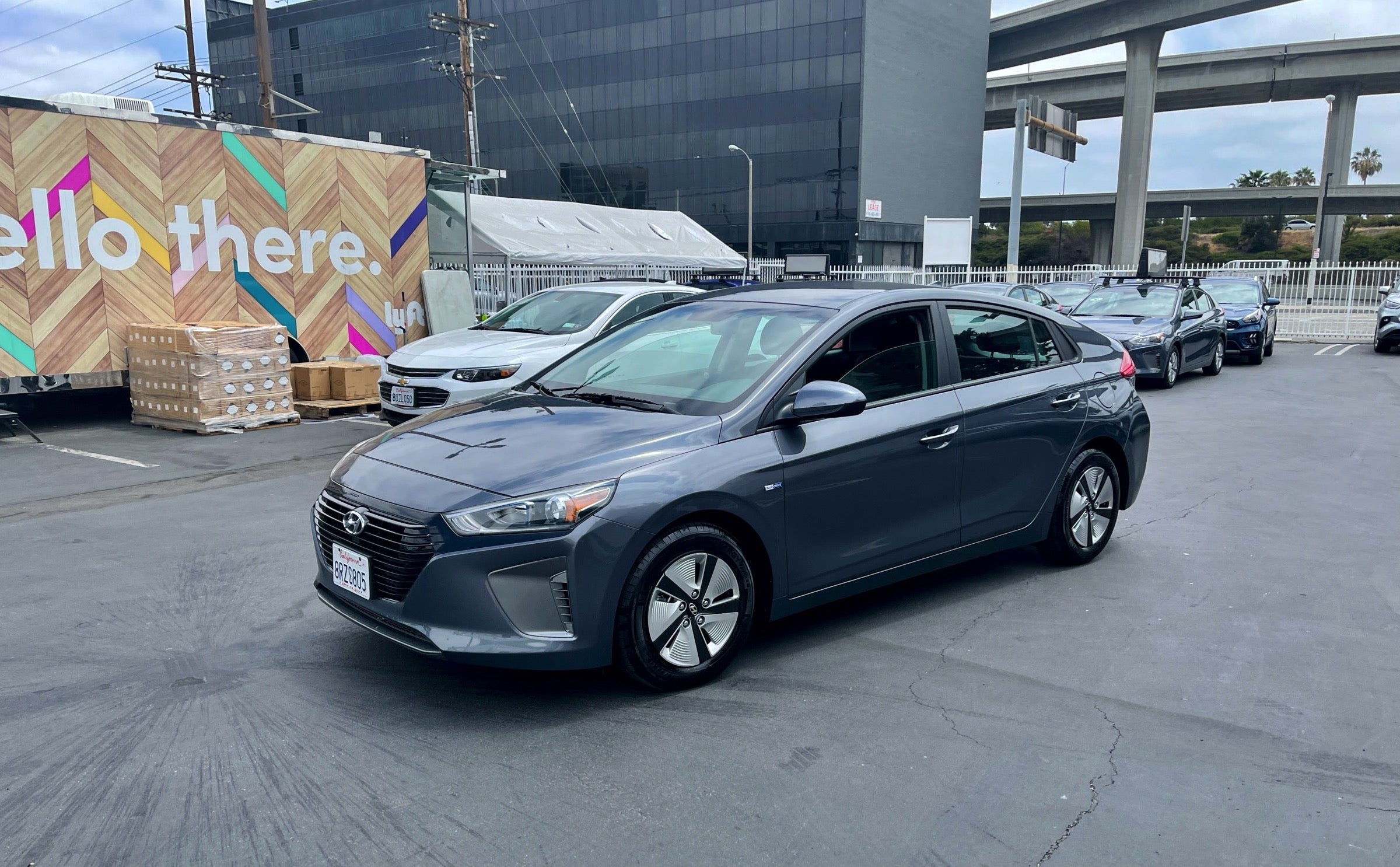
(Photo by Russ Rhode/Getty Images)
Turo makes it clear on its website that you shouldn't automatically assume that credit card insurance will cover your rental. For example, Turo Support states, "your credit card company may not provide coverage for a Turo trip" in one article. Then, in another article, Turo Support further explains:
It’s very unlikely that your credit card company provides coverage for damage to a car booked through Turo. It’s even less likely that it provides liability coverage for injuries or damage you may cause to other people or their property. That’s because Turo is not a rental car company. We’re a peer-to-peer car sharing platform, so credit card companies may provide no coverage for a car booked through Turo.
Of course, we can’t provide advice on the specific terms of any coverage that your credit card may or may not offer. You’ll want to carefully review the terms they provided you and contact them if you have coverage questions.
So, let's take a closer look at the terms of several credit card issuers that offer car rental coverage.
American Express outlines the car rental loss and damage coverage for each card online. However, in looking through the benefits guide provided on Amex's website, I found that Amex's insurance excludes the following:
Vehicle sharing or peer to peer arrangements which allow independent owners to rent personal vehicles.
Based on this exclusion, it's clear that Amex won't provide coverage for most Turo car rentals. But, I still called the number on the back of The Platinum Card® from American Express for confirmation. And an agent told me that Amex's insurance wouldn't cover rentals through Turo unless I completed the rental through a commercial car rental agency.
But, what about Amex's Premium Car Rental Protection? Amex's Premium Car Rental Protection program may provide primary rental car coverage when you enroll an Amex card in the program and then use your card to pay for an eligible rental. However, this coverage explicitly defines a rental company as follows:
“Rental Company” means a commercial car rental agency that is licensed under the laws of the applicable jurisdiction and whose primary business is renting private passenger automobiles. A Rental Company does not include a moving van rental company or any business which may incidentally rent an automobile to a customer, such as an auto dealership or auto body repair shop.
Turo considers itself a peer-to-peer carsharing company, not a commercial car rental agency. Plus, Amex's landing page for premium car rental protection has the following note:
Coverage is not available for ride-sharing companies that allow individuals to rent out their personal vehicle.
So, Amex's premium car rental protection won't cover most vehicles you rent through Turo. However, you may be covered if you rent from a commercial car rental agency that's a Turo commercial host. If you have any questions about a specific rental, I recommend calling Amex before booking your rental car.
The Chase Sapphire Reserve provides the best travel protections among Chase credit cards, so I examined its guide to benefits. Under the "What's not covered?" section of the auto rental collision damage waiver benefit, "leases and mini leases" as well as "vehicles that are not rented from a rental agency" are listed. The guide to benefits defines a rental agency as follows:
A commercial rental company licensed under the laws of the applicable jurisdiction and whose primary business is renting automobiles.
Turo does not consider itself a car rental agency. But, to double-check, I called the number on the back of my Chase Sapphire Preferred Card (which also excludes "leases and mini leases" and "vehicles that are not rented from a rental agency").
The initial Chase agent transferred me to a benefits specialist, who said Chase's insurance doesn't exclude all Turo rentals. But, the agent said Turo rentals are excluded unless you complete the rental through a commercial car rental agency and get a car rental contract showing that you are renting from a commercial rental company and not from an individual.
If you have any questions about whether Chase's insurance will cover your Turo rental, it's best to call and speak to a Chase benefits specialist before booking. This way, you'll know whether you should buy insurance through Turo when you book.
Most credit cards will not provide car rental coverage on most Turo rentals. But, if you are looking to rent a car through Turo and your card generally offers car rental coverage when you pay for a rental car with your card, it's worth calling the number on the back of your card. By doing so, you can confirm whether rentals through a car-sharing platform such as Turo are covered. The answer will usually be no, but sometimes you may get a favorable response.
Turo also sells protection plans, which vary by market. You can see the full details on Turo's website, but here's a quick summary of the plans available for rentals in the U.S.:
Premier plan
Cost is 100% of the trip price with a minimum charge of $14 per day
Secondary third-party liability insurance coverage with a limit of $750,000
Primary physical damage contract limiting your responsibility to $0 for physical damage to your host’s vehicle
Standard plan
Cost is 40% of the trip price with a minimum charge of $12 per day
Minimum third-party liability insurance coverage required by the state where the car is registered
Primary physical damage contract limiting your responsibility to $500 for physical damage to your host’s vehicle
Minimum plan
Cost is 15% of the trip price when the trip price is more than $250 and 25% of the trip price when the trip rice is less than $250, with a minimum charge of $10 per day
Minimum third-party liability insurance coverage required by the state where the car is registered
Primary physical damage contract limiting your responsibility to $3,000 for physical damage to your host’s vehicle
These plans aren't inexpensive. After all, for a sample one-week rental in Orlando that lists a $23.75 per day rental rate, Premier protection would cost $23.75 per day, Standard protection would cost $12 per day and Minimum protection would cost $10 per day.
Even if your credit card's collision damage waiver covers your Turo rental, it won’t take care of any damage you cause to other cars and personal property. And, the credit card collision damage waiver won't cover injuries to you, your passengers or pedestrians involved in the accident. Your car insurance policy may kick in here, but it’s a good idea to check your policy or call your provider to confirm in what situations you'd be covered. Again, I'd recommend explicitly asking about peer-to-peer rentals.
Some personal car insurance policies may also provide physical damage protection when driving someone else's car, as long as the owner provided permission. But, again, it's worth calling your insurance to check your policy details and determine how much coverage you have if the worst happens during your Turo rental.
The decision of whether to purchase car rental insurance for your Turo rental is a personal and complicated one. I'd recommend ensuring that you have significant coverage from a damage and liability standpoint. The amount of coverage will vary, depending on how much risk you are willing to self-insure using savings or an emergency fund. In some cases, it may be worth paying for Turo's Premium protection plan or purchasing an independent policy that covers Turo rentals to ensure that you'll be covered.
By commenting, you agree to our Community Guidelines to help create a positive space for conversation. The responses below are not provided or commissioned by the bank advertiser, our partners, or The Points Guy (“TPG”). They have not been reviewed, approved, or otherwise endorsed by any of these parties. All responses are submitted by individual contributors, and neither the bank advertiser, our partners, nor TPG are responsible for ensuring that all posts and/or questions are answered.