5 things Walt Disney World can learn from Universal Orlando reopening

Last week I ventured down to Orlando to attend the soft opening of Universal Orlando. I stayed one night in the new Endless Summer Resorts: Surfside Inn & Suites to gain access to the theme parks on the first day they were reopened after being closed for 80 days.
While I ended up having plenty of fun during my day in the parks (the new Hagrid roller coaster at The Wizarding World of Harry Potter is an absolute must-ride), the experience was significantly different from the park experience pre-coronavirus.
The next big reopening date on the summer calendar is July 11: the planned reopening date of Walt Disney World's Magic Kingdom and Animal Kingdom. While we know Disney is one of the most capable companies in the world when it comes to logistics and doing things the right way (and it has Shanghai Disneyland as a reopened test case), there are still some lessons Disney can probably glean from the newly reopened Universal theme park experience just down the street.
Beyond some learnings from Universal, what else can Disney do even better to give guests (paying for full price tickets) a much-needed dose of summer magic?
For more TPG news delivered each morning to your inbox, sign up for our daily newsletter.
Mask fatigue
Florida in July can be a miserable heat experience even in the best of circumstances.
This complicates almost every aspect of coronavirus safety procedures likely to be put in place. I wore a mask for more than eight hours on a fairly mild and overcast early-June Orlando day. If it had been 95 degrees and sunny, I would likely have been incredibly uncomfortable. If my 3- and 5-year-olds were trying to wear masks in such heat, we probably wouldn't last very long at all.
Related: The best times to visit Walt Disney World
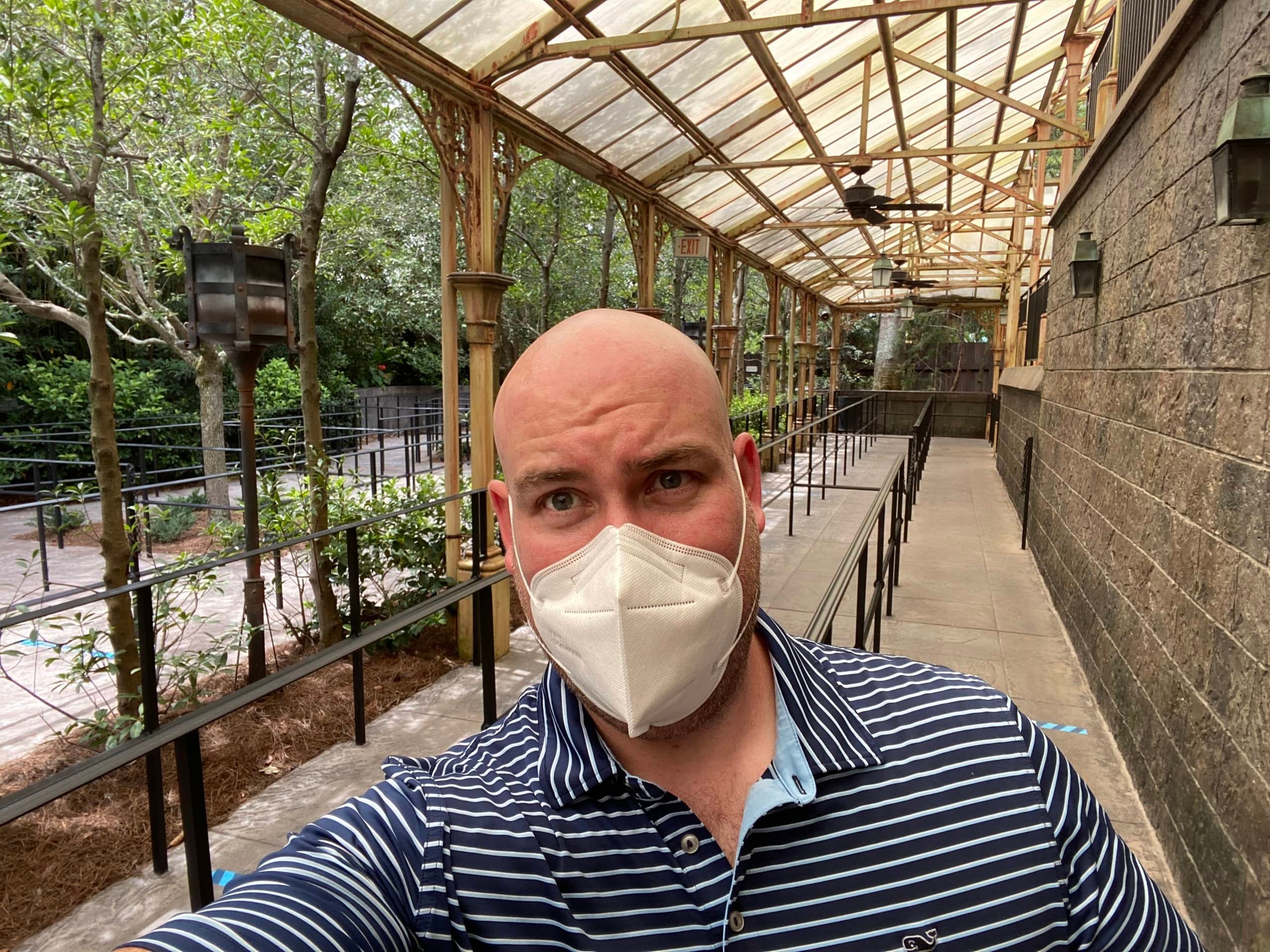
Universal has U-Rest areas where you could sit socially distanced and take your mask off for a bit of respite, but I only saw a couple of them. They were not advertised as existing anywhere except for a sign placed outside of the physical area. While requiring masks at all times is a good public health policy, I foresee it making the guest experience miserable on a hot, sticky day in Central Florida.

Related: Florida's top 10 vacation regions for different types of travelers
Disney needs to put its brightest minds to the task of figuring out how guests — young and old — can avoid mask fatigue on the hottest of days since masks are required for all guests ages 2 and up.
This could include creating a guide that recommends the most effective and most comfortable masks in heat. Disney could also sell those masks at the resort hotels and around the theme parks. (Also, remember that it rains a lot in the afternoons in Orlando in the summer, so masks may get wet.)
It could build a push notification into the Disney app reminding people to hydrate and take a socially distanced seat to gain some mask reprieve. Capacity would need to be capped to the point that many different U-Rest-type areas can be designated for people to be able to socially distance and rest with their masks off.
I don't have a perfect solution at the ready, but I bet some of the top Imagineers can come up with clever ideas to help guests avoid mask fatigue and cool down while outdoors in the summer heat.
Related: Do kids need to wear masks on planes?
Communicate the virtual queuing plan in advance
The largest source of confusion and frustration for Universal Orlando guests on opening day was a lack of awareness around the Universal Virtual Line Pass system. I saw many guests trying to get in a physical line for attractions that were only operating with a virtual line.
This was not adequately communicated ahead of time and left many guests in an ongoing lottery of sorts to get a chance to ride the park's most popular attractions. If you didn't get lucky by snagging a virtual pass in a poorly described system, you didn't ride the most fun and popular rides. And remember, theme park tickets were not reduced in price. So, you paid full price to potentially ride very little if you didn't know how to use the new system.
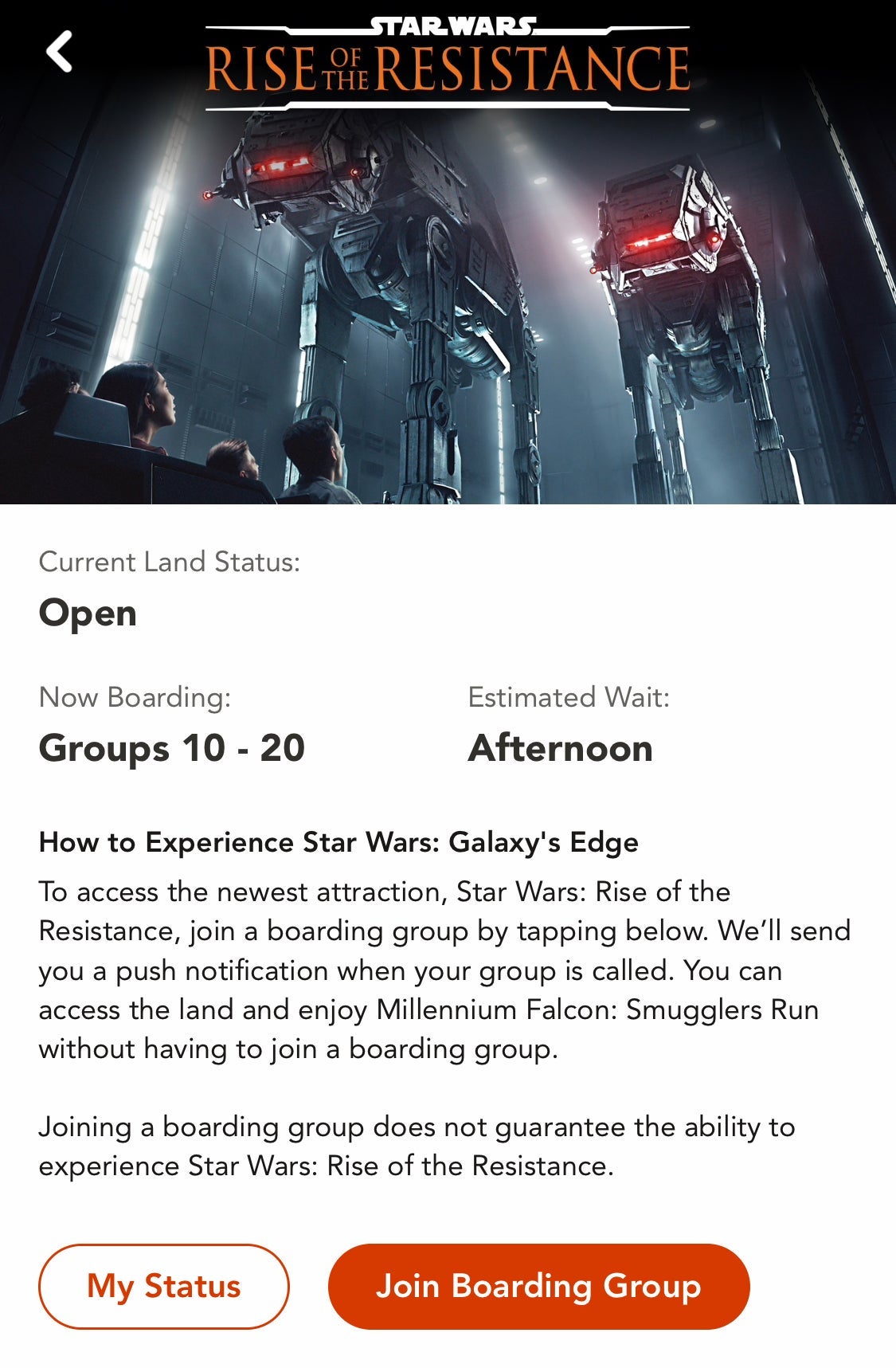
Disney already used virtual queuing for the new Star Wars: Rise of the Resistance ride and slots for the ride were always filled for the day within a few minutes of park opening.
Related: All about Star Wars: Galaxy's Edge at Walt Disney World
The Disney theme park needs to communicate the new process as soon as possible and make it clear which rides and attractions will operate only via virtual queuing technology. They then need to sufficiently limit park capacity during the first few days to ensure all guests have a chance to get a pass and learn what ride throughput will be with crowds testing the system. (Keep in mind that FastPass+ will not be available when the theme park reopens.)
Questions to answer in advance will be: How many virtual queue passes can guests hold at one time? Will they be available 24 hours in advance or only in the morning once the park opens and your phone identifies you as in the park? What if someone doesn't have a smartphone or experiences technical issues?
Answer these questions now so guests can arrive informed and won't walk away disappointed.
Plan adequate transportation
The Universal resort buses look to be the same model that Disney uses to transport guests between parks, hotels and Disney Springs. On my visit, Universal allowed 18 people on a bus that likely held three times as many or more before the park closed in March.
This made our line of guests waiting for a bus from Surfside Inn & Suites to Universal Studios long.
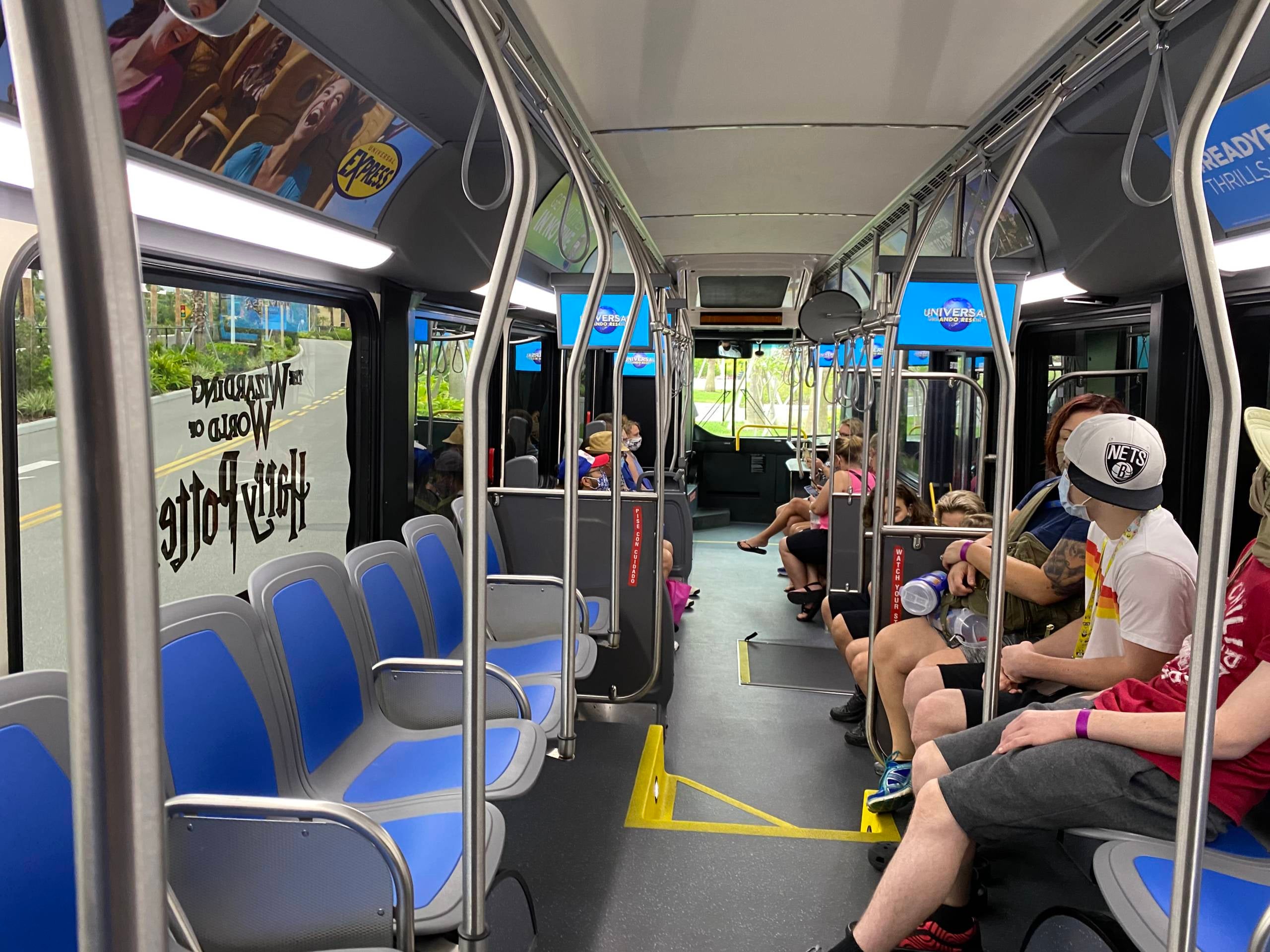
I imagine the capacity on Disney buses, boats and the monorail will likely be similar. This severely restricts the typical capacity to move guests from places like the Magic Kingdom parking lot across or around Seven Seas Lagoon to the main entrance.
At park closing, the massive crowds heading at once for the exits already take a while to move. They will now take significantly longer unless park capacity is very restricted. Keep in mind that the Minnie Van service also won't be available upon park reopening.
Disney needs to have a plethora of buses to move crowds, notify guests to allow significantly more time to get around the resort or come up with ingenious new ways to transport guests around the entire Disney property.
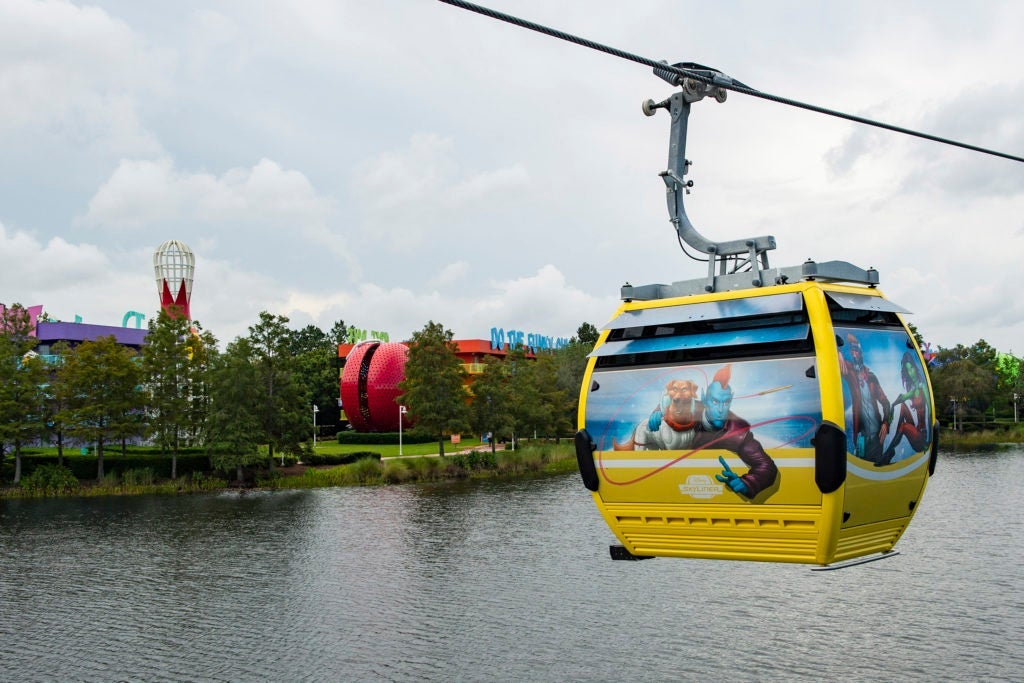
Related: Guide to the Disney Skyliners
Disney will require reservations to enter the park, so perhaps a way to aid with spacing out the transportation burden is to require timed-entry so that not everyone is arriving at once. The flip side would need to be a set time when your access to the attractions ended, so not everyone ended the day at the same time. However, it would be hard to argue for paying full price for a timed access system that wouldn't give you access to a full day in the parks.
Perfect mobile food ordering
Disney has had a mobile food ordering system in place for a while, but the system will need to expand in a hurry, potentially to include full-service restaurants instead of just quick-service restaurants. At Universal, this ordering system turned into a poor experience at restaurants that previously had not used mobile ordering. For example, it took 30 minutes for me to get a beer I test ordered on the Universal mobile app. The server and manager both said they hadn't used mobile ordering before and were still working out the kinks.
Related: These are the best restaurants at Disney World
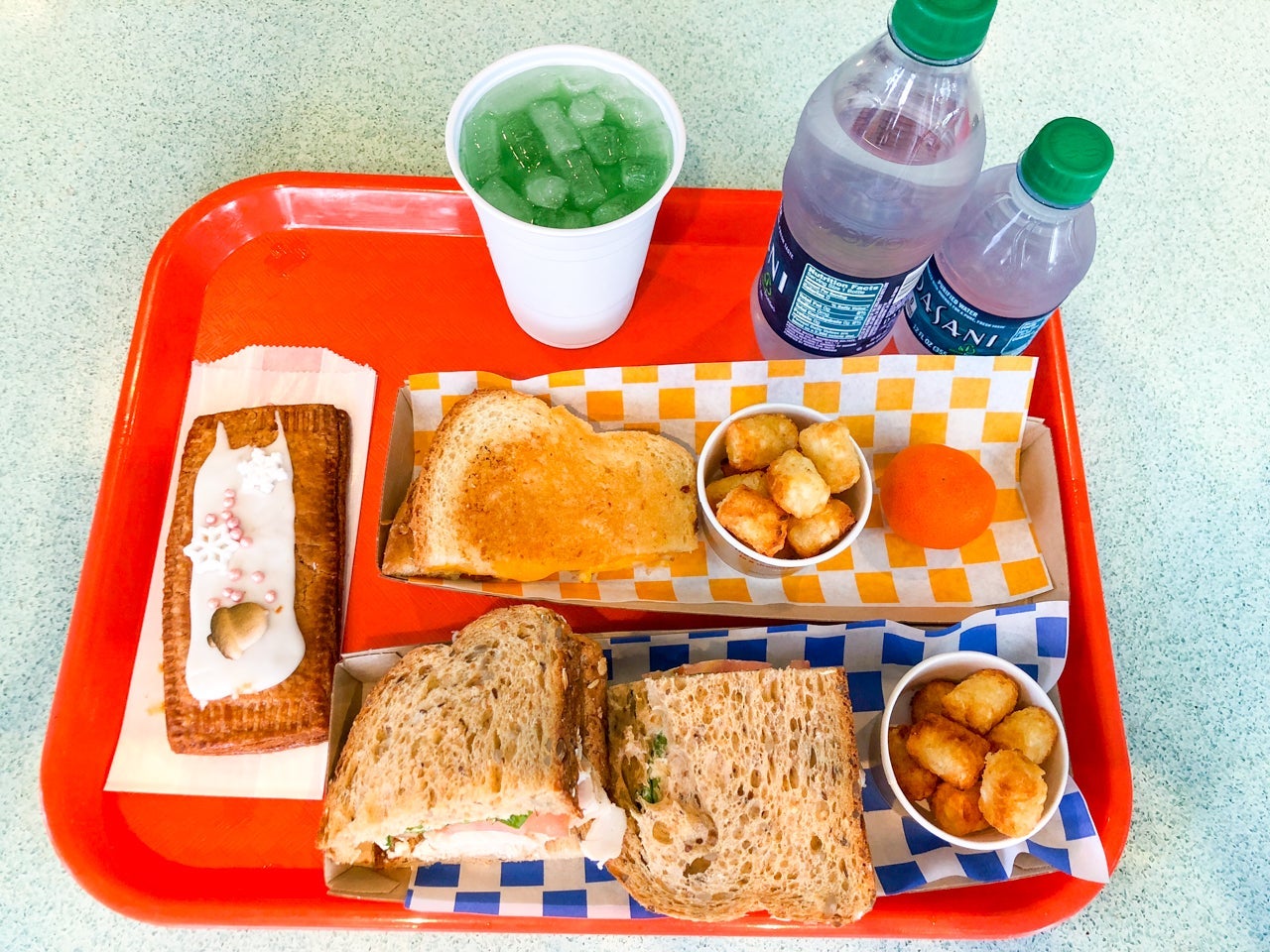
The mobile ordering in Universal further appeared pointless when sit-down restaurants didn't have designated mobile order pickup lines. This meant that guests still had to wait in line with other patrons to get into a reduced capacity restaurant with half of its tables blocked off for social-distancing. Like with the limited bus capacity, this led to long wait times to get a table. Then, a server still came to your table to ask for your mobile order number and then put it in the computer.
Related: How to maximize one day at Universal Studios
Allow adequate space
There were a few instances at Universal where enough space was not allocated to a certain new procedure.
This turned into a dangerous situation when a temperature check was set up at the top of an escalator. The allocated space quickly filled and people trying to exit the moving escalator had nowhere to go. The result was a very non-socially distanced mob of people stuck roughly six inches from each other.
Now, imagine the line to get on the monorail or ferry from the Magic Kingdom parking area to the main entrance. With everyone spaced six feet apart, that line will be tremendously long and require a vast amount of physical space.
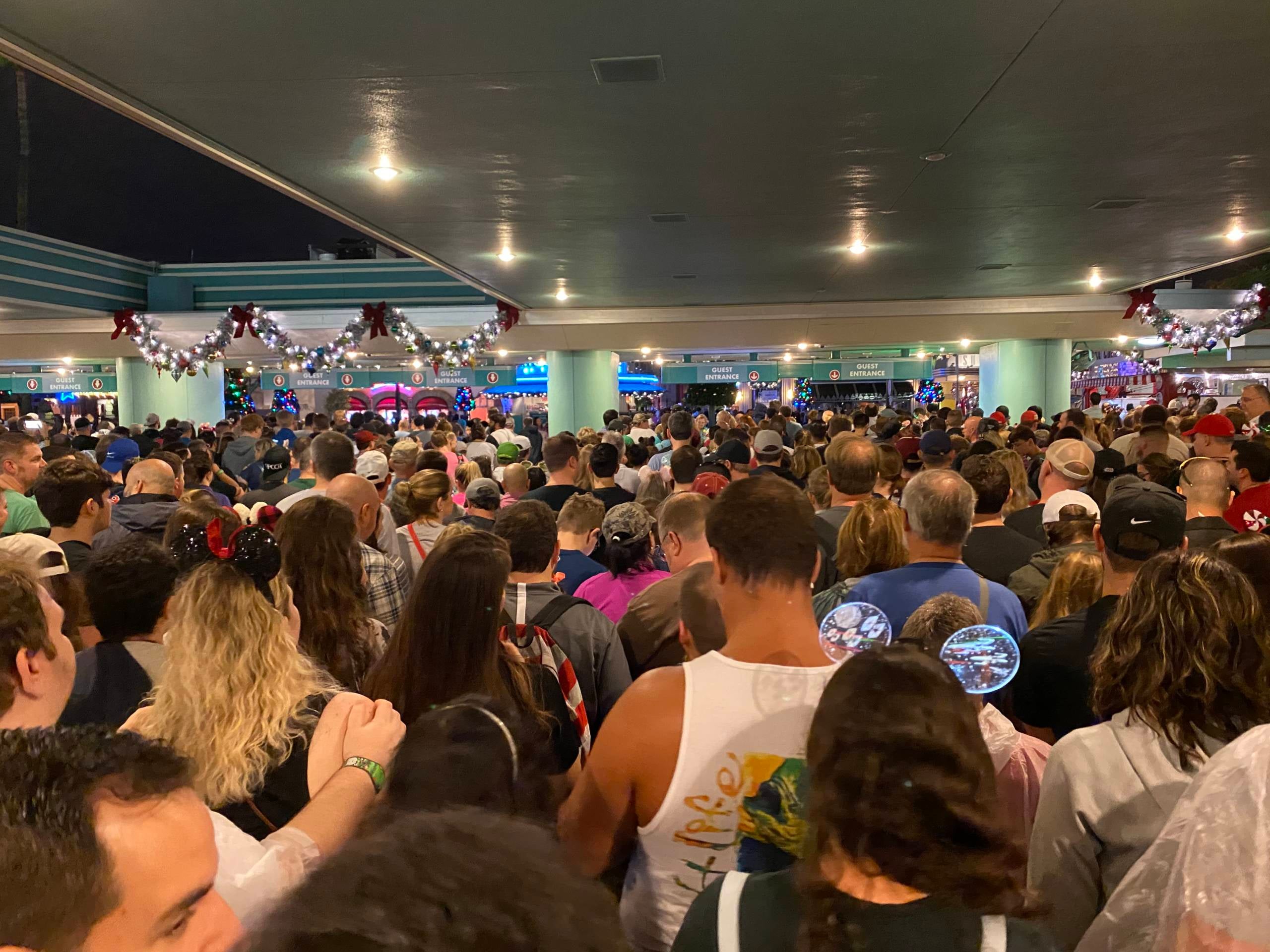
Ride, attraction and restaurant lines at Universal required six feet of space between them, quickly pushing queues far out into the middle of main walkways or beyond roped-off areas. This left pedestrians to figure out a place to cross large queues, which always cut far into the required six feet of separation, making the spacing exercise itself a bit futile.
Finally, there will likely be queues at Disney that make people stand in the sun for an extended period as socially distanced lines push far out of buildings and cover; additional umbrellas or shade-making props need to be set up in the additional space required to keep mask-wearing guests from overheating.
Bottom Line
As I said with Universal, Disney faces an almost impossible task of instituting public health best practices and CDC guidelines into a theme park environment. Hopefully, Disney has been and will be intently following guest feedback at Universal so it can take those experiences and build upon them. I am optimistic that the creativeness and genius at Disney will come up with some great ideas to make the guest experience as enjoyable and as safe as possible.
TPG featured card

at Capital One's secure site
Terms & restrictions apply. See rates & fees.
| 5X miles | Earn 5X miles on hotels, vacation rentals and rental cars booked through Capital One Travel |
| 2X miles | Earn unlimited 2X miles on every purchase, every day |
Pros
- Stellar welcome offer of 75,000 miles after spending $4,000 on purchases in the first three months from account opening. Plus, a $250 Capital One Travel credit to use in your first cardholder year upon account opening.
- You'll earn 2 miles per dollar on every purchase, which means you won't have to worry about memorizing bonus categories
- Rewards are versatile and can be redeemed for a statement credit or transferred to Capital One’s transfer partners
Cons
- Highest bonus-earning categories only on travel booked via Capital One Travel
- LIMITED-TIME OFFER: Enjoy $250 to use on Capital One Travel in your first cardholder year, plus earn 75,000 bonus miles once you spend $4,000 on purchases within the first 3 months from account opening - that’s equal to $1,000 in travel
- Earn unlimited 2X miles on every purchase, every day
- Earn 5X miles on hotels, vacation rentals and rental cars booked through Capital One Travel
- Miles won't expire for the life of the account and there's no limit to how many you can earn
- Receive up to a $120 credit for Global Entry or TSA PreCheck®
- Use your miles to get reimbursed for any travel purchase—or redeem by booking a trip through Capital One Travel
- Enjoy a $50 experience credit and other premium benefits with every hotel and vacation rental booked from the Lifestyle Collection
- Transfer your miles to your choice of 15+ travel loyalty programs
- Top rated mobile app