US airlines could retire older aircraft, focus on newer models due to coronavirus downturn

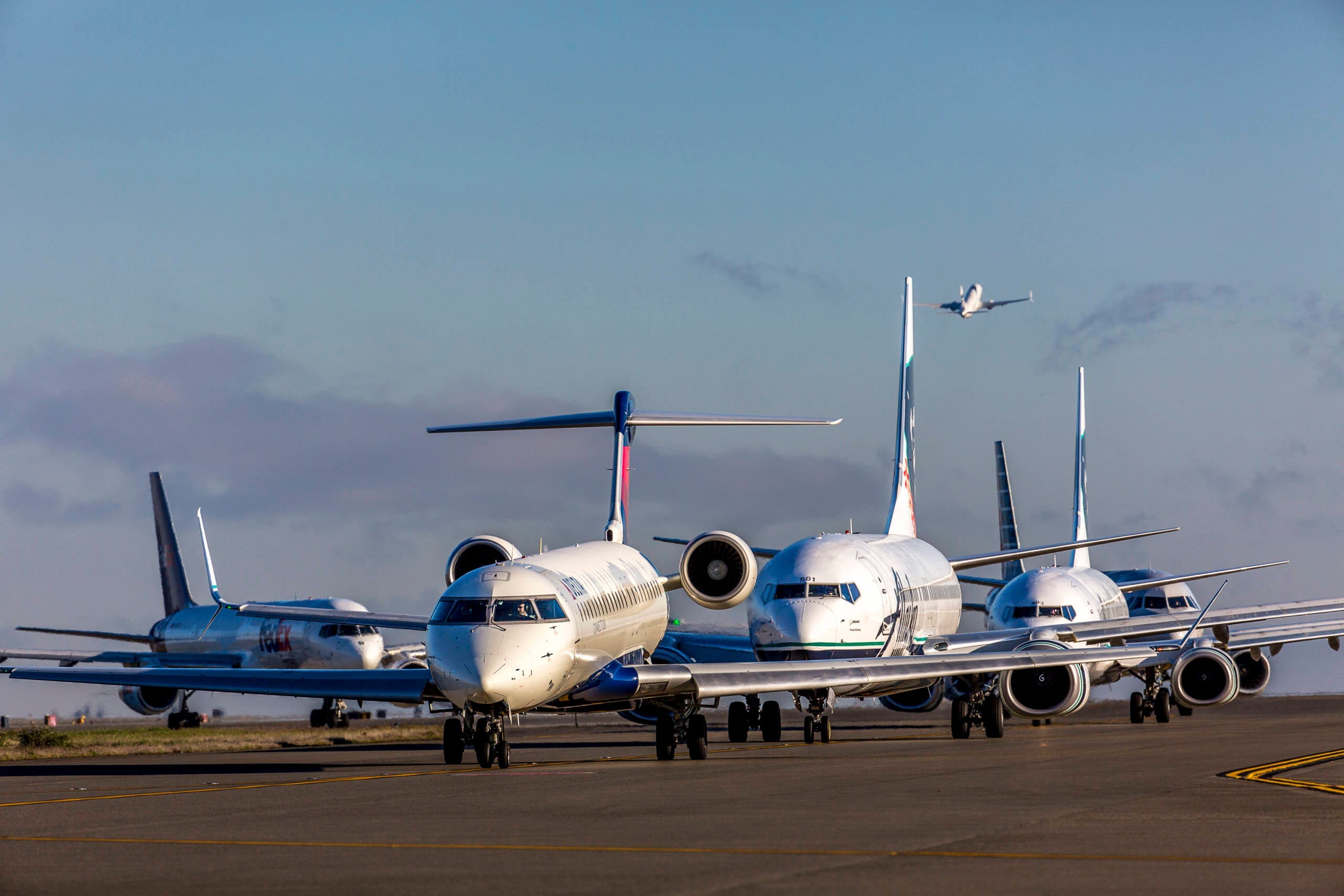
Industry shocks have repeatedly been a time of change for the U.S. airline industry. The 9/11 attacks precipitated a decade of industry bankruptcies, the 2008 recession was a catalyst for the mega-mergers that formed the carriers we know today, and now the novel coronavirus pandemic is the latest crisis to hit the industry -- with consequences as yet unknown.
Travel demand has plummeted amid fears of the COVID-19 outbreak. Nearly every major U.S. airline cut capacity through May, if not through the summer. Delta Air Lines and United Airlines reported Tuesday that new bookings are down by at least 25% compared to last year due to the fears, and corporations that are opting to keep people at home rather than send them out on the road.
The Trump administration's decision to ban travel by non-Americans between Europe's Schengen Area — which does not include Ireland and the U.K. — and the U.S. for 30 days is likely to have a further deep impact on American Airlines, Delta and United, though the scale of that is not yet known. All of the U.S. big three carriers generated more than 10% of their revenues from flights across the Atlantic in 2019.
Sign up for the free daily TPG newsletter for more airline news
"This clearly is not an economic event," said Delta CEO Ed Bastian at the J.P. Morgan Industrials Conference Tuesday. "This is a fear event probably more akin to what we saw at 9/11."
Every cancelled flight and suspended route means a freed up aircraft, prompting the question: how will airlines adjust their fleets in response to the crisis?
After 9/11, U.S. airlines used the ensuing drop in demand to cull fleets of older aircraft and streamline around the Airbus or Boeing families. Continental Airlines retired its Douglas DC-10s and many of its McDonnell Douglas MD-80s, accelerating its already-underway shift to an all-Boeing fleet. US Airways similarly retired its Boeing 737-200s, Fokker F-100s and MD-80s as it focused on moving to Airbus types.
The post-9/11 era, and the airline bankruptcies that followed, was also when 50-seat regional jets became a large part of U.S. airline fleets. Carriers used the small jets to maintain their route maps, but with fewer seats and at a lower cost than mainline aircraft.
Related: US airline execs warn coronavirus impact 'could be worse than 9/11' downturn

How long coronavirus fears keep travelers out of the skies will determine the downturn's long-term impacts on airline fleets. The longer the downturn, the more lasting the impact on the mix of planes carriers fly once the crisis is past.
If 9/11 is any indication, a months-long slowdown could prove to be another modernizing event for U.S. airline fleets. Older Embraer E190 and MD-80 family jets could disappear several years sooner than expected and be replaced by new, gas-sipping Airbus A220 and 737 MAX aircraft.
"The current downturn has the potential to reshape global aviation," said J.P. Morgan airline analyst Jamie Baker during the conference (emphasis his).
Several big U.S. carriers addressed the subject at the J.P. Morgan event. Here's a look at what some of their top executives had on the subject:
Alaska
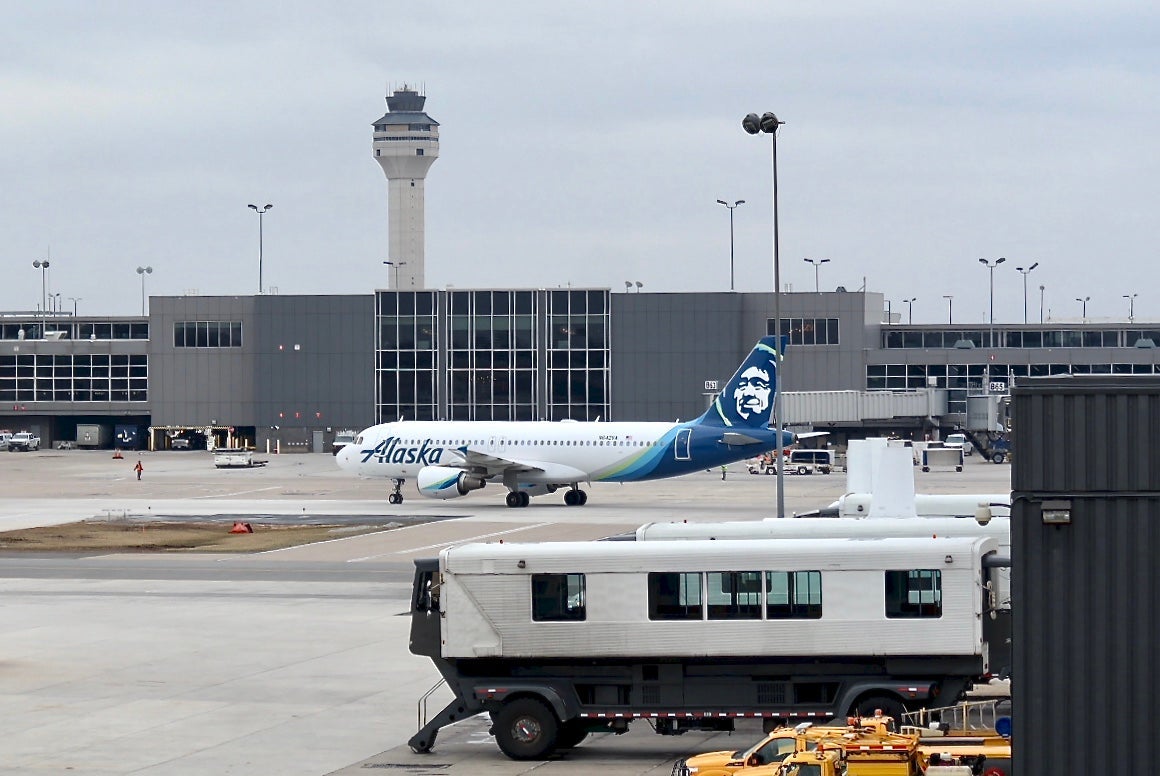
Alaska Airlines is not planning any significant fleet changes in response to COVID-19 this year, said president Ben Minicucci at the event. The carrier is only looking to shave only about 3.2% of capacity from its May schedule in response to the drop in demand.
If the Seattle-based carrier does need to trim its fleet, it may accelerate the retirement of some of its leased Airbus A320 family jets in 2021, Minicucci said. Alaska is already looking for a replacement for these aircraft, but was considering extending the leases on some of them by a few years to support its growth plans.
Other fleet options for Alaska include removing some of its older 737-700 and 737-900 jets.
Related: Alaska calls Boeing a 'fantastic partner' as it decides between A321neo and 737 MAX
American
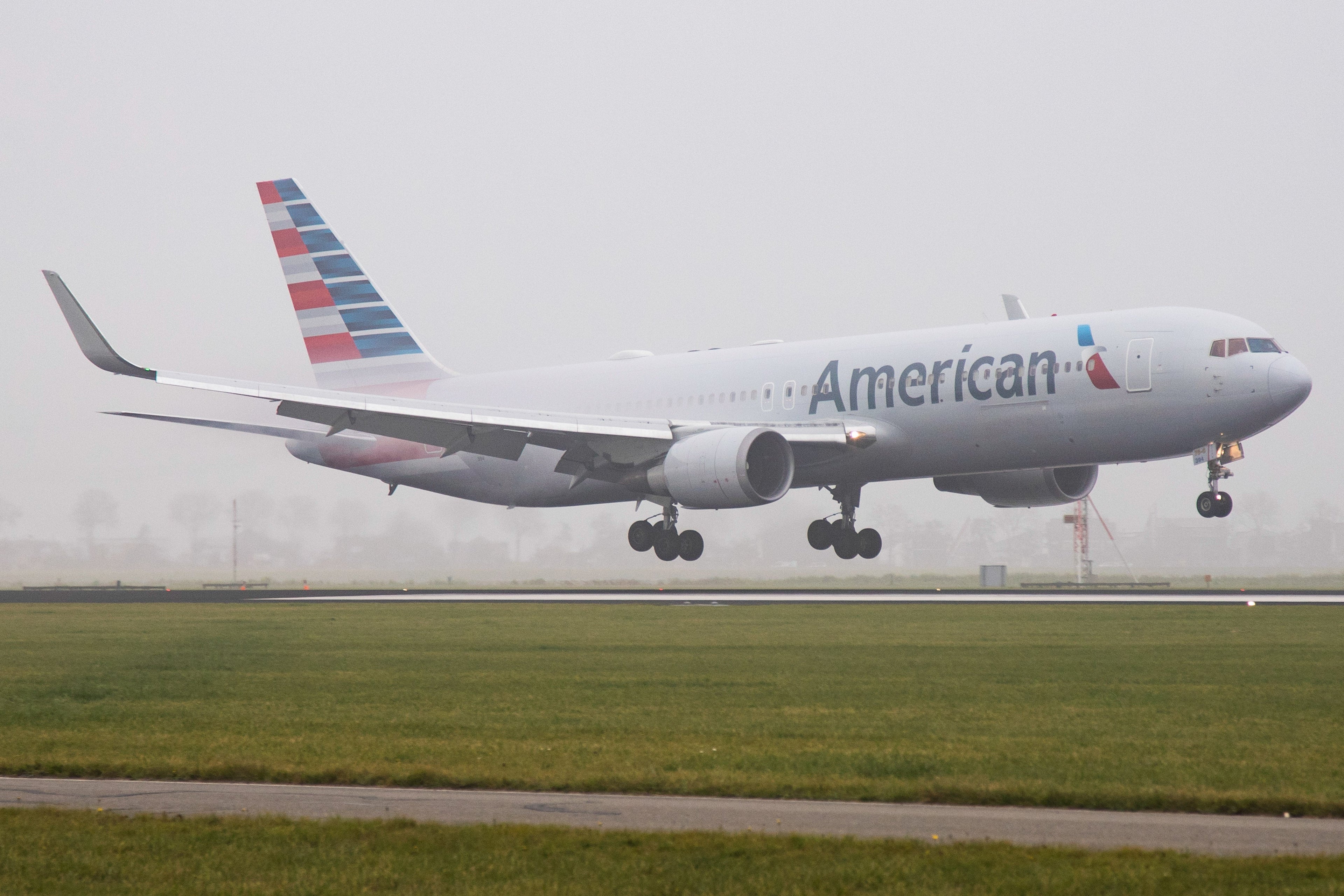
American Airlines sees an opportunity to step up some of its ongoing fleet plans with the capacity reductions it announced Tuesday. Possibilities include accelerating its "Project Oasis" program that is adding seats to both its Airbus A321s and 737-800s, as well as retiring its Boeing 767-300ER and E190 fleets early.
"We've talked about wanting to simplify our fleet," American president Robert Isom said at the conference. "This is an opportunity for us to certainly fast-forward any projects... and also take a look at where we want to be with our fleet as a whole."
The ban on most European travel may accelerate a decision on American's remaining 17 767s, which are due to be retired next year. The aircraft, as well as some of its 34 Boeing 757-200s, could be retired amid what are undoubtedly significant cuts coming to the airline's Atlantic flying.
In an example of how quickly the environment is changing, American was planning to extend the lives of 17 E190s through December as recently as March 5. The extension was to make up for the lack of Boeing 737 MAX jets, which have been grounded since March 2019.
Related: American latest to pare U.S., international flights as coronavirus hits demand
Delta
Delta will temporarily park both narrow-body and wide-body jets as a result of its roughly 15% system capacity reduction, chief financial officer Paul Jacobson said at the event. He did not say what aircraft could be parked.
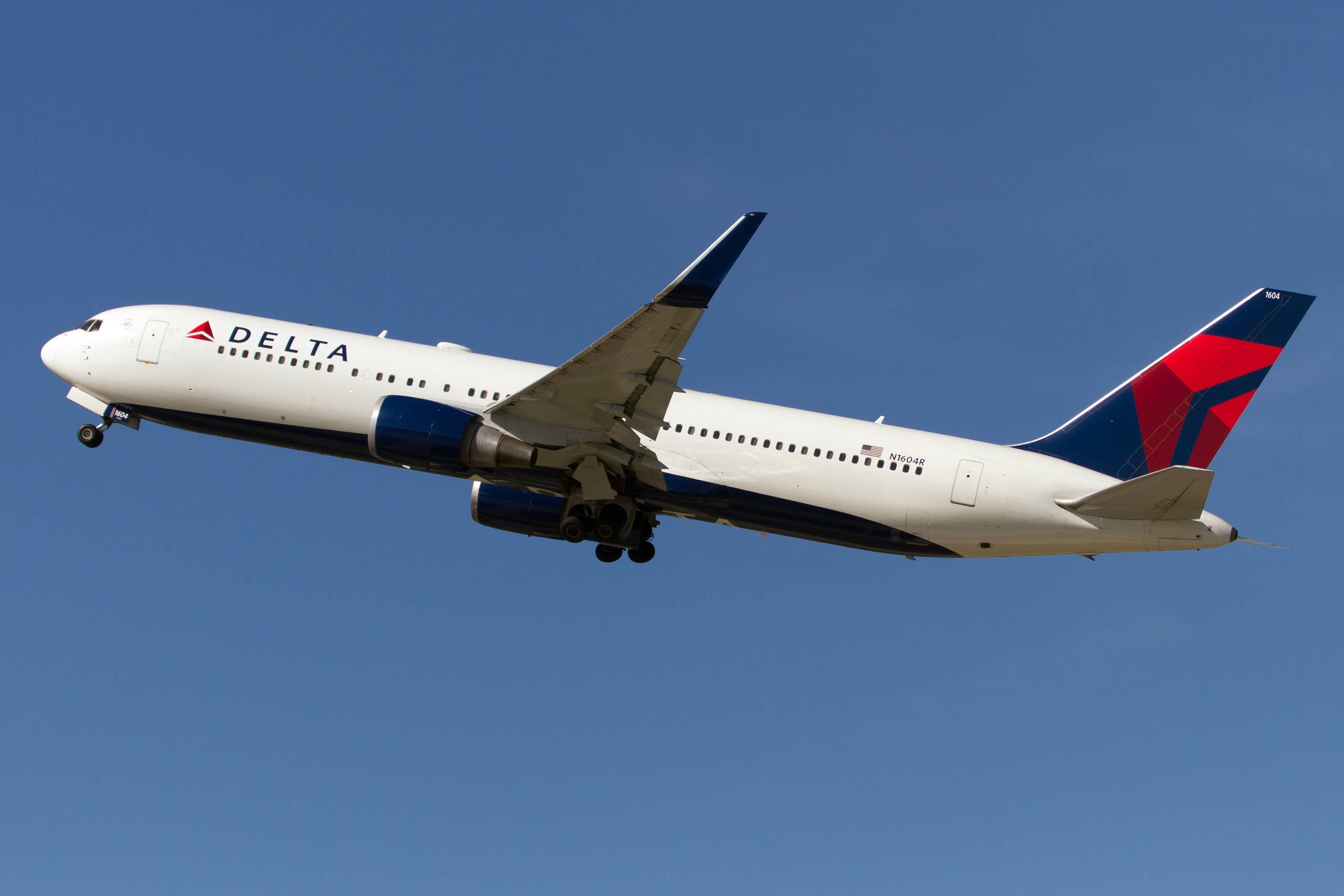
One possibility on the table for the Atlanta-based carrier is retiring its fleet of 77 MD-88s and MD-90s up to two years earlier than previously planned. Delta executives outlined just such a possibility at a Raymond James conference on March 2.
How the European travel restrictions affect Delta's fleet decision has yet to be determined. However, the airline operated 56 767-300ERs with an average age of 23.6 years at the end of December, making the jets Delta's oldest wide-body fleet by nearly four years.
Related: Delta considers early MD-88, MD-90 retirements
JetBlue
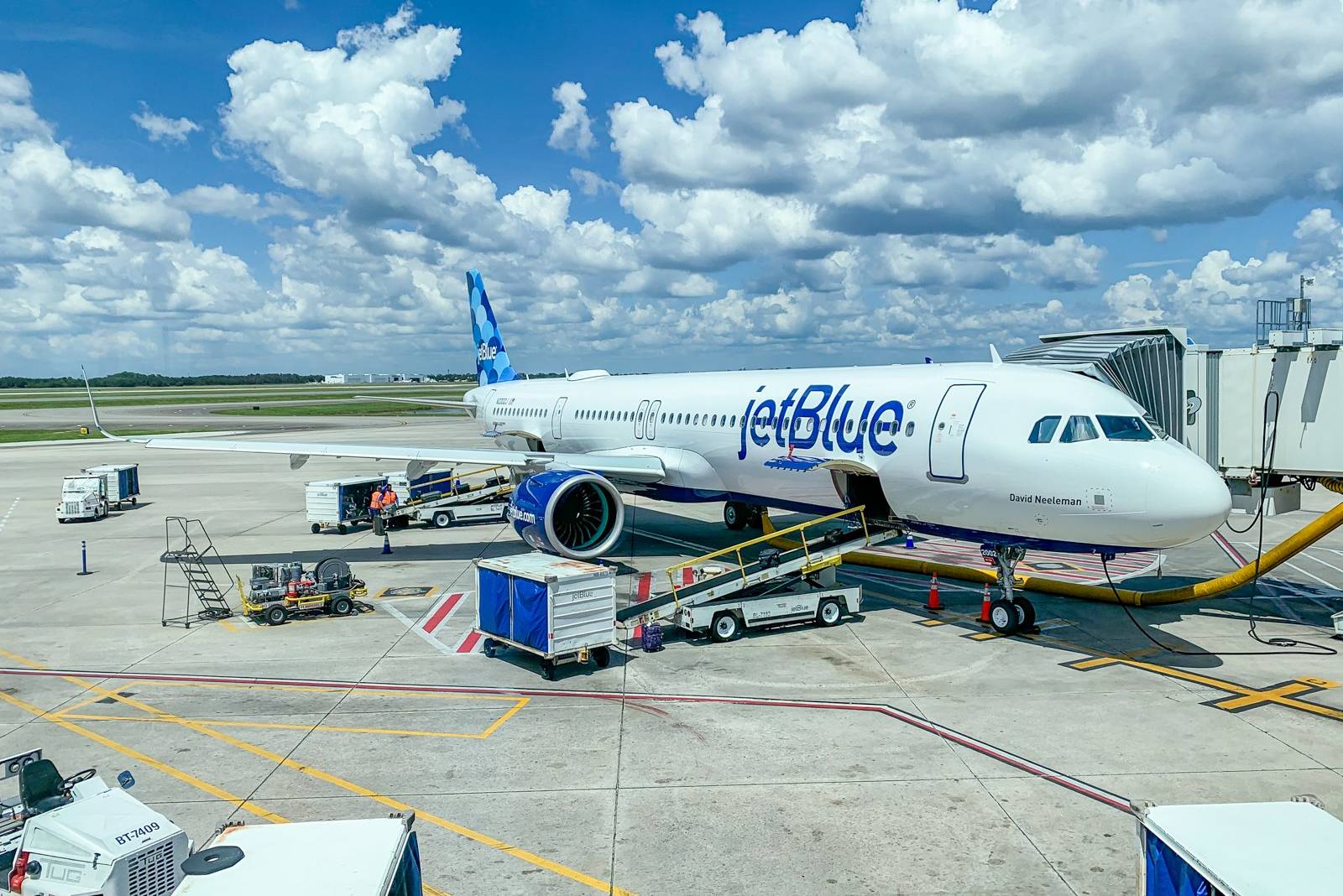
JetBlue Airways CEO Robin Hayes indicated no change in the airline's fleet plans due to the 5% capacity cut it is making from March through mid-May. The New York-based carrier already trimmed growth plans — and cut capacity in non-core markets — due to A321neo delivery delays.
Speaking at the conference, Hayes said JetBlue is "having extensive discussions" with Airbus on both its delivery stream and pre-delivery deposits, or the amount of money it puts down for a new aircraft. However, there are no plans to delay new deliveries at this time.
Hayes did not comment on JetBlue's plan to lease four used A321s to make up for the shortfall in new deliveries this year.
Related: JetBlue announces flight cuts because of coronavirus
Spirit
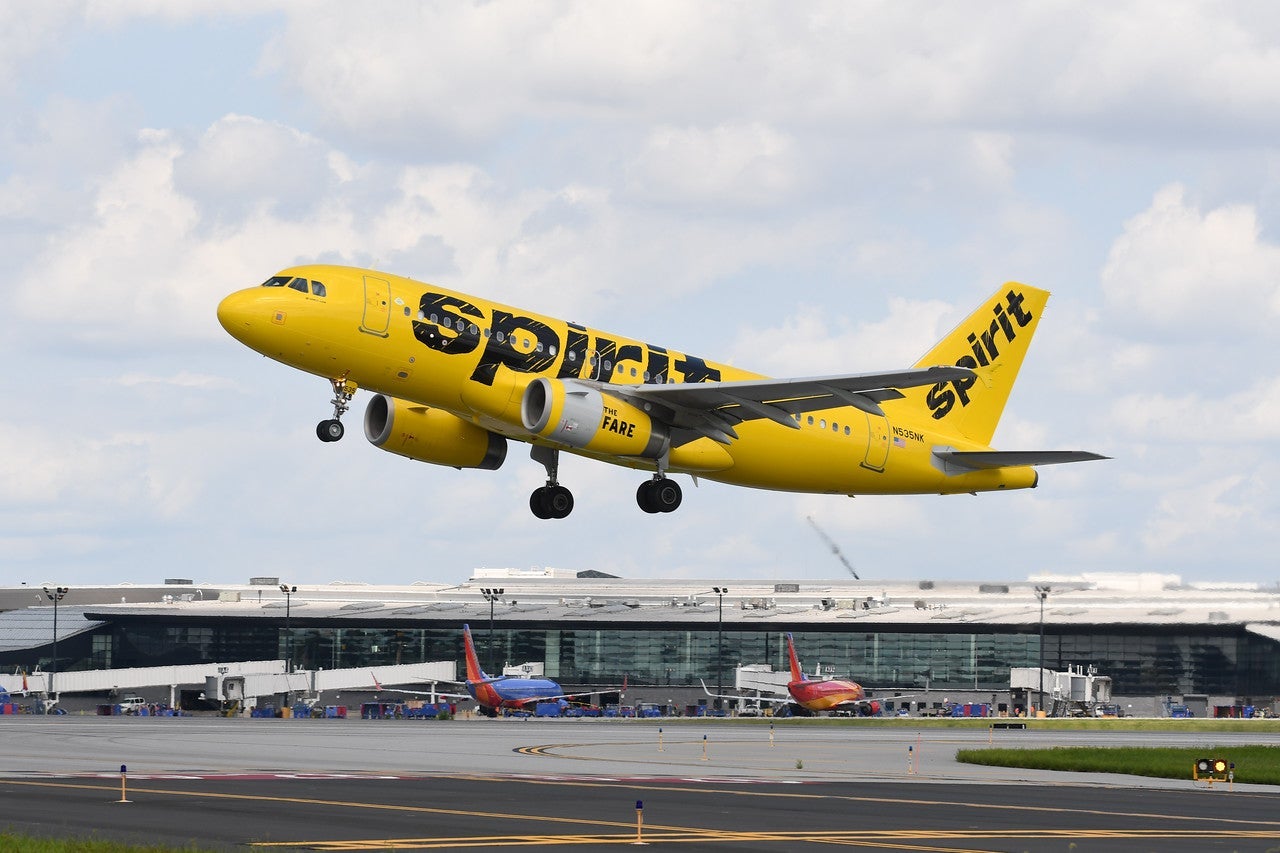
Spirit Airlines has no immediate plan to alter its fleet, CFO Scott Haralson said at the event. The South Florida-based airline has "little flexibility" in both its firm orderbook with Airbus and with its leased aircraft.
The carrier's initial roughly 5% capacity cut in April will focus on reducing utilization of its Airbus A319s, Spirit's oldest and least-efficient aircraft, and increasing utilization of new A320neo jets, he said.
"A lot of this is going to depend on the duration of the impact," said Haralson when asked whether Spirit could retire some of its A319s or defer future deliveries.
United
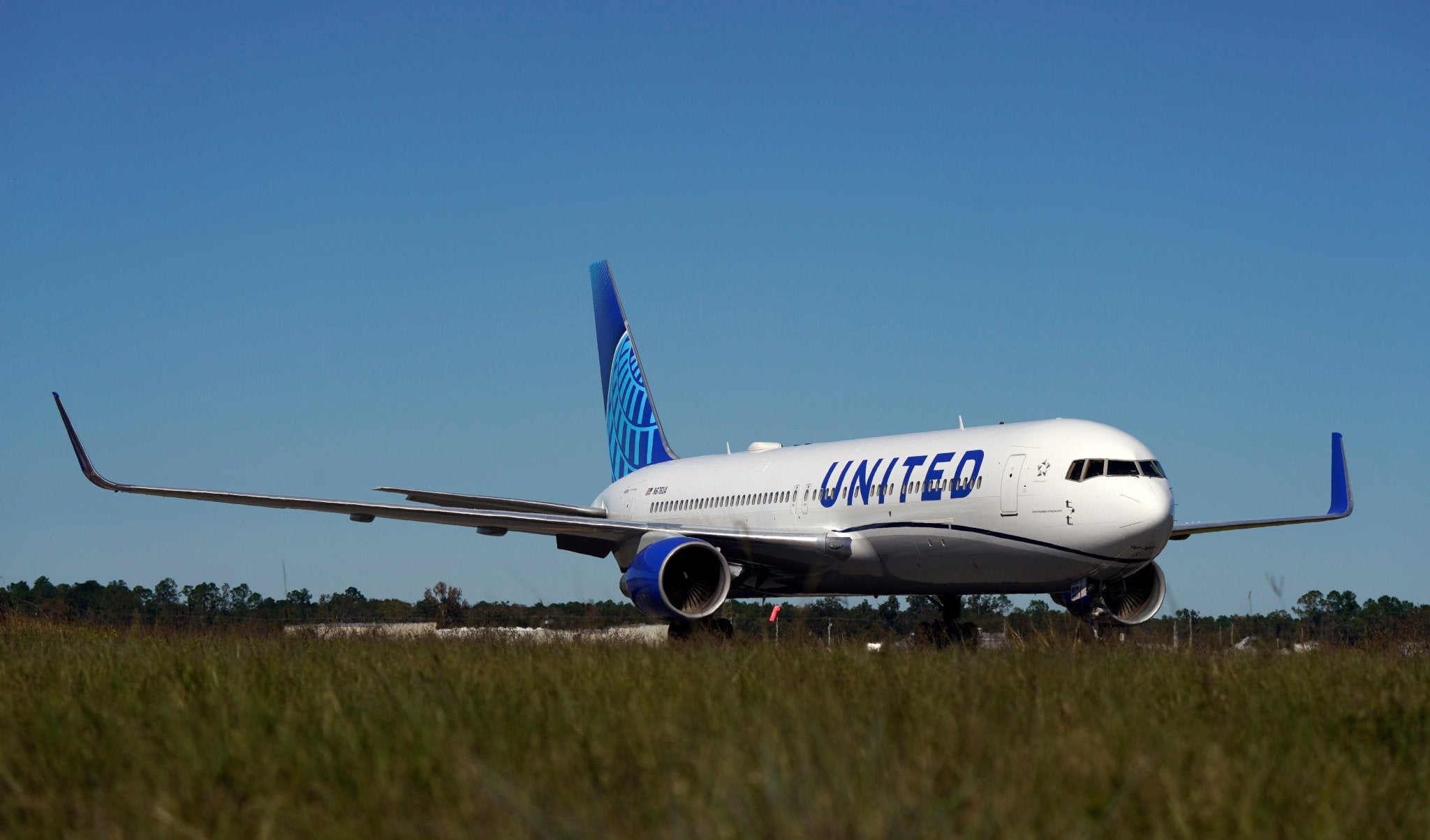
United has no immediate plans to park aircraft, even as it was the first to slash both international and U.S. capacity. Instead, the Chicago-based carrier has cut its planned purchases of new and used aircraft in half for the rest of 2020 in an effort to preserve cash, said United president Scott Kirby at the conference.
"We will not be taking delivery of a single aircraft... unless it is fully financed until the crisis is over," he said. Airlines always weigh paying cash for new aircraft or financing them with a range of possible products, including a loan or funds from an aircraft leasing company.
The European travel limits will likely change these plans. One question, of many, is what United will do with its fleet of 767-300ERs with an expanded business class cabin -- its "high-J" configuration -- that fly to London and Switzerland.
Related: United to extend coronavirus-related capacity cuts into summer
TPG featured card

at American Express's secure site
Terms & restrictions apply. See rates & fees.
| 4X | Earn 4X Membership Rewards® points per dollar spent on purchases at restaurants worldwide, on up to $50,000 in purchases per calendar year, then 1X points for the rest of the year. |
| 4X | Earn 4X Membership Rewards® points per dollar spent at US supermarkets, on up to $25,000 in purchases per calendar year, then 1X points for the rest of the year. |
| 5X | Earn 5X Membership Rewards® points on prepaid hotel stays booked through AmexTravel.com or the Amex Travel App™. |
| 3X | Earn 3X Membership Rewards® points on flights booked through AmexTravel.com, the Amex Travel App™, or purchased directly from airlines. |
| 2X | Earn 2X Membership Rewards® points on prepaid car rentals booked through AmexTravel.com or the Amex Travel App™ and cruises booked and paid through AmexTravel.com. |
| 1X | Earn 1X Membership Rewards® point per dollar spent on all other eligible purchases. |
Pros
- Valuable dining and food-related credits
- Flexible rewards with airline and hotel transfer partners
- Multiple travel and purchase protections
- No foreign transaction fees
- Access to Amex Offers for additional savings (enrollment required)
Cons
- Not as useful for those living outside the U.S.
- Some may have trouble using Uber and other dining credits
- You may be eligible for as high as 100,000 Membership Rewards® Points after you spend $8,000 in eligible purchases on your new Card in your first 6 months of Card Membership. Welcome offers vary and you may not be eligible for an offer. Apply to know if you’re approved and find out your exact welcome offer amount – all with no credit score impact. If you’re approved and choose to accept the Card, your score may be impacted.
- Earn 4X Membership Rewards® points per dollar spent on purchases at restaurants worldwide, on up to $50,000 in purchases per calendar year, then 1X points for the rest of the year.
- Earn 4X Membership Rewards® points per dollar spent at US supermarkets, on up to $25,000 in purchases per calendar year, then 1X points for the rest of the year.
- Earn 5X Membership Rewards® points on prepaid hotel stays booked through AmexTravel.com or the Amex Travel App™.
- Earn 3X Membership Rewards® points on flights booked through AmexTravel.com, the Amex Travel App™, or purchased directly from airlines.
- Earn 2X Membership Rewards® points on prepaid car rentals booked through AmexTravel.com or the Amex Travel App™ and cruises booked and paid through AmexTravel.com.
- Earn 1X Membership Rewards® point per dollar spent on all other eligible purchases.
- Pay It® lets you tap in the American Express® App to quickly pay for small purchase amounts throughout the month and still earn rewards the way you usually do. Plan It® gives you the option to split up big purchases into equal monthly payments with a fixed fee. You’ll know upfront exactly how much you’ll pay.
- $120 Dining Credit: Earn up to a total of $10 in statement credits monthly when you pay with the Gold Card at Grubhub (including Seamless), Buffalo Wild Wings, Five Guys, The Cheesecake Factory, and Wonder. This can be an annual savings of up to $120. Enrollment required.
- $100 Resy Credit: Get up to $100 in statement credits each calendar year at over 10,000 qualifying U.S. Resy restaurants after you pay for eligible purchases with the American Express® Gold Card. That’s up to $50 in statement credits semi-annually. Enrollment required.
- $84 Dunkin' Credit: Earn up to $7 in monthly statement credits after you pay with the American Express® Gold Card at U.S. Dunkin’ locations. Enrollment required.
- $120 Uber Cash on Gold: Enjoy up to $120 in Uber Cash annually with your Gold Card. Just add your Card to your Uber account and you'll get $10 in Uber Cash each month to use on orders and rides in the U.S. when you select an Amex Card for your transaction.
- Enjoy complimentary Hertz Five Star® Status benefits like skipping the counter at select locations, adding an additional driver at no additional cost*, and vehicle upgrades**. Benefit enrollment and Hertz Gold+ registration are required. *Additional drivers must meet standard rental qualifications and must be a spouse or domestic partner to qualify as complimentary. Other additional drivers subject to fees. **Benefits are subject to availability and vary by location. Additional Hertz program Terms and Conditions including age restrictions apply.
- Book two nights or more with The Hotel Collection through AmexTravel.com or the Amex Travel App™ and receive a $100* credit towards eligible charges at over 1,400 upscale hotels worldwide. *Eligible charges vary by property.
- Book your travel through the Amex Travel App™ with added peace of mind – backed by American Express® service and support. Only for American Express® Card Members.
- Whenever you need us, we're here. Our Member Services team will ensure you are taken care of. From lost Card replacement to statement questions, we are available to help 24/7.
- No Foreign Transaction Fees.
- Annual Fee is $325.
- Terms Apply.