United's ditching 2 major COVID-19 modifications, including electrostatic spraying

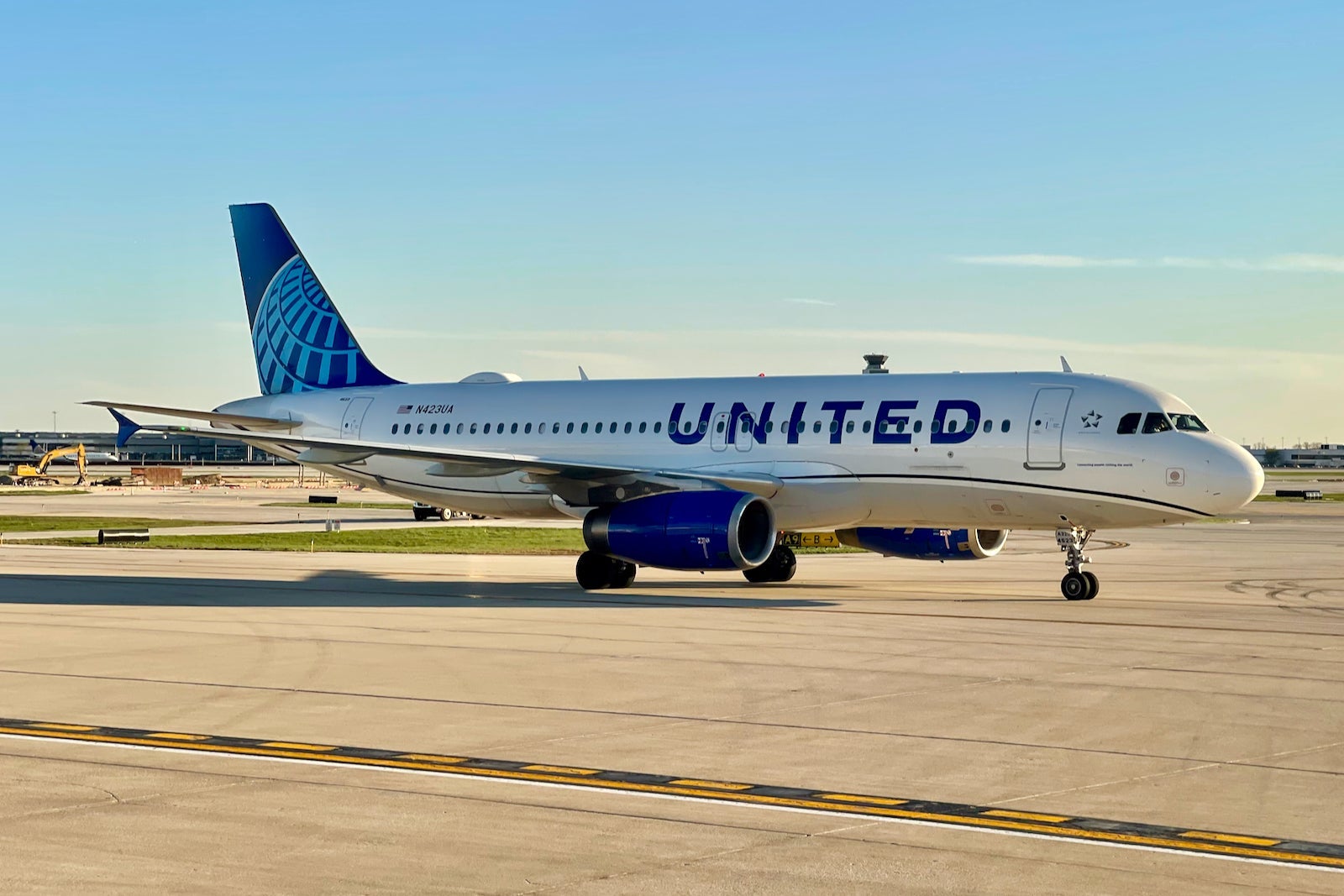
Traveling with United now feels a little bit more like "normal."
Effective immediately, United no longer requires passengers to deplane in groups of five rows at a time. Over the weekend, the Chicago-based carrier dropped its last major modification to the passenger experience that it had originally implemented as an anti-coronavirus measure during the height of the pandemic.
Originally, United implemented this policy "to reduce crowding" and promote social distancing throughout the deplaning process. Now, however, as vaccination rates increase nationwide and case numbers plummet, guidance from the U.S. Centers for Disease Control and Prevention and other health care agencies around the need for social distancing has shifted.
In a statement to TPG confirming the move, United said that:
The temporary deplaning process was implemented in combination with back-to-front boarding in order to promote social distancing on board the aircraft and in our gate hold rooms. United has proven the safety of our onboard experience – even when the plane is full – through enhanced cleaning procedures, on-board HEPA filtration and mask requirements, which makes front-to-back deplaning no longer necessary.
In addition to returning to the pre-pandemic deplaning process, United's also shifting its onboard cleaning strategy. The carrier will stop electrostatically spraying its jets before every flight, and will instead apply a once-weekly Zoono antimicrobial surface treatment throughout its fleet.
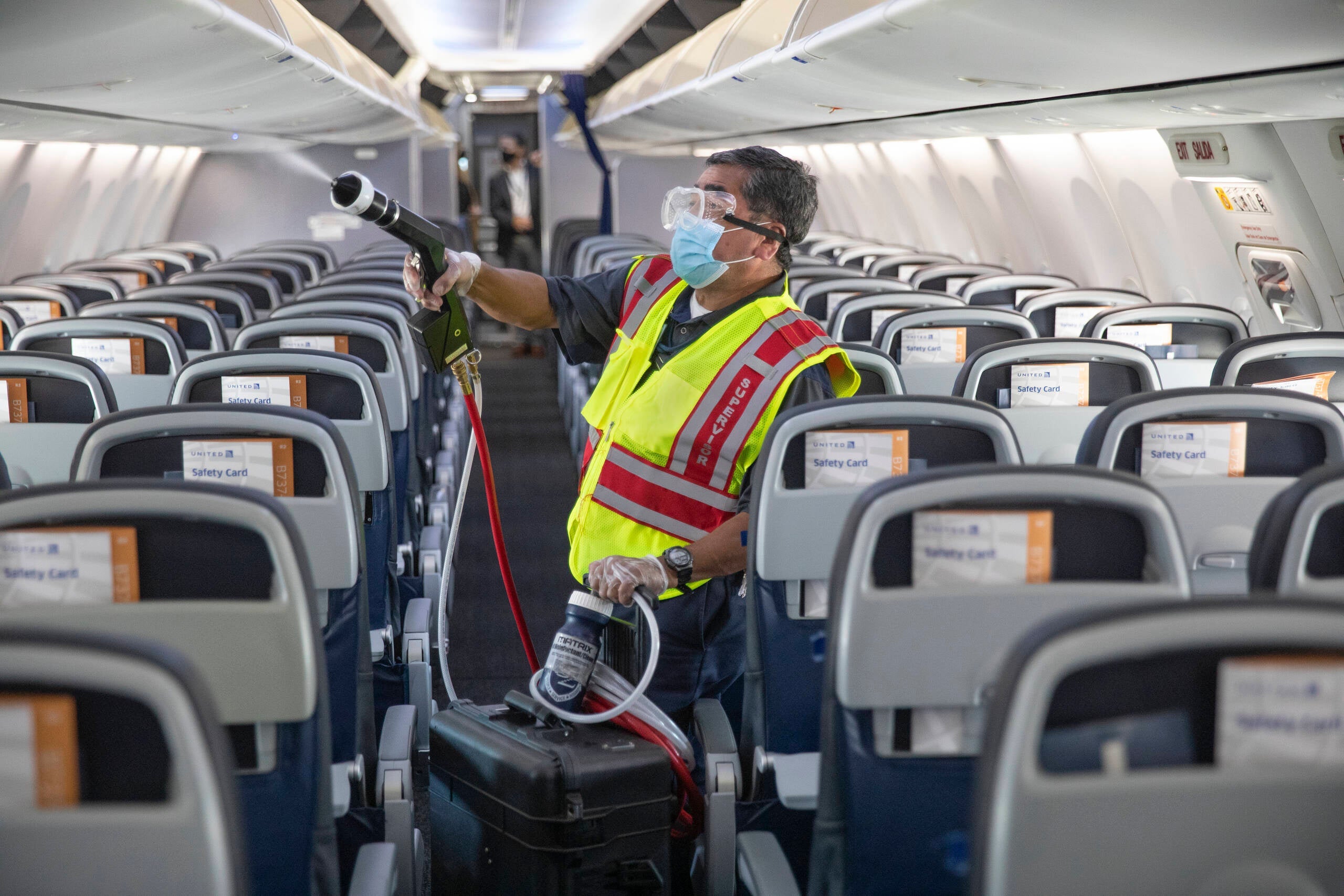
During weekly overnight deep cleanings, United will deploy the NovaRover robot to apply a mist of the antimicrobial treatment that coats surfaces in a 12-foot radius with a single spray application.
When explaining the move to stop electrostatically spraying every jet before departure, United told TPG that:
Every week United protects all of its aircraft with the Zoono antimicrobial surface treatment. Zoono Microbe Shield creates a 24/7, ongoing protective barrier that kills microorganisms on surfaces throughout our aircraft. It creates a hostile environment for microorganisms to live on, and nearly eliminates the ability of that surface to transmit viruses including COVID-19. Zoono is EPA-registered, water-based and non-toxic. Throughout the COVID-19 pandemic, United has been an industry leader committed to delivering new and innovative solutions to ensure a safer onboard experience for its customers and employees.
For much for the pandemic, United also modified its boarding process, loading flyers from the back of the plane to the front. That change was scrapped in early April, following both JetBlue and Southwest returning to pre-pandemic boarding processes as well.
Only a handful of airlines, including Delta, JetBlue and United, asked passengers to deplane in small groups during the pandemic.

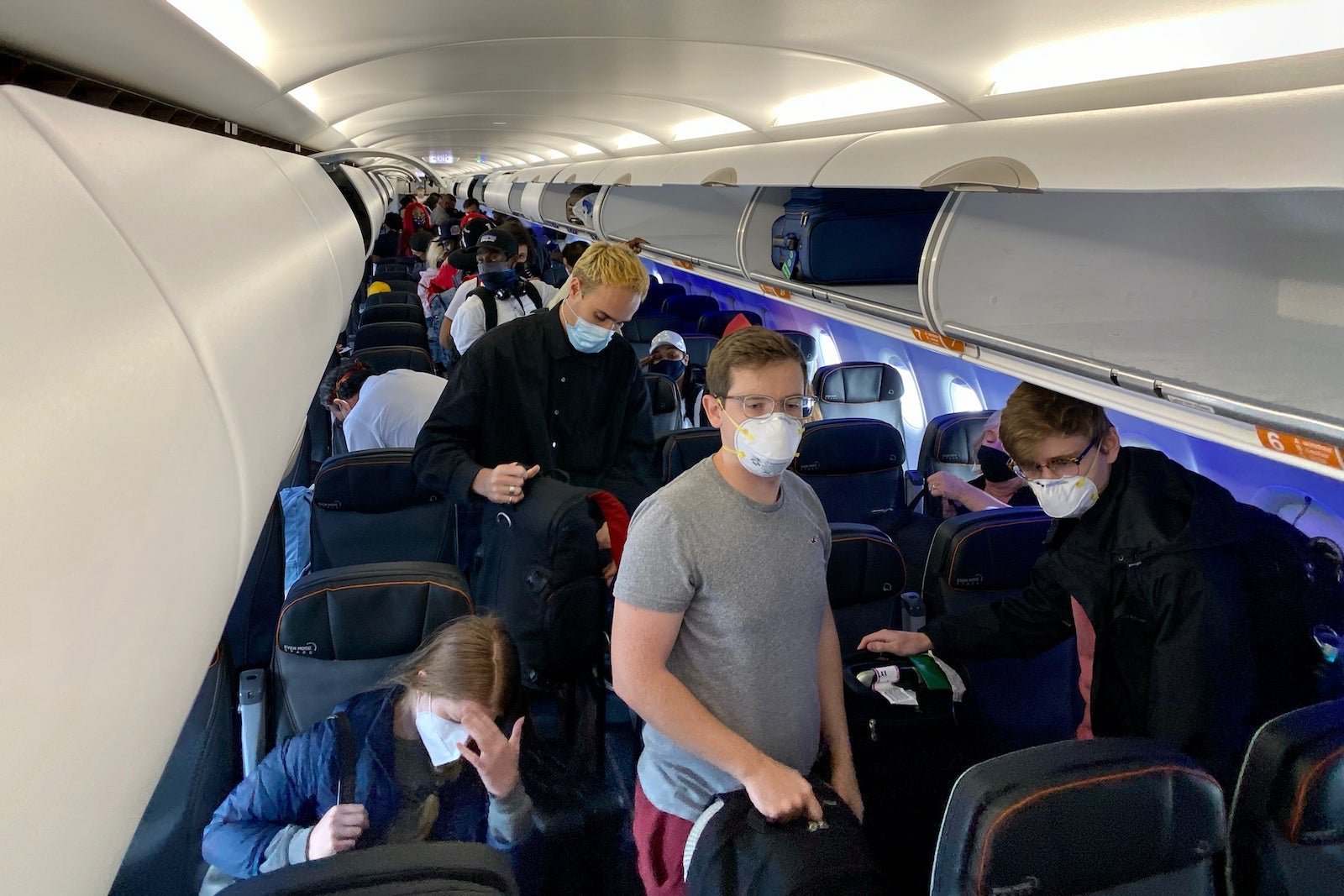
Though I traveled with all the major airlines during the height of the pandemic, I found that United flight attendants were often the most vocal about enforcing the five-row deplaning process. On some flights, however, passengers ignored the request and crowded the aisle as if we were living in 2019.
Social distancing aside, some passengers might've appreciated the modified deplaning process. Instead of everyone getting up at once and playing musical chairs trying to shift around carry-on bags stored in the overhead bin, United's pandemic-era deplaning process made for a calmer experience after touching down.
Other than the federal mask requirement, most of the COVID-19-era modifications to the travel experience have reverted back to "normal." Inflight service is resuming, onboard sanitization isn't done nearly as frequently and lounges are reopening.
And above all else, more and more travelers are taking to the skies once again. If you're flying for the first time since the pandemic started, prepare for full airports and planes — and when you land, expect most travelers to get up at the same time once they see the seat belt sign turn off.
TPG featured card
at American Express's secure site
Terms & restrictions apply. See rates & fees.
| 4X | Earn 4X Membership Rewards® points per dollar spent on purchases at restaurants worldwide, on up to $50,000 in purchases per calendar year, then 1X points for the rest of the year. |
| 4X | Earn 4X Membership Rewards® points per dollar spent at US supermarkets, on up to $25,000 in purchases per calendar year, then 1X points for the rest of the year. |
| 5X | Earn 5X Membership Rewards® points on prepaid hotel stays booked through AmexTravel.com or the Amex Travel App™. |
| 3X | Earn 3X Membership Rewards® points on flights booked through AmexTravel.com, the Amex Travel App™, or purchased directly from airlines. |
| 2X | Earn 2X Membership Rewards® points on prepaid car rentals booked through AmexTravel.com or the Amex Travel App™ and cruises booked and paid through AmexTravel.com. |
| 1X | Earn 1X Membership Rewards® point per dollar spent on all other eligible purchases. |
Pros
- Valuable dining and food-related credits
- Flexible rewards with airline and hotel transfer partners
- Multiple travel and purchase protections
- No foreign transaction fees
- Access to Amex Offers for additional savings (enrollment required)
Cons
- Not as useful for those living outside the U.S.
- Some may have trouble using Uber and other dining credits
- You may be eligible for as high as 100,000 Membership Rewards® Points after you spend $8,000 in eligible purchases on your new Card in your first 6 months of Card Membership. Welcome offers vary and you may not be eligible for an offer. Apply to know if you’re approved and find out your exact welcome offer amount – all with no credit score impact. If you’re approved and choose to accept the Card, your score may be impacted.
- Earn 4X Membership Rewards® points per dollar spent on purchases at restaurants worldwide, on up to $50,000 in purchases per calendar year, then 1X points for the rest of the year.
- Earn 4X Membership Rewards® points per dollar spent at US supermarkets, on up to $25,000 in purchases per calendar year, then 1X points for the rest of the year.
- Earn 5X Membership Rewards® points on prepaid hotel stays booked through AmexTravel.com or the Amex Travel App™.
- Earn 3X Membership Rewards® points on flights booked through AmexTravel.com, the Amex Travel App™, or purchased directly from airlines.
- Earn 2X Membership Rewards® points on prepaid car rentals booked through AmexTravel.com or the Amex Travel App™ and cruises booked and paid through AmexTravel.com.
- Earn 1X Membership Rewards® point per dollar spent on all other eligible purchases.
- Pay It® lets you tap in the American Express® App to quickly pay for small purchase amounts throughout the month and still earn rewards the way you usually do. Plan It® gives you the option to split up big purchases into equal monthly payments with a fixed fee. You’ll know upfront exactly how much you’ll pay.
- $120 Dining Credit: Earn up to a total of $10 in statement credits monthly when you pay with the Gold Card at Grubhub (including Seamless), Buffalo Wild Wings, Five Guys, The Cheesecake Factory, and Wonder. This can be an annual savings of up to $120. Enrollment required.
- $100 Resy Credit: Get up to $100 in statement credits each calendar year at over 10,000 qualifying U.S. Resy restaurants after you pay for eligible purchases with the American Express® Gold Card. That’s up to $50 in statement credits semi-annually. Enrollment required.
- $84 Dunkin' Credit: Earn up to $7 in monthly statement credits after you pay with the American Express® Gold Card at U.S. Dunkin’ locations. Enrollment required.
- $120 Uber Cash on Gold: Enjoy up to $120 in Uber Cash annually with your Gold Card. Just add your Card to your Uber account and you'll get $10 in Uber Cash each month to use on orders and rides in the U.S. when you select an Amex Card for your transaction.
- Enjoy complimentary Hertz Five Star® Status benefits like skipping the counter at select locations, adding an additional driver at no additional cost*, and vehicle upgrades**. Benefit enrollment and Hertz Gold+ registration are required. *Additional drivers must meet standard rental qualifications and must be a spouse or domestic partner to qualify as complimentary. Other additional drivers subject to fees. **Benefits are subject to availability and vary by location. Additional Hertz program Terms and Conditions including age restrictions apply.
- Book two nights or more with The Hotel Collection through AmexTravel.com or the Amex Travel App™ and receive a $100* credit towards eligible charges at over 1,400 upscale hotels worldwide. *Eligible charges vary by property.
- Book your travel through the Amex Travel App™ with added peace of mind – backed by American Express® service and support. Only for American Express® Card Members.
- Whenever you need us, we're here. Our Member Services team will ensure you are taken care of. From lost Card replacement to statement questions, we are available to help 24/7.
- No Foreign Transaction Fees.
- Annual Fee is $325.
- Terms Apply.