The Points Guy believes that credit cards can transform lives, helping you leverage everyday spending for cash back or travel experiences that might otherwise be out of reach. That's why we publish a variety of editorial content and card comparisons: to help you find a great card to turn your goals into reality.
Our site may earn compensation when a customer clicks on a link, when an application is approved, or when an account is opened with our partners, and this may impact how or where these products appear. While we don't cover all available credit cards, our editorial team creates and maintains all of the analysis of these cards, and our content is not influenced nor subject to review by any credit card company, bank or partner prior to (or after) publication. Please view our advertising policy and product review methodology for more information.
Advertiser disclosure
The Points Guy believes that credit cards can transform lives, helping you leverage everyday spending for cash back or travel experiences that might otherwise be out of reach. That's why we publish a variety of editorial content and card comparisons: to help you find a great card to turn your goals into reality.
Our site may earn compensation when a customer clicks on a link, when an application is approved, or when an account is opened with our partners, and this may impact how or where these products appear. While we don't cover all available credit cards, our editorial team creates and maintains all of the analysis of these cards, and our content is not influenced nor subject to review by any credit card company, bank or partner prior to (or after) publication. Please view our advertising policy and product review methodology for more information.
News
United's all-in on this growing air travel trend. Delta isn't a fan
Sean Cudahy is an aviation reporter covering news about airlines, frequent flyer programs and consumer travel issues.
August 30, 2026 • 6 min read
The cards we feature here are from partners who compensate us when you are approved through our site, and this may impact how or where these products appear. We don't cover all available credit cards, but our analysis, reviews, and opinions are entirely from our editorial team. Terms apply to the offers listed on this page. Please view our advertising policy and product review methodology for more information.Editorial disclaimer: Opinions expressed here are the author's alone, not those of any bank, credit card issuer, airline or hotel chain, and have not been reviewed, approved or otherwise endorsed by any of these entities.
Comments
By commenting, you agree to our Community Guidelines to help create a positive space for conversation. The responses below are not provided or commissioned by the bank advertiser, our partners, or The Points Guy (“TPG”). They have not been reviewed, approved, or otherwise endorsed by any of these parties. All responses are submitted by individual contributors, and neither the bank advertiser, our partners, nor TPG are responsible for ensuring that all posts and/or questions are answered.
Related stories
Quick summary
A major U.S. airline is launching 10 new nonstop transatlantic routes to smaller European destinations using single-aisle aircraft starting next spring.
These new planes feature premium cabins and amenities, aiming to offer a comfortable experience despite their smaller size.
The strategy allows travelers to reach less-visited cities directly, avoiding connections at major European hubs.
Industry competitors remain skeptical, preferring larger planes for long-haul flights due to concerns about comfort and onboard space.
What to consider
Single-aisle planes have less space for passengers to move around and fewer lavatories, which may affect comfort on longer flights.
The new aircraft include premium seating options, a walk-up snack bar in coach and the ability to pay extra for an empty middle seat.
Direct flights to niche destinations can save time by eliminating the need for layovers in major European airports.
What you'll miss from the article
A detailed comparison of narrow-body versus wide-body aircraft for long-haul travel and insights into evolving airline strategies.
Generated by AI with support from our editorial team.
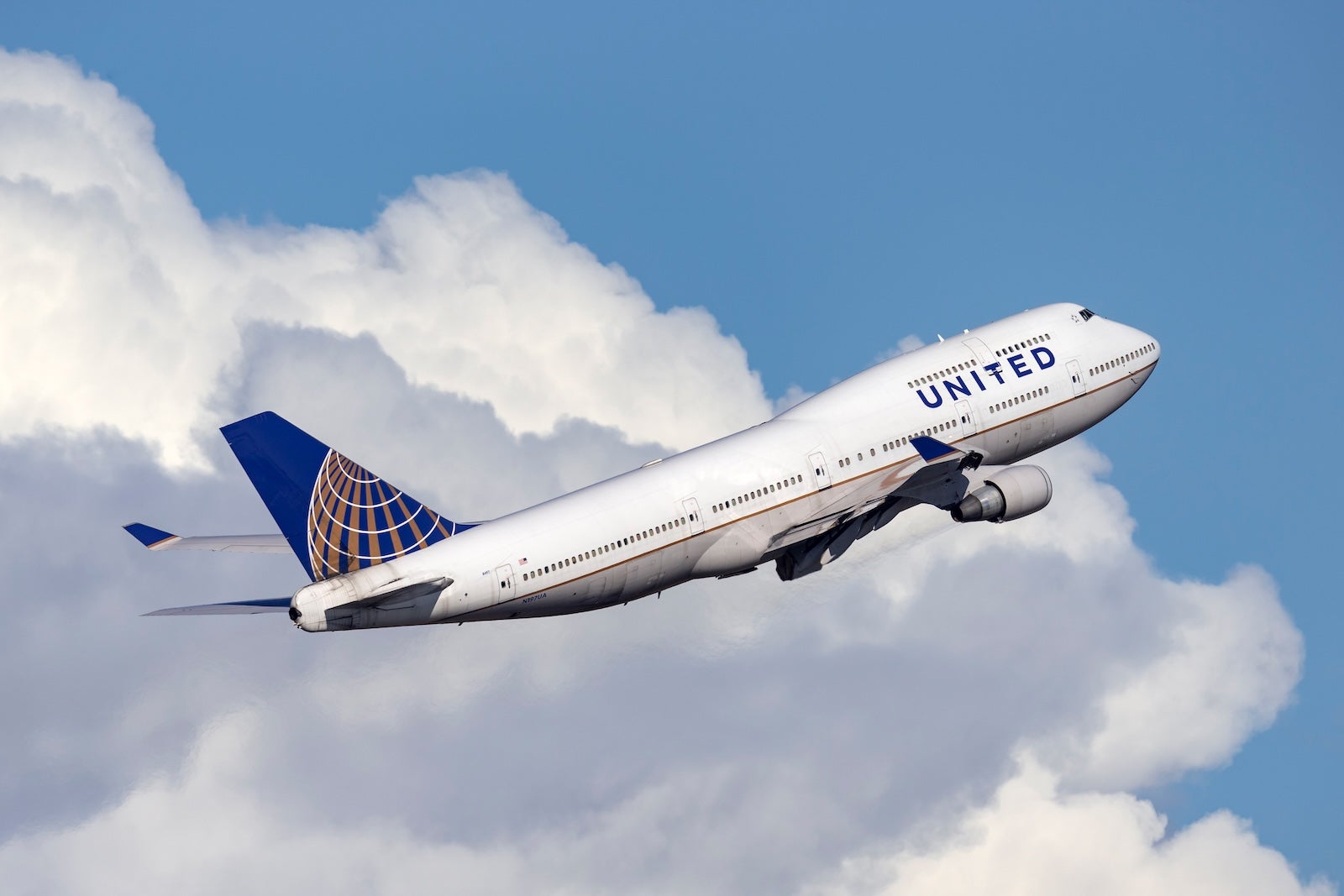
If you flew to Europe 15 years ago, you might have found yourself on a giant double-decker plane like the Boeing 747 or Airbus A380.
But it’s 2026, and United Airlines’ plans for next summer couldn’t be more different.
These destinations range from Luxembourg and Slovenia to the Azores and Sicily, and there's a common theme between several of them: The airline plans to reach them using smaller, single-aisle planes.
All-in on smaller planes for long routes
Forget sending a jumbo jet with several hundred seats across the Atlantic to London or Paris.
United Airlines Boeing 747 takes off from Sydney Airport (SYD) in 2013. RYAN FLETCHER/GETTY IMAGES
Increasingly, United is betting travelers would rather fly directly to a more under-the-radar destination — even if the plane is smaller than the ones they're used to.
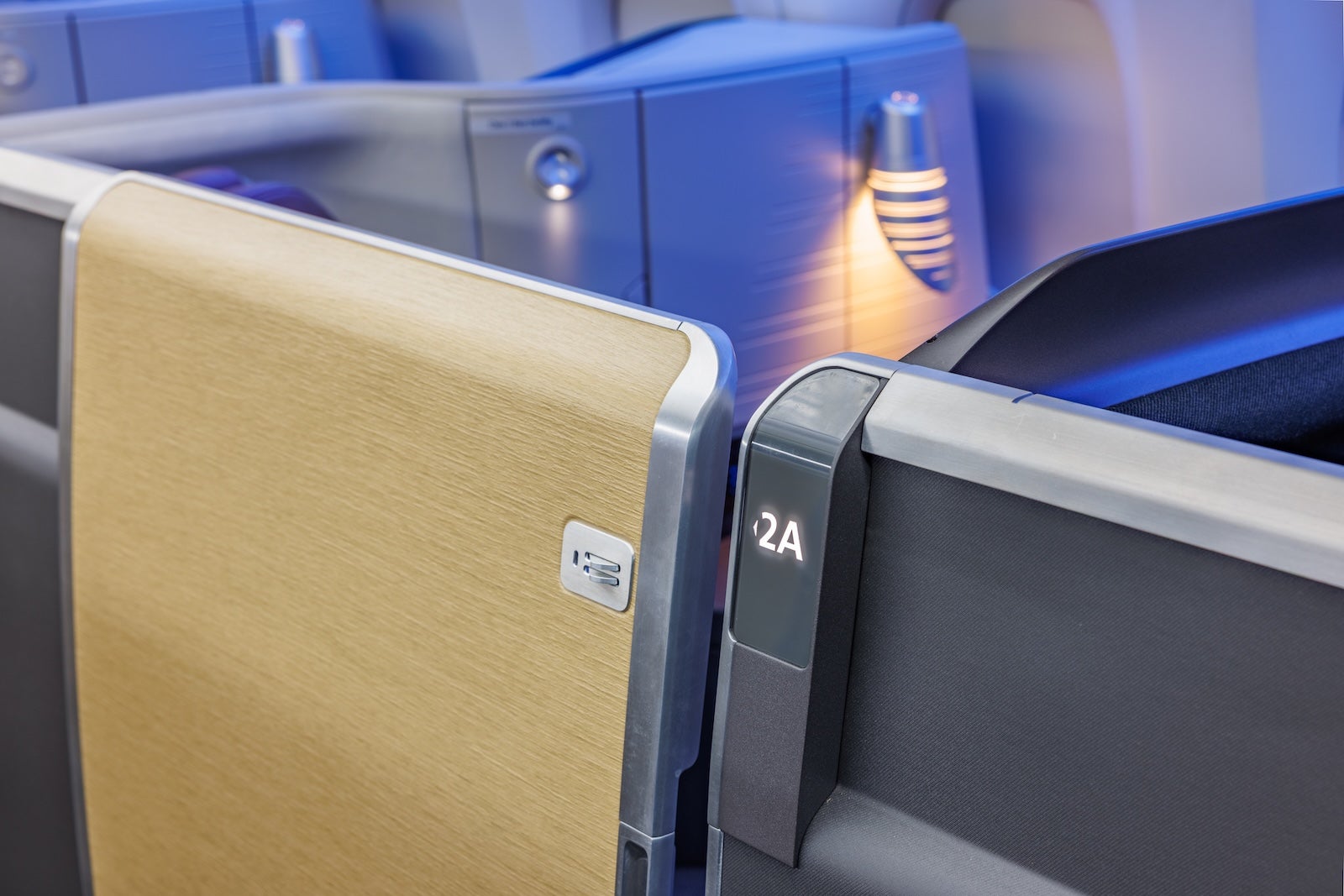
An added bonus? The aircraft it plans to use for most of these routes is decked out with fancy seats and other premium features.
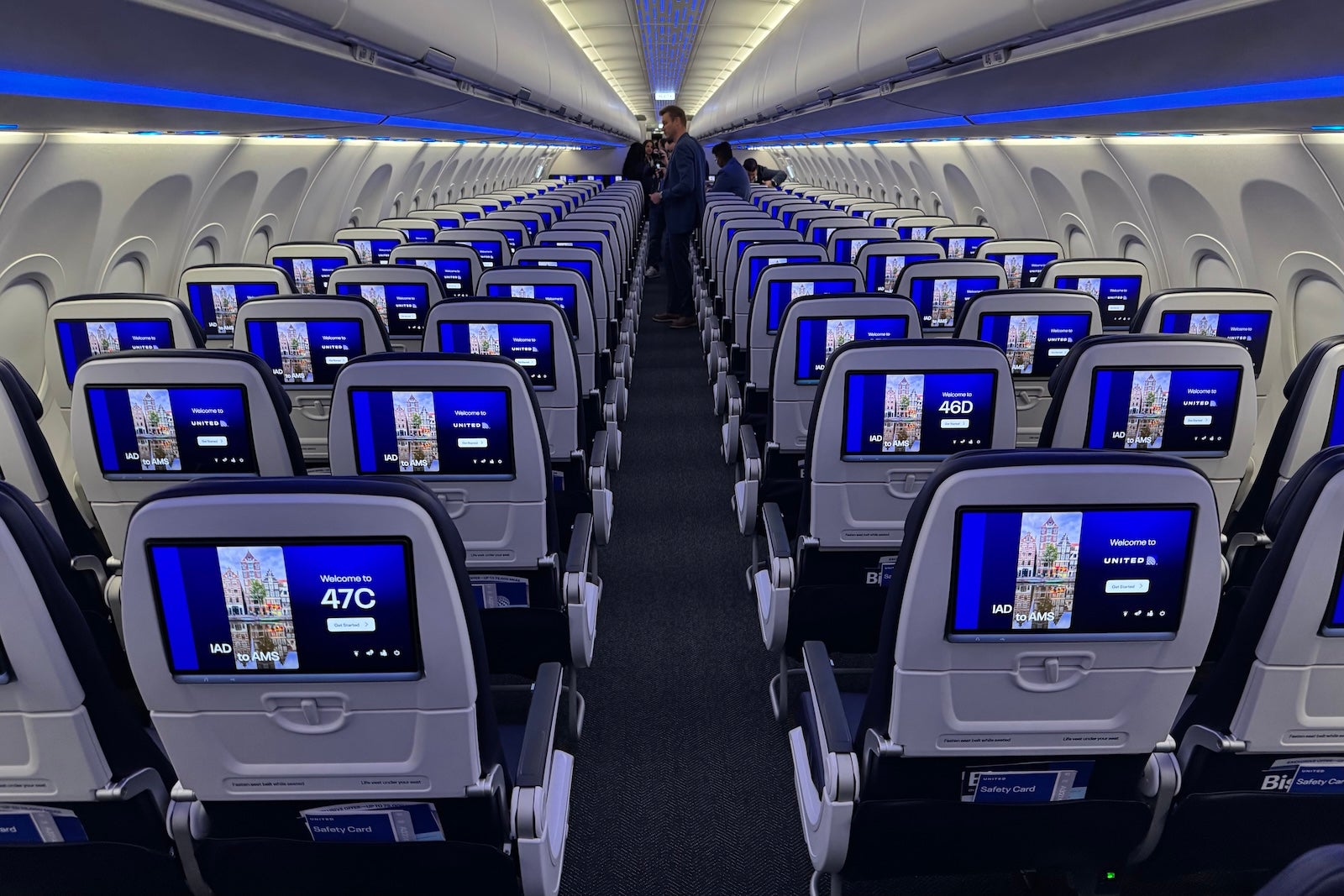
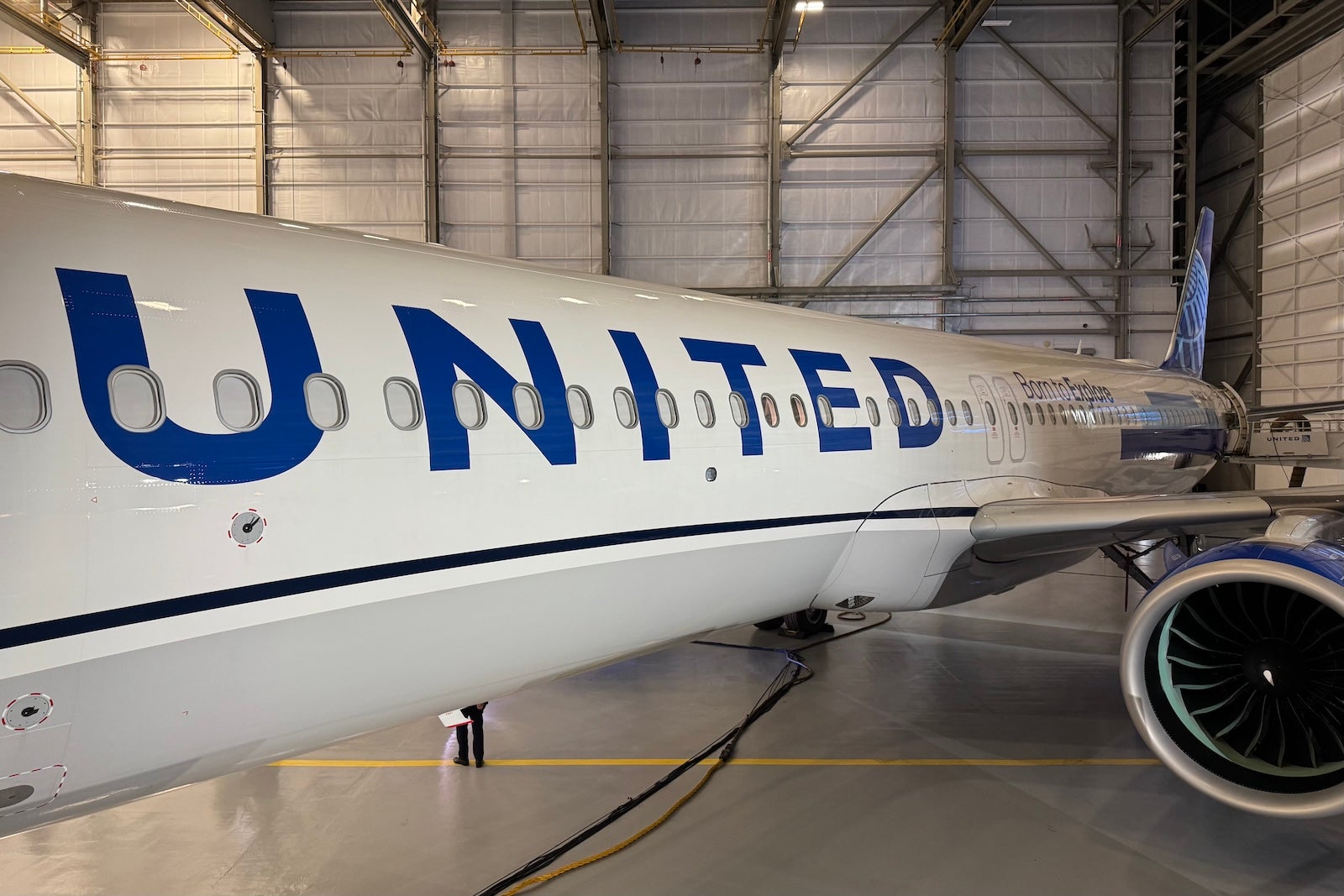
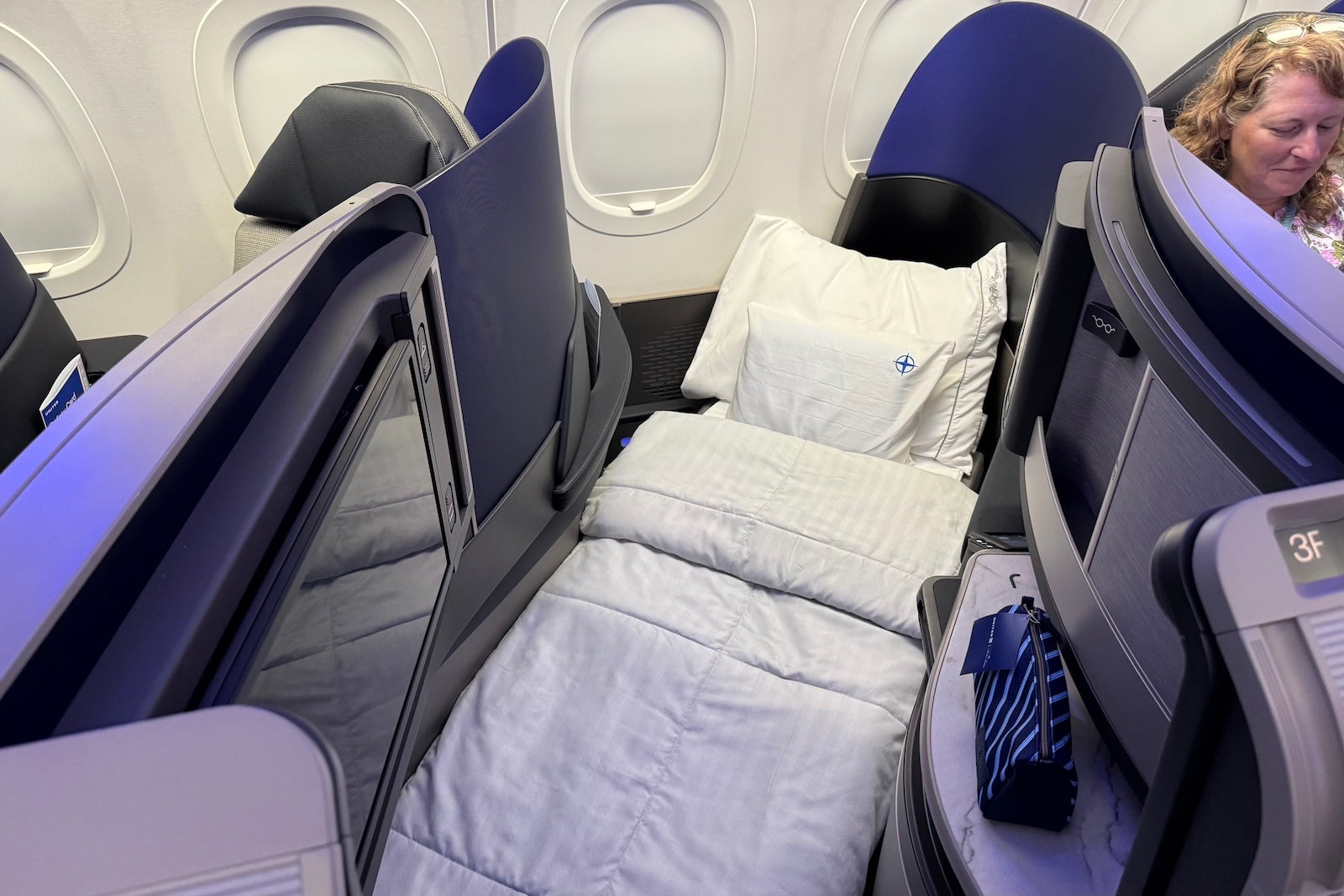
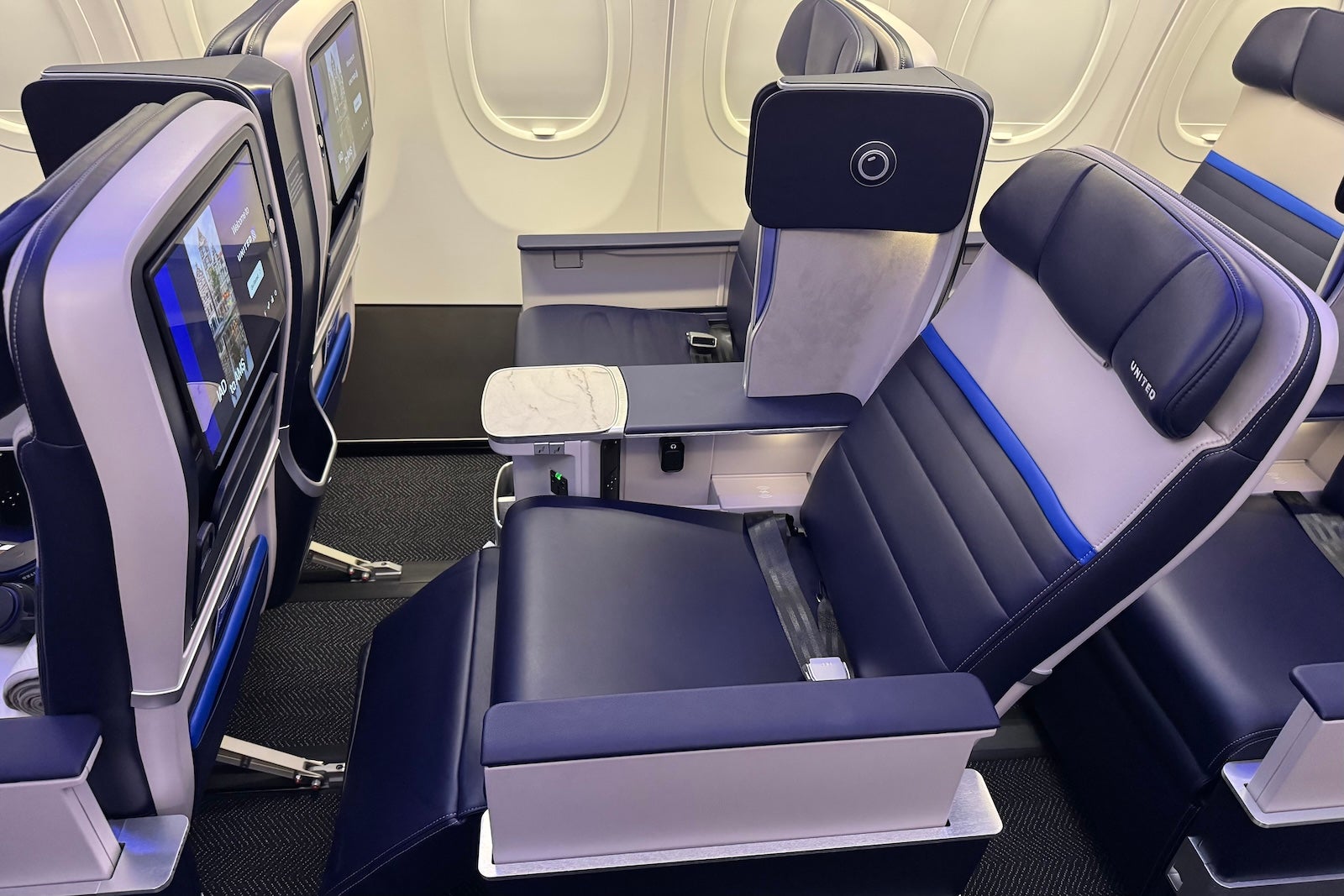
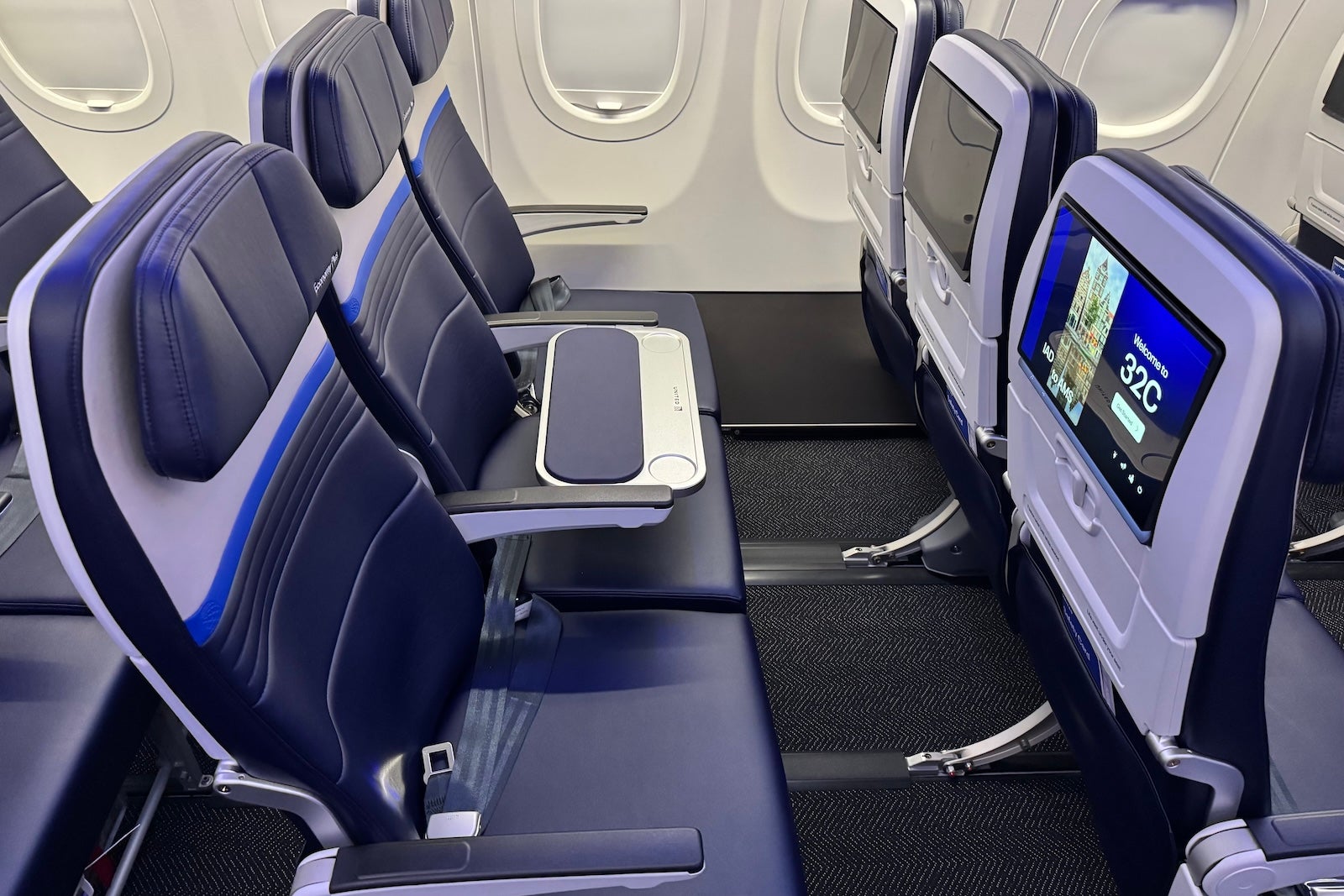
United’s new Airbus A321XLR has a true international business-class cabin, along with premium economy.
And the airline has 50 of those planes on order, which means this jet will be a big part of United's international plans for years to come.
1 of 3
SEAN CUDAHY/THE POINTS GUY
2 of 3
SEAN CUDAHY/THE POINTS GUY
3 of 3
SEAN CUDAHY/THE POINTS GUY
“There’s really no other U.S.-based carrier that’s leaning in to this narrow-body platform in a premium configuration the way United is,” chief commercial officer Andrew Nocella said last week.
But does eight hours on what's essentially a domestic-size airplane sound like ... a bit much?
United’s top rival thinks so.
Delta says it's not 'the best product'
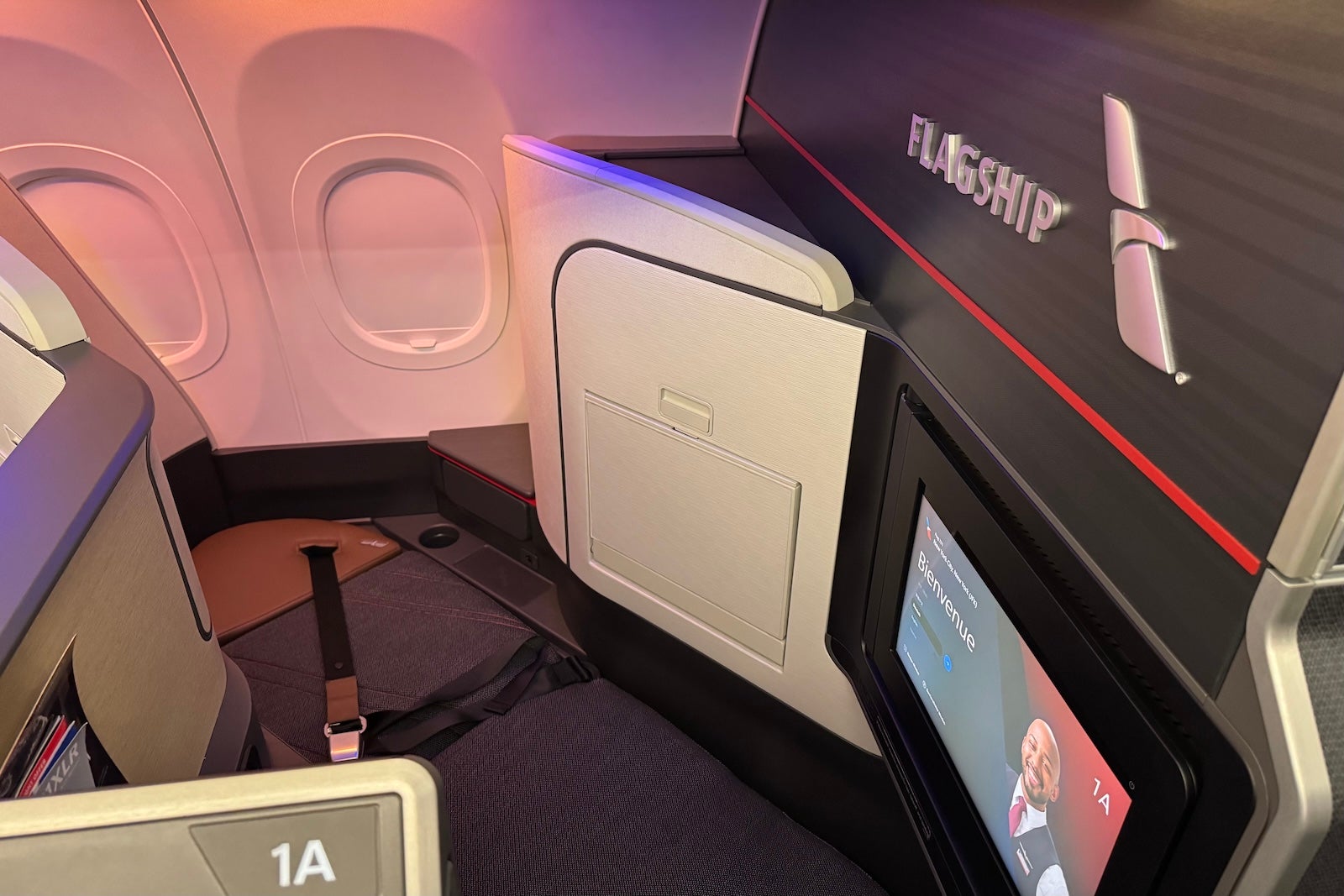
Delta Air Lines has been clear: It has no interest in sending single-aisle planes on long-haul routes.
Why?
“I don’t know if it’s the best product,” Delta’s chief commercial officer, Joe Esposito, told me bluntly in a recent interview.
Delta has repeatedly insisted it would stick exclusively with larger planes on its intercontinental flights. And it doesn’t look like that’s going to change, even as Delta watches competitors use the smaller jets to open up unique niche destinations.
“I think we’ve got a best-in-class product,” Esposito said, “It’s hard to put a great product on a narrow-body [plane] for international. Especially if you’re trying to go far.”
He has a point.
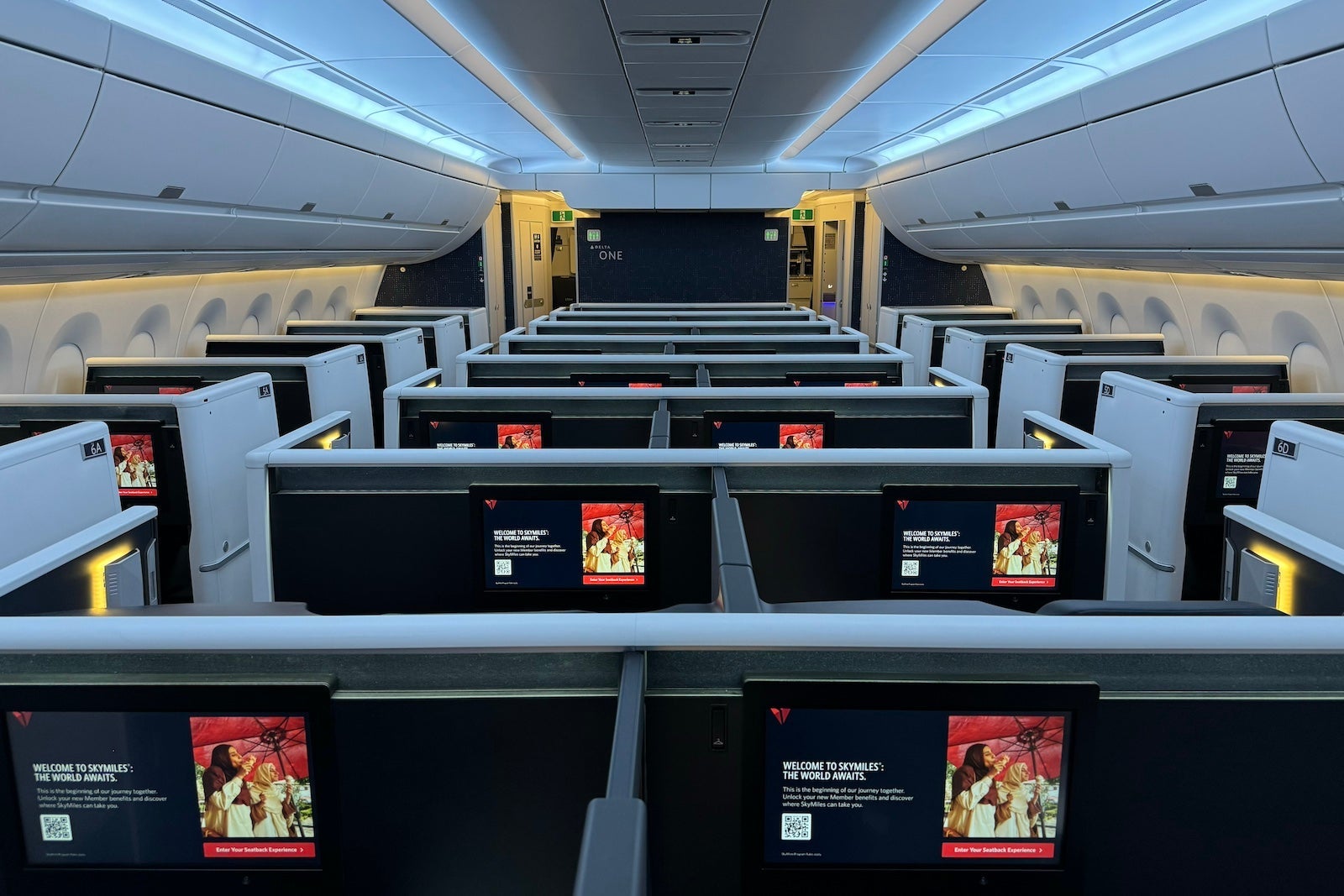
Delta One cabin on the wide-body Airbus A350-900. SEAN CUDAHY/THE POINTS GUY
Too long on board a smaller plane?
A smaller plane means less room to get up and stretch your legs, and less galley space for flight attendants to prep meal service.
It also means fewer lavatories on board, which can lead to long lines during international flights lasting eight hours or more.
United isn’t worried, though.
The carrier believes it has equipped its new XLR planes with enough premium features that passengers will more than willingly hop on board for the transatlantic crossing.
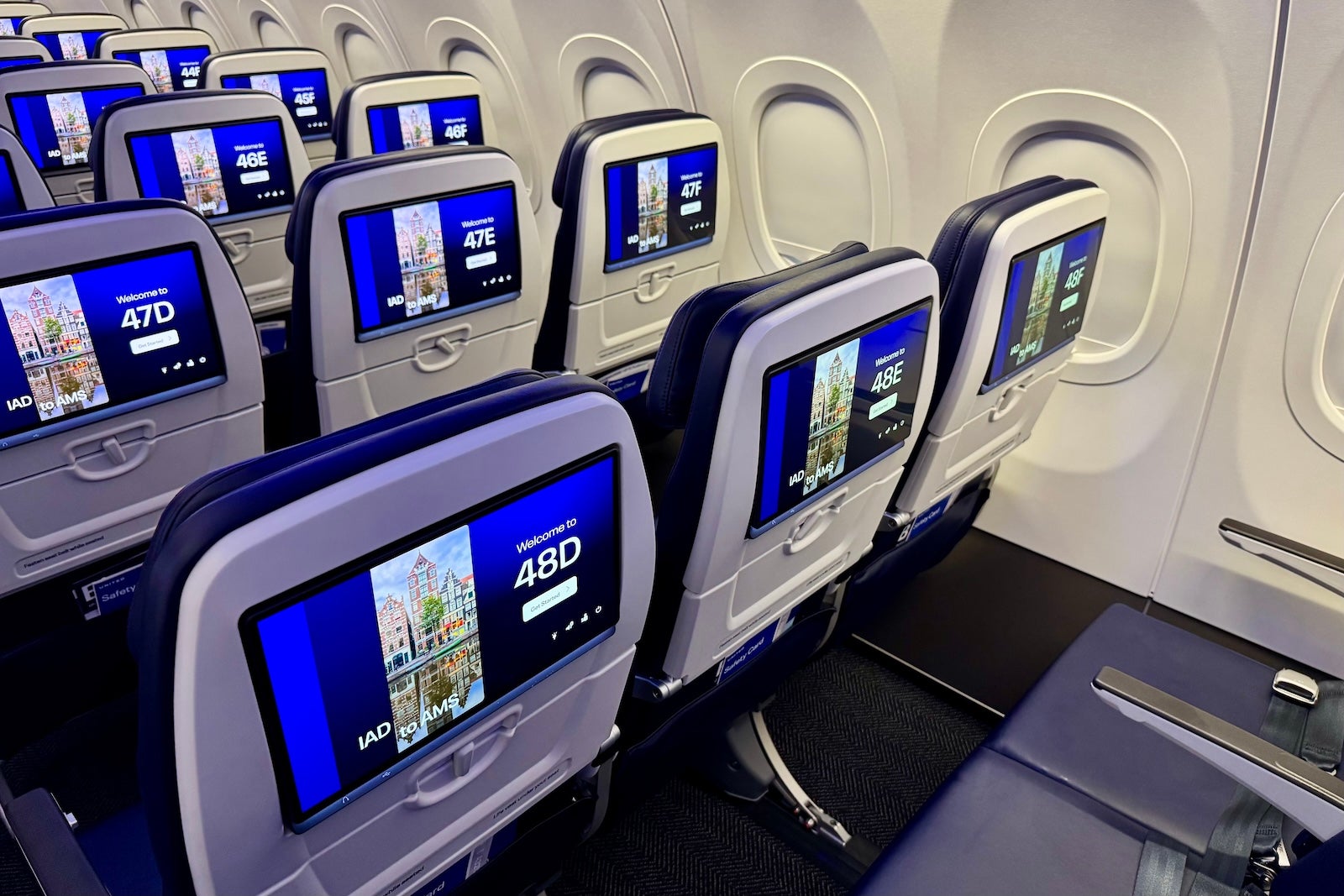
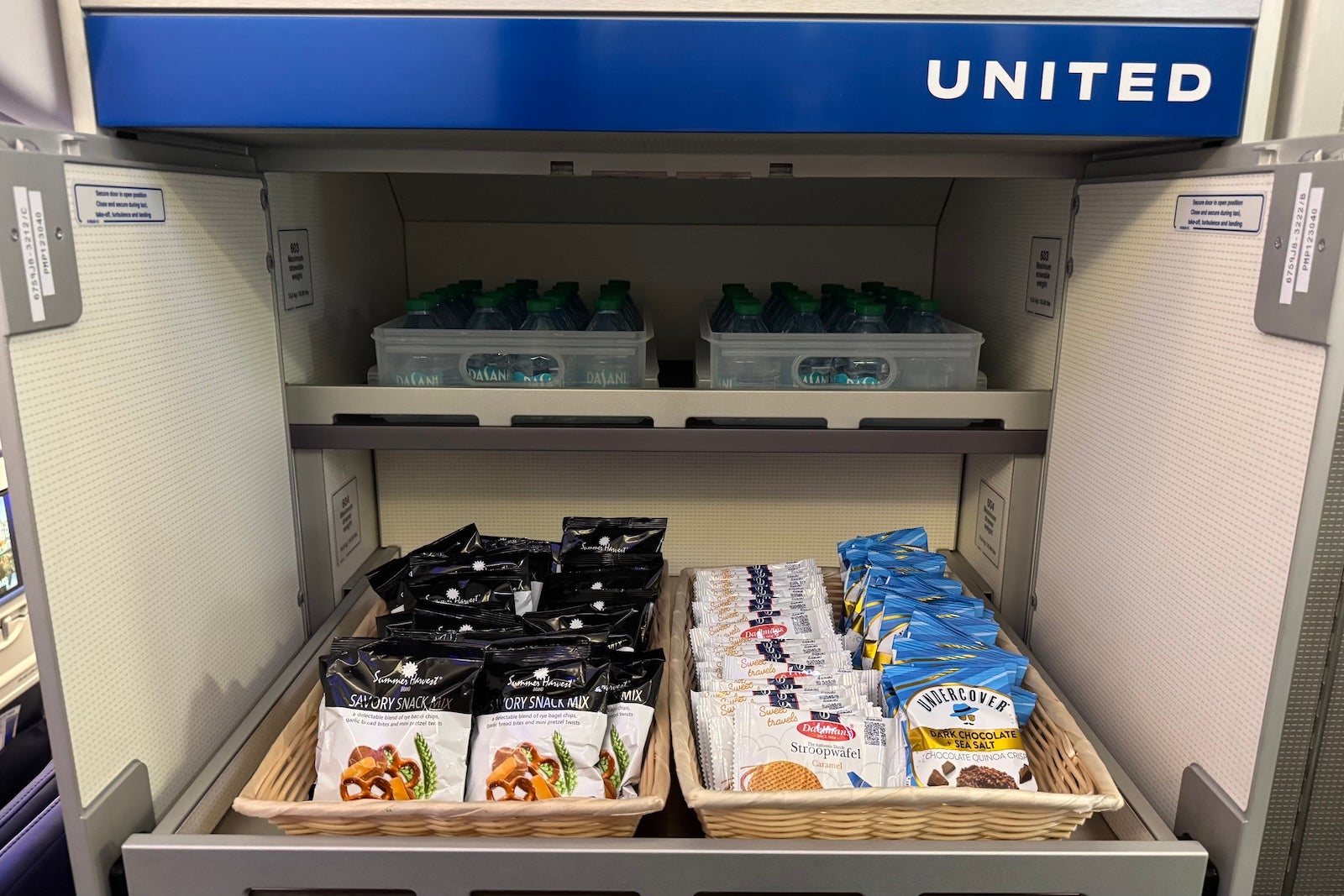
Along with the 20 Polaris suites and 12 Premium Plus recliners, there’s a walk-up snack bar in coach. Plus, there's one row that lets passengers pay extra for a guaranteed empty middle seat.
1 of 3
SEAN CUDAHY/THE POINTS GUY
2 of 3
SEAN CUDAHY/THE POINTS GUY
3 of 3
SEAN CUDAHY/THE POINTS GUY
But the biggest advantage, chief network planner Patrick Quayle said this week, is that these narrow-body planes are designed to drop passengers off directly at their final destination — no need to change planes in Paris, Rome or Frankfurt.
“When you add that in with the fact that it’s a nonstop flight and it avoids the connection in Europe, this is all the ingredients for success," Quayle said. "So, we’re quite bullish on it.”
TPG readers weigh in
Frequent flyers who weighed in on United's route drop this week were split.
"I won't take a single [aisle] airplane across the ocean ... if I can help it," one TPG reader commented on our Instagram post.
"As for me, I'll get on the nonstop and not spend my time at a European megahub wondering if I'm [going to] miss my connecting flight," another wrote. "By the time you show up, I'll already have done a half-day tour, had dinner and be at the bar with a drink in my hand."
A growing airline industry shift
United isn’t the only airline taking this new-look international approach, by the way.
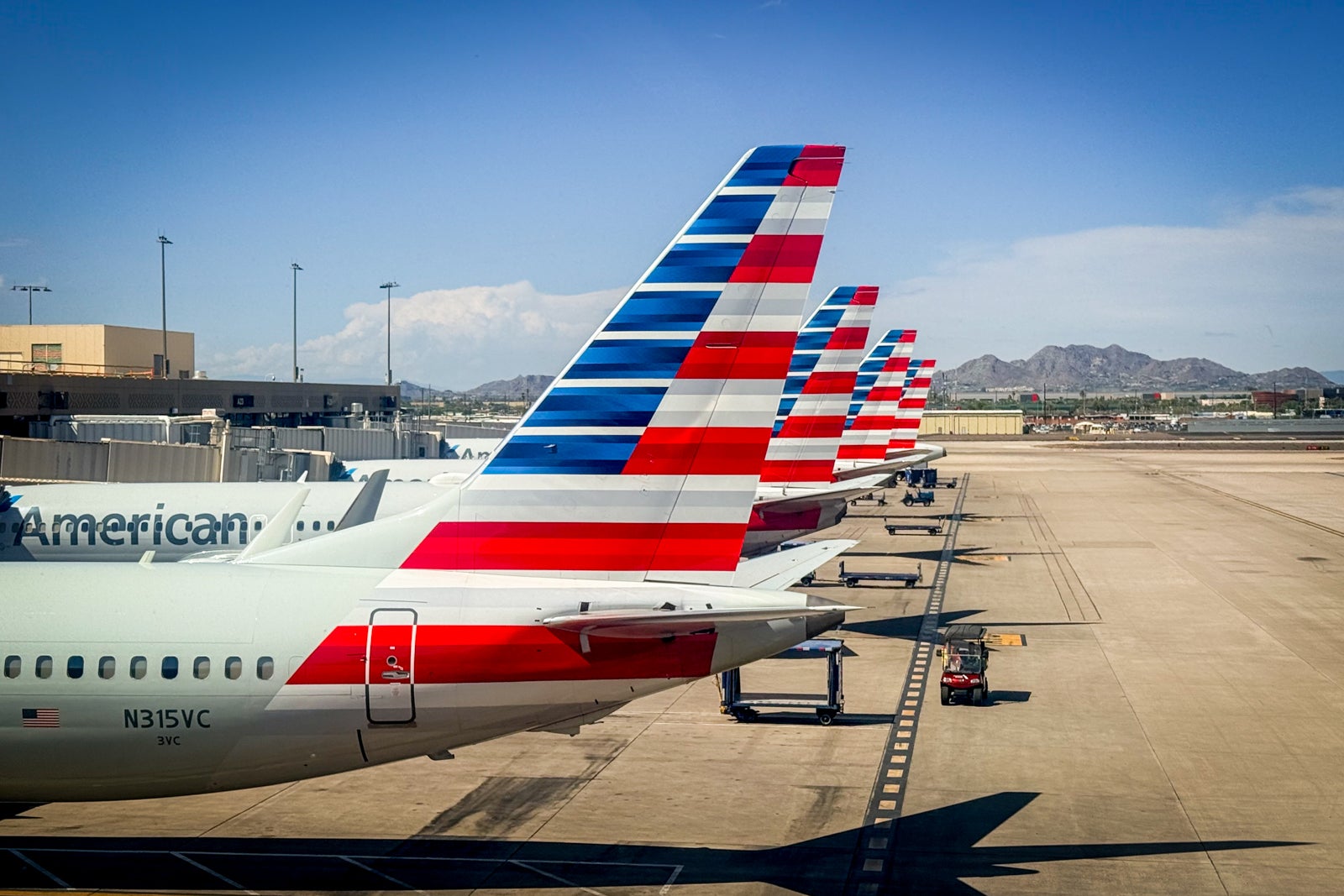
Spain’s Iberia and Ireland’s Aer Lingus have already used the aircraft to bring nonstop Madrid and Dublin flights to smaller U.S. markets.
And JetBlue has flown narrow-body jets across the Atlantic since 2021, gaining accolades for its luxe Mint business-class cabin in the process.
United's also all-in on wide-body service
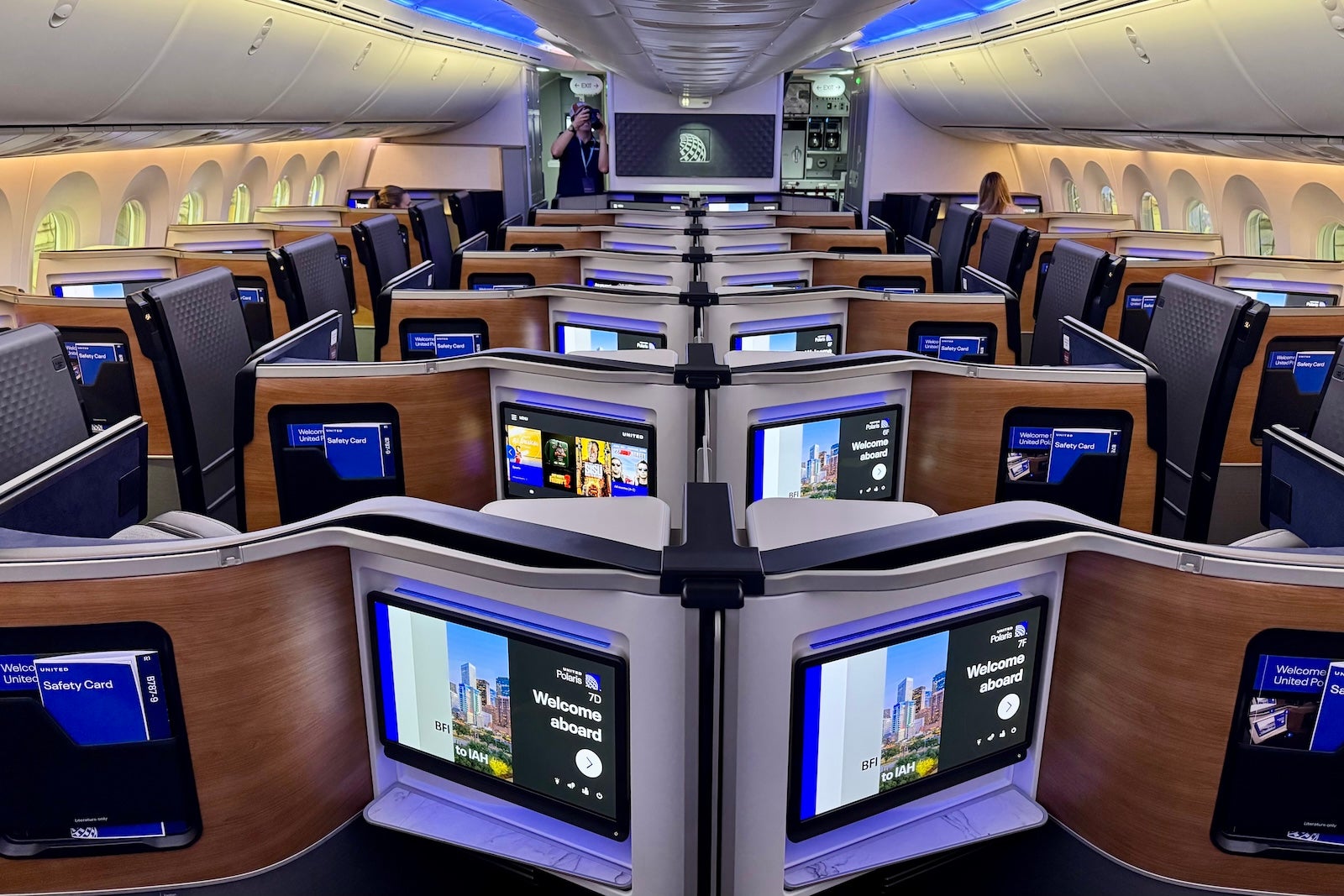
We should also point out: United certainly isn’t moving away from wide-body planes. In fact, the carrier has a historically large order of twin-aisle jets slated for delivery over the coming years. And those Boeing 787 Dreamliners will be the true anchor of its long-haul service for decades to come.
United Airlines' new Boeing 787-9 "Elevated" Dreamliner. SEAN CUDAHY/THE POINTS GUY
At the same time, these new, smaller, longer-range planes are giving airlines more flexibility to open up routes they likely wouldn’t have considered in the past on larger jets.
That’s appealing, as travelers increasingly seek lesser-known, less touristy places to visit.
It’s an approach that might have been hard to imagine at the turn of the century, when Airbus started building the A380 and the 747 still reigned as the “Queen of the Skies.”
By commenting, you agree to our Community Guidelines to help create a positive space for conversation. The responses below are not provided or commissioned by the bank advertiser, our partners, or The Points Guy (“TPG”). They have not been reviewed, approved, or otherwise endorsed by any of these parties. All responses are submitted by individual contributors, and neither the bank advertiser, our partners, nor TPG are responsible for ensuring that all posts and/or questions are answered.