The Points Guy believes that credit cards can transform lives, helping you leverage everyday spending for cash back or travel experiences that might otherwise be out of reach. That's why we publish a variety of editorial content and card comparisons: to help you find a great card to turn your goals into reality.
Our site may earn compensation when a customer clicks on a link, when an application is approved, or when an account is opened with our partners, and this may impact how or where these products appear. While we don't cover all available credit cards, our editorial team creates and maintains all of the analysis of these cards, and our content is not influenced nor subject to review by any credit card company, bank or partner prior to (or after) publication. Please view our advertising policy and product review methodology for more information.
Advertiser disclosure
The Points Guy believes that credit cards can transform lives, helping you leverage everyday spending for cash back or travel experiences that might otherwise be out of reach. That's why we publish a variety of editorial content and card comparisons: to help you find a great card to turn your goals into reality.
Our site may earn compensation when a customer clicks on a link, when an application is approved, or when an account is opened with our partners, and this may impact how or where these products appear. While we don't cover all available credit cards, our editorial team creates and maintains all of the analysis of these cards, and our content is not influenced nor subject to review by any credit card company, bank or partner prior to (or after) publication. Please view our advertising policy and product review methodology for more information.
News
3 airports to join new 'TSA Gold+' program: What does that mean for travelers?
Sean Cudahy is an aviation reporter covering news about airlines, frequent flyer programs and consumer travel issues.
July 24, 2026 • 7 min read
The cards we feature here are from partners who compensate us when you are approved through our site, and this may impact how or where these products appear. We don't cover all available credit cards, but our analysis, reviews, and opinions are entirely from our editorial team. Terms apply to the offers listed on this page. Please view our advertising policy and product review methodology for more information.Editorial disclaimer: Opinions expressed here are the author's alone, not those of any bank, credit card issuer, airline or hotel chain, and have not been reviewed, approved or otherwise endorsed by any of these entities.
Comments
By commenting, you agree to our Community Guidelines to help create a positive space for conversation. The responses below are not provided or commissioned by the bank advertiser, our partners, or The Points Guy (“TPG”). They have not been reviewed, approved, or otherwise endorsed by any of these parties. All responses are submitted by individual contributors, and neither the bank advertiser, our partners, nor TPG are responsible for ensuring that all posts and/or questions are answered.
Related stories
Quick summary
Three U.S. airports—Tampa, Des Moines and Charleston—will soon use private contractors for security screening under a new TSA Gold Plus program.
TSA Gold Plus allows airports to partner with third-party companies to manage security checkpoints and screening technology, while the TSA maintains oversight and standards.
Supporters argue this could modernize security and reduce delays during government shutdowns, but critics raise concerns about potential security risks and cost-cutting by private firms.
The program expands on an existing model already in use at some airports, but adds private management of both personnel and equipment.
What to consider
Travelers at participating airports are not expected to see major changes to security procedures or rules.
The TSA will continue to certify technology and oversee compliance, with contracts subject to termination if standards are not met.
Concerns remain about whether private contractors may prioritize cost savings over security, echoing pre-9/11 vulnerabilities.
What you'll miss from the article
A detailed look at the debate over privatized airport security and how the TSA Gold Plus program could shape the future of U.S. air travel.
Generated by AI with support from our editorial team.
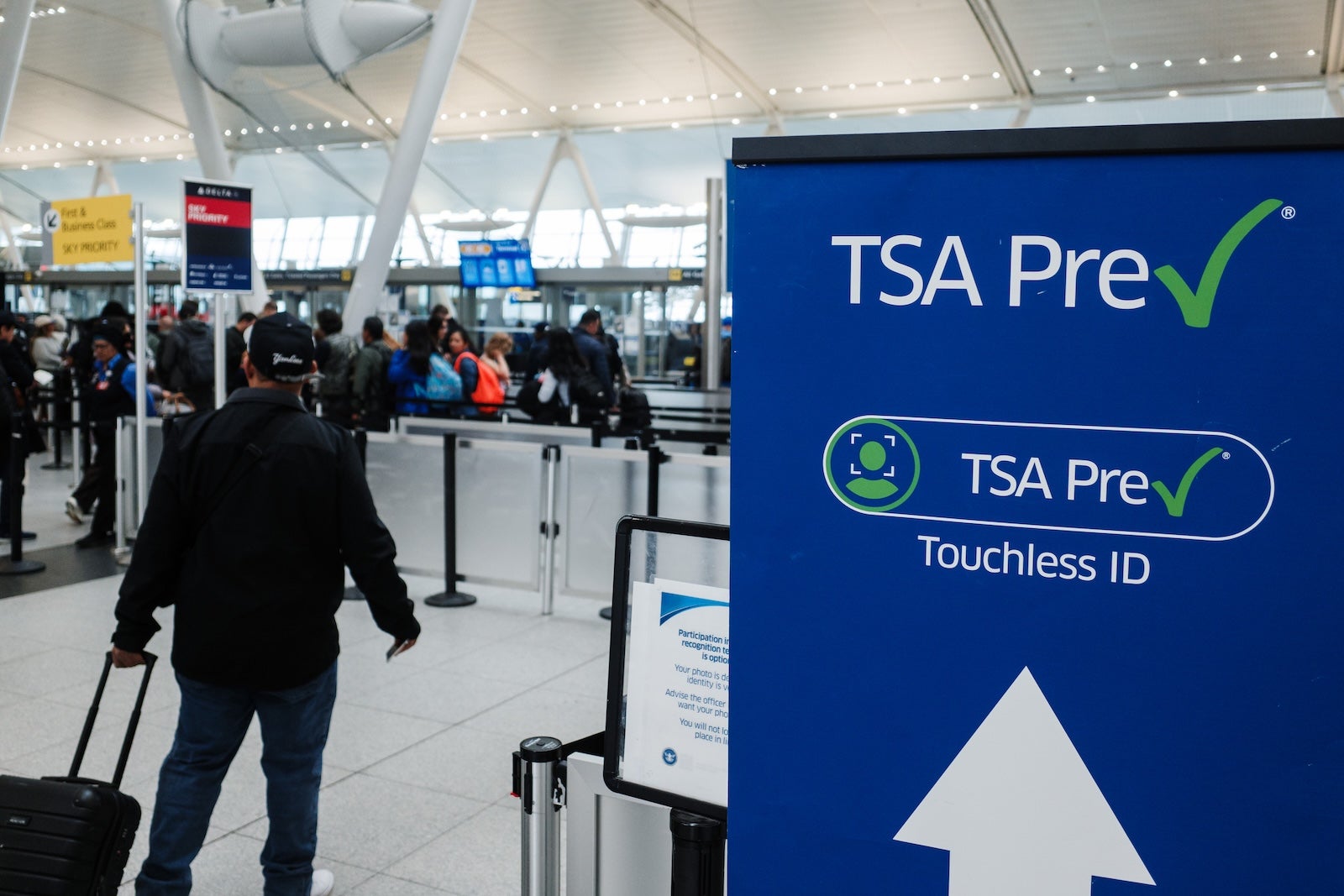
A trio of U.S. airports is getting set to outsource security screening to private contractors in the coming months.
Three airports — in Tampa, Des Moines, and Charleston, South Carolina — will be the first in the country to opt in to TSA Gold Plus, a program launched earlier this year by the Trump administration.
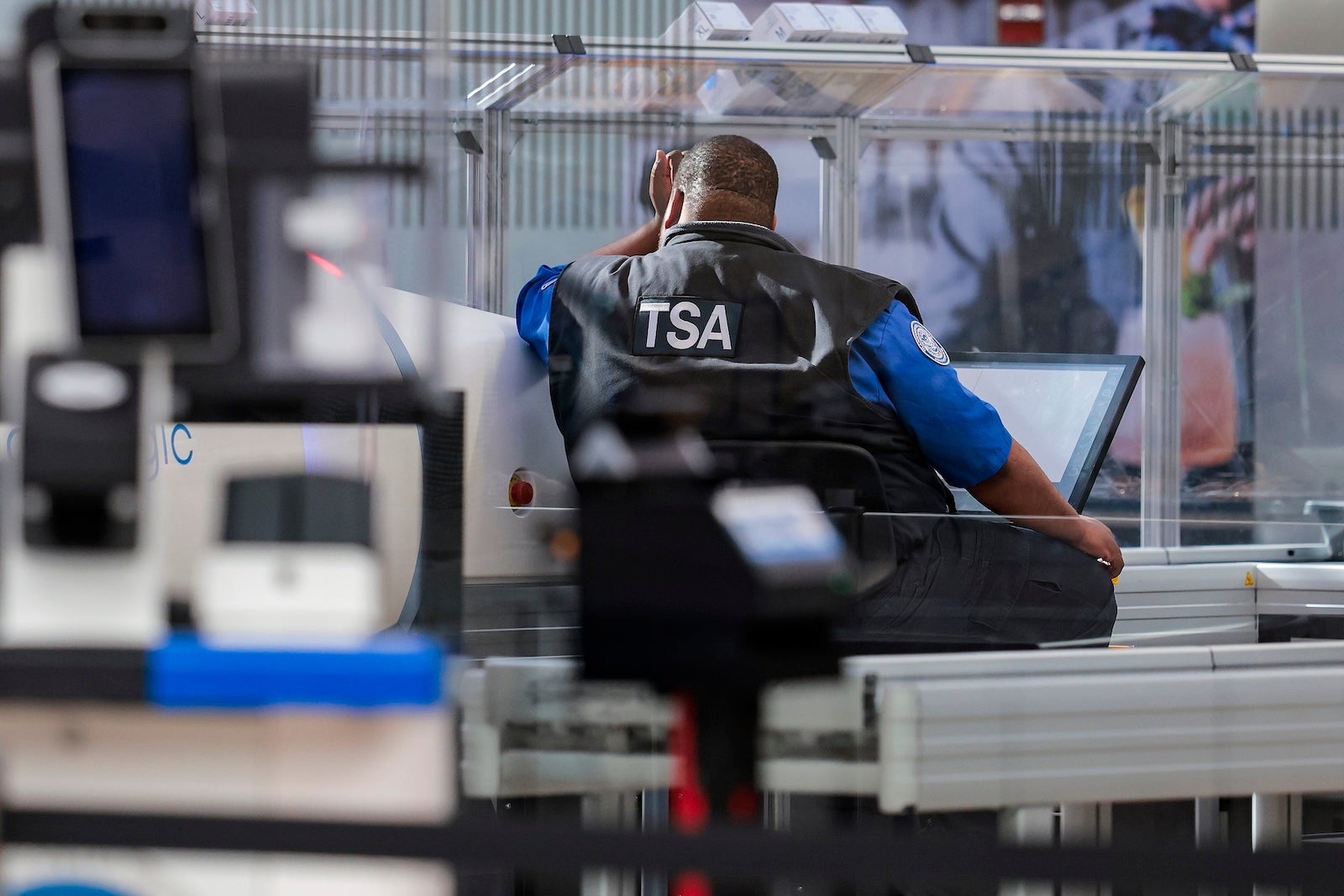
Under the setup, third-party companies would partner with the Transportation Security Administration at participating hubs to manage airport security checkpoints and the officers that work them.
Supporters say the move would help modernize and speed up airport security, as well as reduce the risk of long backups during government shutdowns.
But critics argue that expanding privatized security to more airports presents security risks.
HEATHER DIEHL/GETTY IMAGES
Here’s what to know about the changes and what they mean for air travel in the U.S.
What is TSA Gold+?
TSA Gold Plus is a new partnership program launched earlier this year by the U.S. Department of Homeland Security.
It allows airports to voluntarily opt in to using private, third-party companies to manage security checkpoints instead of TSA officers employed by the federal government.
Those companies would also manage the technology that screens travelers and their bags.
The TSA says it would still be responsible for ensuring that all security checkpoints meet federal standards.
Which airports are participating?
The initial three airports joining the TSA’s new program are:
Tampa International Airport (TPA)
Charleston International Airport (CHS) in South Carolina
Des Moines International Airport (DSM) in Iowa
Additional hubs may opt in. The TSA has received “a lot of interest from airports” considering the program, according to an administration official familiar with the matter.
Will the airport security experience change?
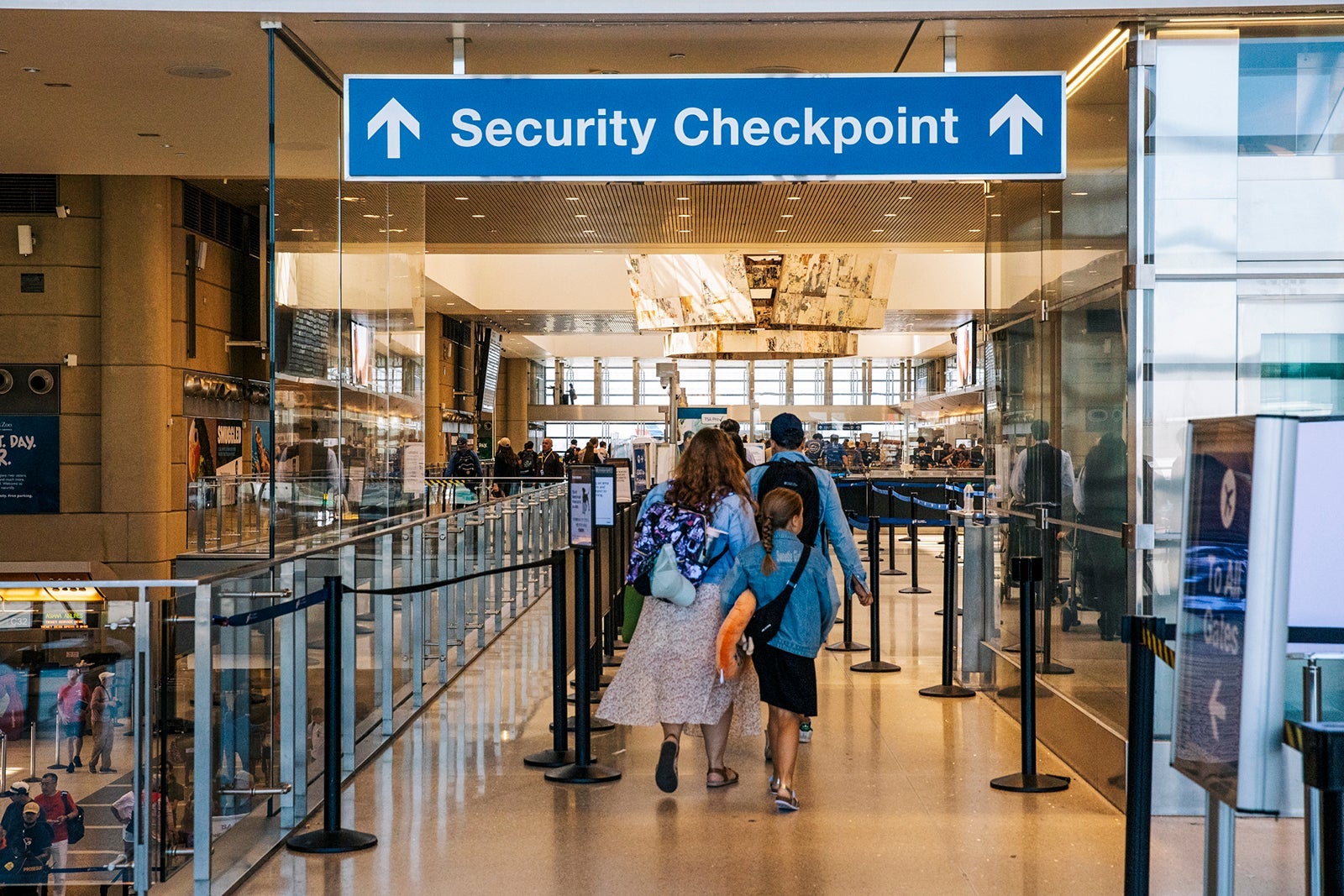
In theory, travelers shouldn’t notice much difference in the security experience at those airports. TSA policies like the 3-1-1 liquids rules would likely still be in place, and the general setup would likely look a lot like what customers see today at checkpoints.
SEAN CUDAHY/THE POINTS GUY
Is this good for travelers?
It depends on who you ask.
The TSA has touted the Gold Plus program as a way for airports to get their hands on the latest and best screening technology and to set up their security checkpoints to run more efficiently.
Plus, there’s this: Because the officers working those checkpoints wouldn’t technically be employed by the federal government, airports wouldn’t be at risk for massive security backups during a government shutdown.
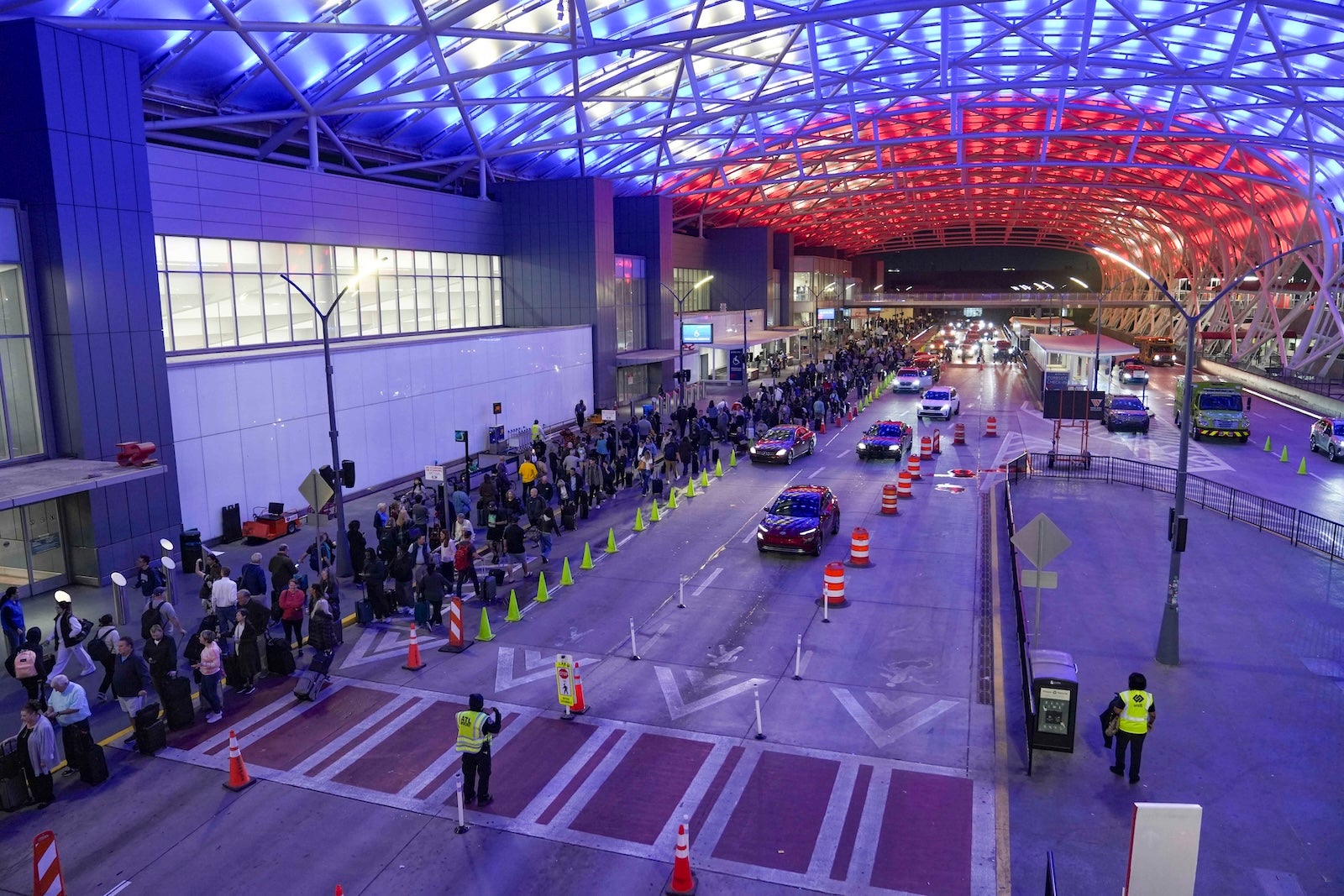
As federal workers, TSA officers go without pay when Congress can’t reach a funding deal. This spring, the monthslong shutdown led to multi-hour delays at some hubs.
A security line reaches outside the terminal last week at Hartsfield-Jackson Atlanta International Airport (ATL). MEGAN VARNER/GETTY IMAGES
Tampa airport leaders pointed to both factors as reasons it joined the new TSA Gold Plus program.
“The change to privatization not only reduces disruption risk, but also allows greater flexibility in exploring new screening checkpoint infrastructure and technology to enhance the customer experience," the airport told TPG.
Don’t some airports already use private security?
Yes.
At least 20 U.S. airports already have security screeners that technically work for third parties — not the TSA — through what the agency calls its Screening Partnership Program
The largest: San Francisco International Airport (SFO) and Kansas City International Airport (MCI).
The TSA’s Gold Plus program would be an expansion of this setup. However, participating airports would not have only security personnel managed by private companies, but also the screening equipment.
What are the concerns with TSA Gold+?
The union representing TSA workers is raising alarm bells about the new program.
Relying on private security contractors “ignores lessons learned from the 9/11 attacks and other airline tragedies,” the American Federation of Government Employees said this week.
The TSA was created nearly 25 years ago in the aftermath of the 9/11 attacks. The government-run agency standardized airport security nationwide and replaced the patchwork of pre-9/11 security systems.
A TSA officer at Baltimore/Washington International Thurgood Marshall Airport (BWI) at the dawn of the TSA in April 2002. GERALD MARTINEAU/THE WASHINGTON POST/GETTY IMAGES
Some leaders also argue that private companies running airport security checkpoints could be motivated to cut costs — and corners — to boost profits.
“Private contractors answer to the bottom line,” Sen. Andy Kim, a Democrat from New Jersey, said last week at a hearing on Capitol Hill.
Private screeners at more US airports?
Critics also argue that this new program is part of a broader White House effort to expand the use of private airport security screeners. The Trump administration has proposed expanding the TSA's Screening Partnership Program to many of the nation's smaller airports.
Speaking at his confirmation hearing this month, David Cummins, the Trump administration's nominee for TSA administrator, said expanding that program to more U.S. airports "will leverage the resources of the private sector to make our nation’s security more resilient to political theater.”
TSA: We’re still in charge
The TSA says it will maintain strict oversight at airports that opt in to private screening and that all current security standards will remain in place.
The agency would have to certify all technology used by screening partners, and would continue to have some TSA personnel on hand at those airports, a DHS official told TPG.
ETIENNE LAURENT/LOS ANGELES TIMES/GETTY IMAGES
Should private screeners not meet security standards, the official said, the company could lose its contract with the federal government.
Bottom line
A growing number of airports are planning to partner with private companies for airport security screening.
How many airports will ultimately go in that direction? That remains to be seen — as does the impact on travelers.
But as the TSA nears its 25th anniversary, it's safe to say big changes are in the works for airport security.
By commenting, you agree to our Community Guidelines to help create a positive space for conversation. The responses below are not provided or commissioned by the bank advertiser, our partners, or The Points Guy (“TPG”). They have not been reviewed, approved, or otherwise endorsed by any of these parties. All responses are submitted by individual contributors, and neither the bank advertiser, our partners, nor TPG are responsible for ensuring that all posts and/or questions are answered.