Reader success story: Why this traveler finally bought travel insurance — and how it saved her in the Himalayas

We've brought back our popular reader success and mistake stories here at TPG to both celebrate your wins and learn from your errors.
This week's success story is from reader Karina S., whose careful planning ensured she was financially and medically covered during a recent remote emergency in the Himalayas.
What happened?
In her previous travels, Karina generally didn't buy insurance.
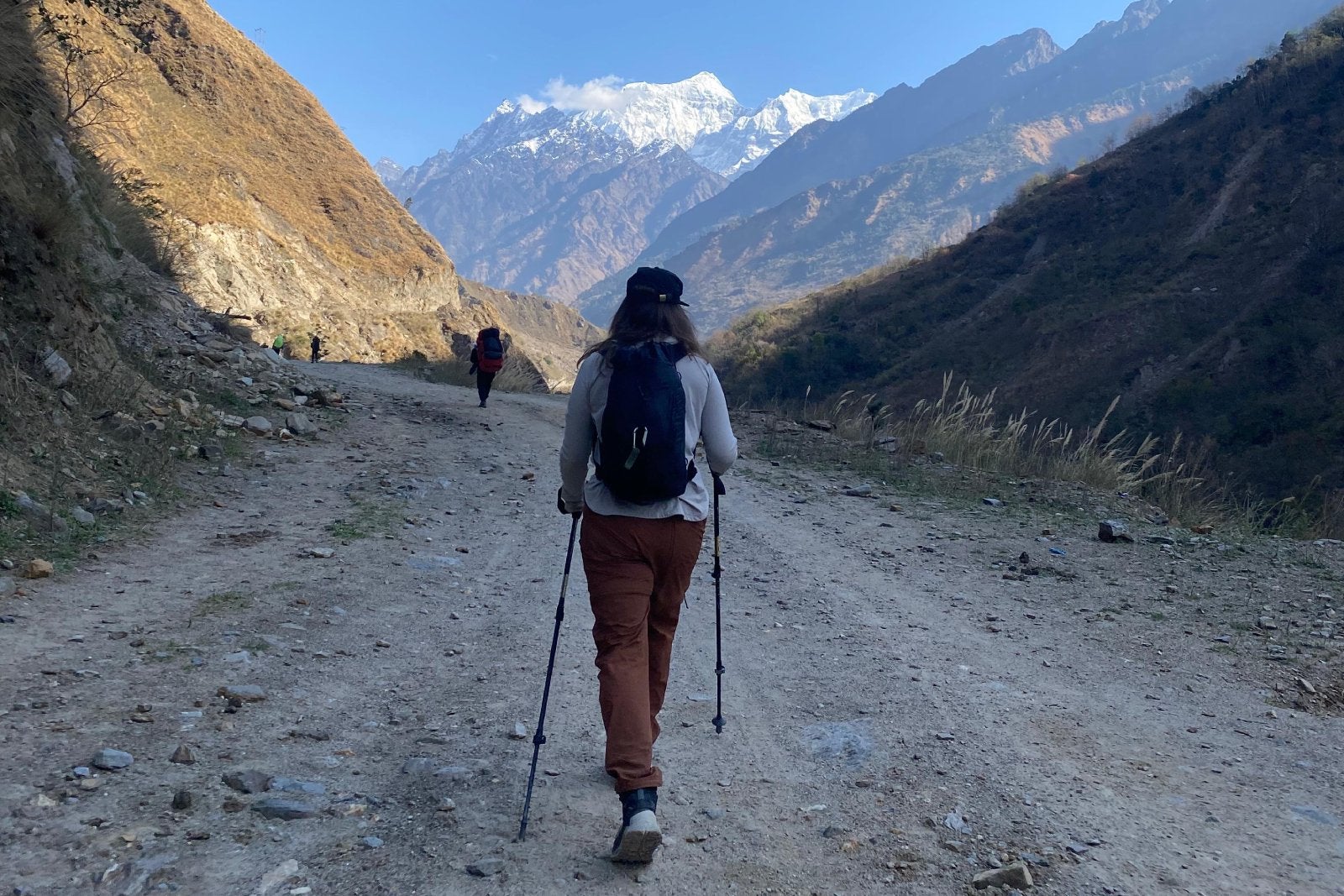
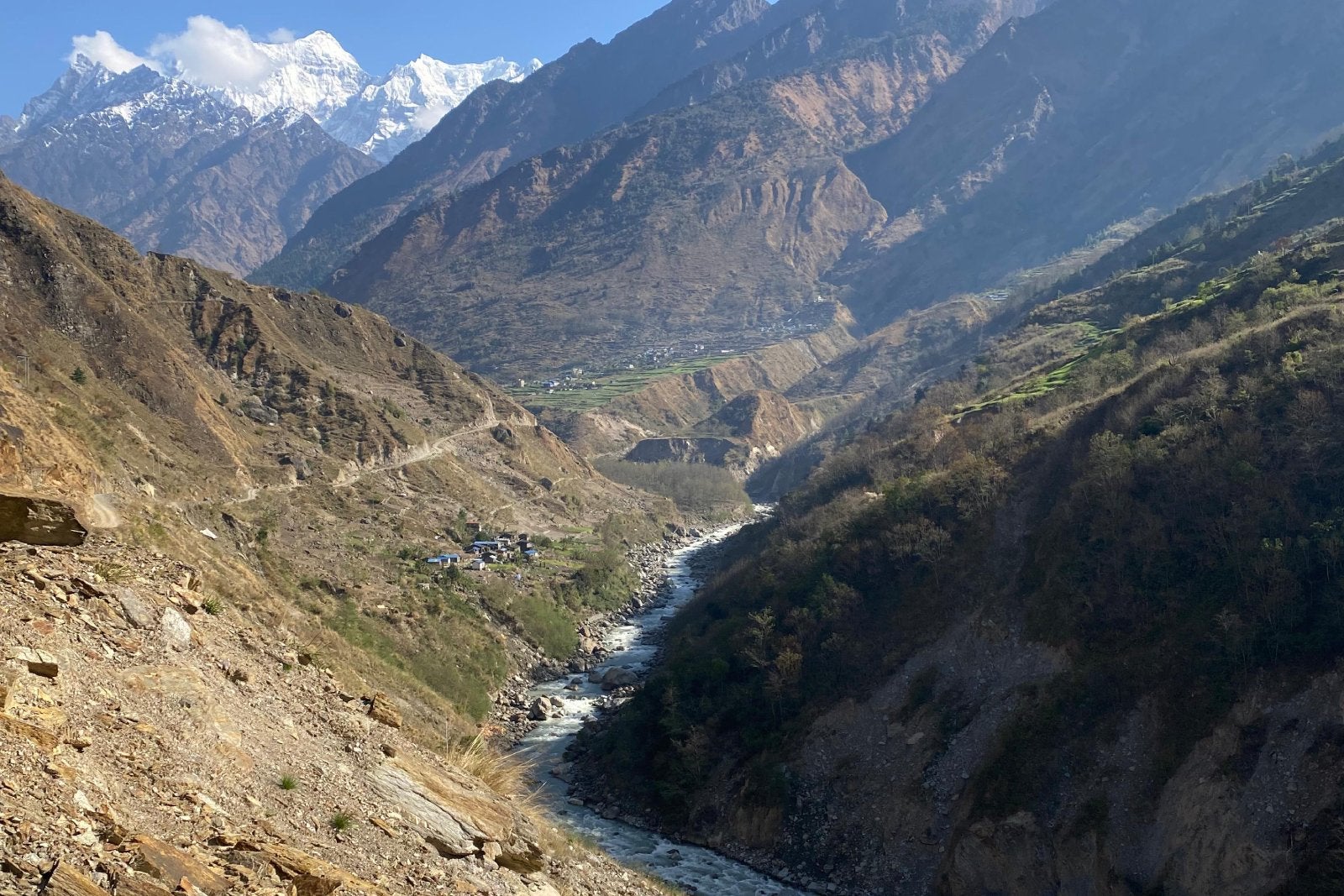
"But when I started booking ski camps, altitude rescue insurance was a common requirement. So when I planned a 13-day trek of Nepal's Manaslu Circuit, topping out at the 16,929-foot Larkya La Pass, I bought a policy through TravelGuard. By day three in Deng, a dull abdominal ache had become sharp. I have a high pain tolerance, but this scared me, and we were out of range for any sort of vehicular rescue. I called my insurer to flag it, just in case it got worse before I planned to hike down the mountain."
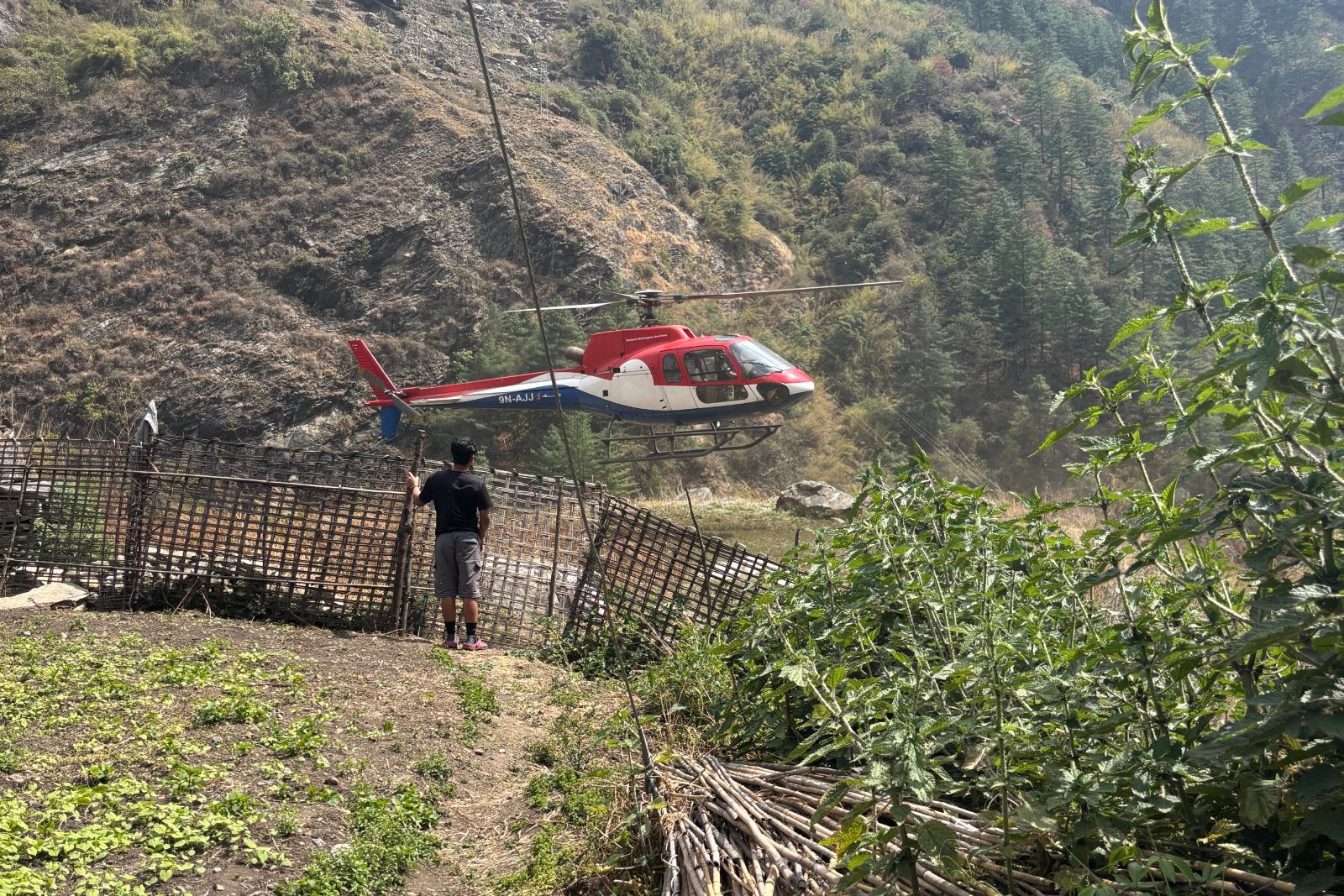
She then called a hospital in Kathmandu, where the nurse listened to her dire situation and insisted on sending a helicopter.
"Even better, TravelGuard paid upfront, no fronting thousands of dollars and filing later," she said. "It took 12 hours for the helicopter to arrive. The 40-minute flight off a tiny cliffside ended at CIWEC Hospital in Kathmandu, where I was triaged fast, scanned, and to my enormous relief told I didn't need surgery. Two days later, I paid roughly $1,500 in cash to settle up my hospital bill and flew to Hong Kong. TravelGuard reimbursed it within weeks."
Why it happened
While some of the top travel credit cards offer comprehensive travel insurance, activities like a Himalayan mountain climb may not be covered by credit card insurance or may have important exclusions.
For example, the popular Chase Sapphire Reserve® (see rates and fees) includes emergency evacuation and transportation, which covers up to $100,000 of qualifying transportation and evacuation costs to get you to the nearest facility capable of treating a serious illness or injury.
However, the claim can be denied where the medical evacuation provider did not authorize the emergency medical evacuation, transportation or repatriation of remains in advance. If Karina's phone call to the hospital did not recommend a helicopter, but Karina insisted on one anyway, Chase could have denied the claim as an unauthorized medical evacuation, and Karina would have been thousands of dollars out of pocket.

Karina was thorough in purchasing a separate travel insurance policy for this specific trip, ensuring she was covered for the high-altitude destination and activity. By calling the insurance provider before requesting medical assistance, Karina was able to have the insurance provider pay upfront for the expensive helicopter evacuation.
Where there were out of pocket costs, like her medical stay in Kathmandu, the insurance provider reimbursed Karina quickly.
Related: What's covered by credit card travel accident and emergency evacuation insurance?
When is an additional insurance policy worth it?
For less adventurous tourist activities, such as experiencing cherry blossom season in Japan, your favorite travel credit card may provide suitable insurance coverage. But it's strongly recommended that you check the coverage level before you leave home, including any exclusions, and purchase an additional policy if you feel you need more. The last thing you want to be doing in an emergency, like determining if you are physically well enough to hike down a mountain in Nepal, is poring through the fine print of a disclosure statement or attempting to contact your insurer to ask if you are covered, which may be difficult in a remote area with patchy cell service and timezone differences.
Where your travel activity is not covered by a general credit card travel insurance policy, or you may be subject to an critical exclusion, like a medical provider determining if a helicopter is essential, or a preexisting medical condition, it's a smart idea to invest in an individual travel insurance policy per trip (or you can purchase an annual policy, provided it will cover all destinations and periods of travel).
Bottom line
We want to thank Karina for sharing her story in the hope that other travelers consider purchasing individual policies where their destination, activity or personal health circumstances might not be covered by their complimentary credit travel protection.
Have a win or amazing redemption you'd like to share? We'd love to hear more of your reader success stories.
You can also submit your own reader mistake story with the details of what went wrong and what you'd do next time to avoid it. (If you have an ongoing issue with a travel company that you feel owed compensation for circumstances beyond your control, you can reach TPG's ombudsman, Michelle Couch-Friedman, at ombudsman@thepointsguy.com.)
Due to the volume of submissions, we can't respond to each story individually, but we'll be in touch if yours is selected. We look forward to hearing from you!
Related reading: