Traveling during the pandemic? It might be time to upgrade your mask


While I've ventured out a bit during the pandemic, with several U.S. road trips and even a weeklong trip to Dubai, the news of new, far more contagious COVID-19 strains has me especially concerned.
I (very) briefly considered taking advantage of Hertz's $10/day one-way sale for another road trip. But while I may consider traveling soon if it feels safe, at this point, I'm not even speculatively booking flights unless they're for early spring or beyond.
That said, many people do feel comfortable traveling at the moment. It's not my place to tell you whether that's right or wrong, but if you're flying, staying in hotels or even going to the grocery store, it's essential to put some extra thought into your precautions — especially in light of more contagious variants, and a (hopefully) short wait for a vaccine.
But don't just take my word for it. My "Twitter friend," epidemiologist Dr. Eric Feigl-Ding, has been more aggressive in building awareness around the quality of masks in an attempt to convince followers to up their precautions. Dr. Feigl-Ding first began ringing COVID-19 alarm bells on social media more than a year ago, in January 2020.
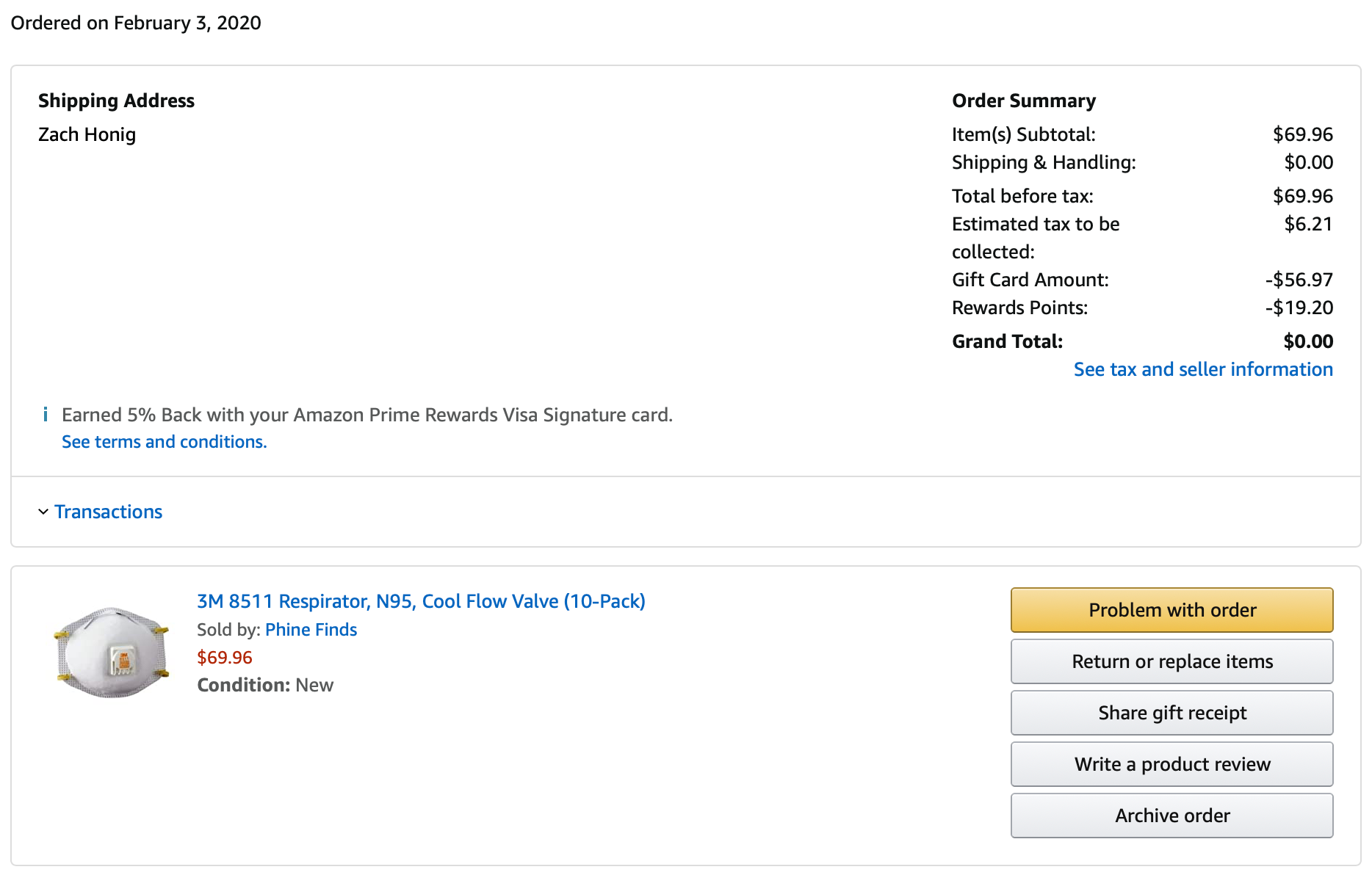
Personally, I've worn N95 masks indoors since the early days of the pandemic, in March 2020. I ordered my first set of N95s at the beginning of February when I began to grow concerned that COVID-19 would spread.
Initially, I tried to donate them to a hospital when protective equipment was in especially short supply, but my donation wasn't accepted since the masks I ordered have an exhaust valve. We sewed several layers of stockings on the front of the masks and gave them to friends and family members to use instead.
Still, while the pandemic has made us all "scientists" in the same way smartphones have made us all photographers, I certainly don't have the credentials to convince you to take masking up more seriously.
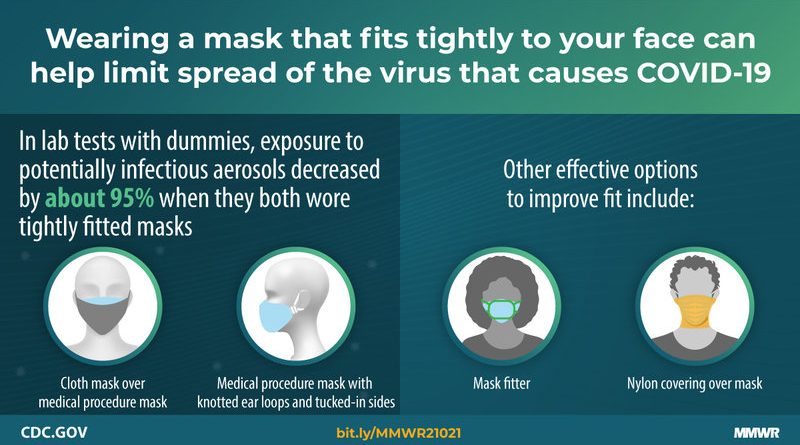
On Feb. 10, 2021, the CDC released research indicating that the potential of COVID-19 exposure dropped by 96.4% when both the "source" (an infectious person) and receiver wore double masks.

For more on the benefits of "upgrading" your mask, I turned to Dr. Elaine Hanh Le, chief medical officer for Healthline, TPG's sister site. Dr. Le joined TPG founder and CEO Brian Kelly for a podcast recording during the very early days of the COVID-19 outbreak and has served as a phenomenal resource ever since.
In an email Q&A, Dr. Le addressed a number of mask-related topics, including which types of face coverings offer legitimate protection and how to ensure a proper fit. She also explained why you might not want to buy N95 masks right now, and consider wearing two cloth masks at a time instead.
Also, as Dr. Le explained, it's essential to scrutinize online marketing claims — we've seen manufacturers claim to offer "99.9% protection" in social media posts, but that may not actually be the case.
Since detailed guidance is especially helpful right now, I'm going to post our full discussion below. It's definitely worth a read.
Zach Honig: Why have we suddenly begun hearing about the need for people to upgrade from a cloth mask? Are they no longer effective?
Dr. Elaine Hanh Le: Though there have been concerns around reusable cloth masks, they remain a great option for people in the community, especially if N95 and other medical-grade masks are not available. That said, since the latest COVID variants have demonstrated greater infectiousness, more medical experts are recommending double-masking, i.e., wearing two masks at once, to increase the level of protection.
The primary considerations, with two masks, are the same as with one: Make sure that they fit snugly around the face without gaps around the nose, cheeks, and chin, and make sure that they are made with a tightly woven fabric or materials and combine to provide at least two or three layers of protection but that they're still breathable.
ZH: What types of masks do you recommend? Does everyone need an N95?
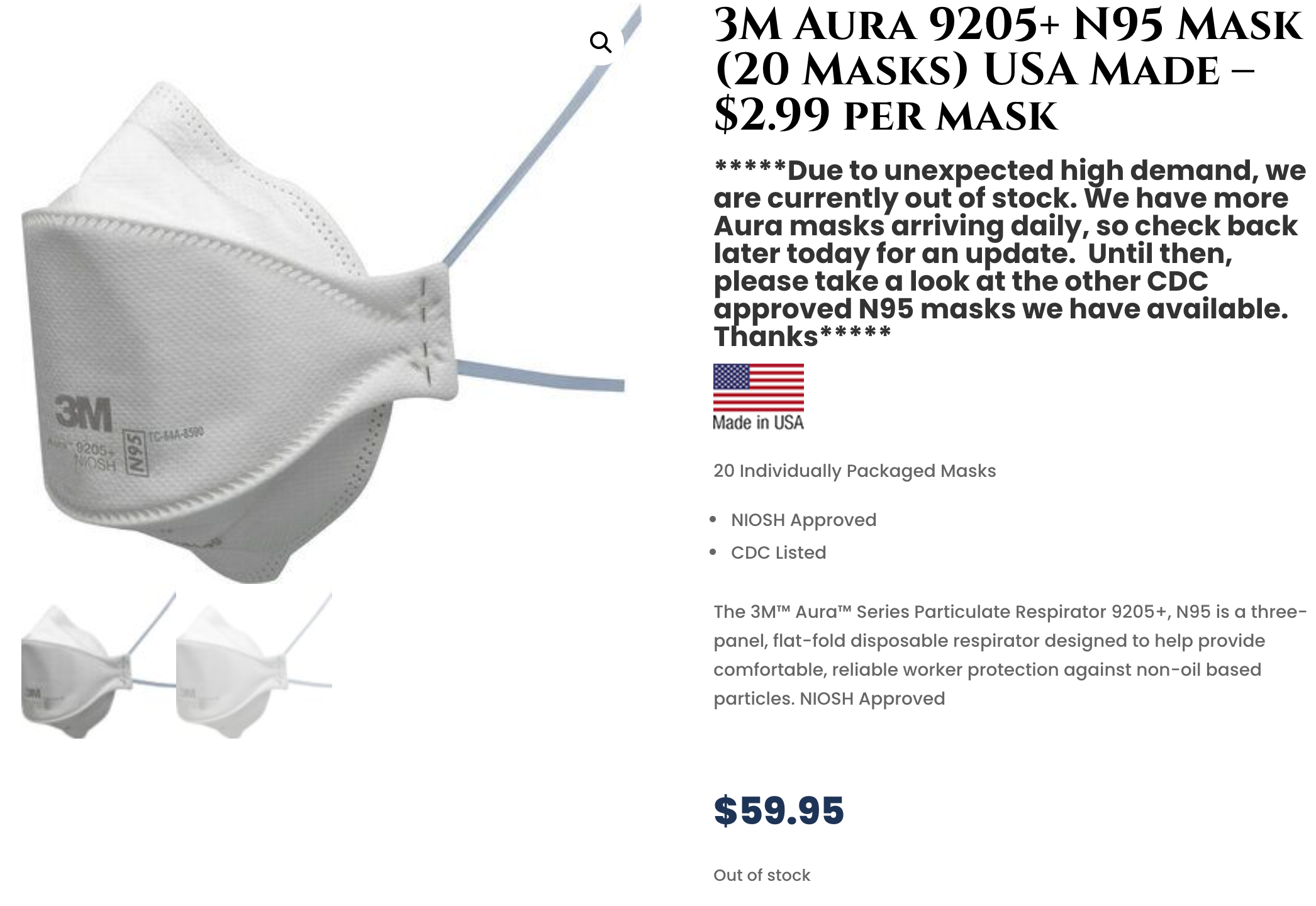
HL: Though N95 masks are among the highest quality masks that people could get access to, they are still in very low supply and should ideally be reserved for essential workers, such as front-line health care workers, teachers, store clerks, etc. It may be shocking to know, but the supply chain and production numbers for N95 masks still cannot meet demand, though production of N95 masks has increased because the COVID pandemic surges have kept demand high.
In lieu of N95 masks, people can use other masks, including KN95 masks, cloth masks, and paper surgical masks because, in reality, the best masks are the ones that people wear consistently when in close proximity to others who are not in their social pods. Meaning, any mask that has sufficient thickness with a tight-knit weave to block out the passage of fine droplets and particles helps prevent the transmission and spread of COVID-19.
Neck gaiters and bandannas are not great because they tend to be too loose-fitting and do not provide sufficient coverage of the nose and mouth, and their weave is often too open, allowing large particulates to pass through. On the other side of the spectrum, some face masks can be so thick and occlusive or uncomfortable that the wearer cannot breathe and ends up taking them off frequently or after only a short period of use, which undermines their effectiveness.
It's also best to avoid any mask that has a valve for exhalation as that would create a pathway for fine particles to be spread via exhalation or while talking, coughing, or sneezing.
As mentioned above, because recent COVID variants have been shown to be more infectious, it is advisable to maintain physical distancing practices and consider double masking, regardless of the type of masks used.
ZH: By buying an N95 mask, am I taking it away from a health care worker who may need it more?
HL: Unfortunately, N95 masks are still in short supply. In fact, the demand for N95 masks has increased among health care workers because the rates of COVID-19 have remained very high with repeated surges in incidence and hospitalization rates, and to compound the issue, demand has also increased from other essential workers like teachers and store salespeople.
Though production of N95 masks has increased, the supply has not increased at the same rate as demand. As such, there are continued concerns that N95 mask usage by non-essential workers puts essential workers at risk by further depleting their reserves. In fact, there have been reports that many essential workers have had to reuse PPE for several weeks to months.
For people who are not essential workers, the recommendation is to use cloth or surgical masks instead, which would provide adequate protection for the transient exposure that most people experience. The more we can reserve N95 masks for our health care workers, teachers, and other essential workers, the more we can protect our communities and those who take care of us and our children.
ZH: How can I tell which mask offers the best fit? Do I need one with straps that go over my head, or are ear loops okay?
HL: For the best fit, make sure that the mask fits comfortably but snugly over the nose, cheeks, and chin without any gaps. Regardless of whether the straps go over the head or around the ears as loops, the main consideration is whether you'd be able to keep the mask on consistently for an extended period of time. If you find yourself constantly having to adjust the mask or take it off to reposition it, the protection from any mask will be dramatically reduced. Scarves and ski masks are not appropriate for COVID protection, even though they may be more comfortable.
As mentioned before, with more contagious variants circulating in the community, it would be advisable to consider double masking while remaining vigilant about physical distancing measures.
ZH: What about masks that claim "99.9% protection," like some we've seen advertised on Instagram? Are these even more effective than an N95?
HL: Unfortunately, wherever there is high consumer demand, sellers and commercial entities will always try to profit off that demand, not to say that all sellers and commercial entities are ill-intentioned and do not provide high-quality, effective products or services. Consumers simply need to be on high alert and deeply scrutinize the claims that are marketed.
This fact is particularly true for the surge in brands that advertise more comfortable and effective masks and face coverings, including face shields and hoods. The first thing to consider, however, is whether the brands provide any objective, third-party validated proof that their products can block out fine droplets and particles smaller than 10 microns, which can be expelled during normal speech and exhalation.
Additionally, did the manufacturer or seller provide credible information that demonstrated proven success in preventing the transmission of COVID-19? Meaning, did they do any testing that wearers had a lower rate of contracting or spreading COVID-19 or that the masks reduced the spread of the viral particles?
That data would lend credibility to a brand's claims, especially if the masks promise greater protections than seen with medical-grade masks, but without that objective data, the marketing claims are simply that — marketing promises not supported by any objective evidence.
Of note, consumers should be cautious about claims that face shields can replace masks or that they're as safe as masks. Since face shields do not provide an occlusive barrier for the wearer, there is no way that face shields can be as effective in protecting the wearer or those around them. On the surface, hoods similar to this device seem very technical and potentially more protective, but without any data to support effectiveness or ability to be used comfortably for long periods of time, these devices could be no better than a simple face mask, though they are sold at a much higher price point.
ZH: What else can people do to protect themselves right now?
HL: More and more, we've been hearing people express extreme frustration that they haven't been able to travel to see family and friends or because they need a change in scenery. We've seen reports of migrations of people to different locations, and though it is understandable that travel may be required, it is imperative that those who opt to travel do it responsibly.
When traveling, be mindful to limit your contact with people who are not in your social pod. Always wear a face mask (if not two) and maintain physical distancing, especially in enclosed spaces. If you develop any signs or symptoms potentially suggestive of COVID-19, including sore throat, cough, fever, chills, headache, or body aches, act quickly to get tested and quarantine yourself until the test results come back. If you do test positive or know that you've been exposed to someone who tested positive, opt to not travel and maintain strict quarantine to prevent spreading COVID to others.
Last, but not least, if you feel like you need medical care, do not hesitate to reach out to qualified medical professionals and consider going to the emergency room if you've developed chest pain, shortness of breath, difficulties breathing, or new onset confusion. All too often in the past year, we've seen cases of preventable deaths increase because more people have been afraid to go see their doctors or to go to the hospital.
Don't let the fear of COVID-19 cause tragedies from other conditions. Yes, we're living in a pandemic, but that doesn't mean that heart attacks, strokes, cancer, and other medical emergencies aren't happening and don't need immediate medical care.
TPG featured card

at Capital One's secure site
Terms & restrictions apply. See rates & fees.
| 5X miles | Earn 5X miles on hotels, vacation rentals and rental cars booked through Capital One Travel |
| 2X miles | Earn unlimited 2X miles on every purchase, every day |
Pros
- Stellar welcome offer of 75,000 miles after spending $4,000 on purchases in the first three months from account opening. Plus, a $250 Capital One Travel credit to use in your first cardholder year upon account opening.
- You'll earn 2 miles per dollar on every purchase, which means you won't have to worry about memorizing bonus categories
- Rewards are versatile and can be redeemed for a statement credit or transferred to Capital One’s transfer partners
Cons
- Highest bonus-earning categories only on travel booked via Capital One Travel
- LIMITED-TIME OFFER: Enjoy $250 to use on Capital One Travel in your first cardholder year, plus earn 75,000 bonus miles once you spend $4,000 on purchases within the first 3 months from account opening - that’s equal to $1,000 in travel
- Earn unlimited 2X miles on every purchase, every day
- Earn 5X miles on hotels, vacation rentals and rental cars booked through Capital One Travel
- Miles won't expire for the life of the account and there's no limit to how many you can earn
- Receive up to a $120 credit for Global Entry or TSA PreCheck®
- Use your miles to get reimbursed for any travel purchase—or redeem by booking a trip through Capital One Travel
- Enjoy a $50 experience credit and other premium benefits with every hotel and vacation rental booked from the Lifestyle Collection
- Transfer your miles to your choice of 15+ travel loyalty programs
- Top rated mobile app