Basic economy may disappear after the pandemic — but don’t get too excited

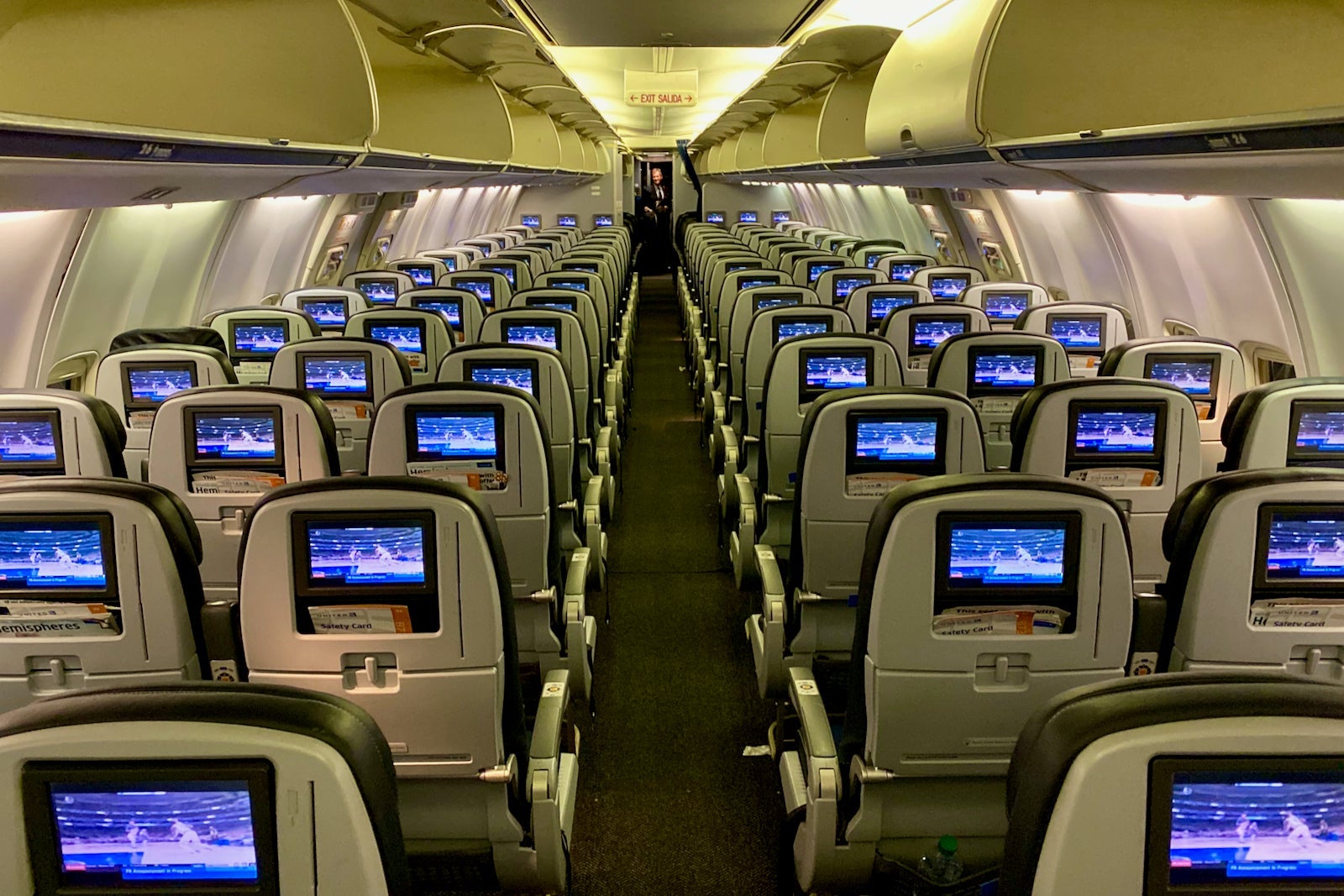
The global pandemic will have many lasting implications. Our "new normal" could one day become normal, even after there's a readily available vaccine.
We're already getting a sense of what that's going to look like for the aviation industry. Gone are the jumbo jets in favor of more fuel-efficient and cost-effective types of widebody planes. Furthermore, airlines have committed to being smaller post-pandemic, operating fewer nonstop flights to secondary cities.
There's another aspect of the industry that the coronavirus has changed, and that's the segmentation strategy behind basic economy fares. Should that last, airfare pricing models could be changed forever.
For more travel tips and news, sign up for our daily newsletter!
The basics of basic economy fares
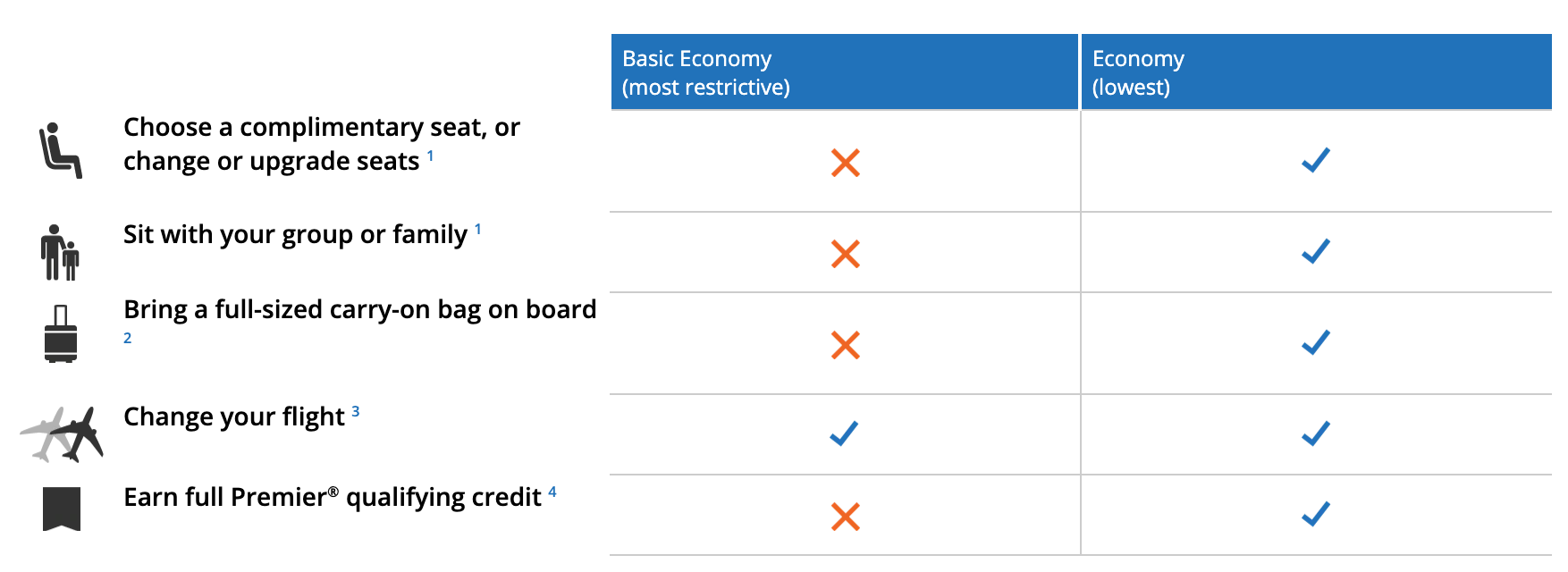
Perhaps the most unwelcome change in the airline industry in the last decade was the introduction of basic economy fares. These bare-bones tickets stripped out many of the typical inclusions you'd find in a regular coach ticket: things like seat selection and the ability to earn full miles. (Delta's the sole outlier of the "big three" and awards full mileage on basic economy tickets.)
In order to better compete with the ultra low-cost carriers like Allegiant, Frontier and Spirit (and simply generate more revenue), the legacy, "full-service" airlines got creative.
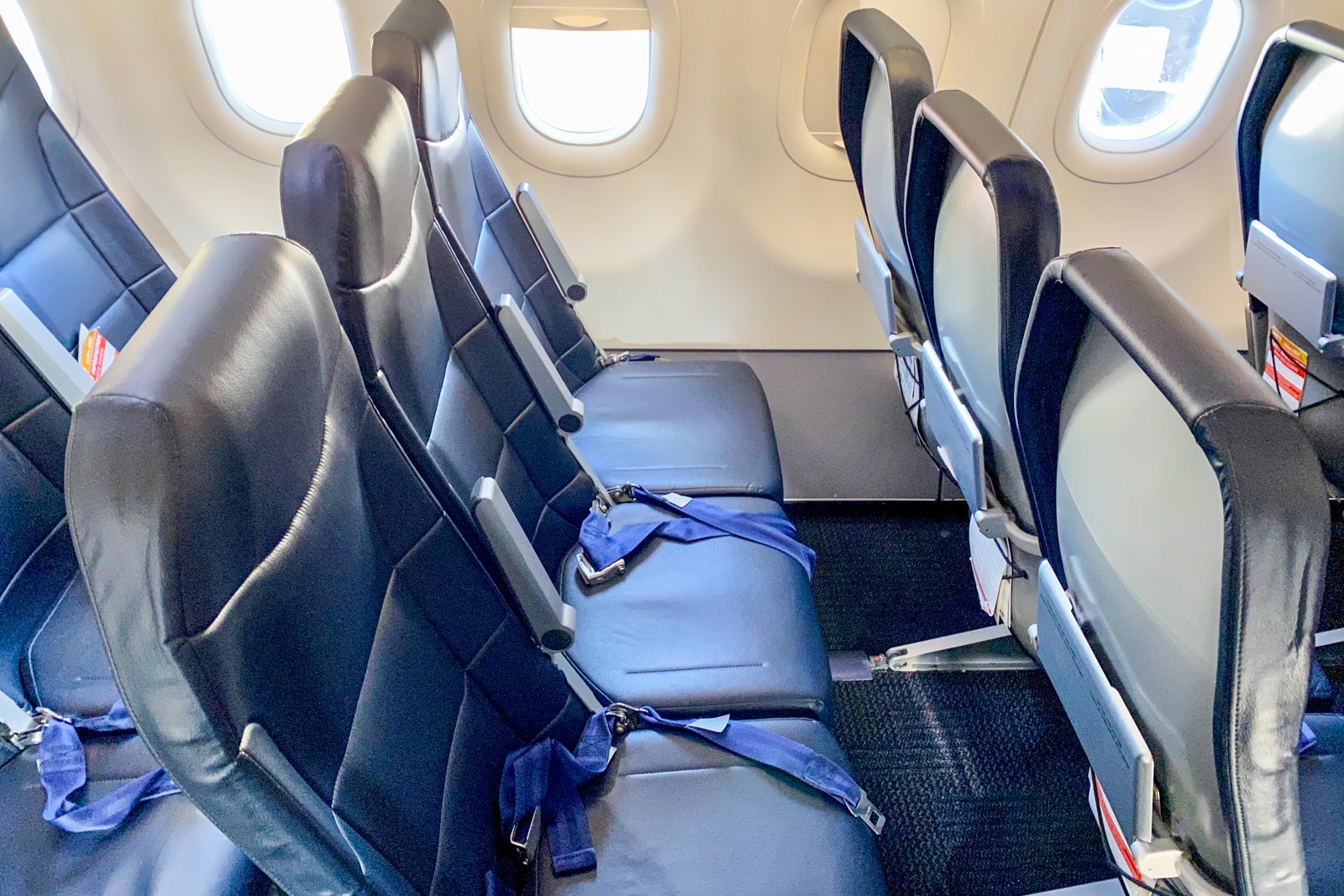
With basic economy fares, the mainline carriers could more closely match the fares of low-cost carriers by stripping out many of the inclusions you'd typically get with a regular economy ticket. Such fares now exist at all major U.S. airlines, save for Southwest.
These tickets are a segmentation strategy to extract as much revenue based on each passenger's willingness to pay. As Savi Syth — managing director of equity research for airlines at Raymond James — told TPG, basic economy "is a recognition that you cannot profitably be all things to all people, but in this industry, you have to cater to passengers with different priorities. With product segmentation, you can to some extent do a better job of tying the revenue generated to the cost of providing the service."
Though basic economy means different things at each airline, there's one major restriction across the board — typically, these tickets can't be changed or canceled after purchase.

Related: How to use credit cards to defeat basic economy
Basic economy has less relevance during the pandemic
By offering fares with limited flexibility, airlines could better mimic the policies of the budget carriers. Additionally, this restriction is too punitive for most business travelers, who prefer to purchase more flexible (and therefore expensive) tickets.
As such, these tickets did a great job of catering to the price-sensitive travelers who are willing to lock in their plans well in advance.
But now that we're living in unprecedented times, airlines have needed to offer sweeping change fee waivers to incentivize people to book future travel. And since these waivers generally apply to all ticket types, carriers lose the segmentation strategy of selling truly nonrefundable airfare to leisure travelers.
Not only that, but with planes less full and some airlines capping capacity, the lack of a seat assignment doesn't matter as much either. With boarding processes modified to promote social distancing, it also makes no difference that your ticket requires you to board last.
Finally, all U.S. airlines have extended elite status. So the fact that a basic economy ticket earns little to no mileage shouldn't really make that much of a difference for the average flyer.
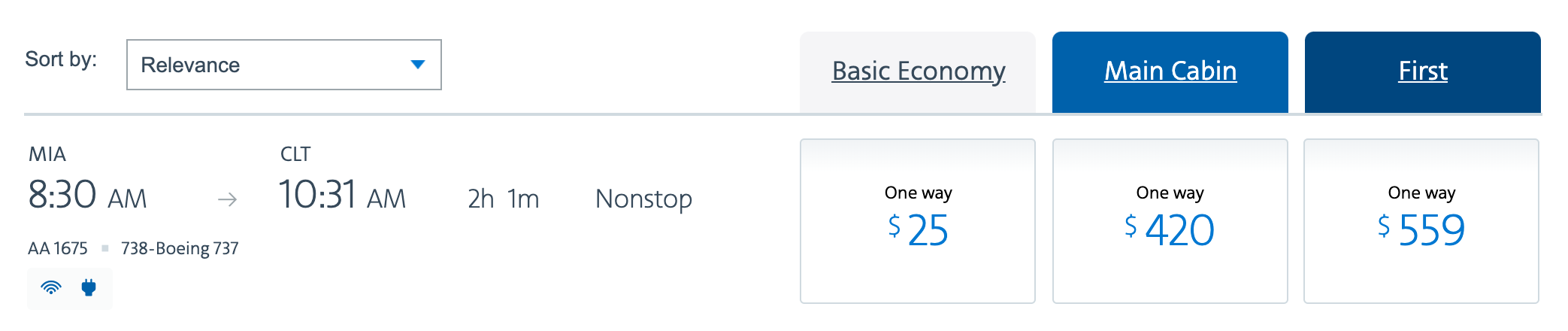
Combined, that's why basic economy is losing its relevance during the pandemic. Carriers like Spirit are selling tickets at rock-bottom prices, and major airlines are matching. So why would anyone — price sensitive or not — choose a more flexible coach fare when the only major difference is your baggage allowance?
Related: What basic economy means across the airlines
The future of basic economy is uncertain
With many temporary changes to the flight experience, basic economy fares aren't nearly as relevant or effective as a segmentation strategy.
But once there's a vaccine, will things snap back to normal?
JetBlue's COO, Joanna Geraghty, isn't sure. In an interview with TPG's founder and CEO, Brian Kelly, she mentioned that "flexibility will be a significant component of the future of air travel. As we move through this experience, it'll be interesting to see how customers use change [policies] going forward. Longer term, it will definitely be part of the purchase decision."
So long as people can't reasonably book travel six months in advance, one of the strongest levers of getting people to buy-up from basic economy won't be enforceable. And that could lead to higher prices.
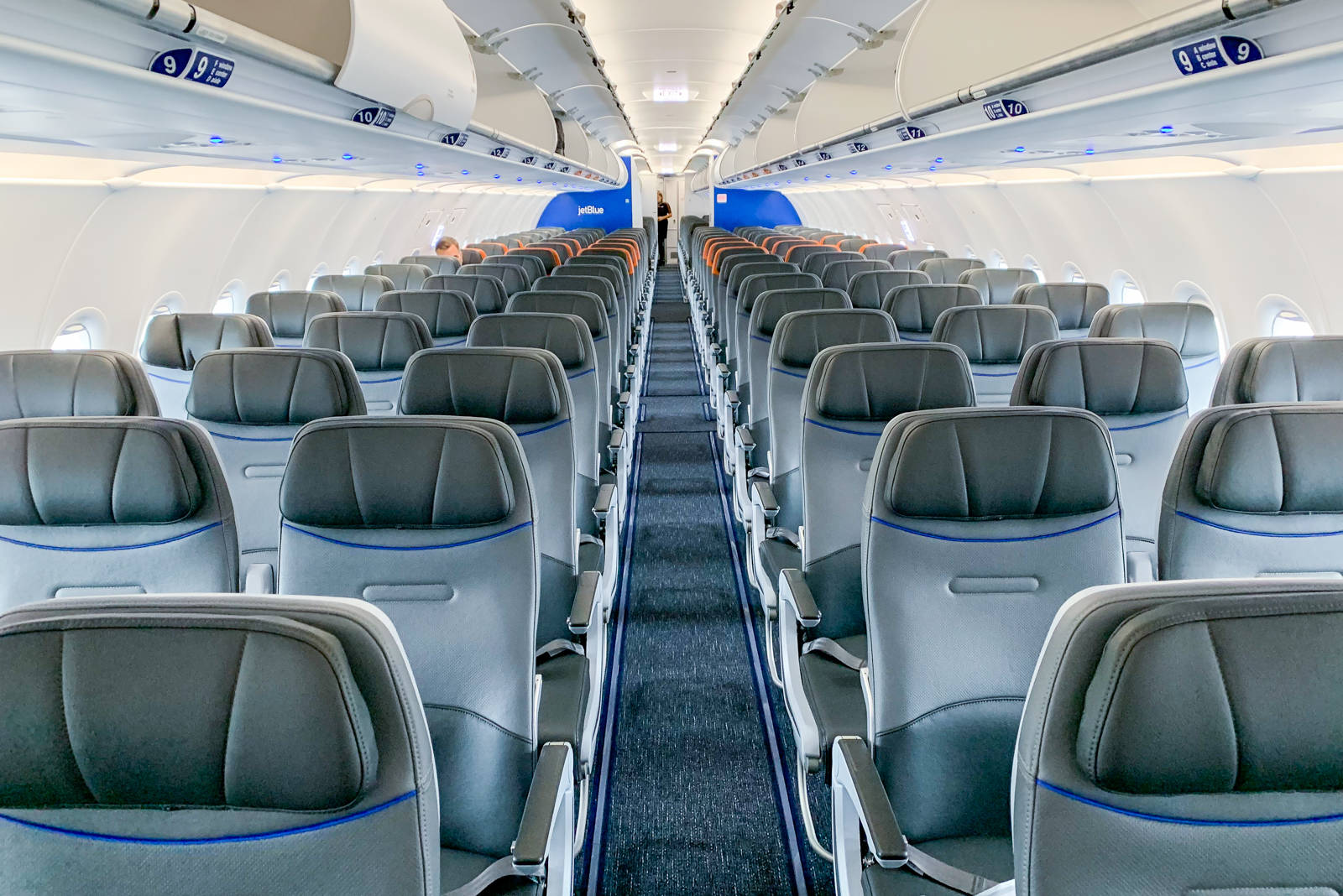
Syth told TPG that "If for some reason [change fee] restrictions cannot be brought back, then the cost of the lowest-priced tickets will have to go up because the cost of providing that service will be higher."
Of course, revenue managers are likely in the process of devising other ways to segment the market of basic economy and regular coach flyers in the absence of flexibility constraints. Time will tell how this plays out, but so long as there are change fee waivers, fewer and fewer people will choose to splurge for the "full" coach fare.
Related: How coronavirus could change the future of travel
Bottom line
The future is uncertain. We don't know when the pandemic will end, and we certainly don't know when travel will return to pre-COVID levels.
That's why airlines have implemented flexible waivers. One of the biggest implications for waived change fees is the inability to segment customers between basic economy and regular ticket types. Combined with blocked middle seats, modified boarding procedures and extended elite status, there's much less of a reason for someone to buy-up from basic economy.
And until these restrictions can once again play a role in the purchase decision, we're likely going to see more innovation in the basic economy fare.
TPG featured card
at American Express's secure site
Terms & restrictions apply. See rates & fees.
| 4X | Earn 4X Membership Rewards® points per dollar spent on purchases at restaurants worldwide, on up to $50,000 in purchases per calendar year, then 1X points for the rest of the year. |
| 4X | Earn 4X Membership Rewards® points per dollar spent at US supermarkets, on up to $25,000 in purchases per calendar year, then 1X points for the rest of the year. |
| 5X | Earn 5X Membership Rewards® points on prepaid hotel stays booked through AmexTravel.com or the Amex Travel App™. |
| 3X | Earn 3X Membership Rewards® points on flights booked through AmexTravel.com, the Amex Travel App™, or purchased directly from airlines. |
| 2X | Earn 2X Membership Rewards® points on prepaid car rentals booked through AmexTravel.com or the Amex Travel App™ and cruises booked and paid through AmexTravel.com. |
| 1X | Earn 1X Membership Rewards® point per dollar spent on all other eligible purchases. |
Pros
- Valuable dining and food-related credits
- Flexible rewards with airline and hotel transfer partners
- Multiple travel and purchase protections
- No foreign transaction fees
- Access to Amex Offers for additional savings (enrollment required)
Cons
- Not as useful for those living outside the U.S.
- Some may have trouble using Uber and other dining credits
- You may be eligible for as high as 100,000 Membership Rewards® Points after you spend $8,000 in eligible purchases on your new Card in your first 6 months of Card Membership. Welcome offers vary and you may not be eligible for an offer. Apply to know if you’re approved and find out your exact welcome offer amount – all with no credit score impact. If you’re approved and choose to accept the Card, your score may be impacted.
- Earn 4X Membership Rewards® points per dollar spent on purchases at restaurants worldwide, on up to $50,000 in purchases per calendar year, then 1X points for the rest of the year.
- Earn 4X Membership Rewards® points per dollar spent at US supermarkets, on up to $25,000 in purchases per calendar year, then 1X points for the rest of the year.
- Earn 5X Membership Rewards® points on prepaid hotel stays booked through AmexTravel.com or the Amex Travel App™.
- Earn 3X Membership Rewards® points on flights booked through AmexTravel.com, the Amex Travel App™, or purchased directly from airlines.
- Earn 2X Membership Rewards® points on prepaid car rentals booked through AmexTravel.com or the Amex Travel App™ and cruises booked and paid through AmexTravel.com.
- Earn 1X Membership Rewards® point per dollar spent on all other eligible purchases.
- Pay It® lets you tap in the American Express® App to quickly pay for small purchase amounts throughout the month and still earn rewards the way you usually do. Plan It® gives you the option to split up big purchases into equal monthly payments with a fixed fee. You’ll know upfront exactly how much you’ll pay.
- $120 Dining Credit: Earn up to a total of $10 in statement credits monthly when you pay with the Gold Card at Grubhub (including Seamless), Buffalo Wild Wings, Five Guys, The Cheesecake Factory, and Wonder. This can be an annual savings of up to $120. Enrollment required.
- $100 Resy Credit: Get up to $100 in statement credits each calendar year at over 10,000 qualifying U.S. Resy restaurants after you pay for eligible purchases with the American Express® Gold Card. That’s up to $50 in statement credits semi-annually. Enrollment required.
- $84 Dunkin' Credit: Earn up to $7 in monthly statement credits after you pay with the American Express® Gold Card at U.S. Dunkin’ locations. Enrollment required.
- $120 Uber Cash on Gold: Enjoy up to $120 in Uber Cash annually with your Gold Card. Just add your Card to your Uber account and you'll get $10 in Uber Cash each month to use on orders and rides in the U.S. when you select an Amex Card for your transaction.
- Enjoy complimentary Hertz Five Star® Status benefits like skipping the counter at select locations, adding an additional driver at no additional cost*, and vehicle upgrades**. Benefit enrollment and Hertz Gold+ registration are required. *Additional drivers must meet standard rental qualifications and must be a spouse or domestic partner to qualify as complimentary. Other additional drivers subject to fees. **Benefits are subject to availability and vary by location. Additional Hertz program Terms and Conditions including age restrictions apply.
- Book two nights or more with The Hotel Collection through AmexTravel.com or the Amex Travel App™ and receive a $100* credit towards eligible charges at over 1,400 upscale hotels worldwide. *Eligible charges vary by property.
- Book your travel through the Amex Travel App™ with added peace of mind – backed by American Express® service and support. Only for American Express® Card Members.
- Whenever you need us, we're here. Our Member Services team will ensure you are taken care of. From lost Card replacement to statement questions, we are available to help 24/7.
- No Foreign Transaction Fees.
- Annual Fee is $325.
- Terms Apply.