Delta operates final MD-88 flight amid tough times for airlines

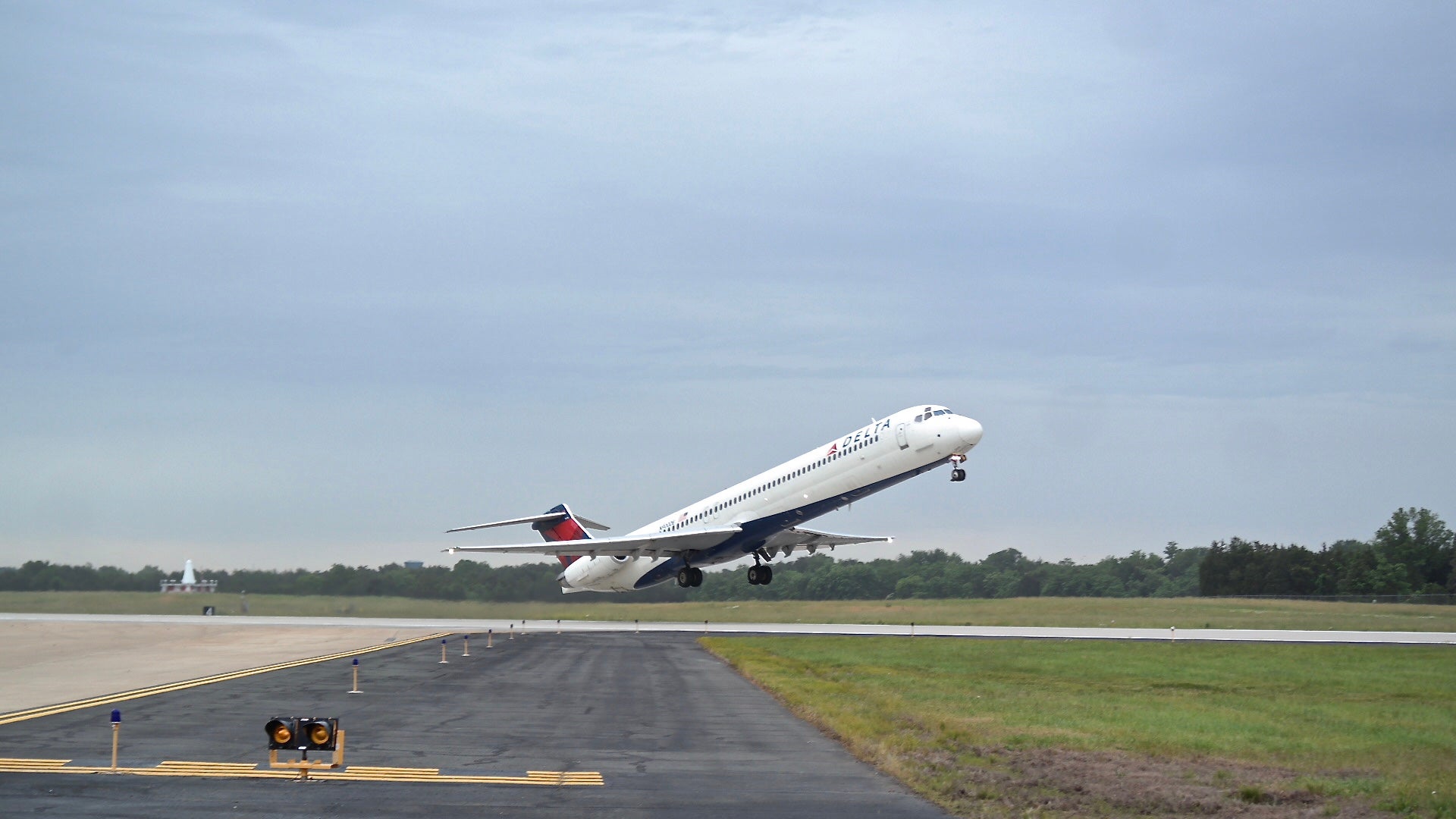
Delta Air Lines final McDonnell Douglas MD-88 flight departed from Washington Dulles on a gray Tuesday morning amid the worst crisis the industry has ever faced.
The flight, fittingly DL88, received a water-canon salute after pushing back from the gate at Dulles (IAD) at 8:20 a.m. local time for its scheduled 1-hour, 14-minute flight to Delta's Atlanta (ATL) base. The MD-88, registration N900DE, was one of seven inbound MD-88 flights operating to Atlanta on Tuesday morning. DL88 was the last of those to depart.
"It's a sad moment," Delta captain Jim Hamilton, who piloted DL88, told TPG prior to the departure. "The aircraft never let me down in 27 years."
Get Coronavirus travel updates. Stay on top of industry impacts, flight cancellations, and more.
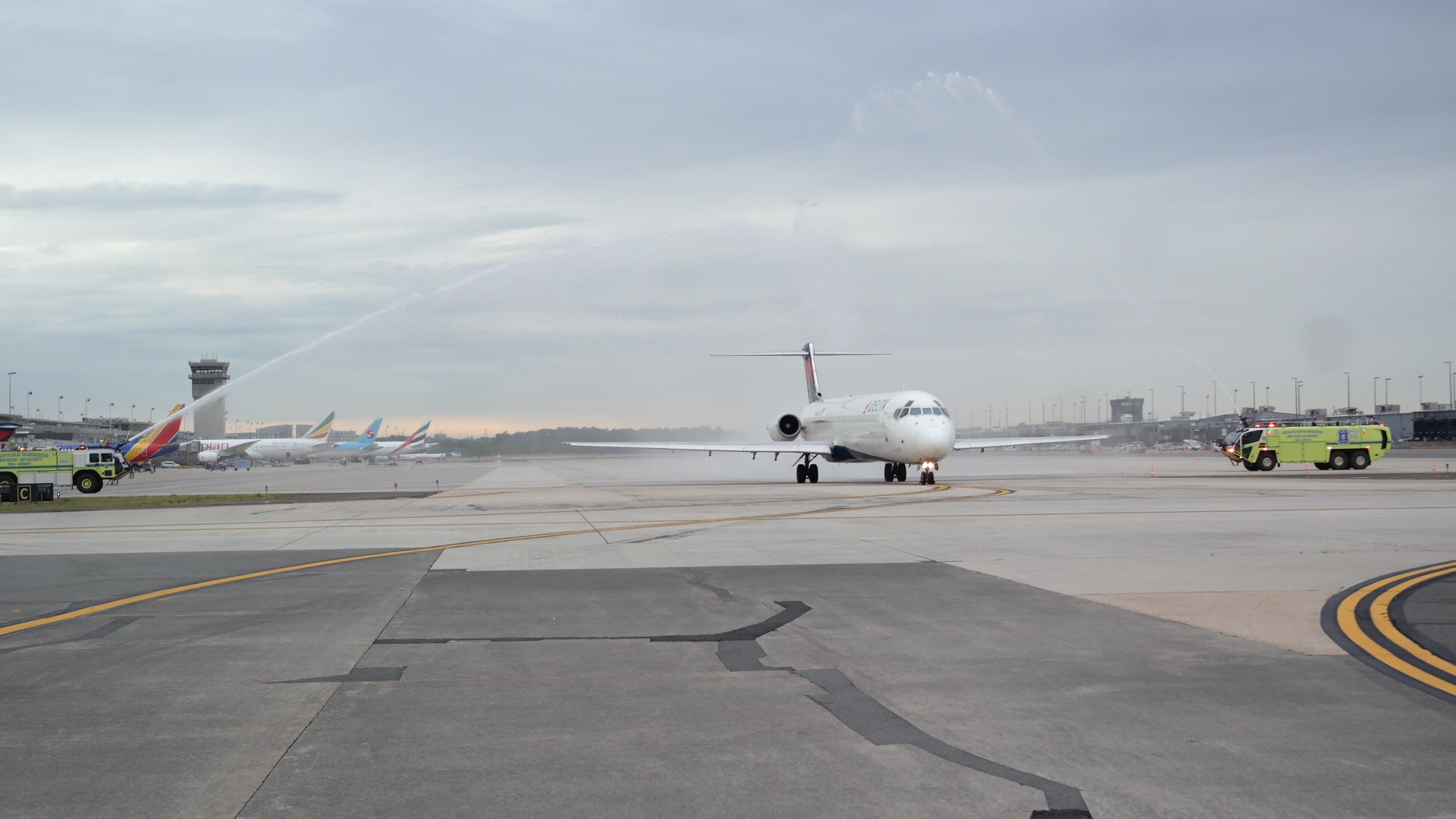
On the same morning, Delta operated its last McDonnell Douglas MD-90 flight, DL90, from Houston Bush Intercontinental (IAH) to Atlanta.
Both the MD-88s and MD-90s were due to fly on to Blytheville, Arkansas (BYH), for storage later on Tuesday.
The retirements of the "Mad Dog," as the jets are colloquially known, is an end of an era for Delta and U.S. airlines. The MD-80 family, and DC-9s before it, have graced U.S. skies since 1965 and formed the backbone of many airlines' domestic fleets at one time or another. The exception being the Boeing 717, which began life as the MD-95 but was rebranded after Boeing and McDonnell Douglas merged in 1997.
Related: Delta says goodbye to the last 'Mad Dogs' flying in the US amid coronavirus retirements
The dual aircraft retirements come during the coronavirus pandemic. Airlines around the world have seen passenger numbers dry up as would-be flyers stay home amid government restrictions and fears of the virus.

The almost complete disappearance of travelers -- and revenue -- has put the plight of airlines in stark relief. Several carriers are restructuring through bankruptcy as a result, including Delta partner LATAM Airlines. In the U.S., the federal government's $50 billion coronavirus aid package, or the CARES Act, has so far helped airlines avoid this fate.
But even with the aid, U.S. airlines plan to emerge smaller after COVID-19. Delta is preparing for this by retiring more than 100 jets, including the MD-88s and MD-90s. It will also remove its 18 Boeing 777s by year end.
Retiring jets save Delta "hundreds of millions of dollars" annually, the airline's chief financial officer Paul Jacobson told staff on May 27.
Related: US airlines could retire older aircraft, focus on newer models due to coronavirus downturn
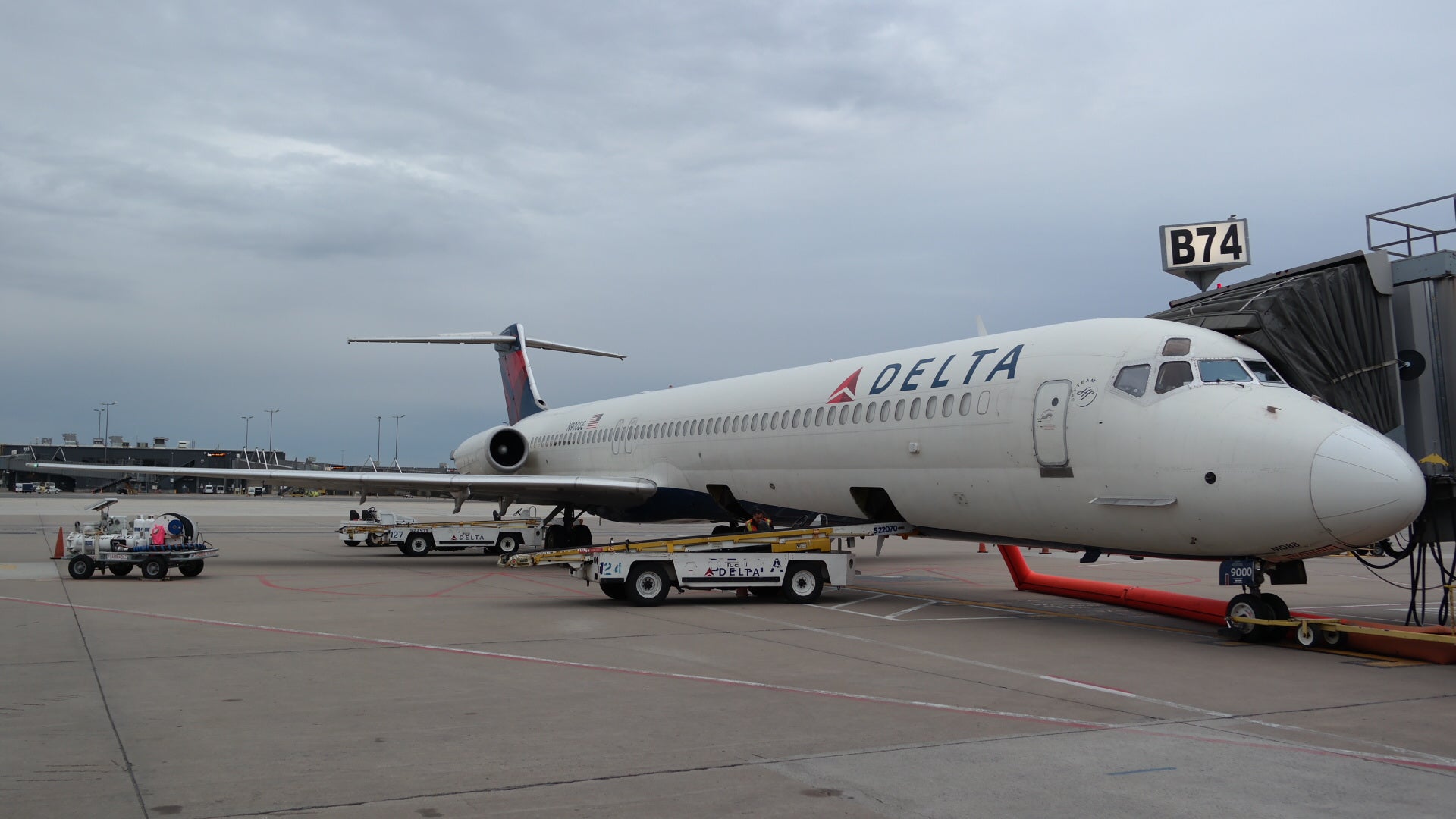
The disappearance of the MD-88s and MD-90s will also benefit travelers. While Cirium schedules show most of the final MD-88 flights initially shift to 717-200s, Delta has outlined plans to park roughly half of its 717 fleet over the next two years while continuing to take delivery of new Airbus A220s and eventually Airbus A321neos.
The A220-100s seat 12 passengers in a 2-2 first class layout and 97 in a 2-3 economy layout and are generally viewed as more comfortable for travelers than the 717. In addition, they are quieter than the 717s and feature inflight entertainment screens at every seat.
Delta operated 31 A220-100s at the beginning of April, its latest fleet plan shows. It has orders for another 14 A220-100s plus 50 -300s with the first of the latter potentially due this year.
Related: Why the new Airbus A220 is popular with airlines during the coronavirus pandemic
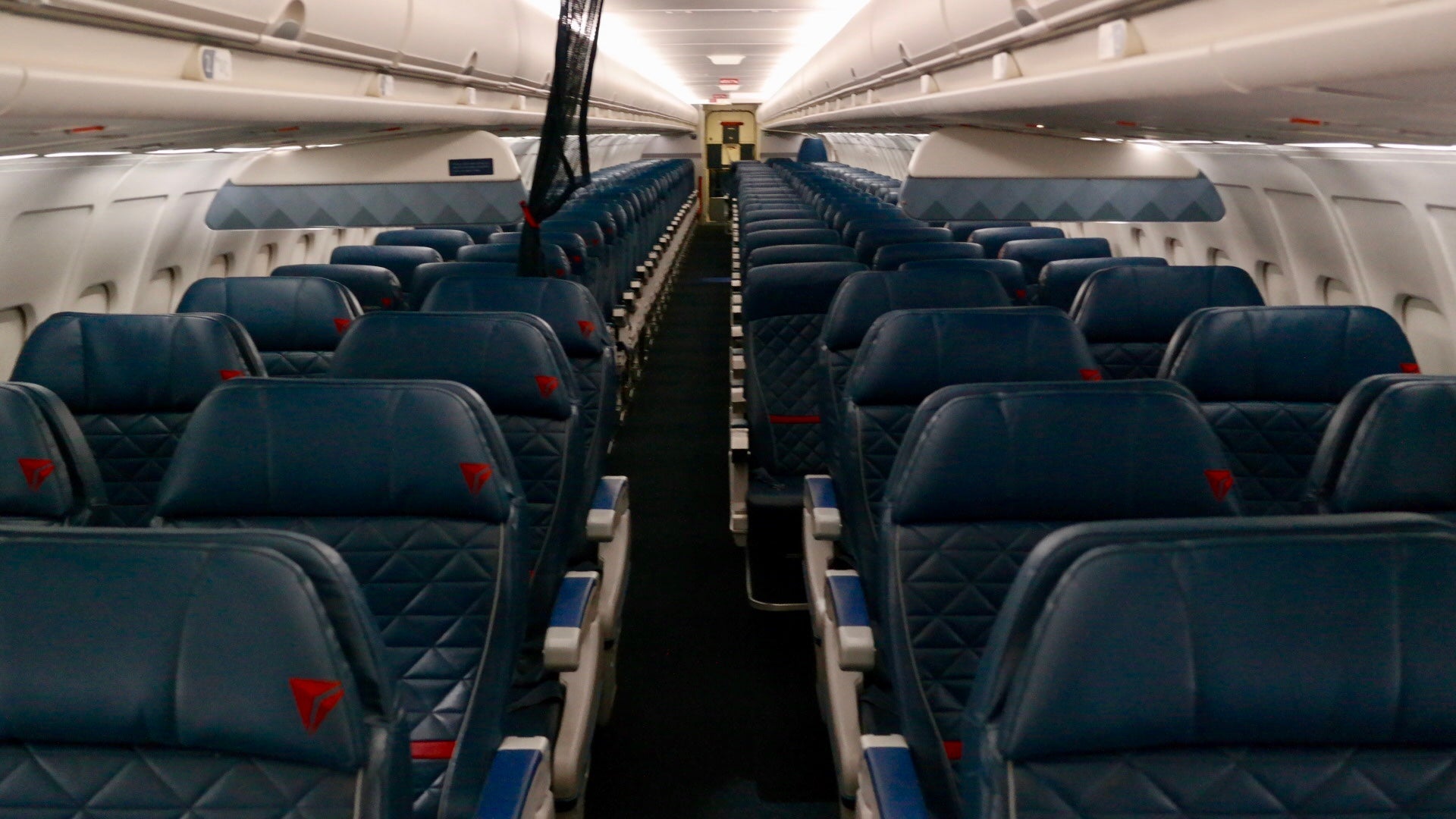
Delta has flown as many as 120 MD-88s and 65 MD-90s since 1987, according to the Delta Flight Museum. The former was an upgraded version of the standard MD-80 while the latter was a stretched variant designed to compete with the Boeing 737-800 in the mid-1990s.
American, once the largest operator of MD-80 family jets in the world, retired its last of the planes in September 2019. And Allegiant Air retired its last MD-80 in November 2018.
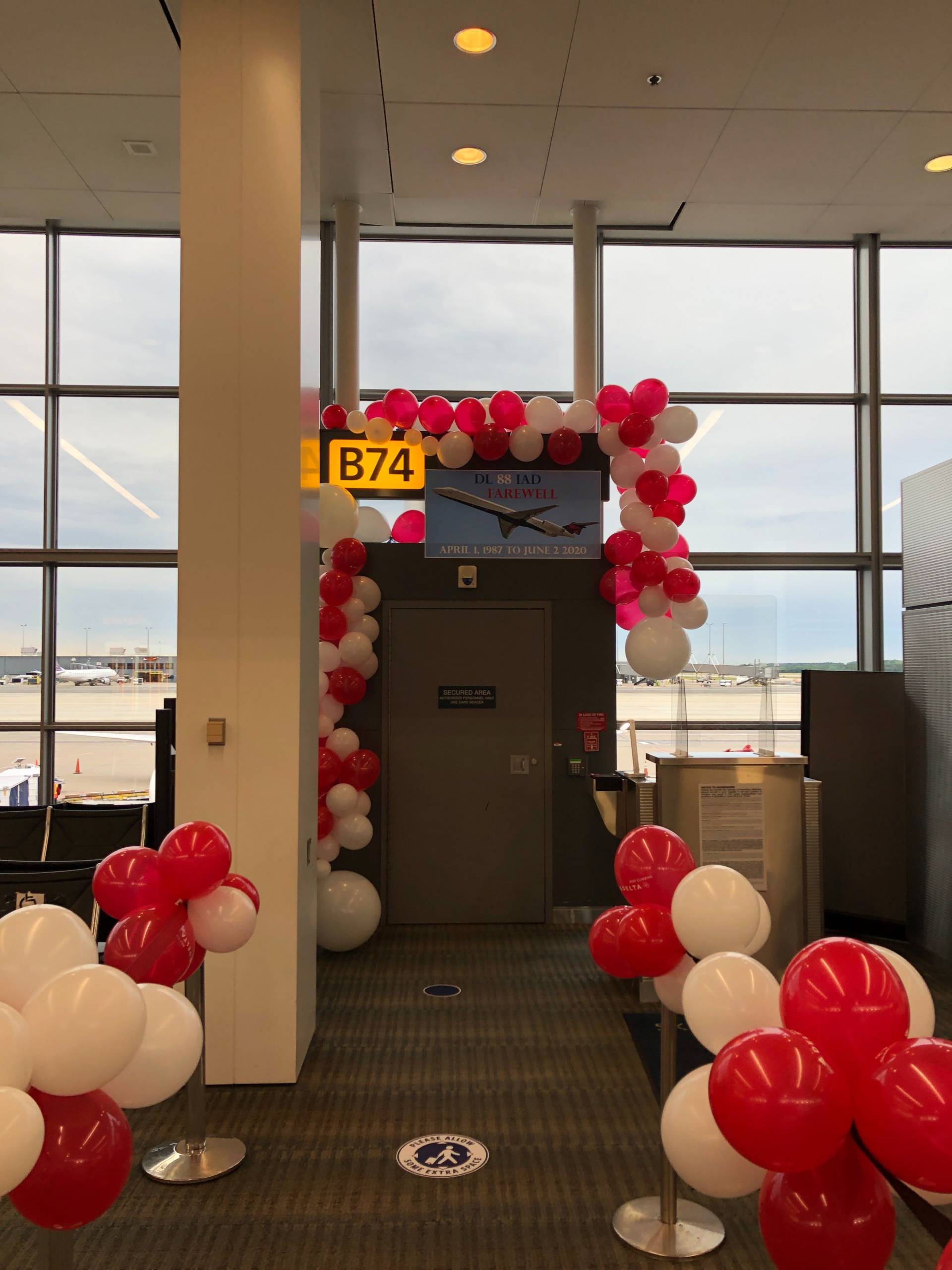
The send off at Dulles was muted compared to some past aircraft retirements. Staff decked out the gate with red-and-white balloons and signs saying "DL88 IAD Farewell." Most travelers onboard the flight appeared to be aviation aficionados, or AvGeeks.
Small or not, Capt. Hamilton came out and greeted the crowd before the flight, marking the historic moment and welcoming flyers onboard.
Related: American Airlines has flown its last 'Super 80' flight
TPG featured card

at Capital One's secure site
Terms & restrictions apply. See rates & fees.
| 5X miles | Earn 5X miles on hotels, vacation rentals and rental cars booked through Capital One Travel |
| 2X miles | Earn unlimited 2X miles on every purchase, every day |
Pros
- Stellar welcome offer of 75,000 miles after spending $4,000 on purchases in the first three months from account opening. Plus, a $250 Capital One Travel credit to use in your first cardholder year upon account opening.
- You'll earn 2 miles per dollar on every purchase, which means you won't have to worry about memorizing bonus categories
- Rewards are versatile and can be redeemed for a statement credit or transferred to Capital One’s transfer partners
Cons
- Highest bonus-earning categories only on travel booked via Capital One Travel
- LIMITED-TIME OFFER: Enjoy $250 to use on Capital One Travel in your first cardholder year, plus earn 75,000 bonus miles once you spend $4,000 on purchases within the first 3 months from account opening - that’s equal to $1,000 in travel
- Earn unlimited 2X miles on every purchase, every day
- Earn 5X miles on hotels, vacation rentals and rental cars booked through Capital One Travel
- Miles won't expire for the life of the account and there's no limit to how many you can earn
- Receive up to a $120 credit for Global Entry or TSA PreCheck®
- Use your miles to get reimbursed for any travel purchase—or redeem by booking a trip through Capital One Travel
- Enjoy a $50 experience credit and other premium benefits with every hotel and vacation rental booked from the Lifestyle Collection
- Transfer your miles to your choice of 15+ travel loyalty programs
- Top rated mobile app