It’s official: The era of blocked middle seats just ended

Onboard social distancing policies are officially a relic of the past.
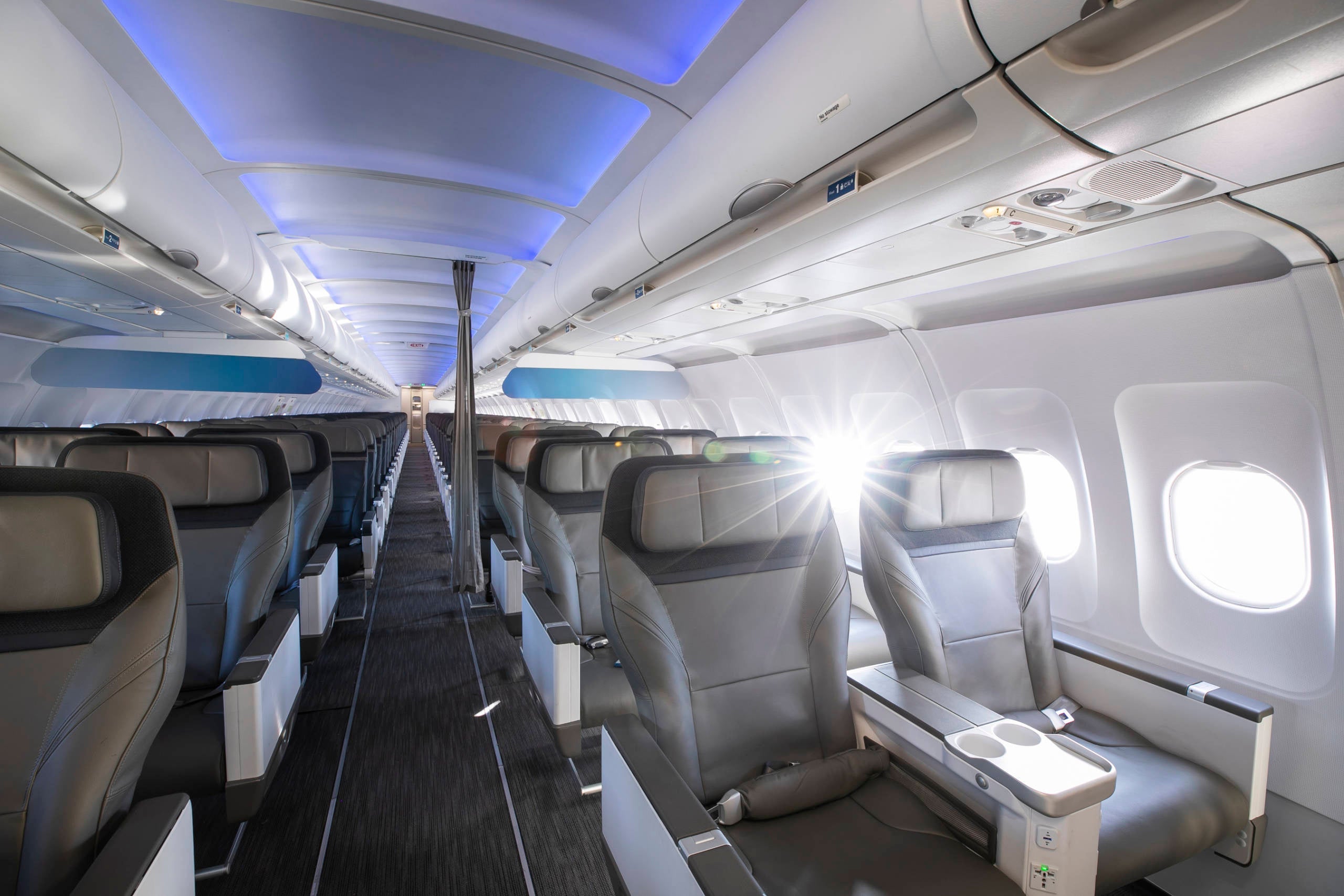
As of Tuesday, June 1, the final U.S. carrier, Alaska Airlines, ended its middle-seat block policy. While the Seattle-based airline resumed selling most of its cabins to full capacity on Jan. 7, 2021, it carved out a notable exception for Premium Class flyers.
Through May 31, Premium Class came with a valuable perk — empty middle seats — in addition to its standard inclusions, like four more inches of legroom, complimentary beer and wine (when available) and priority boarding. Though parties of three or more could select seats together, solo travelers were assured that the middle seat would remain empty. Alaska's extra-legroom offering is priced somewhere between a standard coach and a first-class ticket.
Now that Alaska's middle-seat block has officially ended across all cabins, no major U.S. carrier is left blocking the middle seat.
Delta was the penultimate holdout. Beginning on May 1, the Atlanta-based carrier resumed selling flights to 100% capacity. Armed with studies that suggest the risk of inflight COVID-19 transmission is low and combined with the rapidly growing vaccination rates, the airline reasoned that May 1 was the right time to end the seat block.
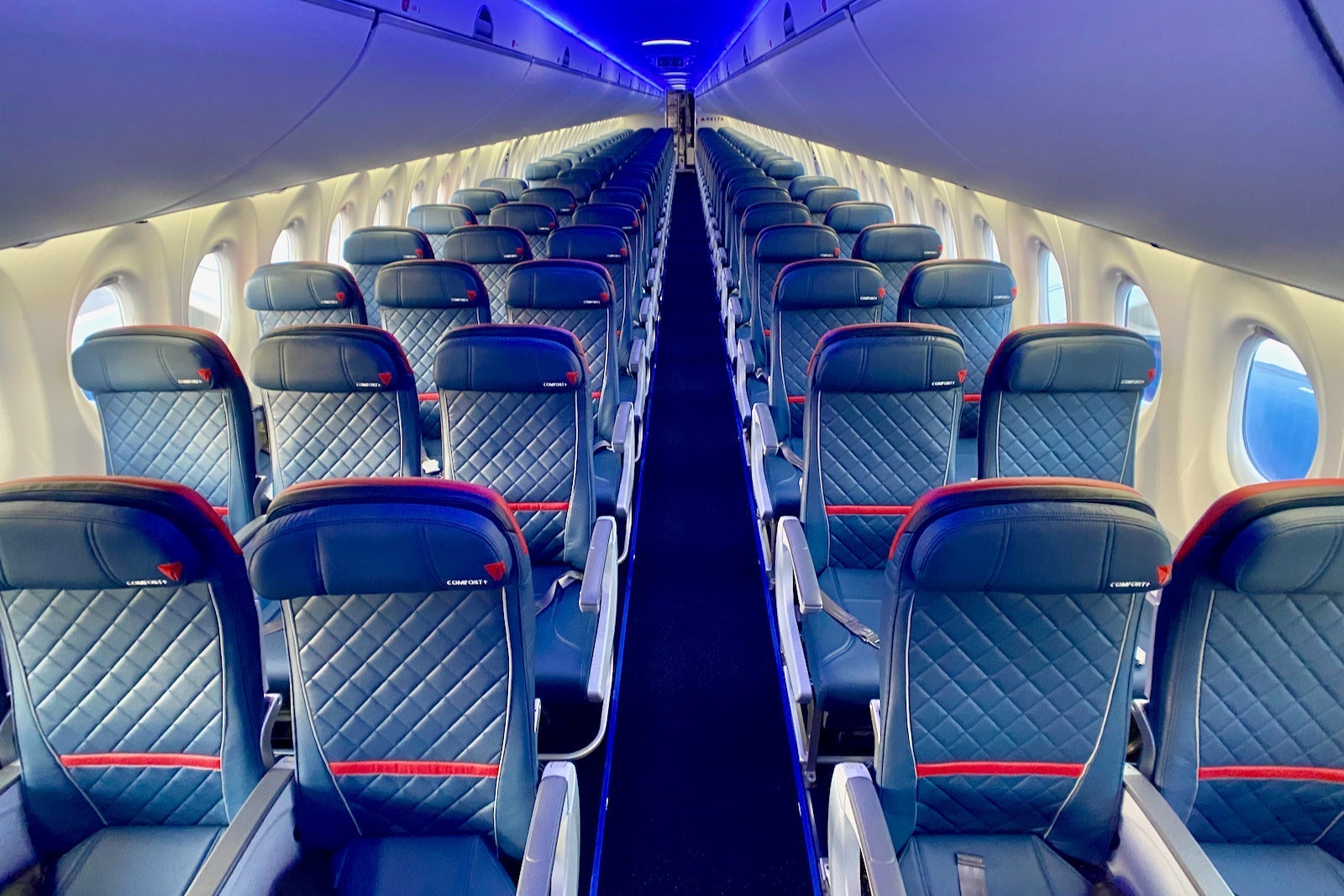
Delta kept the middle seat open across its cabins to every destination for roughly a full year. The carrier started blocking seats in April 2020, and slowly made some adjustments to its policy throughout the pandemic, like lifting capacity caps on Delta One cabins on wide-body jets and unblocking select seats on smaller regional jets.
In addition to Alaska and Delta, Hawaiian, JetBlue and Southwest also capped capacity, but those policies were scrapped by mid-January, right after the winter holiday season. The two other Big 3 U.S. airlines, American and United, each blocked select middle seats or capped capacity for a short duration much earlier in the pandemic, but those policies ended quickly.
With more and more Americans getting vaccinated and returning to the skies, maintaining a seat cap would likely cause airlines to lose out on additional revenue if they didn't raise fares or add capacity. Plus, recent studies show that the risk of inflight transmission is low, especially among fully vaccinated individuals.
Though airlines are no longer capping capacity, those who'd like to purchase a second seat for added space can still do so. As summer travel ramps up, airlines are expecting extremely high load factors that could rival — or break — the pre-pandemic levels in 2019. If you're flying domestically during a weekend or other peak travel day, expect a full flight.

Related: How to buy a second seat for yourself on U.S. airlines
You'll want to check out TPG's guide to buying a second seat for all you need to know about scoring some additional shoulder space from your neighbor. Alternatively, you could always splurge for a first-class recliner or find a domestic flight operated by a lie-flat-equipped jet for added social distancing.
More broadly, blocking the middle seat is just the latest pandemic-era policy to be scrapped.
At the beginning of May, Alaska, Delta and United let their flexible travel waiver for basic economy tickets expire, leaving JetBlue as the lone holdout offering free changes for all tickets through June 7. Though most major U.S. carriers have pledged to permanently eliminate change fees, the majority of basic economy tickets have returned to their pre-pandemic restrictions: "use it or lose it."
TPG featured card

at Capital One's secure site
Terms & restrictions apply. See rates & fees.
| 5X miles | Earn 5X miles on hotels, vacation rentals and rental cars booked through Capital One Travel |
| 2X miles | Earn unlimited 2X miles on every purchase, every day |
Pros
- Stellar welcome offer of 75,000 miles after spending $4,000 on purchases in the first three months from account opening. Plus, a $250 Capital One Travel credit to use in your first cardholder year upon account opening.
- You'll earn 2 miles per dollar on every purchase, which means you won't have to worry about memorizing bonus categories
- Rewards are versatile and can be redeemed for a statement credit or transferred to Capital One’s transfer partners
Cons
- Highest bonus-earning categories only on travel booked via Capital One Travel
- LIMITED-TIME OFFER: Enjoy $250 to use on Capital One Travel in your first cardholder year, plus earn 75,000 bonus miles once you spend $4,000 on purchases within the first 3 months from account opening - that’s equal to $1,000 in travel
- Earn unlimited 2X miles on every purchase, every day
- Earn 5X miles on hotels, vacation rentals and rental cars booked through Capital One Travel
- Miles won't expire for the life of the account and there's no limit to how many you can earn
- Receive up to a $120 credit for Global Entry or TSA PreCheck®
- Use your miles to get reimbursed for any travel purchase—or redeem by booking a trip through Capital One Travel
- Enjoy a $50 experience credit and other premium benefits with every hotel and vacation rental booked from the Lifestyle Collection
- Transfer your miles to your choice of 15+ travel loyalty programs
- Top rated mobile app