Take a behind-the-scenes look at an airport fire-and-rescue department

There are some airport amenities you can't wait to use. The Shake Shack in JFK's Terminal 4. A newly renovated lounge. A fun shop, or a runway viewing deck.
One of the most important services, though, which just about every commercial airport has, is one that you hope you'll never need.
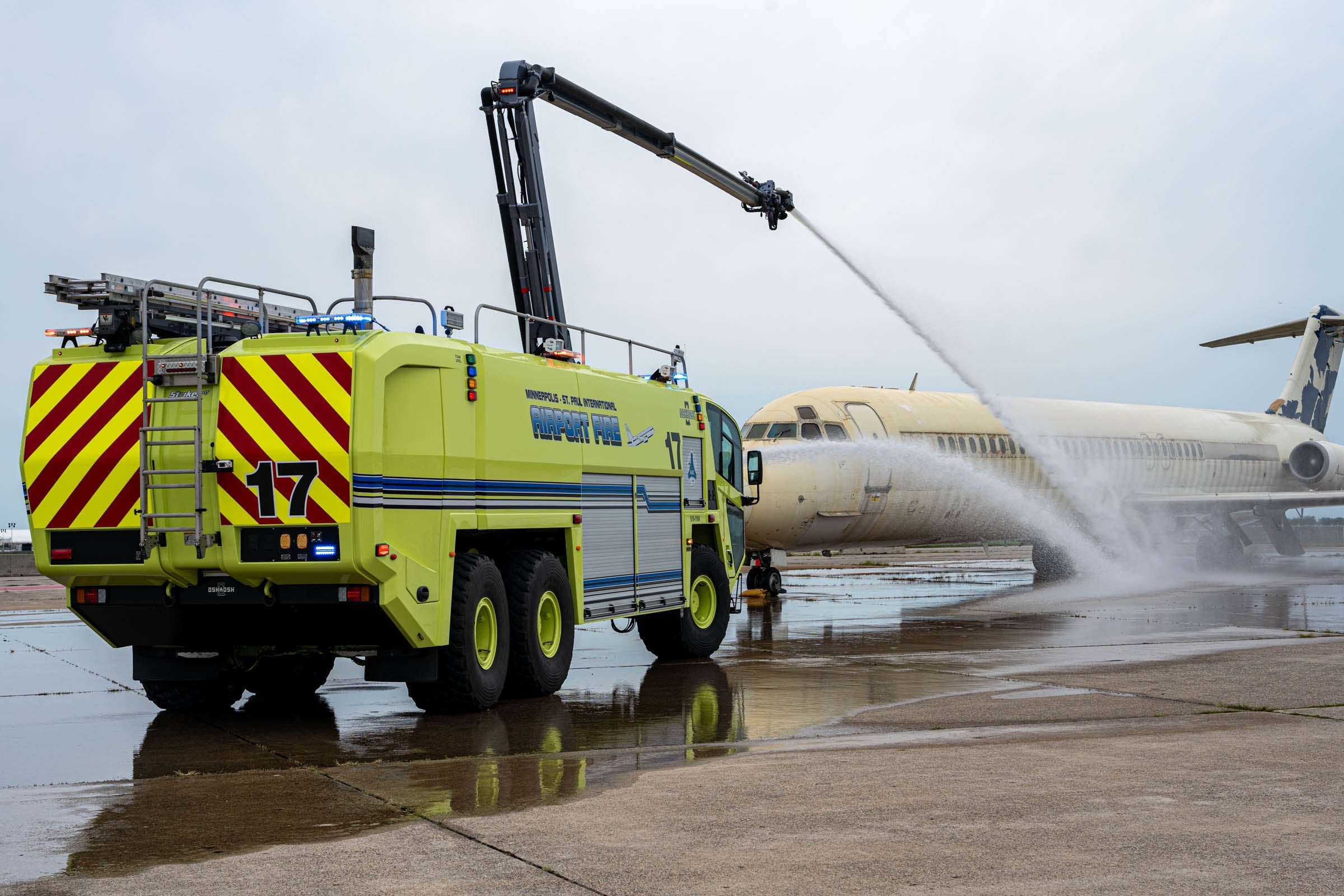
Every airport has an on-site fire-and-rescue department, often known as ARFF (airport rescue and firefighting), which responds to accidents and crashes on the airfield, emergency landings and other emergencies.
The size of most commercial airports, coupled with the mass casualty potential of an aircraft disaster and the unique challenges an aviation emergency presents — such as the presence of jet fuel — means that having a local municipal fire department respond simply isn't effective enough.
Because plane crashes and similar emergencies are, thankfully, exceedingly rare, ARFF firefighters often fill secondary roles, performing as security guards, baggage handlers or even airport police officers. When there's an emergency, they'll drop what they're doing, gear up and jump on the truck.
At larger airports, though, firefighting is a full-time job. Major airports can be like their own small city, and just like in any other city, things happen.
At Minneapolis-St. Paul International Airport (MSP), the fire department doesn't just respond to aircraft emergencies. Crews handle everything that happens on airport grounds and the surrounding areas, from responding to automatic fire alarms and actual structure fires at restaurants and in offices, to dealing with car crashes, handling toxic chemical leaks and helping manage medical emergencies.
Because MSP is surrounded by lakes, rivers and creeks, the airport's fire department has a fairly unique feature — a water-rescue team, which uses a highly mobile airboat, or hovercraft. A plane could theoretically make an emergency landing in the waterways surrounding the airport, but the boat is more commonly used to respond with the city of Minneapolis to help boaters, hikers and parkgoers who run into trouble around the water.
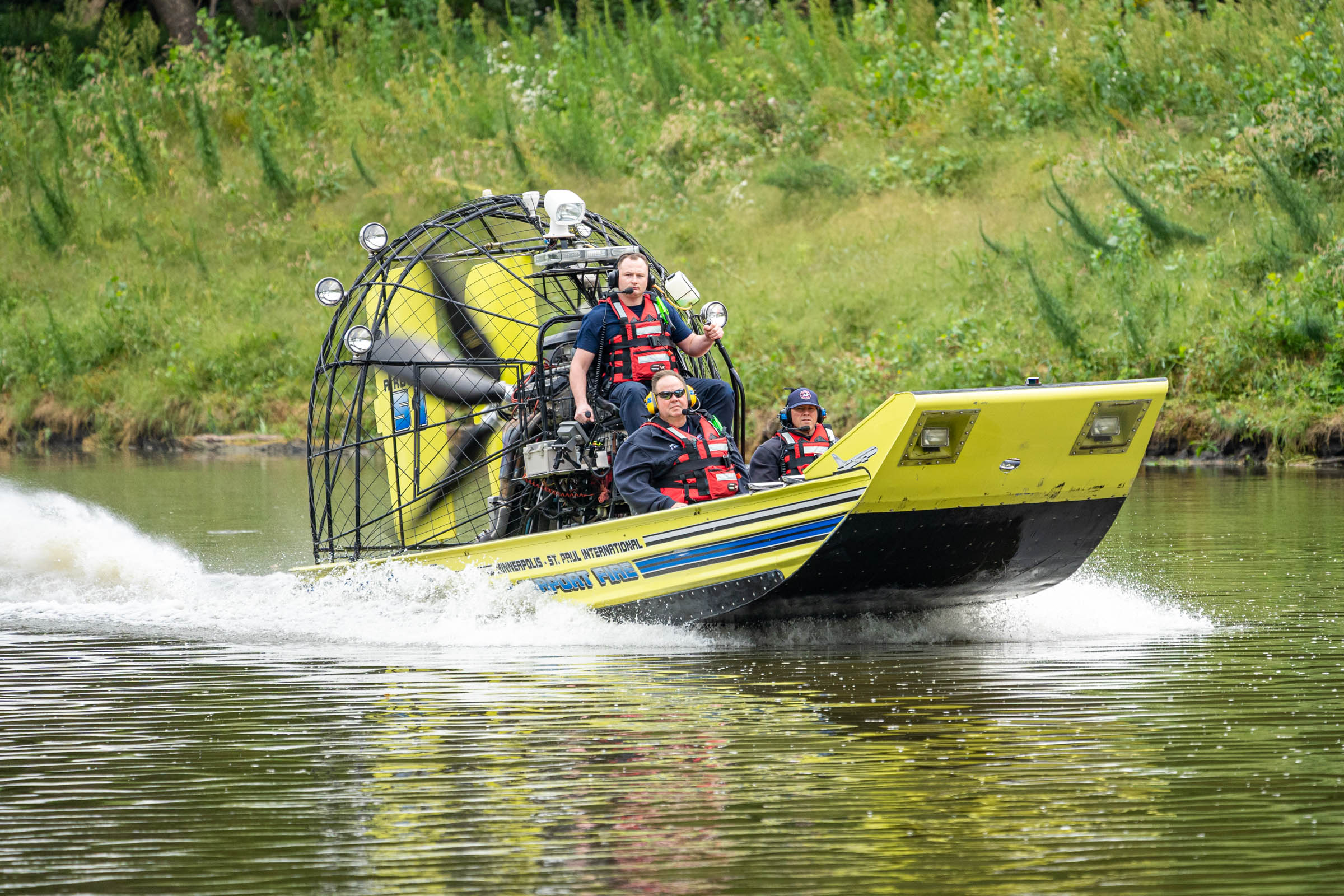
A water rescue is a straightforward mission, but one that requires extra training at least twice a year — once in winter, once in summer.

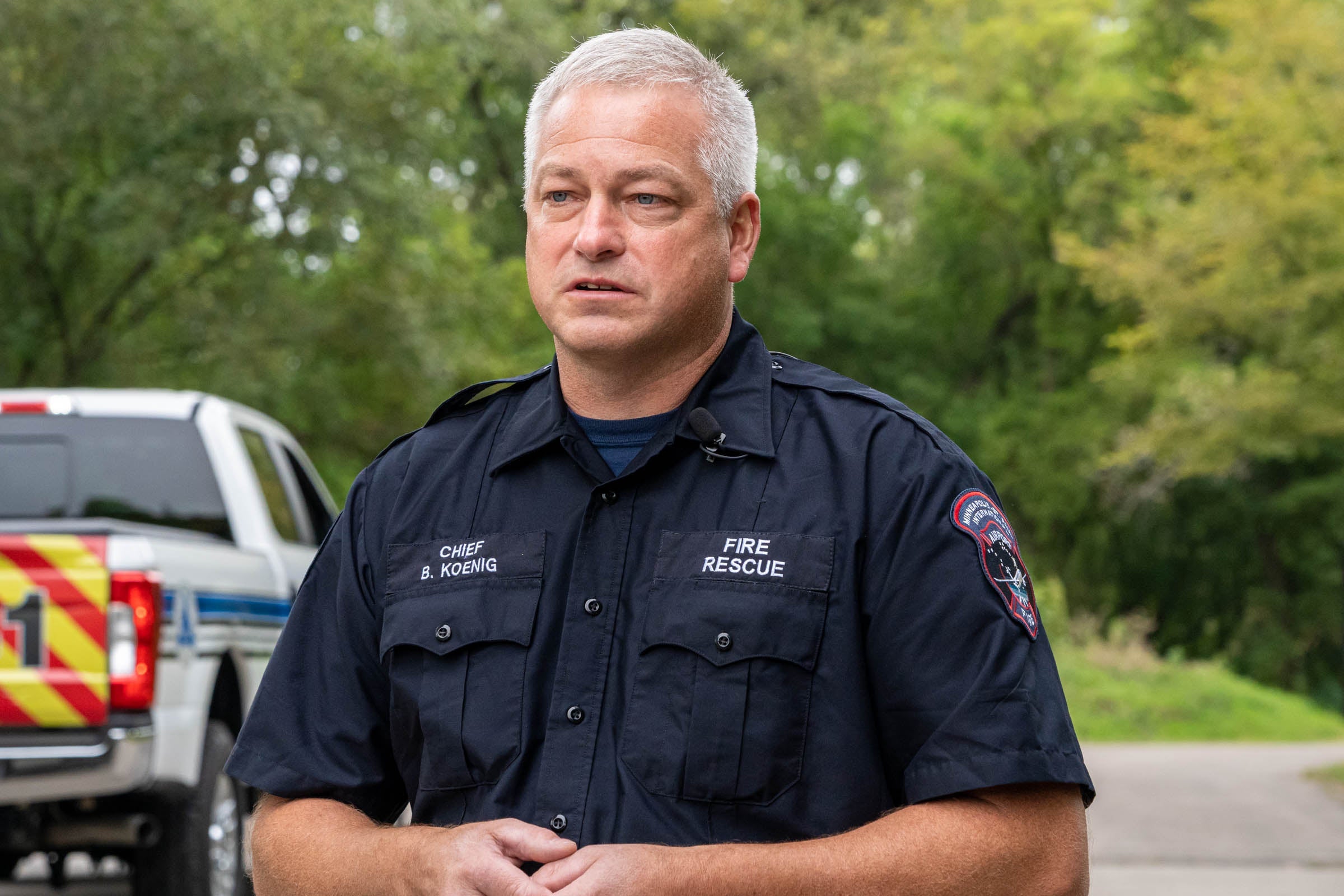
TPG had a chance to observe this year's summer training in September and tour the airport's firefighting facilities with Bob Koenig, a veteran MSP firefighter and the department's new chief.
Two stations, lots of equipment
The MSP airport fire department spreads out over two stations on different sides of the airport, optimizing response times to different facilities without having to worry about crossing active runways or racing through crowded tunnels.
While aircraft emergencies are front and center — as a commercial airport under the Federal Aviation Administration's Part 139 rules, MSP's fire department has to meet a strict set of aircraft-focused standards — the department also responds to more standard assignments.
"We also have hotels, we have car rental lots, offices, a military base," Koenig told me as we drove around the airfield on our way to the first station. "I've always liked this because it's different every day, there's no routine to fall into. That's what's kept me interested for 24 years."
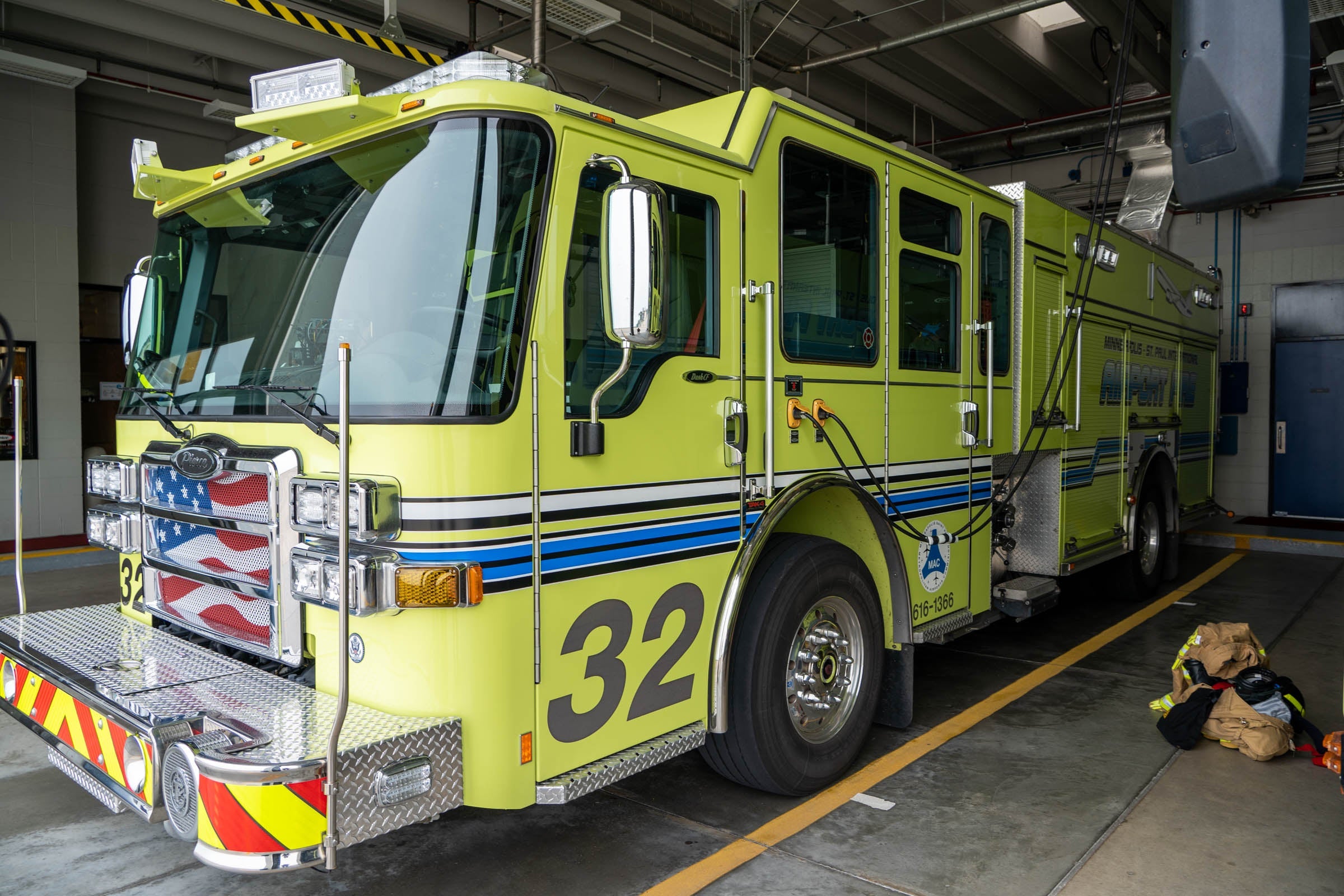
That's why the department doesn't just have aircraft crash trucks — it also has standard structural firefighting engines, like this Pierce-made truck at Station 2, the smaller of the department's two bases.
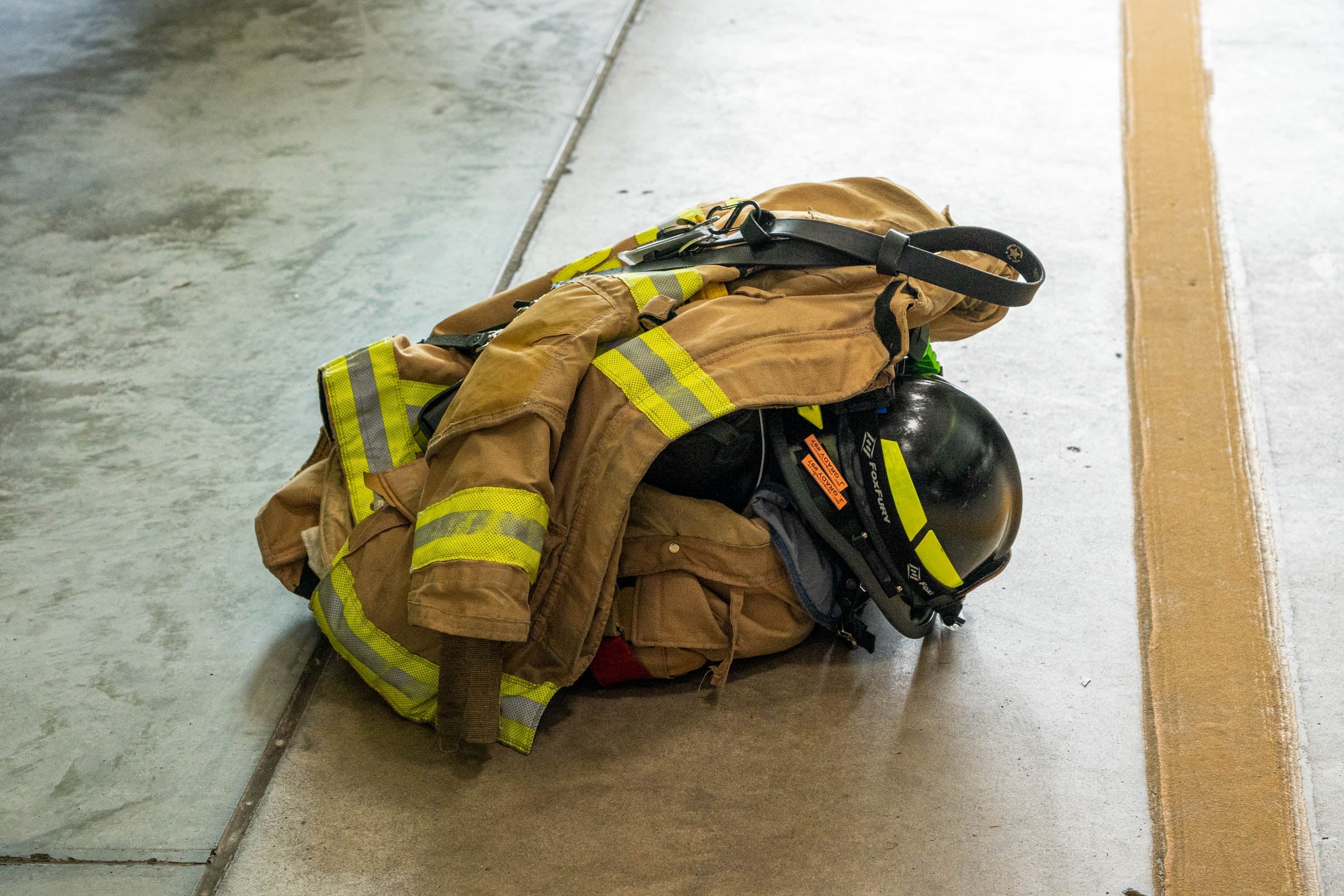
That's also why the firefighters wear regular structural firefighting gear, rather than the silver proximity gear that airport and Navy firefighters used to wear.
"This works just as well" for aircraft fires as the old silvers, Koenig said, while being more comfortable and versatile.
While many of the emergencies the department responds to at MSP are similar to those of any city fire department, even those come with some unique challenges. Responders have to navigate complex and narrow tunnels running under parts of the runway and terminal facilities, along with tight parking lots and garages. Sometimes, a regular firetruck won't fit.
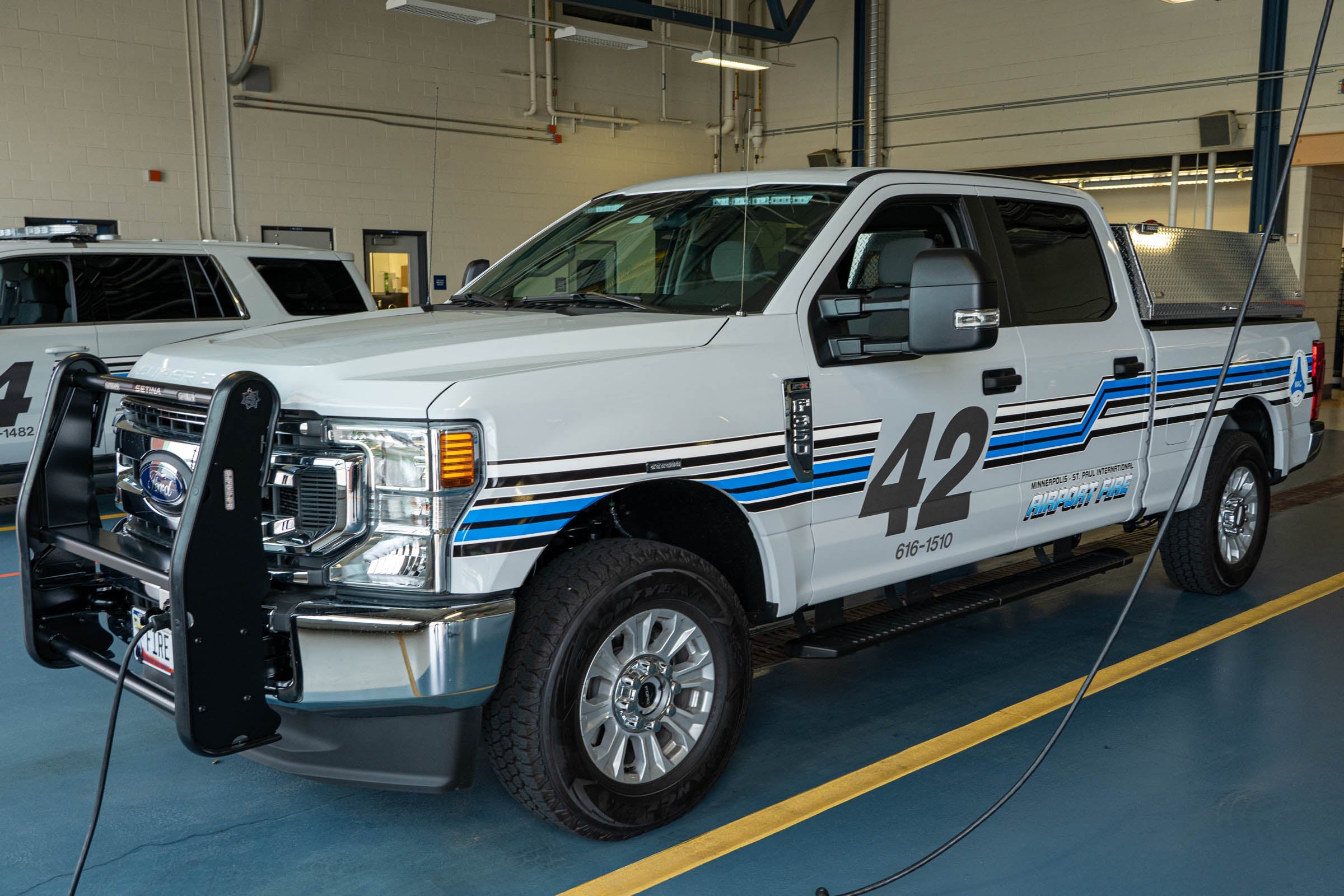
For those situations, the department has a handful of smaller specialized units.
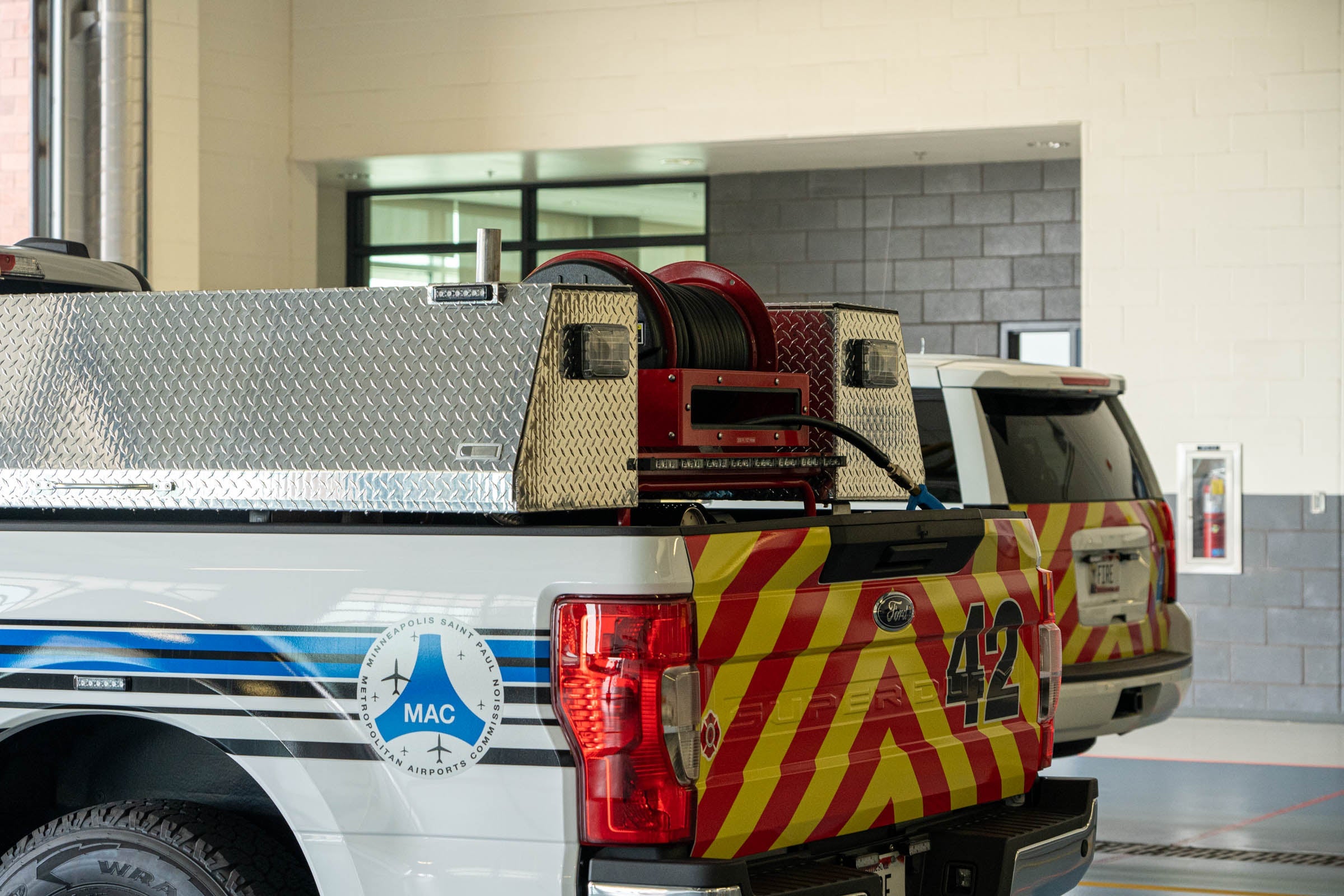
For example, a regular Ford F-350 with a small tank, pump and hose built into the bed is helpful for tackling car fires in the tighter parking garages — something that happened during the tour.
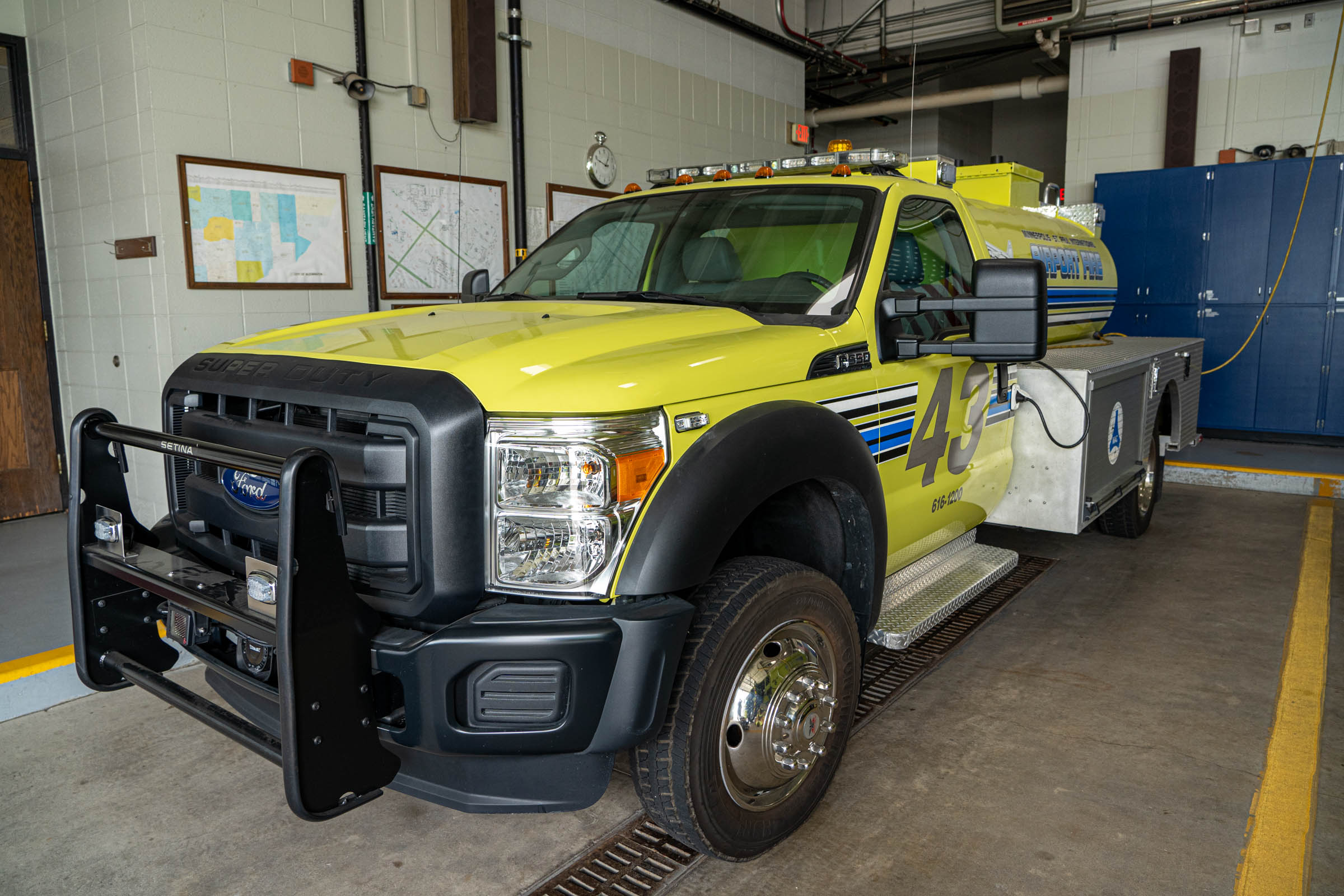
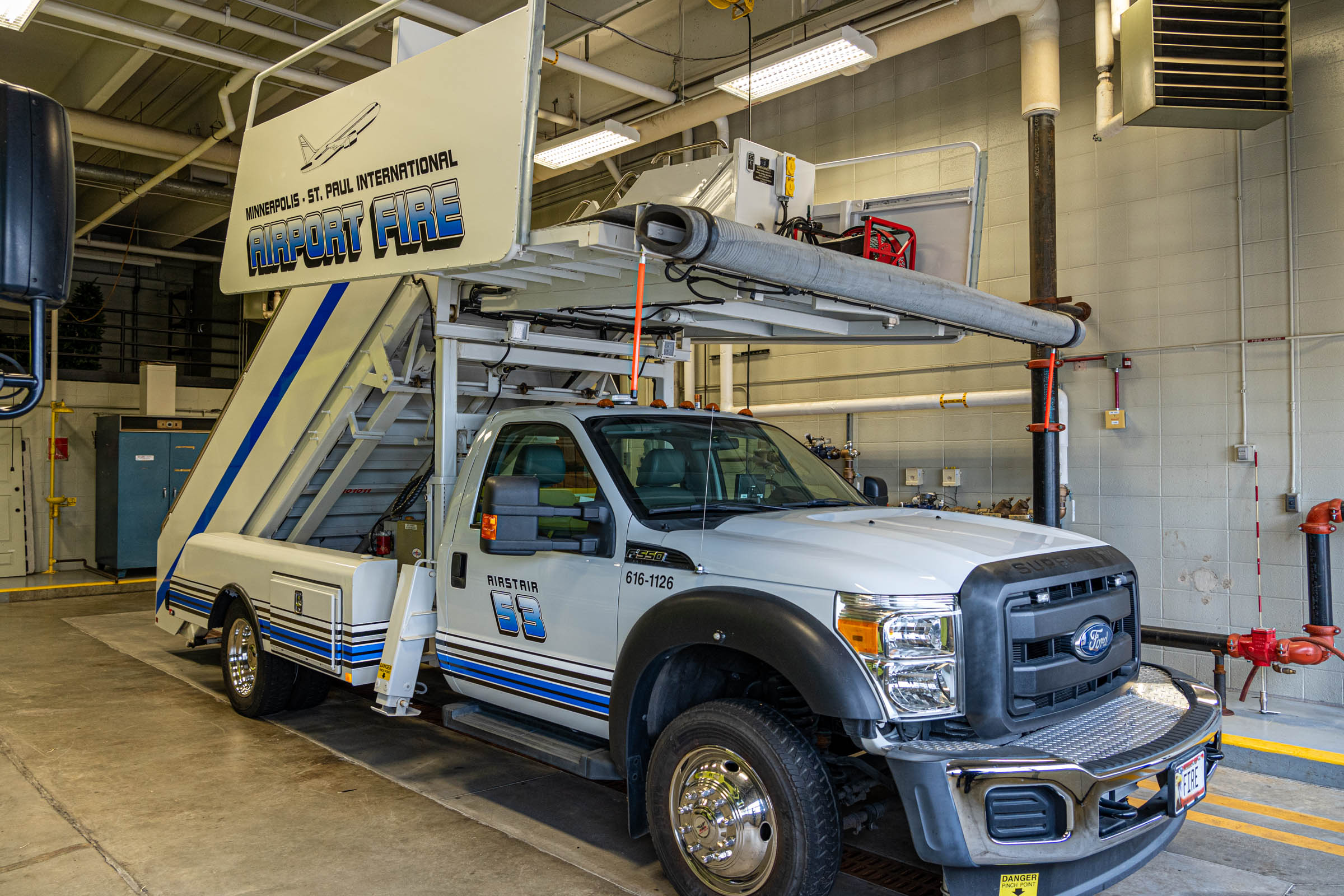
A handful of other units, like a small tanker and even a stair car, also fulfill special roles for the department.
The crash trucks
Less frequently called on, but just as important, the fire department has several crash trucks available to respond to any and all aircraft emergencies.
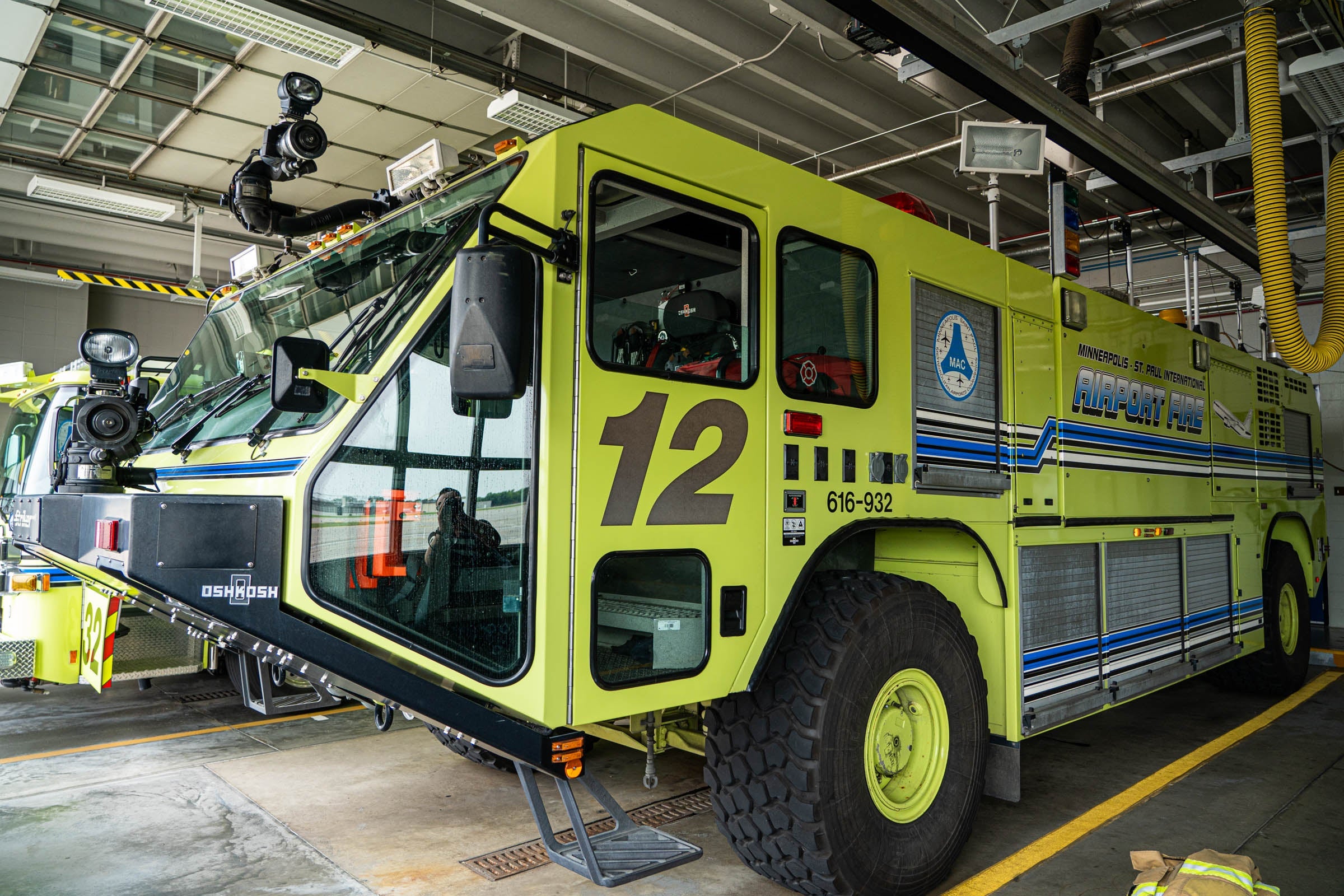
These trucks are gigantic rolling tanks, figuratively and literally — the inside of a crash truck is almost entirely taken up by giant tanks holding water, dry chemical-extinguishing material and foam.
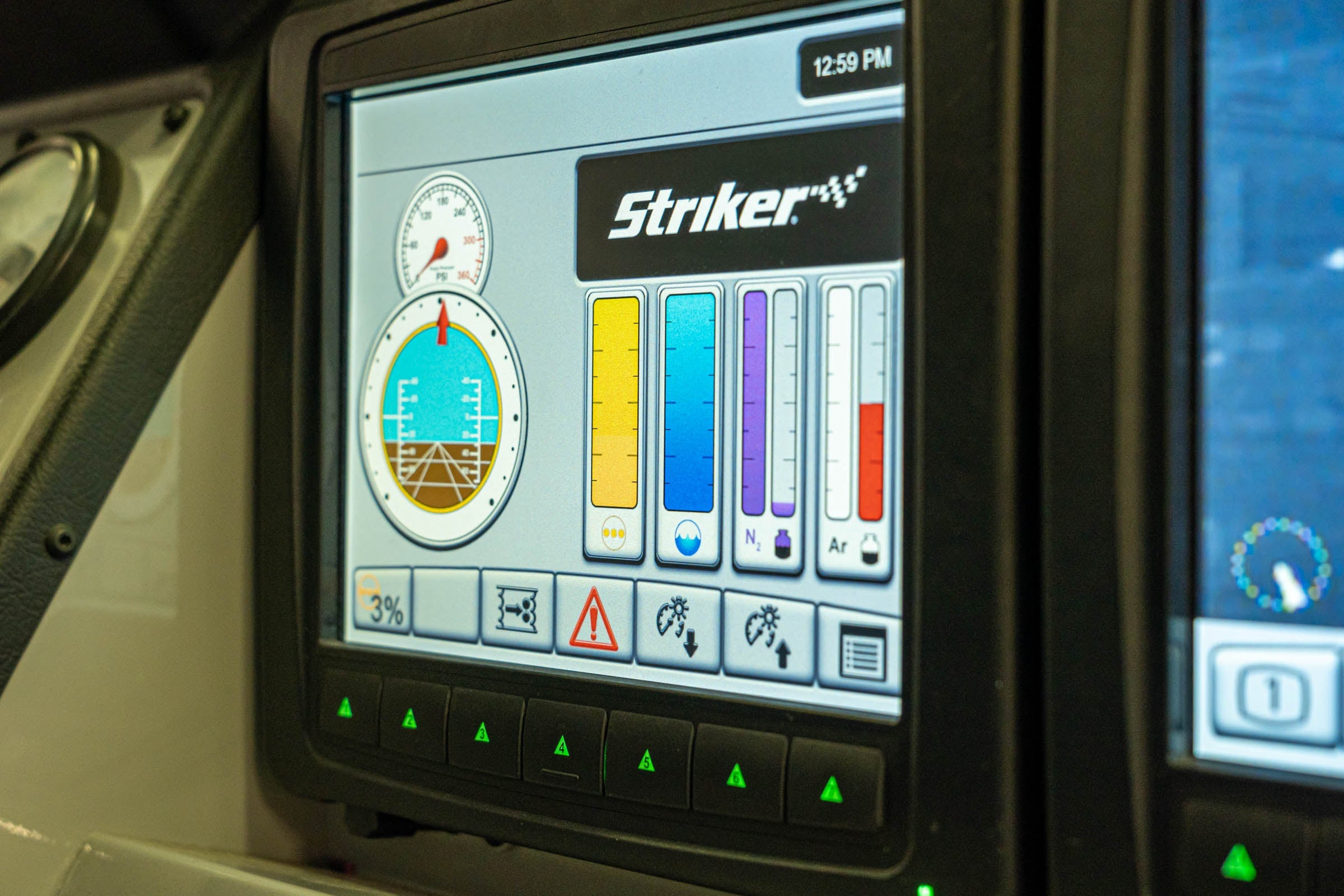
The trucks are staffed by two firefighters — a driver and an officer — and can respond quickly, ready to start extinguishing flames to let passengers escape.
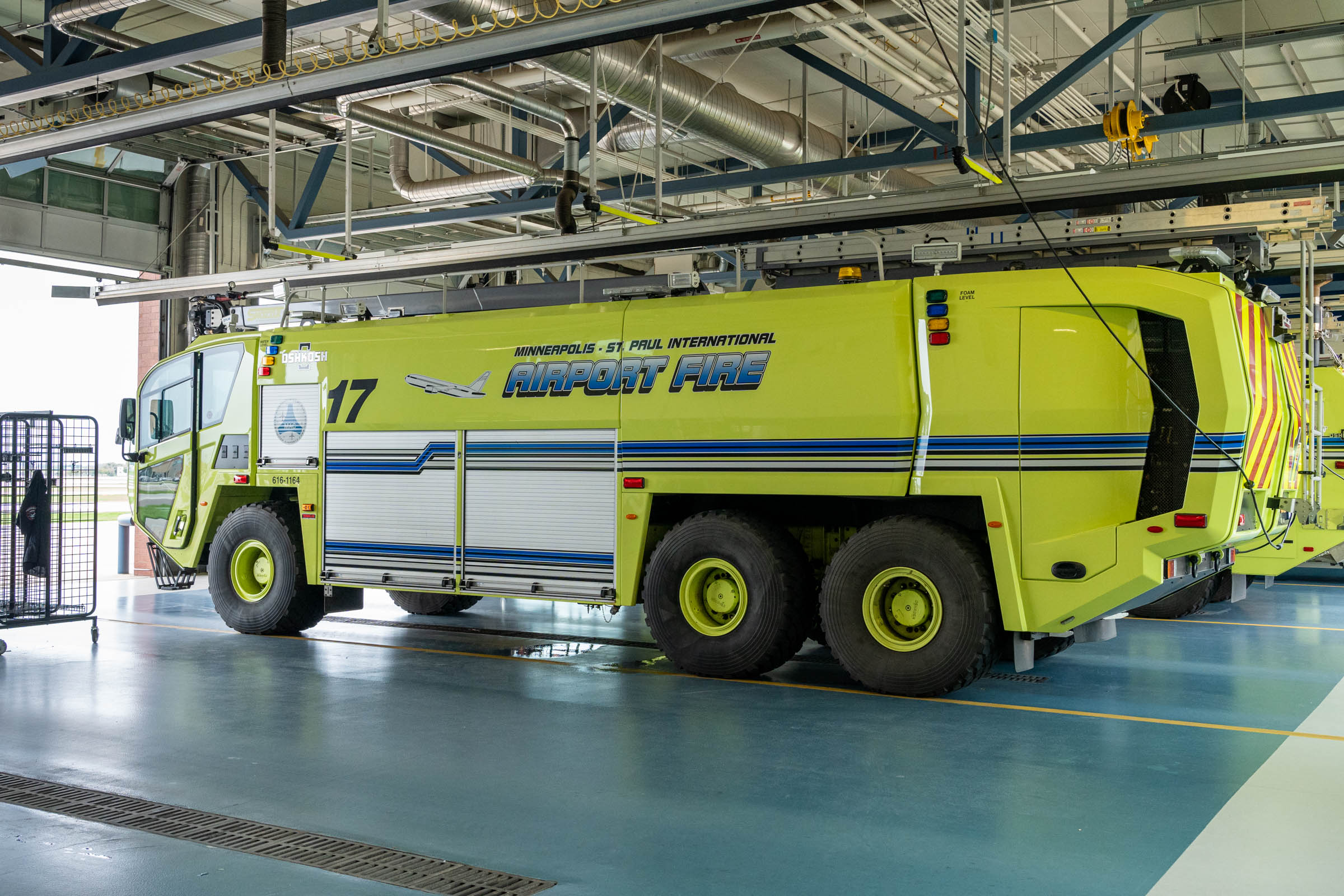
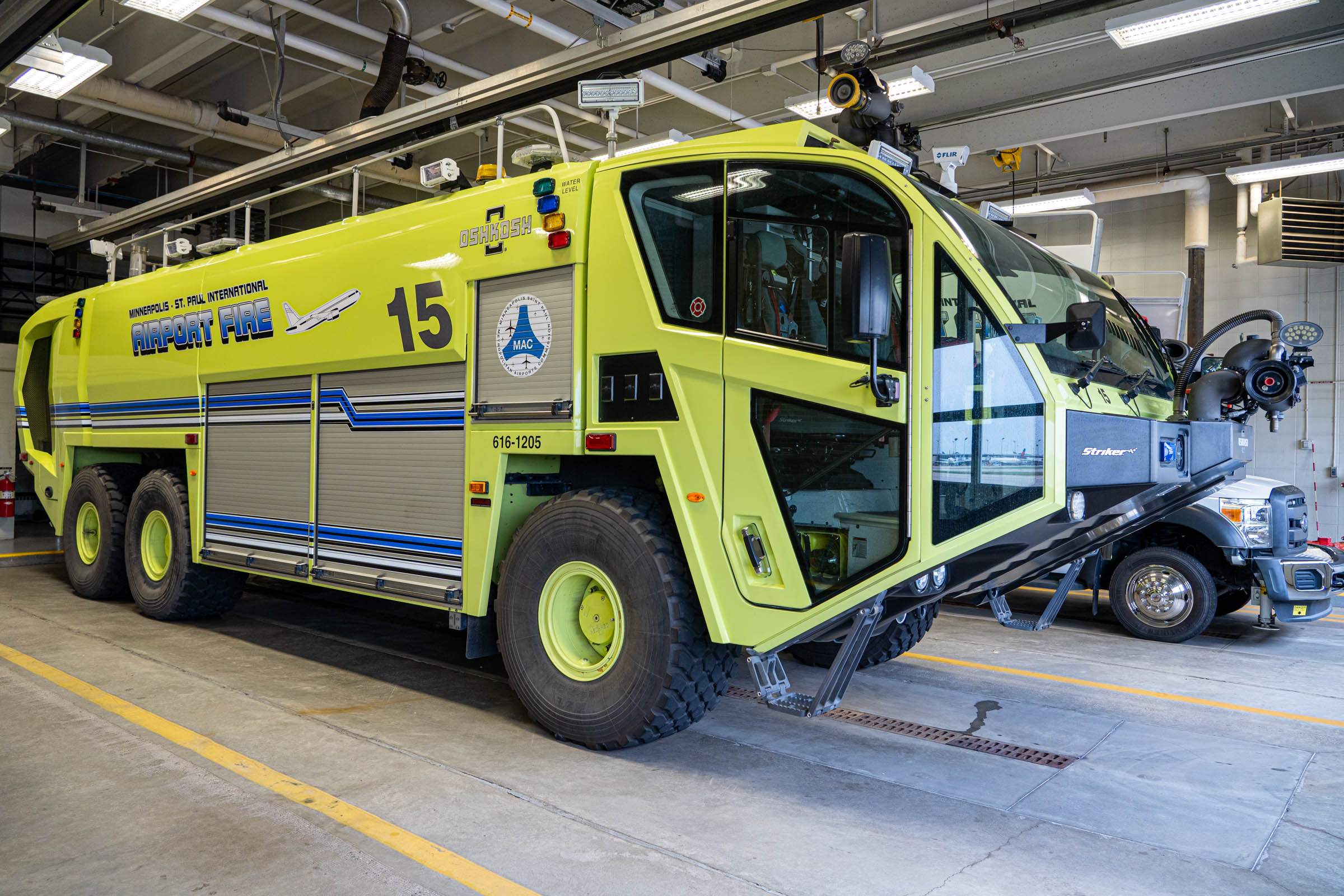
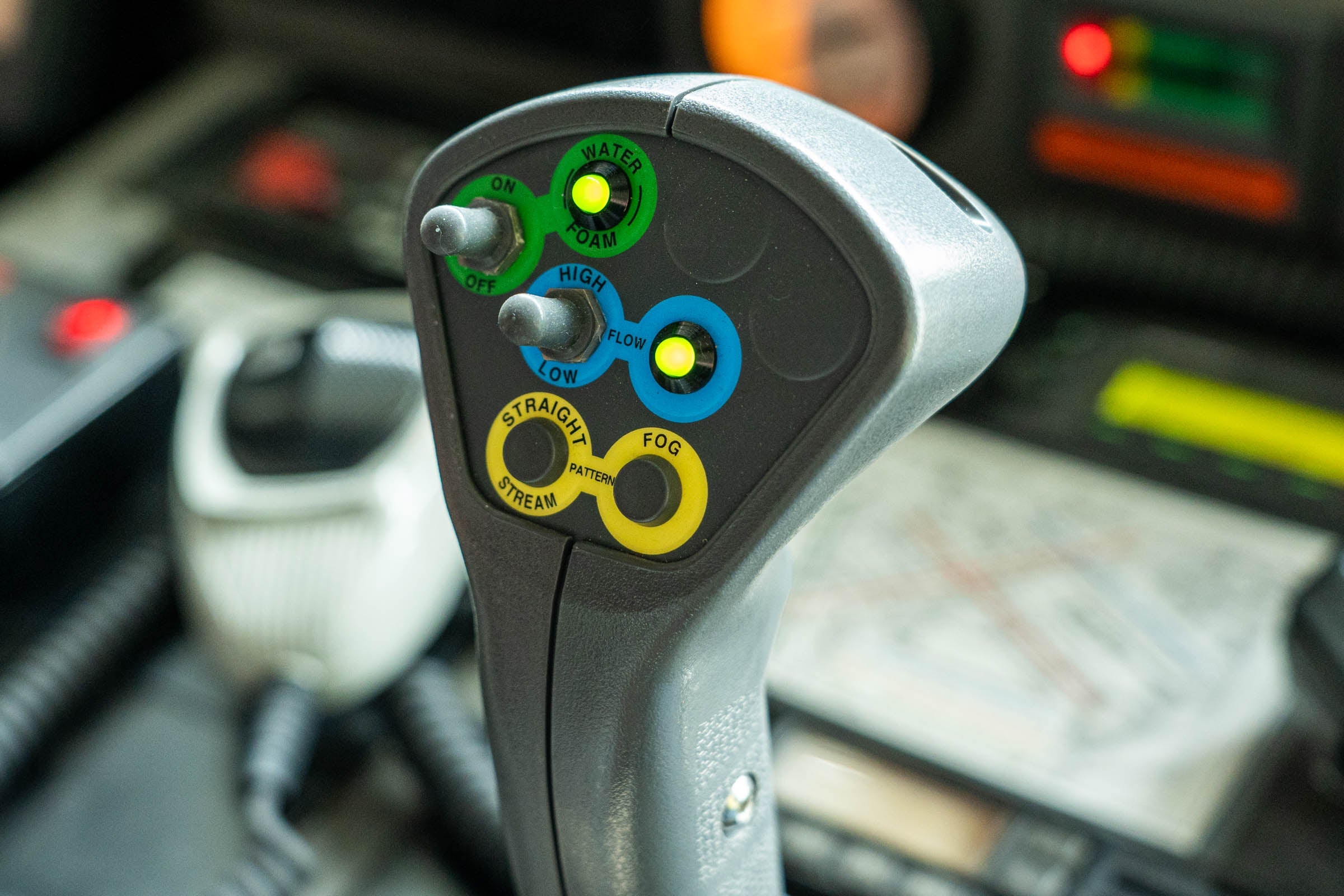
The crash trucks have two water cannons — one mounted on the front bumper, and another on an extendable boom. Both are controlled by joysticks in the cab, almost like a video game.
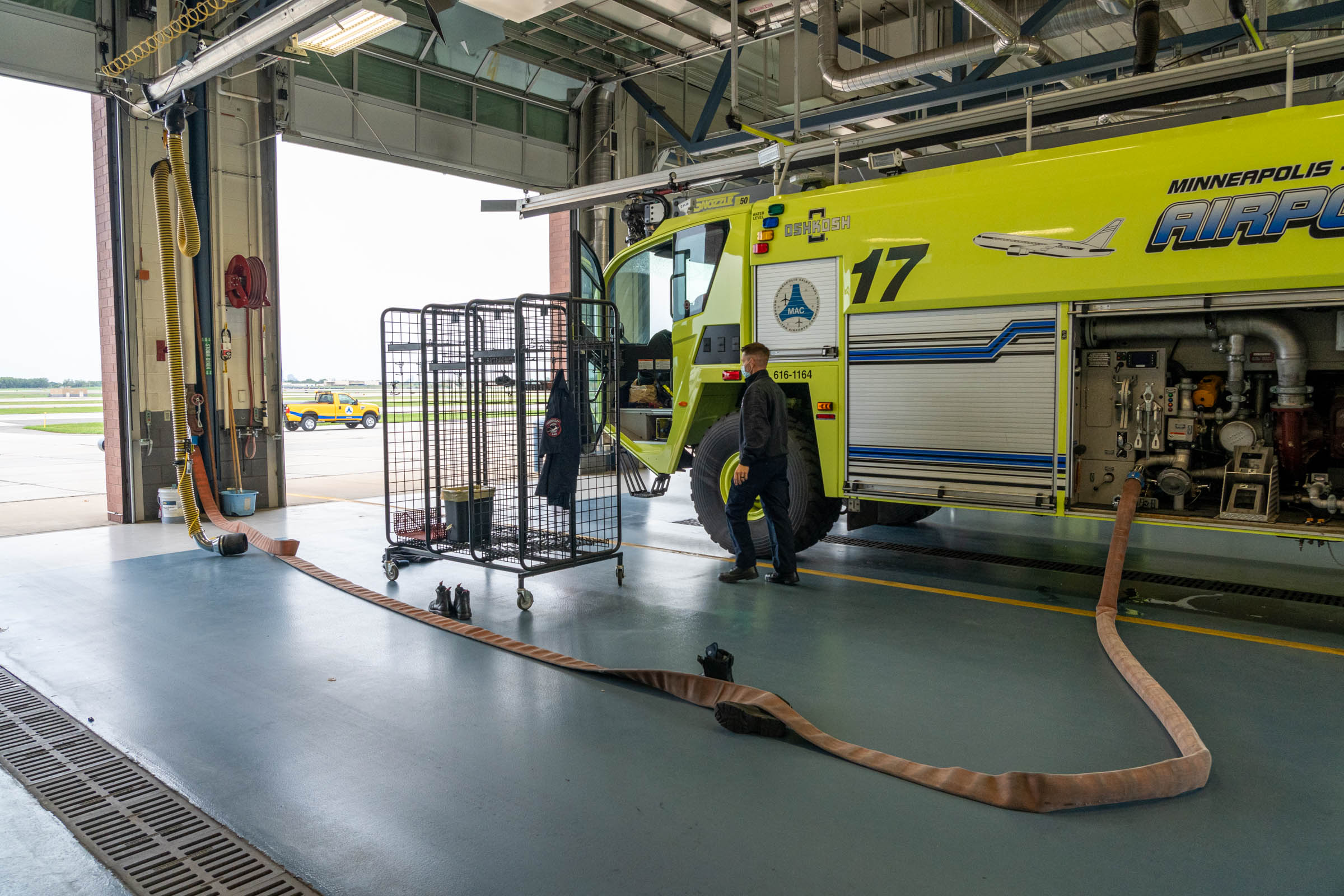
Fortunately, these trucks are called on quite infrequently. Even so, firefighters constantly train with them, inspect them and service them so that they can respond in seconds to any reported aircraft in trouble.
Constant training is crucial
Because aircraft emergencies are so rare, and fiery crashes are, thankfully, even rarer, ARFF firefighters must train continuously, developing and refreshing skills through realistic drills. It's similar to how pilots regularly run through emergency scenarios in simulators, even though most will never encounter the situations in real life.
Every year, the firefighters practice with actual live fire on a training prop kept in a corner of the airport grounds, while every three years, they go to a specialized facility to practice on a wide-body airframe. That's the same for every airport fire department in the country, although staff from smaller airports have to travel for the annual training, too.
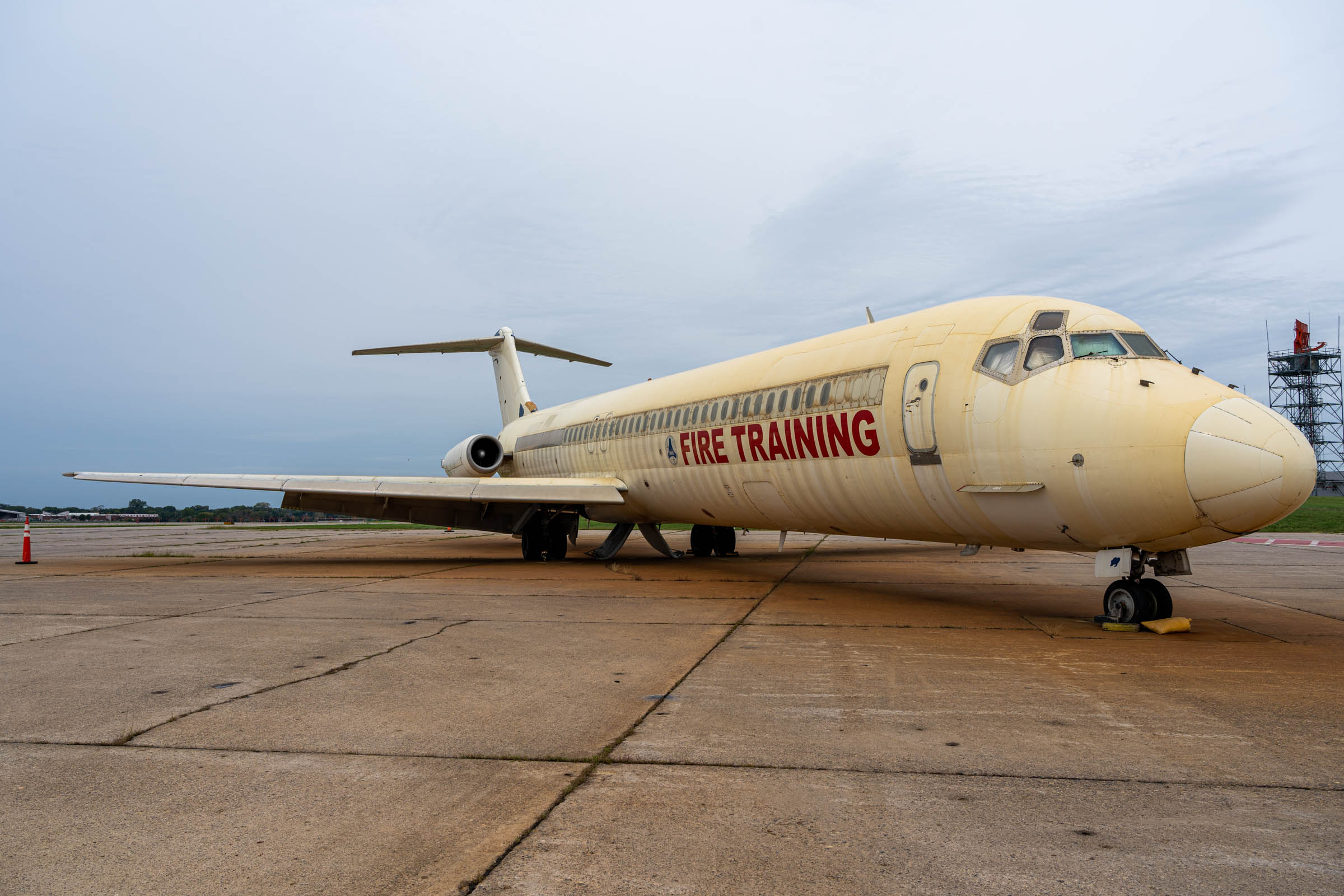
The MSP fire department uses an actual retired MD-80 donated by Delta a few years ago, according to Koenig.
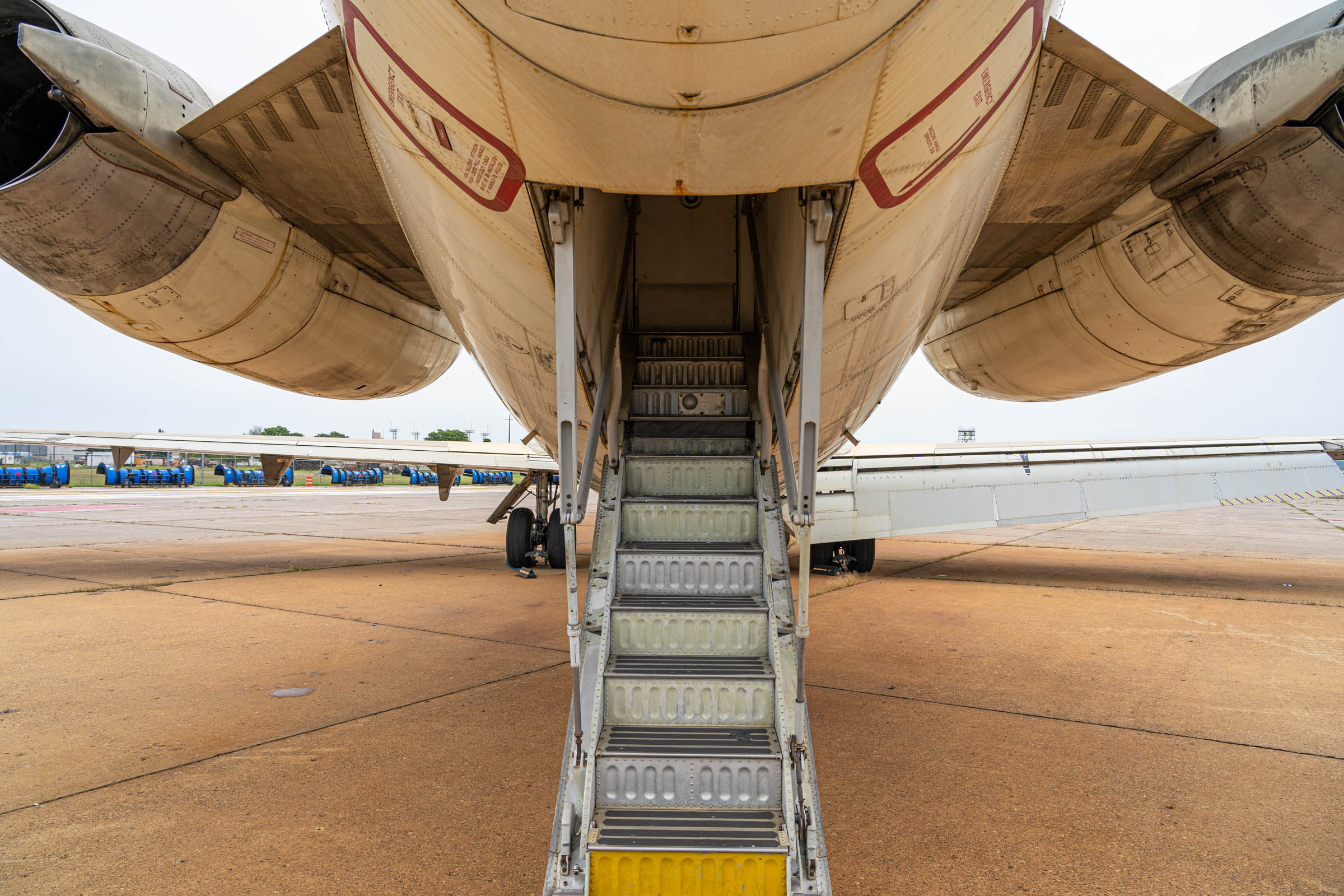
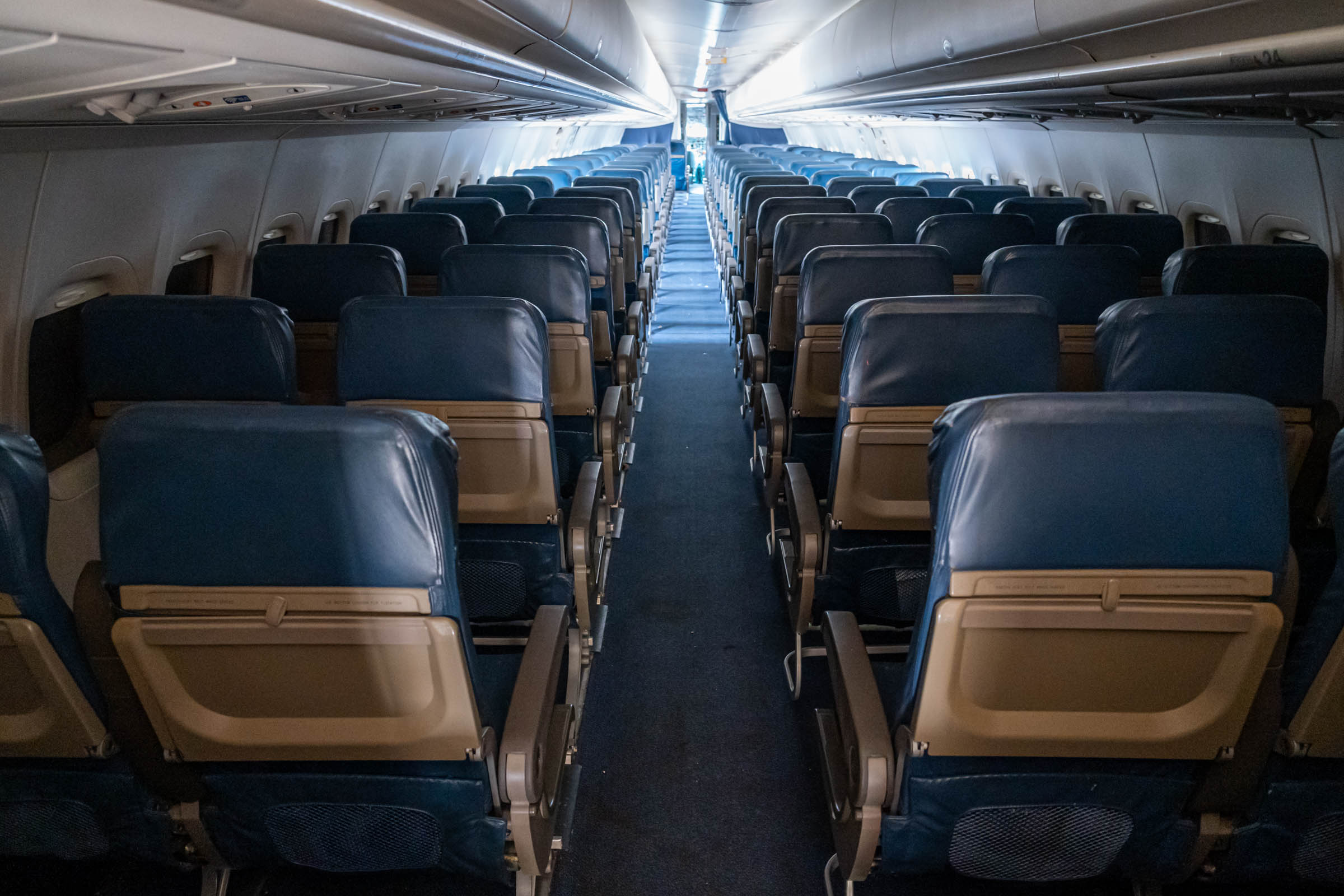
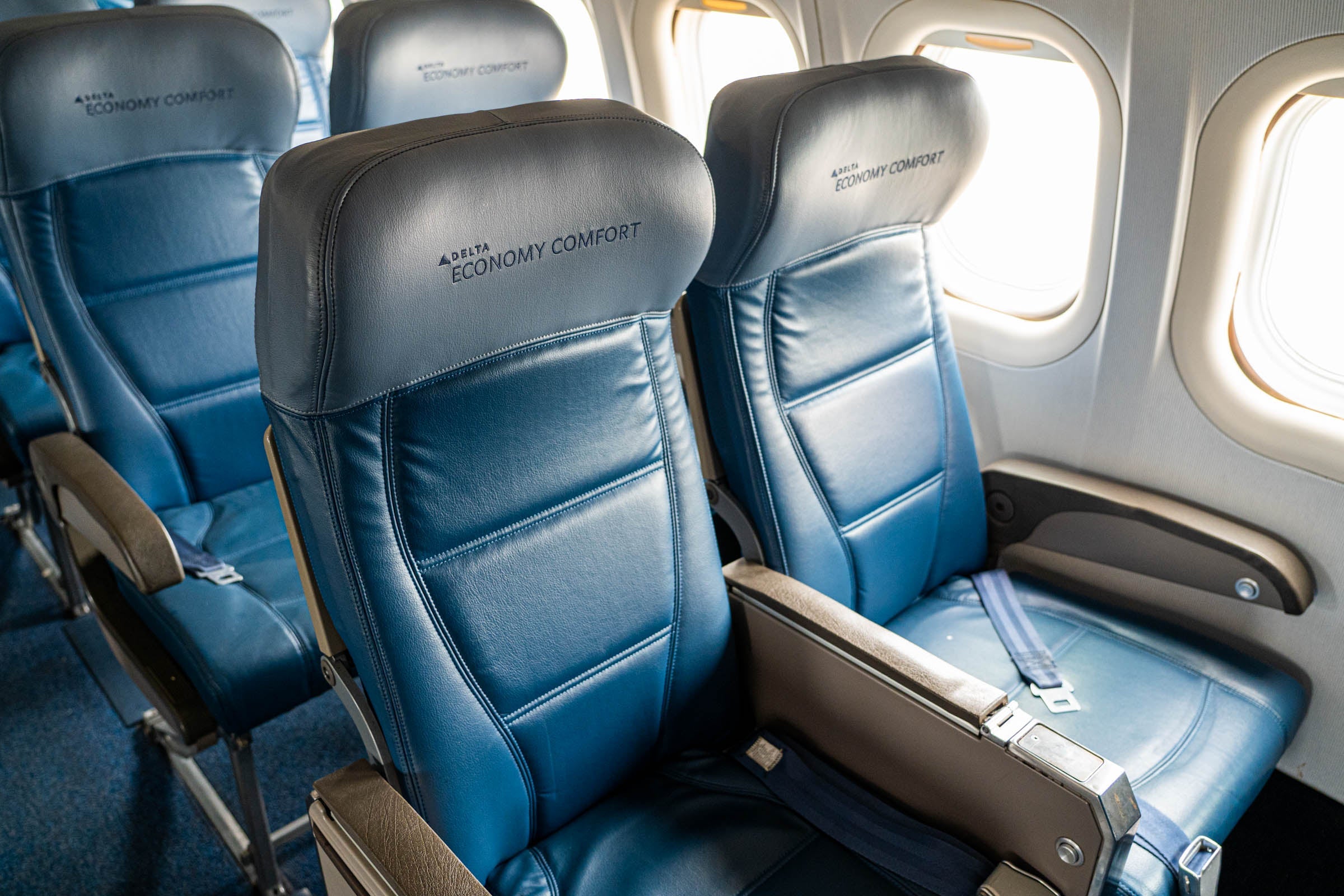
The live fire burn takes place outside of the plane — otherwise the interior would be destroyed. They use the inside of the plane to practice other scenarios, like removing injured passengers or dealing with a lithium battery fire — all kinds of things that can go wrong.
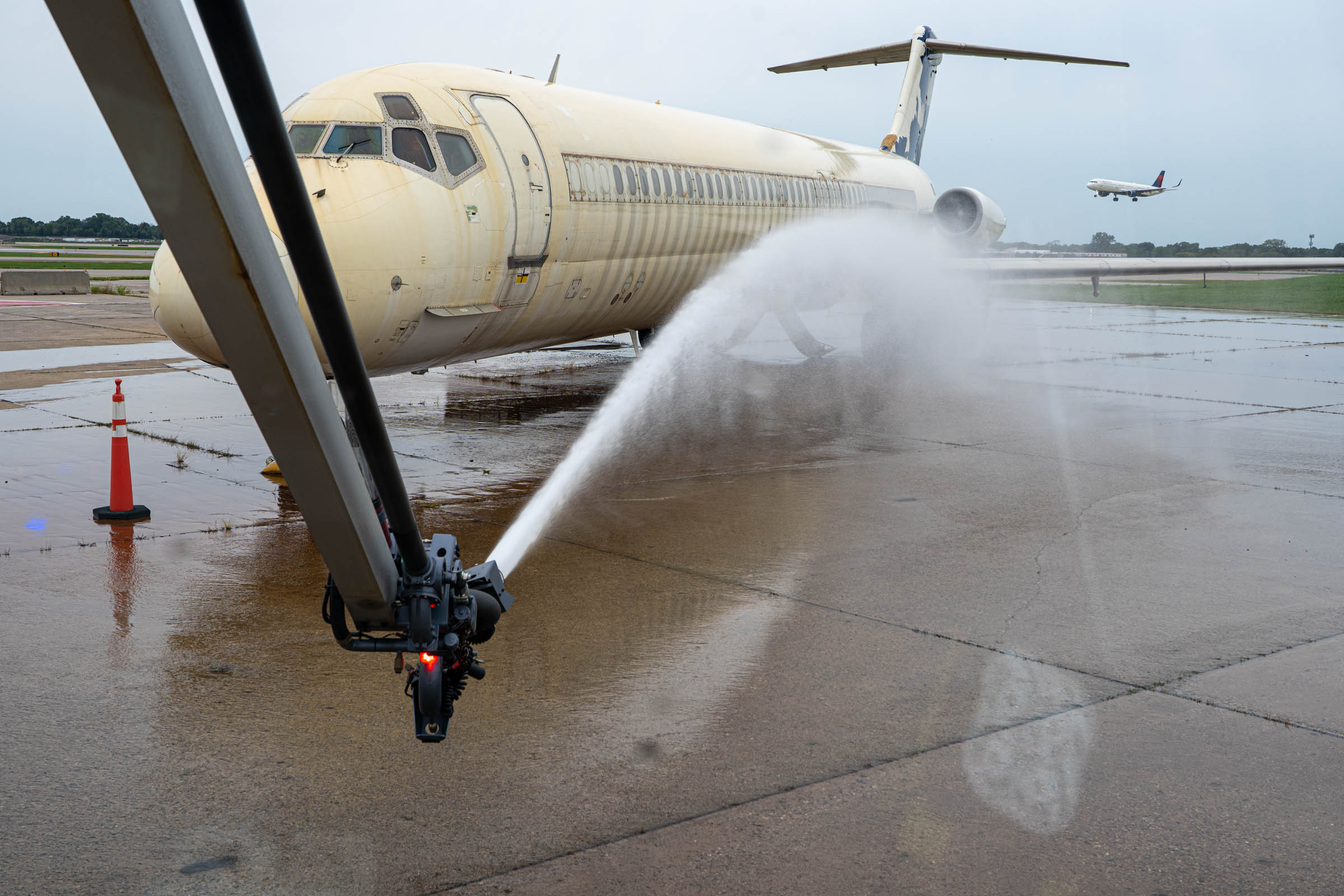
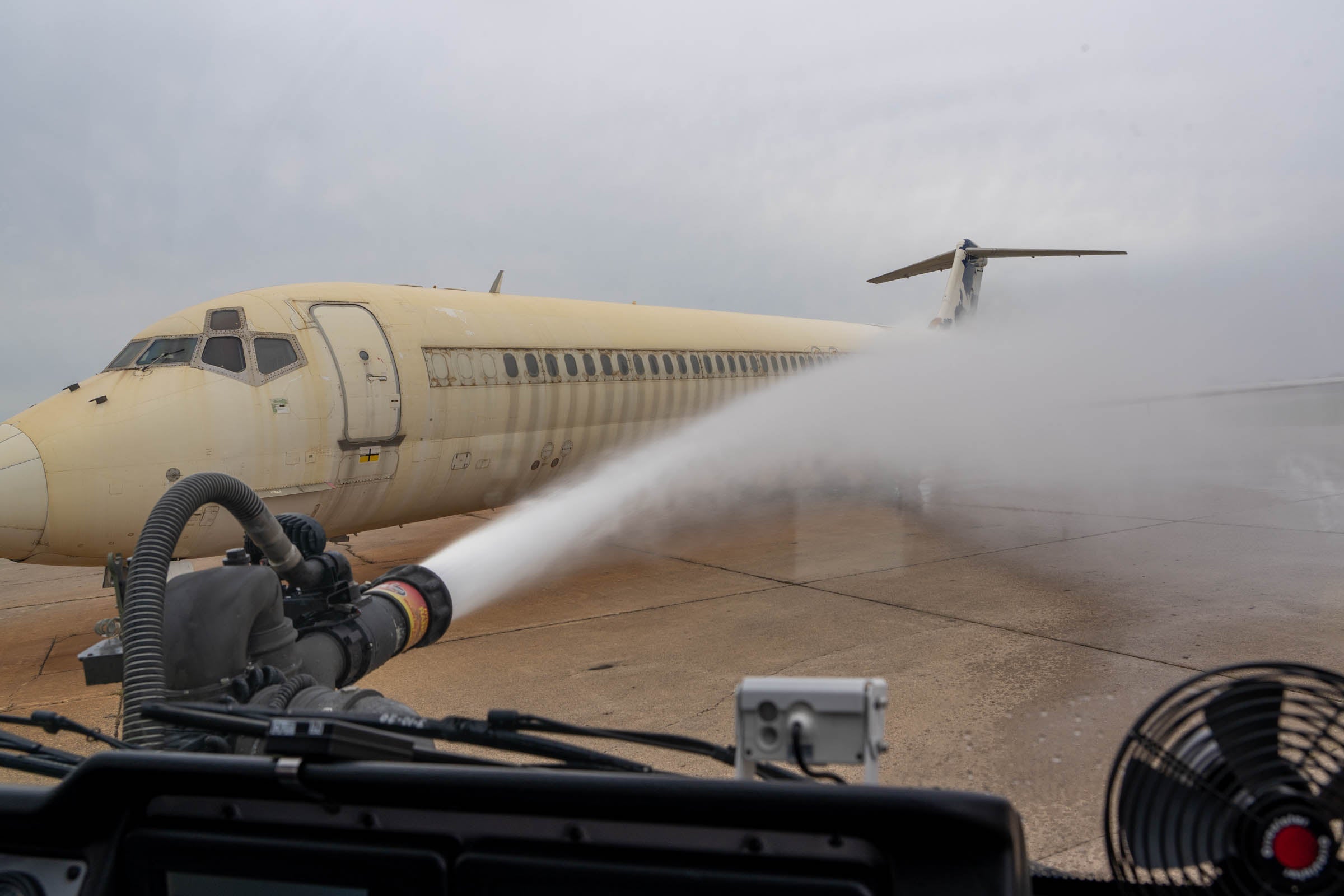
They also regularly practice with the crash trucks throughout the year — not just during the annual live burn. Running through spoken scenarios — a single-engine fire, a fuel spill with or without fire, a broken wing — the crews can respond as if the verbalized flames were real, using the right kind of extinguisher, spraying in the right places and building that crucial muscle memory.
On some of the trucks, the nozzle on the upper boom has an extra feature — a retractable piercing tip, almost like a giant hypodermic needle, which can be used to pierce an aircraft hull and extinguish a fire inside.
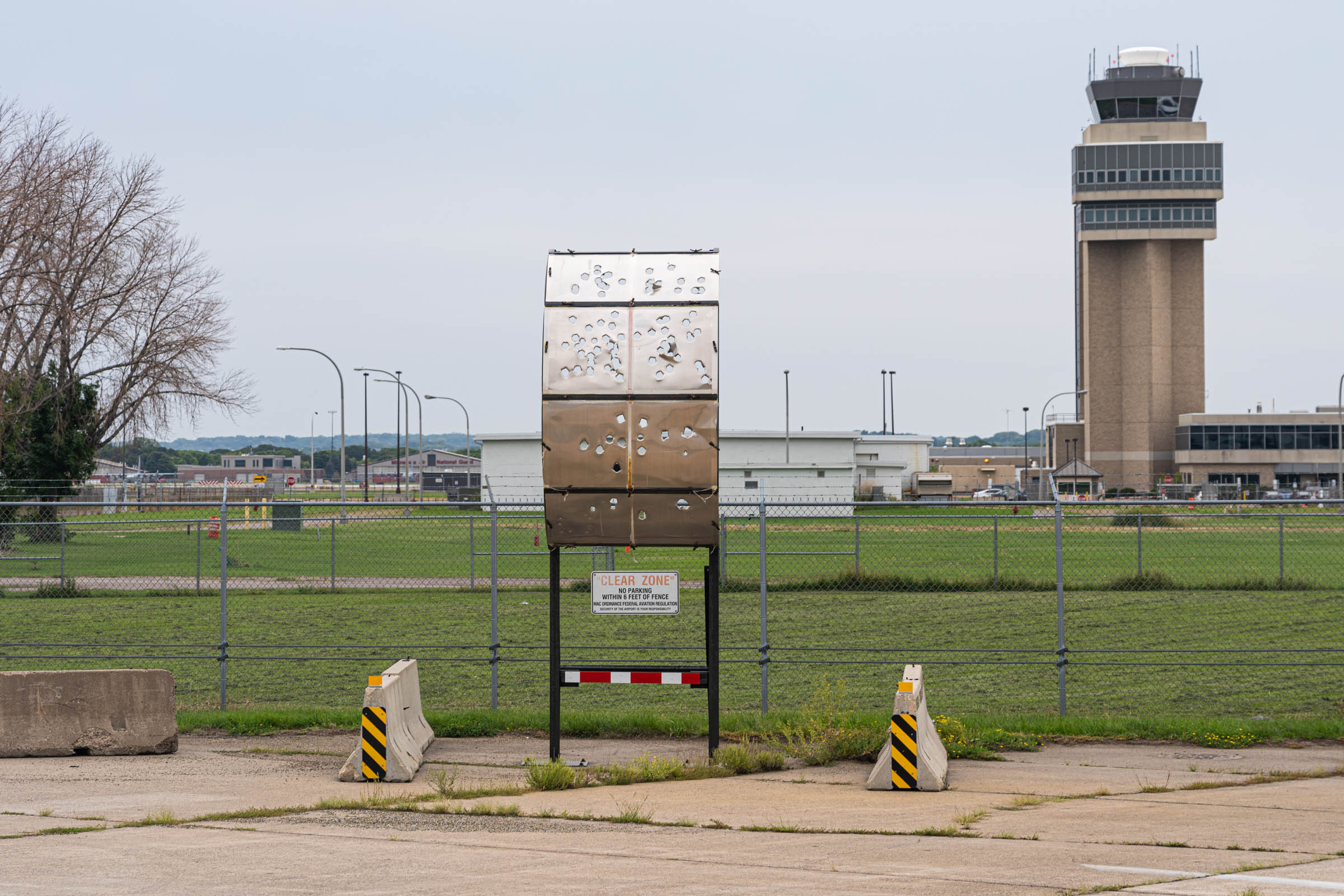
Obviously, practicing with this on the training airframe would quickly destroy it. So instead, the department built a training prop out of metal, curved to simulate a hull, which can be replaced as it gets worn out.
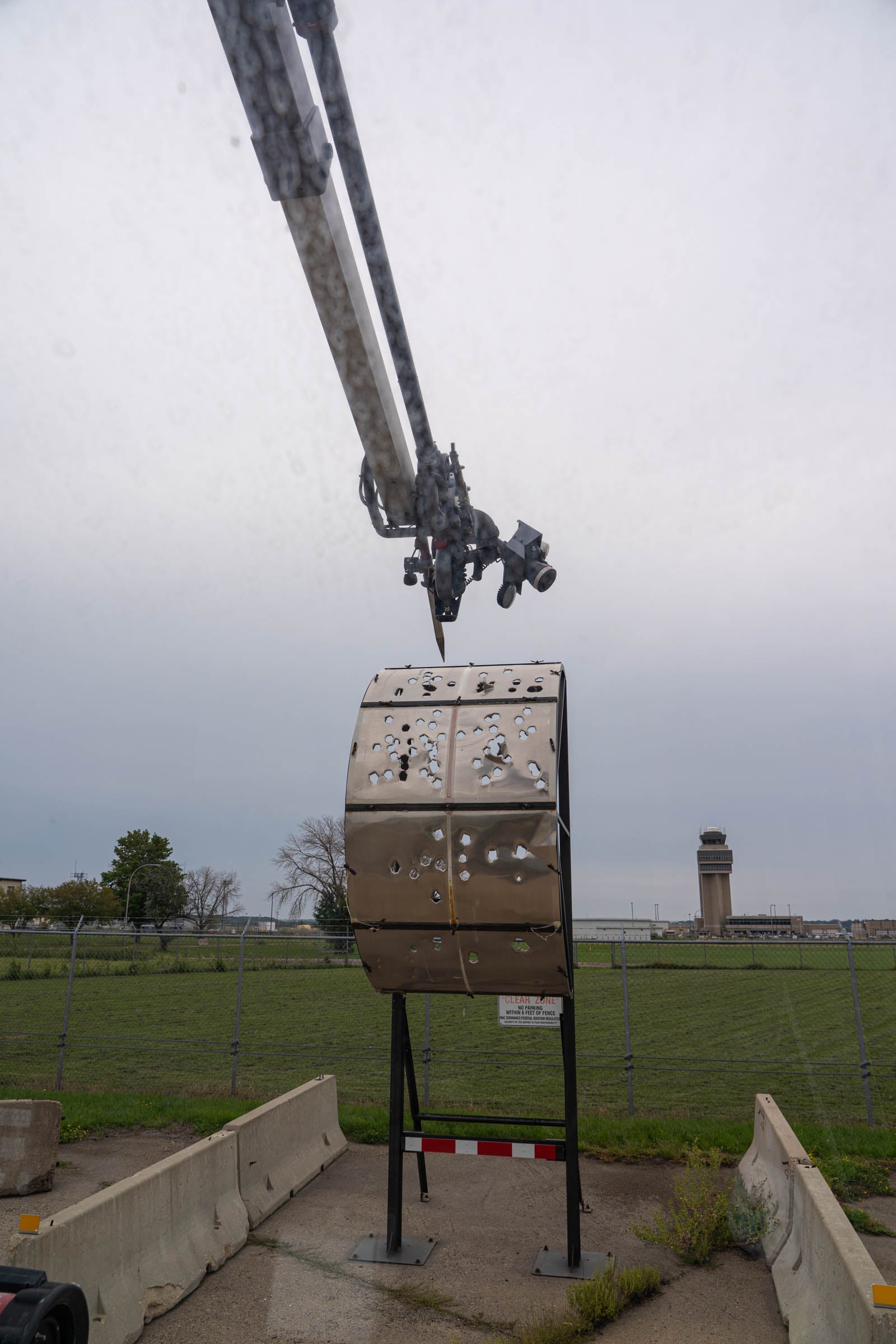
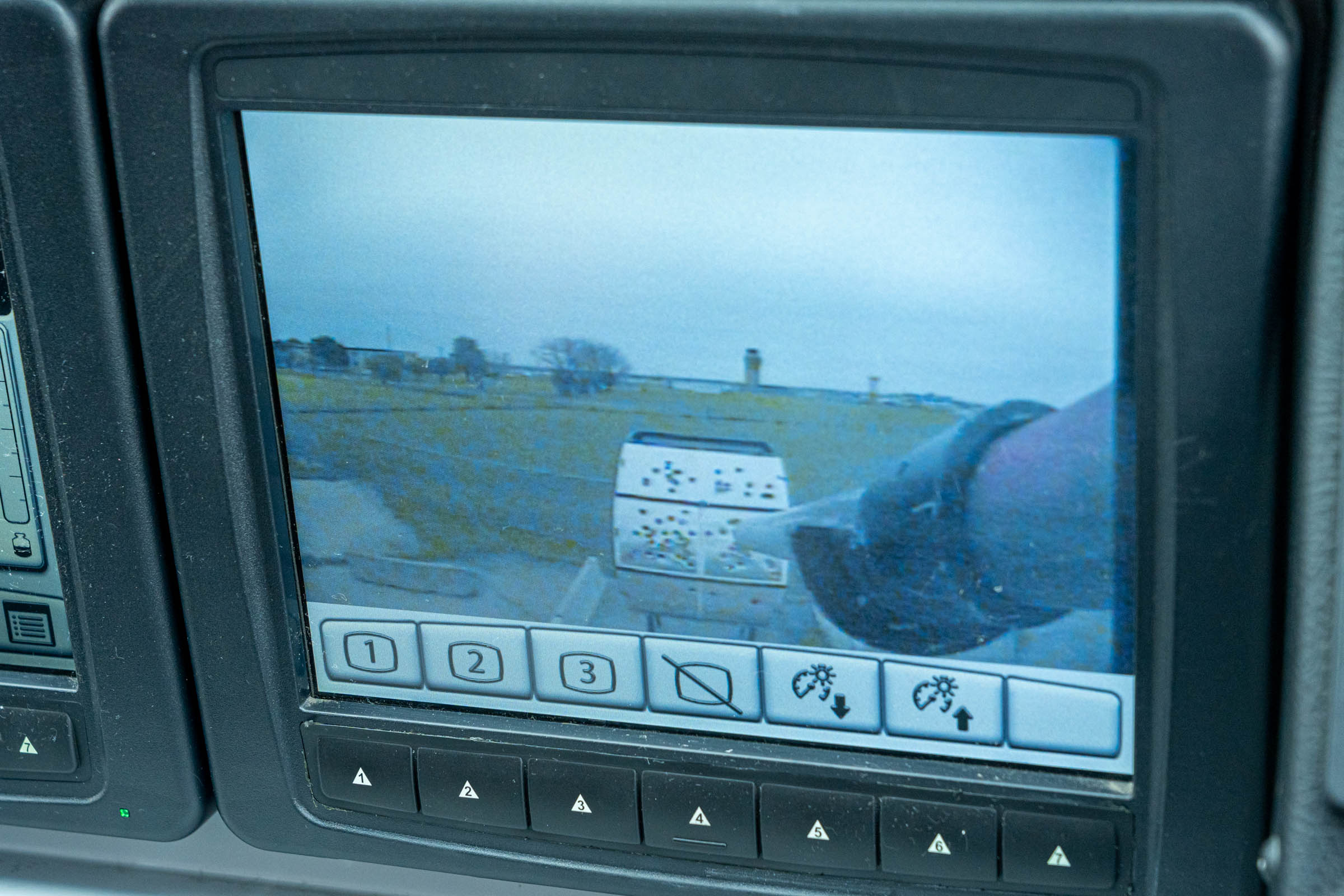
With virtually no effort, the nozzle can drive right through the hull. The trickiest part is getting the spear tip perpendicular with the hull, so that it drives in cleanly.
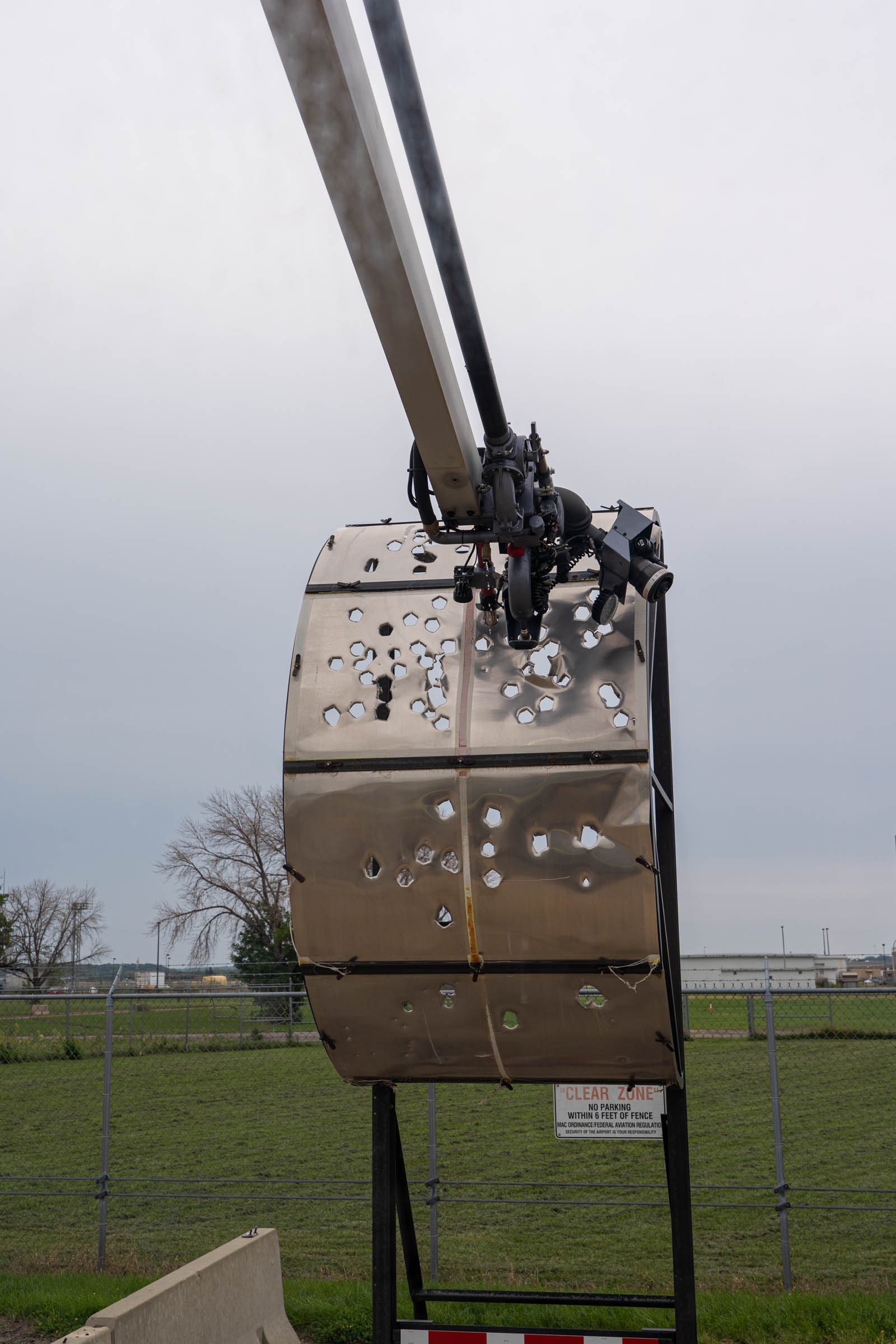
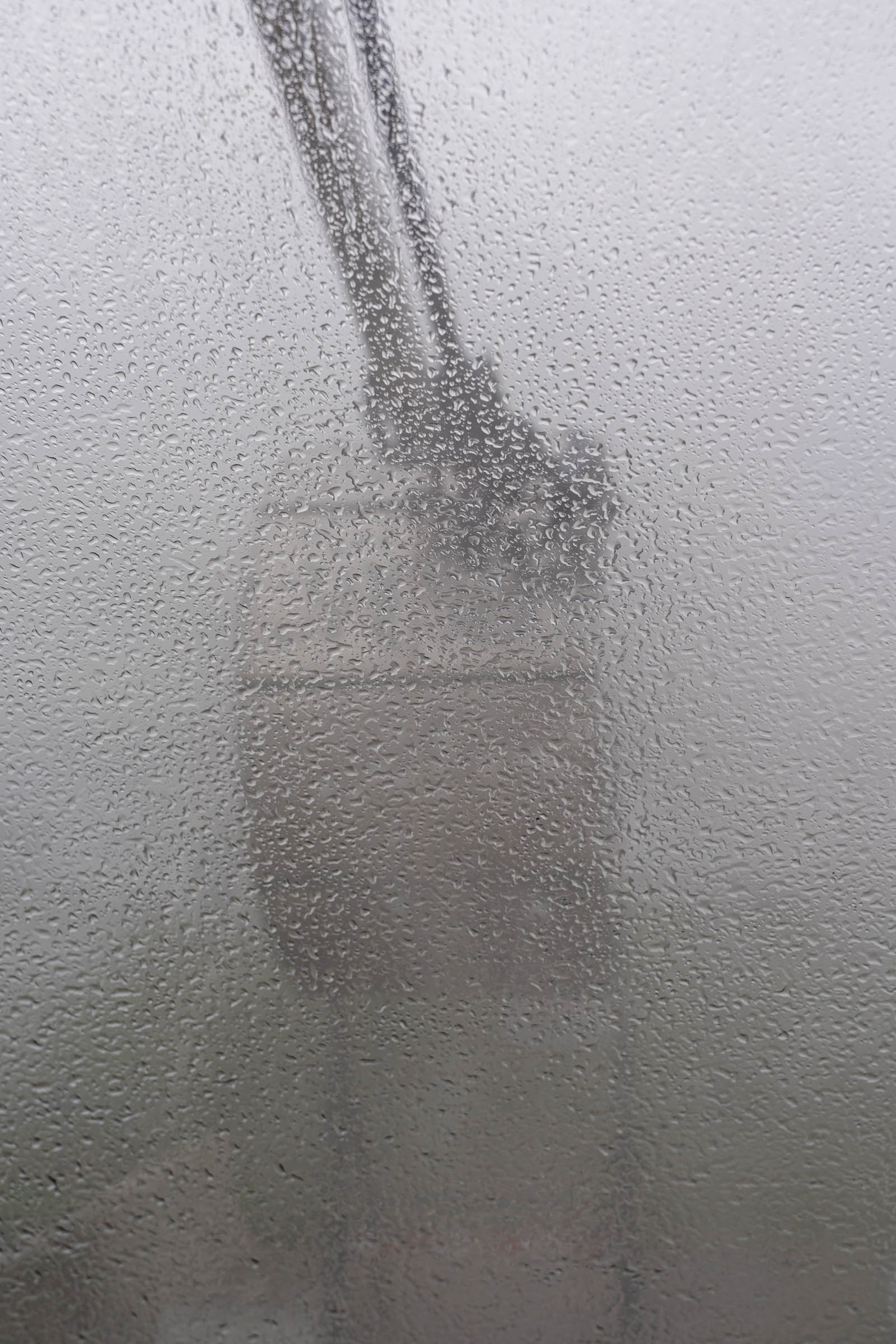
Then, it's just a matter of turning on the water (or foam).
There are only a few scenarios where this would actually be put into use, a firefighter told me, since the biggest priority would be getting passengers out of the plane safely. One plausible scenario: a laptop battery catching fire in someone's checked luggage in the cargo hold, or on a cargo plane. While onboard fire extinguishers could handle the problem in both scenarios, the piercing nozzles can handle anything that gets out of control.
A river cruise
Training is what brings us to Fort Snelling State Park on the bank of the Minnesota River on this overcast September morning.
The fire department has been out here for a few hours already, rotating crews in and out so that there are always still enough people on duty at the airport.
Everyone seems to be enjoying the training, except for one inanimate person: the training dummy.
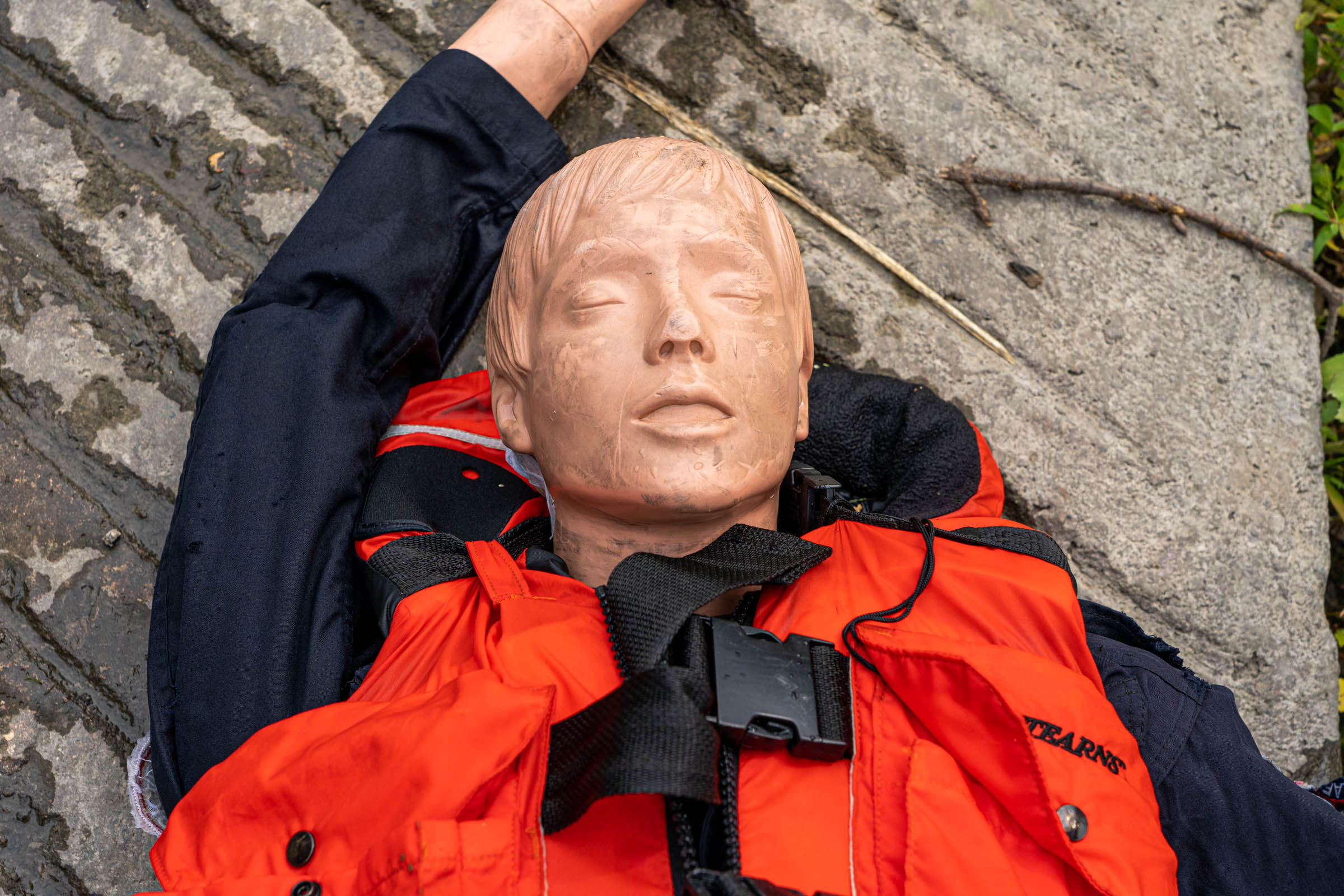
The poor nameless manikin is having a rough morning. He's already been tossed overboard and left in the water about five times, and he's got a few dozen to go.
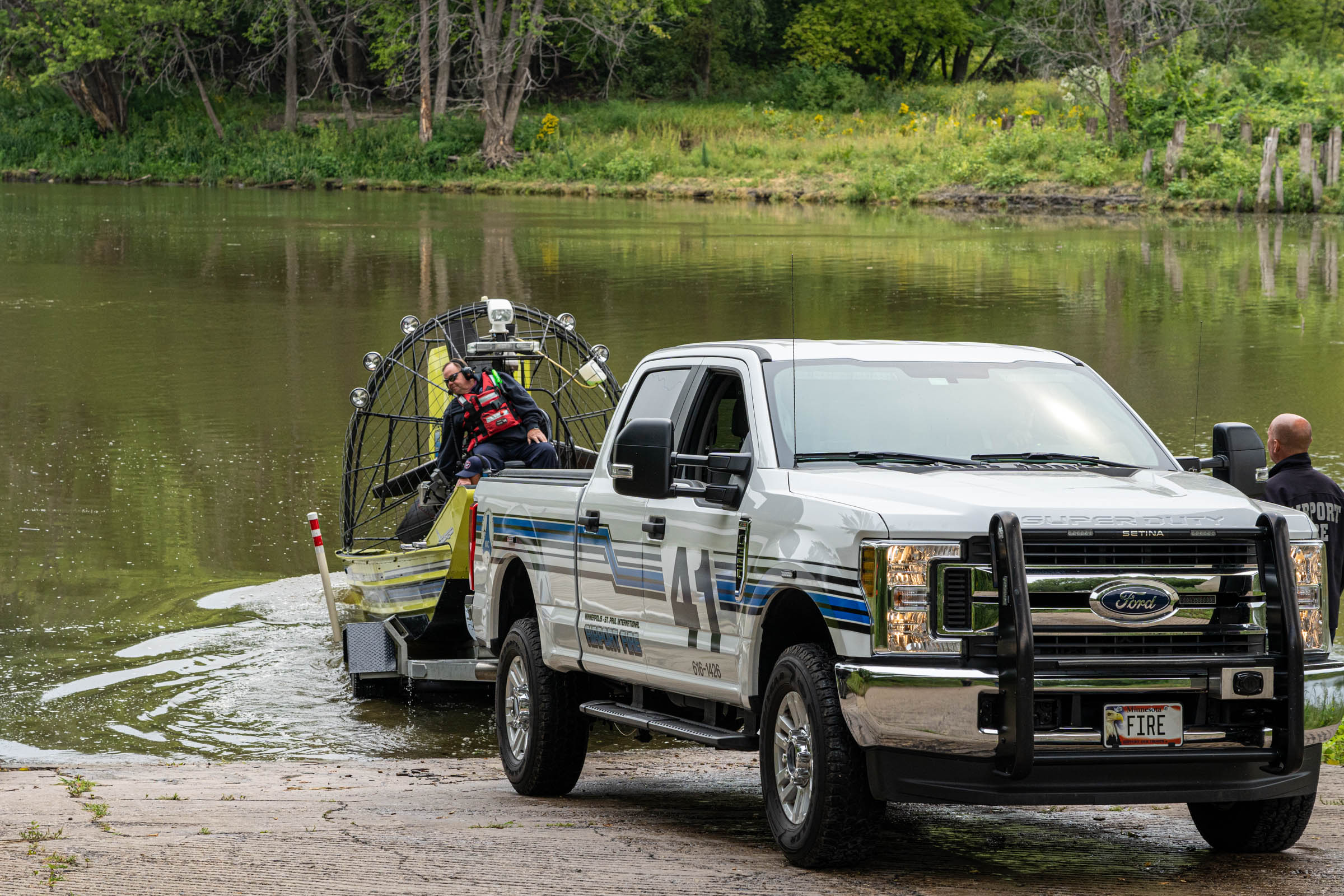
The crews practice launching the boat, a fairly straightforward procedure that involves backing a trailer into the water and simply letting the boat float on its own before firing up the powerful engine.
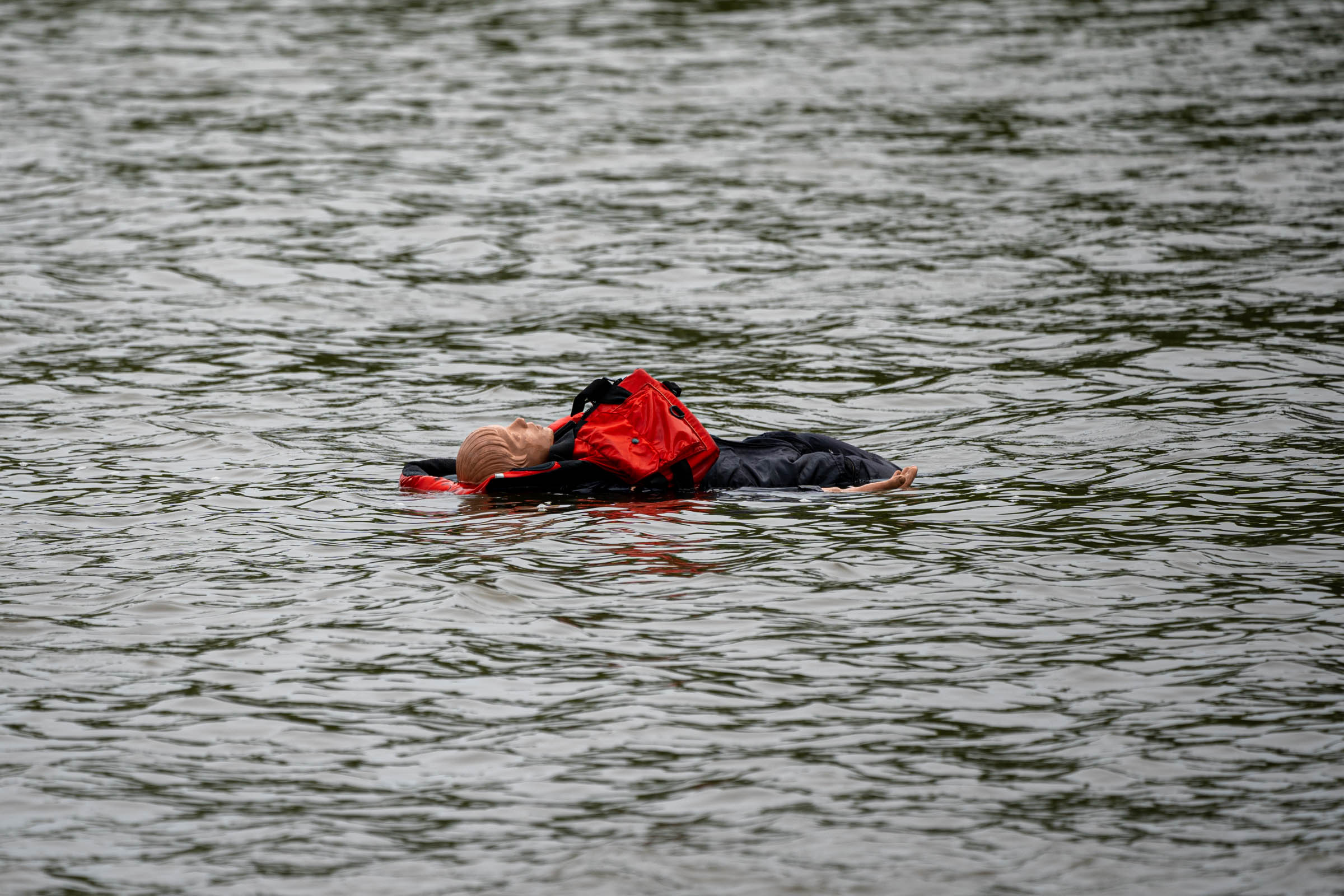
From there, the crew heads out into the middle of the river and throws our unnamed friend overboard. Then they rev the engine and rocket around a bend, out of sight, to practice as if they were approaching a real victim.
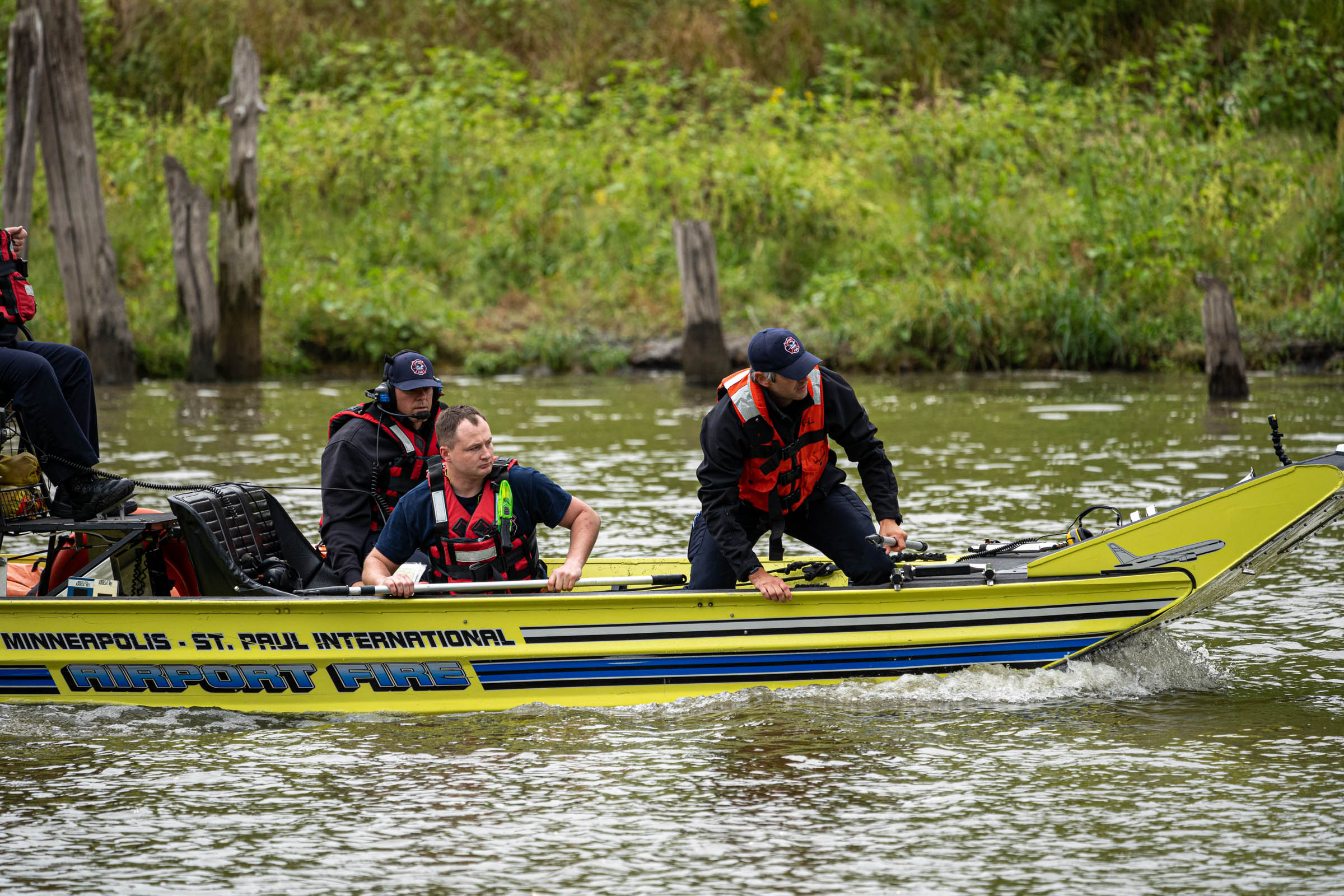
From there, it's a simple matter of spotting the victim and approaching him carefully so that the boat pulls up perfectly alongside him ...
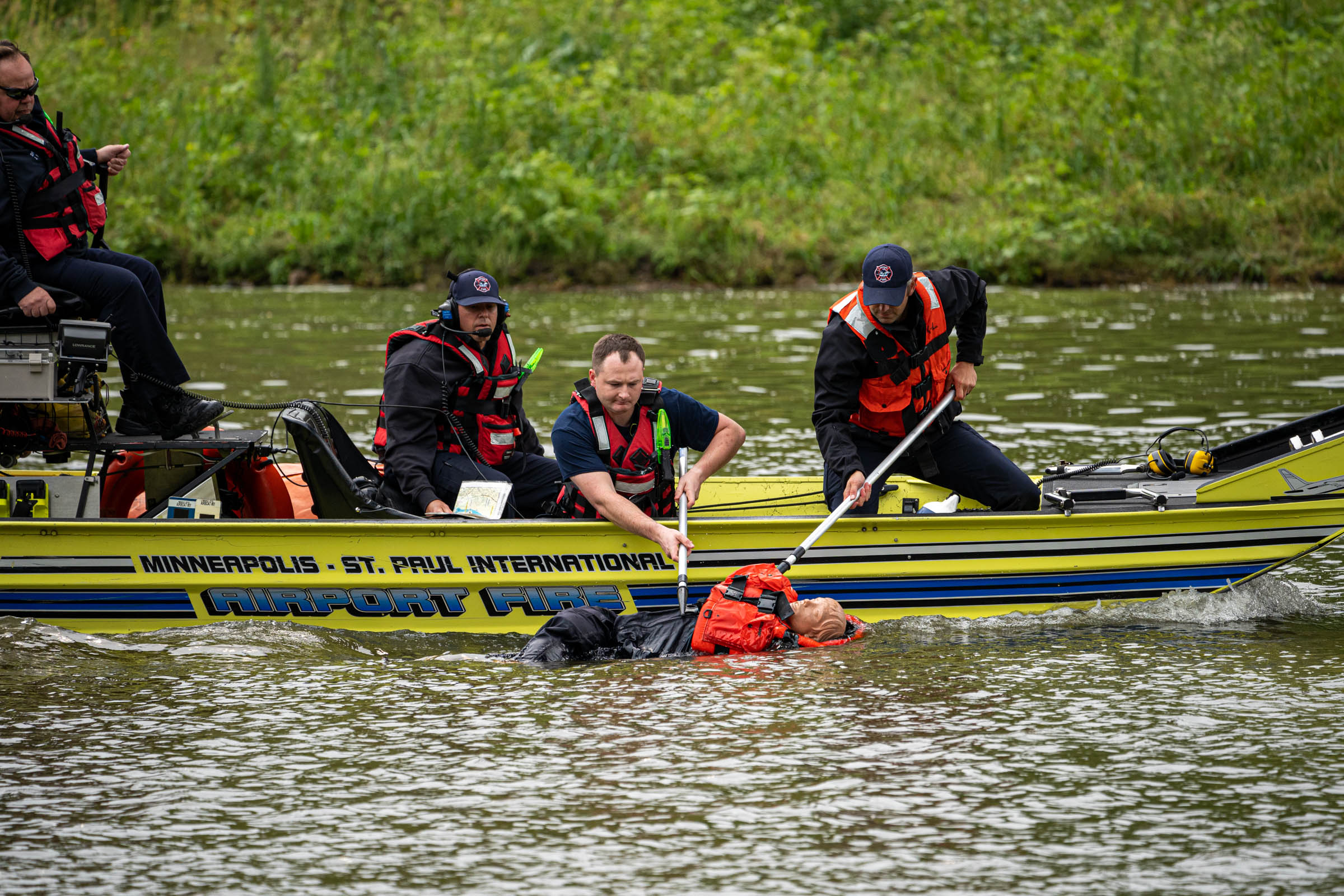
... snagging him with soft rubber hooks on poles to bring him to the edge of the boat ...
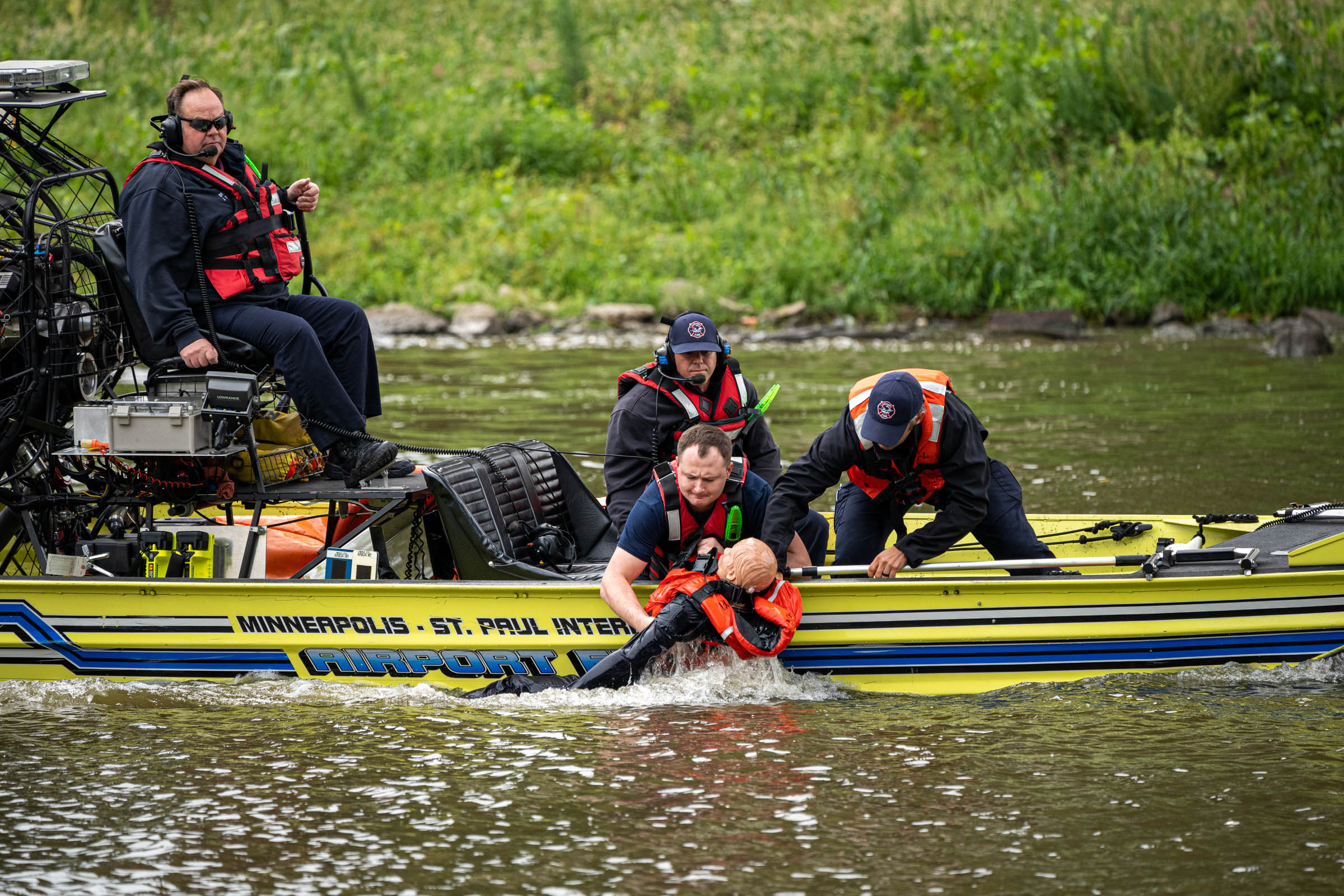
... and then pulling him onboard.
The training involved one extra step:
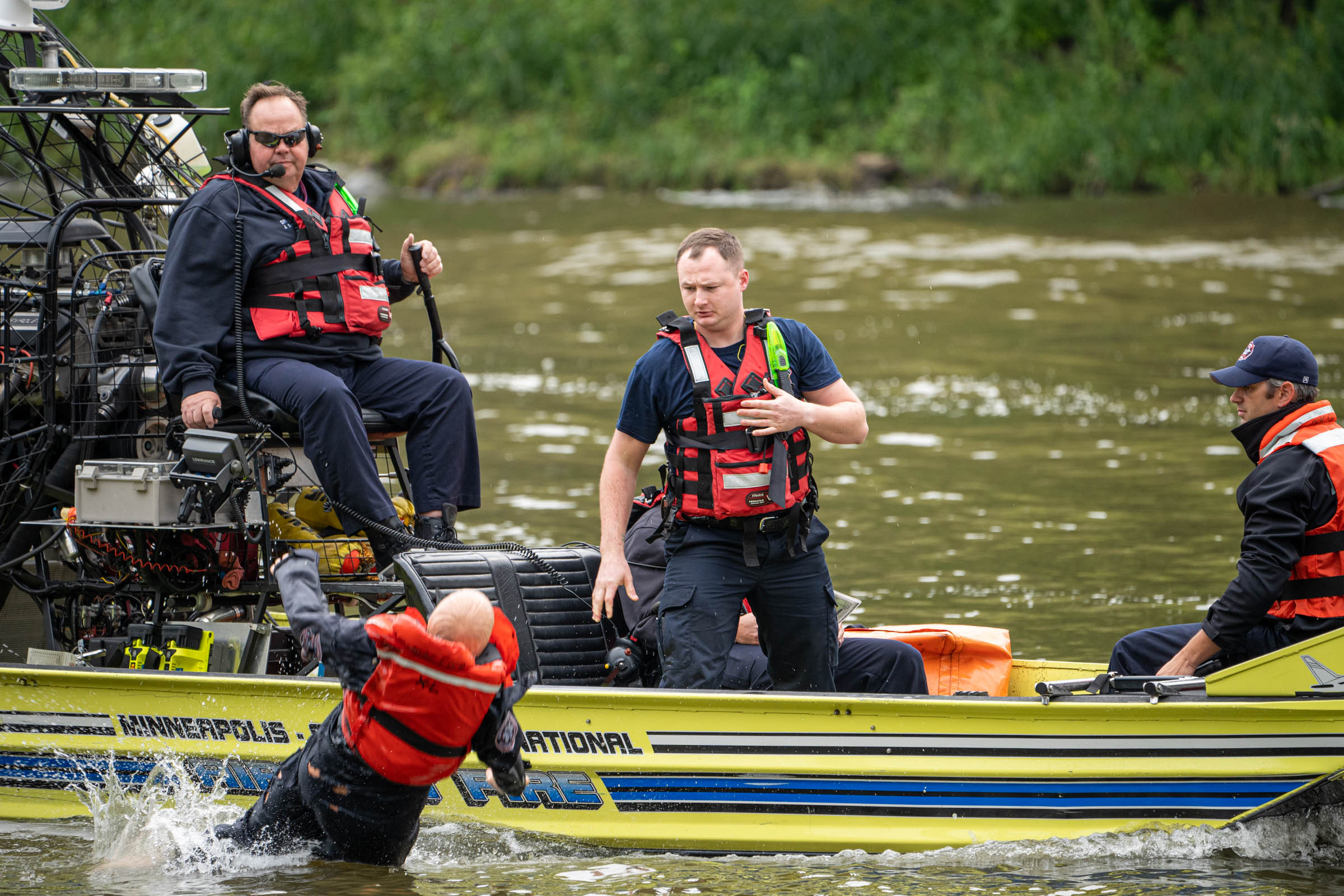
Throwing the "victim" back in the water for the next run.
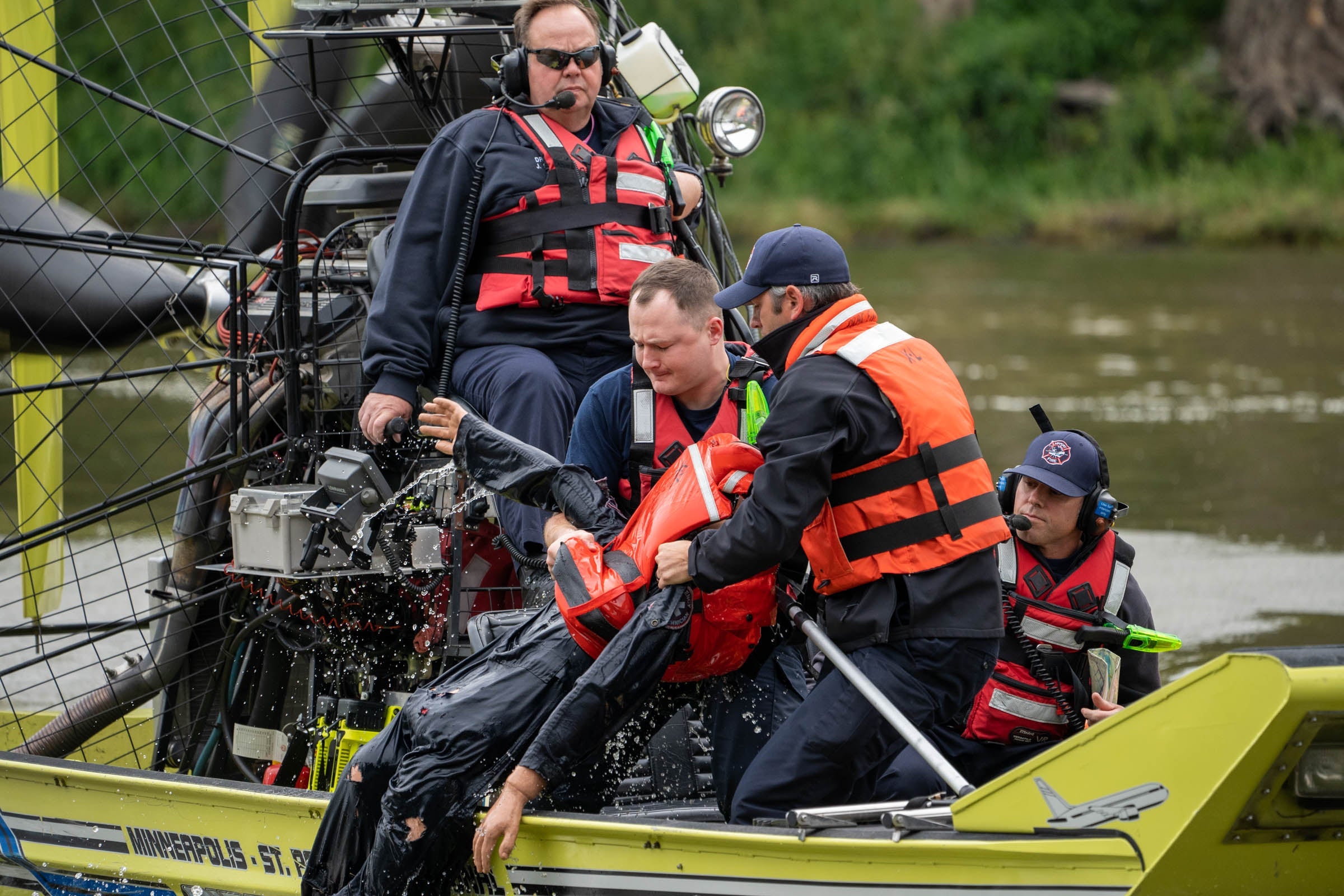
The training was a success, Koenig told me, with a repeat planned for this winter when ice complicates things.
More: Watch as we go behind the scenes at the Etihad Airways Aviation Training Centre
Until then, the ARFF team continues to stand by, while the rest of us continue to hope we never have to meet them.
TPG featured card

at Capital One's secure site
Terms & restrictions apply. See rates & fees.
| 5X miles | Earn 5X miles on hotels, vacation rentals and rental cars booked through Capital One Travel |
| 2X miles | Earn unlimited 2X miles on every purchase, every day |
Pros
- Stellar welcome offer of 75,000 miles after spending $4,000 on purchases in the first three months from account opening. Plus, a $250 Capital One Travel credit to use in your first cardholder year upon account opening.
- You'll earn 2 miles per dollar on every purchase, which means you won't have to worry about memorizing bonus categories
- Rewards are versatile and can be redeemed for a statement credit or transferred to Capital One’s transfer partners
Cons
- Highest bonus-earning categories only on travel booked via Capital One Travel
- LIMITED-TIME OFFER: Enjoy $250 to use on Capital One Travel in your first cardholder year, plus earn 75,000 bonus miles once you spend $4,000 on purchases within the first 3 months from account opening - that’s equal to $1,000 in travel
- Earn unlimited 2X miles on every purchase, every day
- Earn 5X miles on hotels, vacation rentals and rental cars booked through Capital One Travel
- Miles won't expire for the life of the account and there's no limit to how many you can earn
- Receive up to a $120 credit for Global Entry or TSA PreCheck®
- Use your miles to get reimbursed for any travel purchase—or redeem by booking a trip through Capital One Travel
- Enjoy a $50 experience credit and other premium benefits with every hotel and vacation rental booked from the Lifestyle Collection
- Transfer your miles to your choice of 15+ travel loyalty programs
- Top rated mobile app