Why airline schedule changes are loaded on weekends

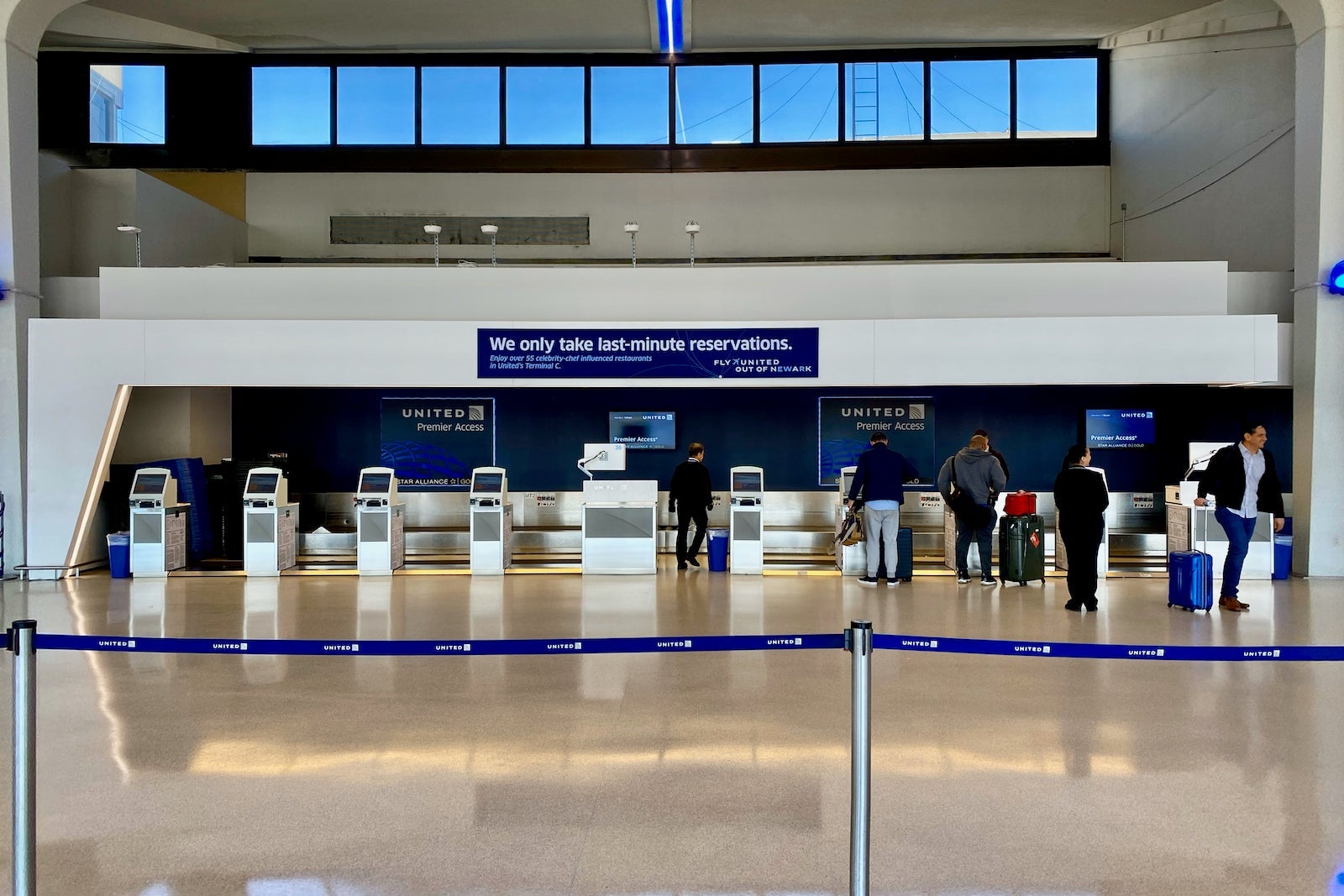
"This weekend, we'll load a revamped schedule" wrote Oscar Munoz, United's CEO, and Scott Kirby, United's President, in an April 15 memo to employees.
Throughout the coronavirus pandemic, we've seen airlines across the world quickly slash schedules, reduce frequencies and park large portions of their fleet. But, when a carrier announces a schedule change, you typically have to wait for the weekend to get the full scoop.
For more travel tips and news, sign up for TPG's daily email newsletter!
Take for instance the massive scale-back in flight operations in the New York metro area. United was the first major carrier to suspend most of its New York operations. Guess when that change was filed? Saturday night, April 4. American and Delta followed suit later that same weekend. Come Monday, April 6, New York lost most of its flights operated by the U.S. big three.

Though we're living in unprecedented times, one thing that's remained consistent throughout: Whether it's a new route, a dropped route or a simple frequency change, airlines usually file those schedule updates on a weekend — particularly on Saturday nights.
Turns out, there are actually a few reasons for this. (And no, it's not just so that aviation journalists have to work on Sundays).
Saturday nights are the ideal time for airlines to load schedule changes since it's the quietest in terms of booking activity, particularly with business travelers. As John Grant, senior aviation analyst at OAG, explained to TPG, "systems are normally at their lowest levels of activity then."
Related: How far in advance should you book a flight?
With fewer people searching for flights, combined with the fact that airlines aren't doing much flying on Saturday nights, it makes sense that this is the preferred time to load schedule updates to the GDS, or global distribution system.

Grant continued to explain another important reason for this practice. When changes are filed, passengers with existing reservations are going to need to be notified and rerouted. By waiting for the quietest night of the week, these automated rebooking system won't get overloaded.
When an airline cancels a route, "you literally have to 'clear' the flight of all reservations and place them somewhere before you can do a cancellation," Grant said. This takes up an immense amount of bandwidth, and processing these changes during a busy weekday could crash an airline system.
In fact, this is also one reason why we see so many incremental schedule changes loaded in multi-week batches. Since "the volume of work involved in rebooking passengers is immense," airlines sometimes split the updates across multiple weekends to avoid overwhelming the backend.
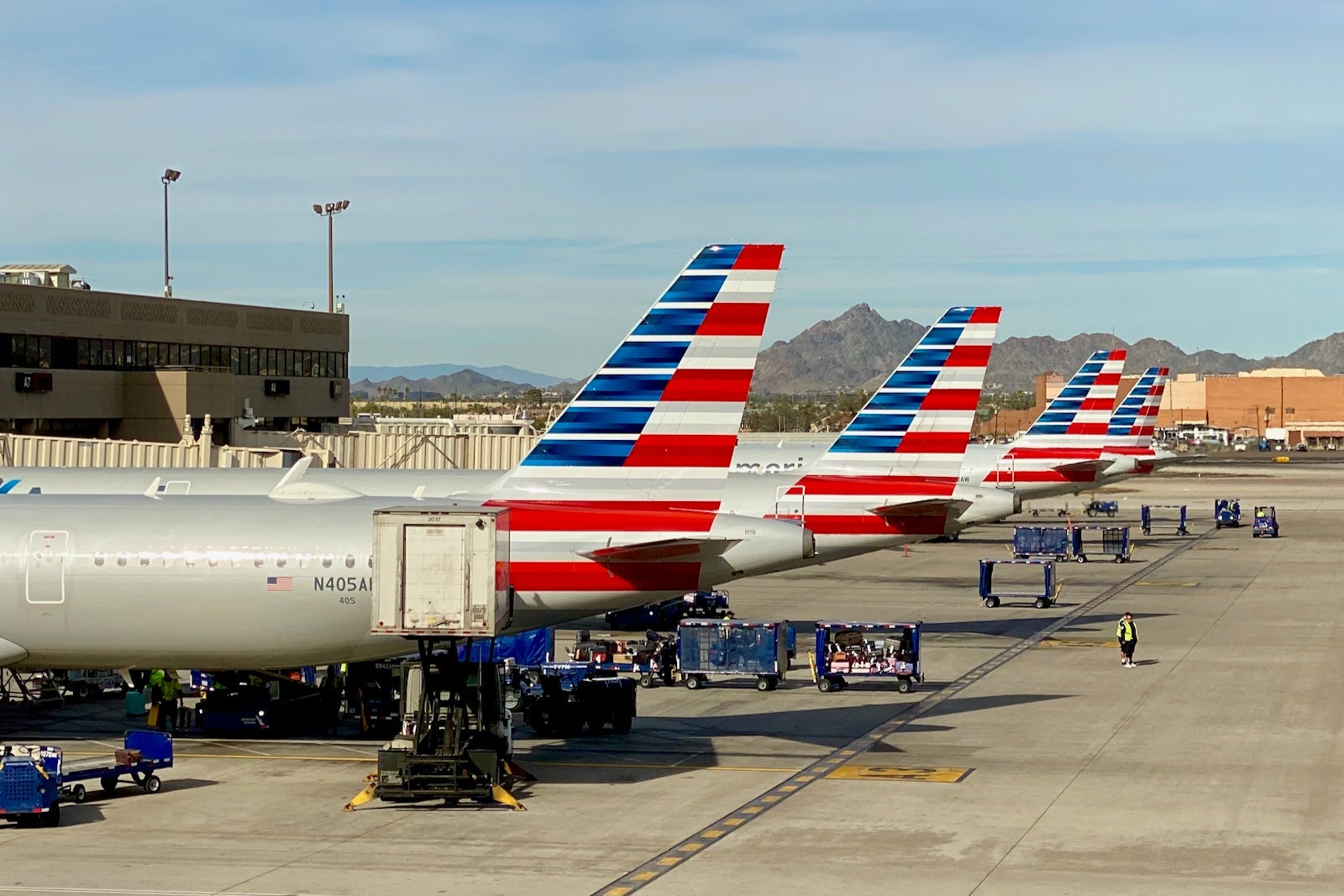
There are some other important considerations too. Major carriers typically have lots of codeshare partners. "Airlines need to advise the codeshare partner when the schedule change takes place to ensure services, connections, etc. are synchronized in each other's respective systems," Grant explained. This complicates the backend process, giving airlines another reason to choose the quietest night of the week to make such changes.
Related: What are codeshare flights and how do they work?
In fact, this is the same logic for why airlines perform updates to reservation systems over the weekend. For instance, when American and US Airways merged, they used a weekend to transition all US Airways bookings to American's Sabre system. Grant noted "these are huge, huge tasks," and airlines choose weekends — and Saturday night in particular — since that's "when the maximum amount of resources are available."
So, the next time you wake up Sunday morning to an email with the subject line "Your flight's been changed," you now know why.
All photos by the author.
TPG featured card

at Capital One's secure site
Terms & restrictions apply. See rates & fees.
| 5X miles | Earn 5X miles on hotels, vacation rentals and rental cars booked through Capital One Travel |
| 2X miles | Earn unlimited 2X miles on every purchase, every day |
Pros
- Stellar welcome offer of 75,000 miles after spending $4,000 on purchases in the first three months from account opening. Plus, a $250 Capital One Travel credit to use in your first cardholder year upon account opening.
- You'll earn 2 miles per dollar on every purchase, which means you won't have to worry about memorizing bonus categories
- Rewards are versatile and can be redeemed for a statement credit or transferred to Capital One’s transfer partners
Cons
- Highest bonus-earning categories only on travel booked via Capital One Travel
- LIMITED-TIME OFFER: Enjoy $250 to use on Capital One Travel in your first cardholder year, plus earn 75,000 bonus miles once you spend $4,000 on purchases within the first 3 months from account opening - that’s equal to $1,000 in travel
- Earn unlimited 2X miles on every purchase, every day
- Earn 5X miles on hotels, vacation rentals and rental cars booked through Capital One Travel
- Miles won't expire for the life of the account and there's no limit to how many you can earn
- Receive up to a $120 credit for Global Entry or TSA PreCheck®
- Use your miles to get reimbursed for any travel purchase—or redeem by booking a trip through Capital One Travel
- Enjoy a $50 experience credit and other premium benefits with every hotel and vacation rental booked from the Lifestyle Collection
- Transfer your miles to your choice of 15+ travel loyalty programs
- Top rated mobile app