8 cabin locations on cruise ships you should definitely avoid

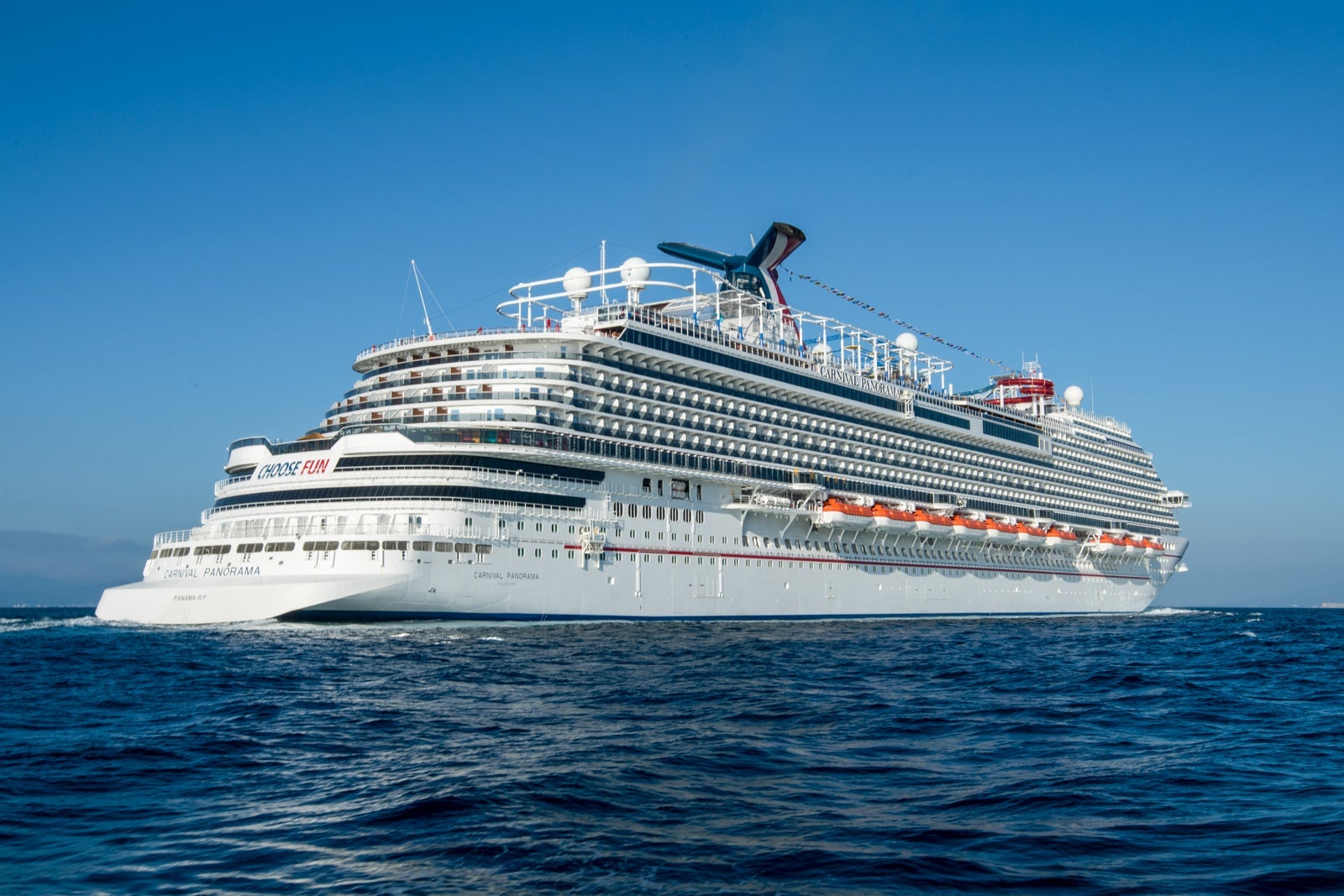
I still remember the worst cruise ship cabin I ever had.
It was on a Carnival Cruise Line ship — I can't remember which one — and it was right in the middle of what I have come to call the Bermuda Triangle of Bad Cabins on Carnival ships.
This is the area on those ships around the aft elevator bank on the cabin deck that sits just above the main entertainment deck. If you're in a cabin in this area, particularly one on the starboard side, you are dealing with not only the noise of the Carnival rowdies emerging from the elevators late into the night, but also — on many vessels — the sounds of the piano bar and nightclub emanating up the stairway from right below you.
Related: Why a windowless inside cabin might be just fine
It isn't much better in the cabins around the forward elevator bank and stairway on the same deck, which on many Carnival ships are right above the bustling central atrium and adjacent casino. That's not exactly a quiet area.
Is it obvious I go to bed early?
Picking the perfect cabin location on a cruise ship can be a subjective exercise. Some people want to be on a high deck for the views. Others want to be on a low deck for stability. Some want to be near the kids clubs or the spa or some other venue they know they'll visit often. Some really couldn't care less. Instead, they'll book "guarantee" cabins, which is where you tell the cruise line to just pick any old cabin for you, as long as you get a deal.
Still, after testing hundreds of cabins and cabin types over the years on more than 200 ships, I've determined a few hard-and-fast rules about cabins you should usually avoid.
Cabins near elevators
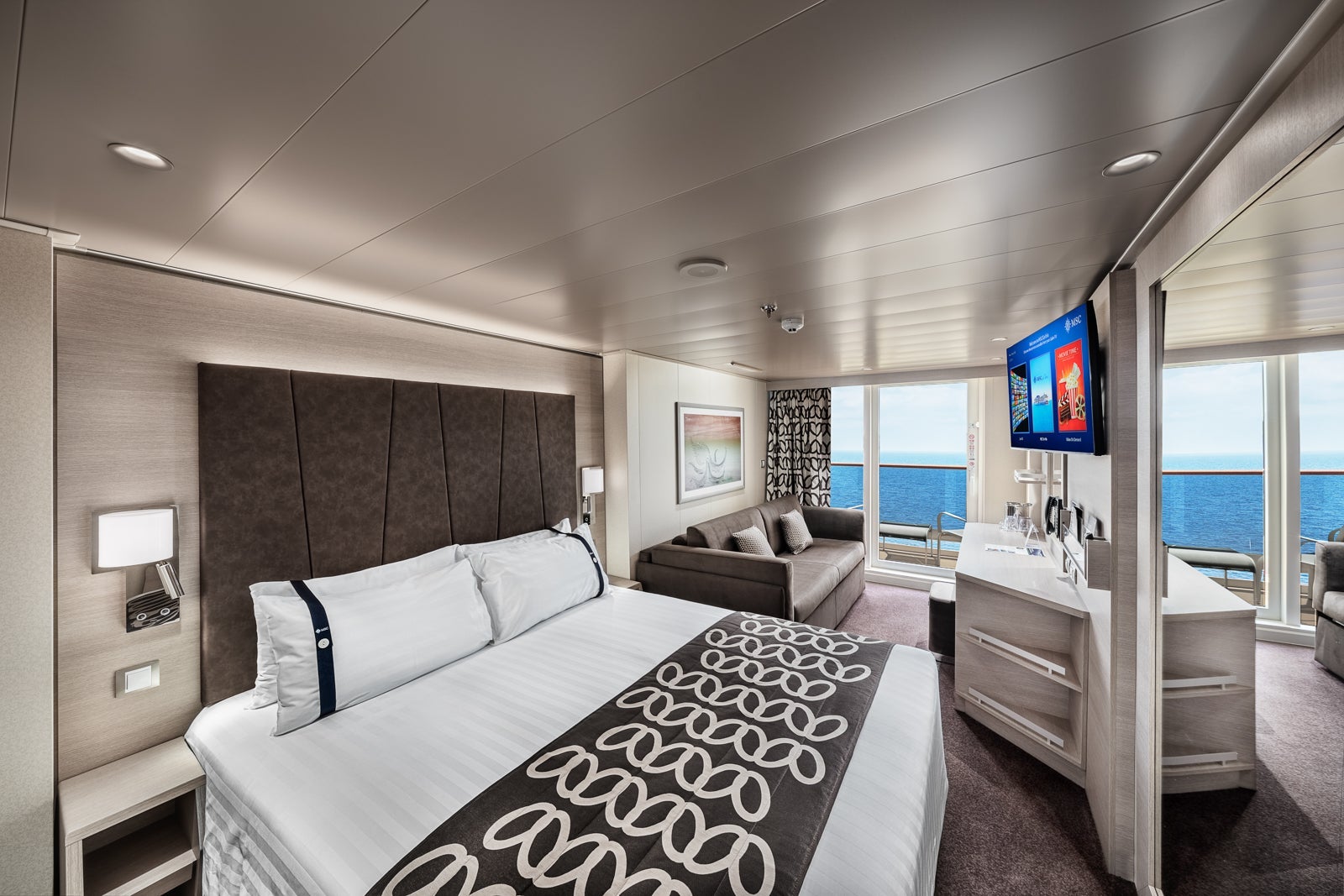
The areas around elevator banks and stairways on cruise ships can be noisy, just like they can be at land-based resorts and hotels. You'll get people milling around talking as they wait for an elevator car. On some ships, you'll also hear a distinctive chime every time an elevator arrives.

The situation varies from ship to ship and line to line. Some ships have elevator banks set off a bit from cabin hallways. On other ships, there is little separation between elevators and the closest cabins. Also, some ships have cabins that are more soundproof than others.
One of the great flaws of the basic cabin design on many Carnival ships — in my opinion, at least — is that there are air vents built into the cabin doors. This is meant to improve airflow — but, unfortunately, it also allows sounds from the hallway to drift right into the room.
Related: This over-the-top cruise ship cabin is bigger than a house
Cabins above nightclubs (and other late-night venues)
Getting to sleep early in a cabin just above a nightclub, piano bar, music hall or theater can be a challenge, depending on the soundproofing of the venue and your room. Ditto for cabins just below such a venue. I always recommend looking hard at deck plans before choosing a particular cabin to see what is just above and below the room. If it looks like it could be noisy, give it a wide berth.
Cabins near all-night restaurants are also worth flagging, as they can be bustling late into the night.
Related: The best cabin locations on any cruise ship
Cabins above the casino
The issue with being near a casino on a ship goes beyond just noise — and they definitely can be noisy. There's the smoke factor, too. On many cruise ships, the casino is the only interior place where smoking is allowed, and it thus draws a steady flow of people lighting up.
This isn't always the case, of course. Some lines — Celebrity Cruises and Oceania Cruises, for instance — ban smoking in casinos. But plenty of vessels still permit it.
While cruise lines that allow smoking in casinos try to contain it with ventilation systems, they're not always successful. I've been on numerous ships where a cloud of smoke wafts out from the casino and up stairwells to nearby cabins.
Related: The ultimate guide to Royal Caribbean cabins and suites
Cabins below the pool deck
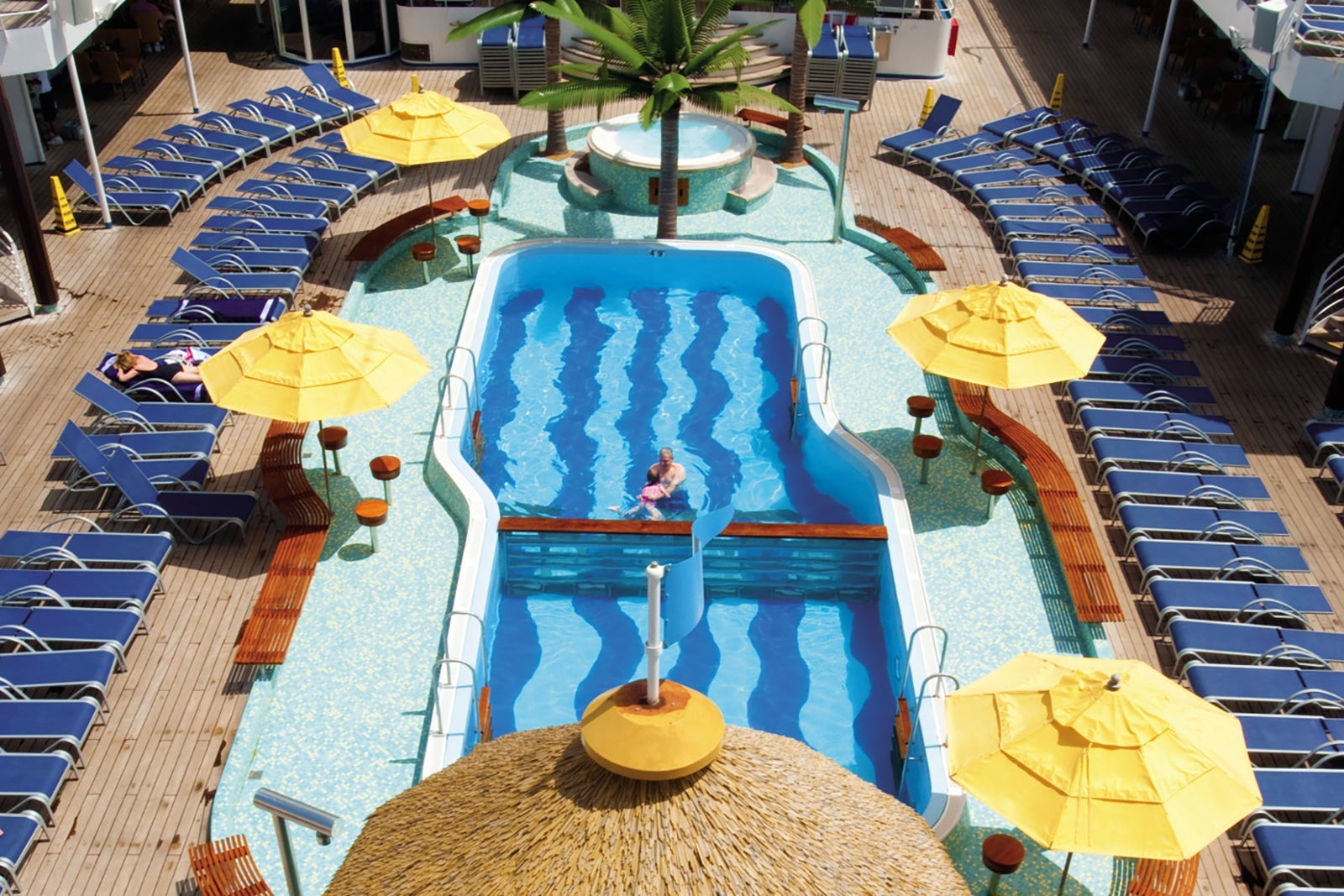
You might think that pool decks on cruise ships are pretty quiet at night and into the morning, so staying in a cabin just below one is no big deal. But in the case of quite a few ships, you'd be wrong.
Pool decks can sometimes be the scene of late-night revelry that's loud enough to carry down to the deck below. Then, when morning arrives, it's common for crew members to drag lounge chairs around as they get everything shipshape for the coming day — sometimes at a very early hour. This top-deck organizing can result in a sleep-ruining period of screeching sounds radiating from your ceiling.
You'll also want to steer clear of cabins just below basketball courts (there's nothing like a ball bouncing on your ceiling to drive you bonkers), jogging tracks and other deck-top sports areas.
Cabins near the anchor
It's not always clear where the anchor is located on a ship when looking at a deck plan. But assume it's at a low level near the front. Depending on how the ship is configured, there may not be any cabins close enough to the anchor for the sound of its deployment to be a bother. But I've been in cabins at the front of vessels where I was jolted awake at the crack of dawn on multiple days by several minutes of what sounded like a freight train rumbling by.
Being in a cabin near the anchor is a particular issue when sailing on an itinerary with a lot of "tender ports" — ports where the ship anchors offshore and the crew "tenders" passengers to land via small tender boats (in recent years, some lines have taken to calling these "water shuttles"). It's less of an issue if your ship will be docking for most of its port calls (not that the docking process doesn't come with its own set of noises).
Related: Reasons why a balcony cabin is your best choice
Cabins anywhere close to the bow
Anchor noise issues aside, the big reason you might want to steer clear of the front of a ship is that you'll likely feel the motion of the waves more distinctly. The front of a ship can be the most uncomfortable place to be in big waves.
This is because the front of a ship pitches a lot more in waves than the center of a ship or even the back.
Think of the teeter-totter you played on as a kid. Every ship has an equilibrium point around its center (often skewed a bit to the back) that, just like the equilibrium point of a teeter-totter, moves the least as the ship bobs up and down in the waves. The closer to the front that you go, the more you are extending out on the teeter-totter, and the more you'll feel the motion.
This is more of an issue on certain ships, and in some parts of the world, than others. If you're on a giant ship in the relatively calm Caribbean (and there isn't a tropical storm blowing nearby), you might barely feel the movement of the ocean in any cabin, no matter where it's located. But if you're on a smaller vessel in rougher seas, it can be an issue.
It also depends a lot on your tolerance for motion. After years of cruising every few weeks, I'm used to the waves. The chance of getting seasick generally never factors into my choice of cabin location. That said, if I'm booking a cabin on a small vessel on an itinerary that'll include passage through an area known for rough seas, such as the Drake Passage between South America and Antarctica, even I will push for something closer to a ship's equilibrium point.
Related: Ways first-time cruisers waste money
Obstructed-view cabins
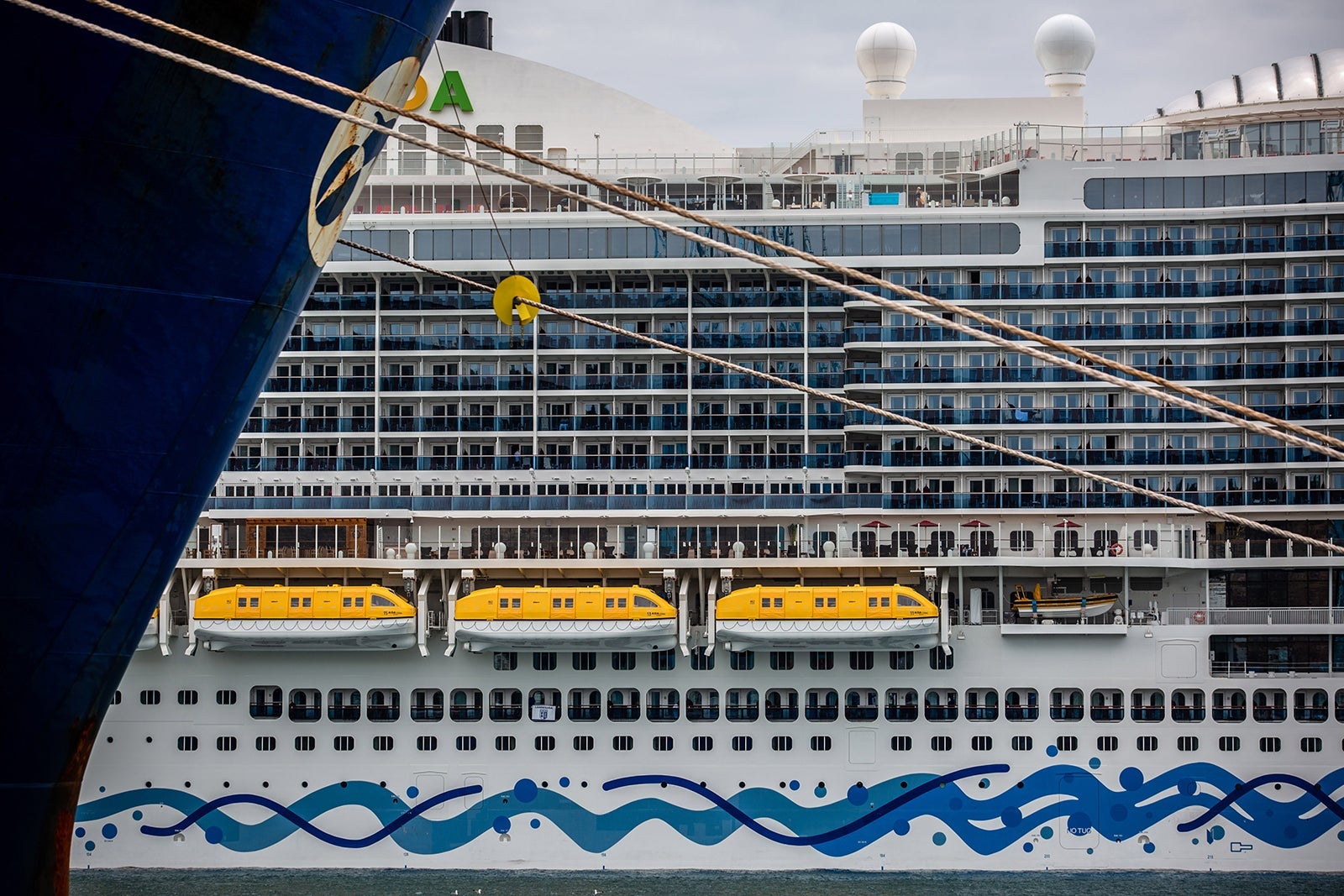
There are certain cabins on ships that, despite having a window, don't exactly offer the best views. Sometimes they don't offer any view at all. On some ships, there are cabins where the view from the window is partially or even completely obstructed by a lifeboat. On other ships, windows will look out over machinery — a lifeboat winch, for instance — or a structural element of the vessel, such as a steel overhang.
This can be the case even for cabins with balconies. Sure, you can sit outside. But you'll be sitting in front of a big, clunky lifeboat.
Normally, such cabins are marked on cruise ship deck plans with some sort of symbol denoting an obstructed view. It pays to look closely at such deck plans and, if an obstructed view is going to bother you, steer clear of the cabins that are so marked. On the positive side, obstructed-view cabins generally are priced at a lower rate than similar cabins with a complete view.
Related: Reasons to turn down a cabin upgrade
Adjoining cabins
Some cruise ship cabins are designed with doors that open to an adjacent cabin. This is a feature that appeals to families that book multiple cabins. They can book two side-by-side cabins and open the door to create a larger complex. But such cabins can bring a downside if the people in the cabin next to you are strangers: You might hear more of them than you wish, as the seals between these doors sometimes aren't completely soundproof.
If you end up next to a loud couple or kids in an adjacent cabin with a door, you might find it bothersome. I've experienced this myself over the years.
Related: Reasons you should splurge for a suite on a cruise
Bottom line
Not every cabin on a cruise ship is ideal. It pays to do your homework before booking a specific cabin — and that means poring over ship deck plans to make sure that you're not above, below or next to a noisy venue or in another location that could be troublesome.
More stories to help you plan your next cruise:
TPG featured card

at Capital One's secure site
Terms & restrictions apply. See rates & fees.
| 5X miles | Earn 5X miles on hotels, vacation rentals and rental cars booked through Capital One Travel |
| 2X miles | Earn unlimited 2X miles on every purchase, every day |
Pros
- Stellar welcome offer of 75,000 miles after spending $4,000 on purchases in the first three months from account opening. Plus, a $250 Capital One Travel credit to use in your first cardholder year upon account opening.
- You'll earn 2 miles per dollar on every purchase, which means you won't have to worry about memorizing bonus categories
- Rewards are versatile and can be redeemed for a statement credit or transferred to Capital One’s transfer partners
Cons
- Highest bonus-earning categories only on travel booked via Capital One Travel
- LIMITED-TIME OFFER: Enjoy $250 to use on Capital One Travel in your first cardholder year, plus earn 75,000 bonus miles once you spend $4,000 on purchases within the first 3 months from account opening - that’s equal to $1,000 in travel
- Earn unlimited 2X miles on every purchase, every day
- Earn 5X miles on hotels, vacation rentals and rental cars booked through Capital One Travel
- Miles won't expire for the life of the account and there's no limit to how many you can earn
- Receive up to a $120 credit for Global Entry or TSA PreCheck®
- Use your miles to get reimbursed for any travel purchase—or redeem by booking a trip through Capital One Travel
- Enjoy a $50 experience credit and other premium benefits with every hotel and vacation rental booked from the Lifestyle Collection
- Transfer your miles to your choice of 15+ travel loyalty programs
- Top rated mobile app