6 mistakes to avoid when taking your first ski trip to Europe
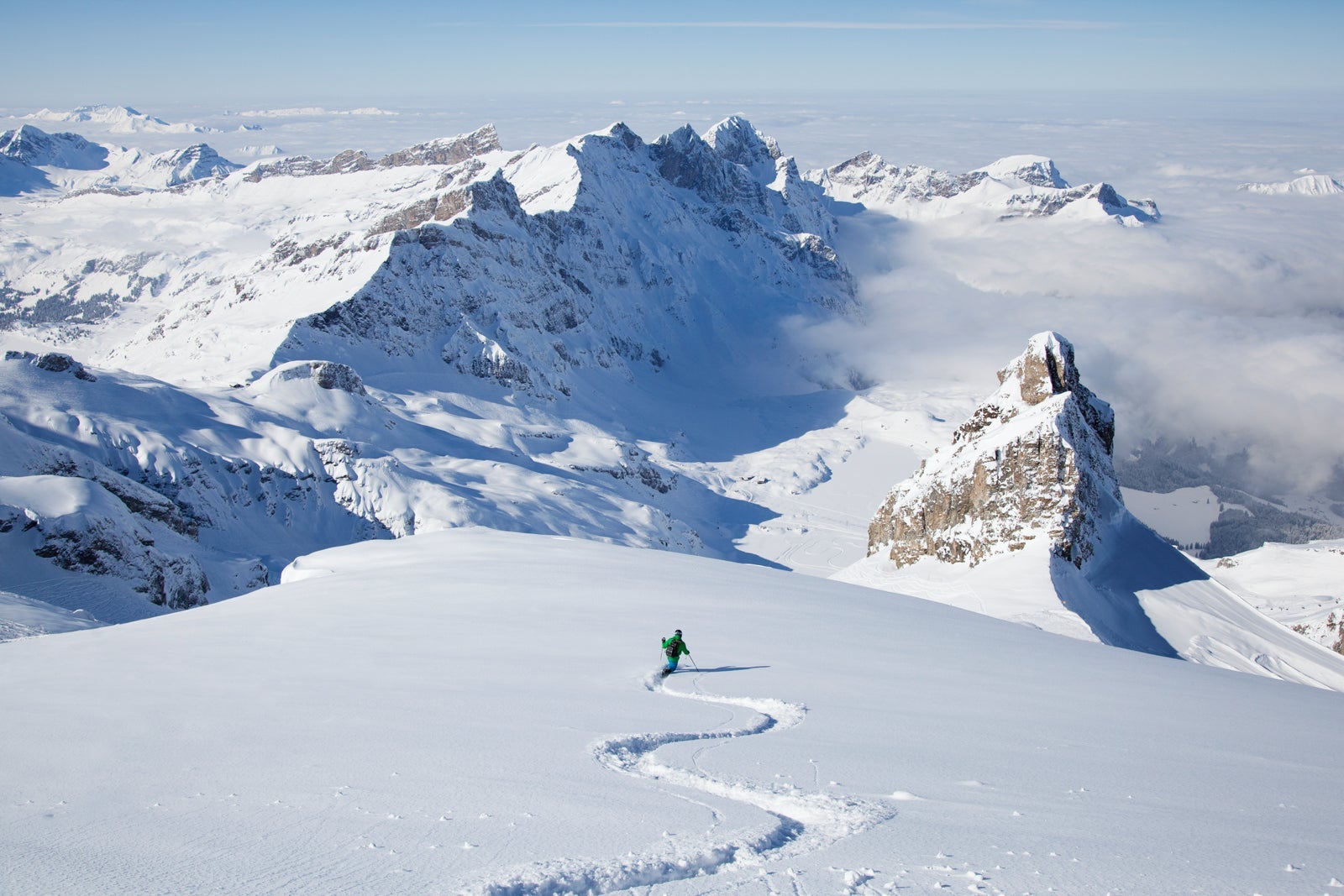
The promise of fresh powder outside the U.S. might beckon skiers and snowboarders, but that European ski trip can be full of travel moguls unless you do some advance planning. Here are the basics:
Paying too much for a plane ticket
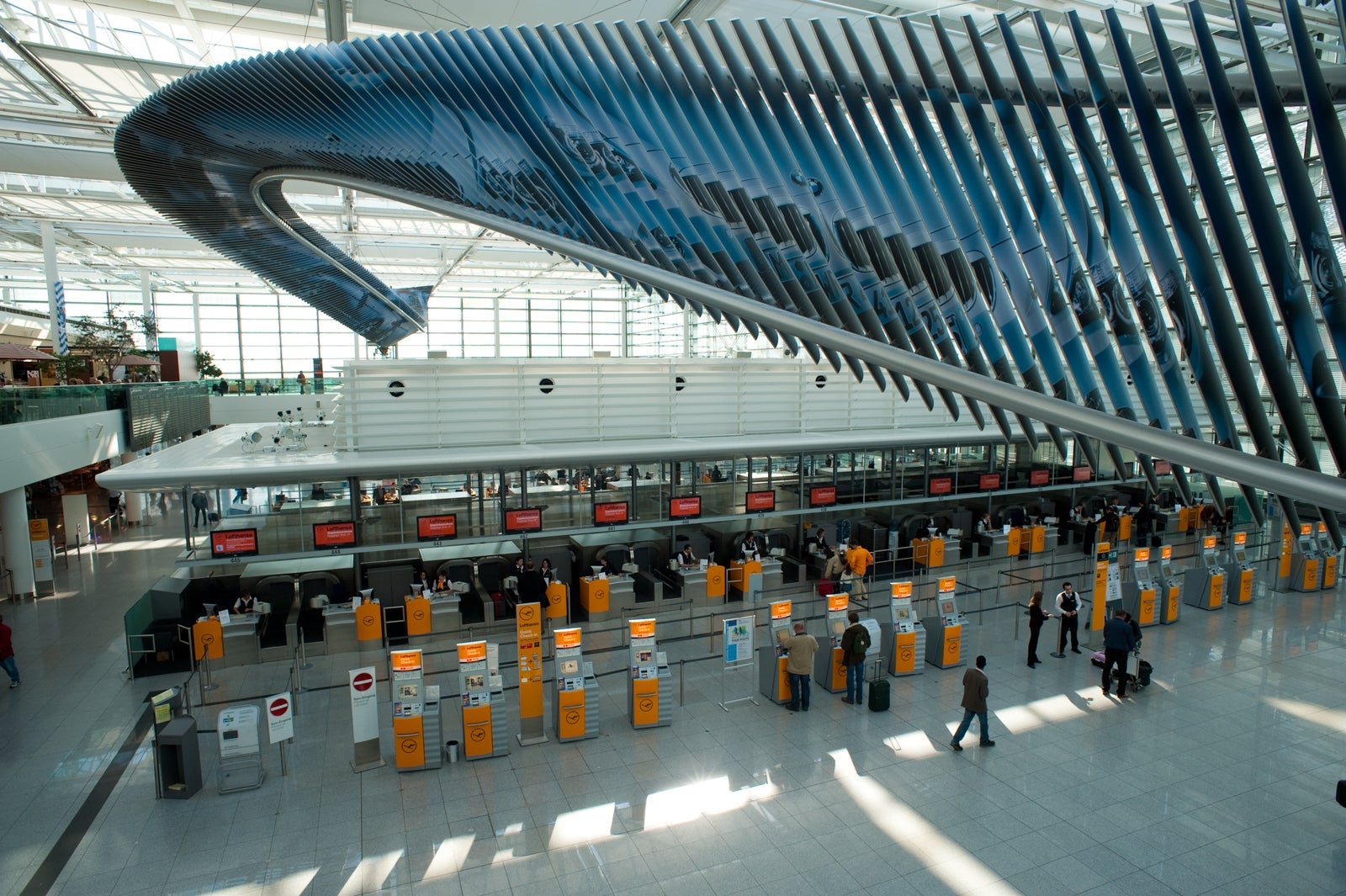
When planning a ski trip to Austria, Germany, Switzerland, France or Italy, book your flight through gateway cities like Geneva, Zurich, Munich or Milan, which are often more conveniently located near the slopes than popular tourist destinations. With a bit of research, you can figure out the best way to get to Europe using miles and points. These include options such as:
- Using 50,000 Virgin Atlantic miles for Delta One from the U.S. to Europe (each way) — Virgin Atlantic is a transfer partner of American Express, which means you can transfer Membership Rewards at a 1:1 ratio.
- Spending 63,000 Avianca Lifemiles to fly United Polaris or Lufthansa business from the U.S. to Europe (each way) — Avianca is a transfer partner of American Express, Capital One and Citi, which means you have plenty of ways to build up your stash.
Once you've arrived, you can use the streamlined public transportation system (trains and buses) to get to your destination.
Overspending on lift tickets
If you have an Ikon or Epic Pass, lift tickets for certain European ski areas are included: Zermatt Matterhorn for the Ikon; Les 3 Vallées in France, Skirama Dolomiti, Adamello, Brenta in Italy; Ski Arlberg in Austria, and 4 Vallées in Switzerland are on the Epic Pass.
Ski trip experts caution that Europe can be quite expensive.
"Generally speaking, Italy is great for better value and Switzerland is at the other end," says Sarah Plaskitt, founding director of Scout, an online resource for everything related to planning and booking ski trips. "Some of the French resorts can be an OK value. Some resorts and rental shops offer lift tickets online at a very small discount if paying in advance, but very few do," she adds.
European lift passes are generally cheaper than they are in the U.S. An example: A one-day ticket at Zermatt Matterhorn is 87 Swiss francs (about $89); Vail's one-day lift ticket runs you more than $200 at the window.
Save even more money (or make your purchase more rewarding), by ensuring that you use the right credit card for your lift tickets. We checked out what categories lift tickets coded as so you don't have to.

Driving is a mistake: Use public transportation
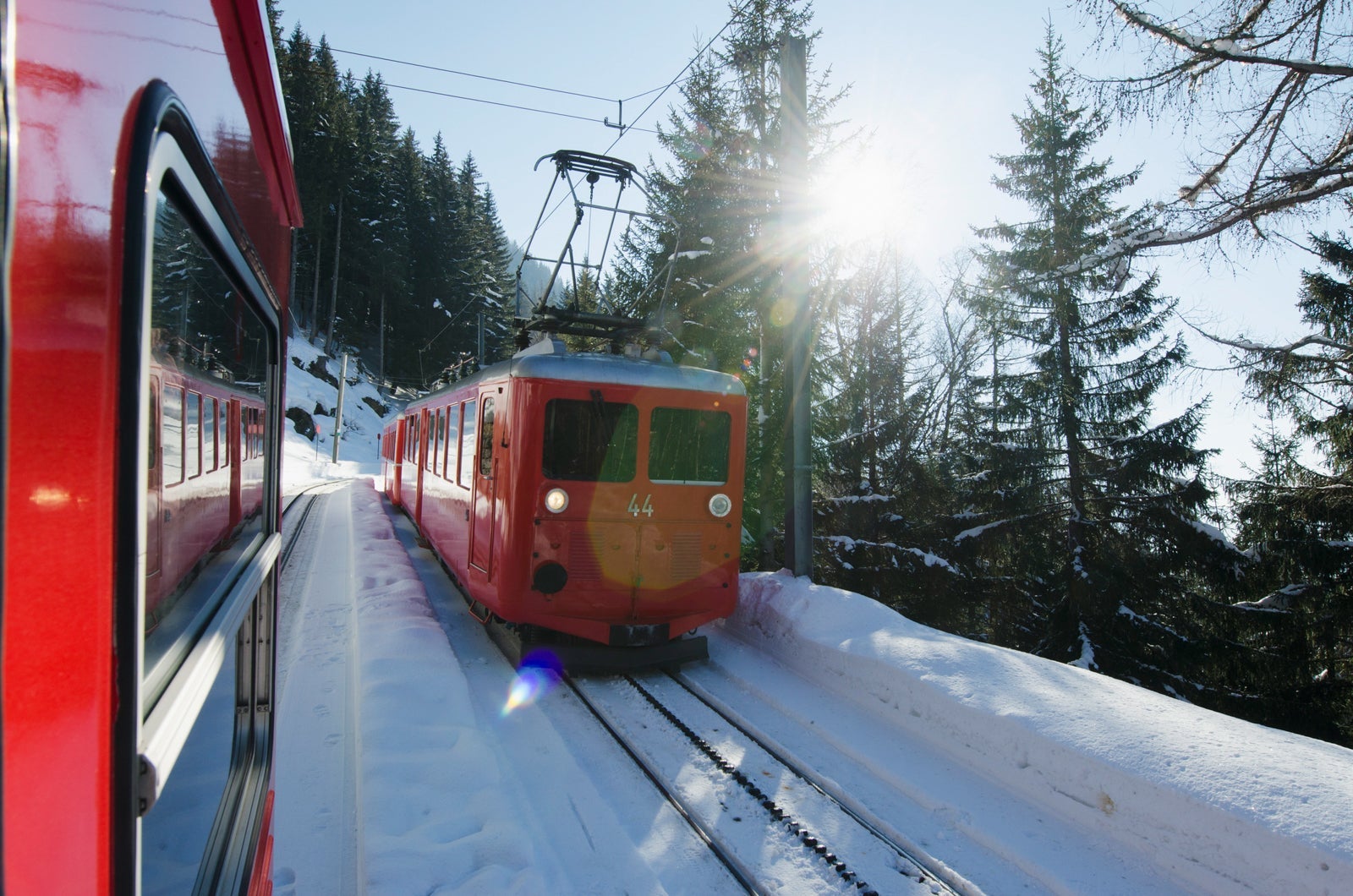
There's really no need to rent a car for a European ski trip. In fact, some ski villages are car-free.
"Generally speaking, you rarely need a car and driving in the Alps can be a little tricky," says Plaskitt. "Some villages, like Chamonix or Zermatt, have a train station that goes right to the middle [of town] so that can definitely be the way to go. Others can be accessed by train and then a bus. Sometimes it's just easier to jump on a shuttle if you don't want to have to do transport changes."
If you rent a car, get a map and know where you're going. GPS and Google Maps can be misleading or inaccurate. I once spent eight hours in a car to complete what I thought was a two-hour drive through the Italian Alps.
Not knowing differences in safety precautions
We take some things for granted when skiing in the United States: Lift lines are orderly; green means a beginner run, and all the terrain within resort boundaries is safe. This is not necessarily true in Europe.
For example, blue often means beginner run at many resorts and red is an intermediate run. Black means expert in Europe, too.
Lift lines have been described as "tumultuous" by one friend at a busy resort.
"It is very important to understand that even if an area is within the resort boundaries, it doesn't automatically mean it is controlled from avalanches like it is in the U.S.," Plaskitt cautions. "The off-piste (meaning anything that isn't groomed) can be quite dangerous and you must have the right knowledge and equipment to ski the off-piste. A guide is always a good idea for at least the first few days to show you where is safe and where isn't, keeping in mind that conditions can also change from day to day."
Missing out on the finer things in life
In the quest for powder and getting the most out of that $200 lift ticket, a day on the slopes in the U.S. can mean grabbing a quick lunch at the lift bar. If you adopt that same attitude in Europe, you'll miss the gourmet on-mountain restaurants. Lunch can consist of several courses and include wine, spirits or the perennial favorite, schnapps (which can also be a breakfast beverage).
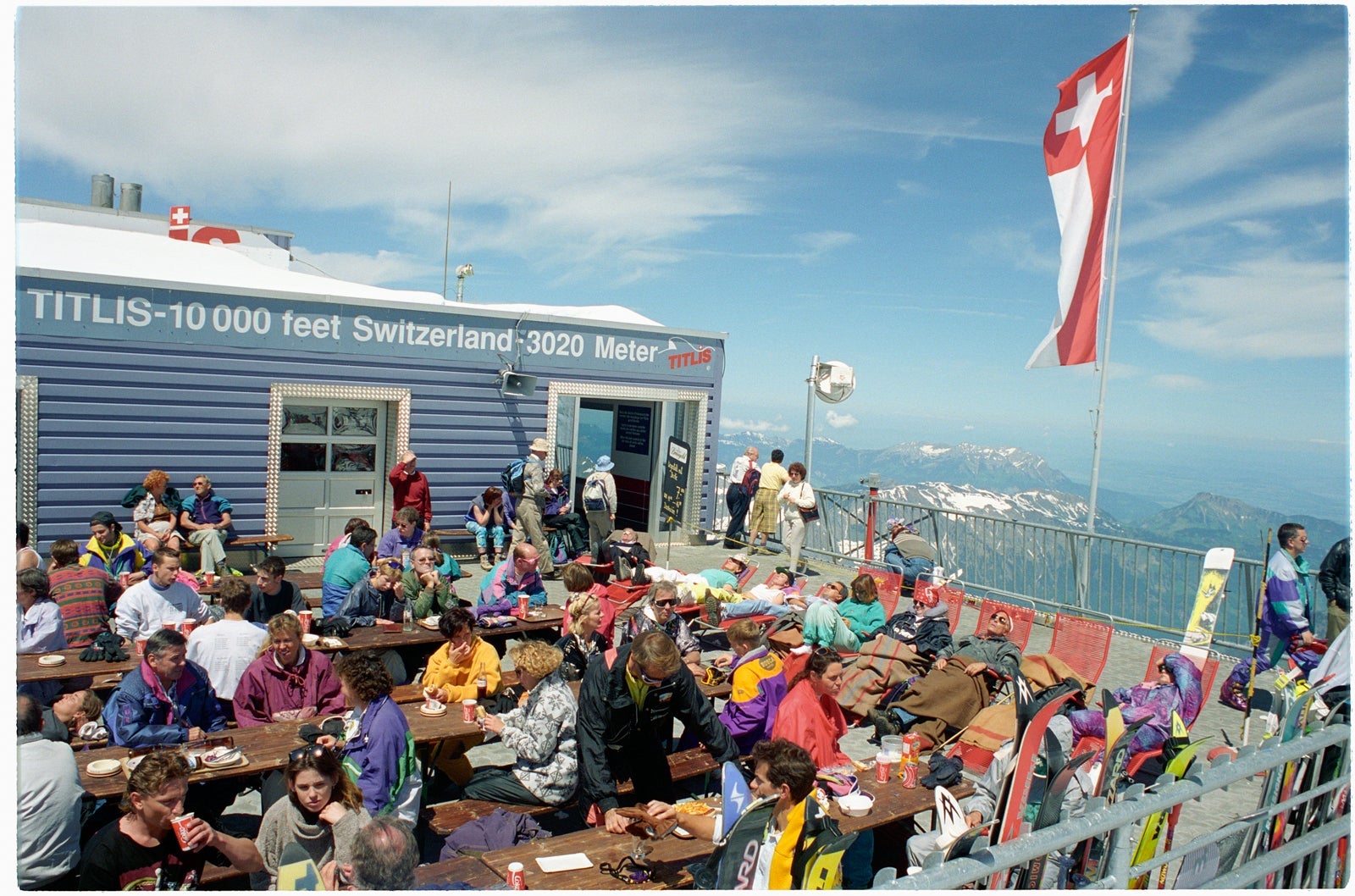
When the skiing day is done, it's time for après-ski.
"The après in some European resorts can get quite wild," says Plaskitt. "St. Anton in Austria is famous for it. There are also some amazing nightclub-style venues on the slopes that have afternoon dance parties, complete with Champagne showers. La Folie Douce has various venues in different resorts in France and they are super fun," she adds.
Hitting the slopes in only one country
If you talk to someone who has skied in Europe, chances are they'll mention several different countries in which they've sampled the snow. This is not because everyone is jetting from country to country in private airplanes – they're simply skiing.
There are a couple of resorts where you can ski in multiple countries, Plaskitt explains.
"Zermatt (Switzerland) is the most famous one which is connected with Cervinia in Italy," says Plaskitt. "You can buy a full international pass for skiing in both resorts, or you can just add a supplement to your Zermatt or Cervinia pass for the days you want to ski both."
Another option is the Portes du Soleil pass, which links 12 resorts on either side of the French-Swiss border an hour from Geneva. Purchase it early in the season and you can go on a ski safari, skiing from resort to resort and country to country on more than 300 runs.
And you can leave your passport at the chalet.
Additional reporting by Carissa Rawson.
TPG featured card

at Capital One's secure site
Terms & restrictions apply. See rates & fees.
| 5X miles | Earn 5X miles on hotels, vacation rentals and rental cars booked through Capital One Travel |
| 2X miles | Earn unlimited 2X miles on every purchase, every day |
Pros
- Stellar welcome offer of 75,000 miles after spending $4,000 on purchases in the first three months from account opening. Plus, a $250 Capital One Travel credit to use in your first cardholder year upon account opening.
- You'll earn 2 miles per dollar on every purchase, which means you won't have to worry about memorizing bonus categories
- Rewards are versatile and can be redeemed for a statement credit or transferred to Capital One’s transfer partners
Cons
- Highest bonus-earning categories only on travel booked via Capital One Travel
- LIMITED-TIME OFFER: Enjoy $250 to use on Capital One Travel in your first cardholder year, plus earn 75,000 bonus miles once you spend $4,000 on purchases within the first 3 months from account opening - that’s equal to $1,000 in travel
- Earn unlimited 2X miles on every purchase, every day
- Earn 5X miles on hotels, vacation rentals and rental cars booked through Capital One Travel
- Miles won't expire for the life of the account and there's no limit to how many you can earn
- Receive up to a $120 credit for Global Entry or TSA PreCheck®
- Use your miles to get reimbursed for any travel purchase—or redeem by booking a trip through Capital One Travel
- Enjoy a $50 experience credit and other premium benefits with every hotel and vacation rental booked from the Lifestyle Collection
- Transfer your miles to your choice of 15+ travel loyalty programs
- Top rated mobile app