I just circled Japan on a Princess cruise ship. It was a great way to tour the country

Editor's Note
It is as breathtakingly beautiful as it is hard to reach.
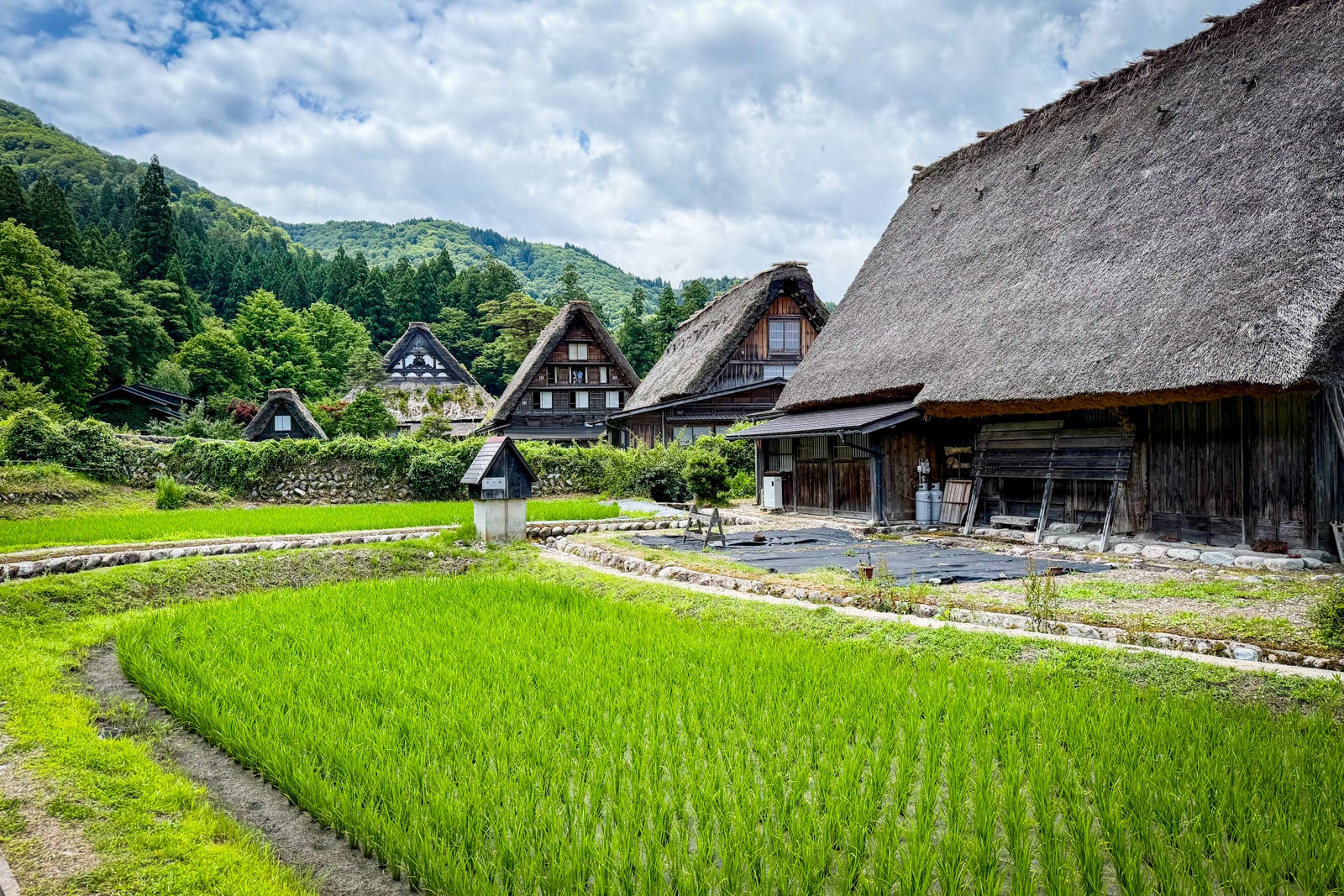
I am wandering through the fairytale-like Japanese mountain village of Shirakawa-go, a famed UNESCO World Heritage site, marveling at its picture-perfect, gassho-zukuri farmhouses.
Built without a single nail, the centuries-old, soaring-to-the-sky thatched-roof structures, which sit amid strikingly vivid emerald-green rice paddies, are a sight to behold — Instagram-worthy relics of a Japan that's now mostly lost to time.
I am also marveling at the fact that I am even here.
Located in Japan's remote Sho River Valley, Shirakawa-go is hours away by car or train from such Japanese tourist hubs as Tokyo and Kyoto — far enough that most short-term visitors to Japan wouldn't normally have the time to get here.
But I am not traveling around Japan by car or train, nor am I relying on my own planning to explore.
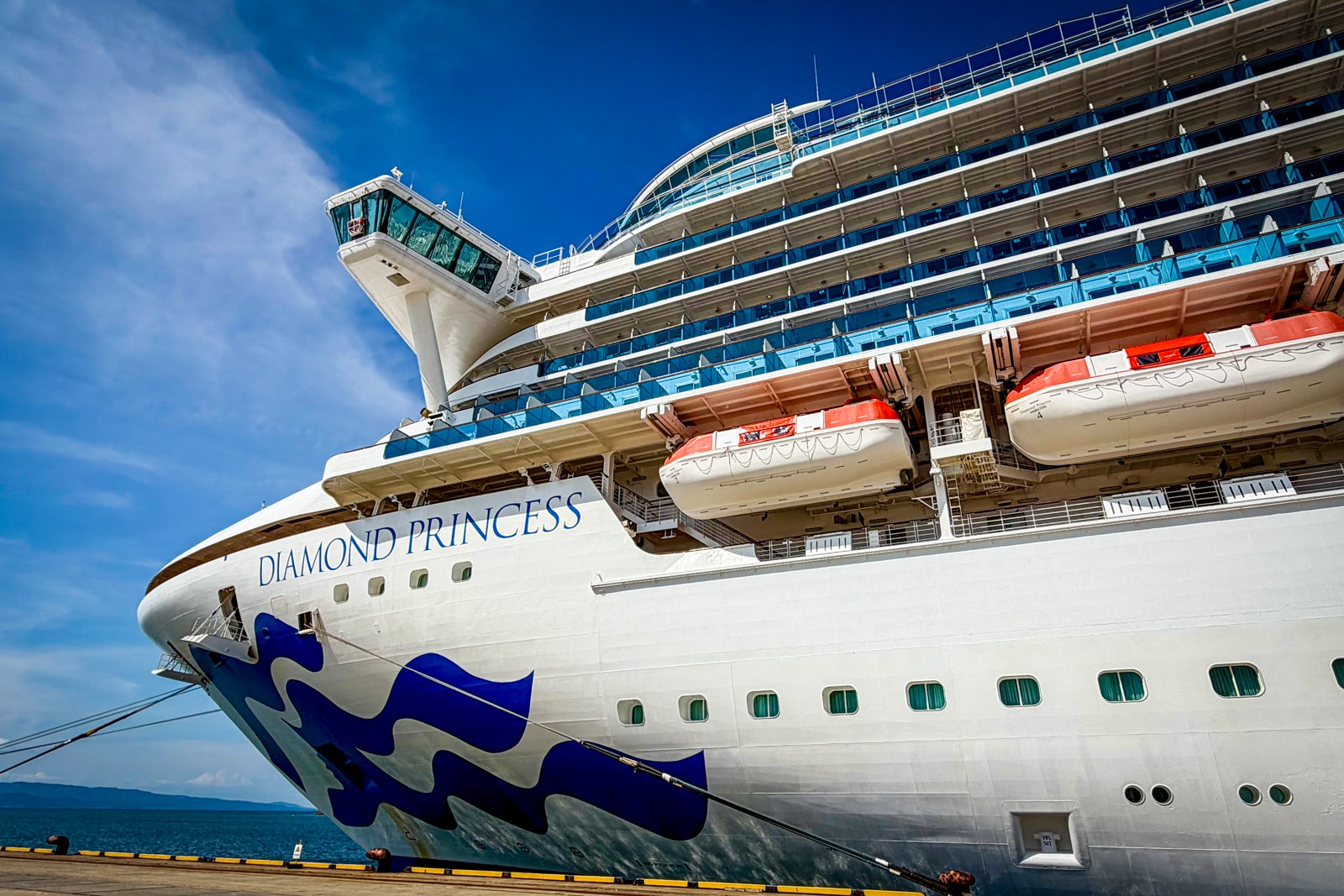
I am touring the country — indeed, circling it in its entirety — aboard a Japan-based cruise ship: the Princess Cruises vessel, Diamond Princess.
As I am seeing firsthand during my visit to Shirakawa-go, which is just over an hour away from the port where the ship has stopped for the day, it's a way to see a broader cross-section of the country in just a few days than I could have traveling on my own.
Exploring lesser-visited Japan
When it comes to tourism, Japan is having a moment. Lured in part by the rapidly falling cost to visit the country in recent years — a function of a rapidly weakening Japanese Yen — foreign visitors have been flocking to the country in record numbers.

Still, most of these visitors spend their time in or around the most famous "golden route" destinations of Tokyo, Kyoto, Nara and Osaka — all clustered along a relatively narrow line through the center of Japan's main island.
To sail around Japan on the Diamond Princess is to see a whole other side of the country.
Kicking off in Yokohama, a bustling port city that is part of the Greater Tokyo area, the nine-night "Circle Japan" cruise that I am on mostly stops in lesser-visited places that are unknown to many Americans and other foreign visitors. They are places that, in many ways, offer a more diverse Japan experience than a traditional trip to its best-known tourist areas would.
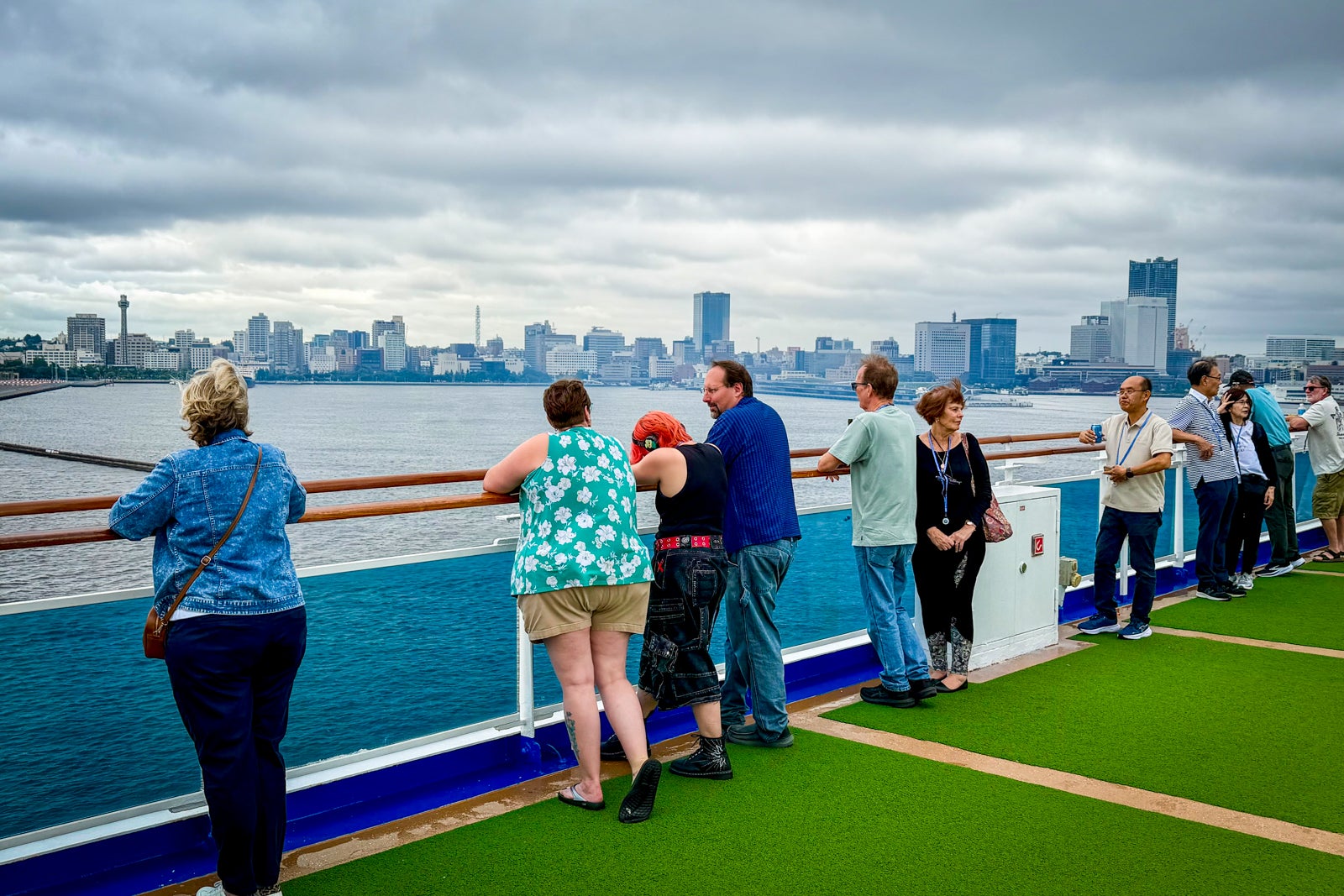
Sakaiminato, Tsuruga, Toyama, Akita. As the ship makes its way clockwise around the long and narrow crescent of islands that is Japan, these mostly small port cities come one after the other, without a single day of sailing in between. We leave one at sundown and arrive at the next one as the sun rises the next day.
In between, we have full days free to explore the unique mix of historic sites and cultural experiences in each place and its surrounding areas. Perhaps more notably, we catch a glimpse into the daily lives and traditions of the people who live outside of Japan's biggest cities.
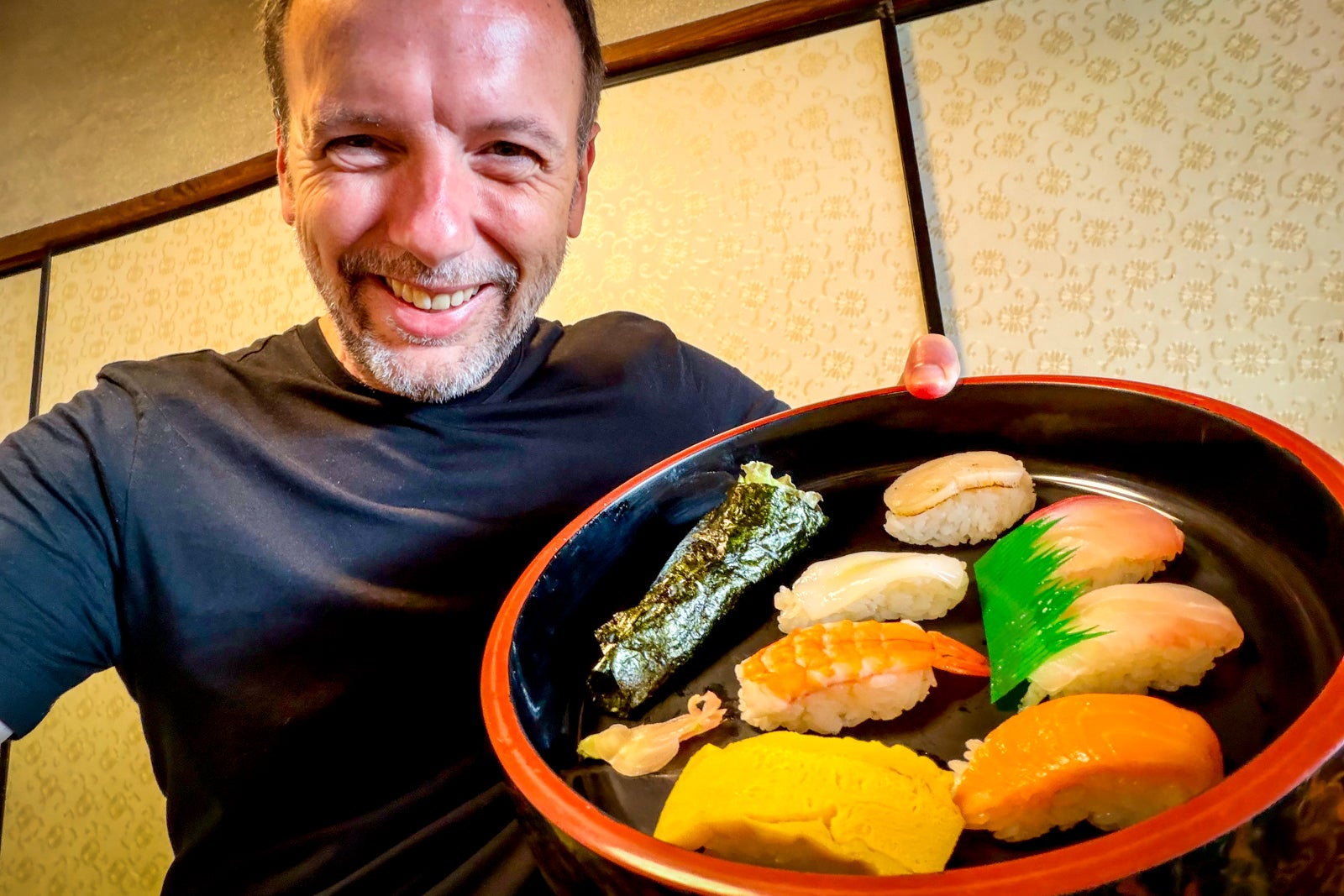
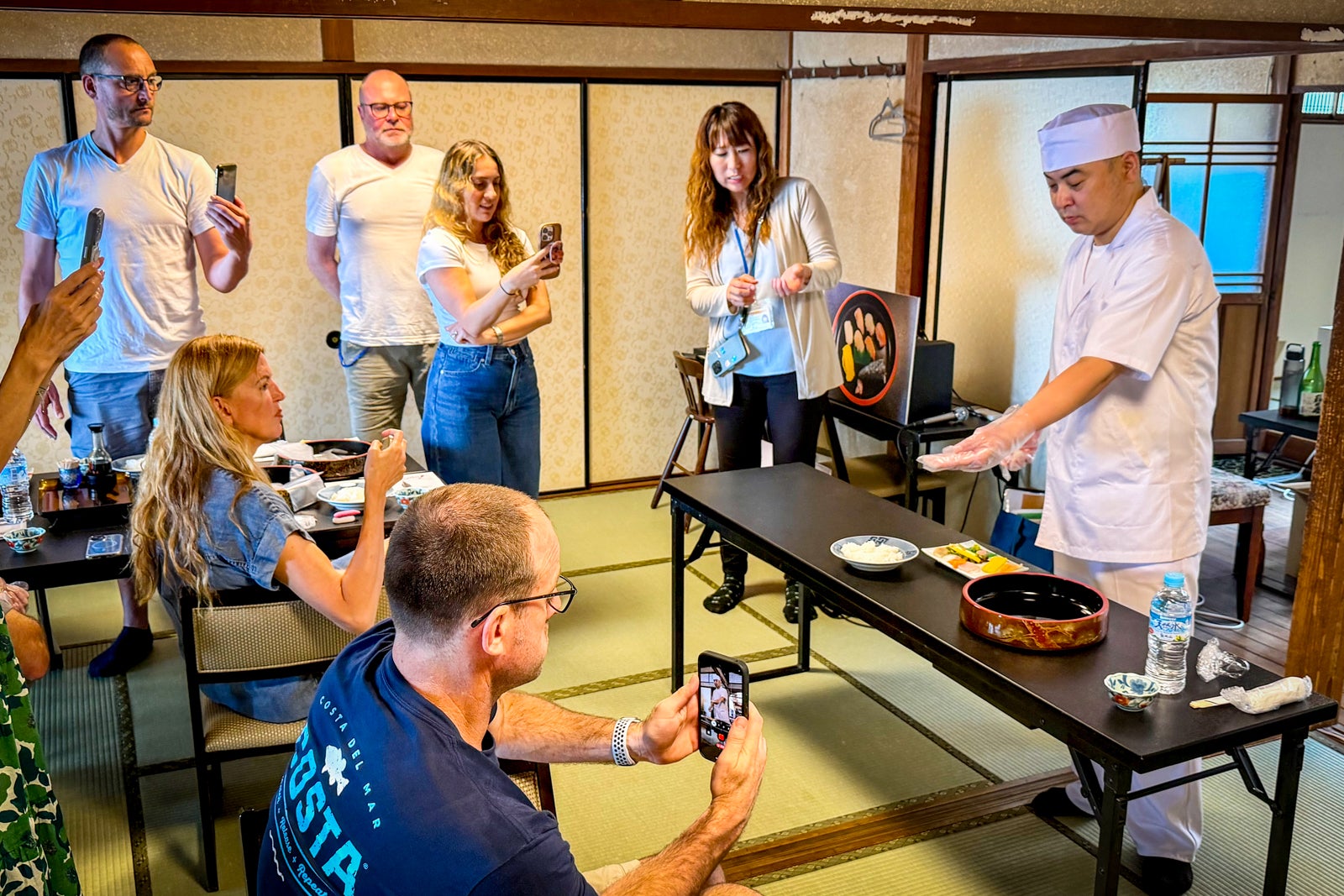
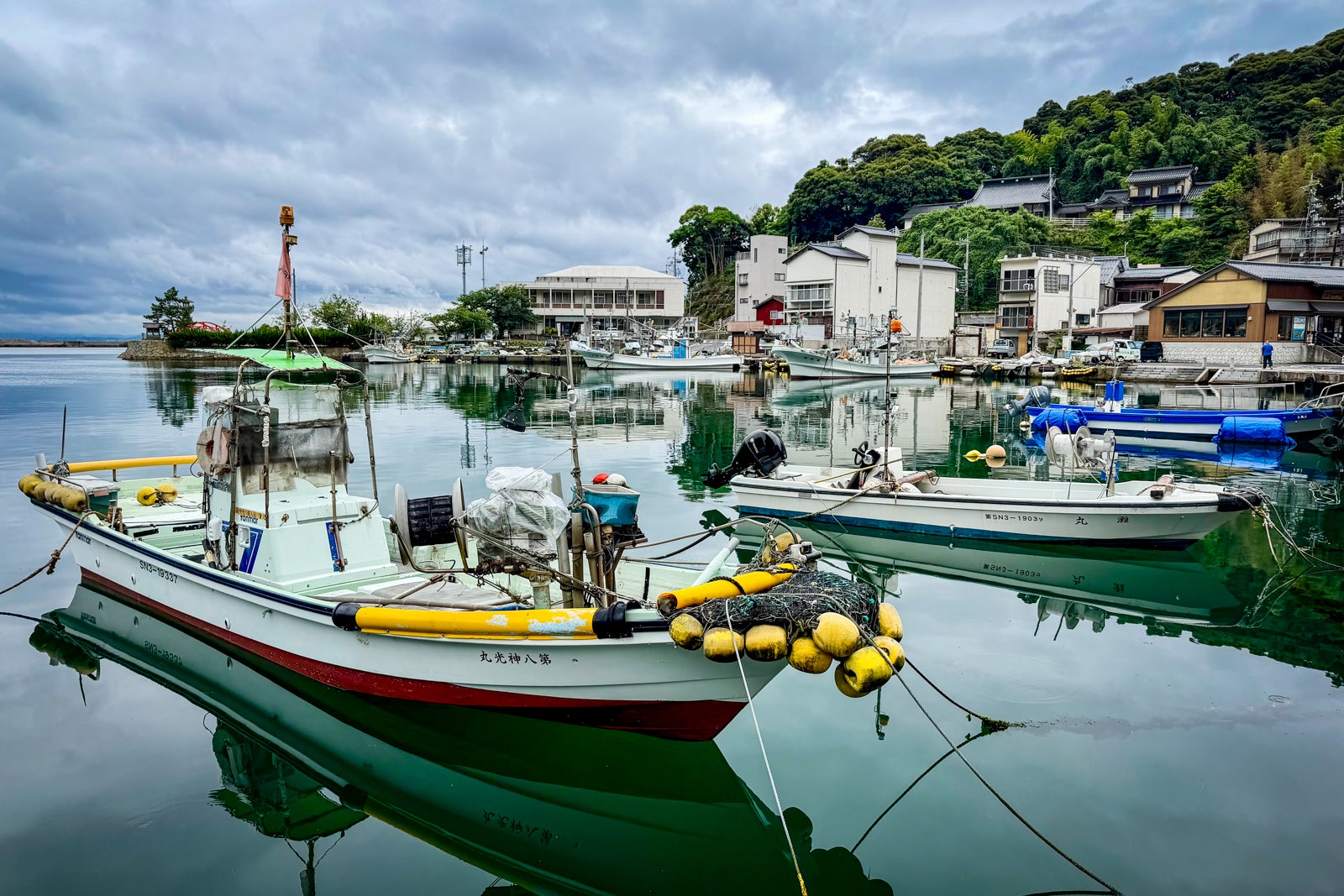
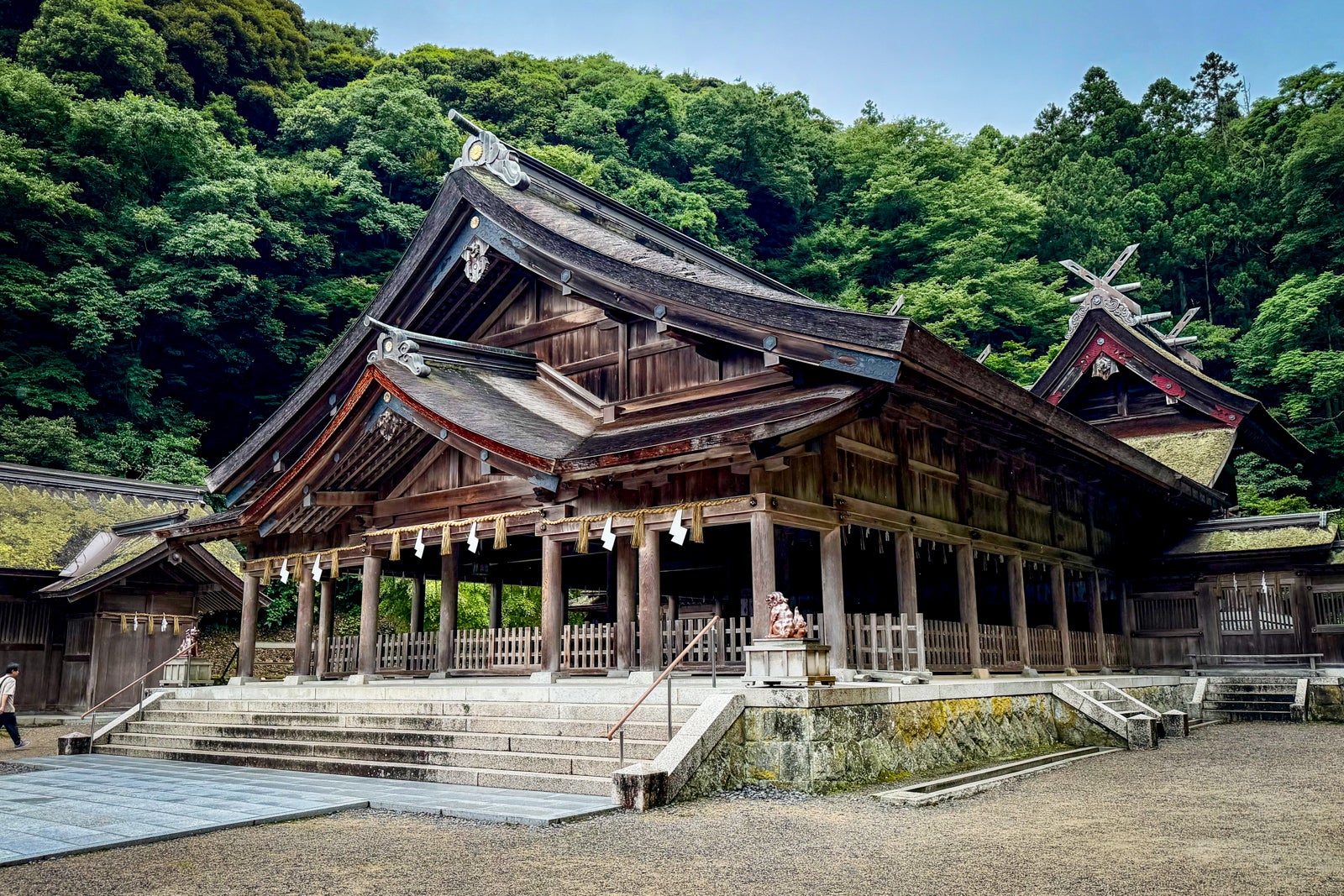
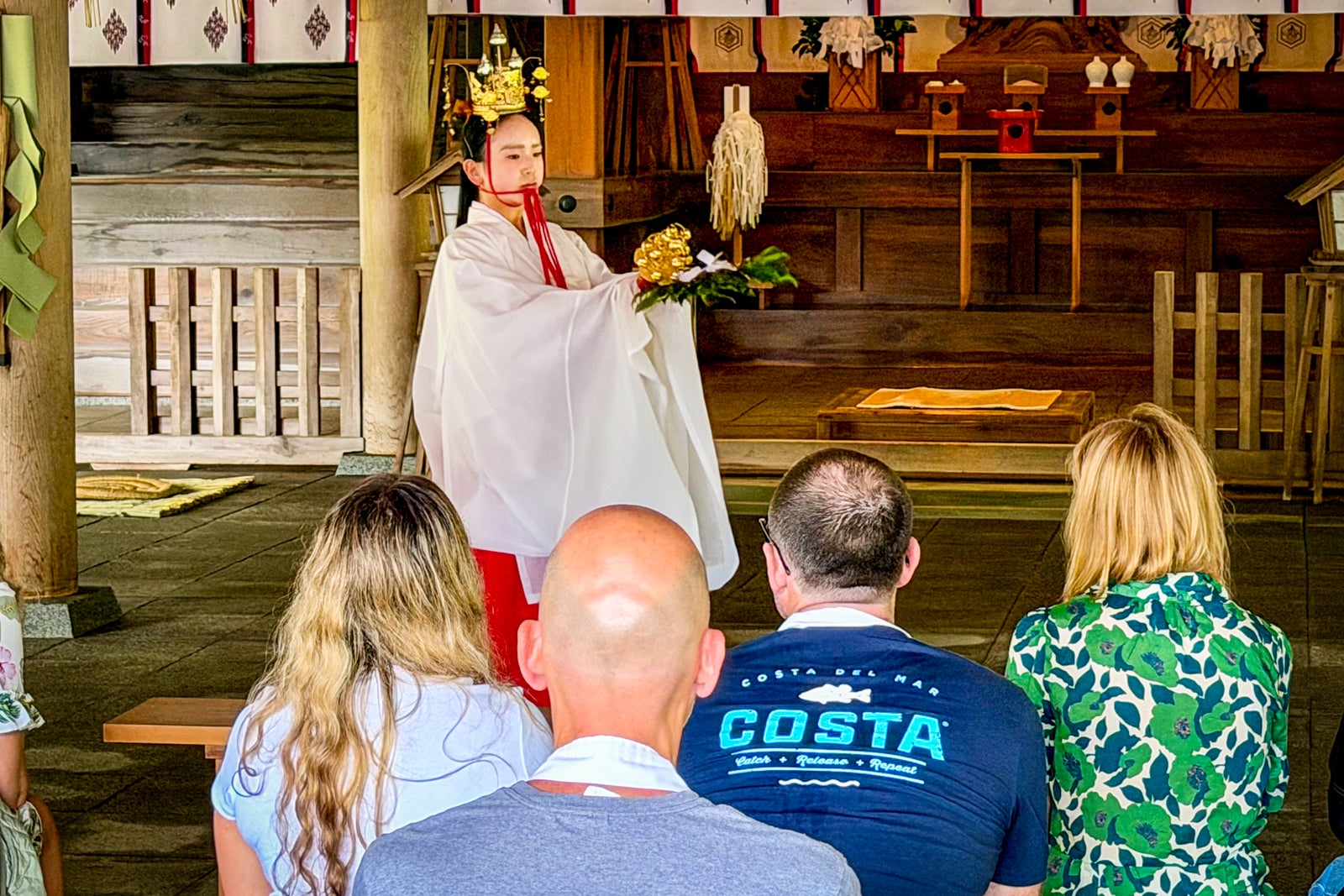
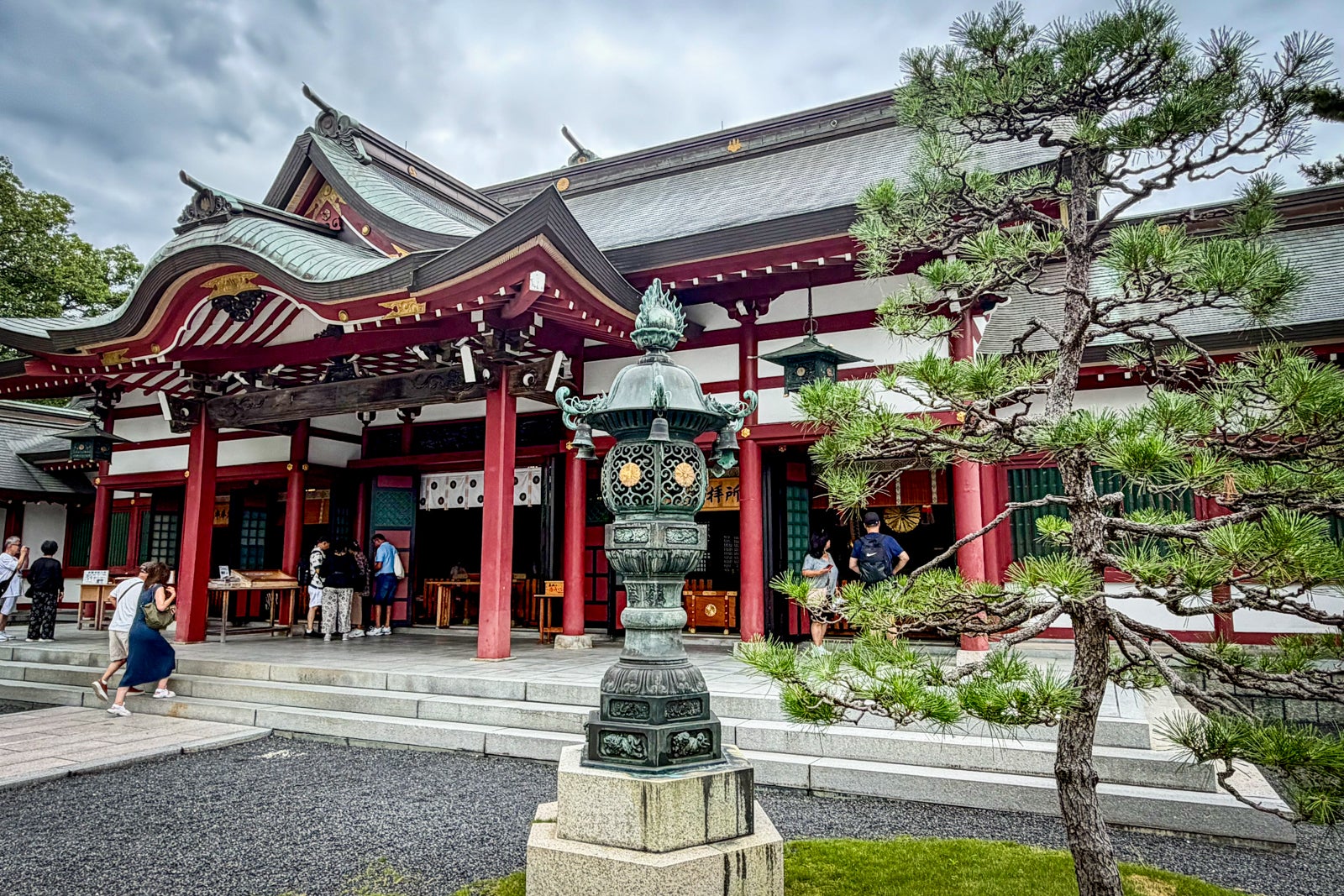
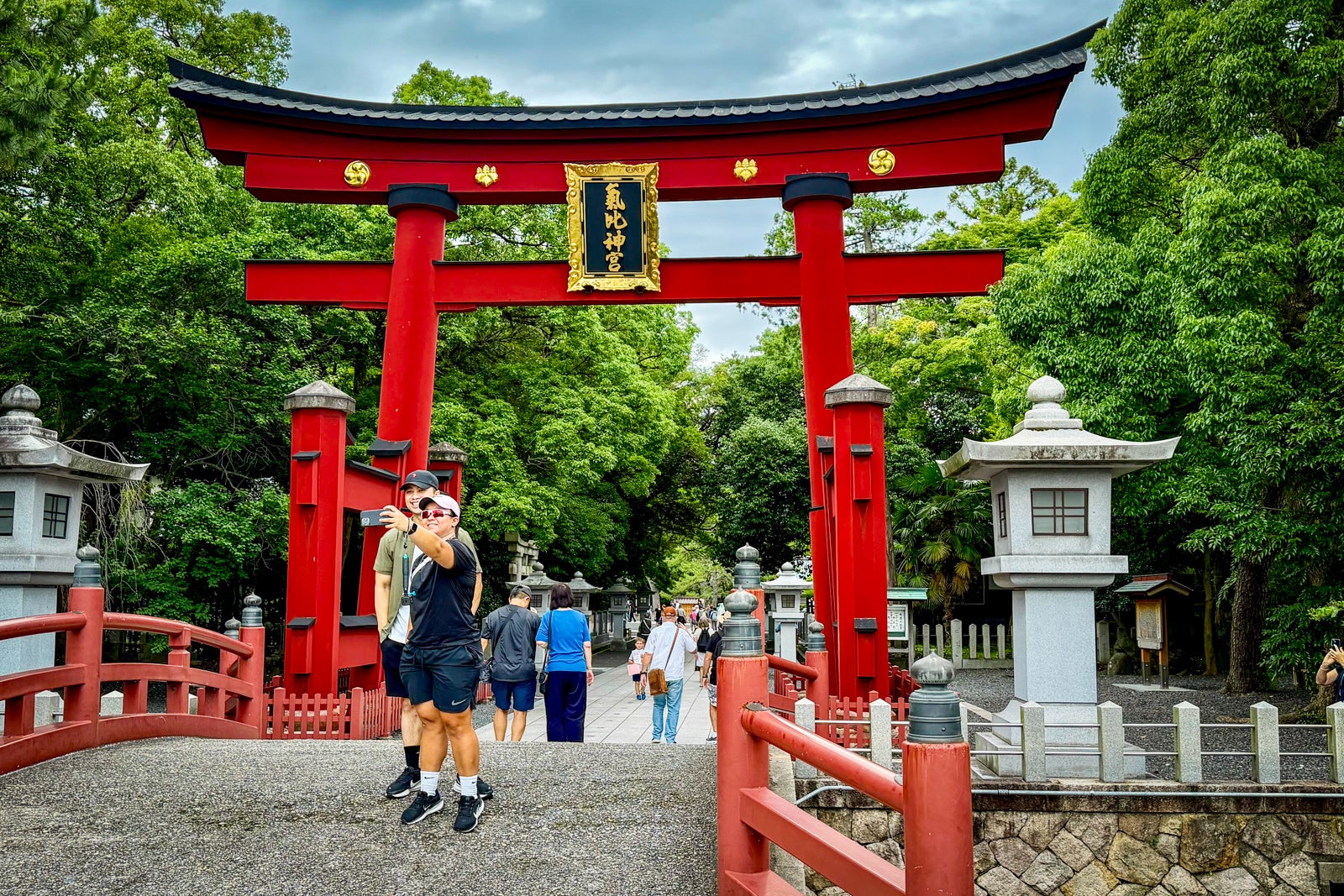
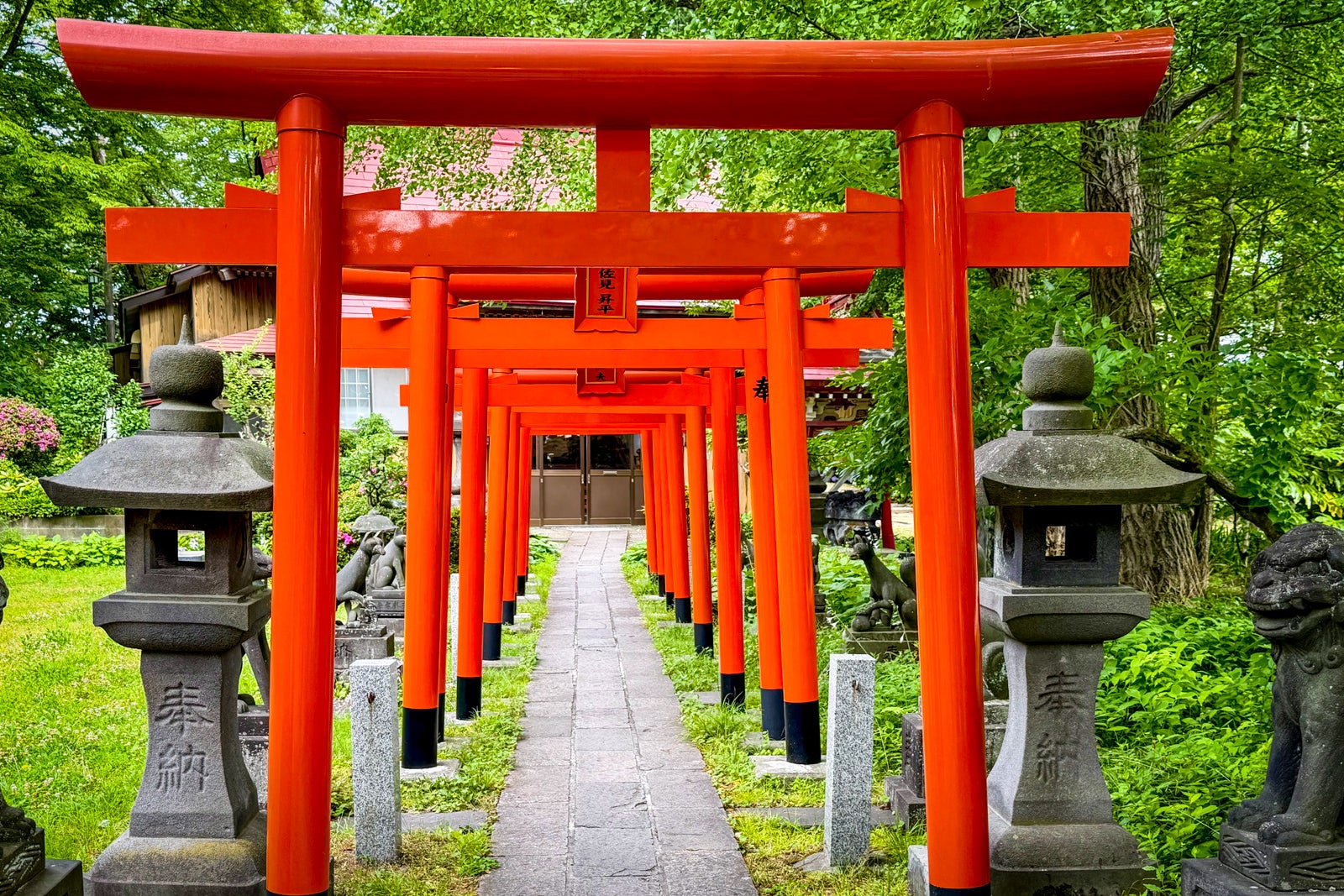
In tiny Sakaiminato (population of about 31,000), for me at least, that means wandering the nearby fishing village of Mihonoseki, where I watch locals working on their boats in between fishing runs and admire their freshly caught squid drying on lines. Sticking with the seafood theme, I also join a small group for a sushi-making class with a local chef and visit a famed Shinto shrine.
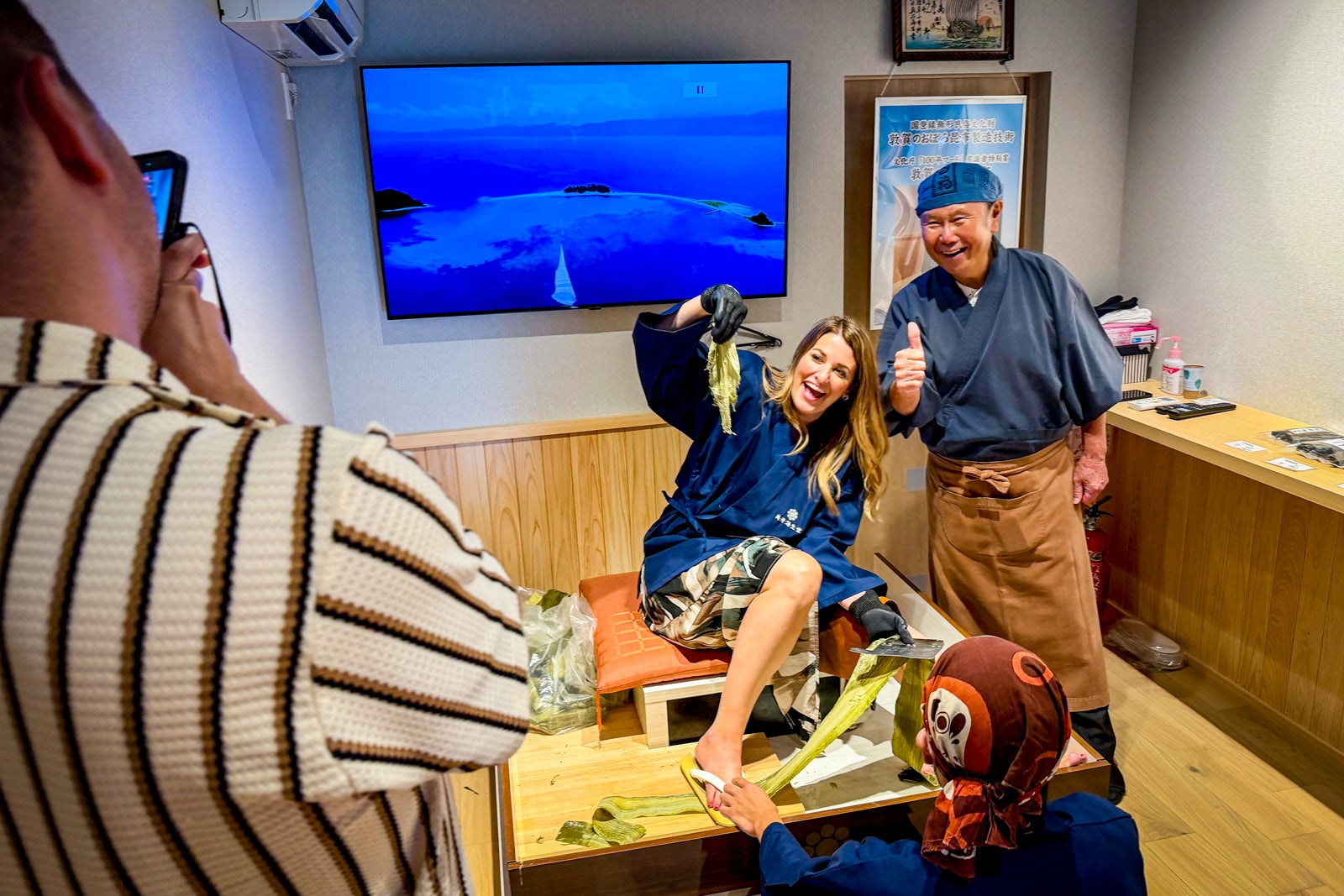
The next day in Tsuruga (population of about 60,500), it means touring a small, family-owned craft maker of high-quality aged kombu (kelp) that is a local specialty and prized by top-tier restaurants around the world. Its proud fourth-generation owner and "kombu master" shows several fellow passengers and me around.
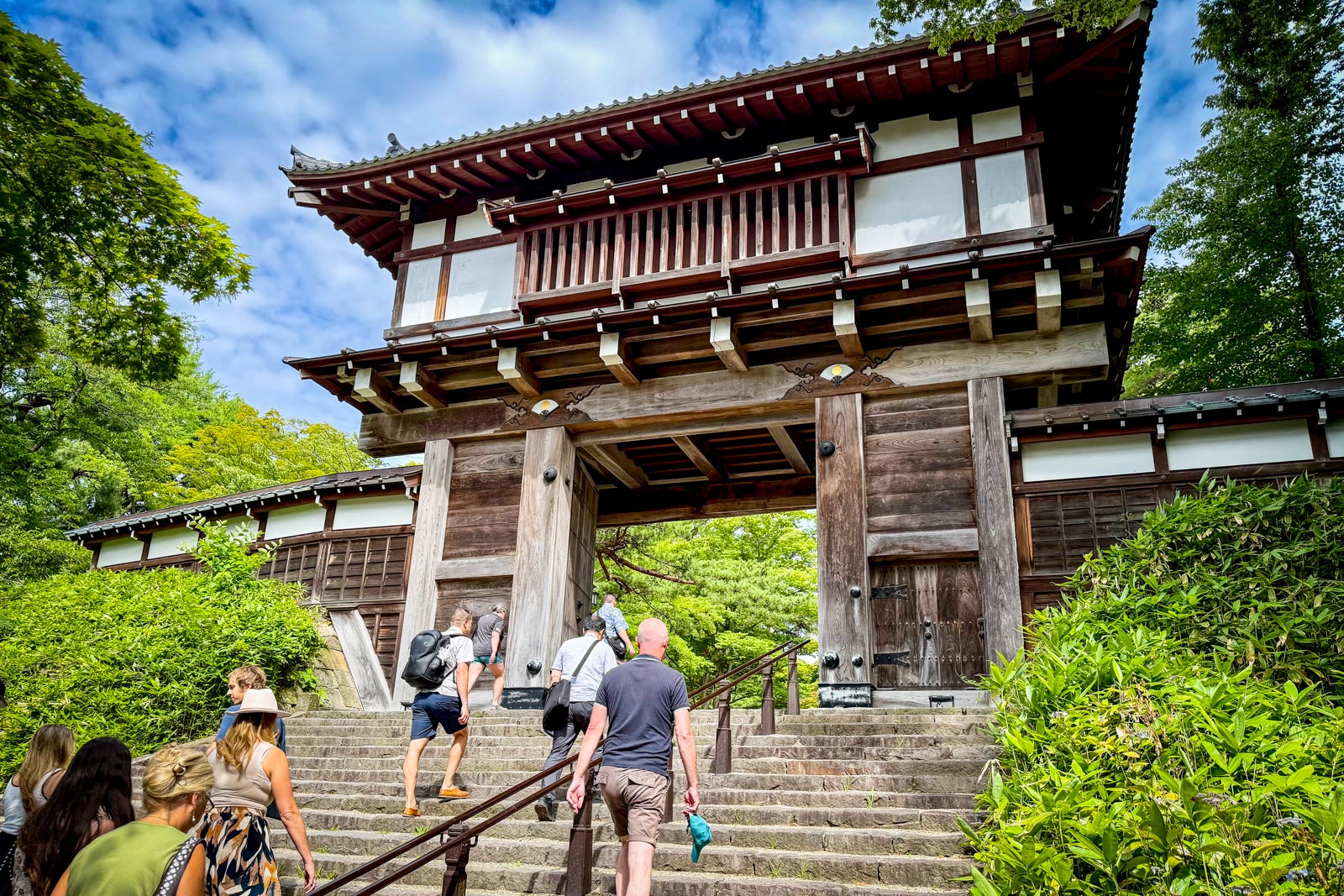
In Toyama (population about 402,100), it means a day trip to the mountainous region of central Japan known as the "Japanese Alps" to visit Shirakawa-go.
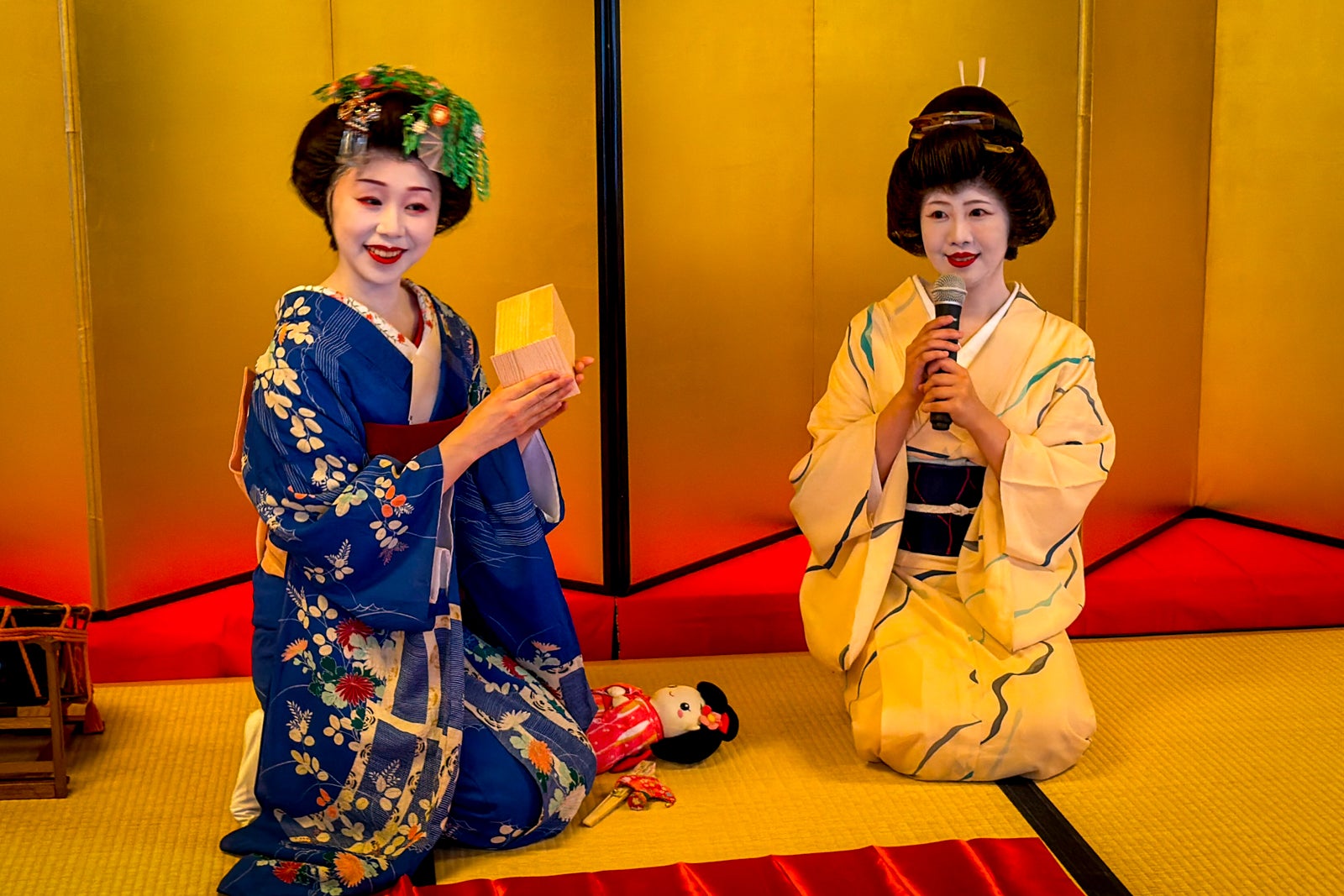
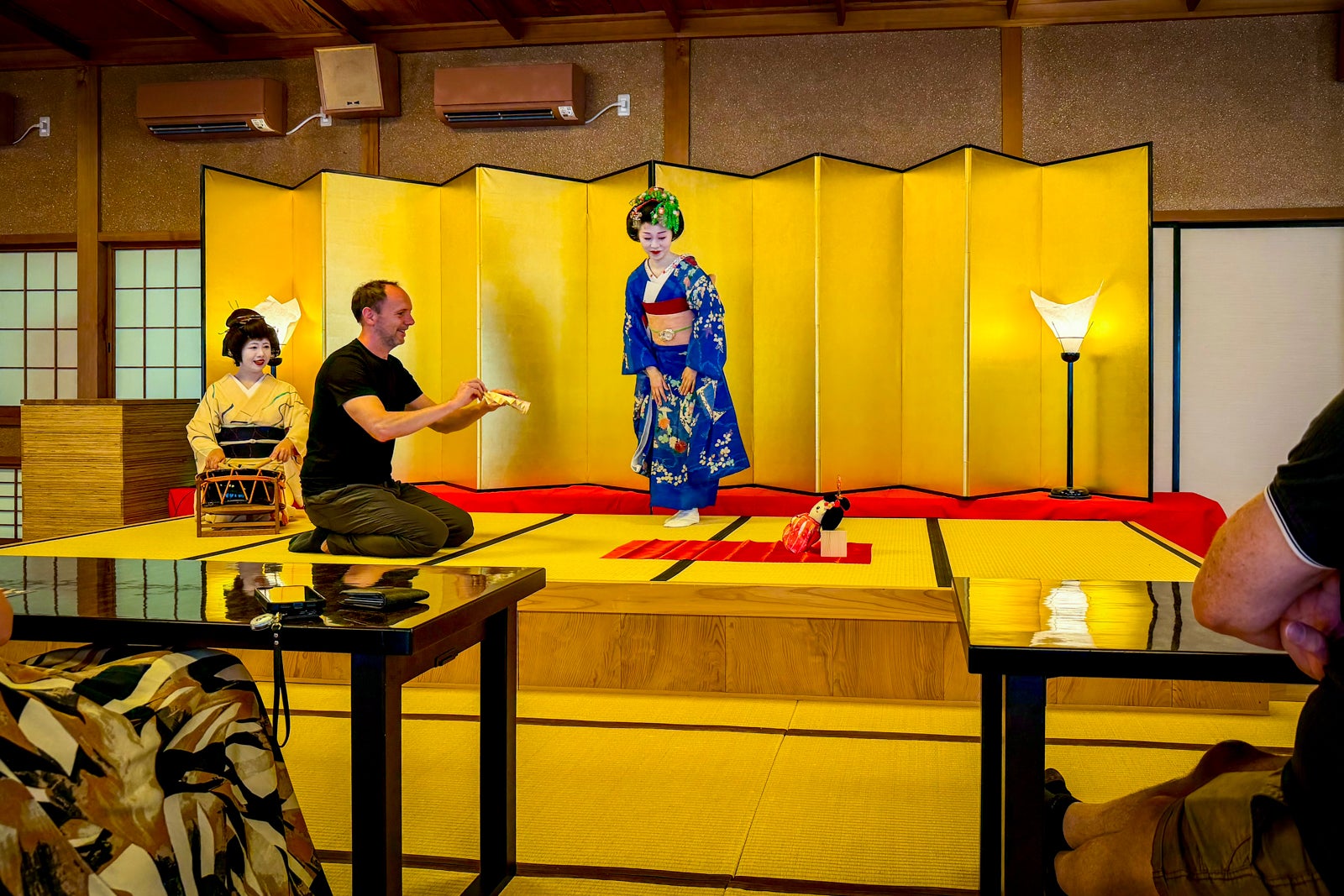
The stop in Akita, a city of around 293,000 in the remote Tohoku region of northern Japan's main island, brings my first encounter with the iconic Japanese performers known as geisha — in this case, apprentice geisha known as maiko — during a traditional tea ceremony and performance.
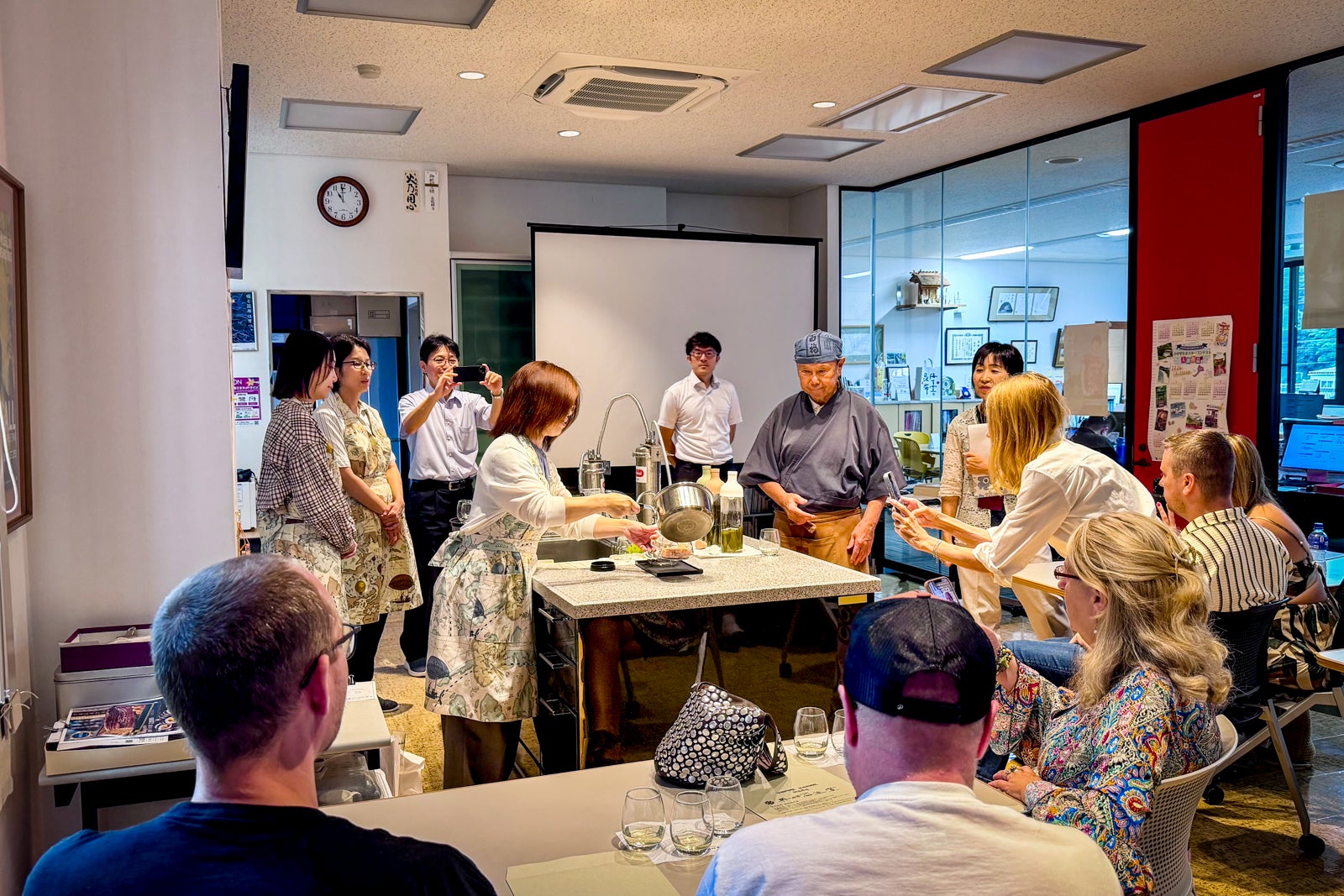
The stop in Akita also gives me a chance to reach the mountain-lined Ogachi Plain, about an hour from the city, where I learn about traditional miso and soy sauce brewing from the seventh-generation owner of a nearly 200-year-old, family-run brewery.
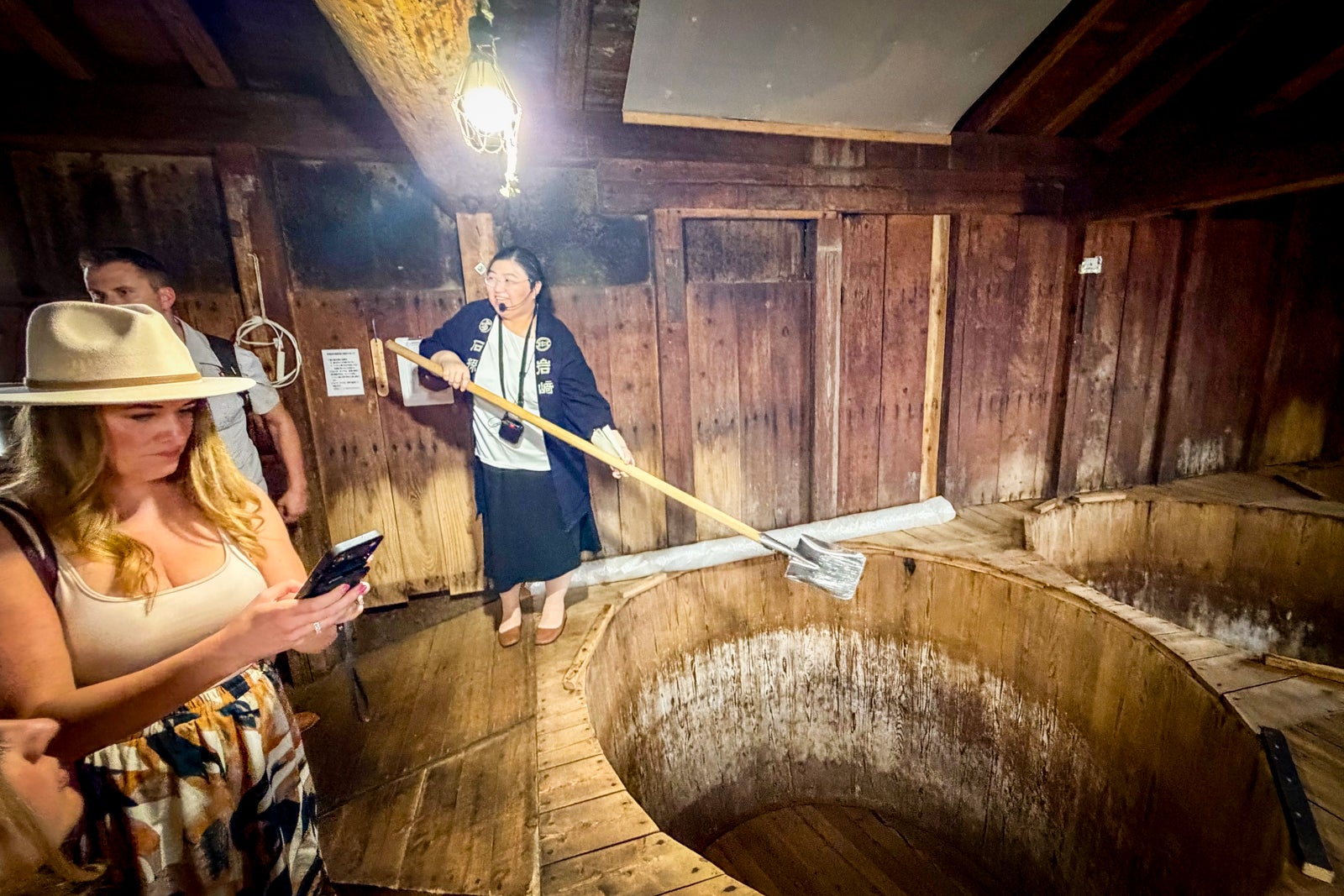
Often during these stops, it is the interaction with the locals — such as this small-business owner, Kana Ishikawa — that makes the outings magical. I love how Ishikawa personally walks several fellow passengers and me through her small brewery's labyrinth of workrooms, showing off the wooden Koji-buta (a sort of box tray) used to grow rice koji mold by hand, the giant aging barrels made of cedar and the century-old, coal-fired wheat roasting machine that is the last of its kind in all of Japan.
It is the sort of personal experience that you sometimes don't get in the big cities where most tourists to Japan go.
A moving stop at Nagasaki
Many of the places the ship stops, such as Akita, are far enough out of the way that they receive very few foreign visitors compared to Japan's big tourist hubs. Akita, for instance, sees fewer than 150,000 tourists a year, compared to nearly 29 million who visit Tokyo annually. Cruise ship visits to these ports are relatively rare.
But there is one additional port in Japan on our itinerary that is a much more common stop for visitors, particularly those arriving by cruise ship: Nagasaki.
In the far south of Japan, nearly 800 miles by road from Tokyo, the city is known the world over as the second and last city in the world destroyed by an atomic bomb. For that reason alone, it sees a steady stream of visitors, with hundreds of thousands coming each year just by cruise ship.
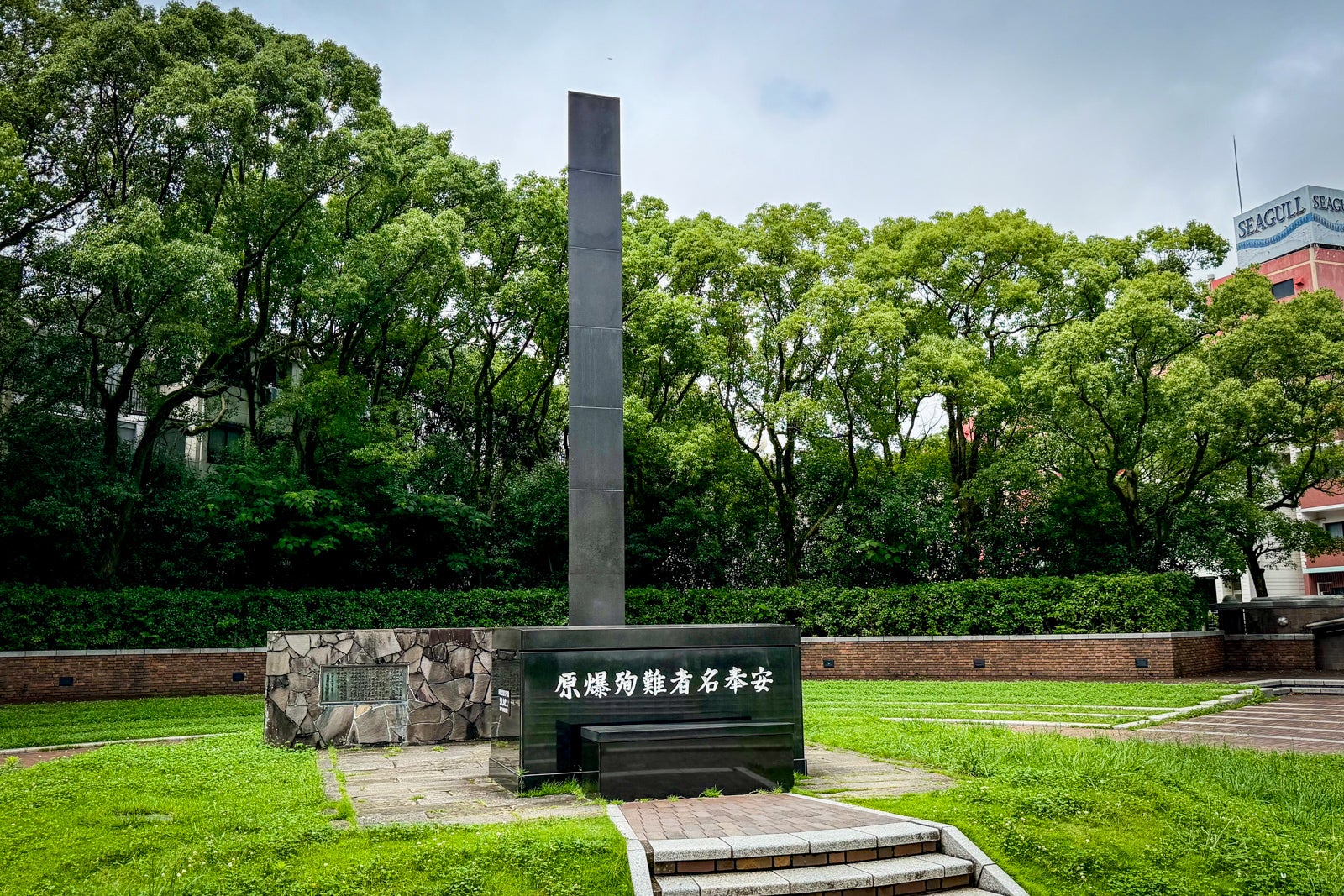
Many visitors to Nagasaki come specifically to pay their respects at the spot where the bomb detonated at 11:02 a.m. on Aug. 9, 1945, now marked by a simple, black monolith. Many also head to the sobering Nagasaki Atomic Bomb Museum on the hill above.
Thanks to its proximity to the Asian mainland (South Korea is just 193 miles away across the Tsushima Strait), Nagasaki also played an important role in trade with the outside world for centuries. Indeed, during Japan's self-imposed period of isolation from the 17th to 19th centuries, it was the only Japanese port that foreign traders were allowed to visit.
As a result, it is also home to historical sites from that era, most notably the artificial island of Dejima, where Dutch traders were confined during those years of trade.
My day tour of Nagasaki included a drive past the Dejima area, as we headed to Nagasaki Peace Park and the Atomic Bomb Museum.
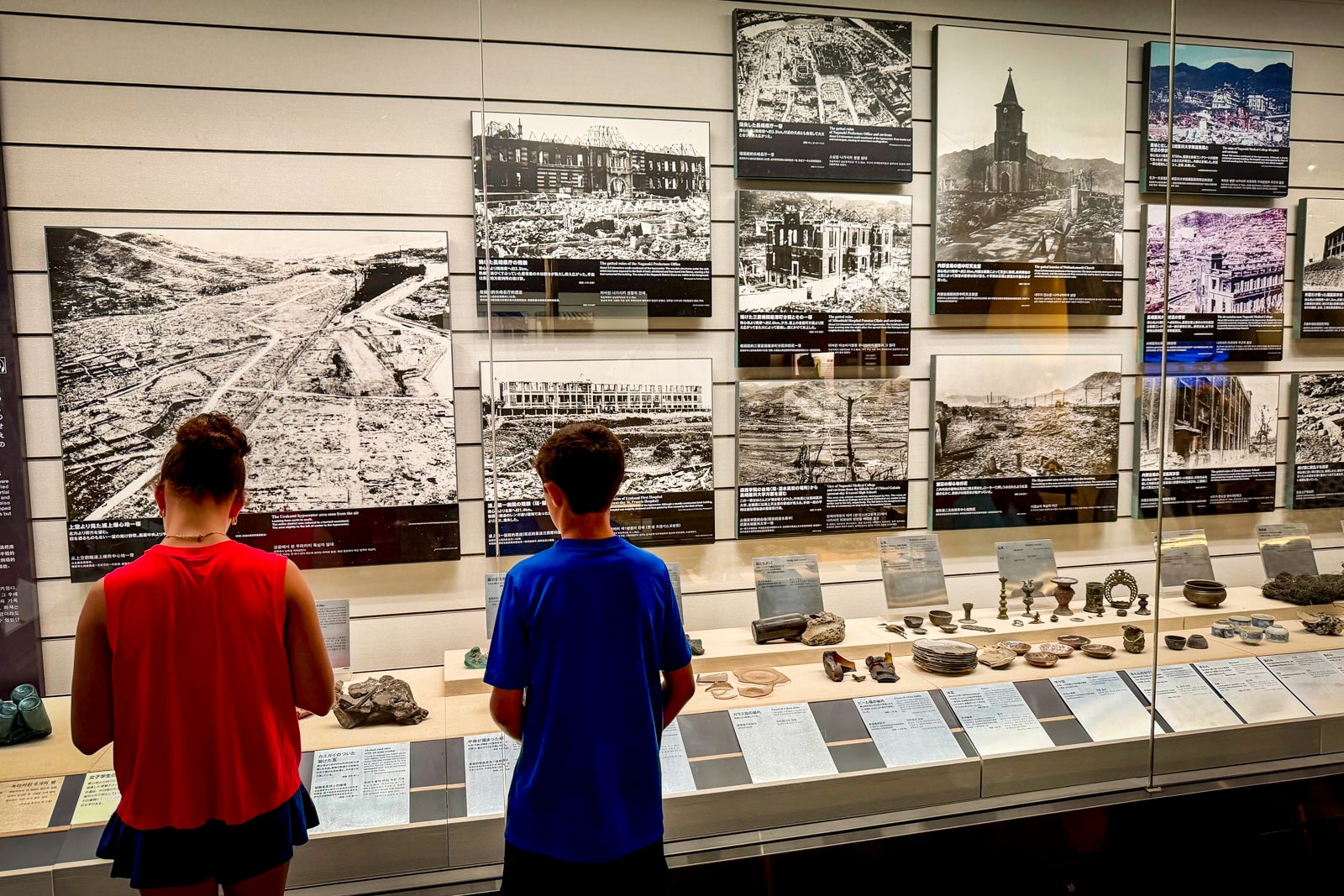
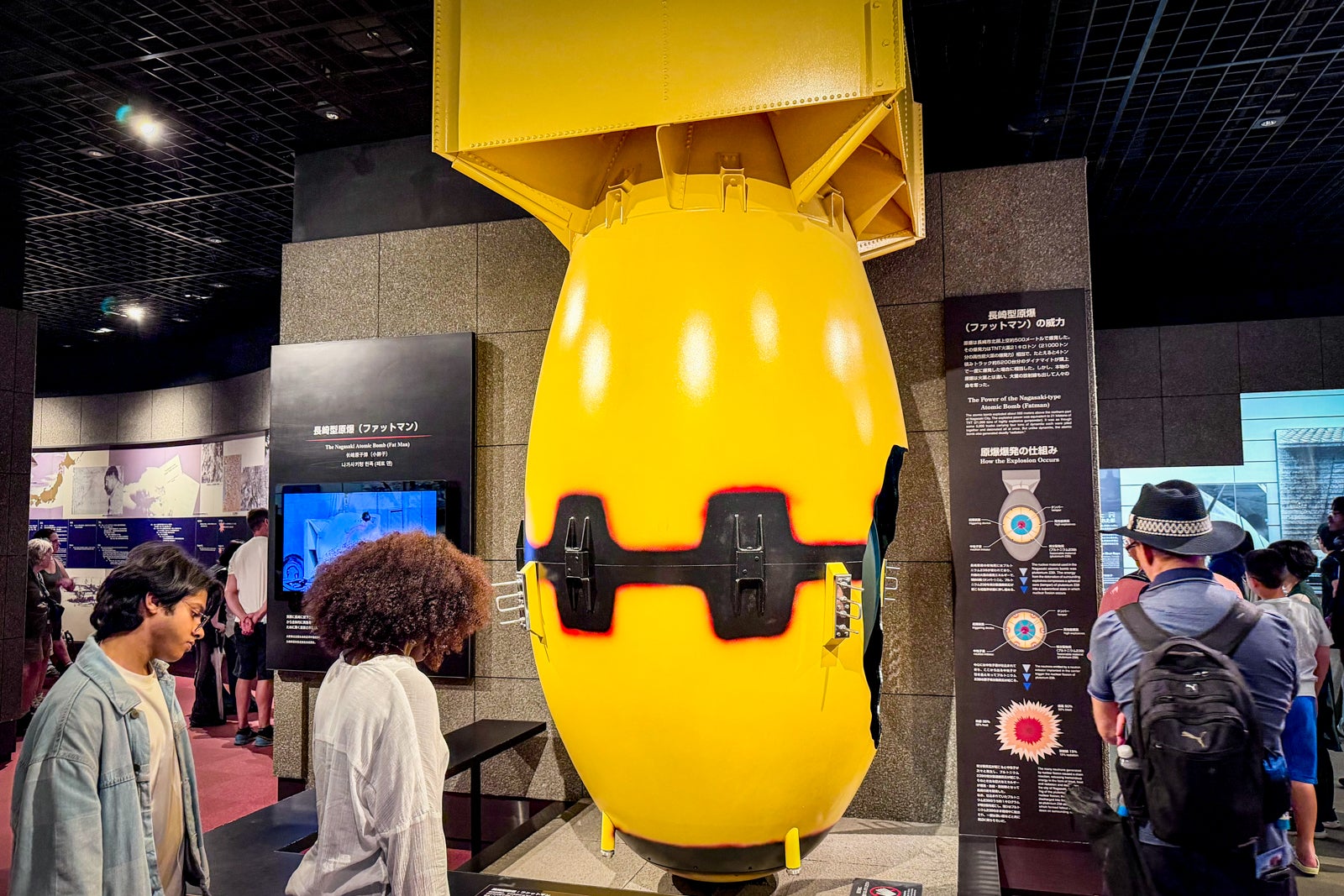
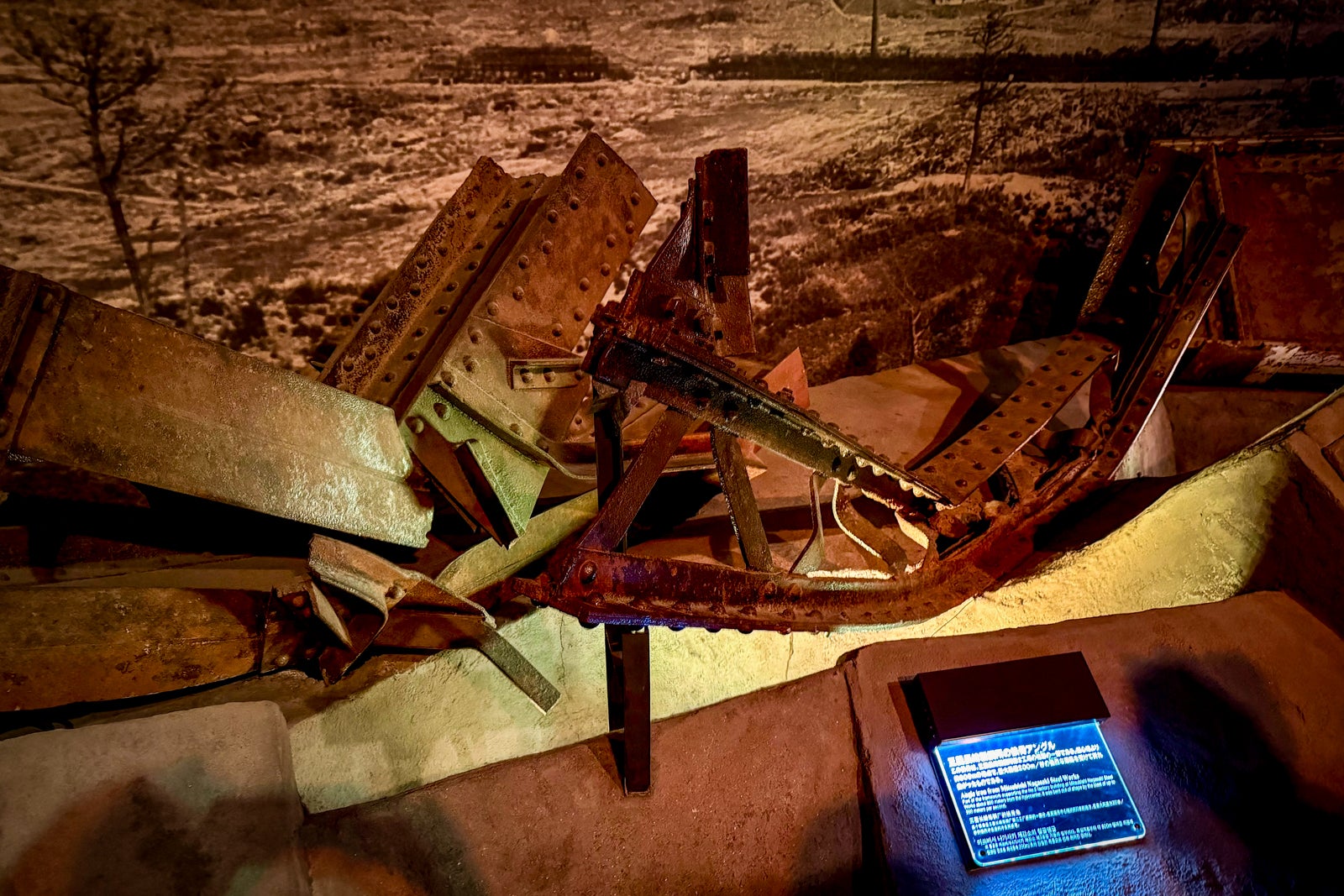
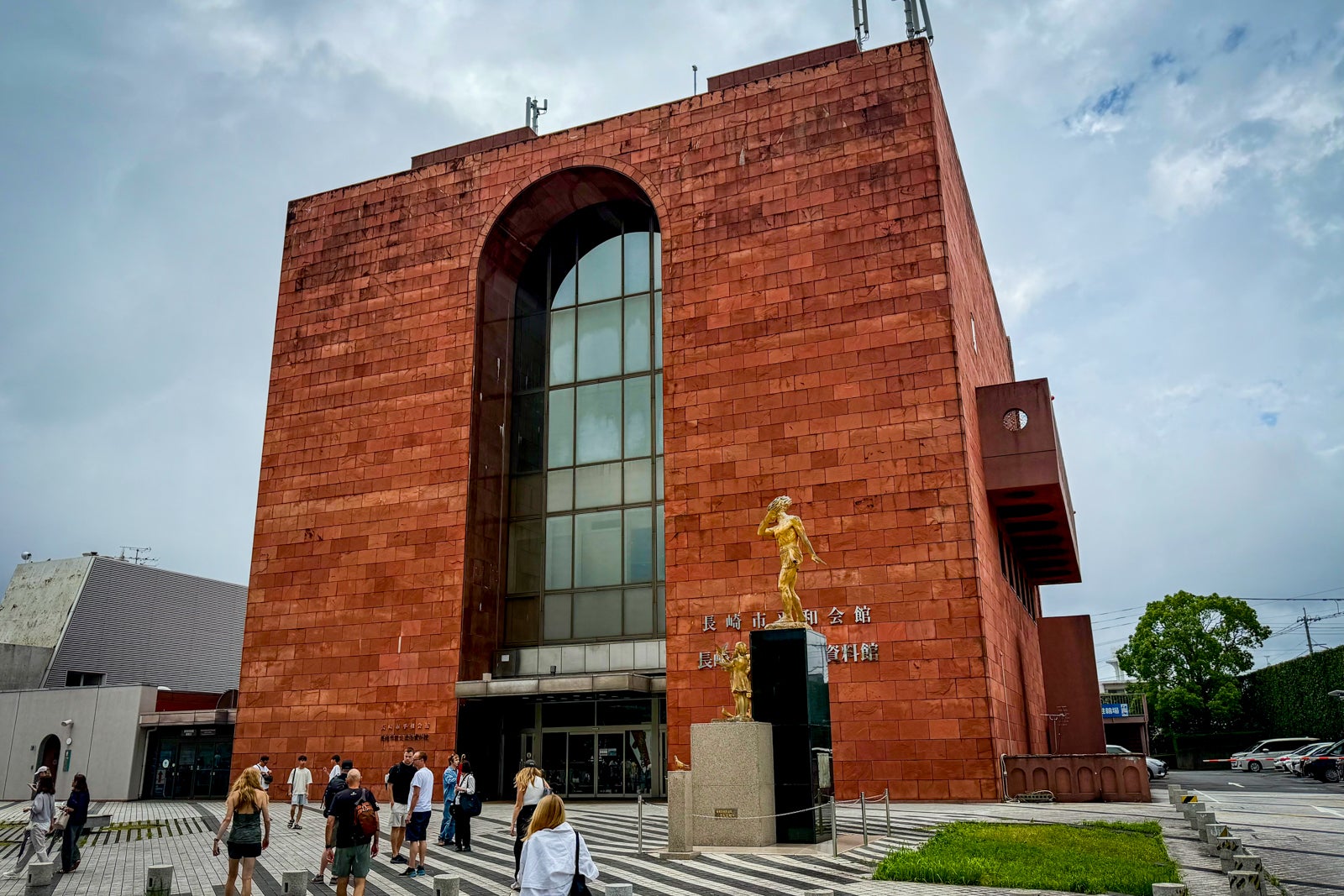
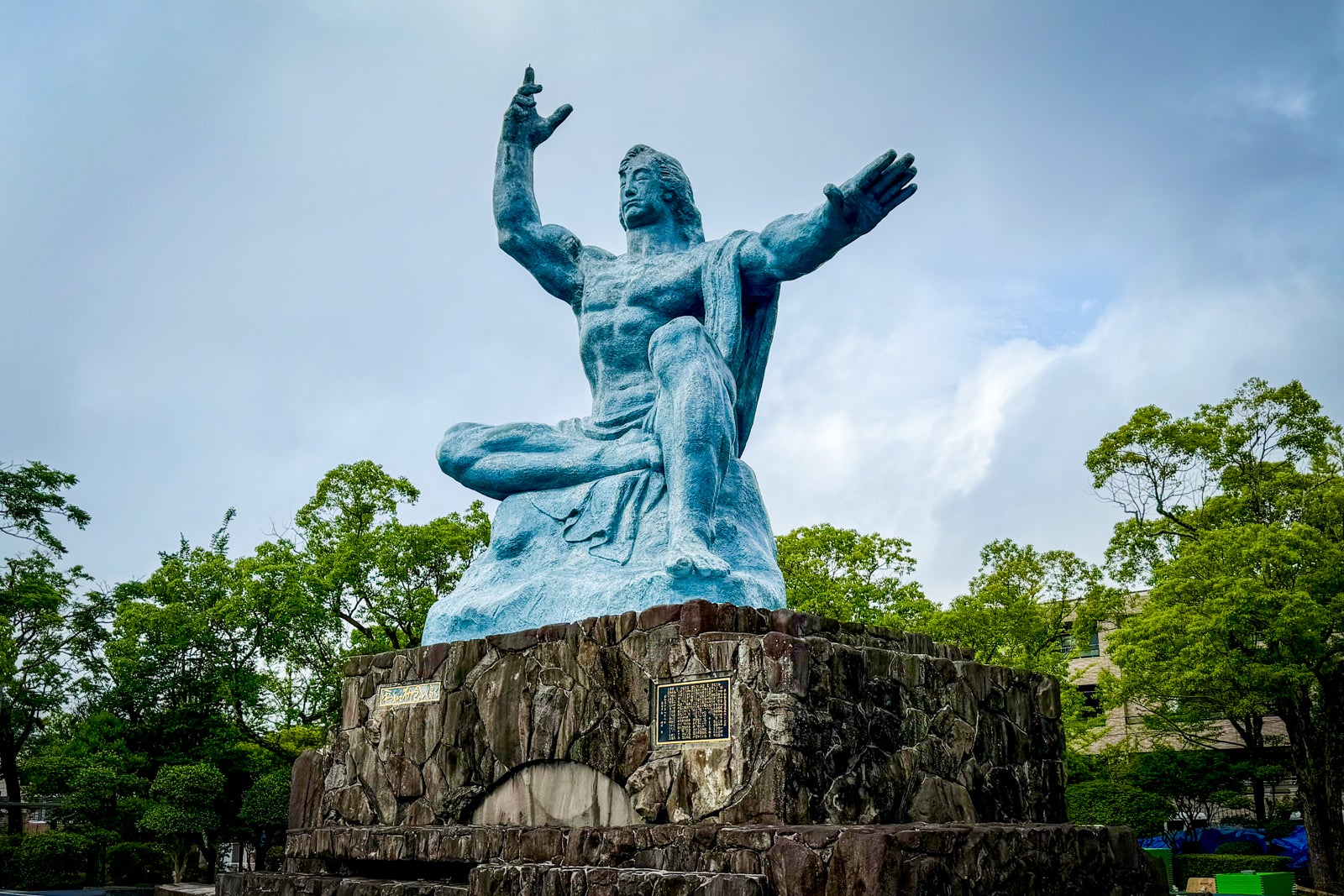
This was my third time visiting these sites over the past 15 years (the other two visits were also part of cruises), and I felt the same gut-punch of emotions as I had on the first two visits.
While relatively small, the Nagasaki Atomic Bomb Museum uses heart-wrenching photos and video, sometimes graphic, along with such found-amongst-the-rubble artifacts as a child's charred lunchbox and a clock stopped at the exact moment of detonation, to tell the horrific story of what happened.
Focusing on the immediate humanitarian and physical consequences of the blast, which killed an estimated 60,000 to 80,000 people, it's a museum that serves to educate visitors about the bombing and its effects.
The allure of visiting Nagasaki by ship
Nagasaki is a destination that, to me at least, is best seen as part of a cruise — either a Japan-focused sailing or a broader multicountry voyage around Asia. It's a common stop on both sorts of itineraries.
For the typical tourist arriving in Japan via Tokyo, Nagasaki is just plain difficult to reach any other way. Even using the famously fast Shinkansen "bullet trains" that criss-cross Japan, you'll spend nearly eight hours (and nearly $400, round-trip) getting there from Tokyo. Renting a car for the drive will take you even longer (nearly 14 hours, not including gas and food stops) and cost you more.
Flying cuts the transit time down to two hours from Tokyo, but it can also be pricey and requires a long transfer upon arrival in Nagasaki. (The airport in Nagasaki is far from the city center.)
Related: 10 best Asia cruises for a bucket list trip
Sailing into Nagasaki harbor, which is set inside a protective natural amphitheater of lush green mountains, also gives visitors a visceral sense of why the city was so strategically important for centuries — something you don't necessarily understand when arriving by land.
Deep, long and narrow, the harbor offered immense advantages for both trade and military defense — all of which is on display as you sail into the city.
As part of the sail-in, you also pass right by the giant Mitsubishi Heavy Industries shipyard, which was one of the main targets of the bomb, along with nearby munitions and steel factories. While damaged, it survived the blast as the bomb detonated nearly 2 miles further north than intended.
An added day in South Korea
The nine-night cruise around Japan that I am on stops at five Japanese ports and has two sea days while circling the country clockwise. But there is also one outlier stop beyond Japan: Busan, South Korea.
South Korea's second-largest city (after Seoul) and largest port pops up on lots of Japan-focused cruises, a seemingly incongruous addition until you understand the oddities of "cabotage" laws. These are laws that more than 100 countries, including Japan, have passed to put limits on foreign-flagged ships.
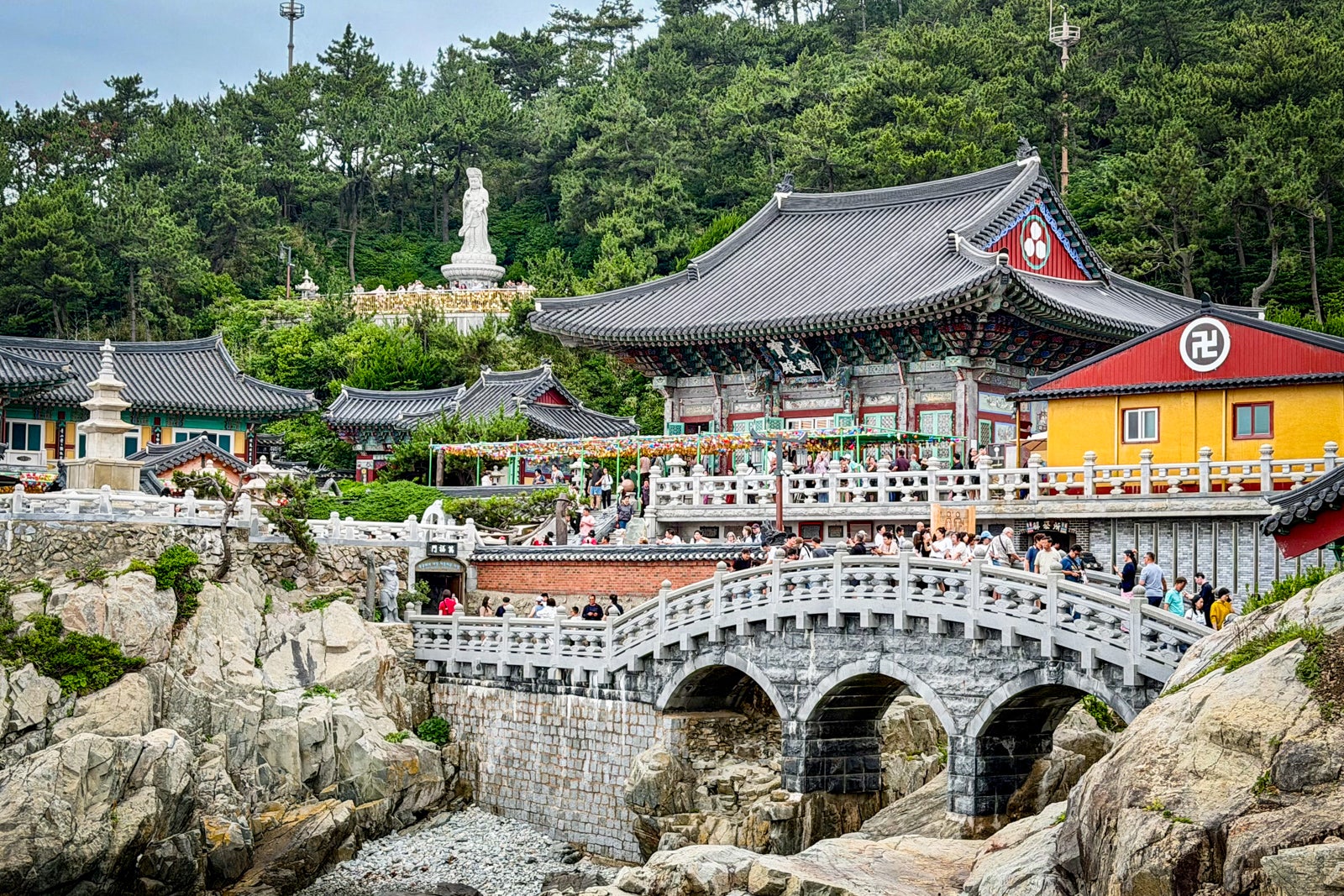
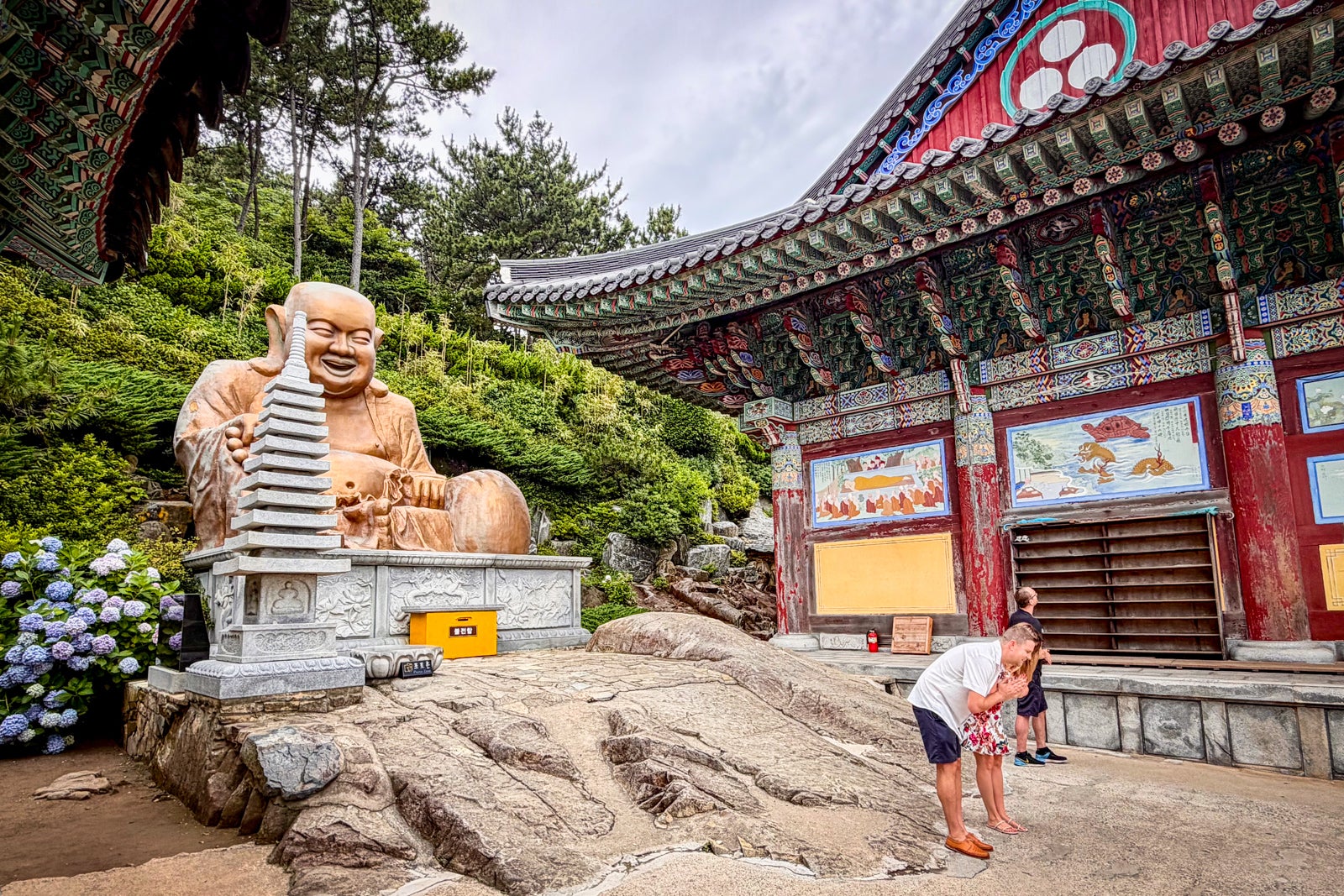
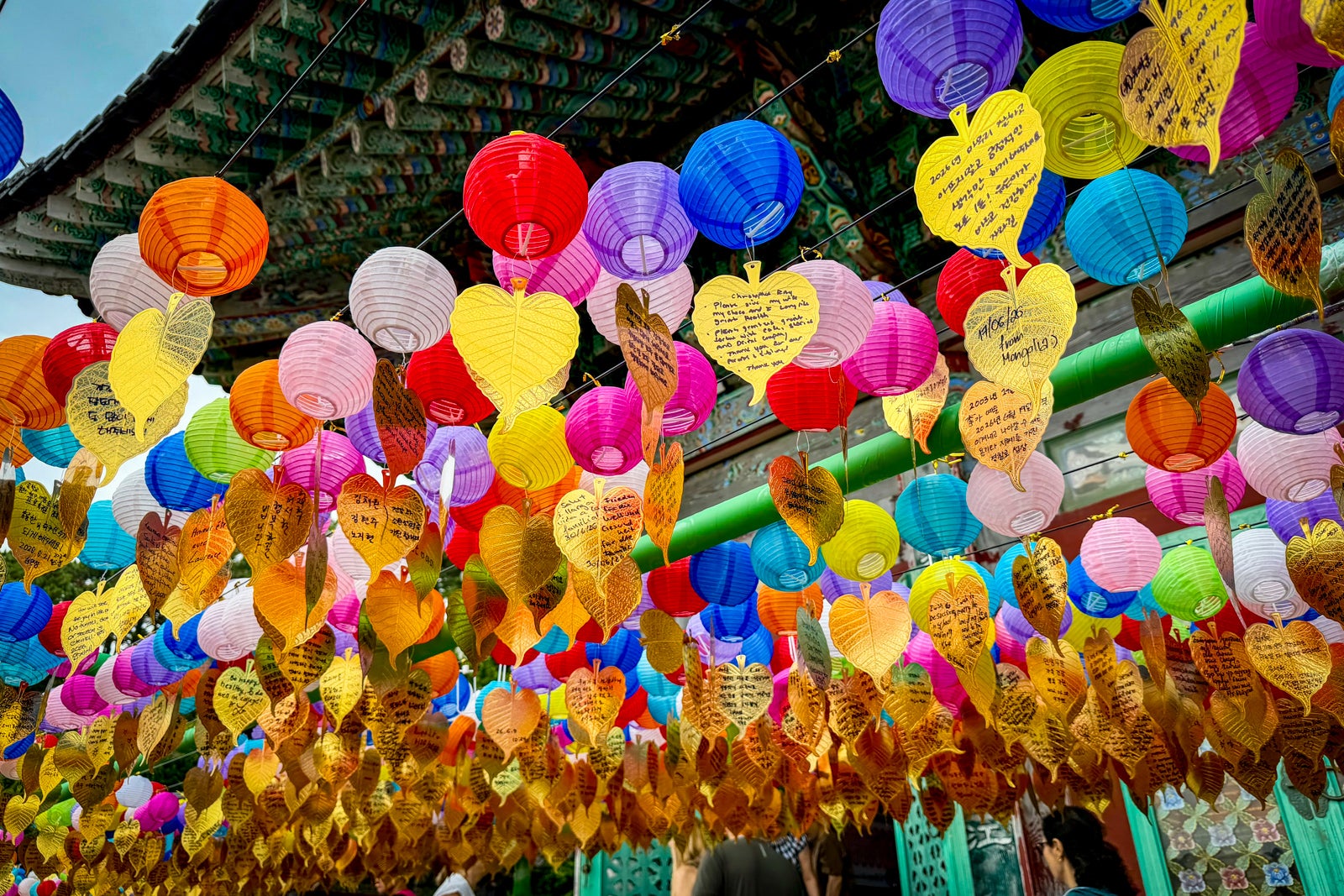
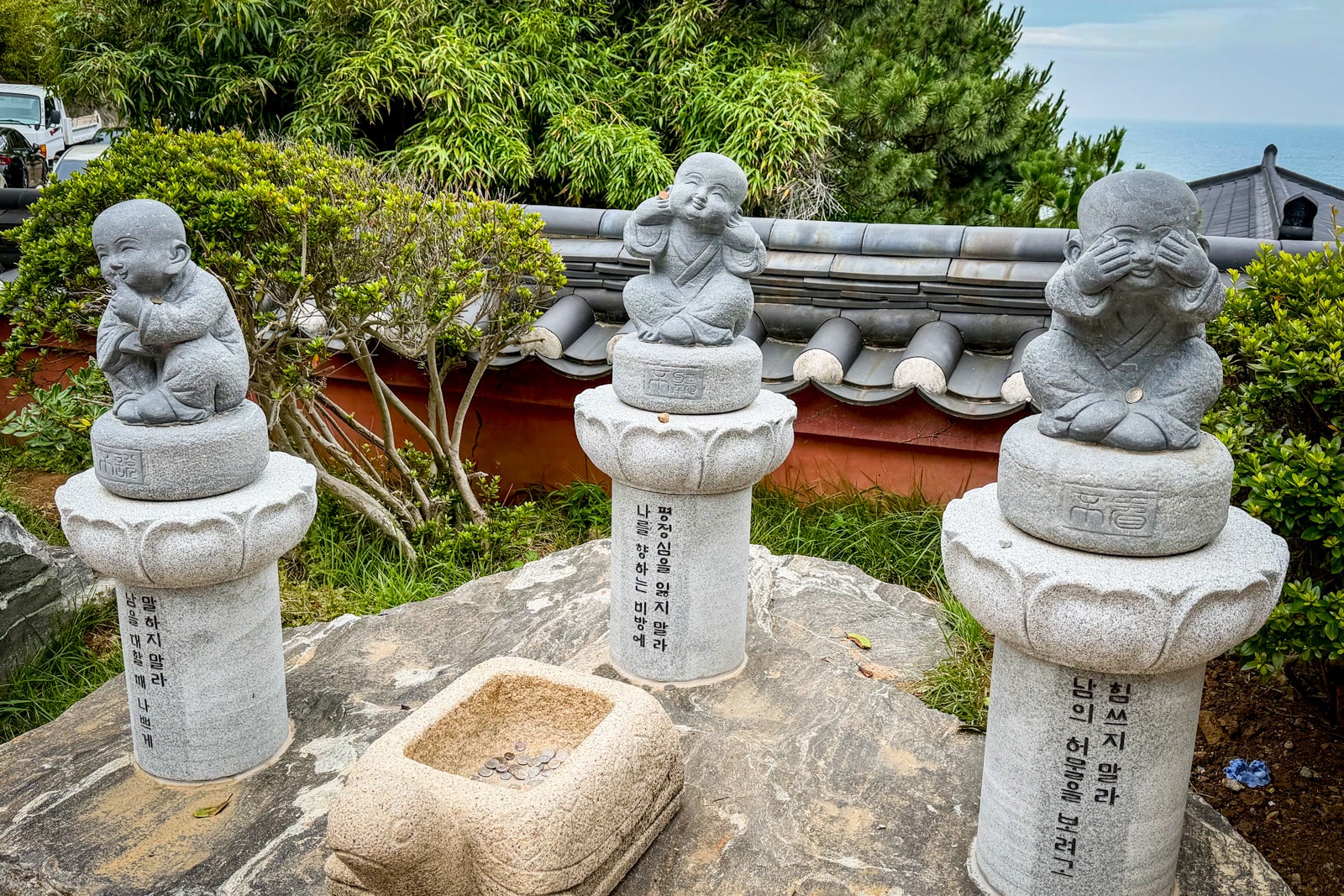
In a nutshell, the rule in Japan is that a foreign-flagged cruise ship (such as Diamond Princess, which is registered in Bermuda) can't offer a sailing around Japan unless it makes at least one stop in a foreign port. Busan's proximity to Japan makes it the perfect choice to tick that box.
But required or not, such Busan calls are a delightful addition to otherwise all-Japan sailings.
On previous cruises, I have relaxed on Busan's long sandy beaches to break up what often are touring-heavy days in Japan. The beaches in Busan are among its biggest allures.
But on this trip, I join a small group to visit Haedong Yonggungsa Temple, a Buddhist temple known for its stunning setting on a rocky coastal cliff overlooking the sea.
I also finally have the chance to experience the country's most iconic meal: Korean barbecue. I join my fellow passengers at a local Korean barbecue eatery where we grill our own meats over tabletop burners and wash it down with local beers.
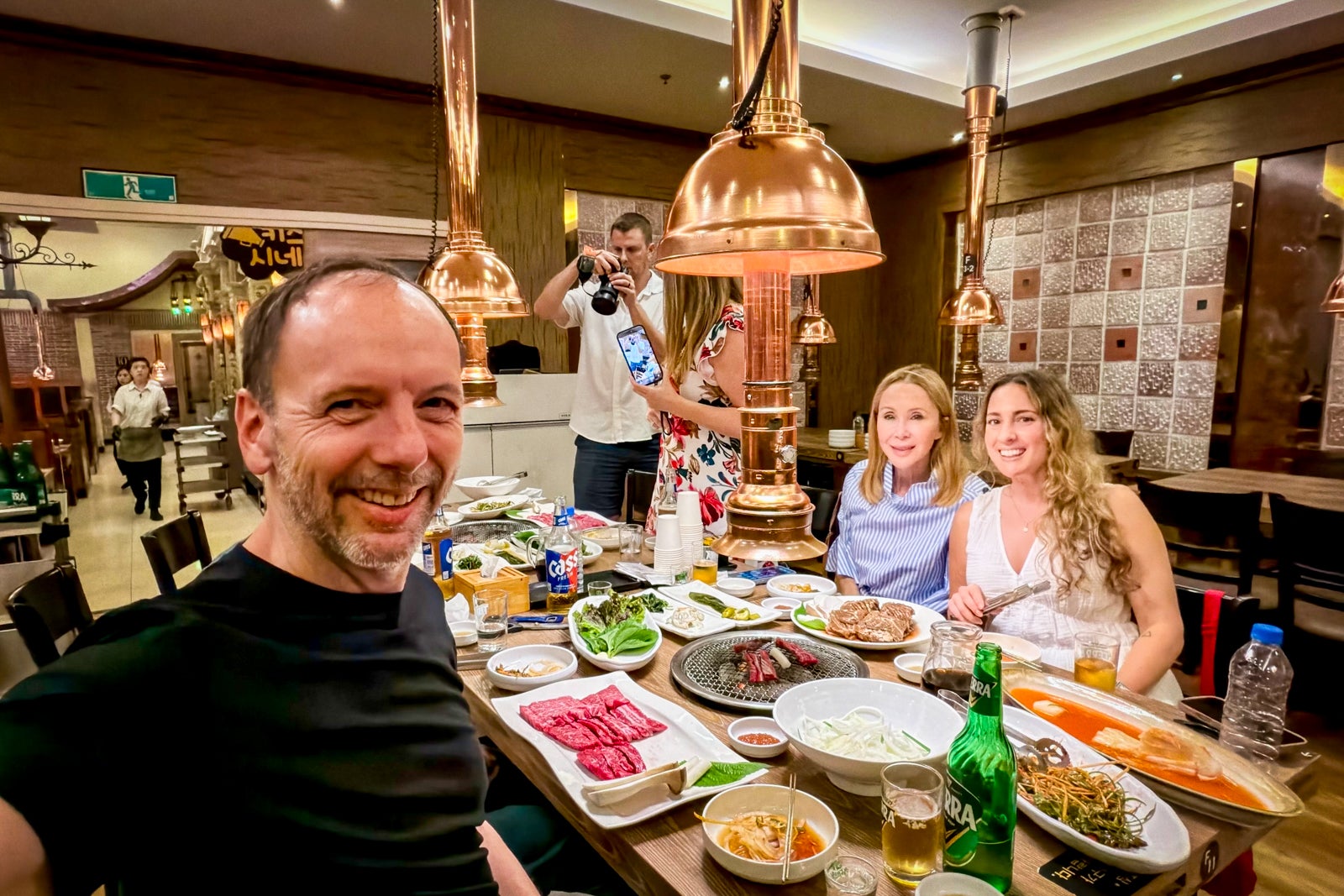
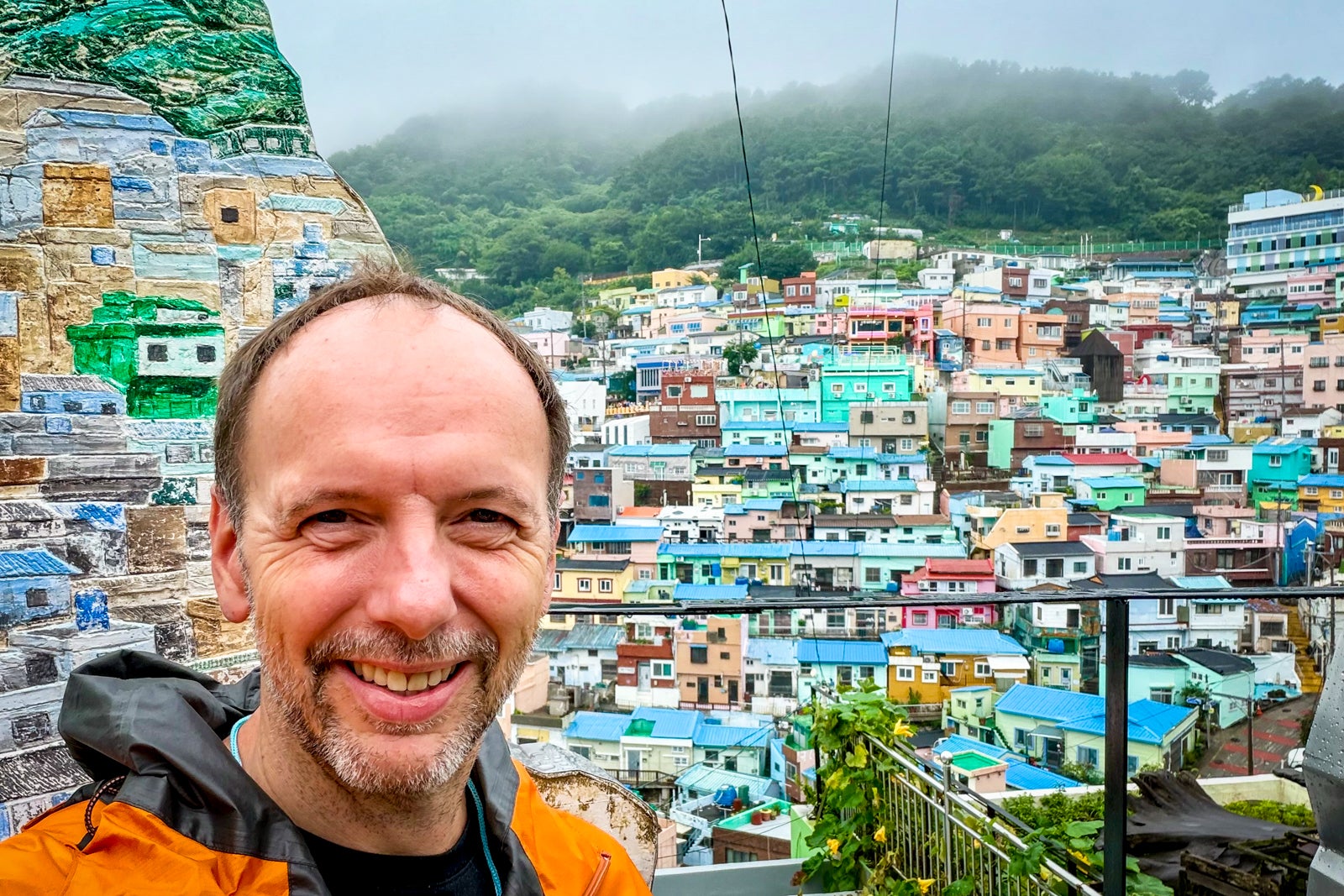
Add in a 30-minute ride along the coast on the fabulously touristy Haeundae Beach Train and a stop at the famously steep and colorful hillside neighborhood known as the Gamcheon Culture Village (sometimes called the Machu Picchu of Busan), and it is a wonderful day.
A taste of Japan at sea
It isn't just during port calls that Diamond Princess passengers get a taste of Japan.
Permanently dedicated to Japan for much of the year, Diamond Princess has been retrofitted to give it a distinct Japanese flavor.
Related: A beginner's guide to river cruising in Asia
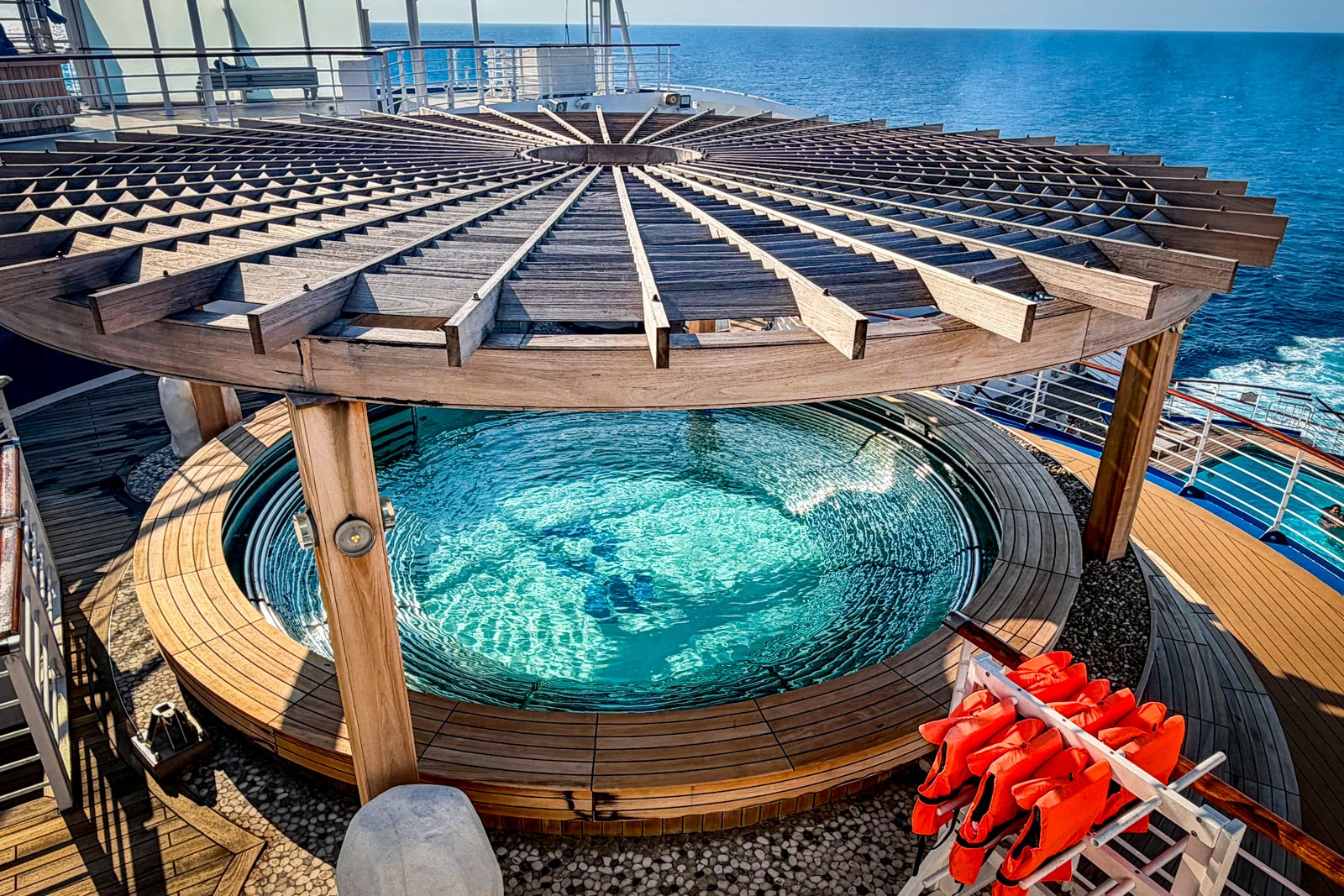
It is, notably, the only major international cruise ship with its own traditional Japanese-style bathhouse, or onsen as they are known in Japan. It was added during a dry dock in 2014.
The ship also has one of the best a la carte sushi restaurants at sea (Makoto Ocean), designed by James Beard Foundation-recognized sushi master Makoto Okuwa, and its main restaurants and Horizon Court buffet feature traditional Japanese cuisine alongside Western fare.
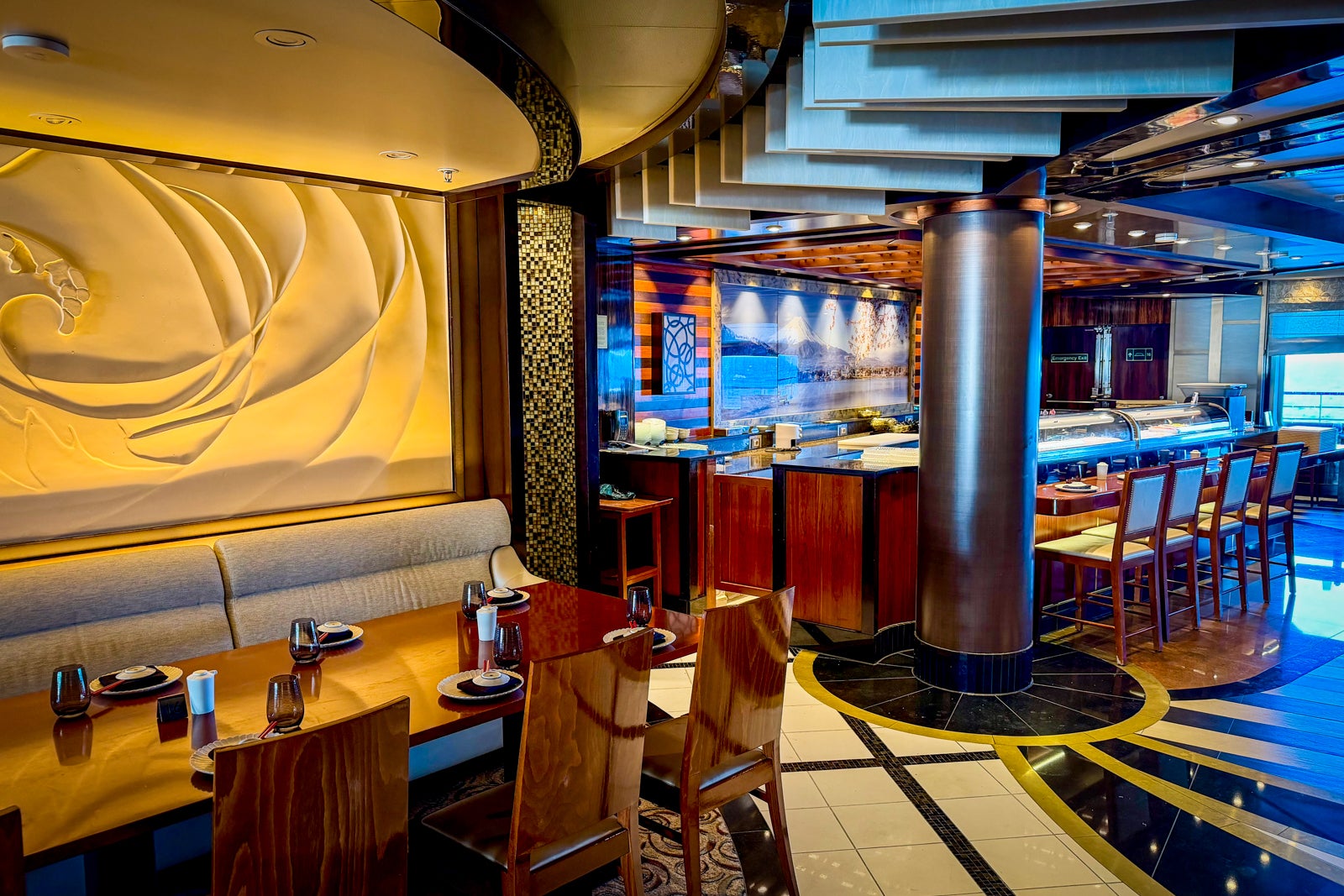
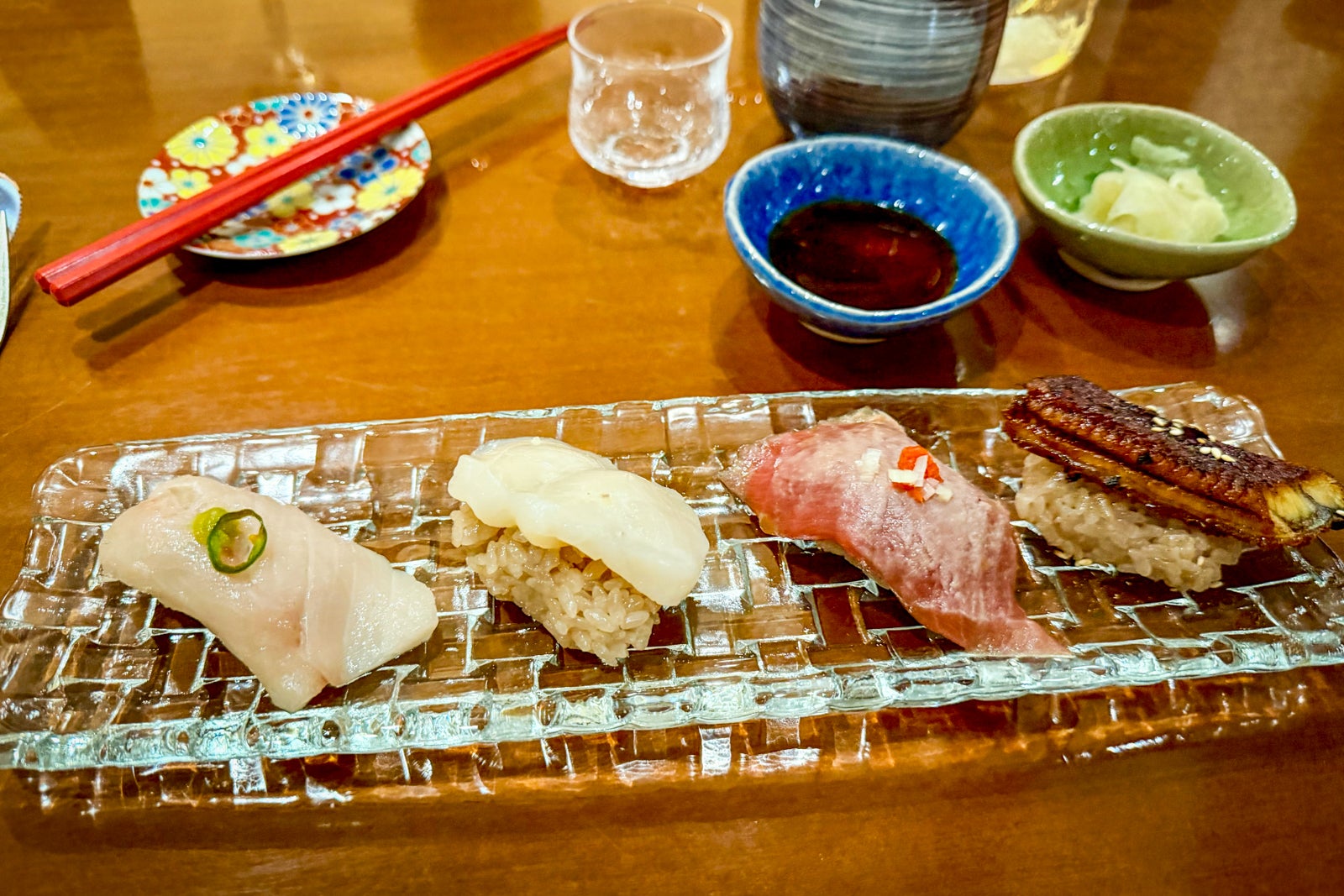
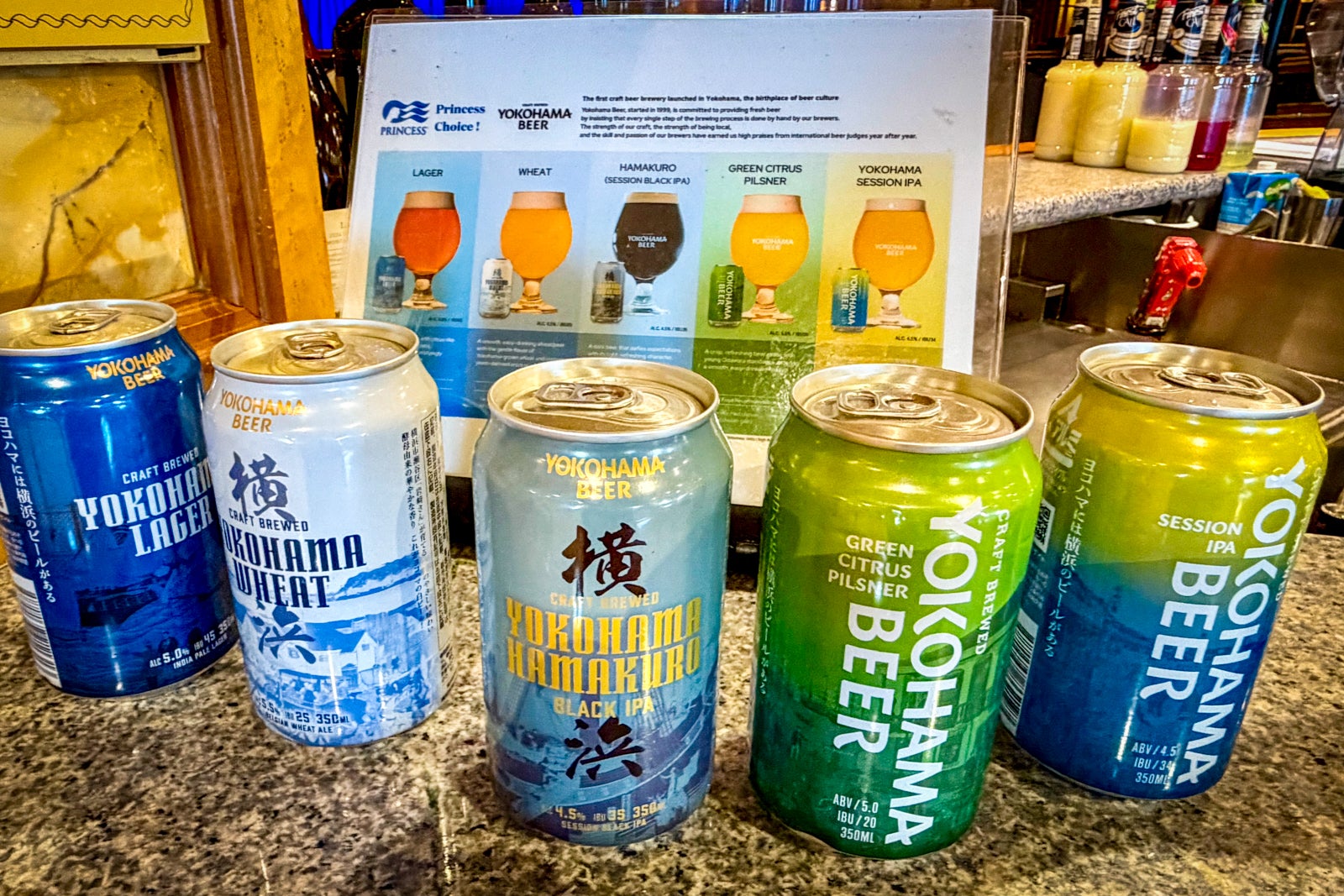
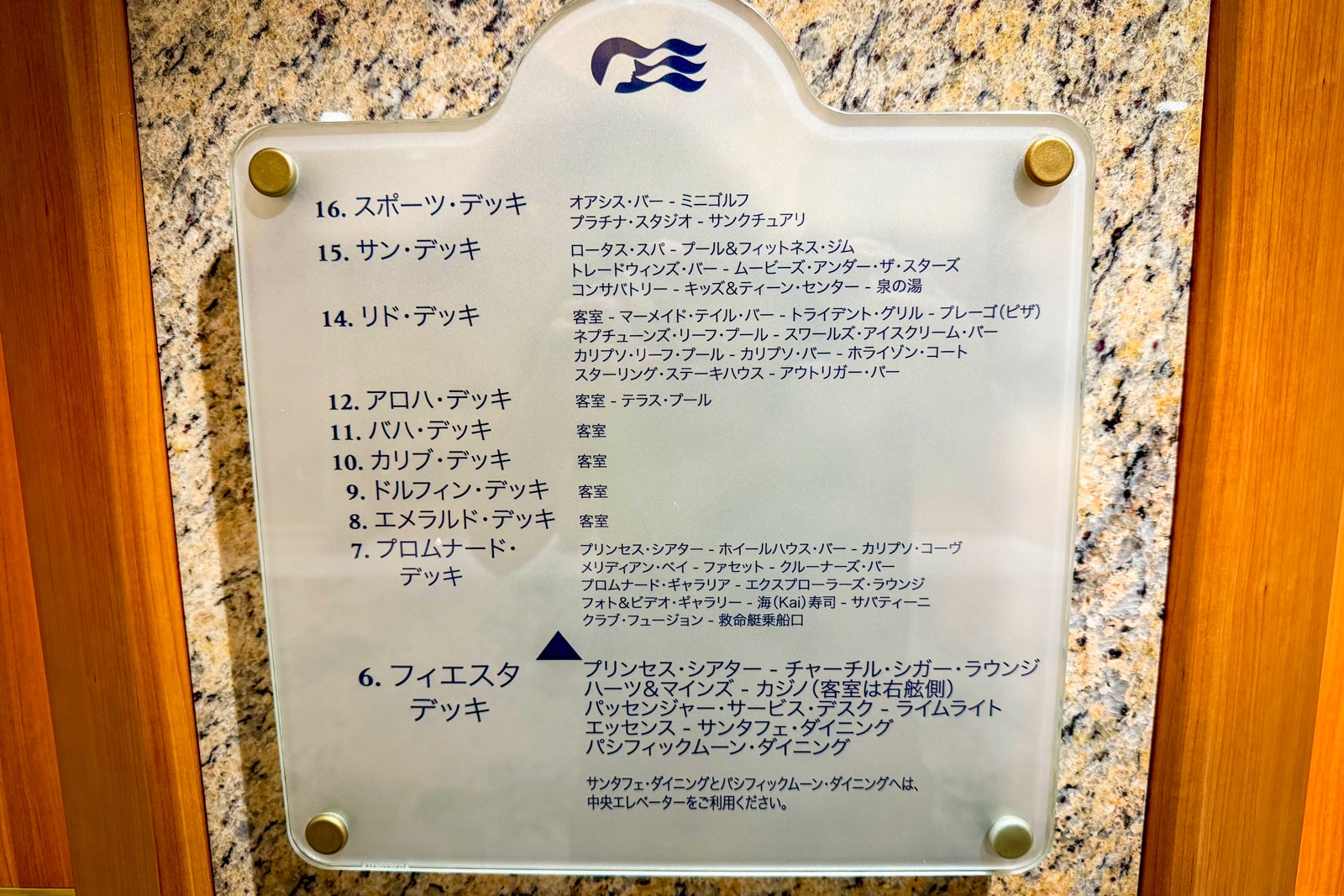
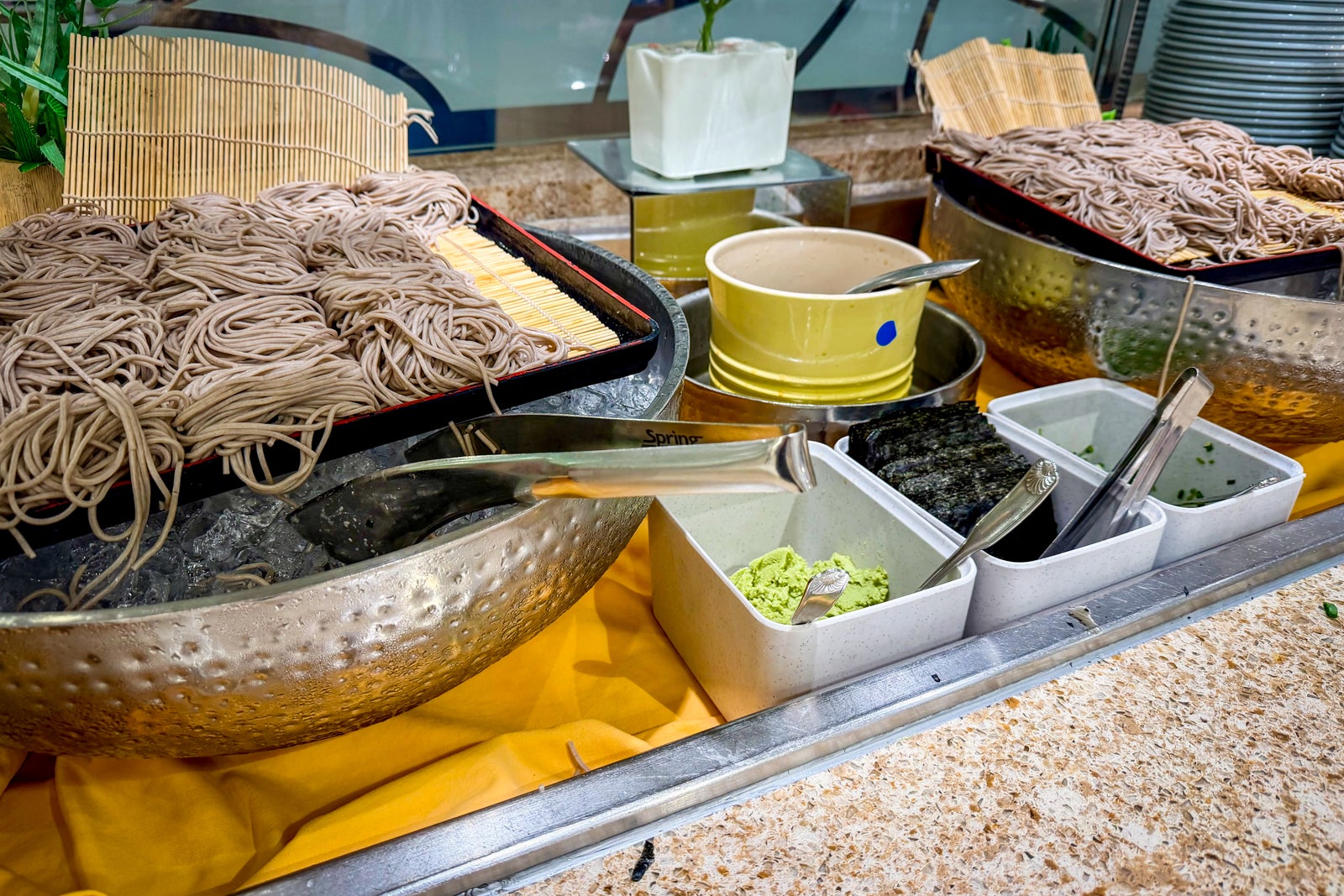
Additionally, onboard announcements are in both Japanese and English, as are signs and menus; entertainment such as nightly karaoke is designed for speakers of both languages.
Many of these features were added specifically to lure Japanese vacationers, who are a core market of the ship's around-Japan sailings.
But no matter what your nationality, it makes for a very tied-to-the-local culture onboard experience that you don't often find on cruise ships.
I particularly loved relaxing in the Japanese baths, called Izumi, which uphold the long Japanese onsen bathing tradition tradition with areas where you can soak in multiple heated pools completely naked (there are separate areas for men and women). Just note that the baths come with an extra charge of $39 for two hours. Full day and length-of-cruise passes are also available.
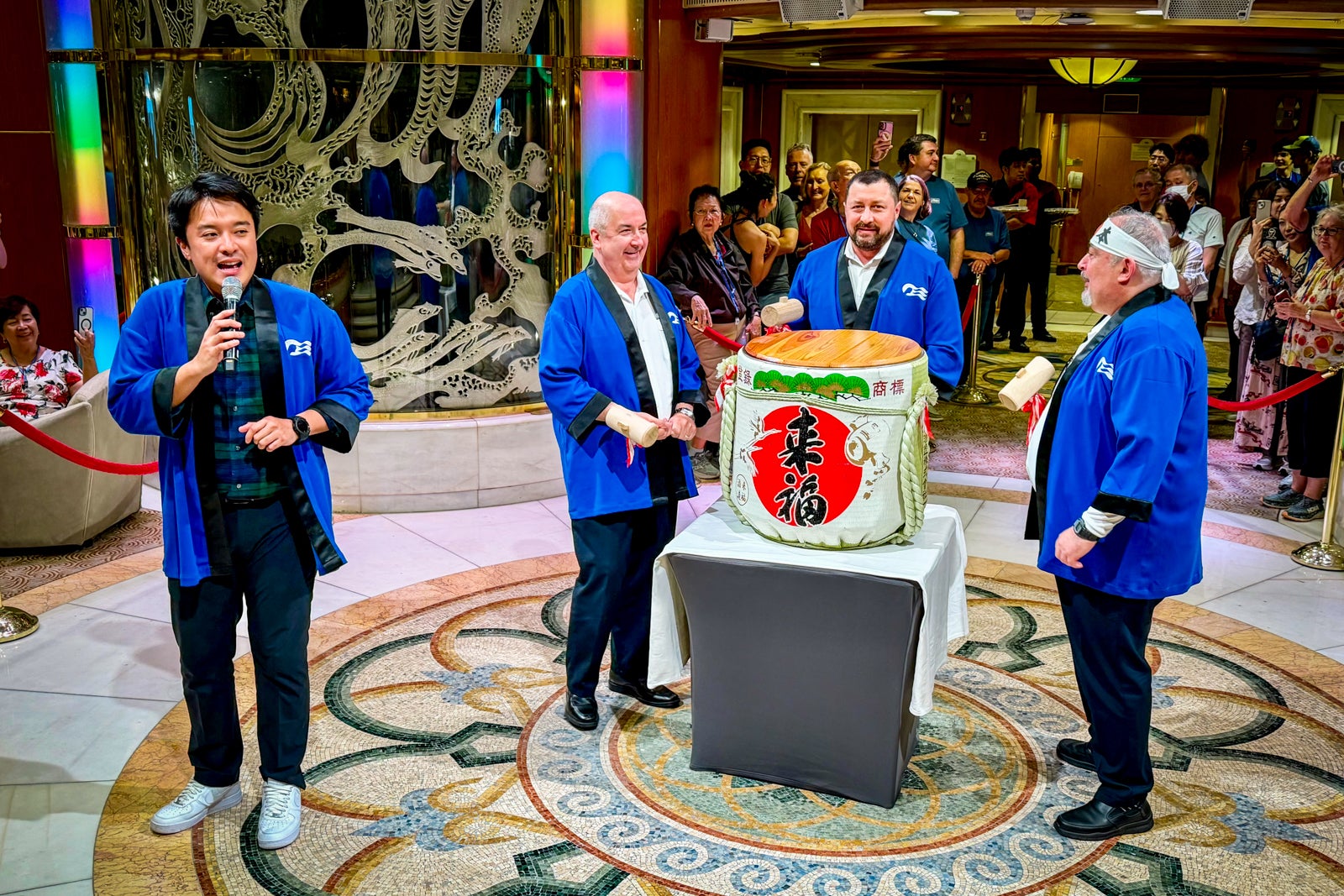
But perhaps my favorite onboard experience was the nightly karaoke sessions in the middle-of-the-ship Explorers Lounge or Club Fusion nightspot. Everyone sang classic songs from their home countries, and it was a fun celebration of cultures coming together.
Sea days also offered tastes of local culture, including traditional Bon Odori dance classes, lessons in wearing the Japanese summer kimono (known as a yukata) and origami.
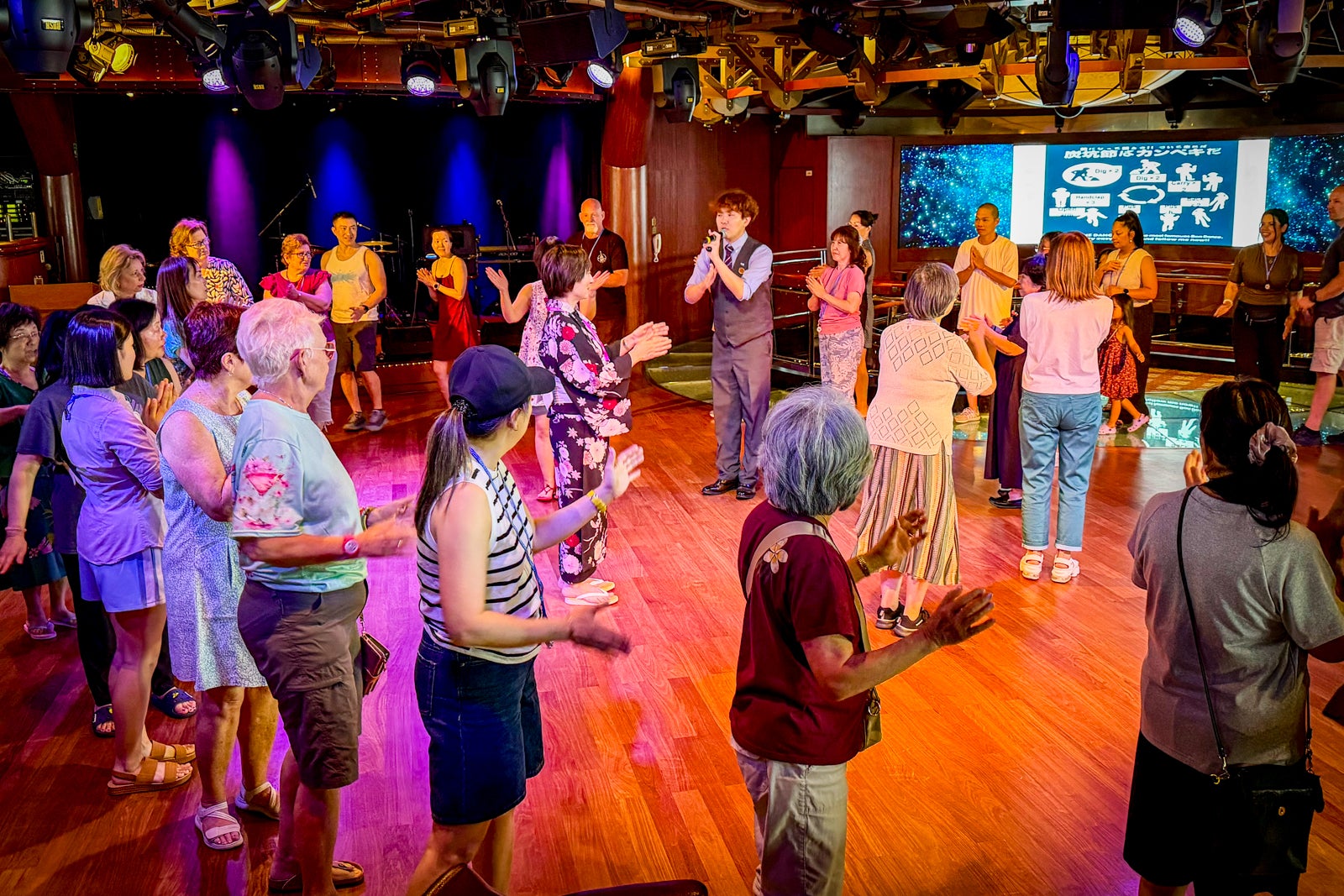
For the English-speaking passengers on board, there were also Japanese-language classes.
Based in California and best known among American travelers, Princess first dipped its toe into Japan-focused cruises in 2013 with a handful of sailings. It has steadily grown in the market to become by far the largest Japanese cruise operator among international cruise brands.
In recent years, Princess has deployed not just Diamond Princess but also its sister ship, Sapphire Princess, to the market for a significant part of each year, with the coming 2027 season being its biggest yet for Japan departures.
The choice of ships for Japan service wasn't accidental, as both were built in Japan at the Mitsubishi Heavy Industries shipyard in Nagasaki, making them among the very few modern cruise ships ever built in the country.
A variety of itinerary options
For 2027, Diamond Princess and Sapphire Princess together will operate more than 60 departures of Japan-focused sailings ranging from seven to 28 nights in length.
What they all have in common is that they bring travelers to lesser-visited parts of Japan, away from its main tourist destinations, and, in some cases, include a full circumnavigation of the country.
In many cases, the departures are one-of-a-kind or repeated only a few times, with every back-to-back sailing featuring different port stops. The idea is that you can combine two or more sailings in a row to create a longer Japan sailing where, for the most part, the ports are always new.
In addition to the port cities on my nine-night Circle Japan sailing, there are itineraries that will take you to all four of Japan's main islands and the ports of Hiroshima, Hakodate, Nizawa, Shimizu (for Mount Fuji), Kobe (for Kyoto) and Kagoshima, among others.
Unveiled in 2004, Diamond Princess isn't a new ship, and it shows its age in places. But it's a lively and fun ship, available at an affordable price, and it's part of the Princess class of vessels that (in my opinion, at least) is the perfect size for global exploration.
Measuring 115,875 gross tons, Diamond Princess is about 35% smaller than the newest Princess ships (and less than half the size of the world's biggest cruise ships), which is a good thing when touring a place like Japan, as it means it can get into smaller ports that big ships can't visit.
Related: The 4 classes of Princess ships, explained
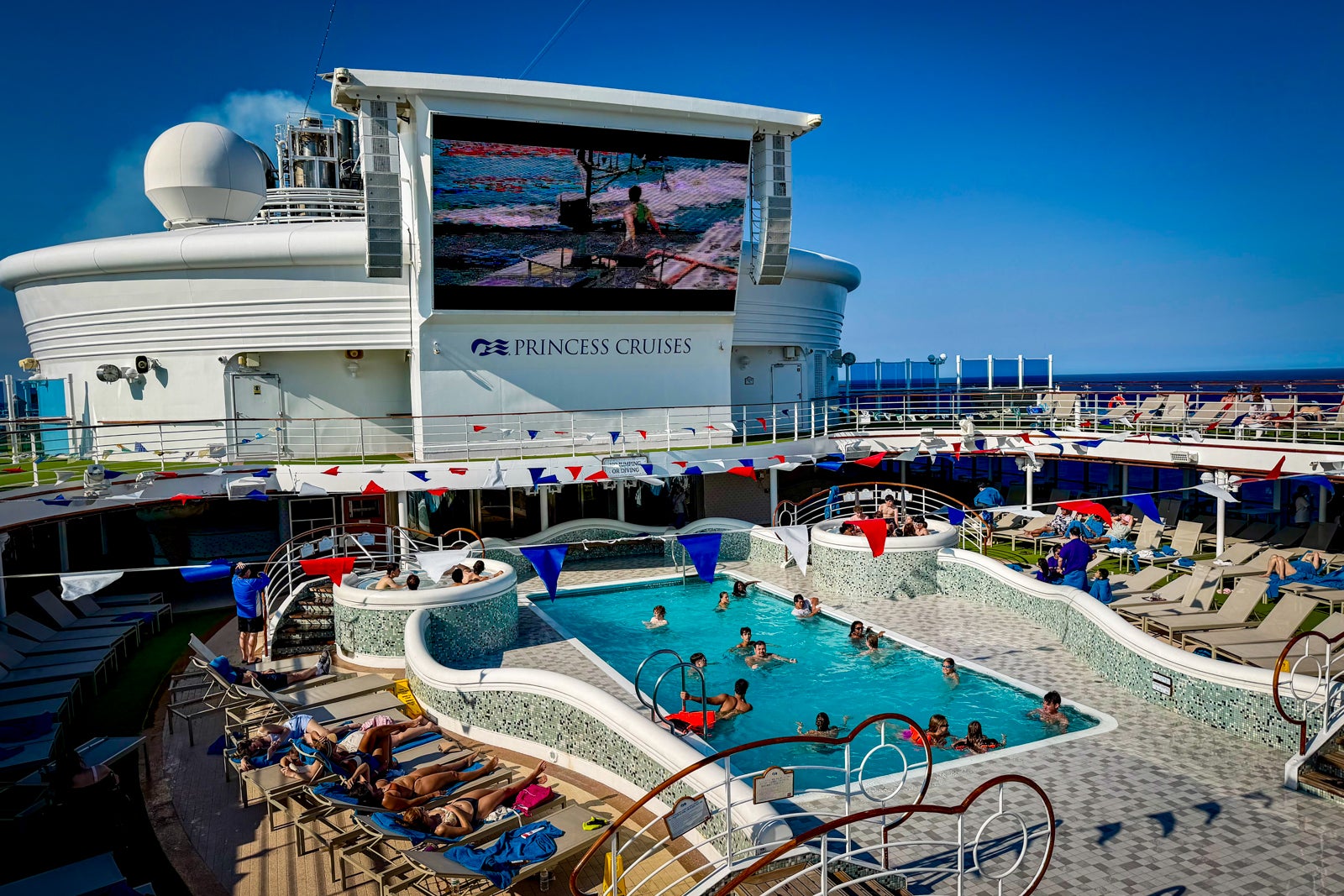
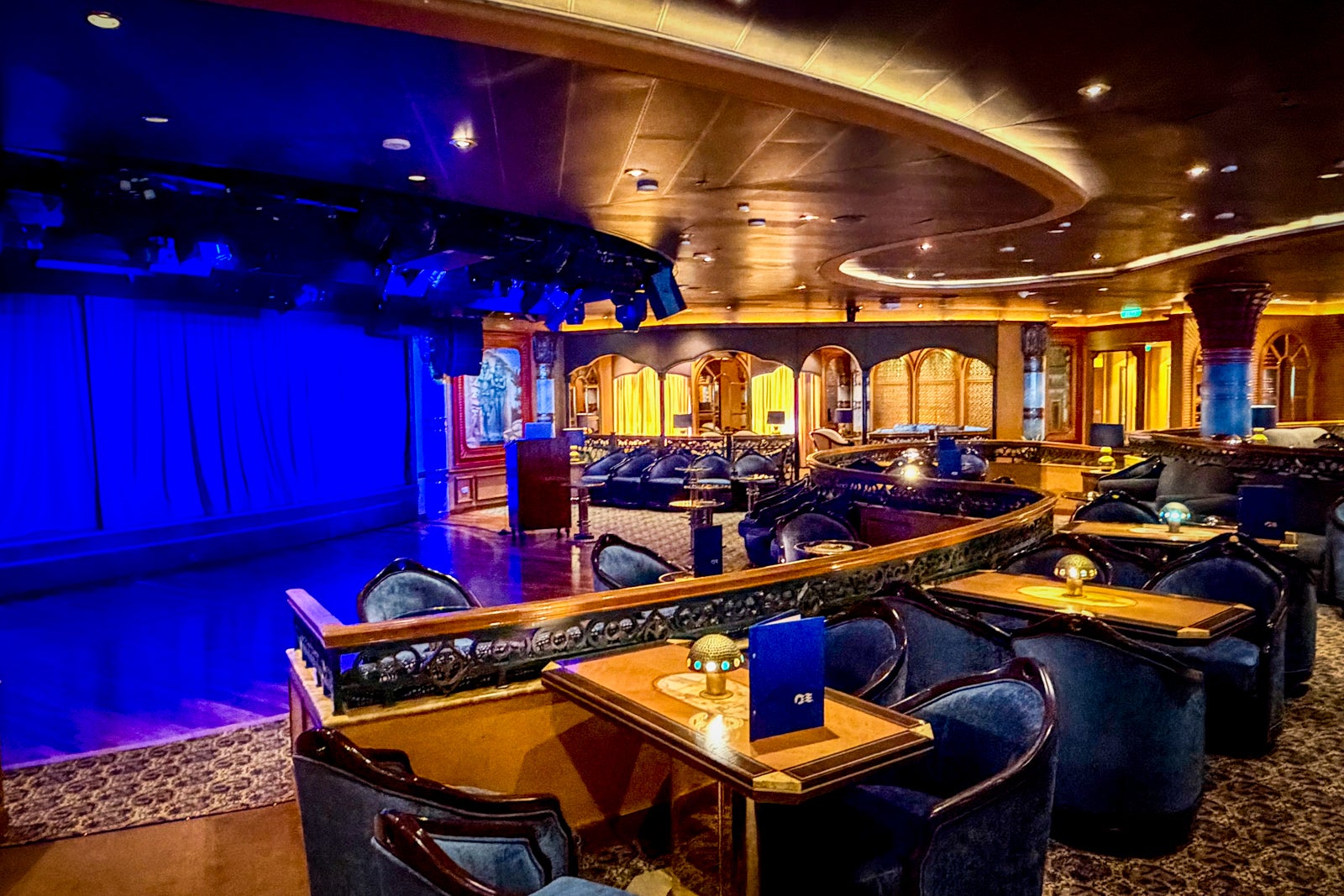
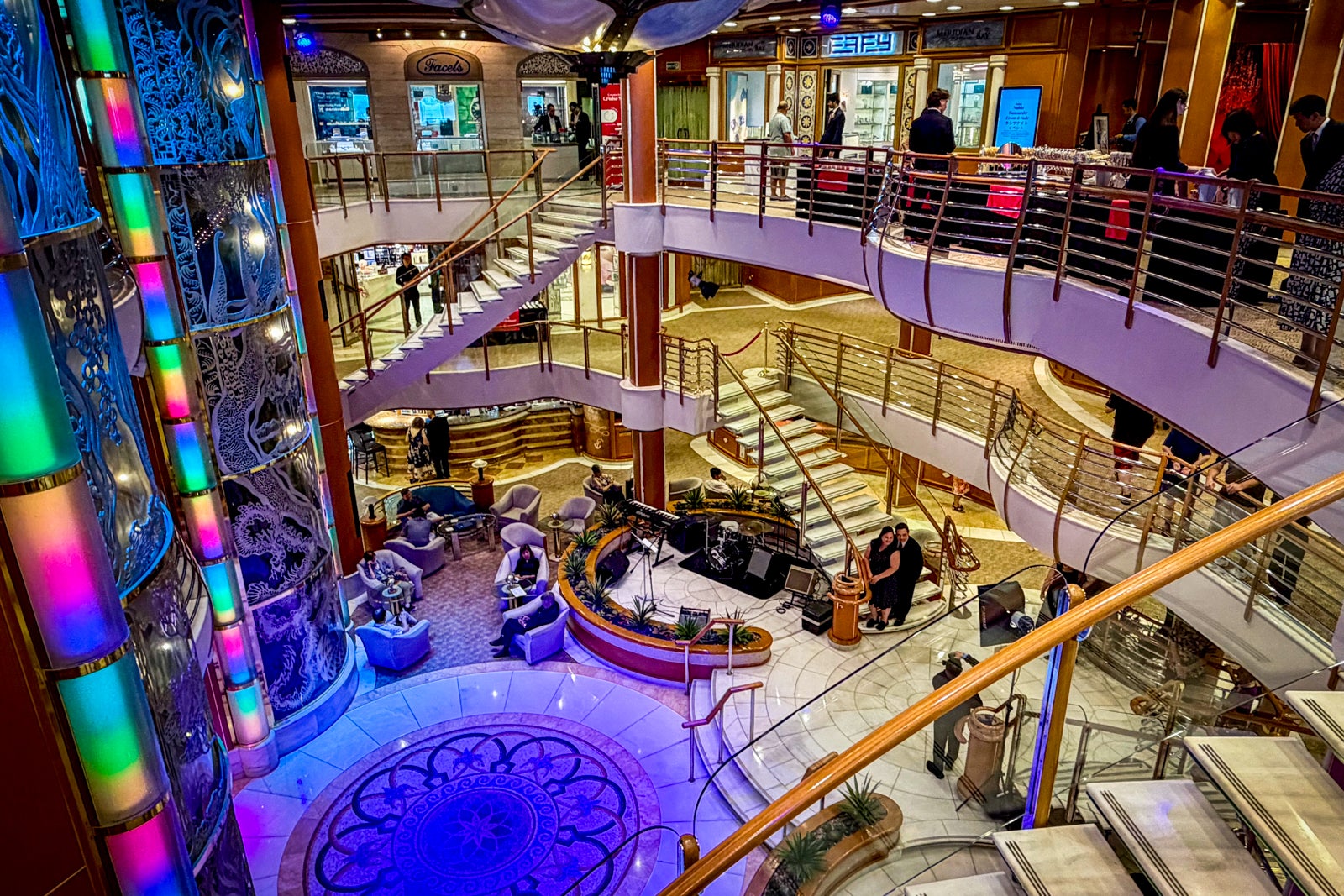
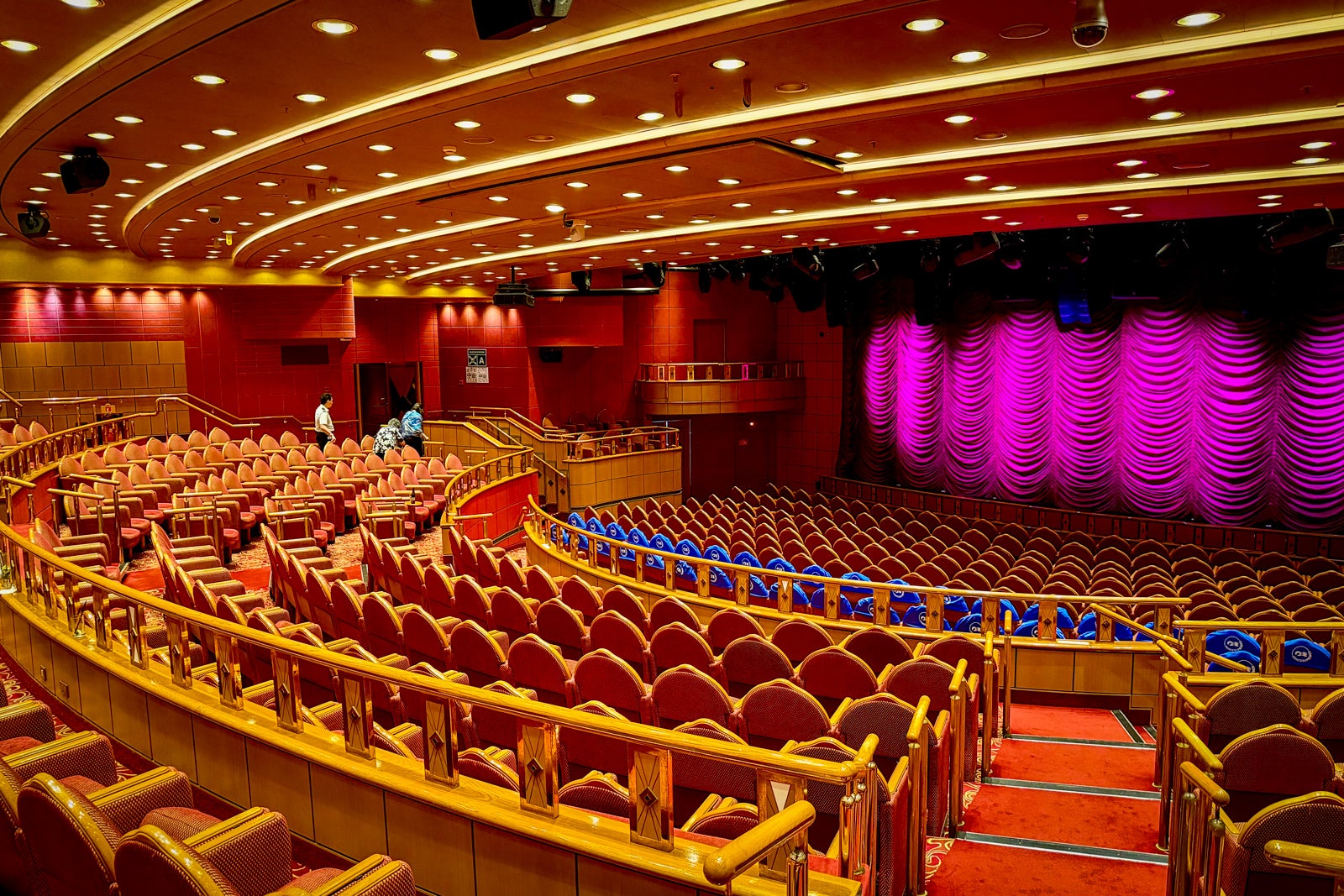
But it's not so small that it's not loaded with lots of onboard venues, including a very lively main entertainment deck (Deck 7) with multiple shows and live-music bars that are hopping at night.
Fares for the least expensive cabins on the shortest seven-night sailings start at $1,017 per person, based on double occupancy — or about $102 per day.
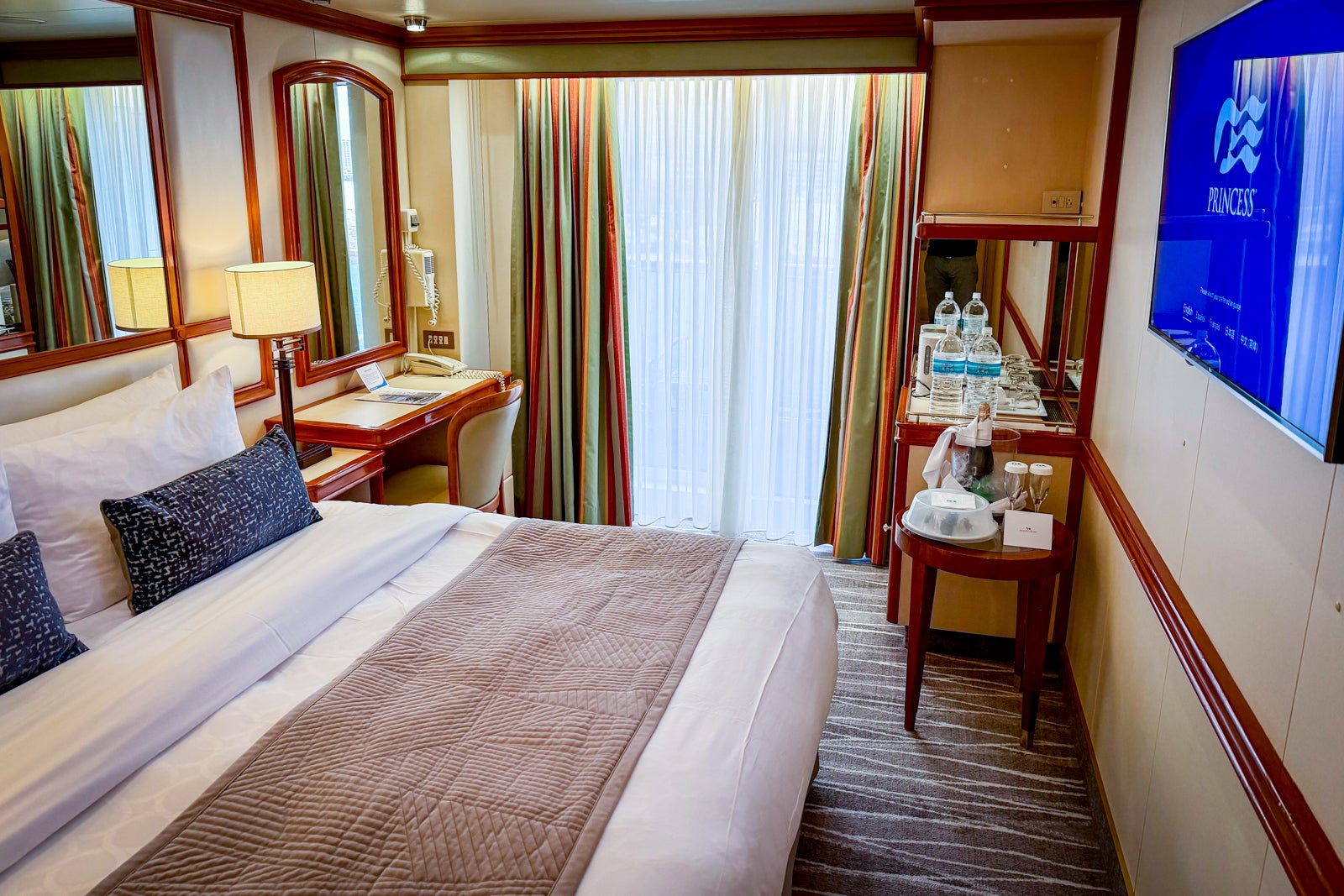
Fares include the cost of your room, all onboard entertainment and meals at most onboard restaurants (a few onboard eateries such as Makoto Ocean come with an extra charge). The fares don't include tours such as those I took during my sailing. For my spot on the six-hour tour to Shirakawa-go, for instance, the cost was $144.95.
Bottom line
A cruise around Japan on the Japan-based Diamond Princess is a great way to see a broader slice of the country than you would on a traditional trip to its biggest tourist hubs.
The ship and its sister vessel Sapphire Princess operate a wide variety of itineraries out of the Greater Tokyo area, some completely circling the country. They bring passengers to many lesser-visited destinations such as Toyomo and Akita, as well as to historically important places such as Nagasaki and Hiroshima — all without the hassle of changing hotels or navigating the local transportation system.
When paired with a hotel stay in Tokyo at the start or end of a sailing — and maybe a few days of land touring to such classic "golden route" destinations as Kyoto and Nara — such cruises can make for the perfect see-it-all-in-one-trip Japan experience.
Planning a cruise? Start with these stories:
- The 5 most desirable cabin locations on any cruise ship
- A beginners guide to picking a cruise line
- The 8 worst cabin locations on any cruise ship
- The ultimate guide to what to pack for a cruise
- A quick guide to the most popular cruise lines
- 21 tips and tricks that will make your cruise go smoothly
- Top ways cruisers waste money
- The ultimate guide to choosing a cruise ship cabin