Why do flights get delayed?

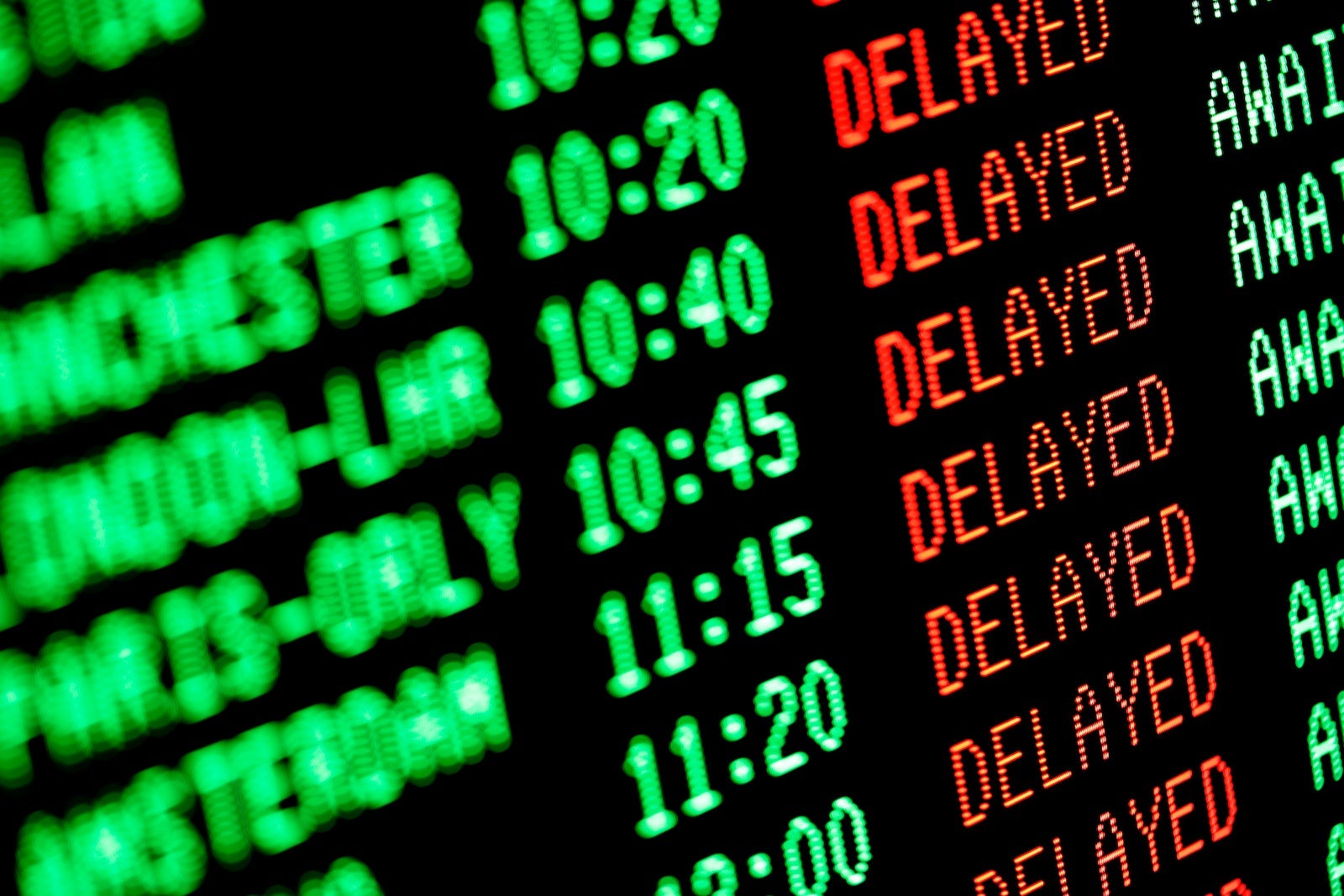
If you've flown at all since the pandemic, you've likely experienced at least one flight delay or cancellation throughout your travels. It may seem like these situations occur more frequently now than before the pandemic.
Data provided by FlightAware shows that, broadly, things are about the same as they were. However, delays remain frustrating. Between Jan. 1 and April 9 of this year, 21.9% of U.S. flights were delayed, which each delay averaging 50 minutes, compared to that same period in 2019.
There are various reasons for flight delays. Sometimes it's things the airlines can control, such as scheduling and staffing, and sometimes it's due to random events, such as weather.
Here's a look at some of the reasons why flights get delayed.
Weather
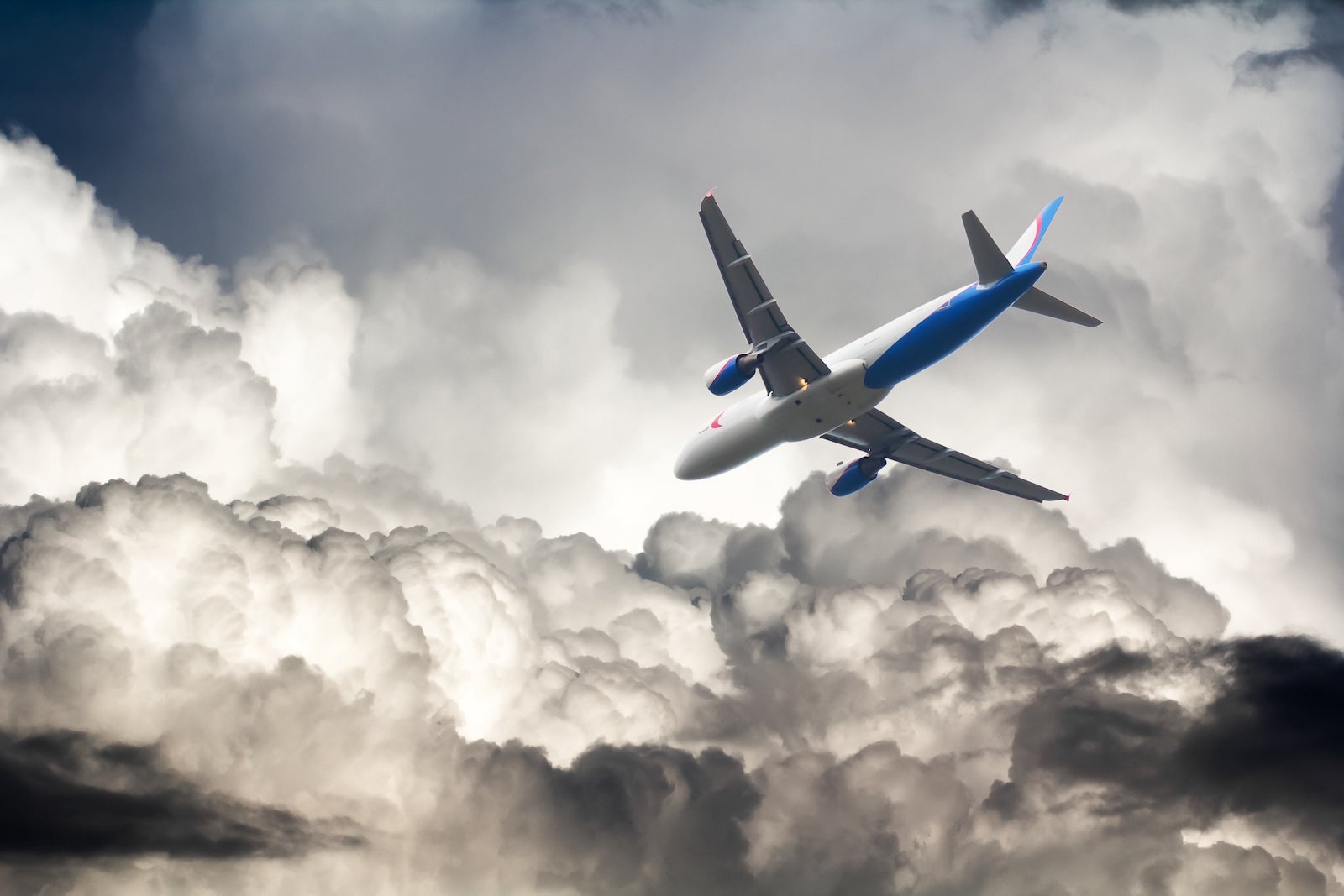
This may seem obvious, but weather largely disrupts flights, even indirectly. Data shows that weather-related delays made up more than 25% of flight delays in January, the latest month for which the Department of Transportation has data available.
In spring and summer specifically, thunderstorms are common across the country, thanks to the humidity of unstable air. Winter weather can stymie operations for days at a time.
Weather events alone contribute to turbulent flights. However, more extreme weather patterns due to climate change have led to more turbulent flights year-round, with upticks in certain months.
For example, turbulence contributed to 71% of all inflight weather injuries between 2000 and 2011 globally, per data from the National Transportation Safety Board. Data showed February, July and December were the most turbulent months.
Because turbulence can be serious, airlines do their best to avoid it by rerouting flights around thunderstorms. This causes constraints in airspace and leads to more delays.

"Airlines try to avoid turbulence as much as they can, which often leads to longer flight times and longer wait times," said Isabel Smith, a third-year Ph.D. student at the University of Reading studying aircraft turbulence. "As a result, airlines use more fuel and therefore emit more carbon dioxide into the atmosphere."
Even so, it's not always possible to avoid disruptive weather since the most concerning form of turbulence, clear air, is undetectable to onboard flight radar equipment. This means it can strike aircraft suddenly, without warning.
Beyond delaying the directly impacted flights, thunderstorms can block flight paths, further affecting the ability for other flights to take off and land. In a domino effect, this can also lead to ramp closures since aircraft cannot be loaded, unloaded, fueled or serviced.
Summer travel tends to be particularly disrupted. According to FlightAware data, 22.3% of flights (more than a half-million) were delayed between Memorial Day and Labor Day last year, with causes including frequent thunderstorms.
Meteorologists can typically predict major snow events days in advance, allowing carriers to prepare by adjusting their flight schedules. However, summer thunderstorms are harder to predict in exact timing and location.
The busy summer travel season only adds to the likelihood of a delayed flight during the summer months.
Airline schedules and staffing

Ongoing staffing issues and aircraft shortages stemming from the pandemic have become another cause of flight delays in the U.S. This has felt particularly hard among pilots.
Even though fewer flights are operating now than in 2019, some airlines are still grappling with staffing and aircraft cuts. This makes meeting ambitious airline schedules quite a difficult feat on its own. This gets further complicated by weather and other operational issues.
This means there are fewer spare aircraft and crews around to help recover the operation. Having enough staff members can be the key difference between an airline recovering its schedule within a few hours and an airline having to mass-cancel a significant number of flights over a multi-day recovery mission.
Fuller flights also mean fewer options for airlines to respond to irregular operations like severe weather. The flight leaving the next day may already be sold out, so it takes that much longer to accommodate everyone when cancellations begin to mount.
This exact situation came to light over Christmas when cross-country winter storm Elliott hit during an already notoriously busy travel period. Every major U.S. carrier suffered disruptions as a result, but Southwest Airlines, in particular, failed to recover in the following weeks. This marked the Southwest's largest operational meltdown in its history.
Four months later, the Dallas-based carrier's cancellation of nearly 17,000 flights over the spring holidays led to its improving winter operations and modernizing its outdated technology to the tune of $1.3 billion. It purchased more de-icing trucks, engine covers and heaters in addition to hiring more winter staff. The airline also pledged to upgrade crew scheduling and customer phone systems to handle higher call volumes.
The Southwest operational meltdown is a recent example of what happens when weather and airline operations collide, creating a perfect storm.
Issues can also arise when crew members are delayed on multiple flights throughout the day, causing them to reach their maximum number of allowable duty hours before finishing all of the flights they were scheduled to work.
While this can be a frustrating situation for passengers, duty hour rules promote safety. They are meant to avoid the risk of over-tired pilots and flight attendants making mistakes due to fatigue. This primarily affects flights toward the end of the day, so taking earlier flights is one way to mitigate the risk of this particular delay.
Air traffic control staffing
In addition to airlines, the nation's air traffic control system, the Federal Aviation Administration, is also under some strain due to an inability to adequately staff air traffic control facilities, as outlined by U.S. airlines in a call to the government last June.
Reduced staffing at ATC facilities can negatively impact operational performance. For safety reasons, sometimes fewer flights can proceed through certain areas or land at airports, so delays across all of the carriers can stack up at once.
At least one industry expert thinks the ATC and FAA are to blame for consistent airline delays.
"The basic driver of delays is random and momentary demand for ATC services exceeding FAA ability to ensure safety and separation without imposing delays, en route, in the terminal area, and on the airport surface," Robert Mann, an airline industry analyst and owner of an eponymous consulting firm, said. "If, instead, airlines and business aviation operators system-optimized their day of flight operations, it would help FAA with its safety and separation goals, and much of this delay, which drives airline cost, and customer inconvenience, could be avoided."
Technical issues
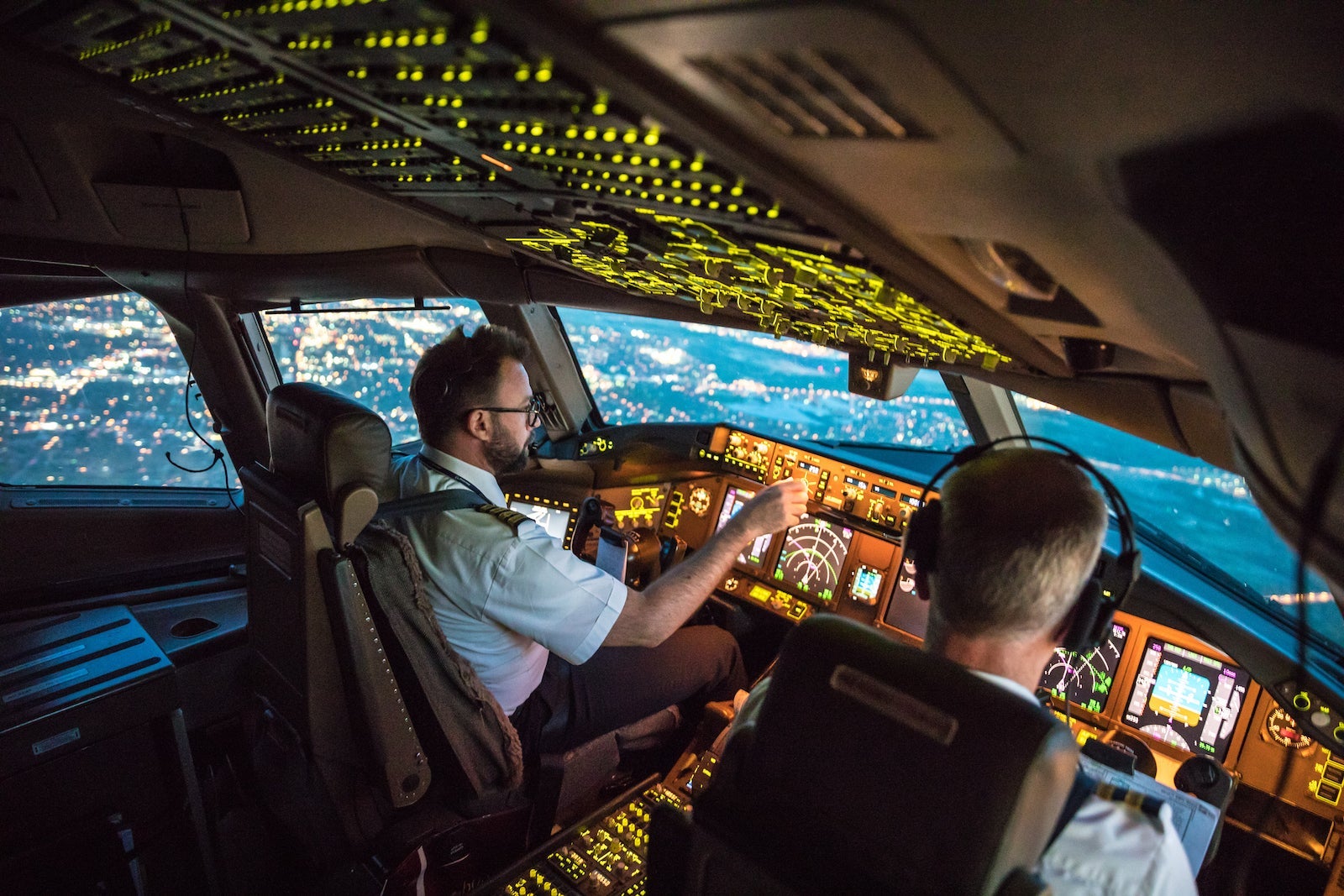
Of course, there are those unexpected technical issues that can throw a wrench in what would otherwise be a smooth and timely flight.
During preflight checks, a pilot, technician or other support staff member may notice something isn't working properly. For example, there could be an indicator light that isn't turning on because the lighting element or button is broken. Maybe there is an overhead locker that won't secure properly or a piece of emergency equipment that isn't set up properly. Or, maybe there is an issue that indicates something direr, such as a problem with a flight control system.
Sometimes, depending on the problem and the airport, on-site airline maintenance technicians can quickly diagnose and, if necessary, fix the issue.
Other times, these issues might not be repairable at the gate and may mean the aircraft must be swapped out. If that's the case, you're looking at a more substantial delay. Ideally, you're at one of the airline's hubs, and there is a spare plane ready and available to swap out. If that isn't the case, you could be looking at a longer delay as a new plane is located and flown in. The flight might even get canceled altogether.
As frustrating as this can be, safety is the name of the game, so it's just one of those realities of air travel.
Bottom line
There are no easy fixes that can salvage airline operations. Pilots and air traffic controllers are highly skilled professionals who can take a very long time to train. And, of course, there's no stopping Mother Nature.
Related reading:
- Is climate change leading to more turbulence on flights?
- Southwest to make improvements to winter equipment, staffing following holiday meltdown
- Southwest's operation continues to meltdown as other airlines recover from major Christmas storm
- Your flight is canceled or delayed – here's what you should do next
- How to avoid flight delays and cancellations
David Slotnick contributed to this report. Information previously reported by Ethan Klapper is included in this report.
TPG featured card

at American Express's secure site
Terms & restrictions apply. See rates & fees.
| 4X | Earn 4X Membership Rewards® points per dollar spent on purchases at restaurants worldwide, on up to $50,000 in purchases per calendar year, then 1X points for the rest of the year. |
| 4X | Earn 4X Membership Rewards® points per dollar spent at US supermarkets, on up to $25,000 in purchases per calendar year, then 1X points for the rest of the year. |
| 5X | Earn 5X Membership Rewards® points on prepaid hotel stays booked through AmexTravel.com or the Amex Travel App™. |
| 3X | Earn 3X Membership Rewards® points on flights booked through AmexTravel.com, the Amex Travel App™, or purchased directly from airlines. |
| 2X | Earn 2X Membership Rewards® points on prepaid car rentals booked through AmexTravel.com or the Amex Travel App™ and cruises booked and paid through AmexTravel.com. |
| 1X | Earn 1X Membership Rewards® point per dollar spent on all other eligible purchases. |
Pros
- Valuable dining and food-related credits
- Flexible rewards with airline and hotel transfer partners
- Multiple travel and purchase protections
- No foreign transaction fees
- Access to Amex Offers for additional savings (enrollment required)
Cons
- Not as useful for those living outside the U.S.
- Some may have trouble using Uber and other dining credits
- You may be eligible for as high as 100,000 Membership Rewards® Points after you spend $8,000 in eligible purchases on your new Card in your first 6 months of Card Membership. Welcome offers vary and you may not be eligible for an offer. Apply to know if you’re approved and find out your exact welcome offer amount – all with no credit score impact. If you’re approved and choose to accept the Card, your score may be impacted.
- Earn 4X Membership Rewards® points per dollar spent on purchases at restaurants worldwide, on up to $50,000 in purchases per calendar year, then 1X points for the rest of the year.
- Earn 4X Membership Rewards® points per dollar spent at US supermarkets, on up to $25,000 in purchases per calendar year, then 1X points for the rest of the year.
- Earn 5X Membership Rewards® points on prepaid hotel stays booked through AmexTravel.com or the Amex Travel App™.
- Earn 3X Membership Rewards® points on flights booked through AmexTravel.com, the Amex Travel App™, or purchased directly from airlines.
- Earn 2X Membership Rewards® points on prepaid car rentals booked through AmexTravel.com or the Amex Travel App™ and cruises booked and paid through AmexTravel.com.
- Earn 1X Membership Rewards® point per dollar spent on all other eligible purchases.
- Pay It® lets you tap in the American Express® App to quickly pay for small purchase amounts throughout the month and still earn rewards the way you usually do. Plan It® gives you the option to split up big purchases into equal monthly payments with a fixed fee. You’ll know upfront exactly how much you’ll pay.
- $120 Dining Credit: Earn up to a total of $10 in statement credits monthly when you pay with the Gold Card at Grubhub (including Seamless), Buffalo Wild Wings, Five Guys, The Cheesecake Factory, and Wonder. This can be an annual savings of up to $120. Enrollment required.
- $100 Resy Credit: Get up to $100 in statement credits each calendar year at over 10,000 qualifying U.S. Resy restaurants after you pay for eligible purchases with the American Express® Gold Card. That’s up to $50 in statement credits semi-annually. Enrollment required.
- $84 Dunkin' Credit: Earn up to $7 in monthly statement credits after you pay with the American Express® Gold Card at U.S. Dunkin’ locations. Enrollment required.
- $120 Uber Cash on Gold: Enjoy up to $120 in Uber Cash annually with your Gold Card. Just add your Card to your Uber account and you'll get $10 in Uber Cash each month to use on orders and rides in the U.S. when you select an Amex Card for your transaction.
- Enjoy complimentary Hertz Five Star® Status benefits like skipping the counter at select locations, adding an additional driver at no additional cost*, and vehicle upgrades**. Benefit enrollment and Hertz Gold+ registration are required. *Additional drivers must meet standard rental qualifications and must be a spouse or domestic partner to qualify as complimentary. Other additional drivers subject to fees. **Benefits are subject to availability and vary by location. Additional Hertz program Terms and Conditions including age restrictions apply.
- Book two nights or more with The Hotel Collection through AmexTravel.com or the Amex Travel App™ and receive a $100* credit towards eligible charges at over 1,400 upscale hotels worldwide. *Eligible charges vary by property.
- Book your travel through the Amex Travel App™ with added peace of mind – backed by American Express® service and support. Only for American Express® Card Members.
- Whenever you need us, we're here. Our Member Services team will ensure you are taken care of. From lost Card replacement to statement questions, we are available to help 24/7.
- No Foreign Transaction Fees.
- Annual Fee is $325.
- Terms Apply.