Qantas’ A380 isn’t the newest way to fly — but kangaroo pajamas and an onboard lounge make it a treat

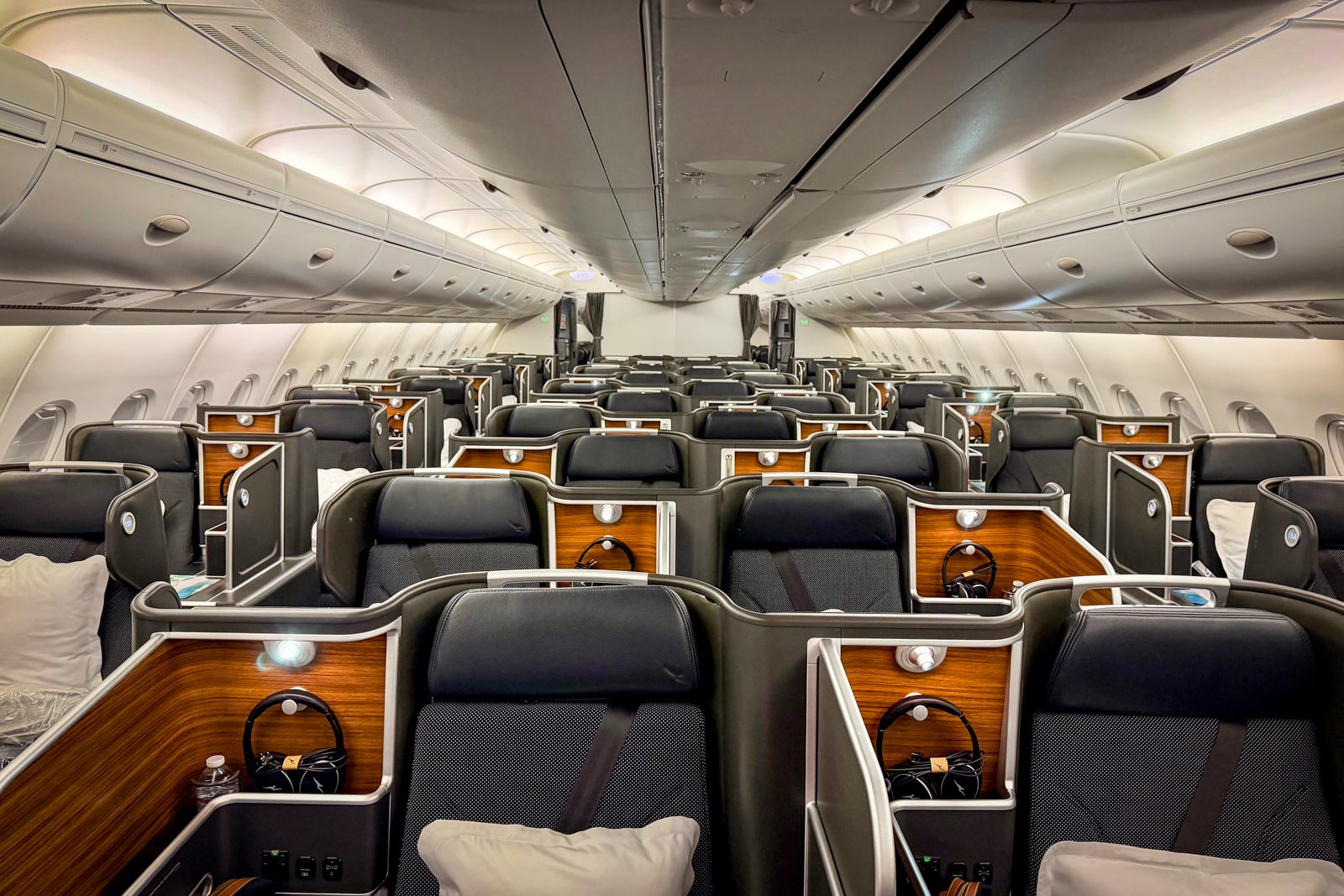
Quick take: Qantas continues to offer a solid business-class experience for long flights across the Pacific, but inflight Wi-Fi can't come soon enough.
Pros
- Seats are comfortable and have decent privacy.
- Extensive menus offer diverse choices.
- There's a fun onboard lounge space for passengers to enjoy.
Cons
- Award availability is very limited.
- There's currently no Wi-Fi, so prepare to be offline.
- The large cabin means meal service can take a while.
The first Airbus A380 I ever flew was a Qantas aircraft way back in 2009, shortly after the airline started taking delivery of these double-decker jumbo jets.
Since then, I've seen these planes evolve from newfangled novelties into long-haul workhorses not just for Qantas, but with several other carriers, too, including Emirates and Singapore Airlines. I have tracked its shifts from a time when it was hailed as the future of long-haul aviation, thanks to its enormous passenger capacity and flight range, to an uneconomic boondoggle that many thought was doomed to the fossil heap during the COVID-19 pandemic.
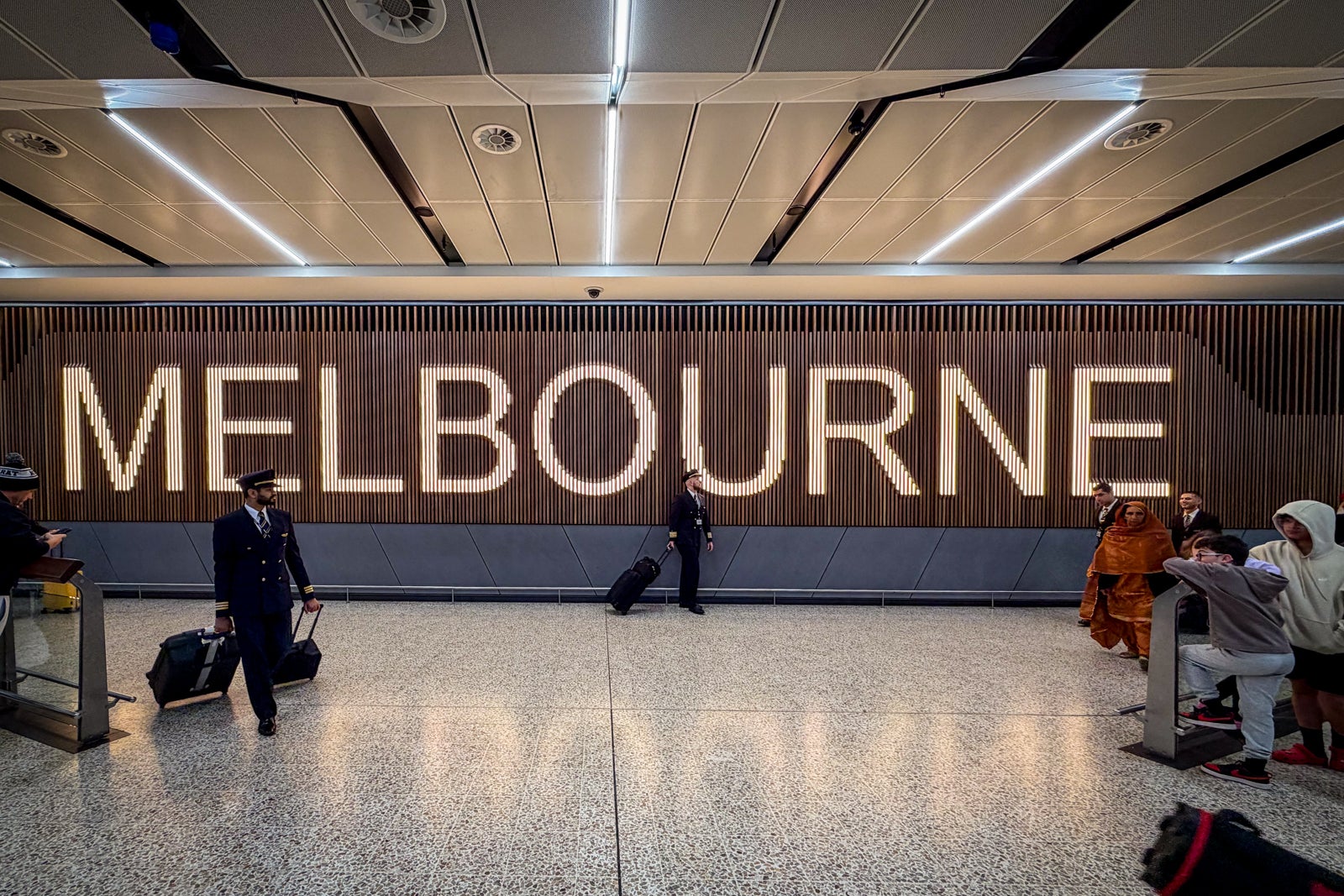
The A380 endures, though, and Qantas currently has 10 of them in service, so it still holds a special place in my heart. I've been able to fly it dozens of times on many trips between the U.S. and Australia. My most recent flight was actually from Los Angeles to Melbourne at the kickoff of my honeymoon, when I got to experience Qantas business class for the first time in a few years.
Here's how I booked my ticket and how the experience rates these days.
How much does it cost to book Qantas business class?
The cost of a Qantas long-haul, business-class ticket depends on the route, dates and whether you're flying round-trip or one-way.
My one-way flight from Los Angeles International Airport (LAX) to Melbourne Airport (MEL) would have cost between $4,600 and $5,800 the week I flew. I was able to book an award ticket, though, with the option to use Alaska Airlines Atmos Rewards points or American Airlines AAdvantage miles.

Here's a quick look at how my award ticket was priced across the two programs and Qantas' own Frequent Flyer program.
| Frequent-flyer program | Miles and taxes |
|---|---|
Alaska Airlines Atmos Rewards | 85,000 plus $36 |
American Airlines AAdvantage | 80,000 plus $24 |
Qantas Frequent Flyer | 151,800 plus $364 |
Given the cost savings, I normally would have booked my ticket using American AAdvantage miles. However, I actually had many more Alaska Atmos Rewards points at the time, so I used those instead.
Alaska Airlines is a 1:1 transfer partner of Bilt. You can also transfer Marriott Bonvoy points to Alaska at a 3:1 ratio.
The best way to stock up on Alaska Airlines Atmos Rewards points quickly, however, is to apply for one of the following cobranded credit cards:
- Atmos™ Rewards Ascent Visa Signature® credit card
- Atmos™ Rewards Summit Visa Infinite® credit card
- Atmos™ Rewards Visa Signature® Business Card
If you do want to use American Airlines miles, the following cobranded credit cards are a great way to accrue miles quickly:
- Citi® / AAdvantage® Platinum Select® World Elite Mastercard®
- Citi® / AAdvantage® Executive World Legend Mastercard® (see rates and fees)
- Citi® / AAdvantage® Globe™ Mastercard® (see rates and fees)
- Citi® / AAdvantage Business™ World Elite Mastercard® (see rates and fees)
The information for the AAdvantage Platinum Select has been collected independently by The Points Guy. The card details on this page have not been reviewed or provided by the card issuer.
While the Qantas Frequent Flyer redemption rates were not a great option, I did consider it since Capital One was running a 20% transfer bonus to the program at the time; so, I would have only needed 121,440 Capital One miles. That said, although Capital One transfers to Qantas tend to be nearly instantaneous in my experience, I didn't want to chance the transfer taking too long and losing out on the award seat.
That's because Qantas business-class award tickets available to book using partner miles are extremely rare. The airline seems to release a handful each month, typically in tranches (meaning a few award tickets become available on the same day for multiple dates over the following month or so). So if you find a seat, book it fast. I use tools like Seats.aero to monitor award tickets over multiple months at a time and get notifications when they become available, so I can book them quickly.
Just one quick note on aircraft and routes: Qantas deploys both the A380 and the 787-9 on its Los Angeles-Melbourne route, and the airline will switch to solely 787-9s in October 2026.
Checking into and boarding Qantas business class
Qantas long-haul business-class passengers can enjoy the following priority services at the airport.
| Priority check-in | Yes |
|---|---|
Luggage allowance | Two checked bags up to 70 pounds (32 kg) each |
Lounge access | Yes |
Does the airline participate in TSA PreCheck? | Yes |
Priority boarding | Yes |
My Qantas flight was scheduled to depart at 9:50 p.m. from LAX's Tom Bradley International Terminal. I arrived at the airport at 7 p.m., when the departure hall was pretty quiet, and there were only a few passengers in the dedicated business- and first-class lines. There were no lines at security, and thanks to TSA PreCheck, I was airside within just a few minutes of arriving at the airport.
Qantas business-class passengers can use the Oneworld lounge on the fifth floor — a massive space with a capacity of nearly 600 guests and open to premium passengers from various airlines, including British Airways and Cathay Pacific. When I flew, the lounge had also converted a space near the bar by the entrance into a makeshift first-class dining room since the airline's permanent first-class lounge was under renovation.
My flight departed from the 200 gates in the terminal's western concourse, which is a brisk 15-minute walk from the lounge, so I gave myself plenty of time to get over there. Boarding was right on time at 9:05 p.m.
How comfortable is Qantas business class?
Qantas' long-haul fleet consists of Airbus A330s, A380s and Boeing 787-9 Dreamliners. Its first A350-1000 was recently delivered and will be equipped with all-new seating options for the ultra-long-haul "Project Sunrise" flights the jet will operate.
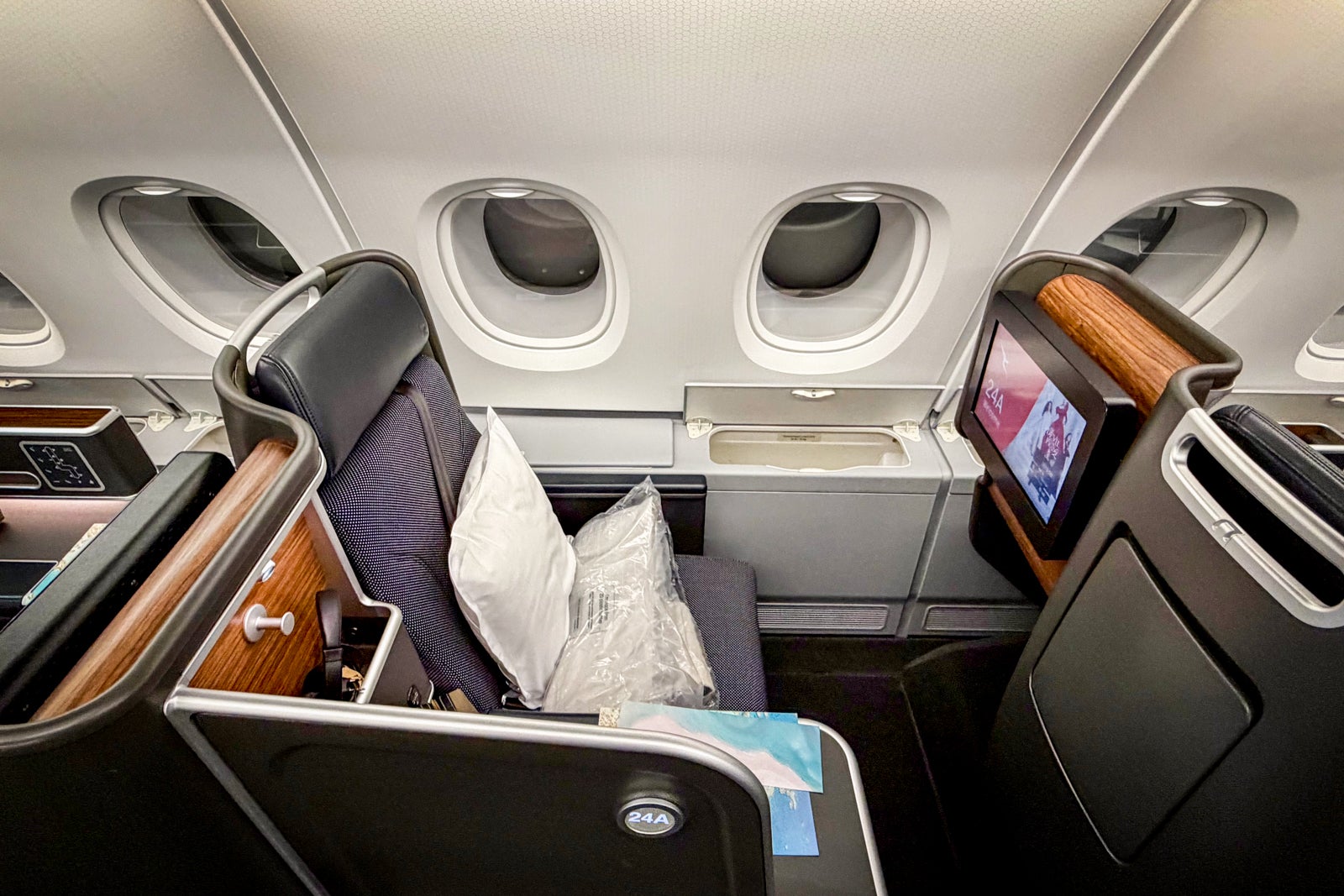
On the other three aircraft types, however, the business-class seats are all based on the popular Thompson Aero Vantage XL model, which are forward-facing in a staggered 1-2-1 pattern.
The 15-year-old A380 operating my flight had the tail number VH-OQK and was named after Australian aviation pioneers (and brothers) John and Reginald Duigan.
Here's a snapshot of its business-class layout and dimensions.
| Number of seats | 70 |
|---|---|
Cabin layout | 1-2-1 |
Seat recline | 80 inches fully flat |
Seat width | 21 inches (24 in lie-flat mode) |
Screen size | 15.5 inches |
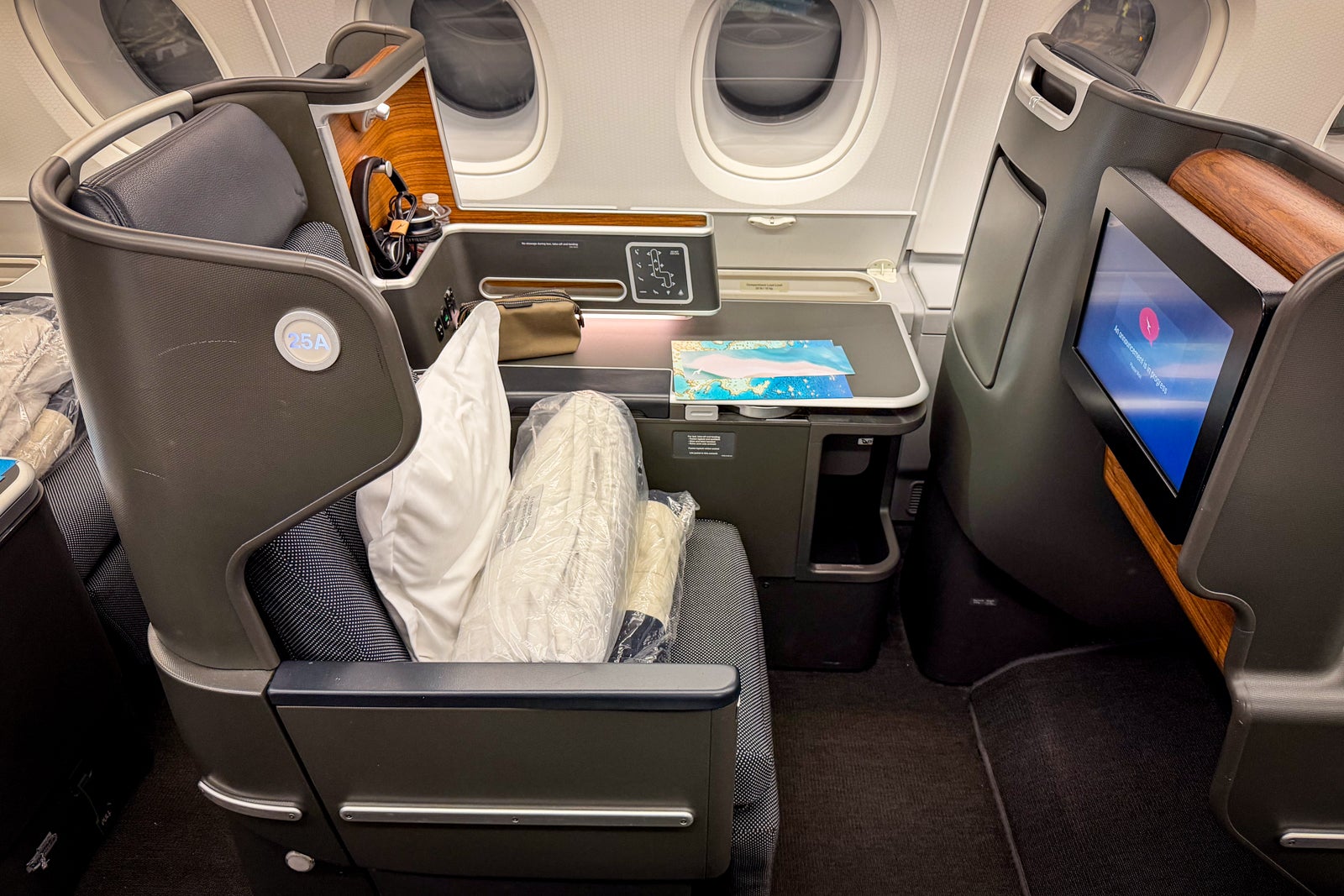
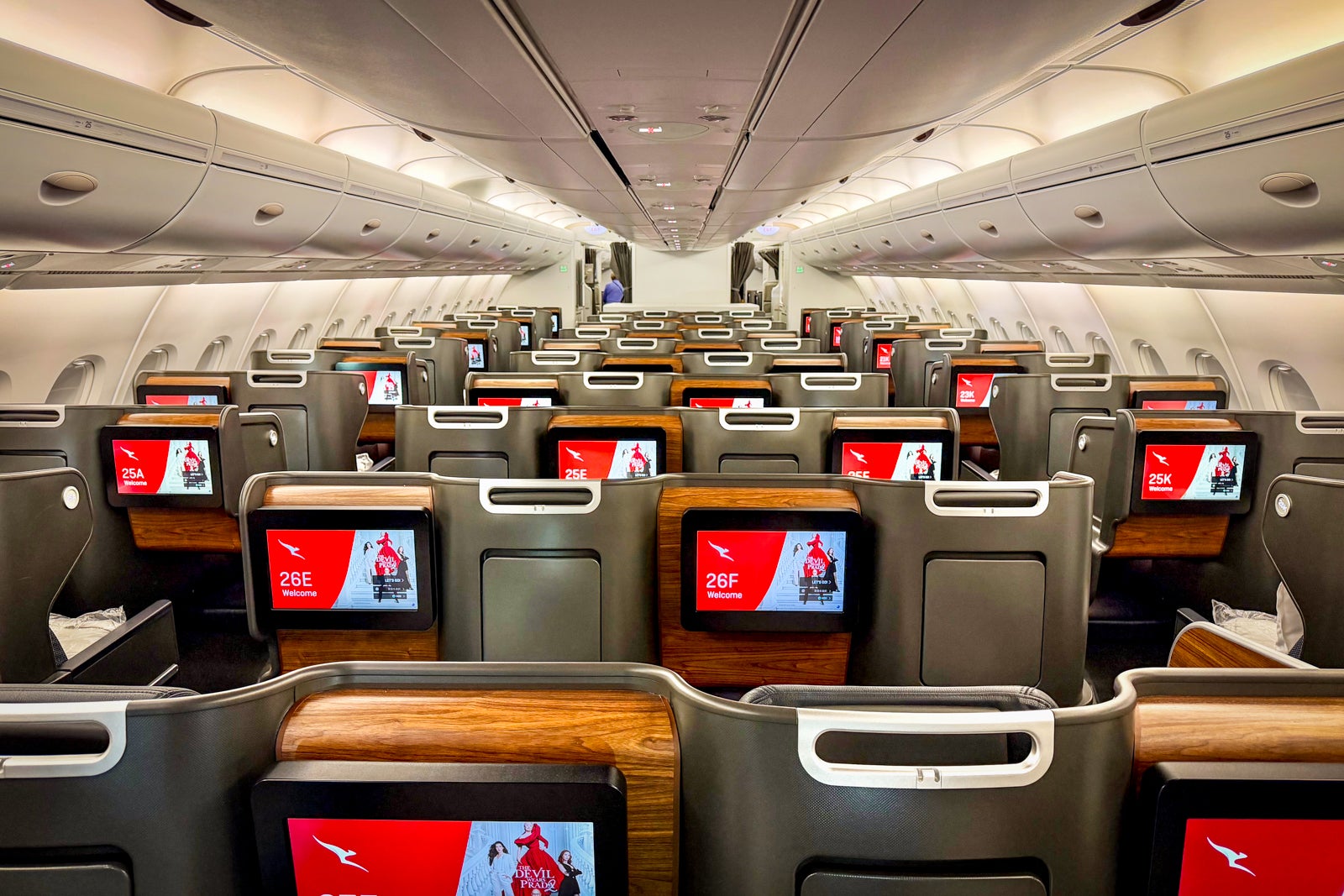
The business-class section on Qantas' A380s took up nearly the entire upper deck, with a smaller cabin of just 20 seats up front and a larger cabin with 50 more seats behind the galley and lavatory.
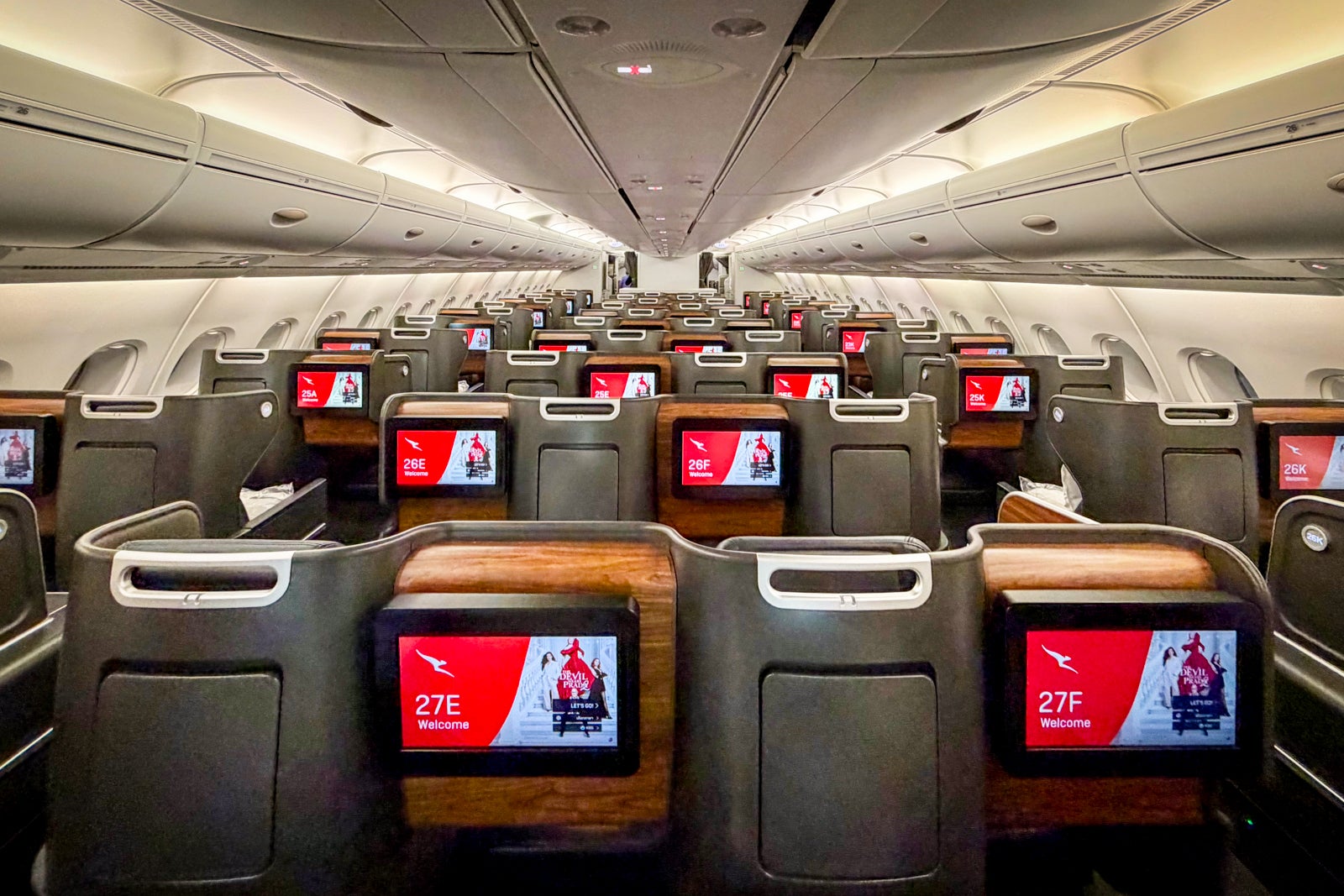
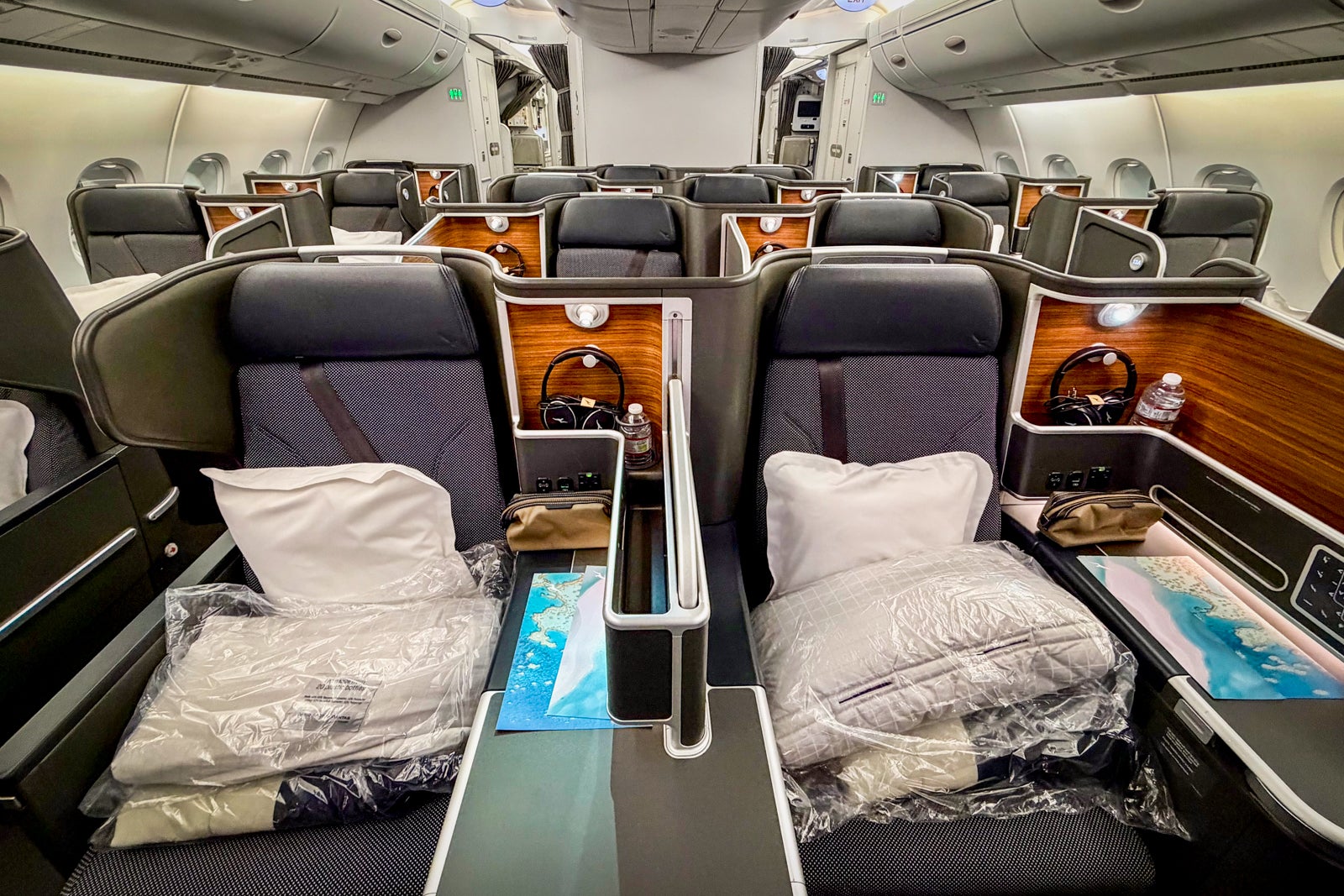
The seats were in a staggered 1-2-1 configuration, so every passenger had direct aisle access.
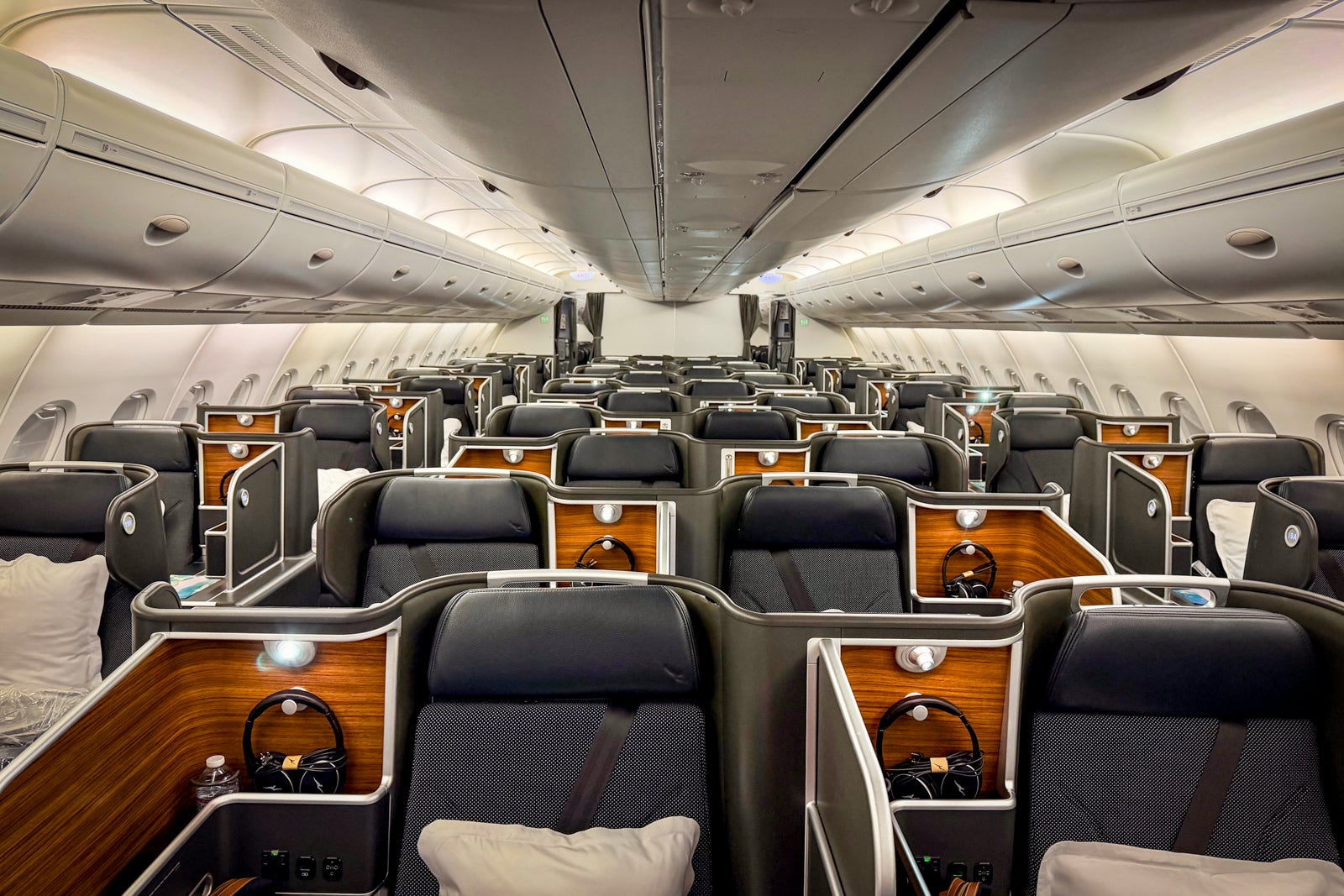
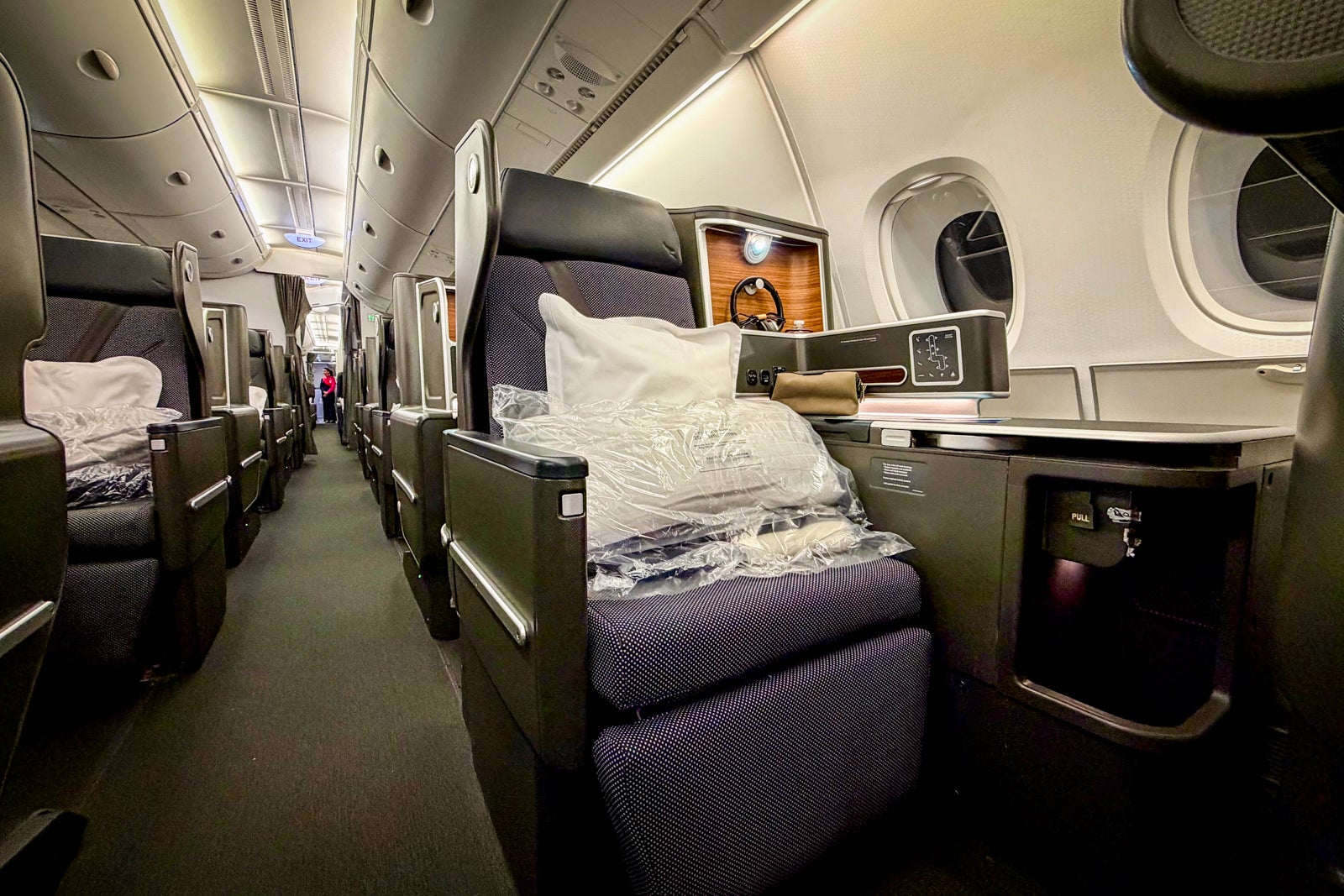
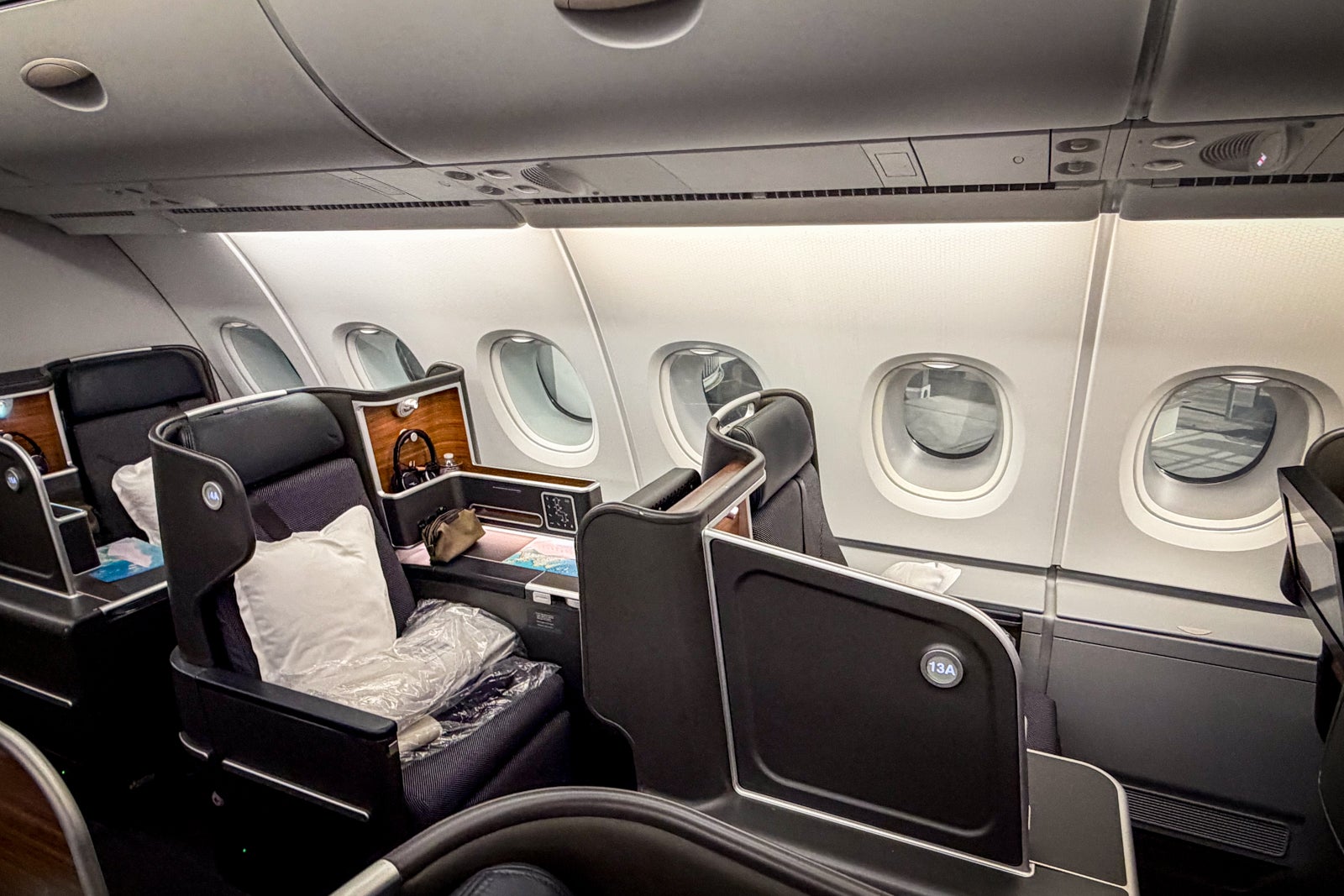
The single seats on the sides were alternately closer or farther from the window due to the placement of a wide armrest. Those in the middle had a wide armrest between them as well as a raisable shield, so there was a fair amount of privacy; however, there were no sliding doors, which are becoming more popular (and which you'll see on Qantas' forthcoming A350s).
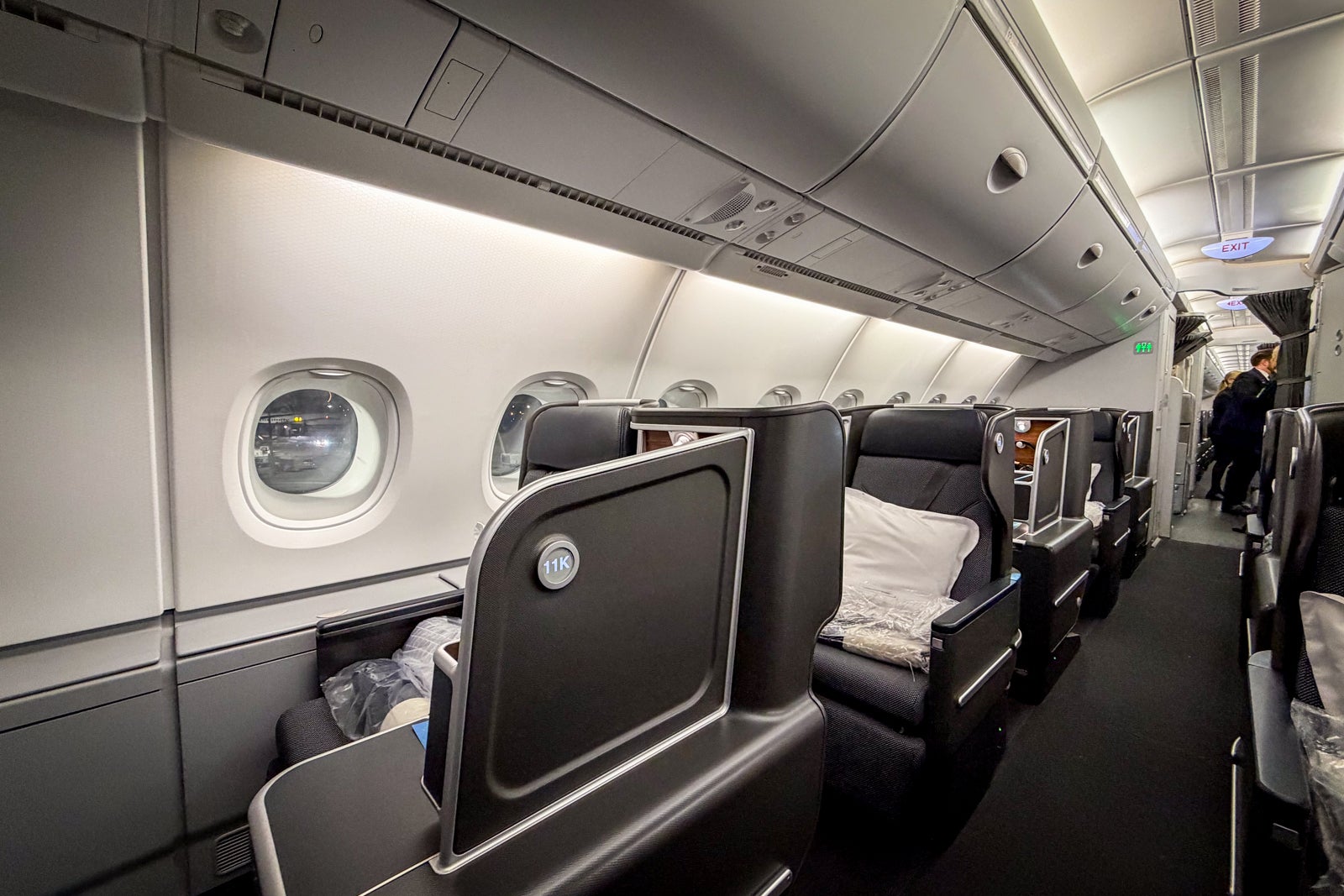
The gap between the armrest and the preceding seat shell — in other words, the exit from the seat — was 10 inches. This doesn't sound like a lot, but it is still more than you find in some other similar fixtures.
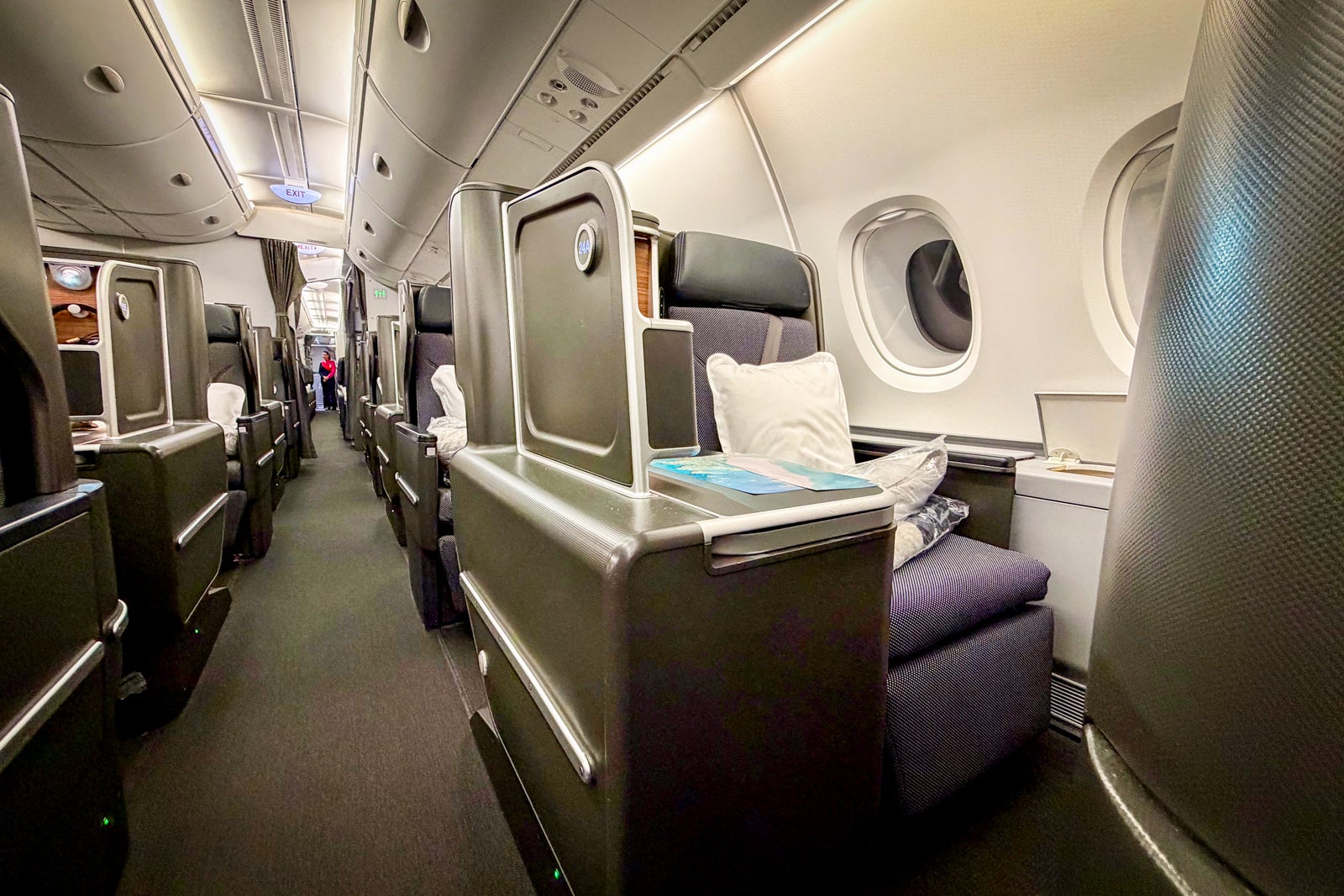
| Best seats for solo travelers | Odd-numbered A and K seats in the forward cabin, even ones in the back cabin |
|---|---|
Best seats for couples | Any E and F seats |
The airline's A380s underwent a refurbishment starting in 2019 that was extended due to the coronavirus pandemic, so these pods were the latest versions from the airline's industrial design partner, David Caon.
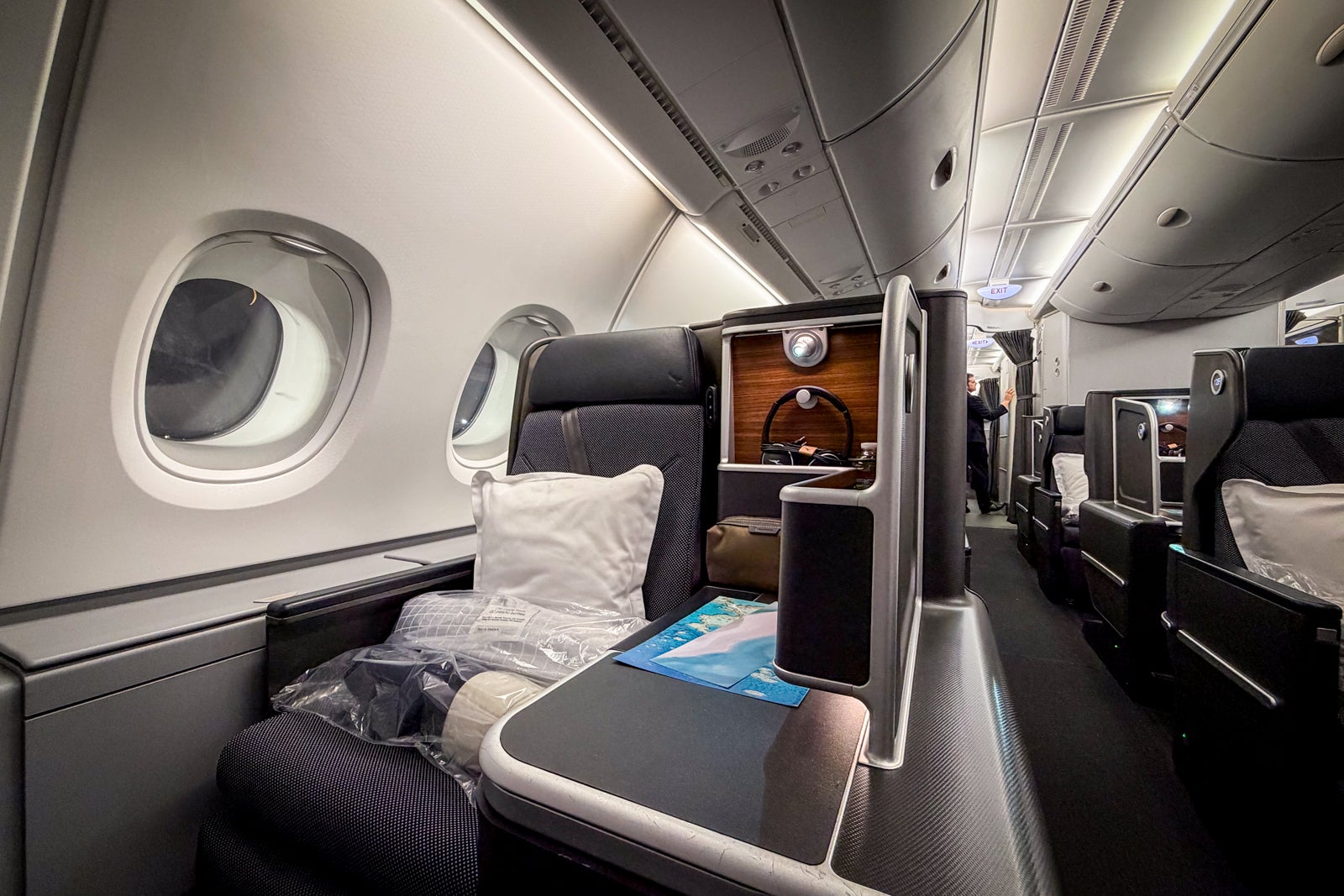
The seats had a sharp aesthetic with charcoal-gray leather accents and upholstery with silvery dotted patterning, brushed metal shells and dark faux-wood paneling.
The seat cushions were 18 inches wide at the shoulders, but I measured the distance between armrests at the hips to be 24 inches, so they feel very roomy.
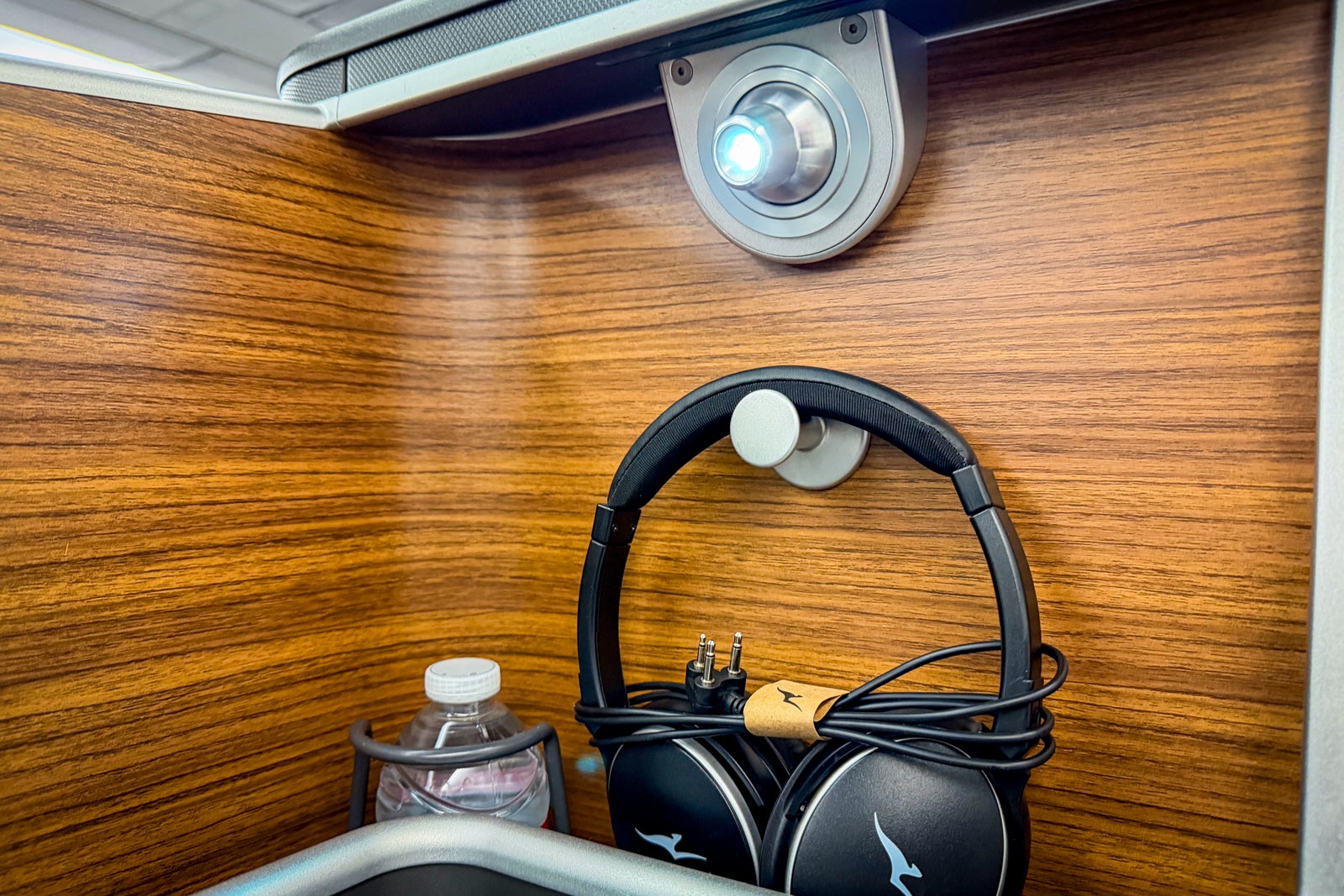
The wider armrest had some shelving for small items, plus a hook for headphones, a water bottle holder and a small reading light.
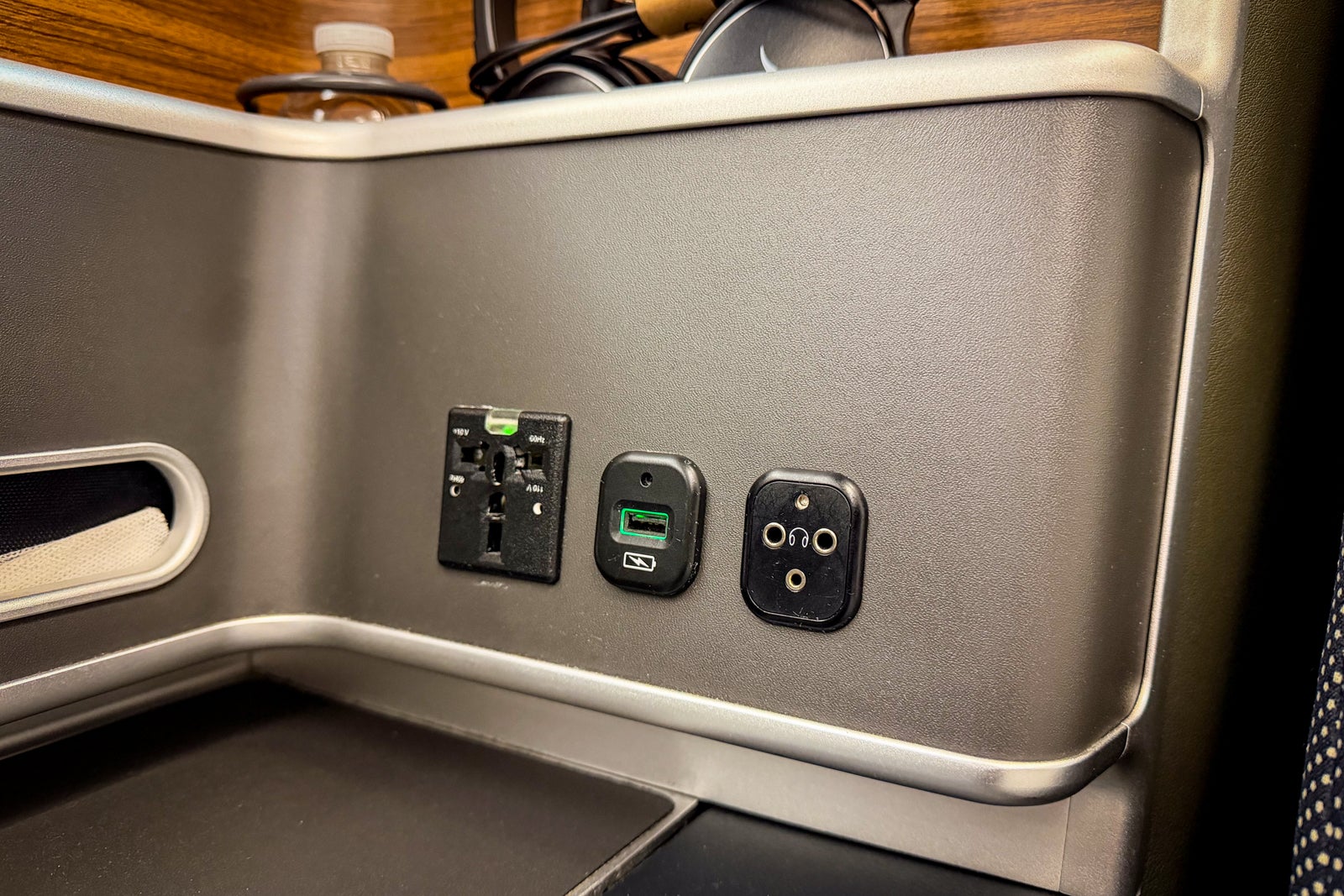
This was also where I found a universal power plug and a USB-A port (no USB-C, I'm afraid).
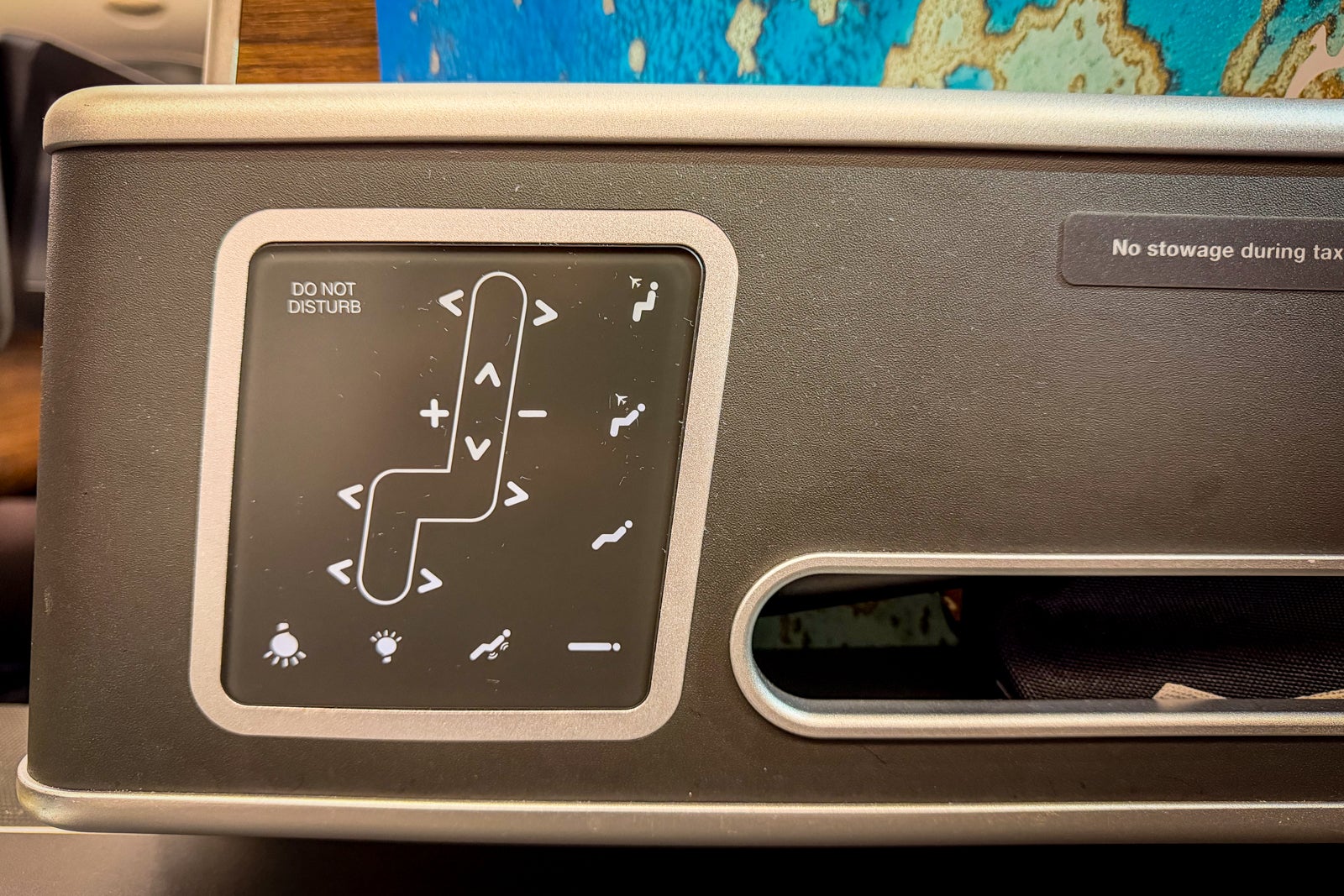
There was a panel with seat controls that included preset positions for takeoff and landing, lounging and lie-flat mode, as well as buttons to control the individual parts of the seat; I found this handy for getting into a just-right position. I could also control the ambient seat lighting and the small reading light using buttons on the panel, and I could illuminate a "Do Not Disturb" indicator if I wanted the crew to leave me be while I rested.
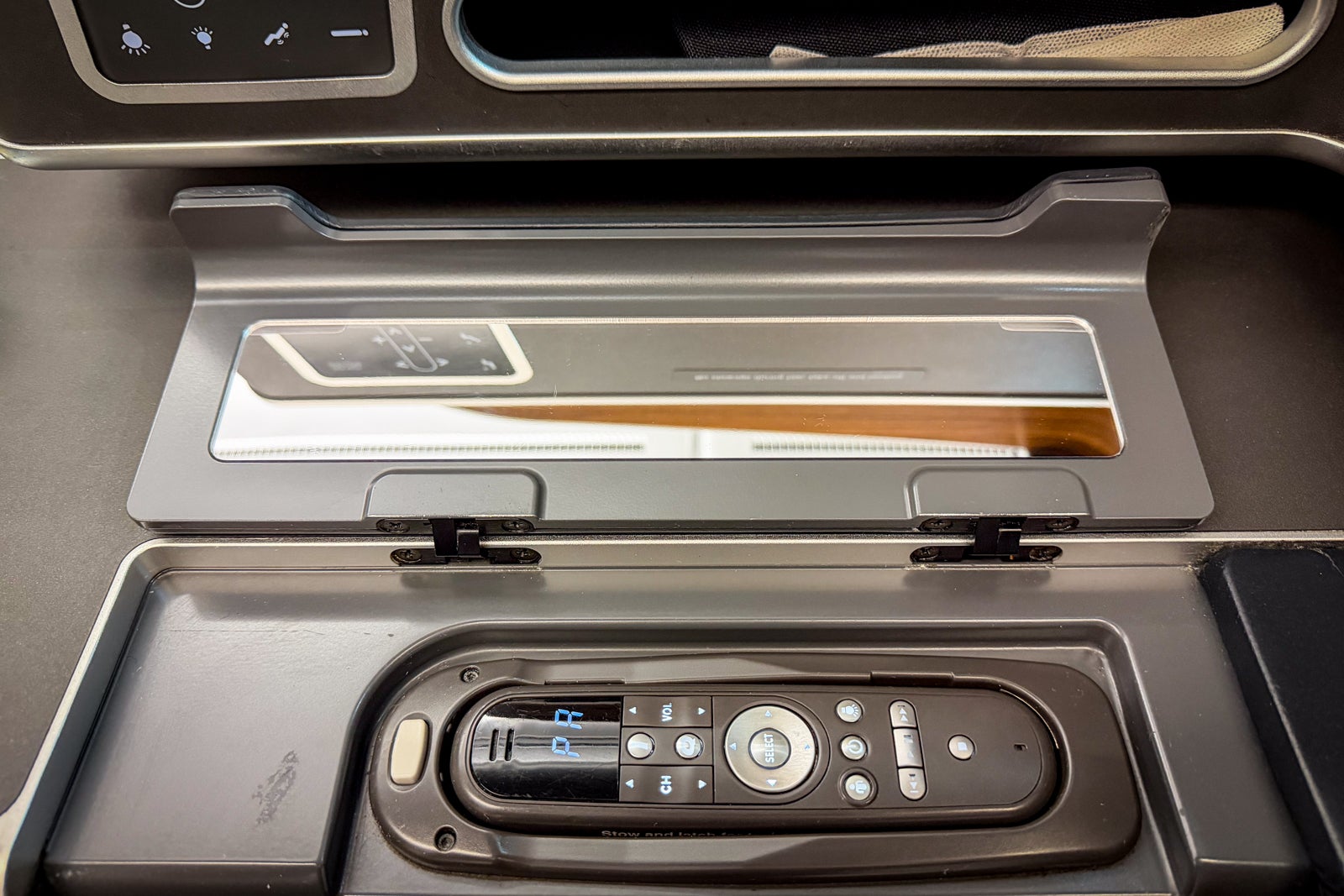
There wasn't much other storage to speak of since I didn't have one of the single side seats; those seats actually had large bins set against the window for storing amenity kits, bedding and other belongings.
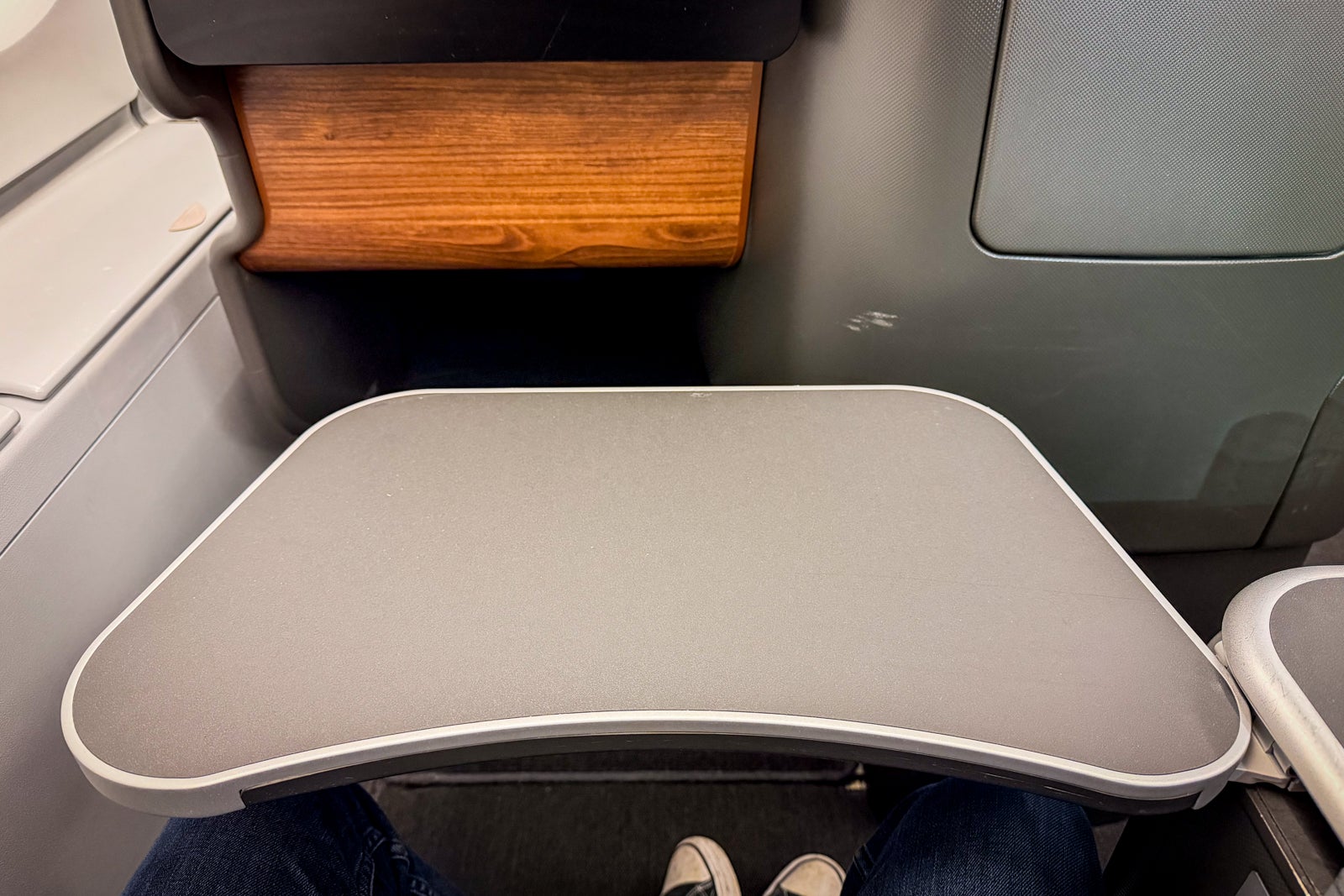
The seat's tray table popped out horizontally from the wide armrest and measured about 11 inches by 19 inches — plenty of room for my laptop.
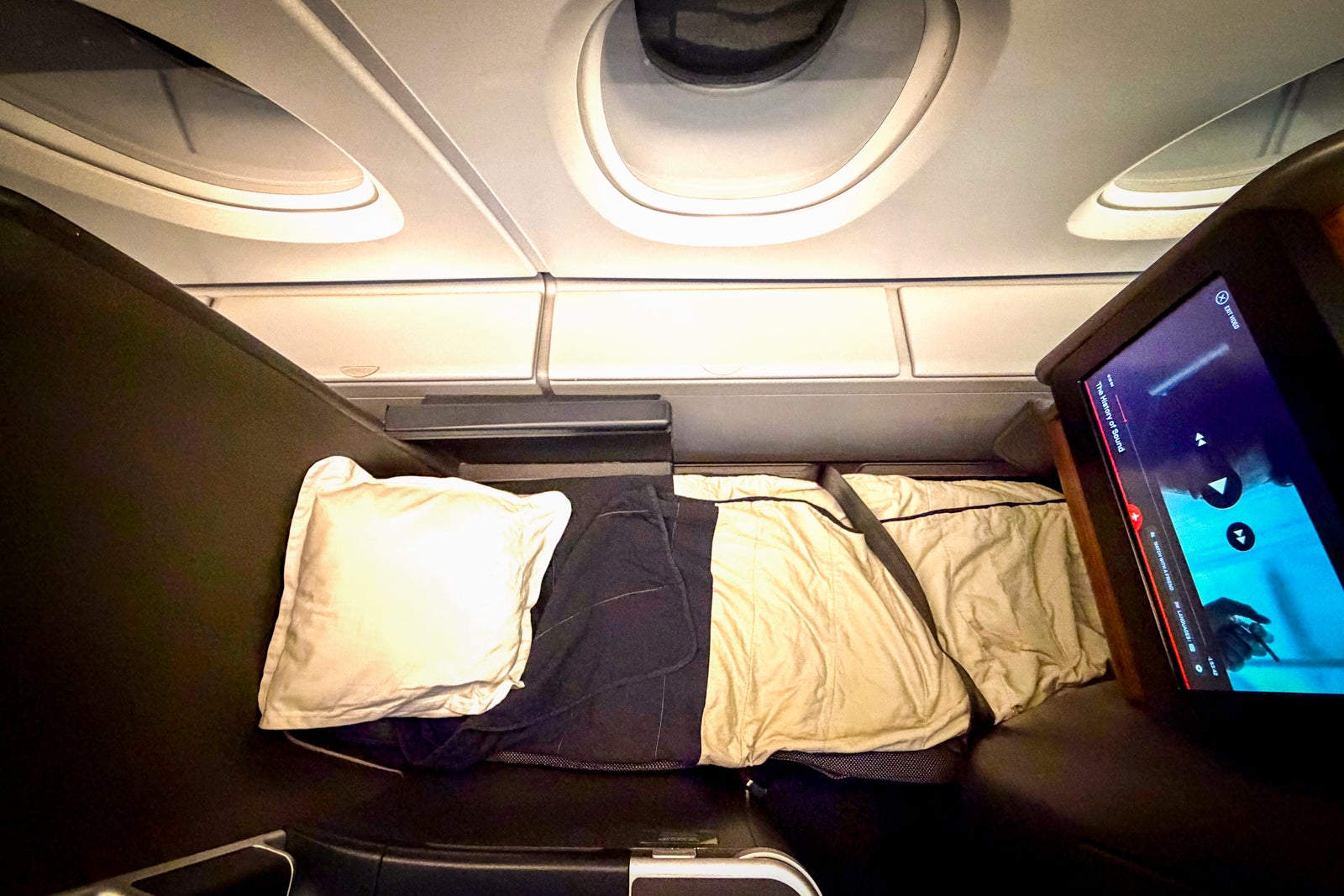
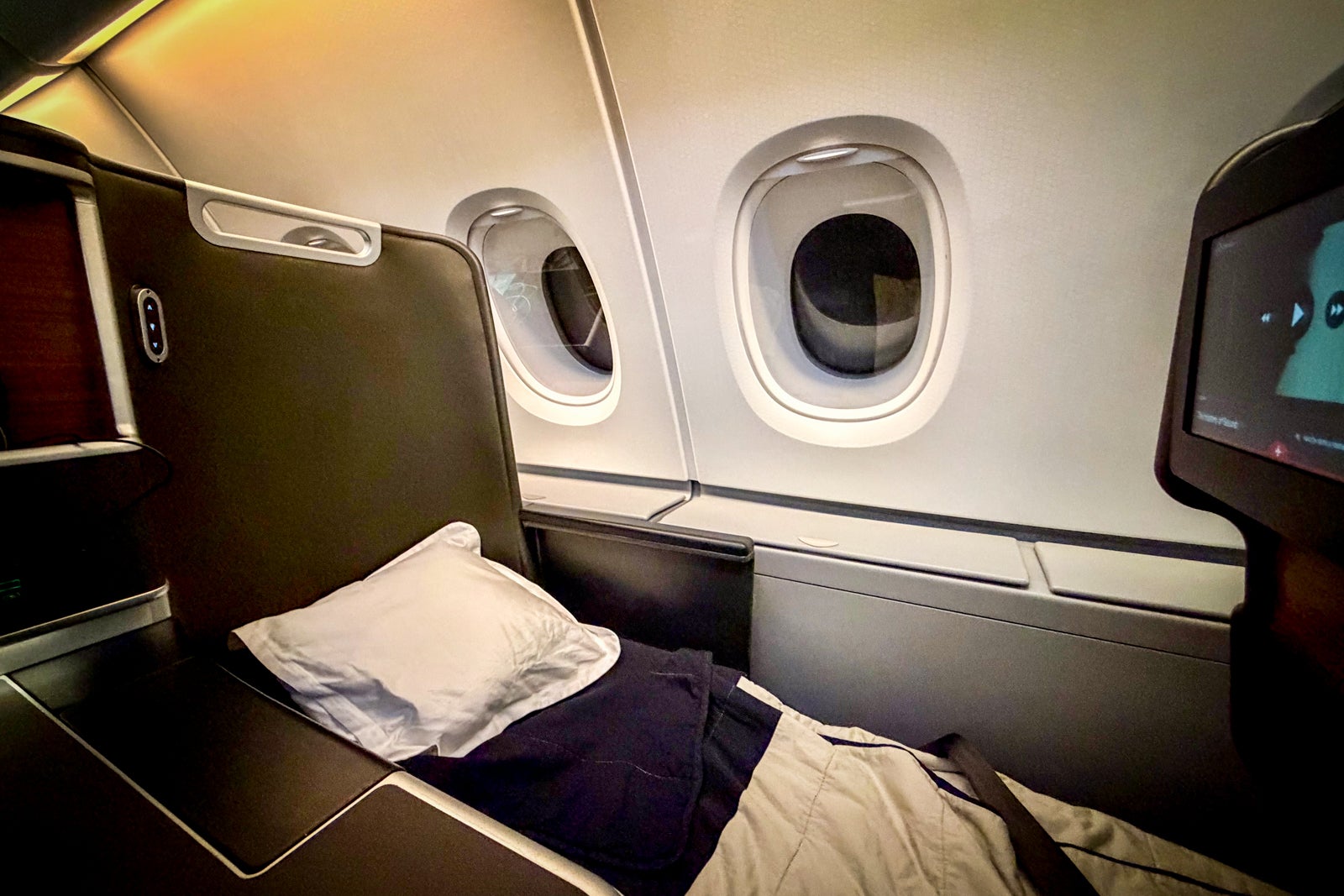
In lie-flat mode, the seat stretched to an 80-inch bed, and I found it comfortable to sleep in various positions.
The foot cubby was 14 inches wide at its mouth and 11 inches tall, so folks with bigger feet might find it a bit cramped.
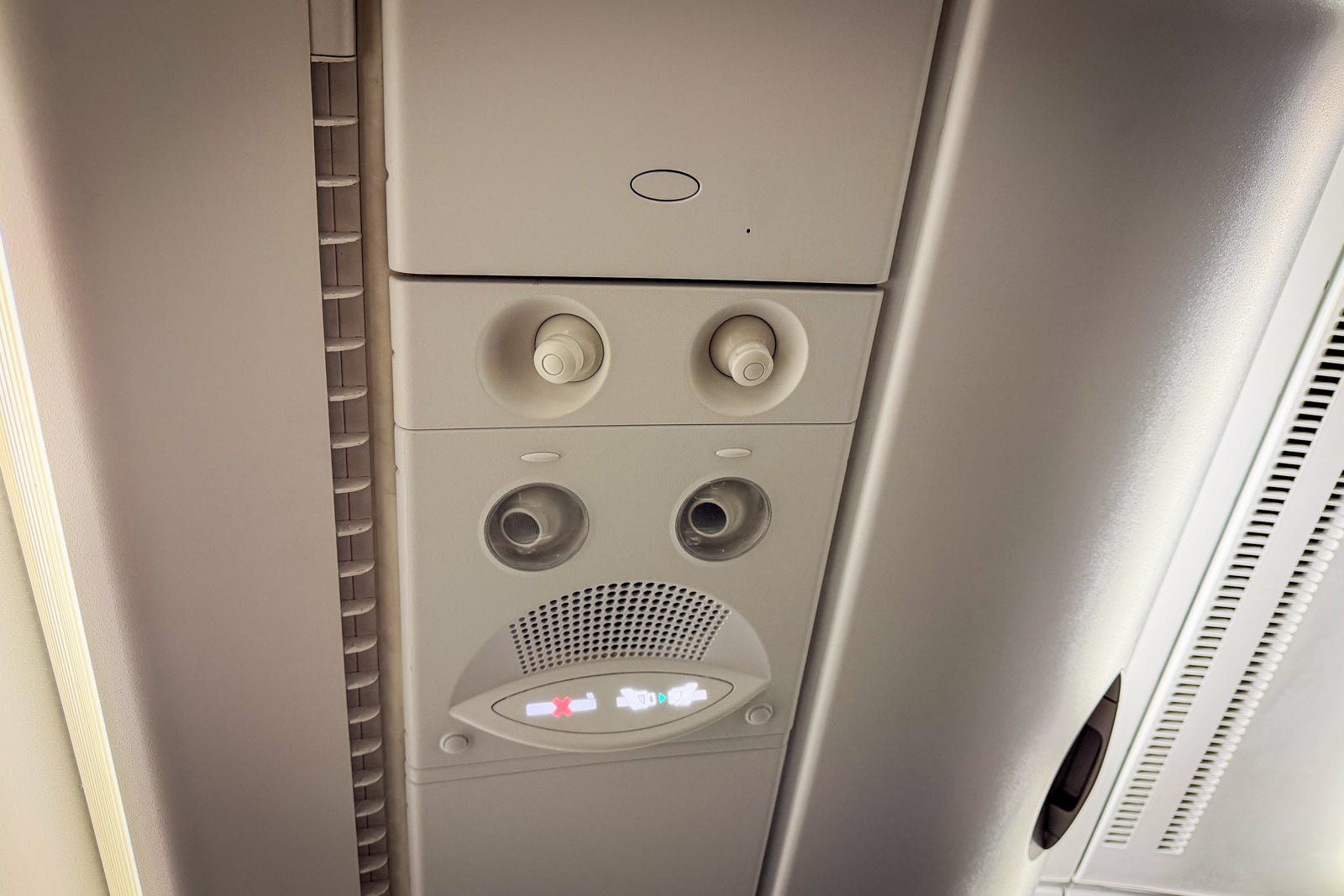
Each seat had two individual overhead air nozzles, which made it easy to control the temperature in my area, though the crew kept the cabin pleasantly cool throughout the flight.
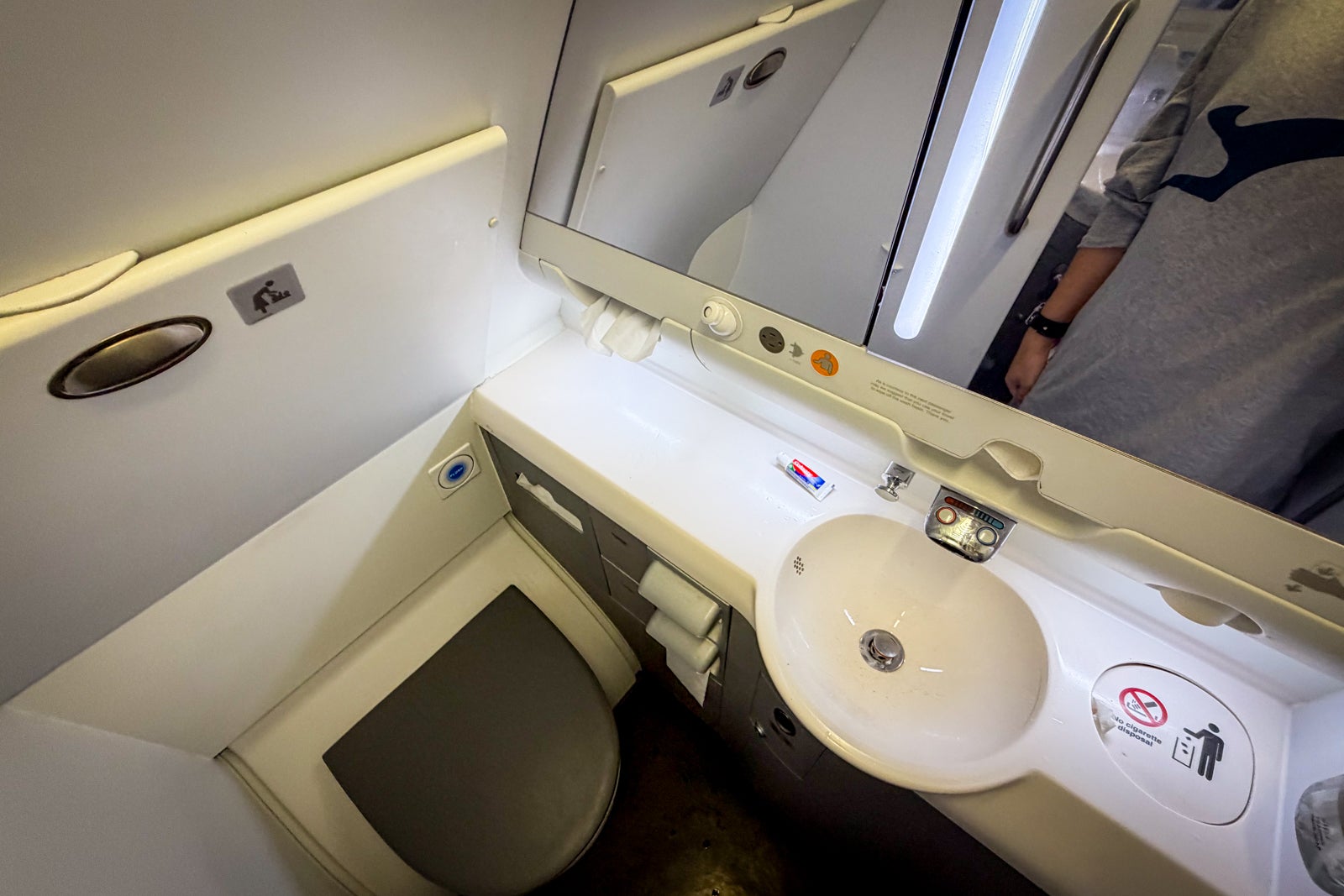
There were two lavatories in the center galley section between the two business-class cabins and two more behind the larger business-class cabin. Although the restroom-to-passenger ratio was pretty good, there were lines after meals. The crew kept them very clean throughout the flight, though.
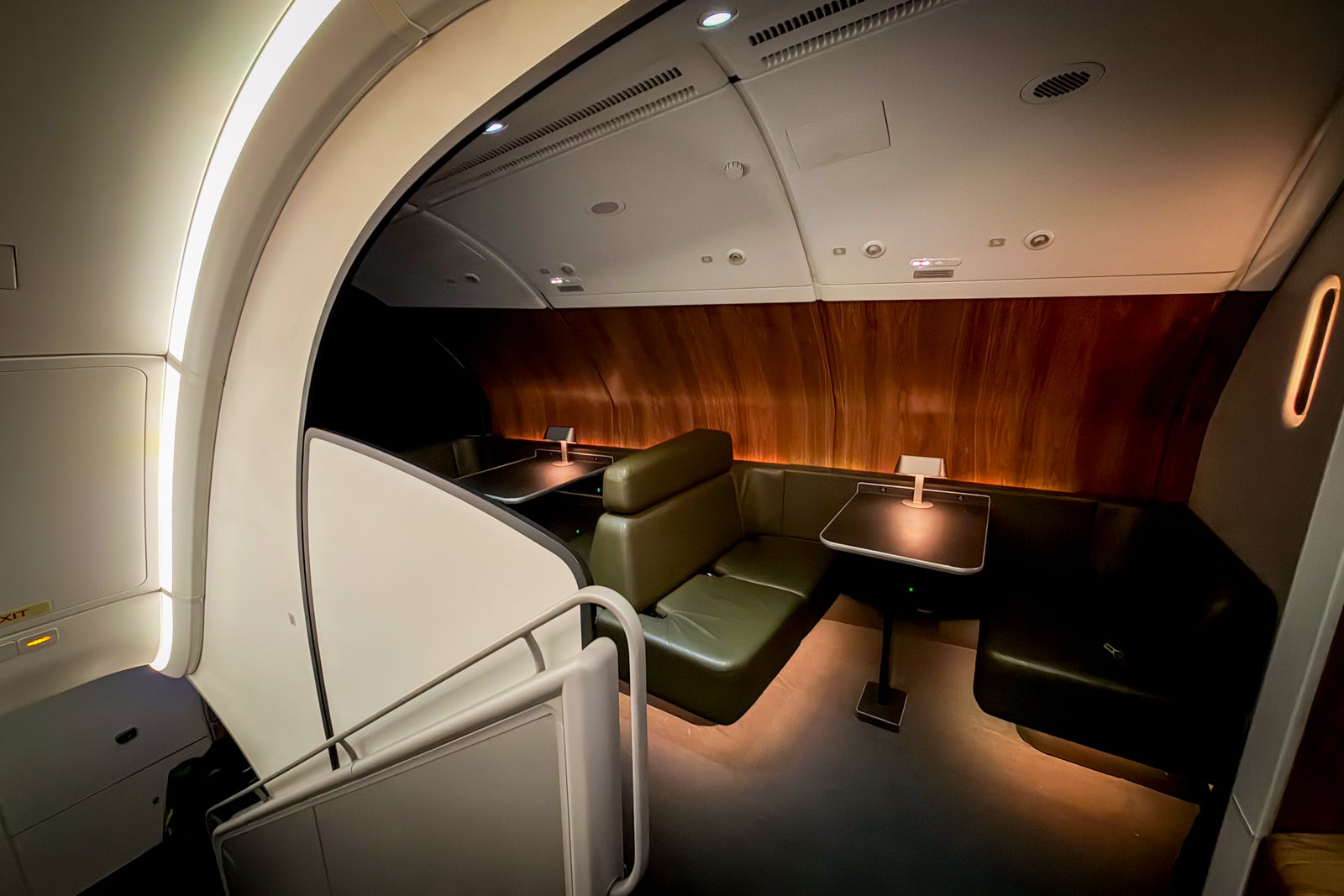
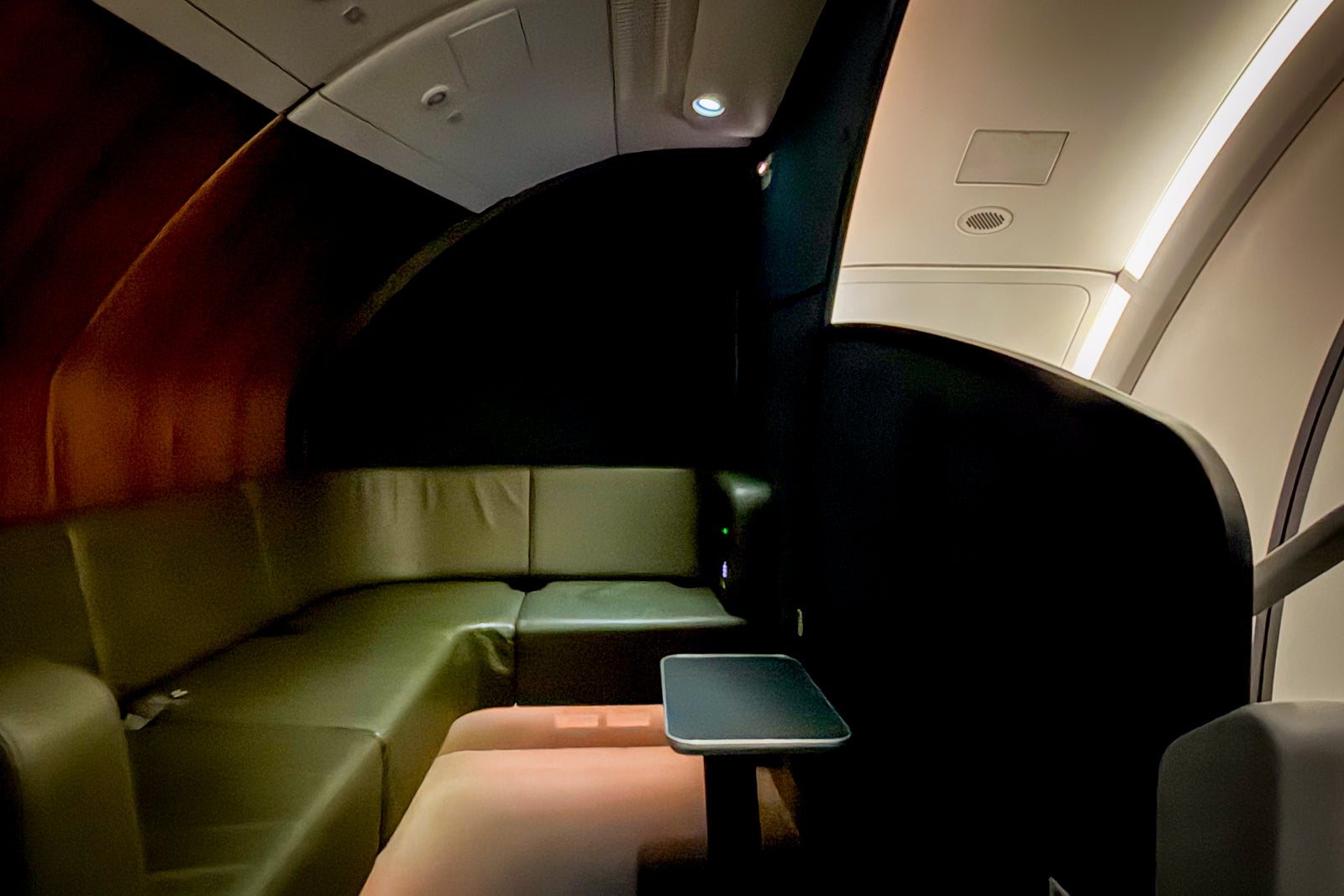
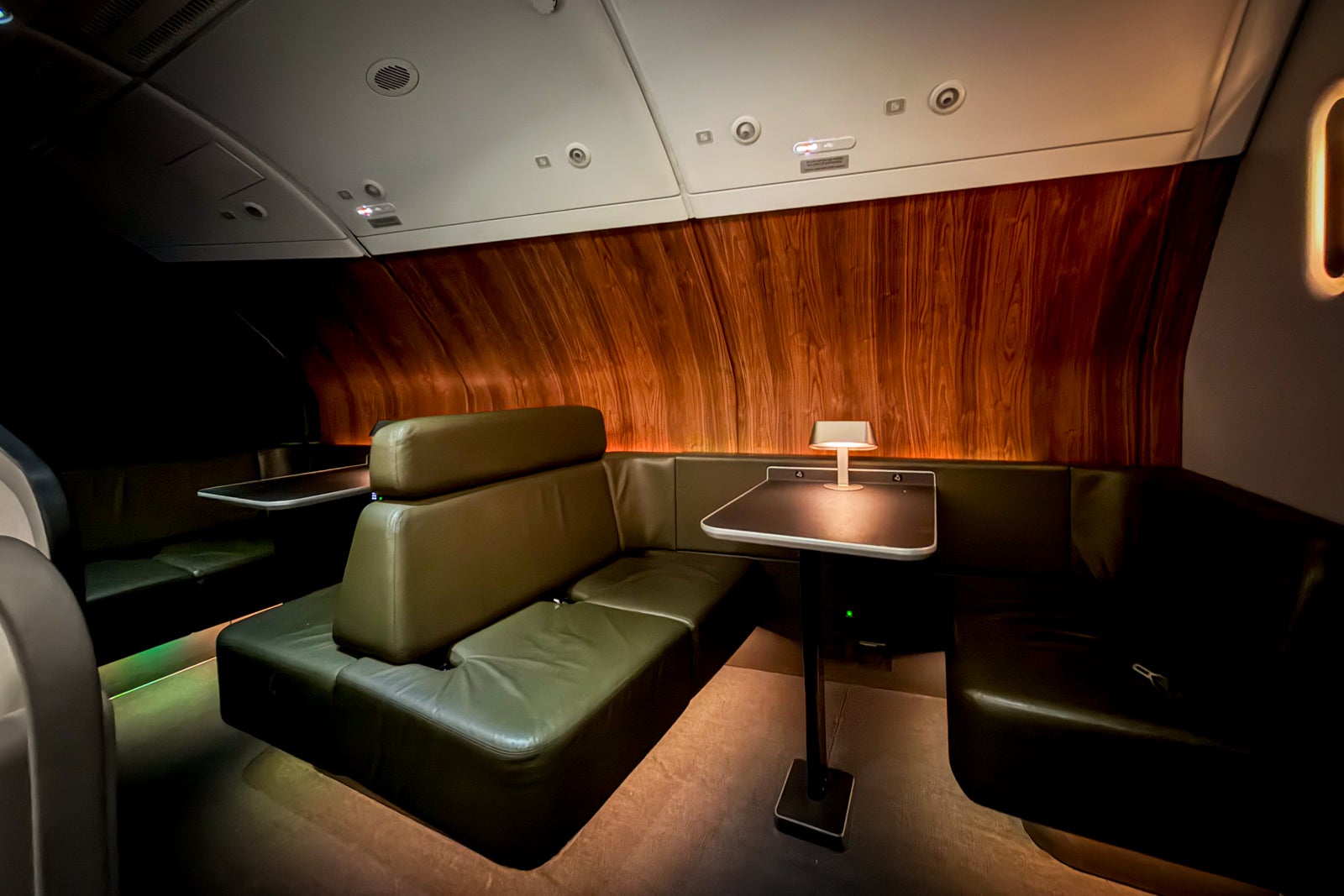
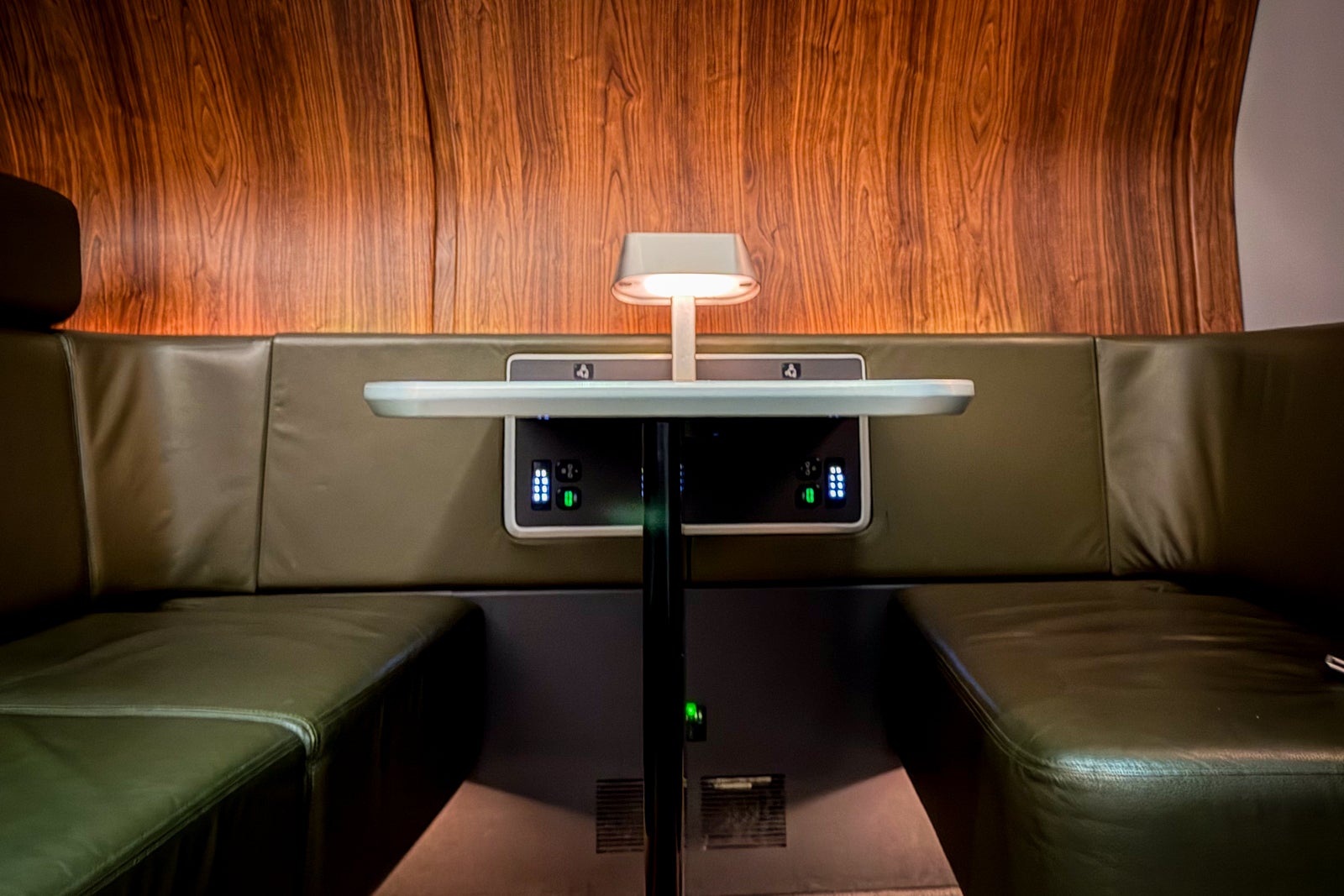
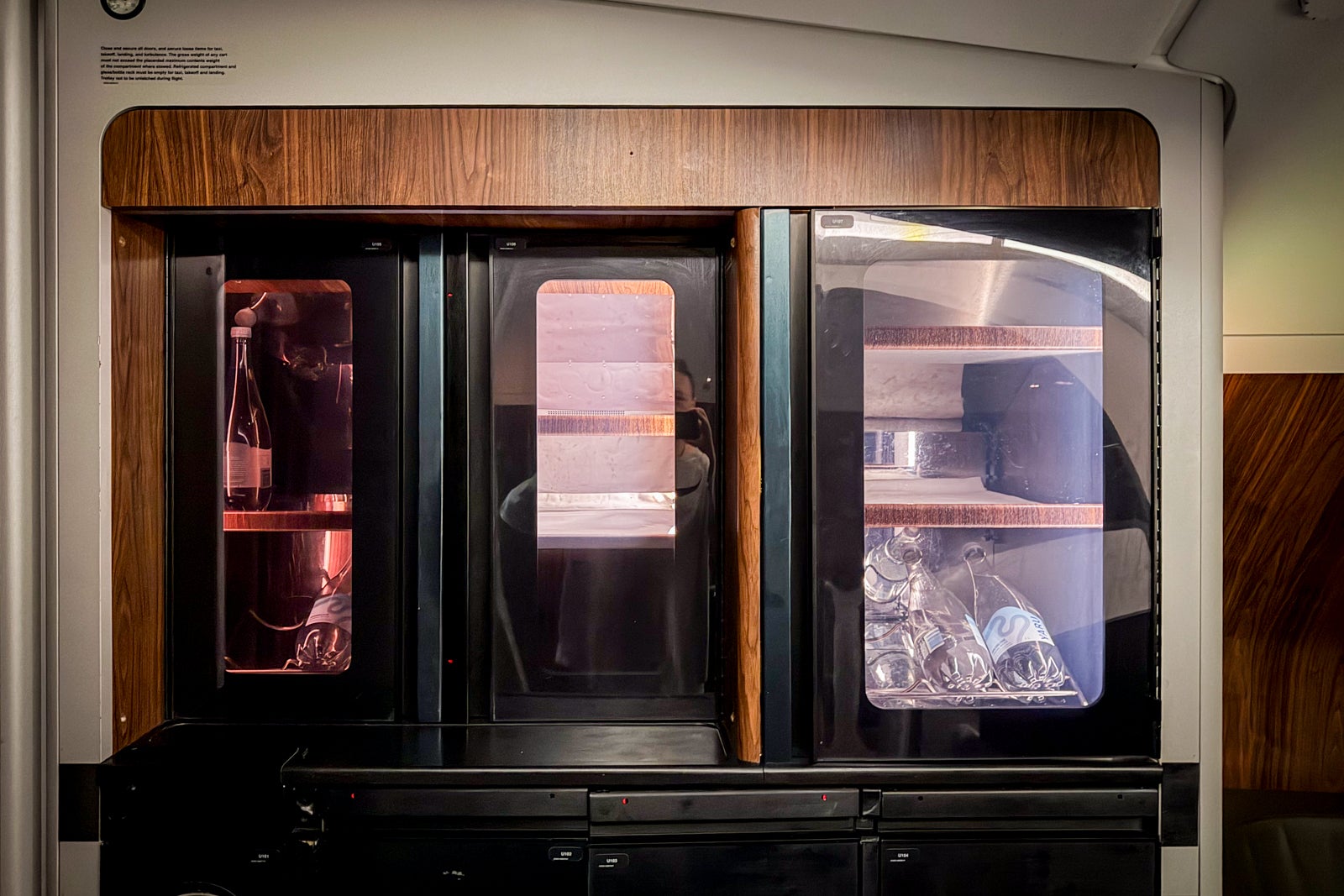
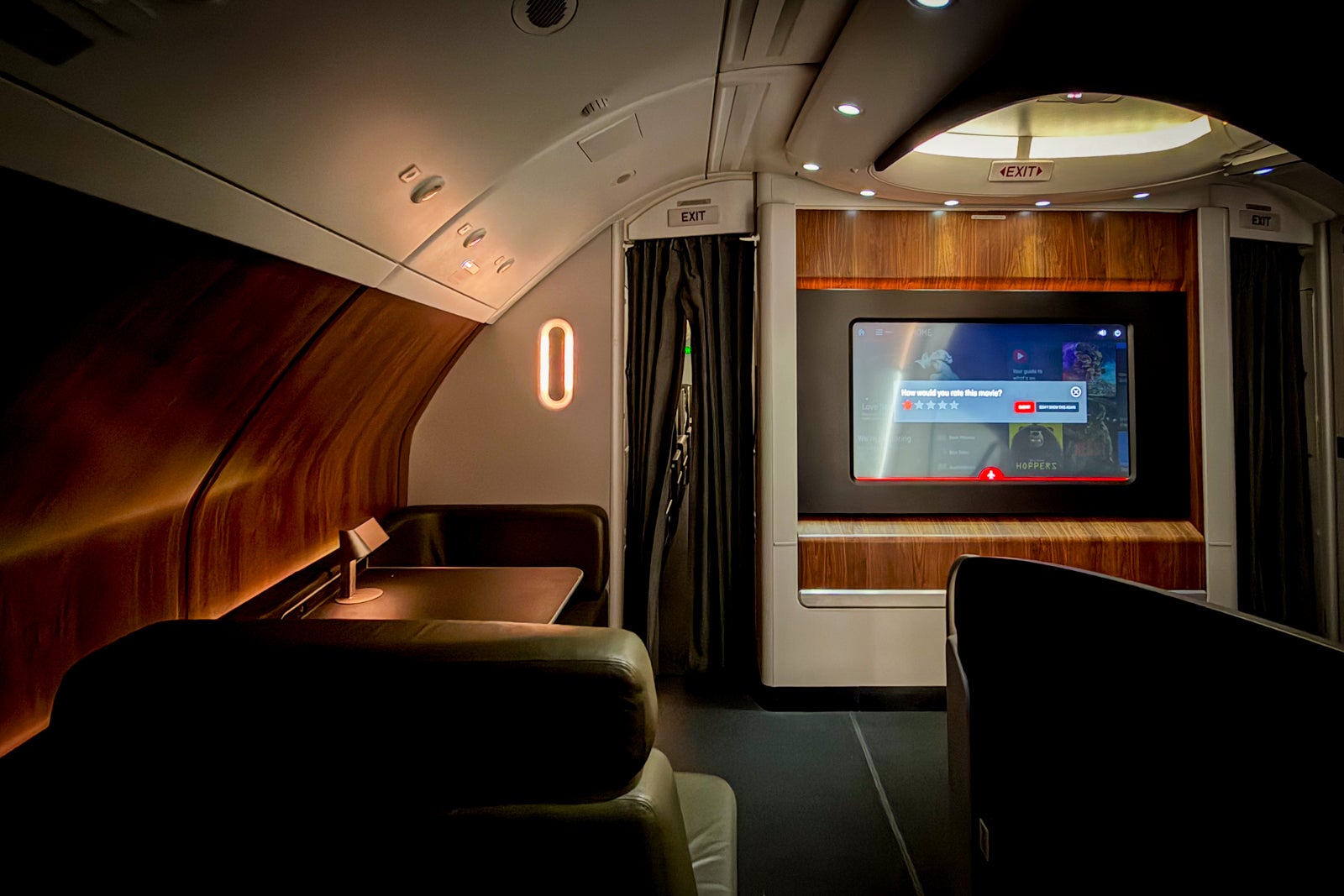
One of the things I like best about flying Qantas business and first class aboard the A380 is the swanky little lounge at the front of the upper deck for premium passengers. It features a long banquette with seat belts and a self-serve area to one side of the staircase leading down to the lower deck, and two tables with plugs and seat belts to the other, so you can gather with your travel companions for a quick hang.
Amenities in Qantas business class
Each business-class seat was provisioned with a bed set that included a lightweight duvet, a seat cover and a medium-size pillow. I found the inclusion of a seat cover especially nice, as it meant I didn't have to sleep directly on a surface countless other passengers had sat on.
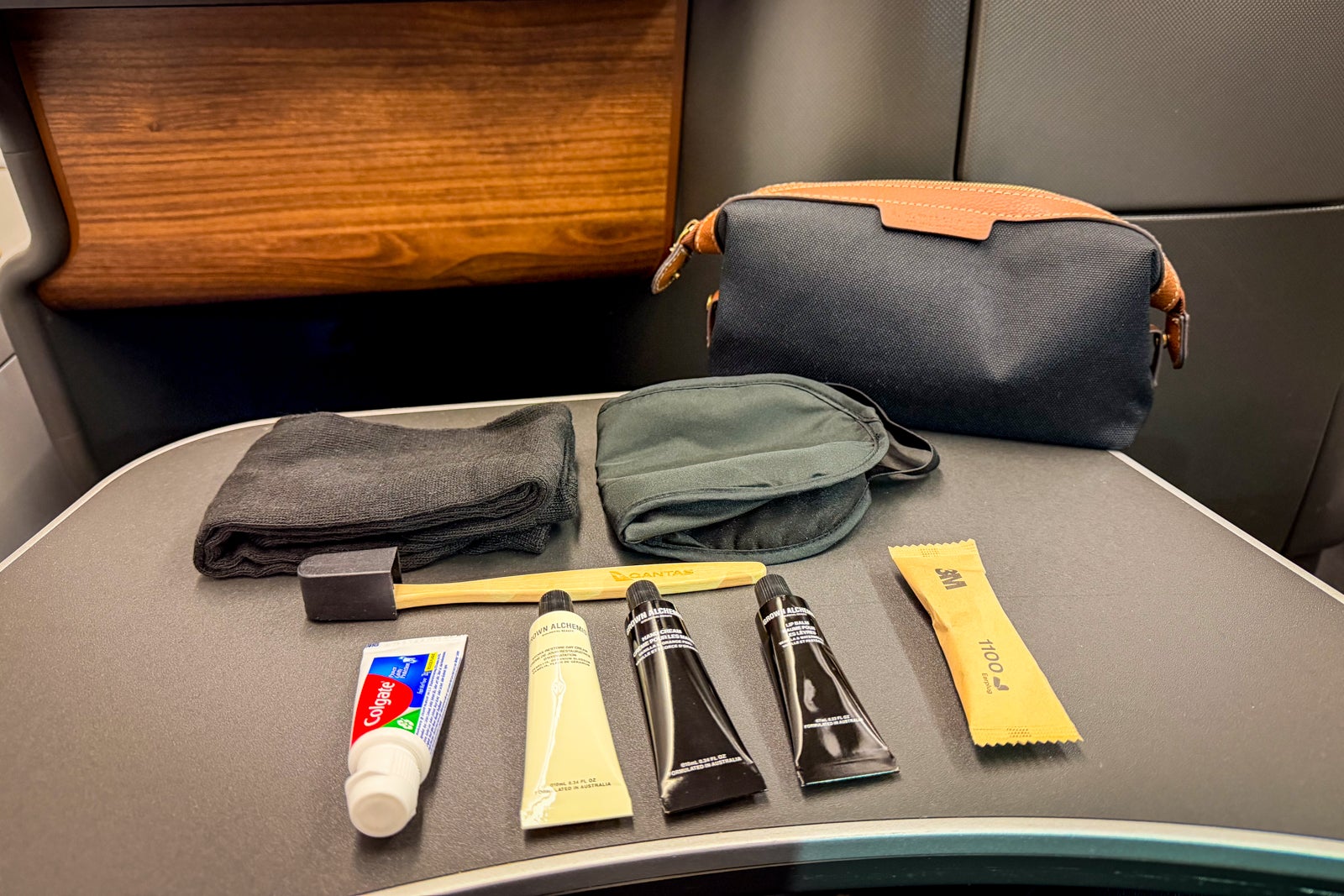
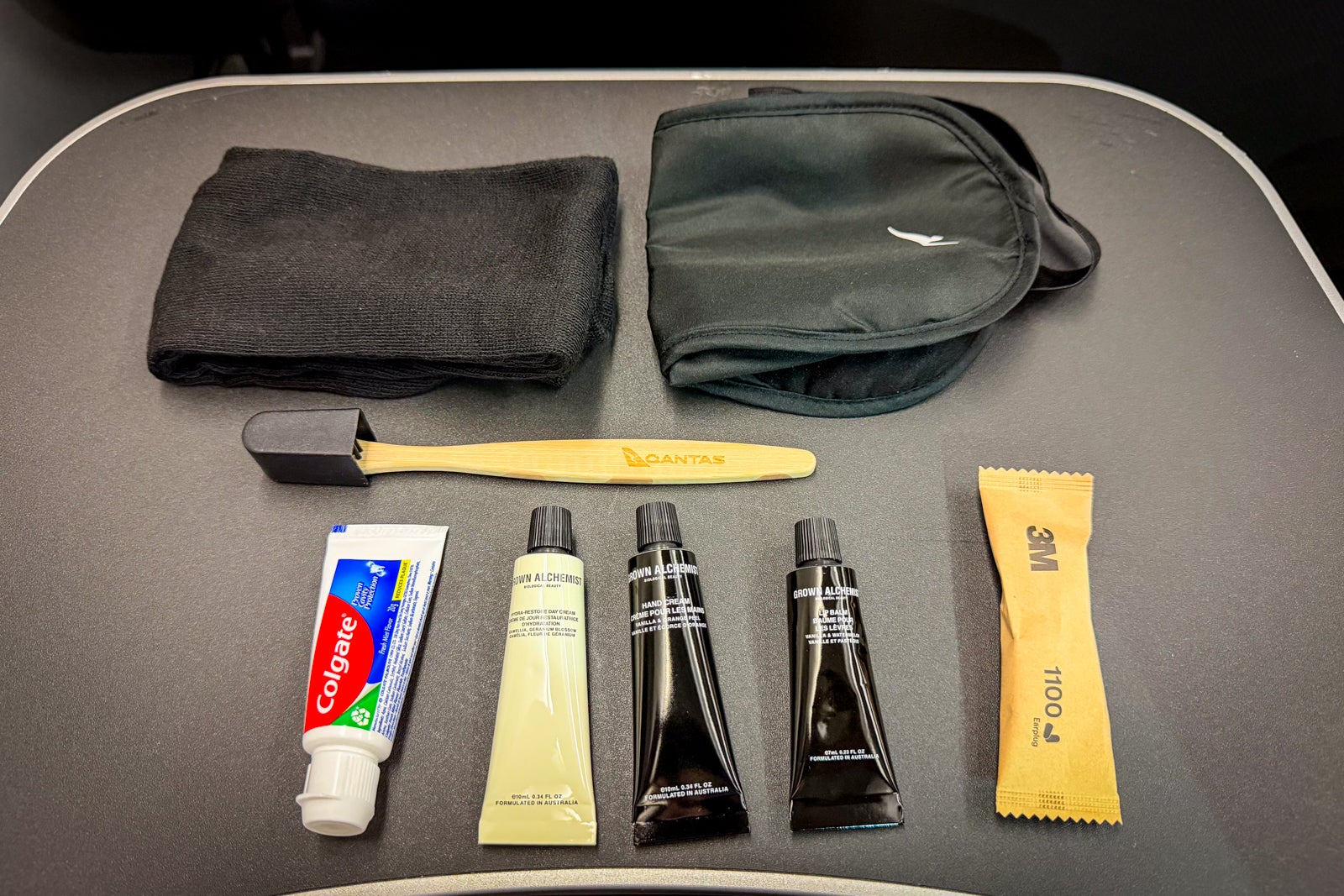
I also found a little amenity kit from Australian clothing and leather brand R.M. Williams, which was a nice Aussie touch. Inside, it included:
- A bamboo toothbrush
- Toothpaste
- Eye mask
- Warm socks
- Ear plugs
- Grown Alchemist vanilla-orange peel hand cream
- Grown Alchemist vanilla-watermelon lip balm
- Grown Alchemist geranium and camellia day cream
Shortly after boarding, flight attendants came through offering passengers pajamas, and though a small-medium would have fit me (I'm 5 feet, 8 inches), I asked for a large-extra large because I like them roomy.
The seat's entertainment screen was 15 1/2 inches across diagonally and had dozens of new movies and TV shows, including "The Devil Wears Prada 2," "Hoppers," and "The Super Mario Galaxy Movie." The screen tilted up and down to make viewing easier, whether sitting upright or reclined.
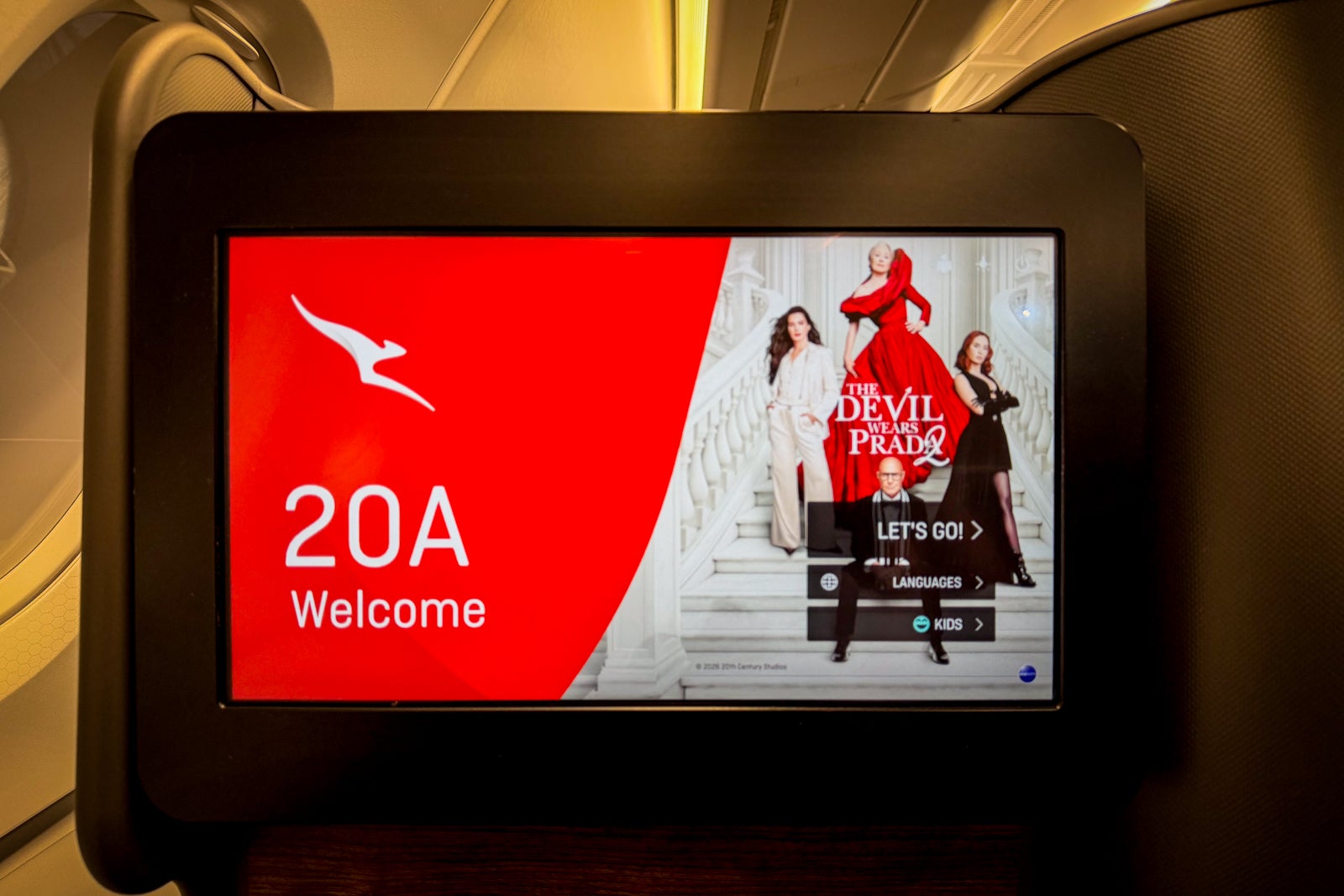
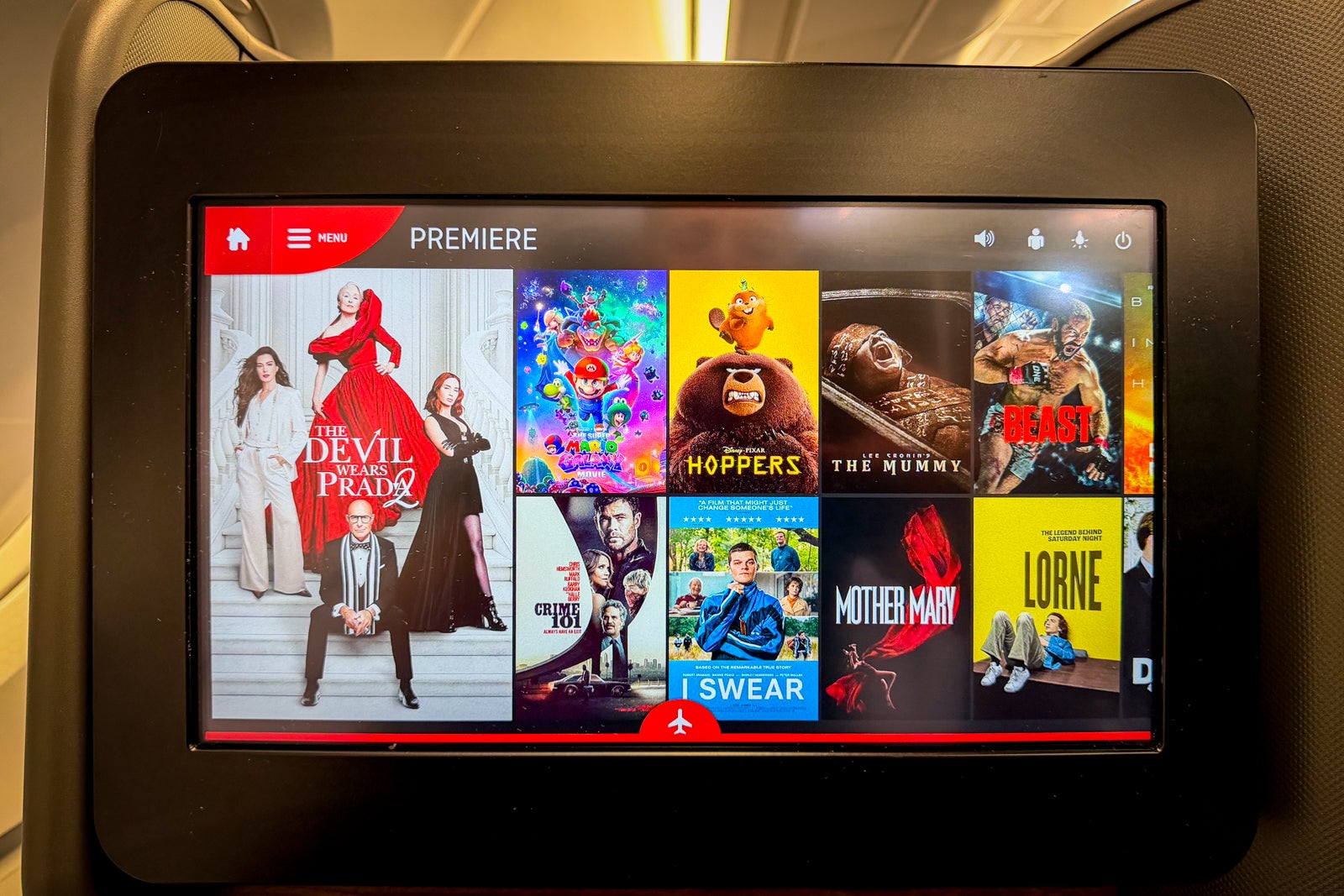
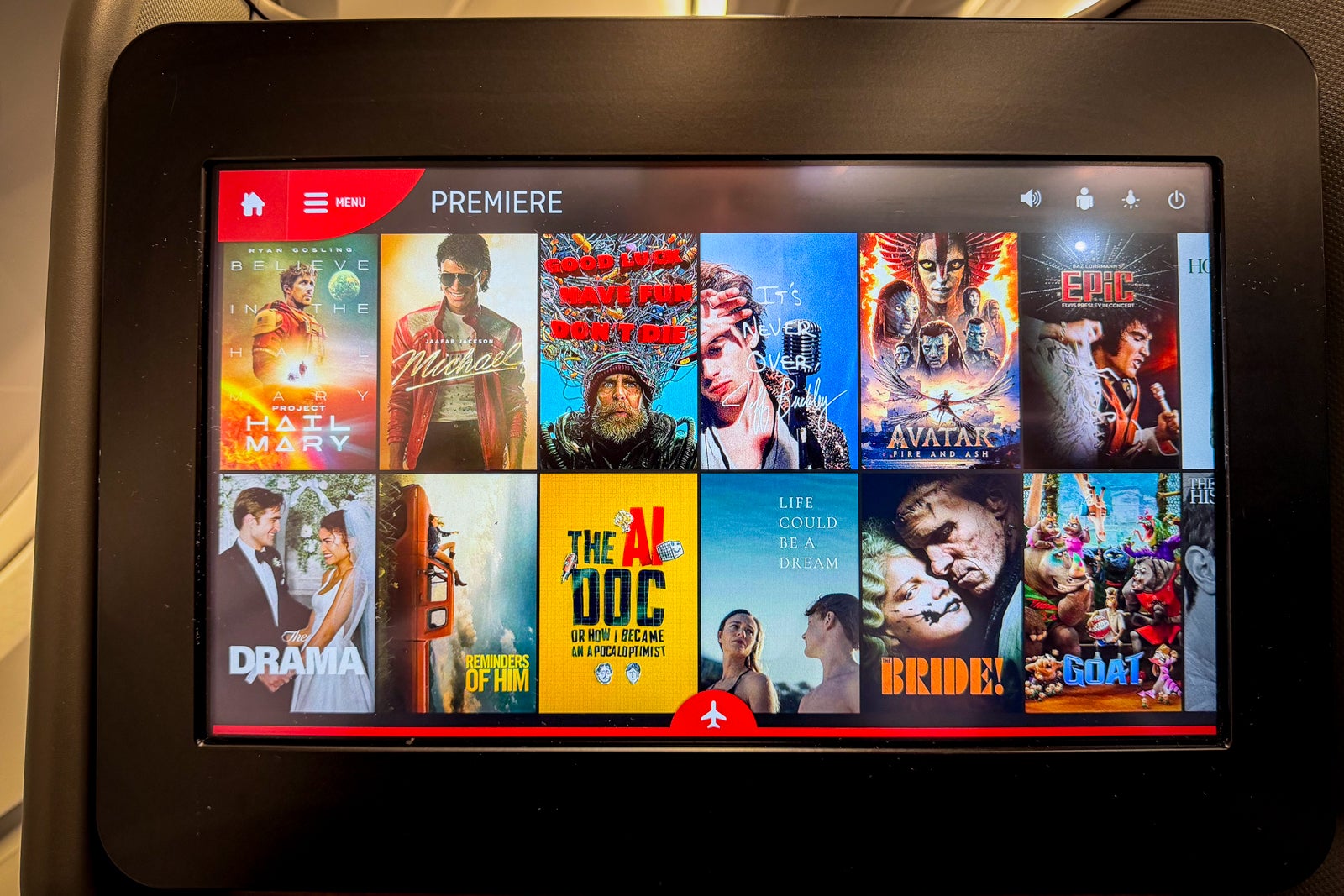
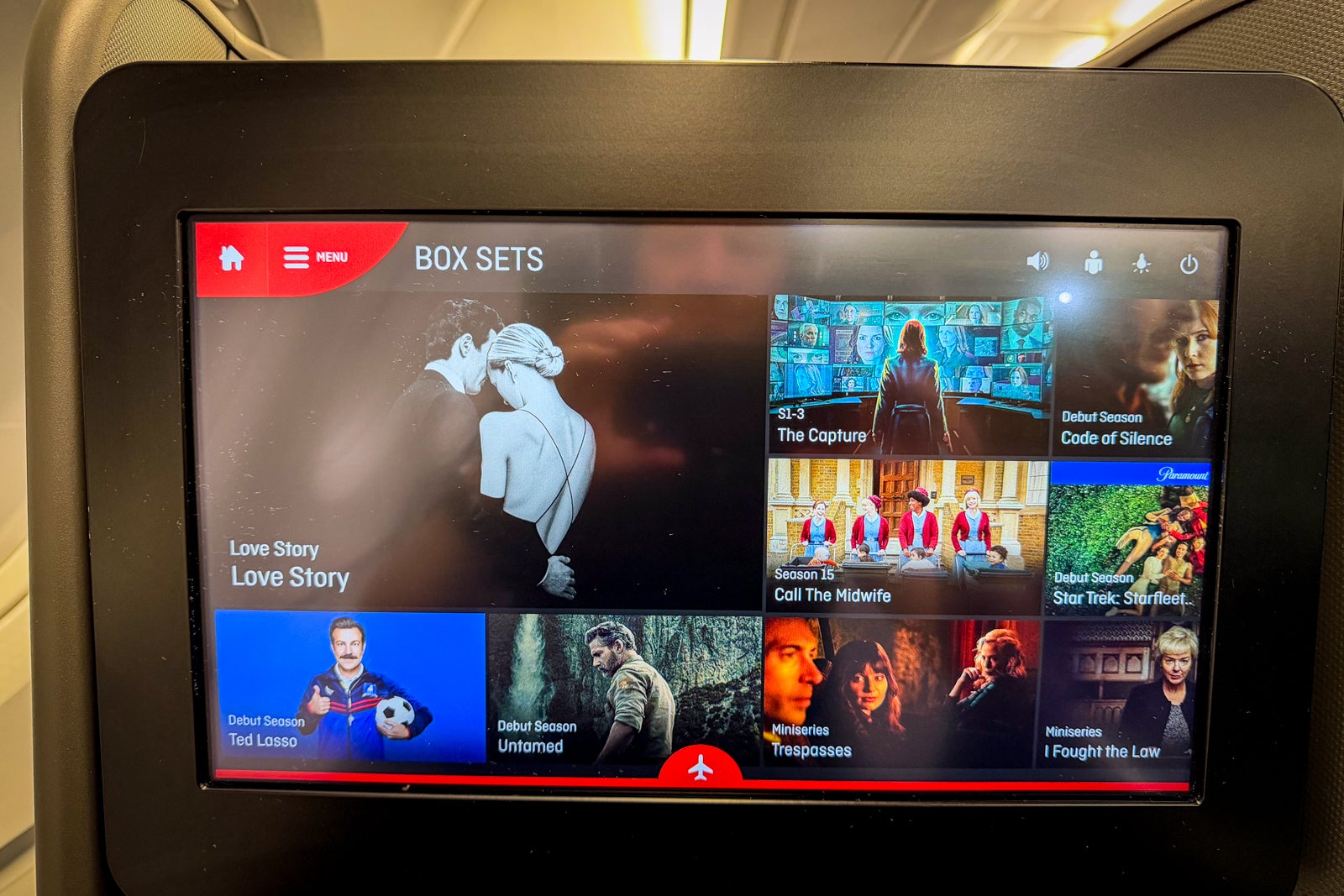
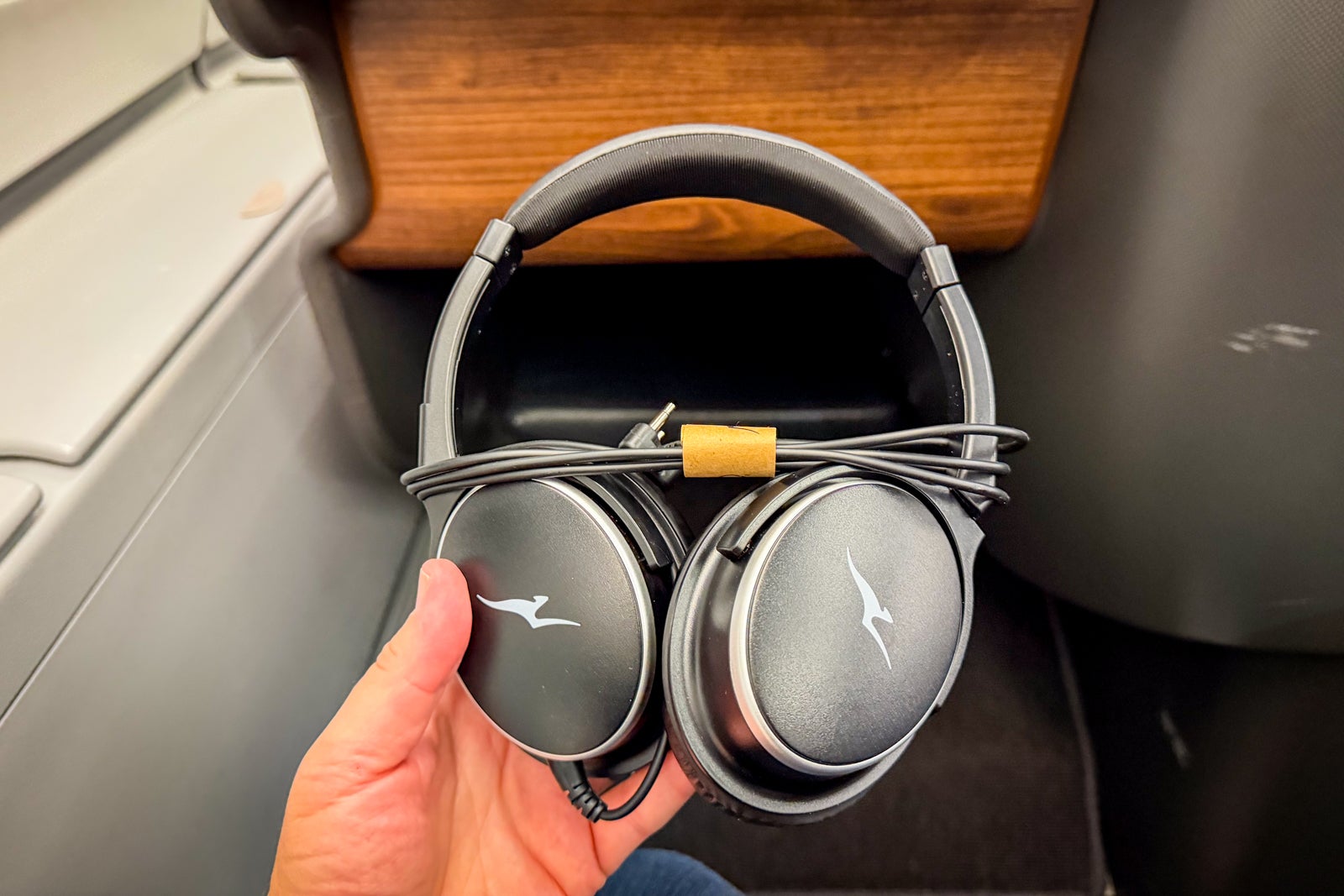
The airline provided basic headphones that plugged into a jack near the USB port, but there was no way to connect my own headphones to the system via Bluetooth.
Unfortunately, Qantas does not have Wi-Fi on its A380s, but the airline is starting to equip them with the service, with rollout across all 10 expected to be completed by mid-2027.
How was the food in Qantas business class?
When I boarded, I found both the main menu and breakfast menu waiting at my seat. Unlike some other airlines, Qantas does not offer a preorder option for its regular menus, though those with special dietary needs can order ahead.
As folks got settled in, flight attendants passed through the cabin with trays of Jacquart Mosaique Brut Champagne and water.
About 30 minutes into the flight, meal service started with a choice of beverages and an "aperitivo" of mixed nuts served in a little Noritake porcelain bowl.
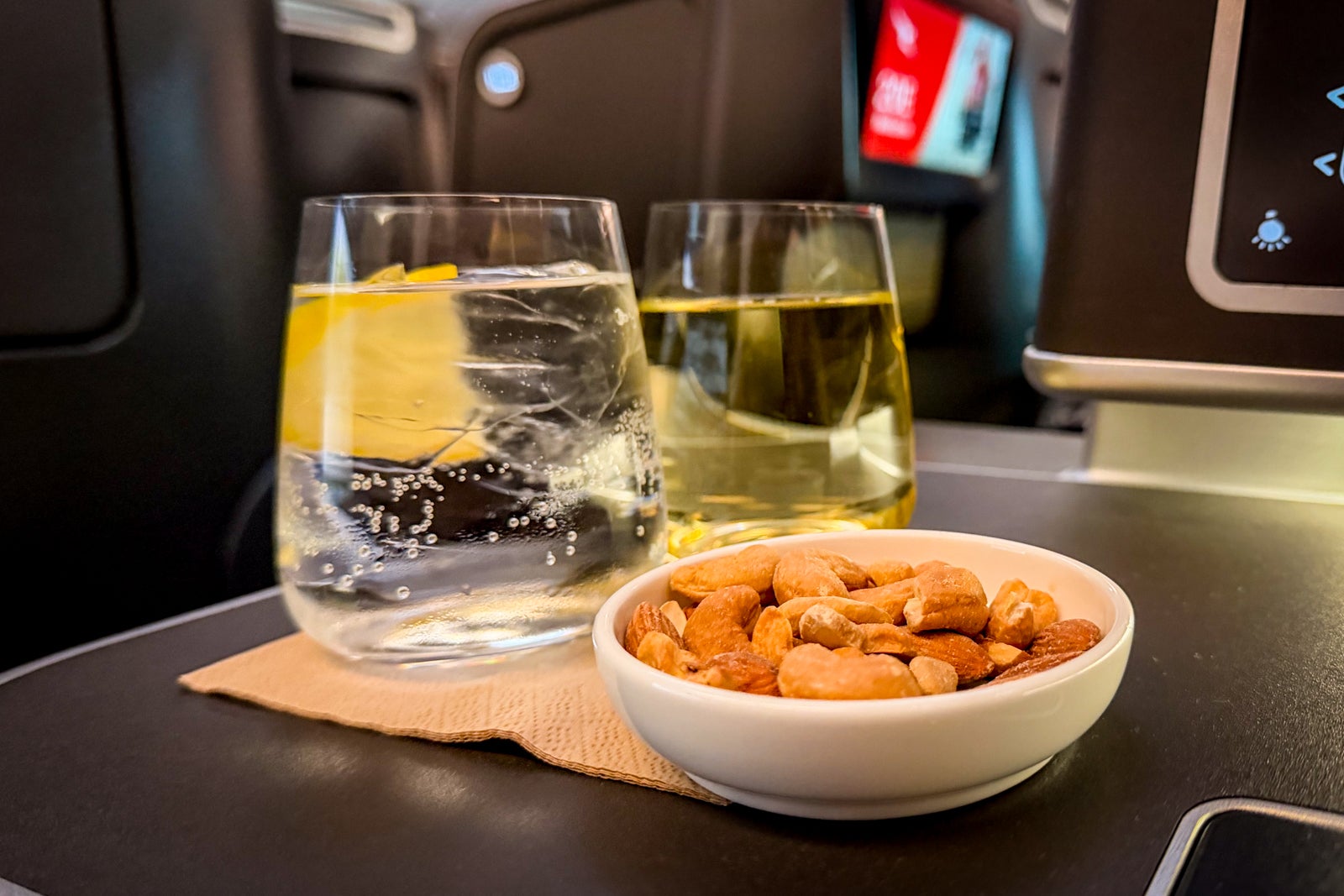
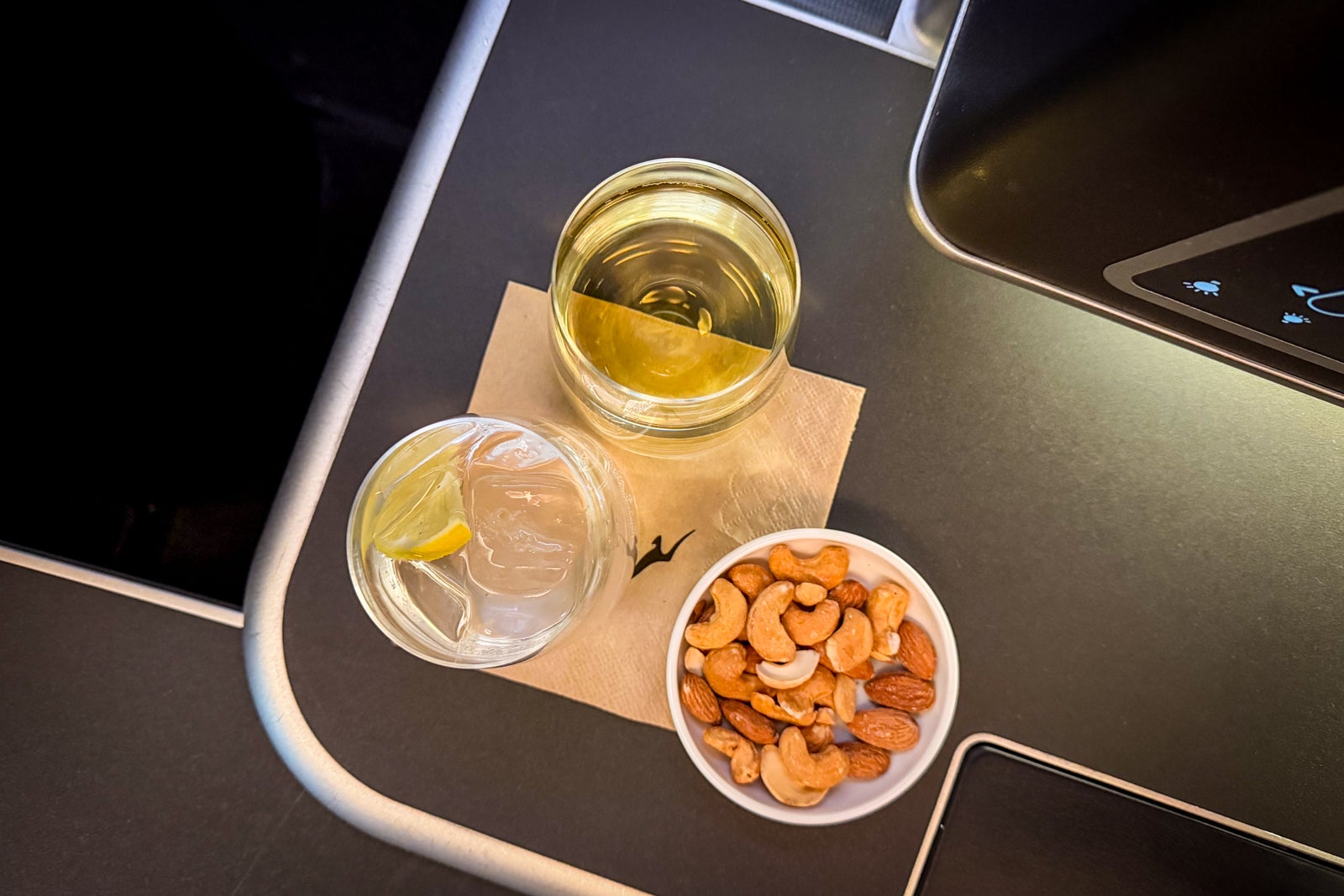
The main meal was served between all on one tray — probably due to the late hour of the flight and the fact that most passengers wanted to get to bed. Flight attendants were quick, but given the size of the cabin, meal service started about an hour into the flight and lasted about 90 minutes.
It included a small green salad with vinaigrette and a choice of the following from the menu designed by the airline's chef partner, Neil Perry:
- Brassica and pea soup with mint and pea tendrils
- Gnocchi with roasted pumpkin, asparagus, sage, hazelnut and ricotta
- Seared halibut with braised beans, kale, calamari, capers, olives and almond salsa
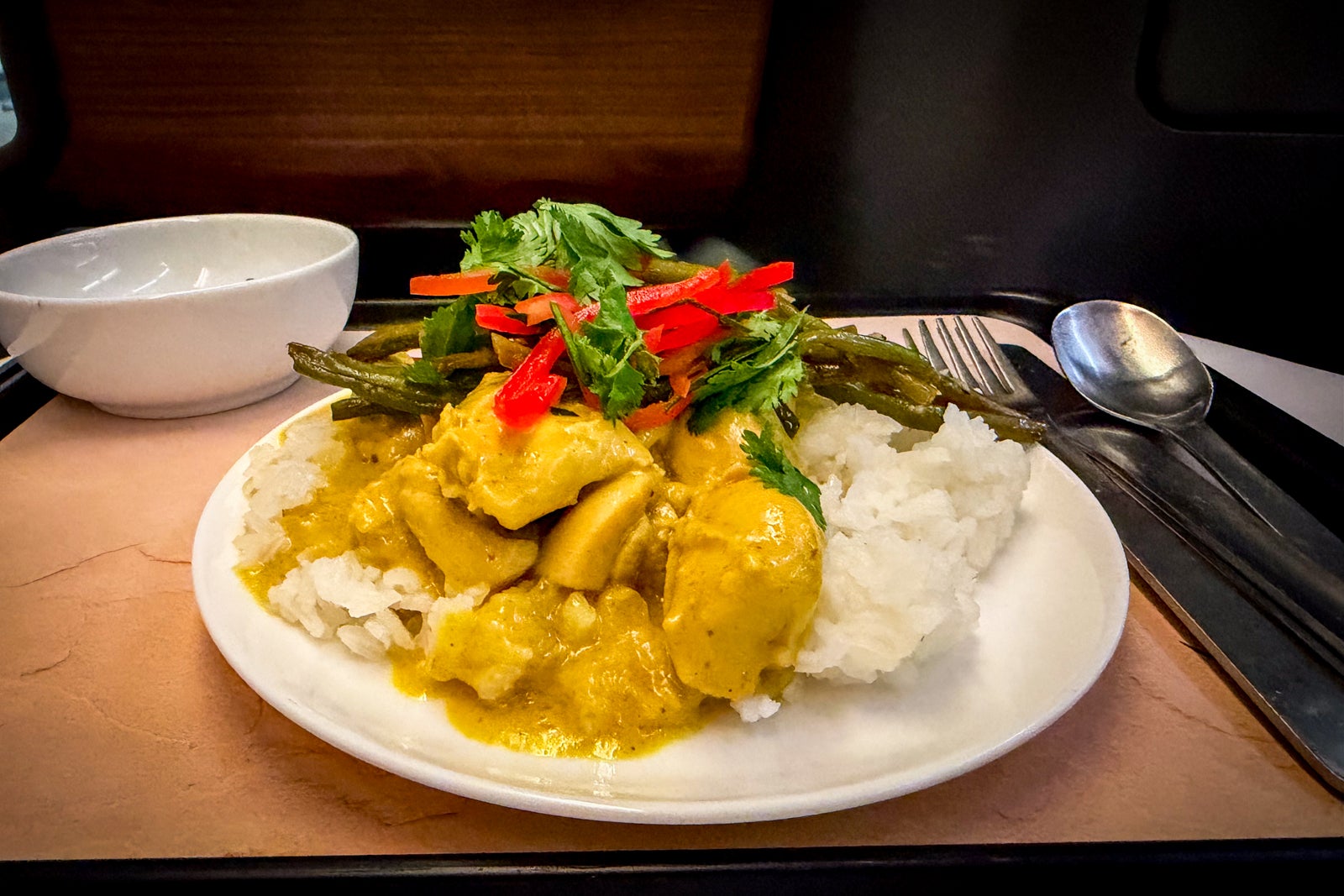
- Spicy kaffir lime chicken curry with stir-fried green beans, red chili and jasmine rice
- Braised beef cheek with slow-roasted baby sweet potatoes, creamed silverbeet and black pepper sour cream
I ordered the chicken curry, and it was fantastic. The portion was hearty, and the sauce was flavorful but light, while the meat turned out juicy and tender.
To finish, folks could choose from a selection of cheeses, including Manchego and Fourme d'Ambert, tiramisu, ice cream, or seasonal fruit. I ordered the latter for a light finish to my meal.
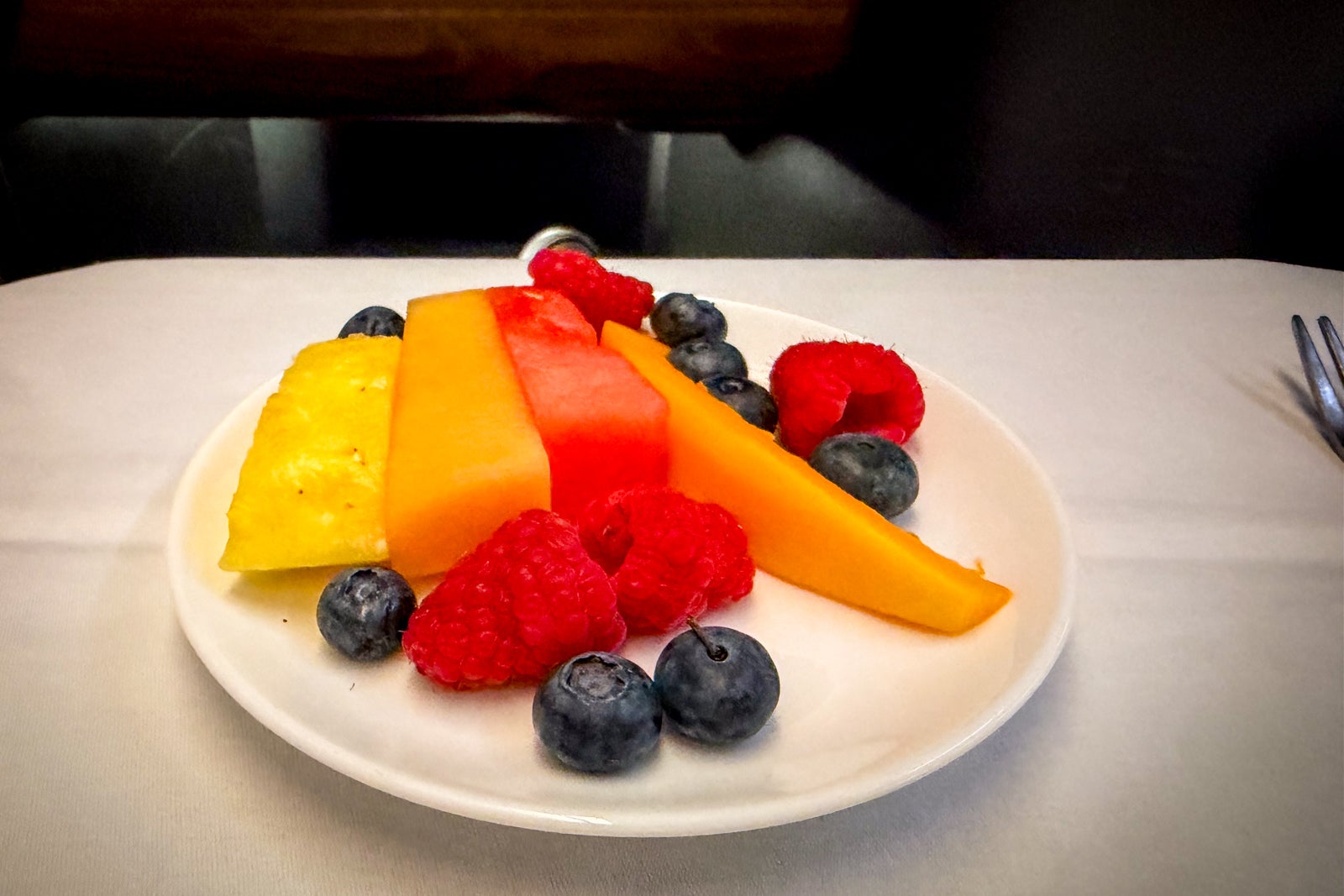
Throughout the rest of the flight, folks could order a few small dishes on demand, including crudites with hummus, a chicken-cheese sandwich with roasted peppers and zucchini, cookies, chocolate bars, mixed nuts, potato chips and fruit.
The wines on offer were not listed on the menu, but included a chardonnay from Victoria and a sauvignon blanc-semillon blend from Western Australia, plus a Shiraz from the Barossa and a pinot noir. There were also various drinks and spirits on hand, including Four Pillars gin and Bundaberg dark rum, as well as a selection of Australian beers. Flight attendants often came through during and after meal service to see if passengers wanted refills.
About two hours before landing, the cabin lighting gradually got brighter, and flight attendants began serving breakfast to passengers who were awake. I slept a little longer and was offered breakfast when I got up, about 75 minutes before landing. The crew could offer this slightly staggered service because passengers fill out their menu cards earlier in the flight, making it easier to assemble trays.
Passengers could choose from a selection of juices, coffee and tea, along with food items like yogurt, fruit salad, muesli, toast, croissants and mains that included:
- Buttermilk pancakes with raspberry compote, yogurt and hazelnut praline
- Poached eggs with mixed mushrooms, asparagus and Manchego cheese on toast
- Scrambled eggs with grilled applewood bacon, balsamic roasted tomatoes and sauteed kale and spinach
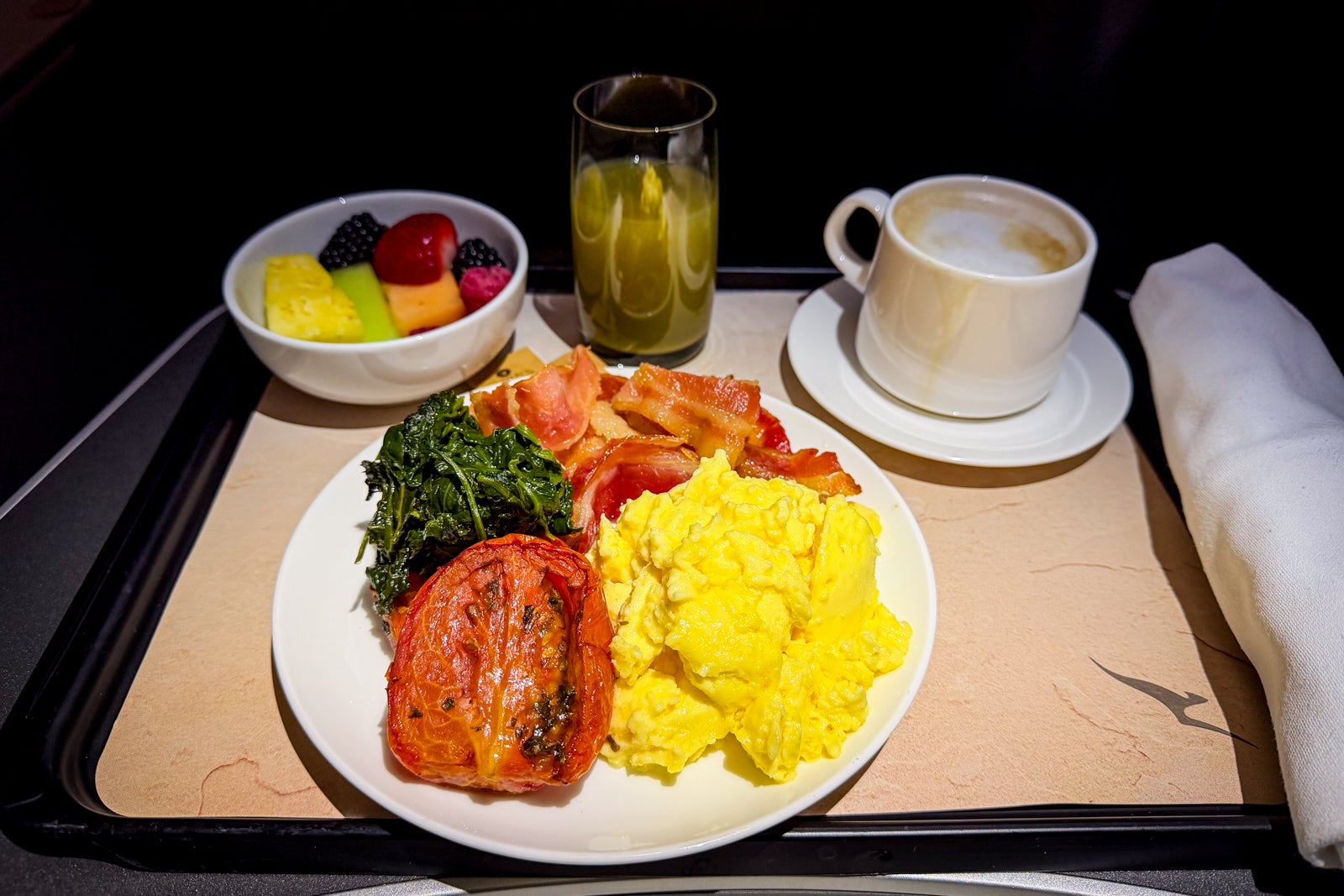
I got a coffee with milk and sugar, which came out hot and strong, plus a healthy green juice and the scrambled eggs. The portion was substantial, and the eggs came out well — firm and slightly fluffy. We were landing in Melbourne at around 6 a.m., so I only ate sparingly since I had the whole day ahead of me to explore the city's food scene.
All told, the meals were well executed, nicely presented and served efficiently, so passengers could maximize their rest and relaxation.
Would you recommend Qantas business class?
The main drawback to flying Qantas across the Pacific is the lack of Wi-Fi. So if you're traveling for business and need to stay online, that's a real consideration. Hopefully, that will resolve over the coming months as the airline installs Wi-Fi across its A380 fleet.
Other than that, the airline remains one of my favorite ways to fly long-haul. The crew is friendly and polished, and the seats look sleek and provide enough privacy that the lack of a closing door doesn't feel significant. Plus, the meal service and entertainment options are plentiful.
I do wish the airline would release more saver-level award availability to partner programs like American Airlines AAdvantage and Alaska Airlines Atmos Rewards. But if you have some flexibility in your schedule, you should be able to find a few seats each month, and tools like Seats.aero come in handy for doing so.
As for me, you'll find me hanging out in my kangaroo-emblazoned Qantas pajamas plotting my next flight aboard the Australian carrier.
Related reading:
- The best airline credit cards
- Maximize your airfare: The best credit cards for booking flights
- What are airline alliances, and who's in them?
- American Airlines AAdvantage: Your ultimate guide
- Alaska Airlines Atmos Rewards program: How to earn and redeem points, elite status and more
- Qantas first class flight review