Why I'm canceling trips now after traveling the last several months

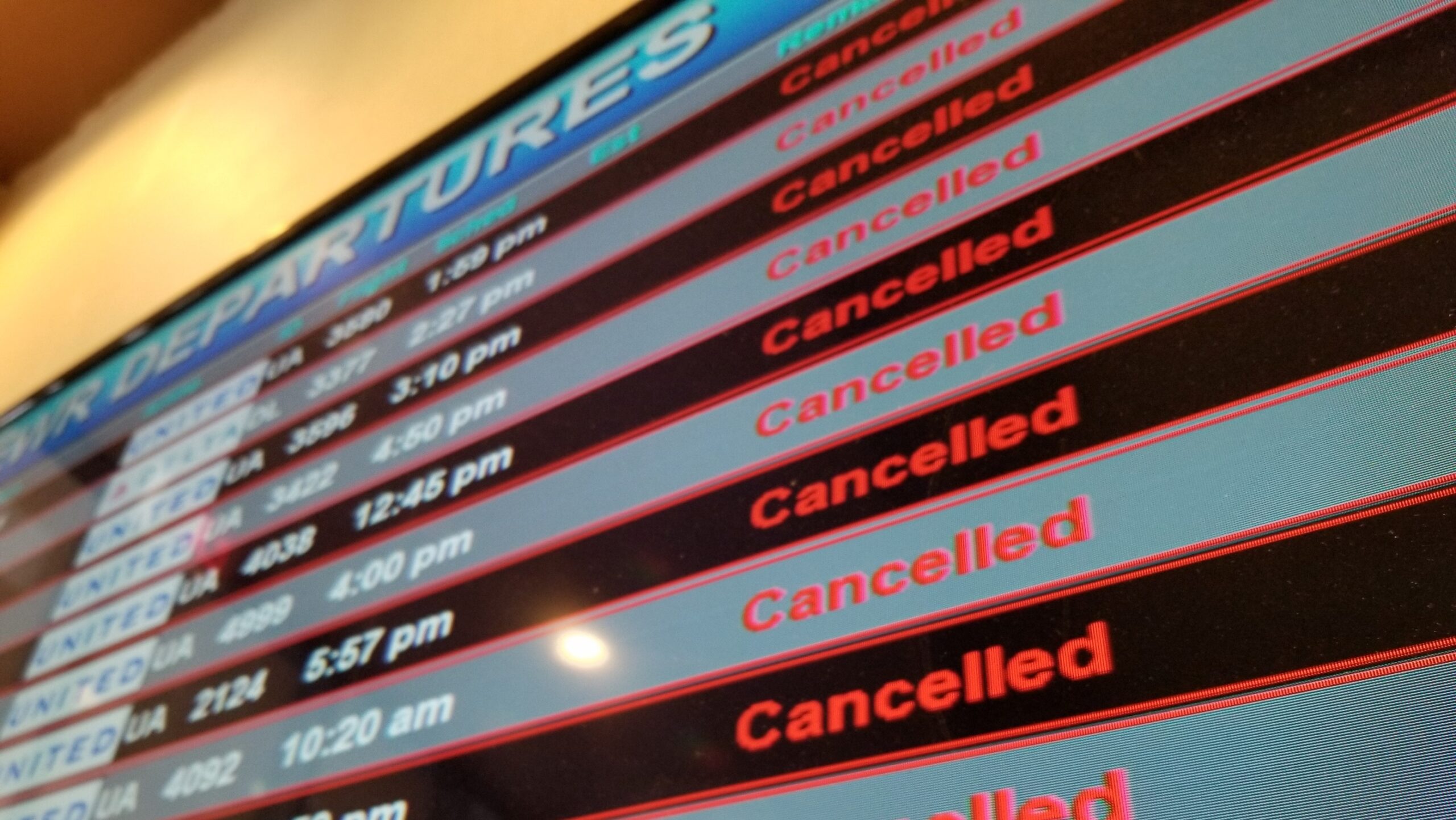
After staying on the ground pretty close to home from mid-March until early-July, little by little over the summer my family started traveling more broadly once again.
I wasn't back to collecting passport stamps or hopping on a plane every week or two but from July to November, I went to Disney World (twice), rented beach houses (twice), went early-season skiing in Colorado and finally headed to Utah and Zion National Park.
Some called the precautions and concerns I had or took when traveling during those months paranoid or excessive, and others thought my travel plans were reckless given the ongoing pandemic. I can't say who was right or wrong in this no-win scenario, but while I was quite nervous leading up to that first pandemic-era flight in July, how we were traveling in those months generally felt safe and like the right choice for our situation.
Until it didn't.
For more TPG news and travel tips delivered each morning to your inbox, sign up for our free daily newsletter.
It's not ever my role to tell others they should or shouldn't travel, let alone whether or not they should do so in the midst of a pandemic that has already cost this country more than 300,000 lives, not to mention all the other significant impacts and costs. But since I regularly share how or why I travel, here's why we decided to cancel trips now, even though we were traveling over the past several months.
The pandemic is raging
Let's start with the obvious reason we canceled multiple trips in the December and January timeframe: The pandemic has arguably never been more out of control here in the U.S. as a whole than it is right now. And by and large, the portions of the U.S. that still have it best under control are the ones most closed-off to leisure travel.
Not only that but, generally speaking, things are still getting worse at the moment, not better.
That means a trip coming up in a week or a month may likely happen at a time when the medical system is even more strained and when cases are spreading at an even faster rate than now. And while one data point only tells a fraction of a full story, nationwide data from Johns Hopkins seems to indicate a 3x increase in positivity rates from June to now.

Combine that with advanced medical resources becoming strained in many areas, and if I was staying close to home in June, it doesn't feel illogical to do the same thing now when the pandemic seems to be even worse.
I have substantial hope in 2021 and where we will be in our battle against COVID-19 in a few months, but my hope for the next few weeks is much dimmer -- and the direction many locations are actively headed in with caseloads doesn't appear to be a good one.
The stress was outpacing the reward
On a much more micro and personal level, pandemic-era travel had gotten increasingly stressful as the what-if scenarios intensified.
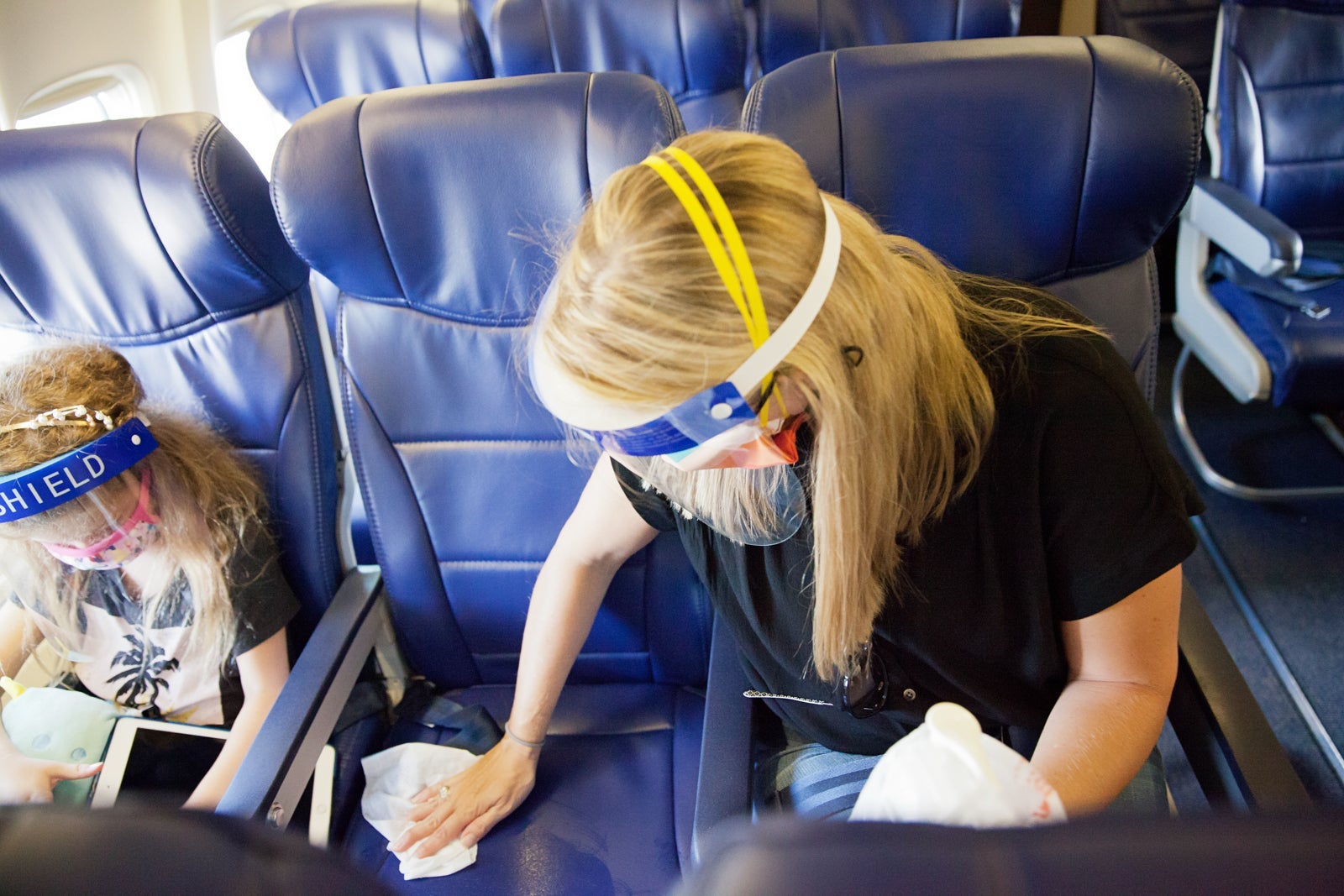
It was always going to be more complicated to travel in an era of masks, face shields, ever-changing rules for seat blocking, testing requirements and the like, but we had adjusted to a certain level of that. Regular pre- or post-travel testing, masks and shields and keeping up with a certain level of changes or closures simply weren't that big of a deal for us.
But rapid, dramatic shifts in what is or isn't permitted in the travel realm are a different ballgame. We've recently seen this in Hawaii, California and Colorado, to name a few.
When cases were steady or declining and hospitals weren't at capacity, it also mentally felt more acceptable to cautiously get out there a bit. Of course, we still distanced, cooked or got almost all of our meals to-go and did our best to be as careful on the road as we were at home. (And in fact, in some instances we likely were safer on the road than at home in East Texas where testing, distancing and mask-wearing initiatives haven't been widely adopted.)
But with travel rules rapidly changing and the risk of becoming infected, even while being cautious, likely increasing, it was no longer relaxing or invigorating to be away from home. In fact, it was stressful.
Even if we were lucky enough to not get extremely ill if we caught COVID-19, having to plan around if we could get home without exposing anyone if we had to or how we could quarantine in place for at least 10 to 14 days became ever-present thoughts. Even a normal winter cold could trigger a temporary five-alarm reaction until proven innocent.
It's easy to correctly preach that you'll need to quarantine in place if you test positive for COVID-19 on the road, but even that isn't as simple as it sounds.
Many home rentals say you cannot rent if you have a positive diagnosis. And assuming you can secure a hotel room, are you then knowingly putting housekeeping or those assigned rooms next to you at risk? And what if you develop potential symptoms, but can't get a rapid test or result where you are to even determine if you are positive?
Also, what happens if you are in a part of the country where you don't know anyone and that doesn't have food, grocery and medicine delivery when you need to isolate? A 14-day quarantine in that type of situation probably won't be very feasible so you are left with a series of very bad options.
That's exactly the sort of scenarios I started thinking through on our late-November trip to Zion.
While the park was lovely and our hotel in Springdale right outside the park was fantastic, there weren't many testing or medical facilities in the immediate area. On top of that, we quickly learned that food and grocery delivery services are all but nonexistent. If we did get stuck there, ill or even just needing to isolate, it wouldn't have been a good thing.

While I had already started to cancel winter trips before that moment, I became even more aggressive afterward as the risks of travel no longer felt worth the reward right now.
It's going to get better
Last, but probably not least, we can (hopefully) almost see the other side of this.
When we started to cautiously get back out there traveling last summer, no one was sure how long the pandemic would be a part of our lives. While sheltering in place was obviously the safest choice, after a few months of that phase, learning to live in a world with the risk of COVID-19 was the choice we ultimately made. We masked-up for in-person school, hosted a few outdoor distanced playdates and took the occasional trip.
Now, with what seems like the beginning of an effective vaccination rollout underway, there is realistic hope that by next summer -- or maybe even sooner -- things could be much better. Perhaps things won't be back to an old version of normal, but also not as precarious as right now.
We have not yet fully gone back into our homes and locked the doors the way we were in April, but for me, it's much easier to delay a trip for six more months now than it was to cancel everything and shelter in place for what was an indefinite amount of time.
The experts say this acute phase of the pandemic will end, and it will become both safer and easier to travel in the relatively near term. I trust that to be true, so if a trip can easily wait, I'm OK putting it on the shelf for just a little while longer.
Bottom line
I had the gift of exploring some this year before deciding to back away from a few plans. I recognize I'm coming from a privileged point of view in more ways than one.
Had I not gotten out of the house some when I did, my mental state may be different as we have now hit a string of cold, damp, gray winter days.
Perhaps I'd be more apt to push forward with some things that were originally on my near-term calendar if I felt like we really could significantly benefit from some change of scenery. But having recently been thousands of miles from home with pandemic-related what-if scenarios racing through my head, I know that for this moment, being no more than a drive away from home is the right choice for us.
TPG featured card

at American Express's secure site
Terms & restrictions apply. See rates & fees.
| 4X | Earn 4X Membership Rewards® points per dollar spent on purchases at restaurants worldwide, on up to $50,000 in purchases per calendar year, then 1X points for the rest of the year. |
| 4X | Earn 4X Membership Rewards® points per dollar spent at US supermarkets, on up to $25,000 in purchases per calendar year, then 1X points for the rest of the year. |
| 5X | Earn 5X Membership Rewards® points on prepaid hotel stays booked through AmexTravel.com or the Amex Travel App™. |
| 3X | Earn 3X Membership Rewards® points on flights booked through AmexTravel.com, the Amex Travel App™, or purchased directly from airlines. |
| 2X | Earn 2X Membership Rewards® points on prepaid car rentals booked through AmexTravel.com or the Amex Travel App™ and cruises booked and paid through AmexTravel.com. |
| 1X | Earn 1X Membership Rewards® point per dollar spent on all other eligible purchases. |
Pros
- Valuable dining and food-related credits
- Flexible rewards with airline and hotel transfer partners
- Multiple travel and purchase protections
- No foreign transaction fees
- Access to Amex Offers for additional savings (enrollment required)
Cons
- Not as useful for those living outside the U.S.
- Some may have trouble using Uber and other dining credits
- You may be eligible for as high as 100,000 Membership Rewards® Points after you spend $8,000 in eligible purchases on your new Card in your first 6 months of Card Membership. Welcome offers vary and you may not be eligible for an offer. Apply to know if you’re approved and find out your exact welcome offer amount – all with no credit score impact. If you’re approved and choose to accept the Card, your score may be impacted.
- Earn 4X Membership Rewards® points per dollar spent on purchases at restaurants worldwide, on up to $50,000 in purchases per calendar year, then 1X points for the rest of the year.
- Earn 4X Membership Rewards® points per dollar spent at US supermarkets, on up to $25,000 in purchases per calendar year, then 1X points for the rest of the year.
- Earn 5X Membership Rewards® points on prepaid hotel stays booked through AmexTravel.com or the Amex Travel App™.
- Earn 3X Membership Rewards® points on flights booked through AmexTravel.com, the Amex Travel App™, or purchased directly from airlines.
- Earn 2X Membership Rewards® points on prepaid car rentals booked through AmexTravel.com or the Amex Travel App™ and cruises booked and paid through AmexTravel.com.
- Earn 1X Membership Rewards® point per dollar spent on all other eligible purchases.
- Pay It® lets you tap in the American Express® App to quickly pay for small purchase amounts throughout the month and still earn rewards the way you usually do. Plan It® gives you the option to split up big purchases into equal monthly payments with a fixed fee. You’ll know upfront exactly how much you’ll pay.
- $120 Dining Credit: Earn up to a total of $10 in statement credits monthly when you pay with the Gold Card at Grubhub (including Seamless), Buffalo Wild Wings, Five Guys, The Cheesecake Factory, and Wonder. This can be an annual savings of up to $120. Enrollment required.
- $100 Resy Credit: Get up to $100 in statement credits each calendar year at over 10,000 qualifying U.S. Resy restaurants after you pay for eligible purchases with the American Express® Gold Card. That’s up to $50 in statement credits semi-annually. Enrollment required.
- $84 Dunkin' Credit: Earn up to $7 in monthly statement credits after you pay with the American Express® Gold Card at U.S. Dunkin’ locations. Enrollment required.
- $120 Uber Cash on Gold: Enjoy up to $120 in Uber Cash annually with your Gold Card. Just add your Card to your Uber account and you'll get $10 in Uber Cash each month to use on orders and rides in the U.S. when you select an Amex Card for your transaction.
- Enjoy complimentary Hertz Five Star® Status benefits like skipping the counter at select locations, adding an additional driver at no additional cost*, and vehicle upgrades**. Benefit enrollment and Hertz Gold+ registration are required. *Additional drivers must meet standard rental qualifications and must be a spouse or domestic partner to qualify as complimentary. Other additional drivers subject to fees. **Benefits are subject to availability and vary by location. Additional Hertz program Terms and Conditions including age restrictions apply.
- Book two nights or more with The Hotel Collection through AmexTravel.com or the Amex Travel App™ and receive a $100* credit towards eligible charges at over 1,400 upscale hotels worldwide. *Eligible charges vary by property.
- Book your travel through the Amex Travel App™ with added peace of mind – backed by American Express® service and support. Only for American Express® Card Members.
- Whenever you need us, we're here. Our Member Services team will ensure you are taken care of. From lost Card replacement to statement questions, we are available to help 24/7.
- No Foreign Transaction Fees.
- Annual Fee is $325.
- Terms Apply.