US airline execs warn coronavirus impact 'could be worse than 9/11' downturn

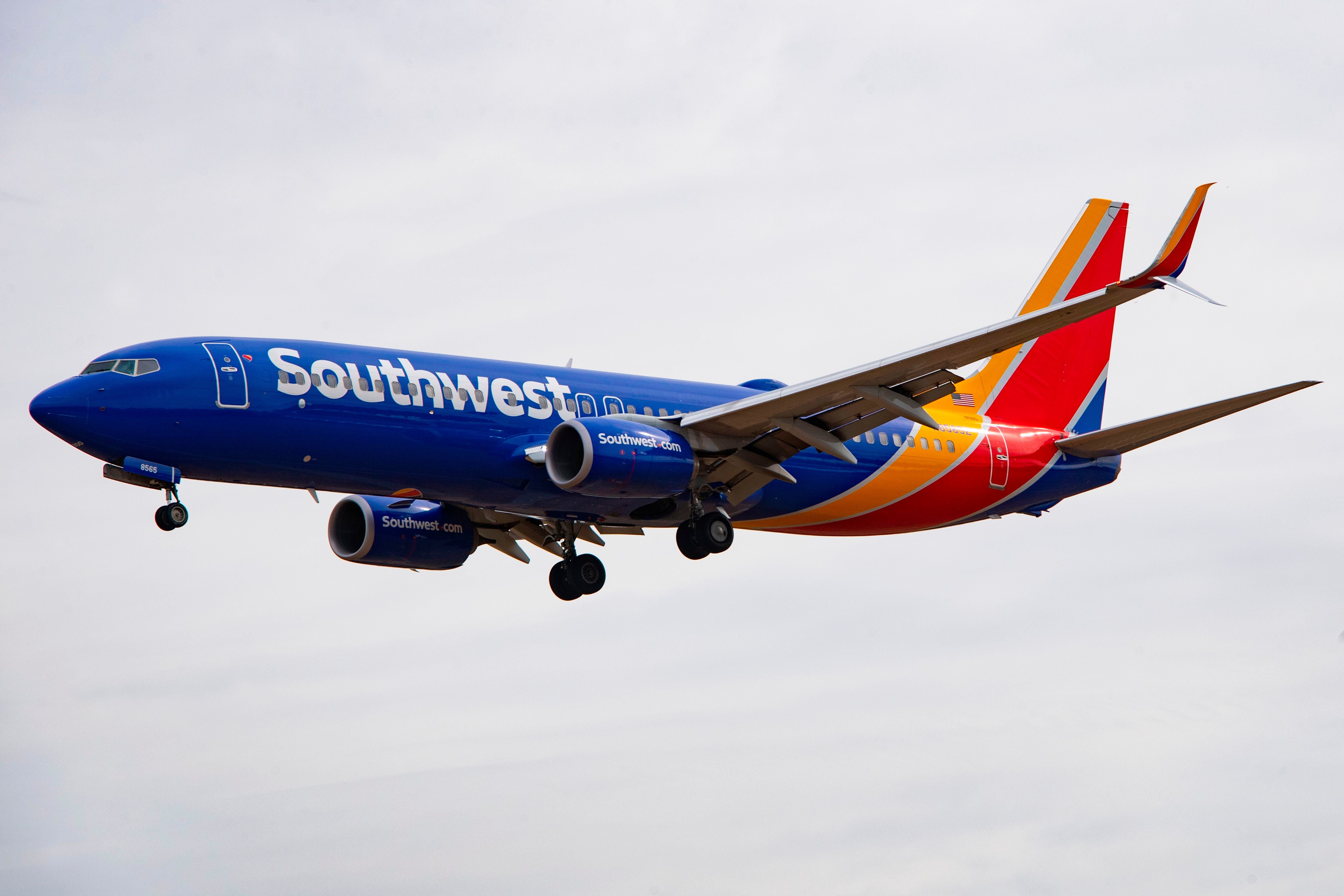
U.S. airlines large and small are seeing a dramatic drop in travel demand that, in the words of one senior executive, "could be worse than 9/11."
JetBlue Airways and United Airlines have already slashed domestic schedules by up to a fifth amid a drop in demand attributed to fears of the spreading COVID-19 coronavirus outbreak. Southwest Airlines, while not yet cutting capacity, anticipates an up to $300 million drop in revenues during the quarter ending in March.
For airlines, one of the most challenge aspects of the virus-related slump in demand is that it's being driven more by a fear of travel than by woes in the economy.
"Sept. 11 wasn't an economically driven issue for travel, it was more fear quite frankly and I think that's what's manifested this time," Southwest CEO Gary Kelly said to CNBC on the sidelines of the U.S. Chamber of Commerce Aviation Summit in Washington on Thursday. "I think there's elements of both but it has a 9/11-type feel. Hopefully, we'll get this behind us quickly."
Sign up for the free daily TPG newsletter for more airline news
Kelly wasn't the only airline executive to express such sentiments at the event.
"In terms of the volumes, this could be worse than 9/11," another senior airline executive told TPG on the sidelines of the same event.
Airline passenger traffic in the U.S. fell by over 30% to 44 million in October 2001 compared to August of that year, according to U.S. Bureau of Transportation Statistics data. While as much as 10% of that can be attributed to the seasonal decline from summer to fall, that still represents more than 12 million fewer people flying in the month immediately following the 9/11 tragedy.
After the attacks, U.S airlines slashed schedules. For example, American Airlines only resumed about 80% of the flights it operated before 9/11 in the months after.

United, which cut global capacity by up to 25%, parked nearly 100 of its older Boeing 727 and 737 jets.
Related: Could the coronavirus end the decade-long U.S. airline expansion?
Now, with the emerging COVID-19 outbreak, the current drop in passenger volume in the U.S. has come on nearly as quickly as cases have spiked here. In just over a week, the number of confirmed cases jumped to 99 as of noon on Thursday, up from 14 on Feb. 23, according to the Centers for Disease Control (CDC). Eleven people in the U.S. have died from the disease to date.
"It wasn't until about a week ago that we saw a drop in our bookings year-over-year," said Kelly at the summit. "It's manifested quickly."
Kelly reiterated that the slowdown in passenger demand is not driven by economics, as it was after the 2008 recession, but rather by fear of the virus.
"We could discount prices and it wouldn't do any good," he said.
Related: A guide to traveling during the coronavirus outbreak
Bill Franke, managing partner and founder of the Indigo Partners group that owns Frontier Airlines, echoed Kelly at the summit saying discounted tickets "aren't attracting the customers the way they did historically." Indigo previously owned Spirit Airlines.
"There is a lot of anxiety, a lot of discussion right now," said Alaska Airlines CEO Brad Tilden at the summit. The carrier has updated inflight procedures to reduce the possibility of transmission but has still seen bookings drop.
Alaska faces an added challenge of its Seattle base. The metropolitan area is the largest hotspot for COVID-19 cases in the U.S. to date, with major corporations including Amazon and Boeing curtailing all business travel for the time being.
The airline will "probably" have an announcement on capacity "soon," said Tilden in his comments on Alaska's reaction to the outbreak.
Related: Coronavirus flight waivers and changes
American Airlines CEO Doug Parker, who also spoke at the summit, did not comment on any coming responses to the COVID-19 outbreak from the carrier.
"We're making sure we're doing everything we can to make sure our team is safe and our customers are safe," said Parker who cited American's previous schedule reductions to Asia and Italy.
On Thursday, industry body the International Air Transport Association (IATA) estimated that COVID-19 could cut passenger numbers by up 10% in the U.S. and Canada. This drop could cost airlines in the region roughly $21 billion in revenues.
"The U.S. airlines... are well positioned to weather demand headwinds and these proactive steps are likely to help," wrote Raymond James analyst Savanthi Syth in a report late on Wednesday. The "proactive steps" she referred to were JetBlue and United's schedule cuts.
Related: United Airlines slashes schedules by up to 20% amid coronavirus slowdown
TPG featured card

at Capital One's secure site
Terms & restrictions apply. See rates & fees.
| 5X miles | Earn 5X miles on hotels, vacation rentals and rental cars booked through Capital One Travel |
| 2X miles | Earn unlimited 2X miles on every purchase, every day |
Pros
- Stellar welcome offer of 75,000 miles after spending $4,000 on purchases in the first three months from account opening. Plus, a $250 Capital One Travel credit to use in your first cardholder year upon account opening.
- You'll earn 2 miles per dollar on every purchase, which means you won't have to worry about memorizing bonus categories
- Rewards are versatile and can be redeemed for a statement credit or transferred to Capital One’s transfer partners
Cons
- Highest bonus-earning categories only on travel booked via Capital One Travel
- LIMITED-TIME OFFER: Enjoy $250 to use on Capital One Travel in your first cardholder year, plus earn 75,000 bonus miles once you spend $4,000 on purchases within the first 3 months from account opening - that’s equal to $1,000 in travel
- Earn unlimited 2X miles on every purchase, every day
- Earn 5X miles on hotels, vacation rentals and rental cars booked through Capital One Travel
- Miles won't expire for the life of the account and there's no limit to how many you can earn
- Receive up to a $120 credit for Global Entry or TSA PreCheck®
- Use your miles to get reimbursed for any travel purchase—or redeem by booking a trip through Capital One Travel
- Enjoy a $50 experience credit and other premium benefits with every hotel and vacation rental booked from the Lifestyle Collection
- Transfer your miles to your choice of 15+ travel loyalty programs
- Top rated mobile app