The move will “complement the efforts aimed at consolidating the kingdom’s position as a global hub connecting three continents and ... enhance international air connectivity,” said the Saudi General Authority of Civil Aviation (GACA).
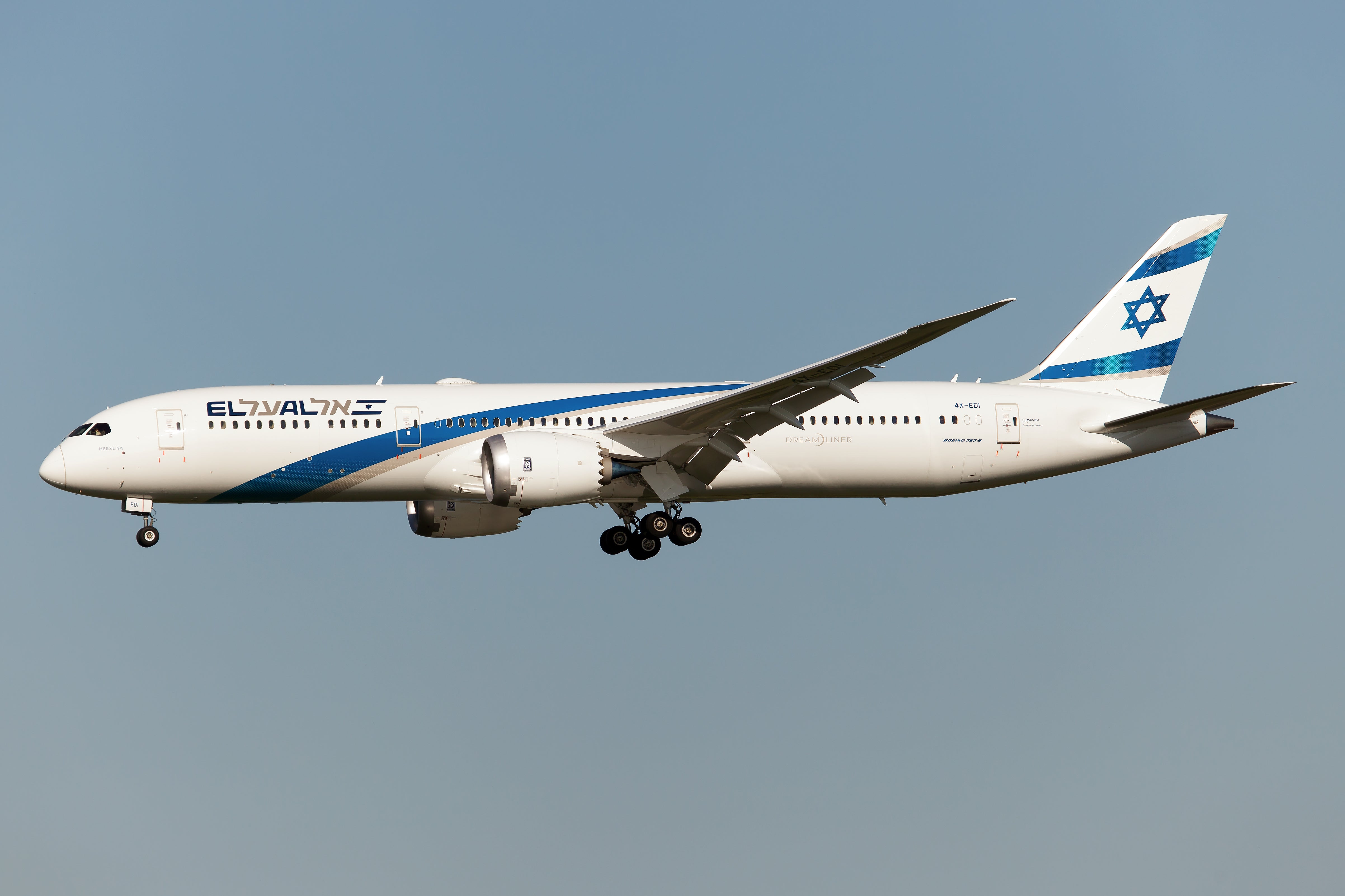
The move will benefit airlines operating tricky long-haul routes between Asia and Israel — especially El AI, the flagship carrier of Israel, which until now has had to take long detours around Saudi Arabia, adding additional hours to flights and wasting fuel.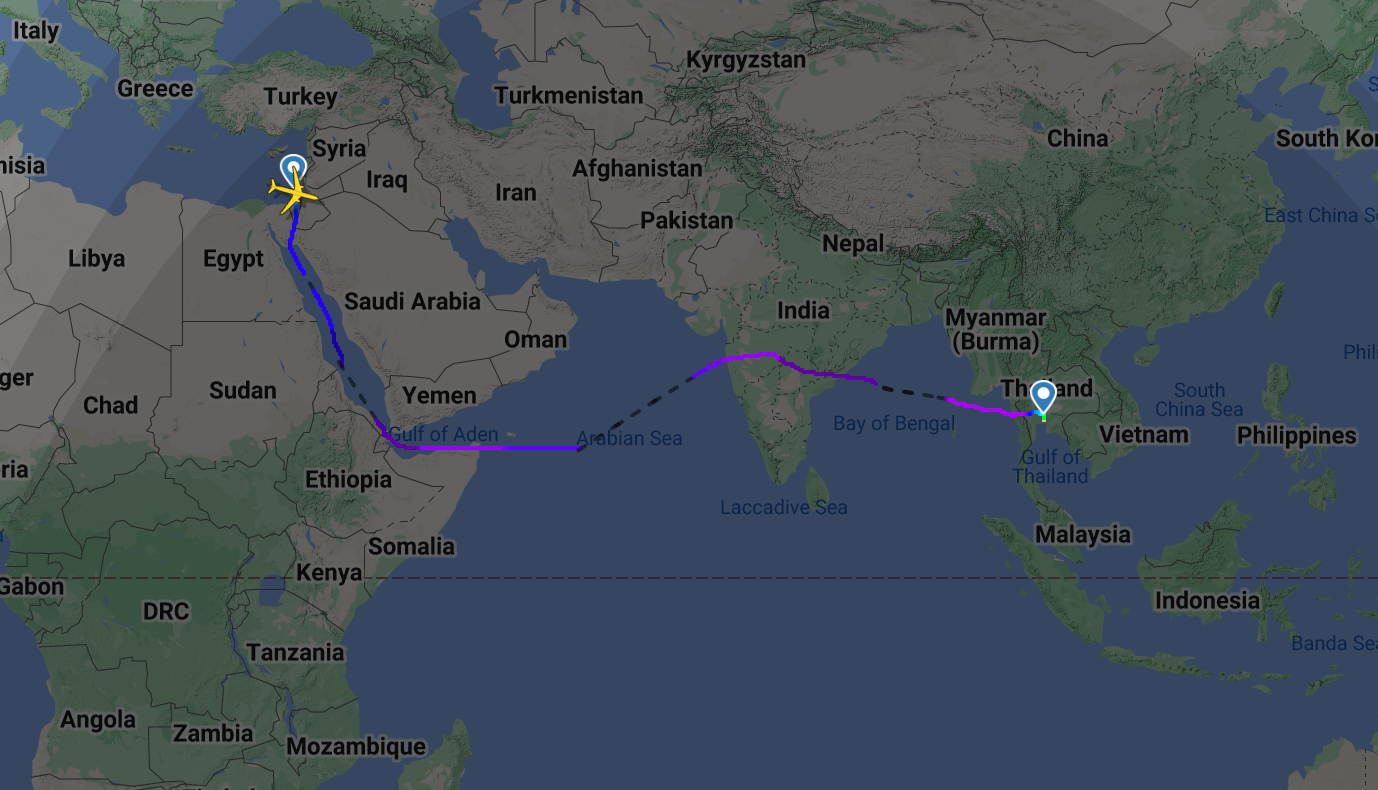
In the longer term, the fact that direct flights will be possible between Riyadh and Tel Aviv marks a major shift in relations between the two countries and is a promising sign of a more harmonized Middle East.
The announcement came several hours before U.S. President Joe Biden was due to arrive in Saudi Arabia. The U.S. president is visiting with the goal of smoothing U.S. relations with the Gulf state in the face of a turbulent global oil market, along with strengthening connections between Israel and the Arab world.
Biden credited his administration with brokering the air space deal, adding in a statement that “Saudi Arabia’s historic decision to open its airspace for all civilian planes, including those flying to and from Israel, is an important step toward building a more integrated and stable Middle East region.”
White House National Security Adviser Jake Sullivan echoed those comments.
“This decision paves the way for a more integrated, stable, and secure Middle East region, which is vital for the security and prosperity of the United States and the American people, and for the security and prosperity of Israel," he said.
Related: Emirates refuses Heathrow demand to cut flights — how are other airlines reacting?
Saudi Arabia and Israel have no official diplomatic ties, but it’s believed there are ways in which the two states work behind the scenes. This latest development should go some way toward making for a brighter future for both nations.