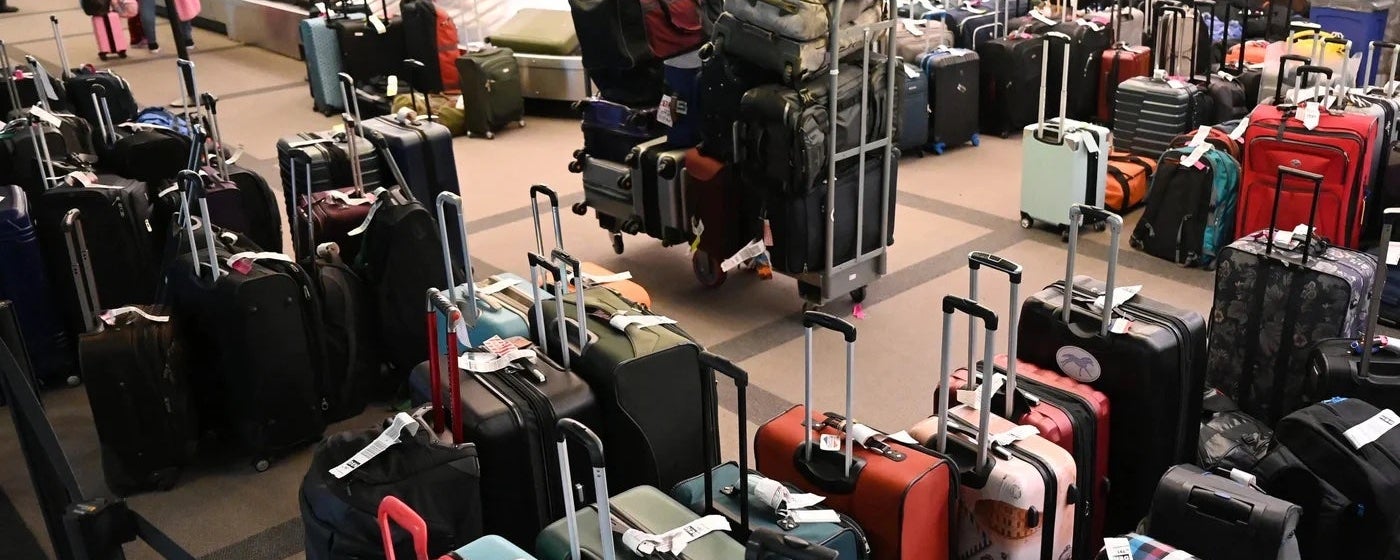
In fact, the rate of baggage mishandled across the world is up 24% from last year, according to the SITA Baggage IT Insights 2022 report, with 8.7 suitcases per 1,000 international passengers not arriving on time.
Things have grown so bad that one airline has taken matters into its own hands by calling executive staff down to the conveyer belt to help unload suitcases themselves.
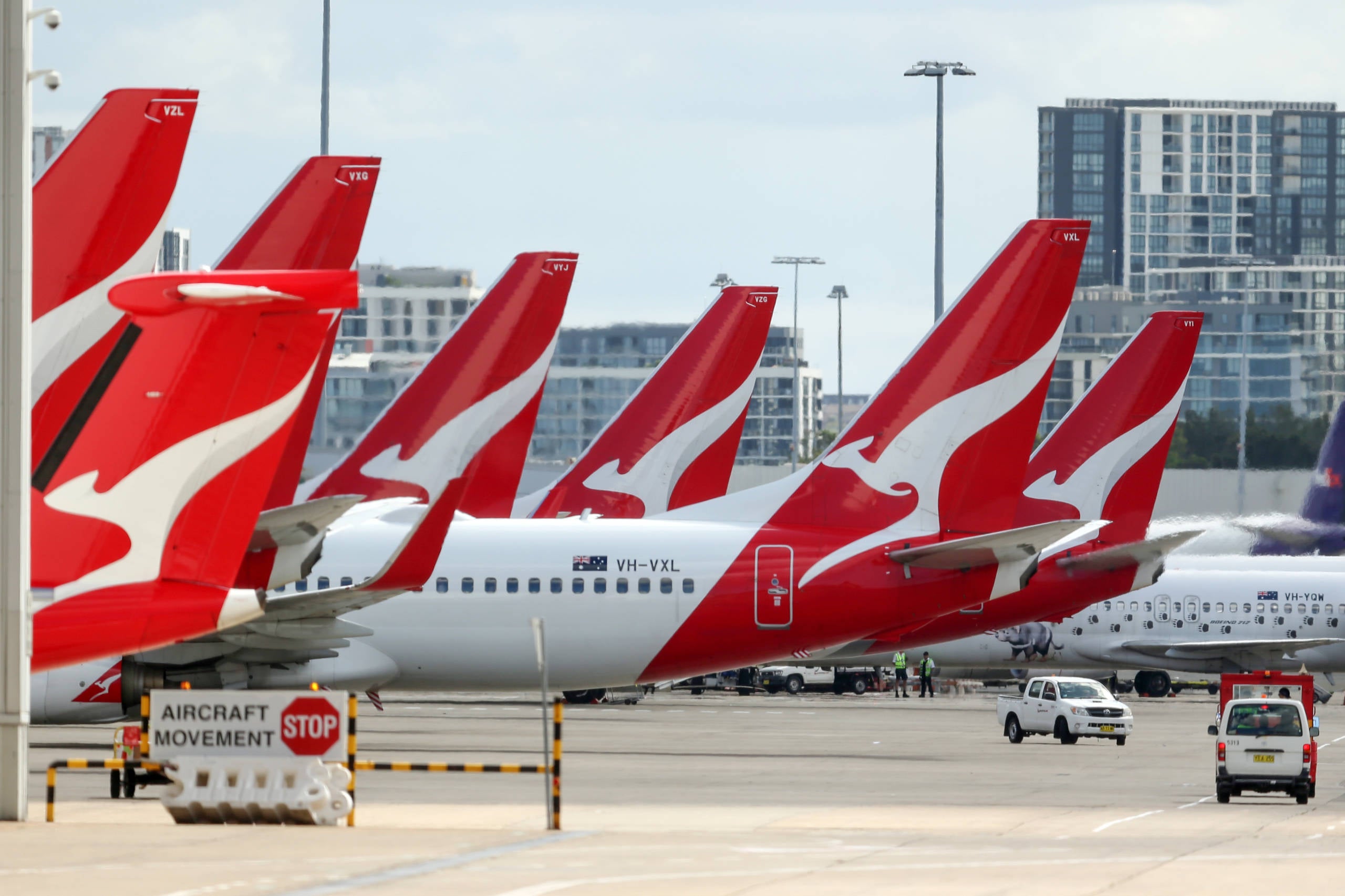
Qantas’ head of operations sent out a plea for at least 100 volunteers from its head office to work at Sydney and Melbourne airports to perform jobs like loading and unloading bags, as well as driving vehicles to move luggage around airports.
Related: Why Heathrow passengers wasted 4 years waiting at security in July and how to solve the problem
“The high levels of winter flu and a Covid spike across the community, coupled with the ongoing tight labor market, make resourcing a challenge across our industry,” Qantas’ Chief Operating Officer Colin Hughes said in an email to senior members of staff.
“There is no expectation that you will opt into this role on top of your full-time position,” Hughes added.
Volunteers will work baggage handling roles for three or five days a week, in shifts of either four or six hours a day. He added that only those in fine physical shape should apply: Applicants must be able to lift suitcases weighing as much as 70 pounds each.
Related: Don’t check your bag until you read this — 7 tips to help keep an airline from losing your luggage
“We’ve been clear that our operational performance has not been meeting our customers’ expectations or the standards that we expect of ourselves — and that we’ve been pulling out all stops to improve our performance,” a Qantas spokesperson told the BBC.
“As we have done in the past during busy periods, around 200 head office staff have helped at airports during peak travel periods since Easter.”
The news comes amid a luggage handling crisis that shows no sign of easing, and it’s not just Australia that has been affected.
In April, almost six bags per 1,000 pieces of luggage checked in by passengers were at least temporarily lost by U.S. airlines, resulting in nearly 220,000 of the 40 million bags they dealt with being damaged, delayed or simply never seen again.
Two months later, Heathrow came under fire for the “baggage mountain” that grew in one of its terminals as some travelers were forced to wait days, sometimes weeks, to be reunited with their belongings.
Some airports are reportedly seeing a tenfold increase in the amount of luggage arriving on the wrong flights.