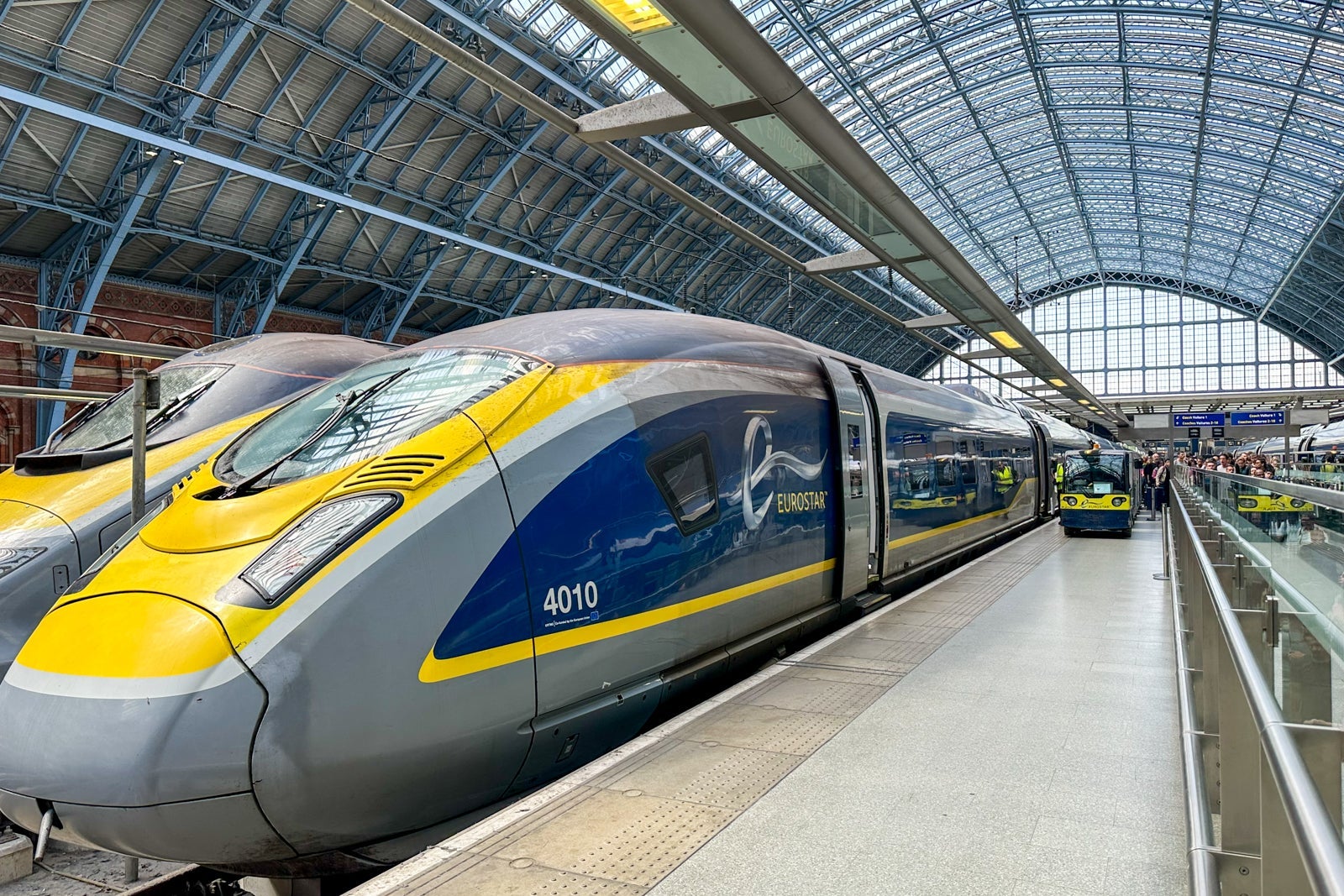
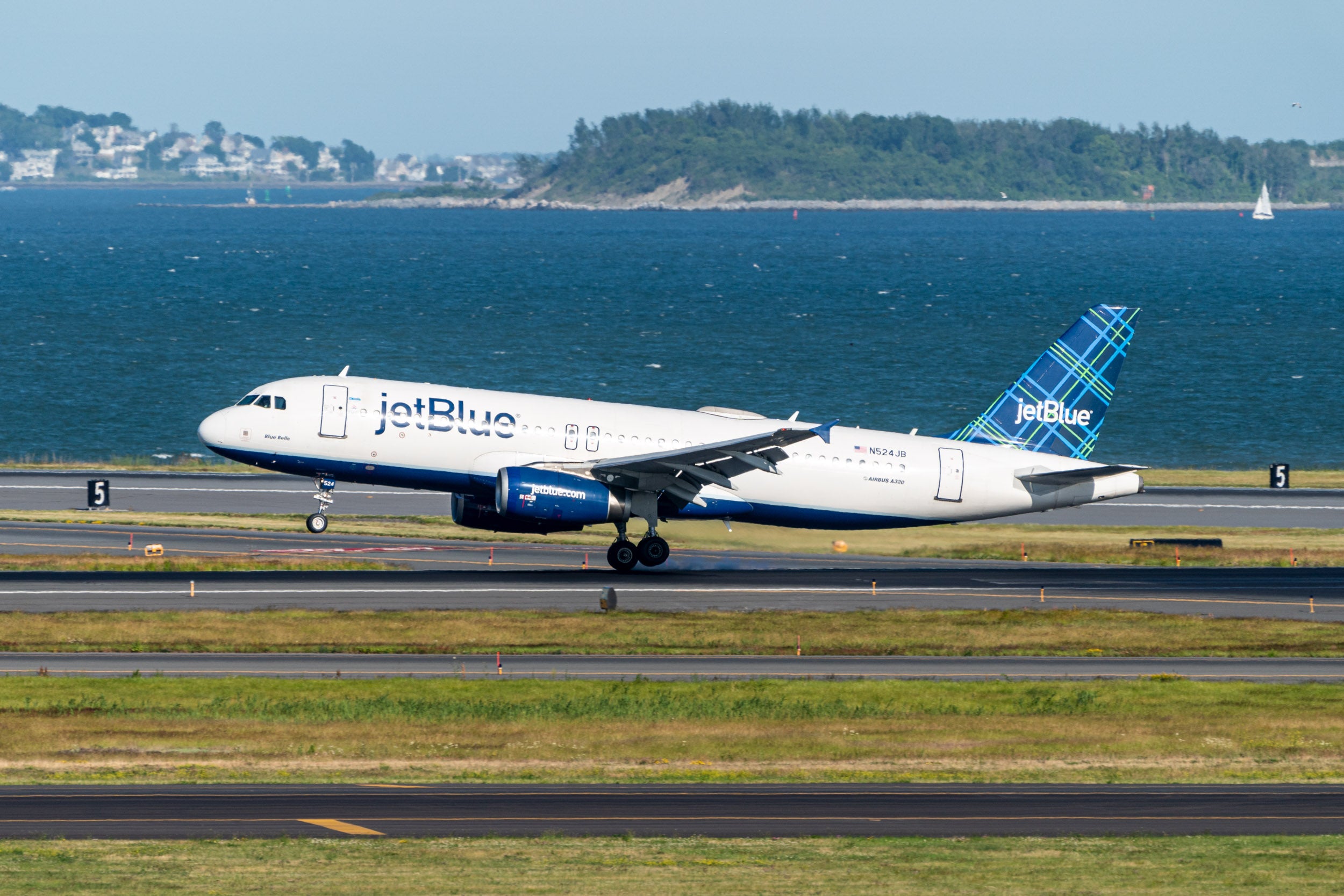
There are plenty of reason to choose train travel. Comfort, affordability, lots of scenery right out the window, and the absence of long security checkpoint lines, to name just a few.
But sustainability is a reason too.
Rail travel and freight emit 1% of global transport emissions, while air travel emits some 2.5%.
The air transport industry has pledged to be carbon-neutral by 2050. Many railway companies around the world have joined the United Nations Race to Zero campaign and many transport companies are creating partnerships to make big changes now.
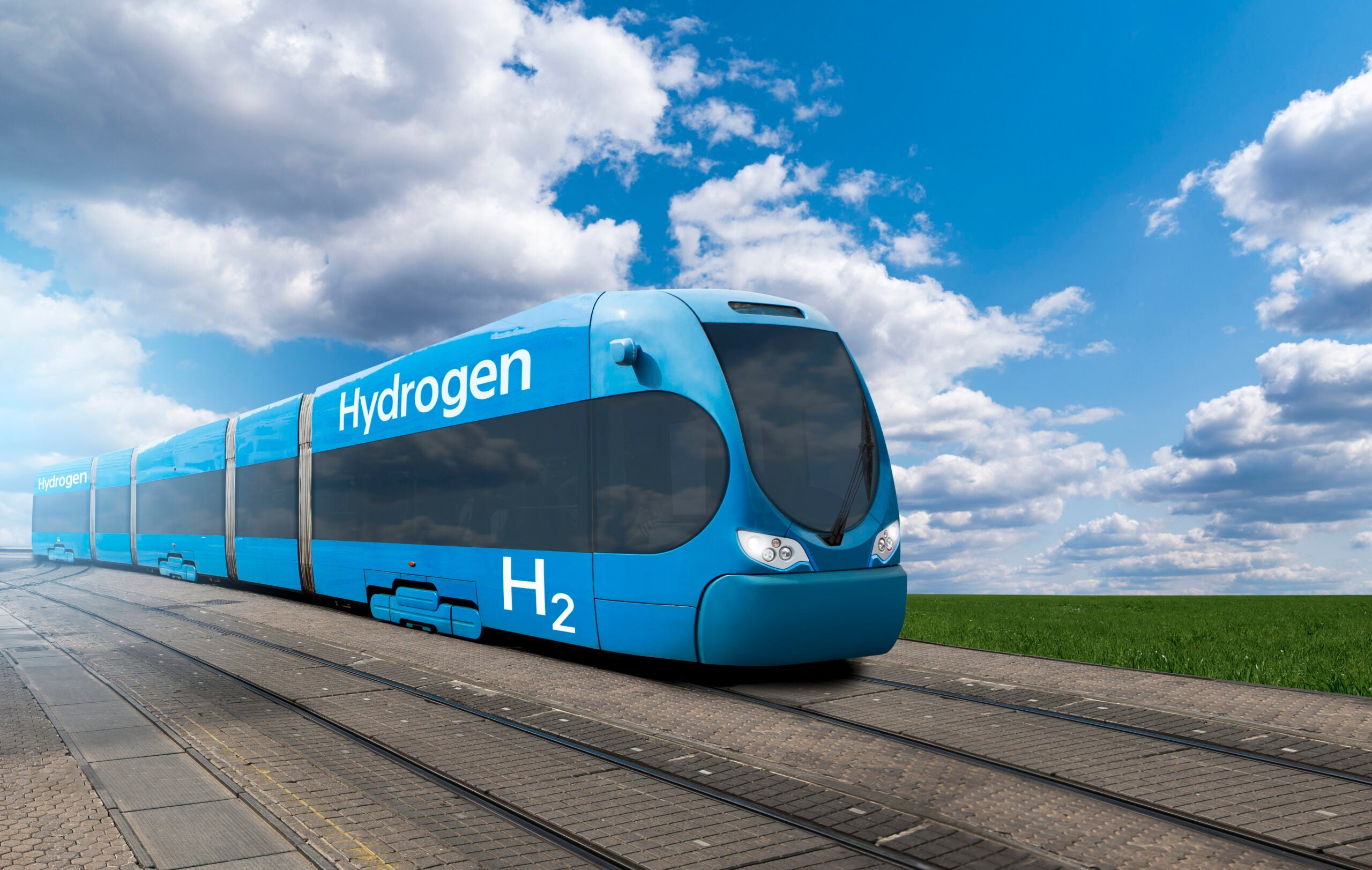
While many train lines continue to run on diesel, others are electrified with efforts underway around the world, in Australia, India, the United Kingdom, the United States and elsewhere, to generate the electricity to run the rail lines with renewable energy sources such as solar and wind power.
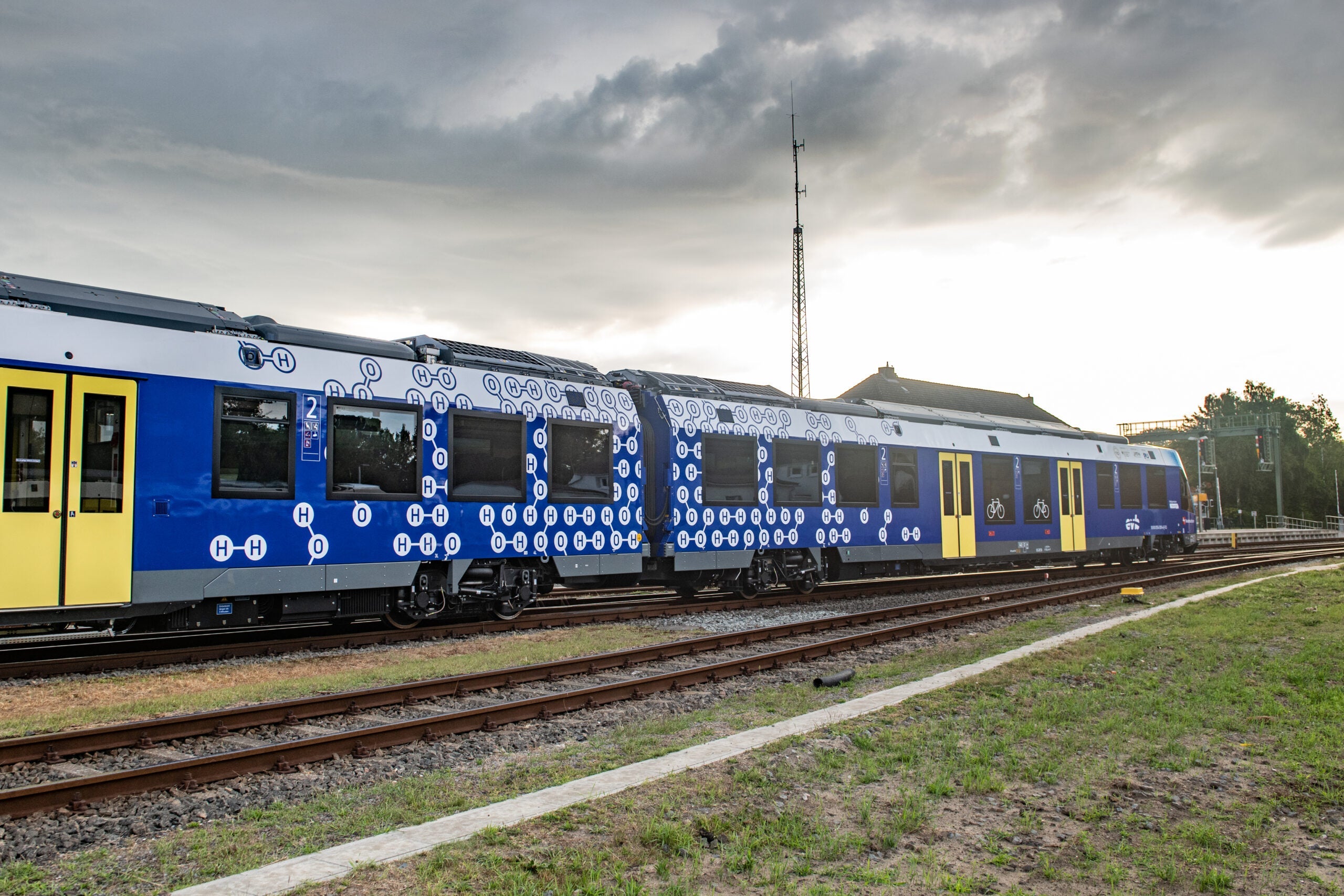
Germany is chugging ahead too, with the first fully hydrogen-powered passenger trains, which began running this week on a regional train line in Bremervörde, Lower Saxony.
The Coradia iLint hydrogen trains are built by French multinational company Alstom and are powered by hydrogen fuel cells that generate electrical energy propulsion.
Related: 8 sustainable travel tips from expert green travelers
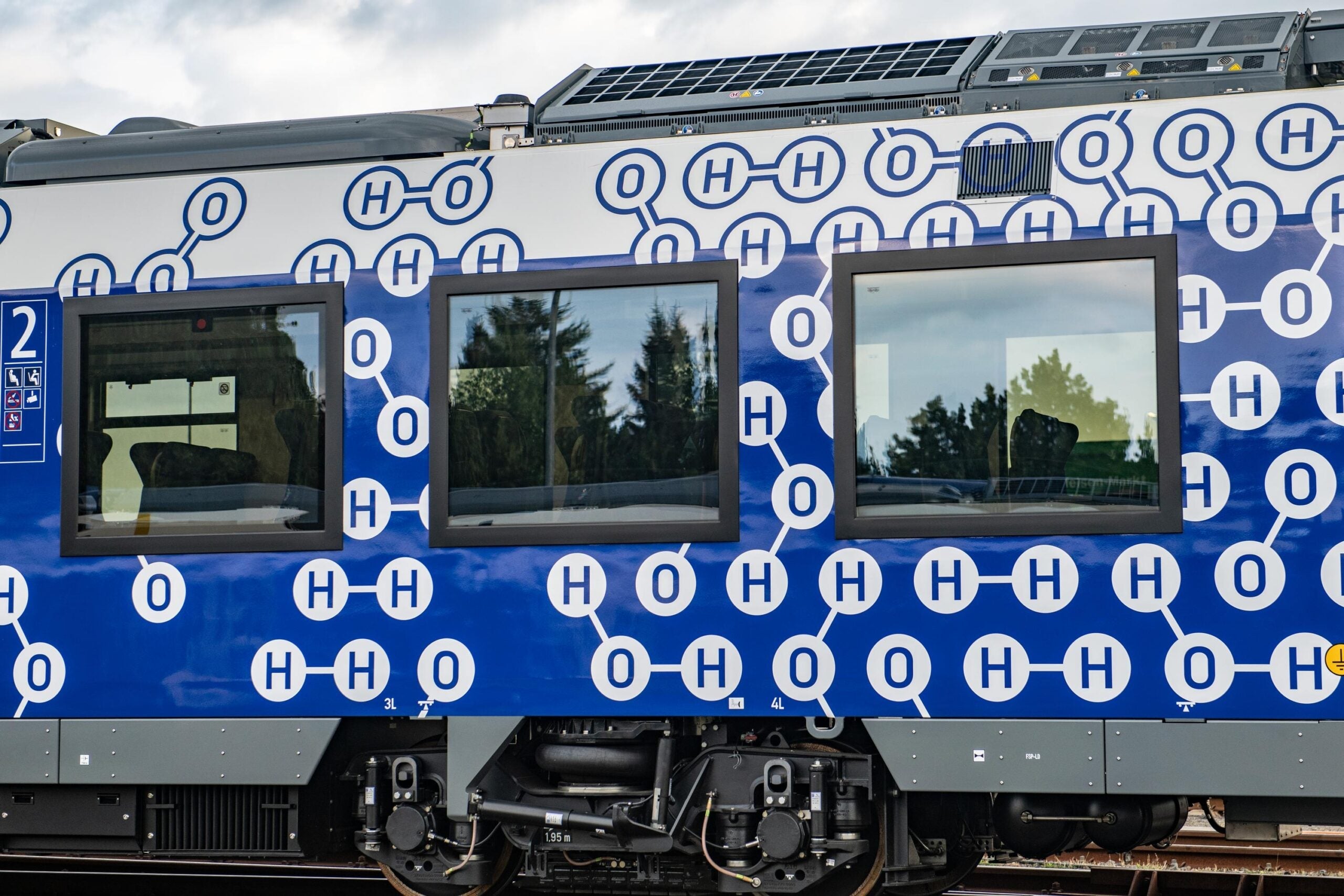
The recipient of a 2022 Germain Sustainability Design Award, the Coradia iLint is emission-free. Alstom says the trains emit only water vapor (steam) and condensed water. And any heat generated is used for air conditioning.
On this regional German route, 14 hydrogen-powered Alstom trains will gradually replace 15 diesel-trains over the course of a year. Five trains began running this week.
The project is a partnership between train builder, Alstom, the companies that own and operate the railway and its trains, and gas and engineering company Linde.
“Emission-free mobility is one of the most important goals for ensuring a sustainable future,” Henri Poupart-Lafarge, Alstom CEO and Chairman of the Board said in a statement. “The world’s first hydrogen train, the Coradia iLint, demonstrates our clear commitment to green mobility combined with state-of-the-art technology.
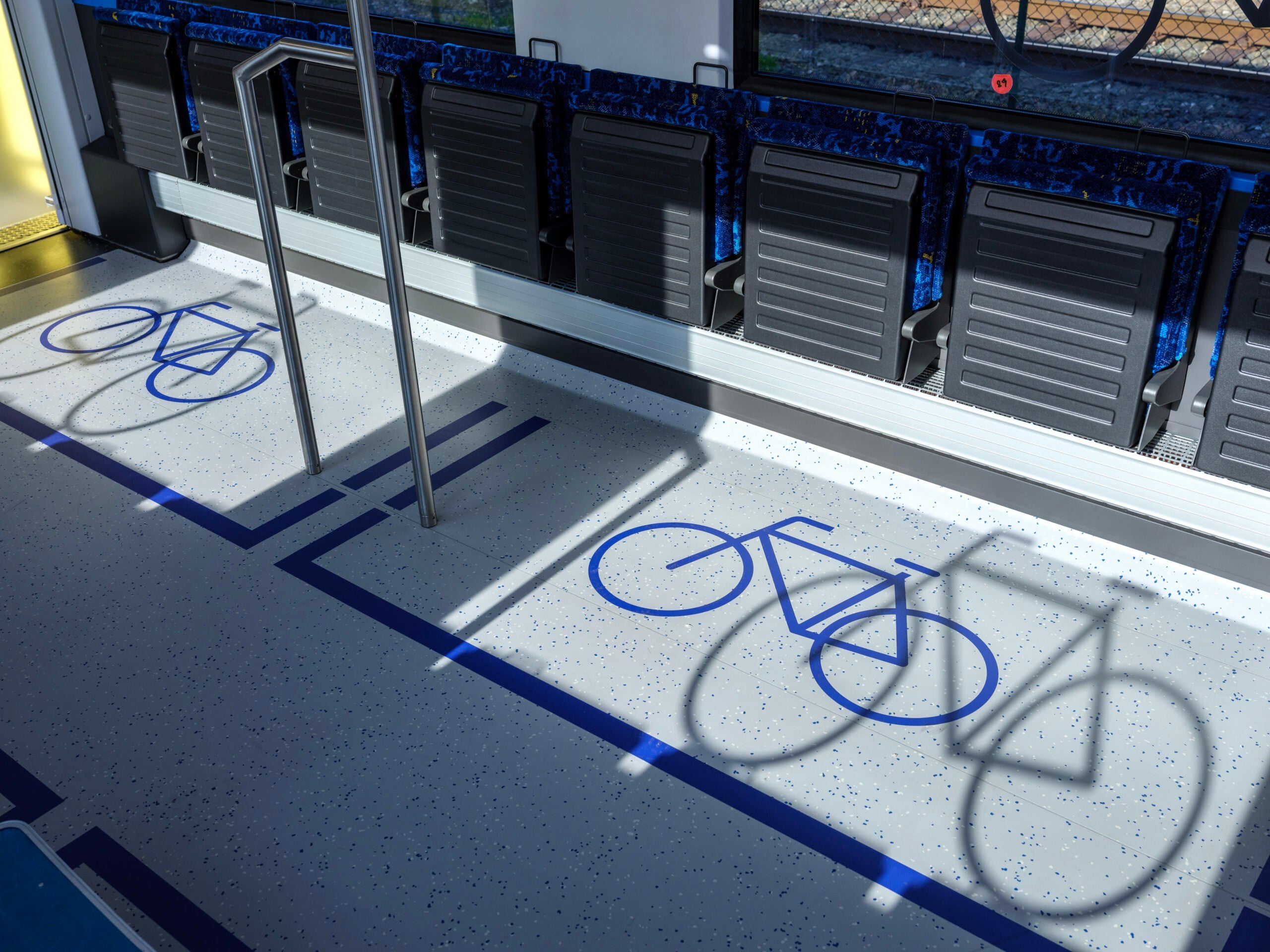
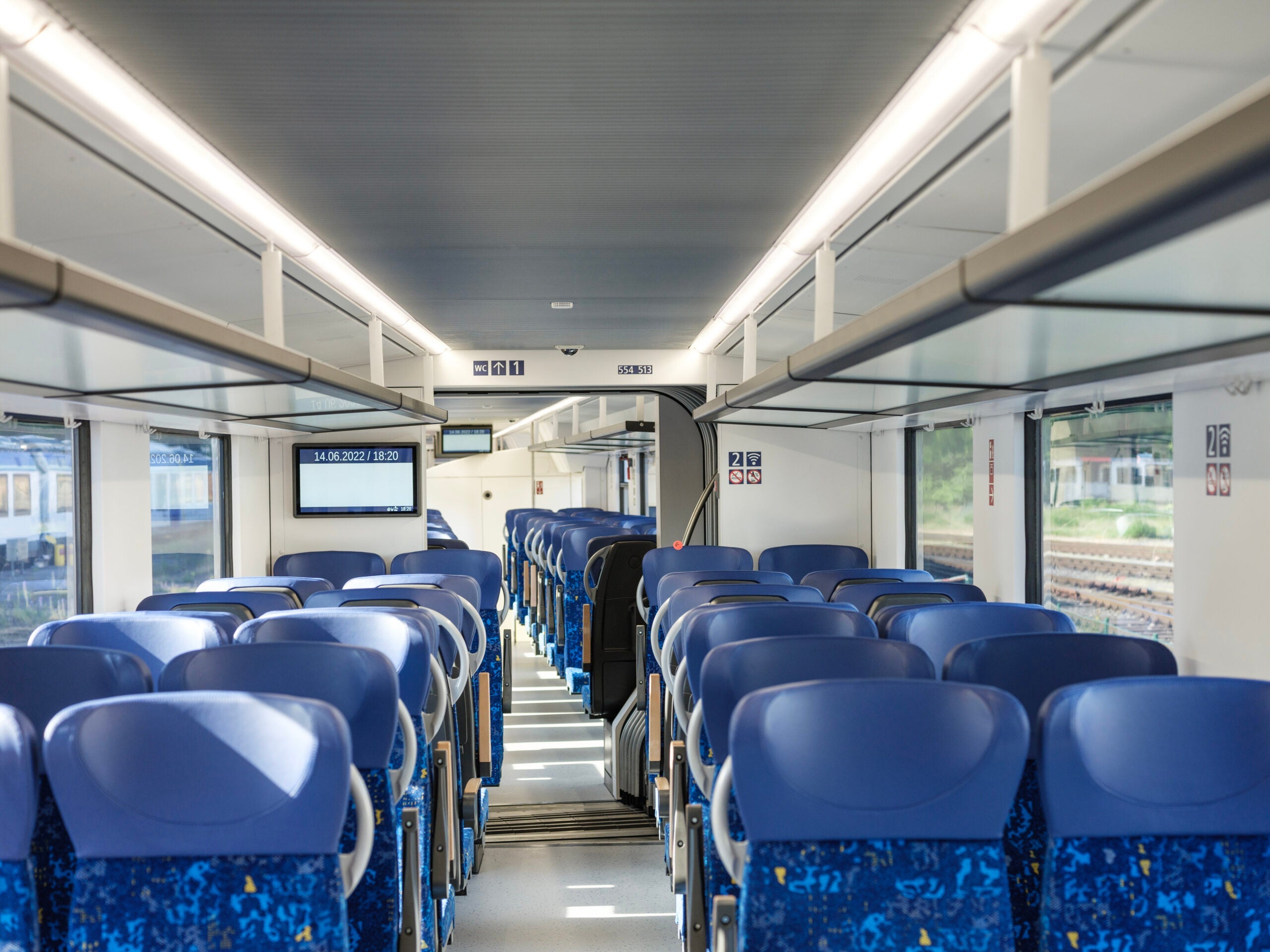
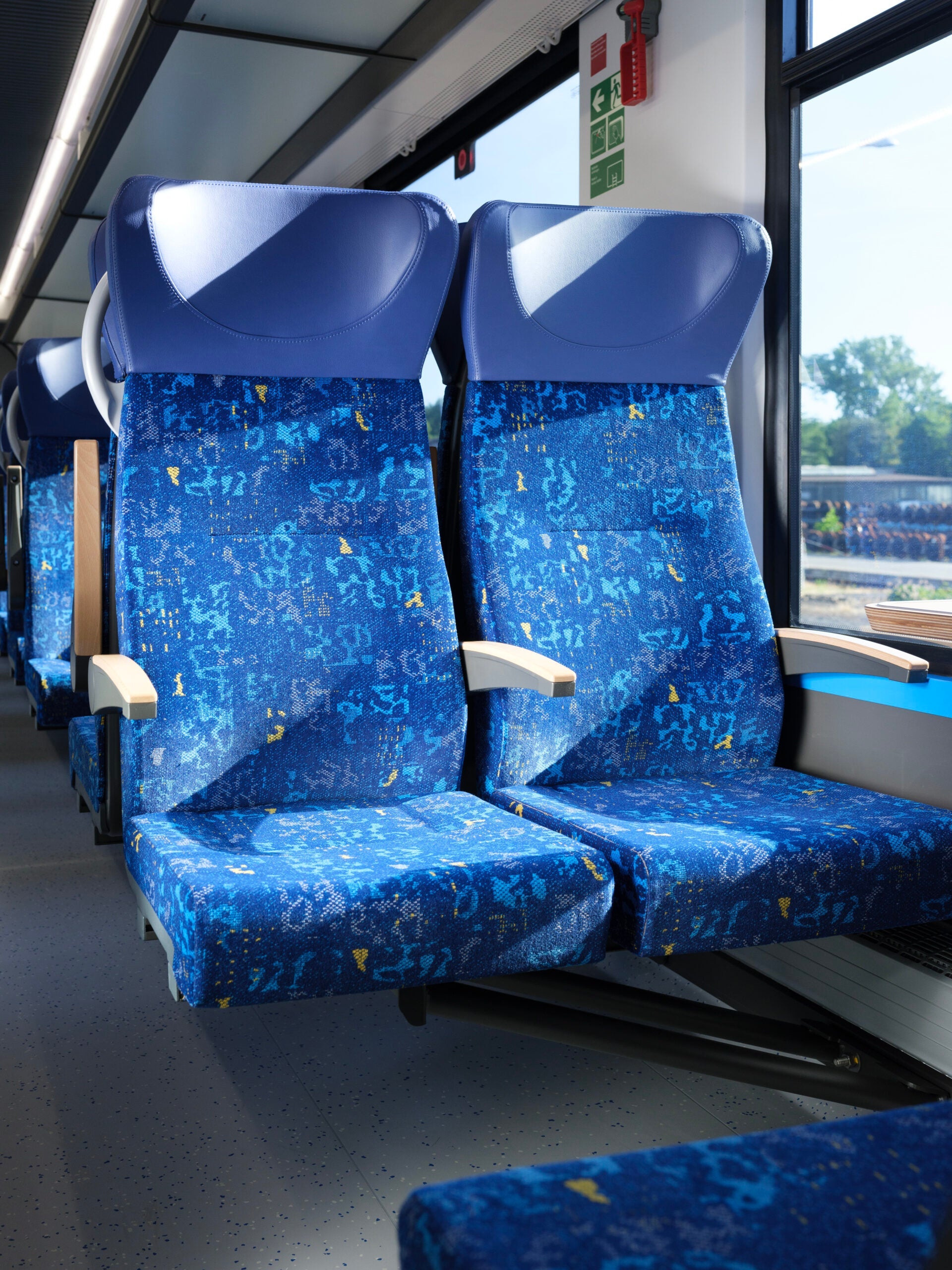
The trains have a 1000-kilometer (621 mile) range and can run on the network all day with just one tank of hydrogen. (A kilogram of hydrogen replaces about 4.5 liters of diesel fuel). Refueling will take place daily at a Linde hydrogen filling station built along the route.
Related: How train travel can be good for the environment
And these won’t be slow-poke rides. While the hydrogen-powered trains are able to zip along at close to 90 miles per hour, on this route they will operate at speeds of between 50 and 75 mph.
Soon, more hydrogen-powered trains will be coming down the tracks.
Alstom has a second German contract for 27 Coradia iLint trains in the Frankfurt area. The company is also building six hydrogen trains to be used in the Lombardy region of Italy and a dozen hydrogen trains to be shared across four different French regions.
Interested in more train news?
Related: NYC’s hottest new bar? Amtrak’s Metropolitan Lounge
Related: First look at Acela’s spiffy new trains