At long last, European airports are dumping the 100-milliliter liquids rule
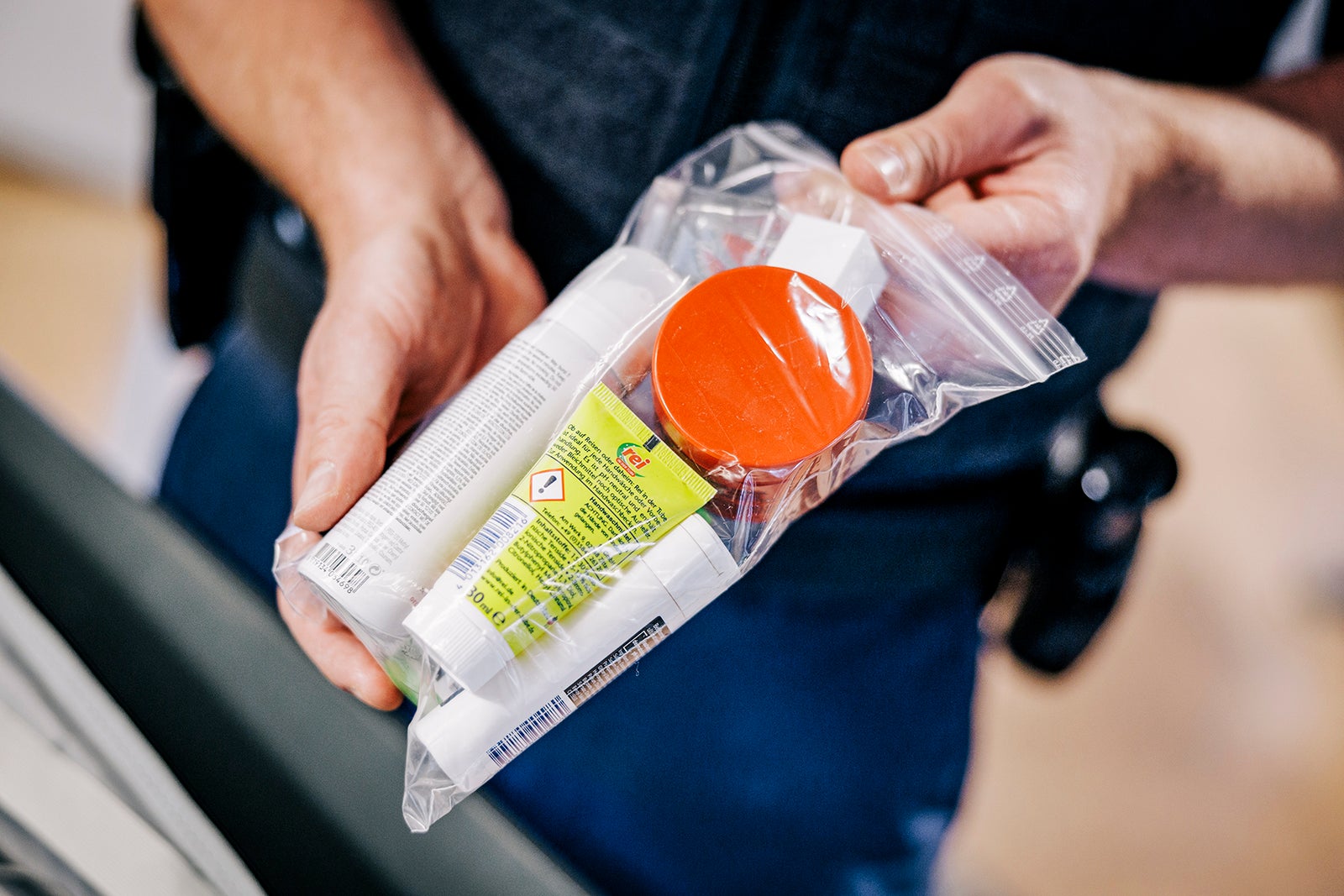
After nearly two decades, Europe's strict limits on liquids in carry‑on baggage are finally being lifted at airports. Two United Kingdom airports, Birmingham Airport (BHX) and Edinburgh Airport (EDI), have already scrapped the previous restrictions, and other airports across the continent are expected to follow suit in short order.
The relaxed guidelines are due to next-generation computed tomography security scanners that offer more reliable scans of liquids inside luggage than current technology at security checkpoints. Passengers traveling out of airports with the new rules will now be able to carry up to 2 liters of wine, olive oil, perfume and other liquids in their carry-on bags.
Another benefit for passengers who encounter these new scanners is that they will no longer have to remove items like laptops and tablets from their carry-ons, which should help expedite the security process.
Change won't happen overnight at all of Europe's airports, however. The rollout of the relaxed new guidelines depends on which aviation hubs have installed the new scanners. It is not mandatory that all airports install the machines, and given their high cost, some airports may choose not to do it. For example, London's Heathrow Airport (LHR), Europe's busiest airport, has not installed the new tech yet. Officials say it will cost more than $1 billion to equip all Heathrow checkpoints with the new scanners.
Airports with the new liquids rules
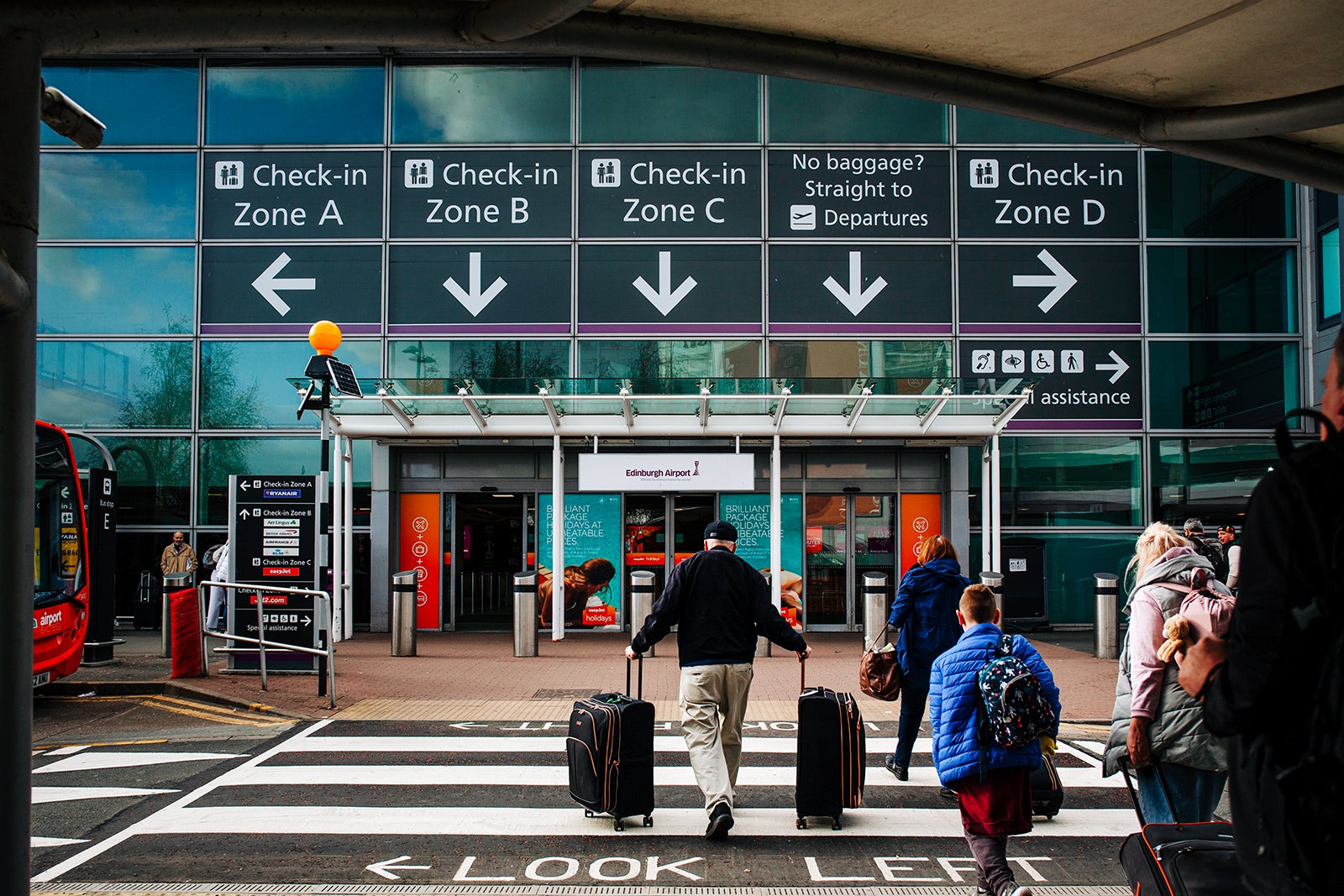
Here are the airports that have already implemented the new liquids rules:
U.K. airports:
- Birmingham Airport (BHX)
- Edinburgh Airport (EDI)
EU airports:
- Milan Linate Airport (LIN)
- Milan Malpensa Airport (MXP)
- Rome Fiumicino Leonardo da Vinci Airport (FCO)

(Note: New scanners are only in Terminal 1 at Milan Malpensa for now)
The following European airports have the new scanners installed and will be adopting the new liquids rules in the coming months:
- Amsterdam Airport Schiphol (AMS)
- Berlin Brandenburg Airport (BER)
- Frankfurt Airport (FRA)
The good news is that if you're flying out of one of these airports, you'll enjoy greater flexibility and a smoother trip through security. You no longer have to dump fluids or scramble to pour them into tiny bottles. As mentioned earlier, laptops and tablets can also stay in your bag at the screening lanes.
The bad news is that it's not a uniform policy because the relaxed liquids rules may not be implemented across all European airports. For example, travelers who fly out of Birmingham with 2 liters of liquids may run into a problem when returning home if they fly out of, say, France or Spain, where the 100-milliliter rule may still be in place in airports.
Why do these rules exist?
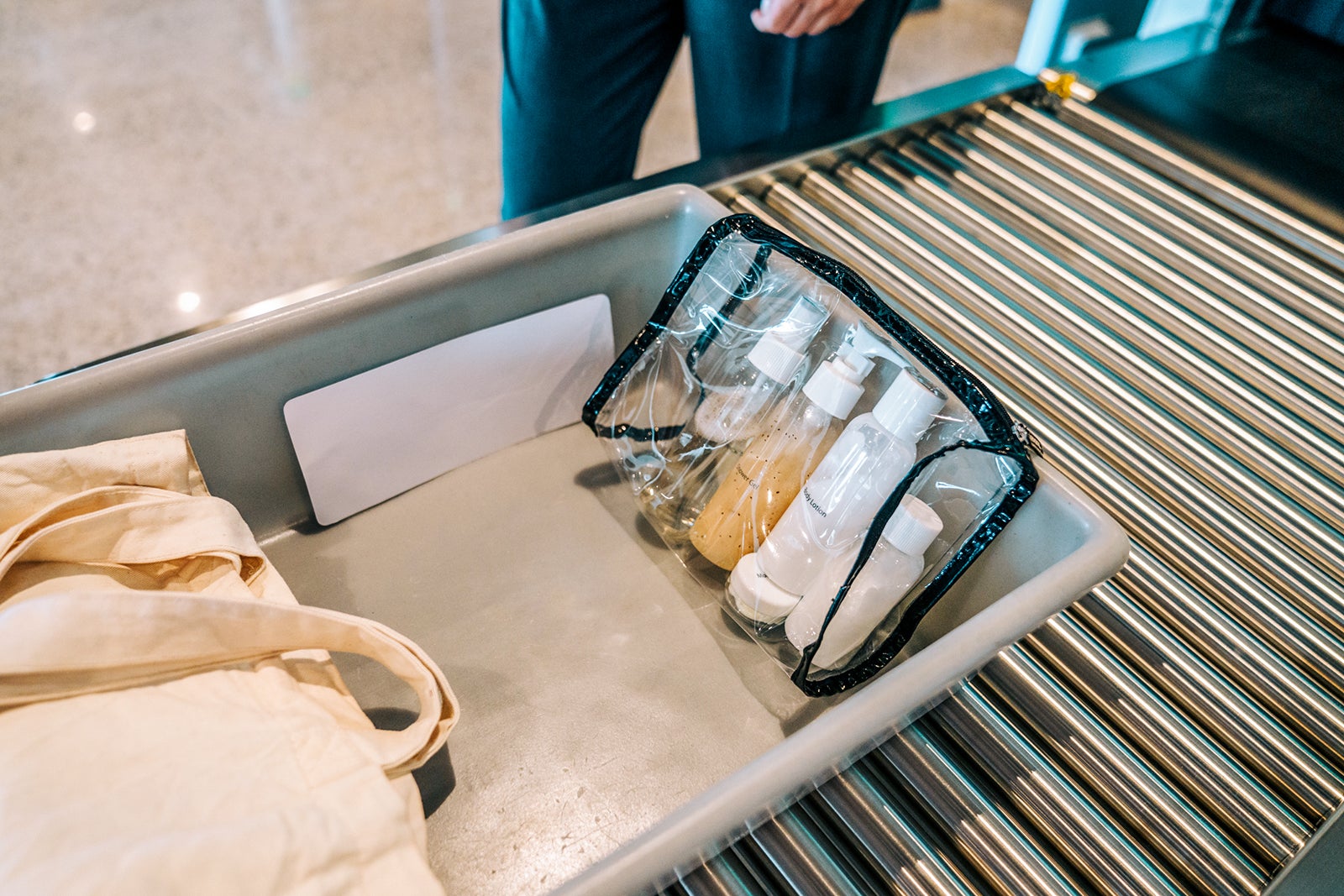
Much like the Transportation Security Administration's 3-1-1 liquids rules for U.S. travelers, Europe's rules on liquids in carry-on luggage can be traced back to a failed terror attack in 2006 that involved liquid explosives. Since then, passengers traveling with liquids, gels or aerosols in carry‑on bags have been limited to containers not exceeding 100 milliliters, with some exceptions made for baby formula and medicines.
Related: TSA liquids rule: Is it next to go after the shoes policy ended?
London City Airport (LCY) was the first major U.K. airport to drop the 100-milliliter rules, but technical problems forced officials to reverse a widespread pullback of the regulations.
Bottom line
The new, more lenient guidelines for traveling with liquids are a major win for traveler convenience in Europe. Even if it is limited at the moment, it is likely that more airports will invest in the new scanners in the near future. Until then, travelers planning a country-hopping visit to Europe should read up on the rules at the airports they plan to fly out of to make sure they are familiar with the rules.
Related reading:
TPG featured card
at American Express's secure site
Terms & restrictions apply. See rates & fees.
| 4X | Earn 4X Membership Rewards® points per dollar spent on purchases at restaurants worldwide, on up to $50,000 in purchases per calendar year, then 1X points for the rest of the year. |
| 4X | Earn 4X Membership Rewards® points per dollar spent at US supermarkets, on up to $25,000 in purchases per calendar year, then 1X points for the rest of the year. |
| 5X | Earn 5X Membership Rewards® points on prepaid hotel stays booked through AmexTravel.com or the Amex Travel App™. |
| 3X | Earn 3X Membership Rewards® points on flights booked through AmexTravel.com, the Amex Travel App™, or purchased directly from airlines. |
| 2X | Earn 2X Membership Rewards® points on prepaid car rentals booked through AmexTravel.com or the Amex Travel App™ and cruises booked and paid through AmexTravel.com. |
| 1X | Earn 1X Membership Rewards® point per dollar spent on all other eligible purchases. |
Pros
- Valuable dining and food-related credits
- Flexible rewards with airline and hotel transfer partners
- Multiple travel and purchase protections
- No foreign transaction fees
- Access to Amex Offers for additional savings (enrollment required)
Cons
- Not as useful for those living outside the U.S.
- Some may have trouble using Uber and other dining credits
- You may be eligible for as high as 100,000 Membership Rewards® Points after you spend $8,000 in eligible purchases on your new Card in your first 6 months of Card Membership. Welcome offers vary and you may not be eligible for an offer. Apply to know if you’re approved and find out your exact welcome offer amount – all with no credit score impact. If you’re approved and choose to accept the Card, your score may be impacted.
- Earn 4X Membership Rewards® points per dollar spent on purchases at restaurants worldwide, on up to $50,000 in purchases per calendar year, then 1X points for the rest of the year.
- Earn 4X Membership Rewards® points per dollar spent at US supermarkets, on up to $25,000 in purchases per calendar year, then 1X points for the rest of the year.
- Earn 5X Membership Rewards® points on prepaid hotel stays booked through AmexTravel.com or the Amex Travel App™.
- Earn 3X Membership Rewards® points on flights booked through AmexTravel.com, the Amex Travel App™, or purchased directly from airlines.
- Earn 2X Membership Rewards® points on prepaid car rentals booked through AmexTravel.com or the Amex Travel App™ and cruises booked and paid through AmexTravel.com.
- Earn 1X Membership Rewards® point per dollar spent on all other eligible purchases.
- Pay It® lets you tap in the American Express® App to quickly pay for small purchase amounts throughout the month and still earn rewards the way you usually do. Plan It® gives you the option to split up big purchases into equal monthly payments with a fixed fee. You’ll know upfront exactly how much you’ll pay.
- $120 Dining Credit: Earn up to a total of $10 in statement credits monthly when you pay with the Gold Card at Grubhub (including Seamless), Buffalo Wild Wings, Five Guys, The Cheesecake Factory, and Wonder. This can be an annual savings of up to $120. Enrollment required.
- $100 Resy Credit: Get up to $100 in statement credits each calendar year at over 10,000 qualifying U.S. Resy restaurants after you pay for eligible purchases with the American Express® Gold Card. That’s up to $50 in statement credits semi-annually. Enrollment required.
- $84 Dunkin' Credit: Earn up to $7 in monthly statement credits after you pay with the American Express® Gold Card at U.S. Dunkin’ locations. Enrollment required.
- $120 Uber Cash on Gold: Enjoy up to $120 in Uber Cash annually with your Gold Card. Just add your Card to your Uber account and you'll get $10 in Uber Cash each month to use on orders and rides in the U.S. when you select an Amex Card for your transaction.
- Enjoy complimentary Hertz Five Star® Status benefits like skipping the counter at select locations, adding an additional driver at no additional cost*, and vehicle upgrades**. Benefit enrollment and Hertz Gold+ registration are required. *Additional drivers must meet standard rental qualifications and must be a spouse or domestic partner to qualify as complimentary. Other additional drivers subject to fees. **Benefits are subject to availability and vary by location. Additional Hertz program Terms and Conditions including age restrictions apply.
- Book two nights or more with The Hotel Collection through AmexTravel.com or the Amex Travel App™ and receive a $100* credit towards eligible charges at over 1,400 upscale hotels worldwide. *Eligible charges vary by property.
- Book your travel through the Amex Travel App™ with added peace of mind – backed by American Express® service and support. Only for American Express® Card Members.
- Whenever you need us, we're here. Our Member Services team will ensure you are taken care of. From lost Card replacement to statement questions, we are available to help 24/7.
- No Foreign Transaction Fees.
- Annual Fee is $325.
- Terms Apply.