Earning points and miles as an expat: What you need to know


You may wonder whether it's possible to keep amassing points and miles if you move out of the U.S., whether temporarily or permanently. To be clear, the best opportunities for racking up lots of points and miles via credit cards exist in the U.S. The sign-up bonuses are juicier, and both the transfer rates to loyalty programs and the earning categories for your everyday spending are typically stronger.
But what if you do move out of the U.S. for a job or a new opportunity in life? Do your chances to rack up points and miles go away? Will you have to start — say it's not so! — paying full price for all of your travels?
Luckily, with some planning, you can still participate in the points and miles hobby as an expat. Here's what I learned about racking up points and miles on U.S. credit cards while living in Brazil for the last six years.
You need to be eligible for the cards
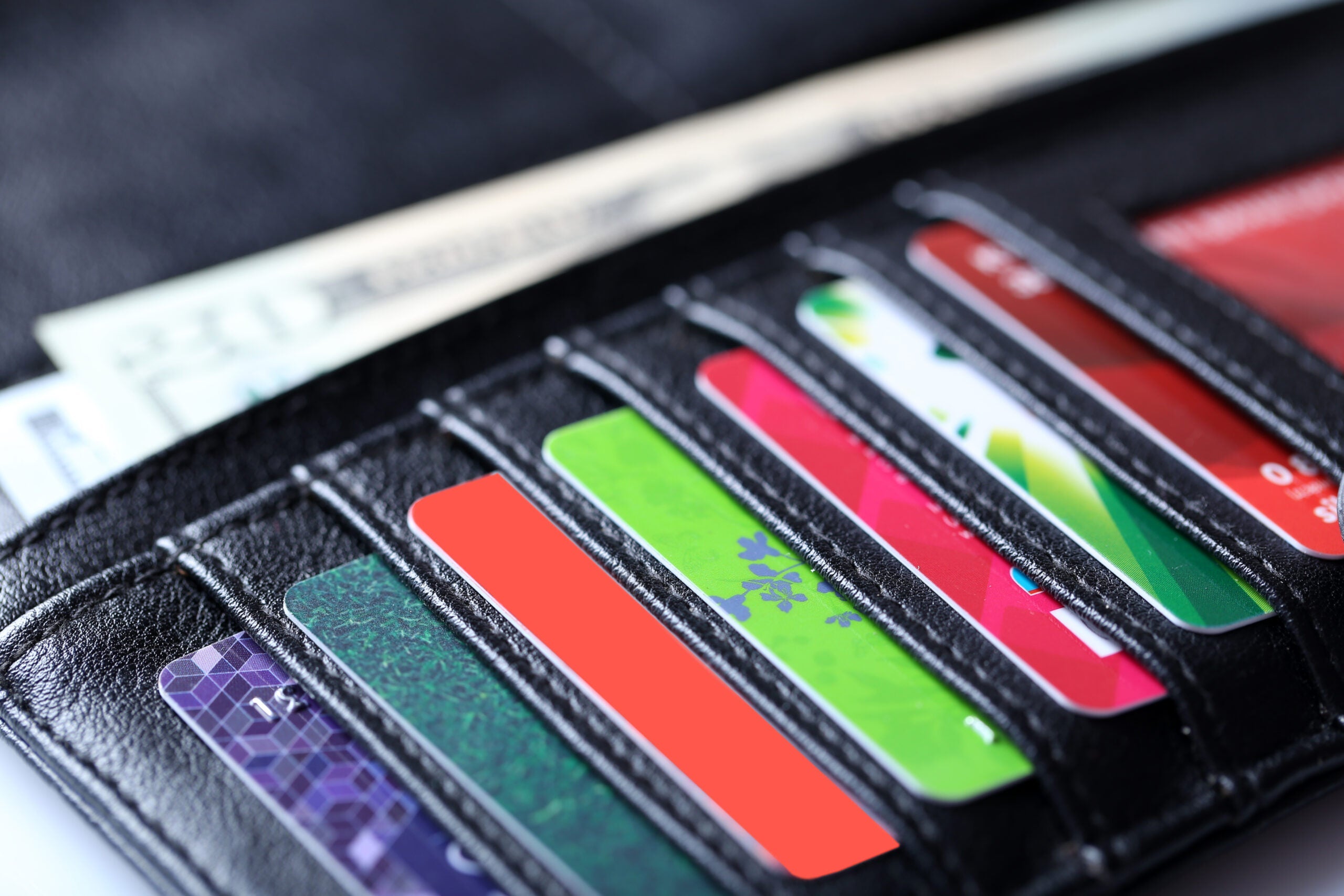
Before we wade into this section, remember that each bank has its own particular credit card application rules. On top of those, you need to meet other qualification rules that you might not realize are in the terms and conditions of your application. A major eligibility requirement has to do with the country where the card is issued.
Cards typically have geographic restrictions, and how banks treat the U.S. territories is not uniform. For instance, numerous Barclays credit cards say you must live in the U.S. but add that Puerto Rico and other territories don't count. However, the terms on many Chase cards are broader: "You must have a valid permanent home address within the 50 United States, the District of Columbia, Guam, Puerto Rico, or the U.S. Virgin Islands, or have a United States military address."
From this, it's pretty clear that applying for a credit card using an address in another country will likely make you ineligible right off the bat.
Related: The best credit cards for active duty military
You need a U.S. address to apply and to receive your card
We've established that you need to meet the many application rules and that one of these is a geographic restriction. Add to this the fact many banks will not send credit cards outside the U.S. and the fact some countries have laws against receiving credit cards in the mail. Thus, you need a U.S. address.
There are several ways to approach this. You could ask a relative or a friend to allow you to use their address. Another option is a mail service that goes beyond simply a mailbox but actually will take pictures, scan or even physically forward the mail to you. Each has its positives and negatives, but having a relative help you without paying a monthly mail service fee definitely is my preferred option.

You'll also need proof that you are connected to this address somehow. You could register a utility in your name at that address, register to vote at that address or change your checking account's address. Why do you need this? During the credit card application process, banks can ask for proof of address. You need something that has your name and the address used during the application.
This address is what you will list on your applications and the address where your credit cards will be mailed after approval.
Paperless settings are your friend
While living in Brazil, I made sure all my existing accounts and new accounts I opened were set to "paperless notifications." The credit card bills will otherwise likely pass through someone else's hands — either your relative or your mail service — and you probably don't want other people seeing this information. Even if it's a relative you trust, it's a burden to them to have unnecessary mail showing up in your name.
Paperless notifications also will arrive faster, since they come by email and you can view them on the same day they're sent. This will help you quickly access your credit card statement balances, approval or rejection notices and other important documents that require your action.
Learn to use the card without having it in your hands
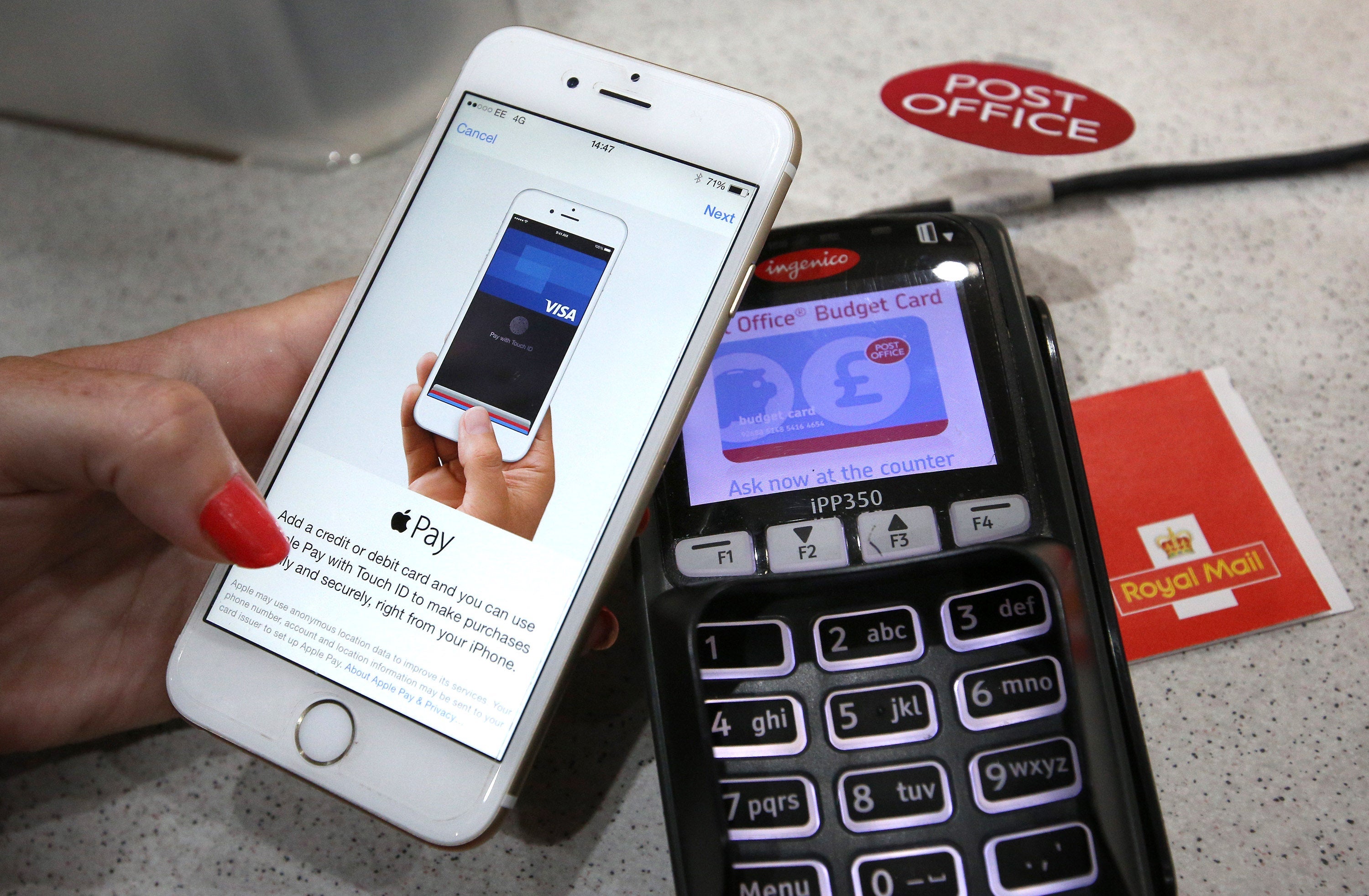
I earned sign-up bonuses from many credit cards without ever touching them physically. My parents would send me pictures of the front and the back of credit cards that arrived in the mail. With that, I could activate the cards, add them to my mobile wallet and use them for purchases online.
The more readily mobile wallet payments are accepted in your new location, the easier this will be. You'll be able to tap to pay with your new card, despite not physically receiving the card in your hands.
Related: Is it time to ditch your wallet? The pros and cons of mobile payments
However, if paying this way isn't common in your new home country, you may want to receive the actual card to meet the spending requirements to earn the sign-up bonus. The same applies if having the physical card confers perks, such as accessing Centurion Lounges.
Yes, I had cards sent to me sometimes. How often you do this will depend on whether receiving credit cards in your new country is legal, the reliability of mail where you live, the cost of mailing the cards to you and how quickly they will arrive. If the spending requirement for a new card's sign-up bonus is low, you may be able to reach the required spending online and without much effort. Paying to have that card mailed to you likely isn't worth it. However, if you won't be able to meet the spending requirements without swiping the card locally, paying to receive it is worth it.
If you have to pay for mailing a card to yourself in your new country, it likely counts as "documents" unless prohibited for import. If you only have cards and paper documents in the envelope, you may not need to pay any import taxes and the envelope should clear customs faster. Check your local regulations to see what they say about credit cards mailed from outside the country.
You have to pay your bills in dollars
This is one of the trickiest parts of earning points and miles with U.S. credit cards while living in another country. Because all of your transactions are priced in U.S. dollars, you need to pay the bill with the same currency. If you're living in France and have a checking account based in euros, this could be an issue.
In order to pay your credit card bills in dollars, your best option is maintaining a U.S. checking account. There are plenty of options that you can set up online for free. The best checking accounts will come without fees, allow you to move your money easily (and hopefully without cost) and may even offer you a cash bonus for opening a new account.
Sadly, you may have to pay exchange fees if moving money from an account based in one currency to an account based in another. Consider how much this will cost you every month and whether the fees are worth it. If your work gives you the option of where to deposit your paycheck, depositing it into the U.S. bank account directly may save you money on transfers, but make sure to check whether there are costs involved. Also compare that to whether it might lead to incurring fees in other situations, such as when you need to use an ATM locally.
Once you have a U.S.-based account, you'll be able to set up online payments for your credit cards. However, if you aren't able to set up a checking account in the U.S. or the fees seem high, there are other options. One could be transferring money to a friend or relative who can pay the bill(s) on your behalf. Another option would be a bill pay service or purchasing a cashier's check that is mailed directly to the payments address on your credit card statement. You will need to consider the costs, delays and possible inconveniences to the people who are doing you a favor by helping you out each month.
A VPN can reduce headaches
If you aren't familiar with VPNs, the acronym stands for "Virtual Private Network." It can hide your browsing activity and computer's location from others on the internet — especially from those on the same public Wi-Fi as you at the airport or coffee shop. Good VPNs also will allow you to choose where to set your computer's I.P. address (where it looks like your computer is located right now).
While living in Brazil, if I went to Google.com or Amazon.com, the sites would automatically re-route me to the Brazilian versions of those pages. Maybe that wasn't what I wanted. And I definitely didn't want to log into American Express' Brazilian accounts page. Using a VPN helped to ensure I wound up at the version of Amex, Amazon or other websites that I actually wanted — the U.S. version.
Moreover, remember what I said above about geographic restrictions. If you're using an address in the U.S. but submitting an application online with an IP address showing you're in Thailand right now, that can set off red flags with a bank's fraud detection system. It might reject the application, flag it for review or make you jump through extra hoops to get approved for a new credit card.
Using a VPN so the address on your application matches where it looks like you're browsing from can reduce headaches and red flags.
Get a U.S. phone number where you can receive text messages

It's not uncommon for banks to send you a text message to verify your identity when you call to discuss any sensitive details. You'll need a U.S. number. Luckily there are free options for this. However, some are more reliable than others.
I've used MagicJack — and its companion MagicApp — for years, originally signing up for it while living outside the U.S. 10 years ago, when I first started dating my wife from across an ocean. With the MagicApp, you can make and receive calls reliably, and text messages with normal phones work well. However, receiving one-time passcodes from automated systems is hit and miss. For me, it never worked with Chase or Bank of America but worked consistently with Barclays and Capital One.
Another option is Google Fi, which you can use in numerous countries. You can turn your service off and on at will, pausing it to avoid paying for the service when you don't need it. I've found it more reliable for receiving SMS/text message codes from banks, but it costs more than Magic Jack.
There are free options, too, though I've had inconsistent results with receiving codes from automated systems like identity verification from banks. Depending on where you live outside the U.S., different options will be more or less reliable. A Google search for "best free U.S. phone number app in [insert country]" should lead you to options. Make sure to check the reviews specifically for how reliable the text messages are. Google Voice is a popular option, as most calls to the U.S. and Canada are free; while I had very mixed results receiving one-time passcodes from banks with this service, others have had positive experiences.
The most important thing to note with these services is whether you always have the same number and what activity (if any) is required to keep your number active. Numerous services abound where you can get a free U.S. phone number but will receive a different number each time you log in. Others require use every 48 hours to maintain your same phone number. If your number changes, it won't match what you put on the credit card application with the bank — and that will be a problem.
Make sure your cards don't have foreign transaction fees
Since you'll be living outside the U.S., your transactions will likely be in another currency. "Foreign transaction fees" on cards that levy these can really add up, since they're typically 3% of a transaction. Imagine paying an extra 3% on everything you buy with that card.
Interestingly, if you're working for the government or stationed outside the U.S. in the military, you may still be hit with these fees when making purchases on base. While living in Germany years ago, I got hit with foreign transaction fees for a purchase on a Barclays card and an Amex card, even though both purchases were from the convenience store on base. I called and argued my case with both issuers, but both stated that they saw these as foreign transactions. Interestingly, Capital One didn't.
Related: The best credit cards for active-duty military
Watch your purchases and ensure you're not paying any foreign transaction fees. Many cards waive these fees; with cards that don't waive them, use the cards only for purchases when visiting the U.S. or shopping online from U.S.-based websites.
Bottom line
If you've dreamed of living outside the U.S. or the opportunity to do so suddenly presents itself, you may wonder whether you can amass points and miles as an expat. Luckily, the answer is "yes." There are some extra steps you'll need to take, and each person's situation is different. However, you'll need a U.S. address and U.S. phone number to use, and having a VPN can really make things easier.
With a little planning and effort, you can still participate in this hobby and rack up points and miles while living and working outside the U.S. What that looks like on a daily basis may be a little different for each person, but the overall effort required shouldn't be a big burden.
TPG featured card

at Capital One's secure site
Terms & restrictions apply. See rates & fees.
| 5X miles | Earn 5X miles on hotels, vacation rentals and rental cars booked through Capital One Travel |
| 2X miles | Earn unlimited 2X miles on every purchase, every day |
Pros
- Stellar welcome offer of 75,000 miles after spending $4,000 on purchases in the first three months from account opening. Plus, a $250 Capital One Travel credit to use in your first cardholder year upon account opening.
- You'll earn 2 miles per dollar on every purchase, which means you won't have to worry about memorizing bonus categories
- Rewards are versatile and can be redeemed for a statement credit or transferred to Capital One’s transfer partners
Cons
- Highest bonus-earning categories only on travel booked via Capital One Travel
- LIMITED-TIME OFFER: Enjoy $250 to use on Capital One Travel in your first cardholder year, plus earn 75,000 bonus miles once you spend $4,000 on purchases within the first 3 months from account opening - that’s equal to $1,000 in travel
- Earn unlimited 2X miles on every purchase, every day
- Earn 5X miles on hotels, vacation rentals and rental cars booked through Capital One Travel
- Miles won't expire for the life of the account and there's no limit to how many you can earn
- Receive up to a $120 credit for Global Entry or TSA PreCheck®
- Use your miles to get reimbursed for any travel purchase—or redeem by booking a trip through Capital One Travel
- Enjoy a $50 experience credit and other premium benefits with every hotel and vacation rental booked from the Lifestyle Collection
- Transfer your miles to your choice of 15+ travel loyalty programs
- Top rated mobile app