Delta moves up Boeing 717, many 767 retirements amid coronavirus fleet reset

The coronavirus pandemic is reshaping airline fleets. Air France has shed its superjumbo Airbus A380s, American Airlines retired its Boeing 757s and 767s, and Delta Air Lines flew its last McDonnell Douglas MD-88 and MD-90 flights in June.
Airline executives say the changes are needed to slash expenses amid the historic drop in air travel and will make their respective carriers more efficient when the threat of COVID-19 passes.
But the changes are not done yet.
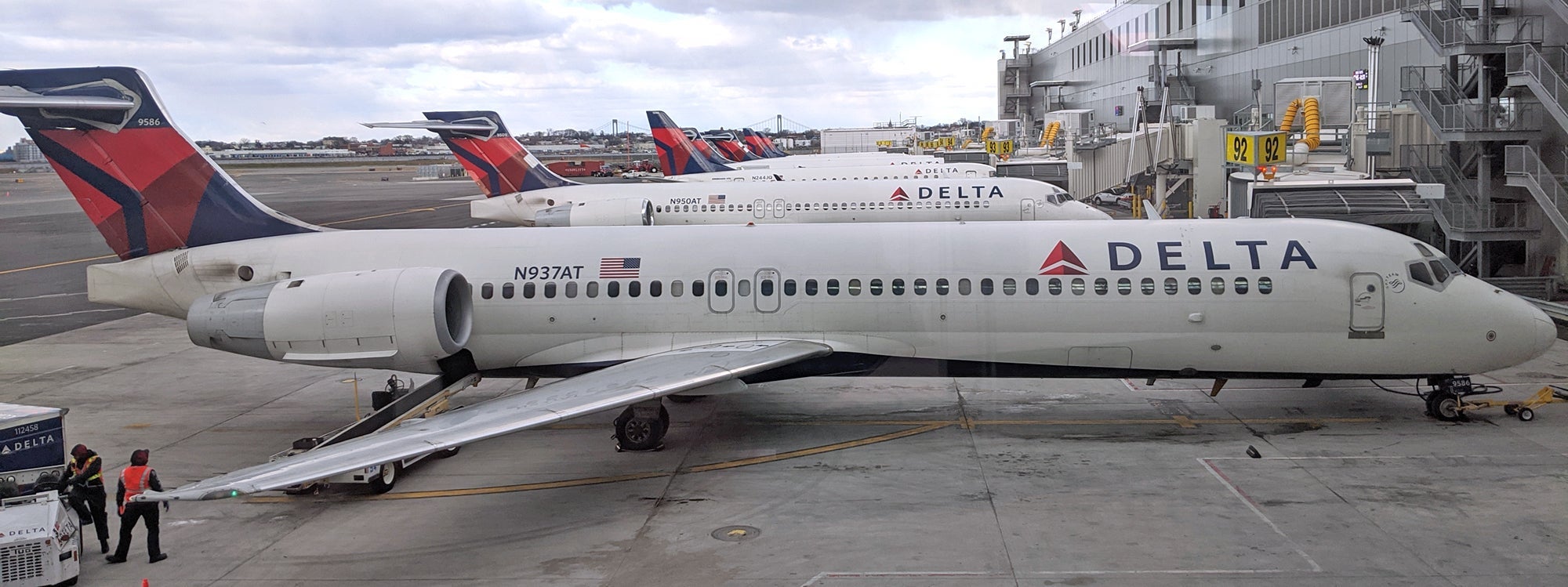
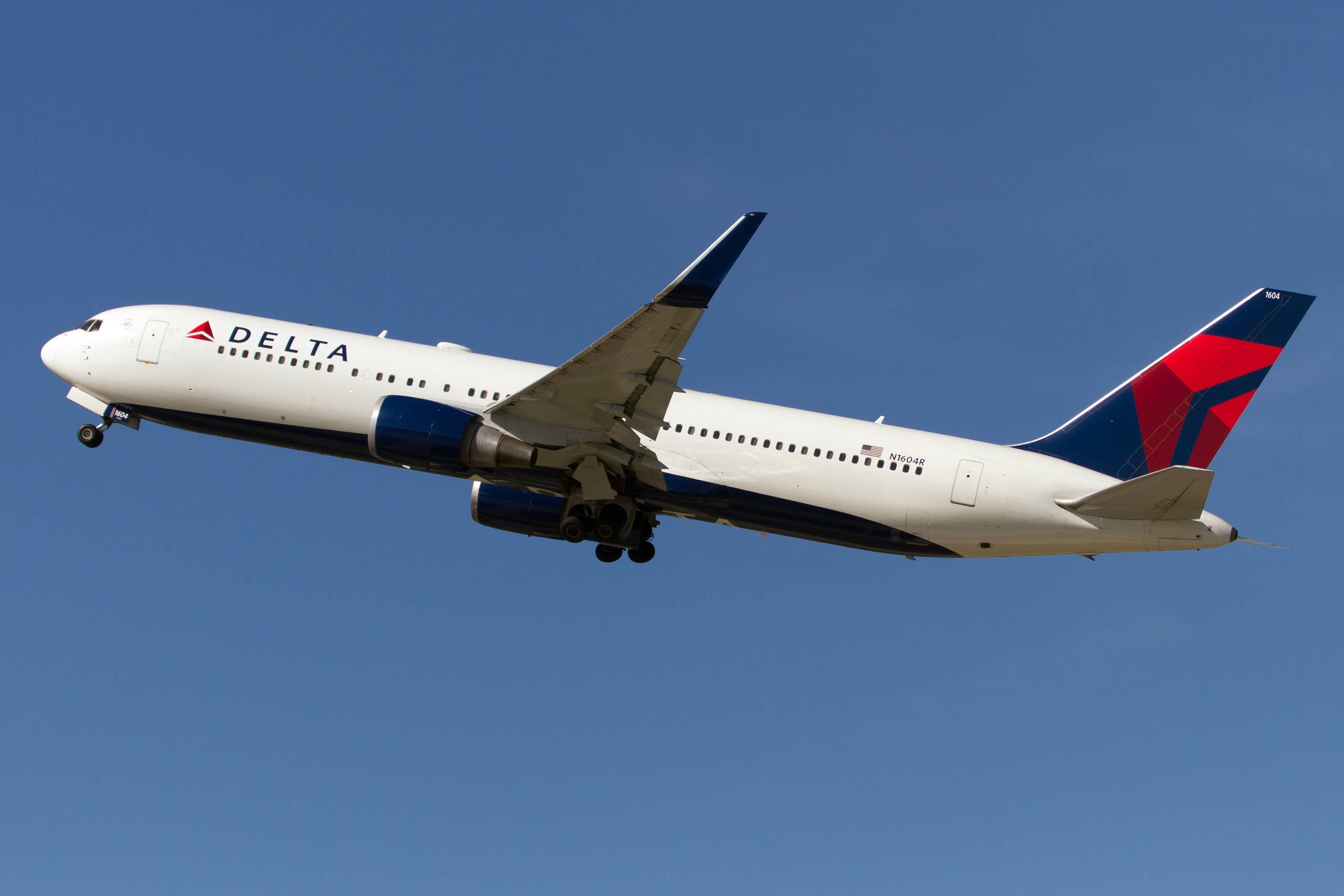
On Friday, Delta unveiled that it will also retire its Boeing 717s and 767-300ERs, as well as the Bombardier CRJ200s at its Delta Connection affiliates, as a result of the coronavirus. These changes will take time though with the CRJ200s due to leave by the end of 2023, and the 717s and 767s by the end of 2025.
Sign up for TPG's free new biweekly Aviation newsletter for more airline-specific news!
"These plans are another step in Delta's fleet simplification strategy, which is intended to streamline and modernize Delta's fleet, enhance the customer experience, and generate cost savings," Atlanta-based Delta said in a securities filling. The retirements, which are occurring earlier than planned, will cost the carrier between $2 billion and $2.5 billion in one-time impairment charges.
In addition to the MD-88s and MD-90s, Delta has retired its Boeing 737-700s and is due to retire its Boeing 777s by the end of October. The final flight is tentatively scheduled as DL40 from Sydney (SYD) to Los Angeles (LAX) on Oct. 24, according to Cirium schedules. However, Delta spokesperson Morgan Durrant told TPG that the final flight is subject to change.
When the COVID-19 changes are all said and done, Delta will have a primarily Airbus fleet comprising of A220s, A319s, A320s, A321s, A330s and A350s. This includes the re-engined and more fuel efficient A321neos and A330neos. Its Boeing jets will be limited to 737-800s and -900ERs, 757s and 767-400ERs.
Related: Delta operates final MD-88 flight amid tough times for airlines

The shift to Airbus is a big change for Delta. Prior to its 2008 merger with Northwest Airlines, the carrier flew an exclusively Boeing and McDonnell Douglas fleet. Northwest brought Airbus A320 and A330 family jets to the fold; not to mention a CEO, Richard Anderson, whose bio included 14 years in Northwest leadership.
An Airbus-focused fleet will benefit Delta and its flyers. The airline will reap savings from streamlining its jets around common Airbus models, not to mention the many latest-generation models that are arriving.
For flyers, Delta's Airbus jets feature many of its latest innovations. The A330-900s and A350s feature its posh Delta One business class suites, and the A220s features its new wireless in-seat entertainment screens. All of the new jets also feature inflight Wi-Fi and power outlets at each seat.
Related: As Delta shrinks amid the coronavirus, what planes will it retire?
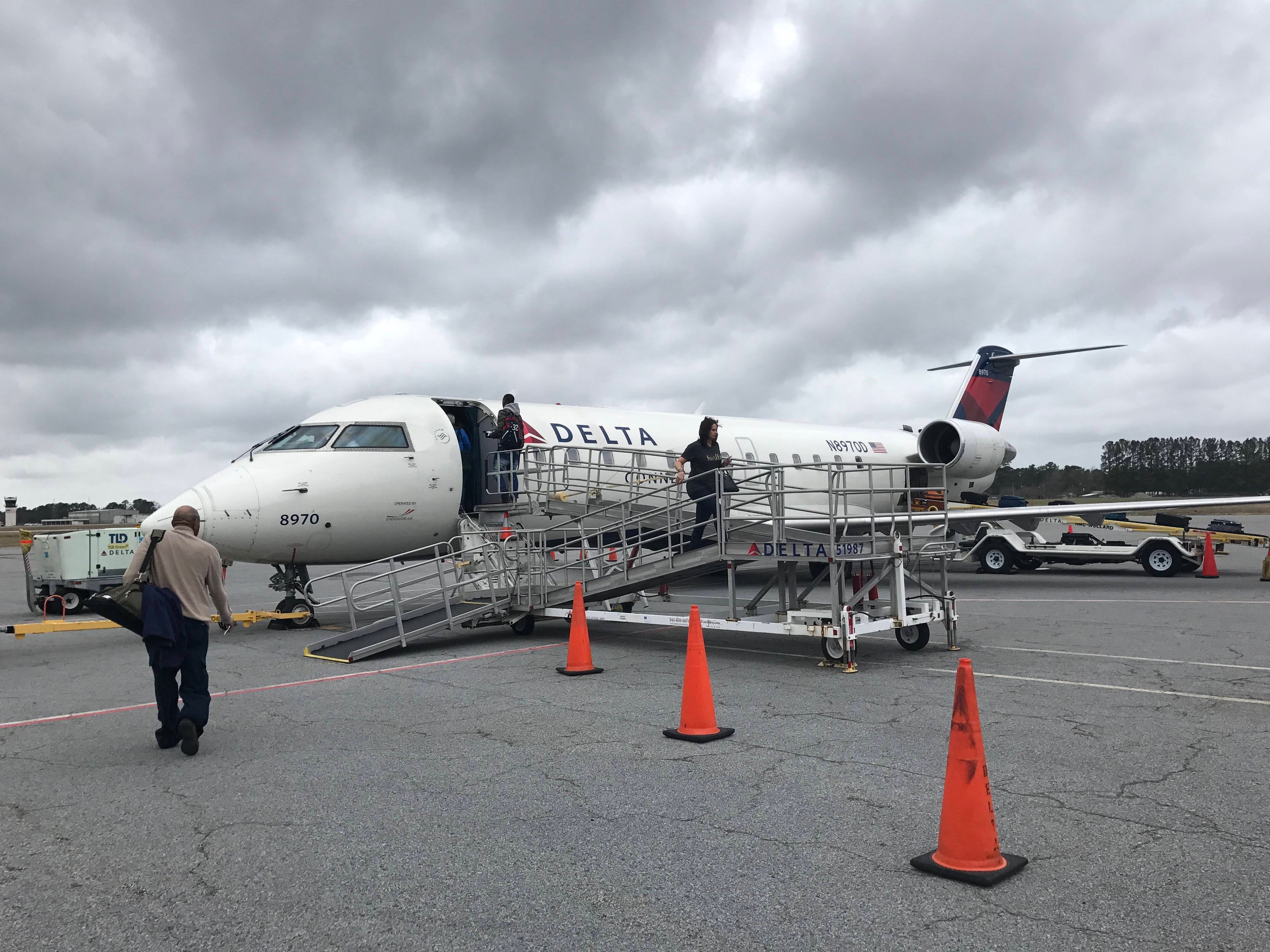
The 717s, while popular with some travelers, lack certain amenities like in-seat entertainment. In addition, Delta has not retrofitted the 767-300ERs with business suites. And every traveler will likely be happy to hear that the cramped CRJ200s are on their way out.
Delta has taken delivery of several new A321s and A350s from Airbus in recent weeks, according to a recent J.P. Morgan report. However, the airline is expected to delay the majority of its remaining new aircraft deliveries due this year until after 2020, Bloomberg reported on Sept. 23.
The carrier flew 91 717-200s, 56 767-300ERs and its affiliates 125 CRJ200s -- many at wholly-owned subsidiary Endeavor Air -- prior to the pandemic. Of these, seven 767-300ERs are already slated for retirement, while 44 of the 717s and many of the remaining 767s and CRJ200s are in storage.
Flyers looking for 717s and 767-300ERs over the next few years can find them based in Atlanta (ATL), Detroit (DTW) and, for the latter type, New York John F. Kennedy (JFK). However, the jets are likely to fly throughout Delta's system during their last few years.
Related: Shrinking Delta to close Cincinnati pilot base, boost A350s at LAX
TPG featured card

at Capital One's secure site
Terms & restrictions apply. See rates & fees.
| 5X miles | Earn 5X miles on hotels, vacation rentals and rental cars booked through Capital One Travel |
| 2X miles | Earn unlimited 2X miles on every purchase, every day |
Pros
- Stellar welcome offer of 75,000 miles after spending $4,000 on purchases in the first three months from account opening. Plus, a $250 Capital One Travel credit to use in your first cardholder year upon account opening.
- You'll earn 2 miles per dollar on every purchase, which means you won't have to worry about memorizing bonus categories
- Rewards are versatile and can be redeemed for a statement credit or transferred to Capital One’s transfer partners
Cons
- Highest bonus-earning categories only on travel booked via Capital One Travel
- LIMITED-TIME OFFER: Enjoy $250 to use on Capital One Travel in your first cardholder year, plus earn 75,000 bonus miles once you spend $4,000 on purchases within the first 3 months from account opening - that’s equal to $1,000 in travel
- Earn unlimited 2X miles on every purchase, every day
- Earn 5X miles on hotels, vacation rentals and rental cars booked through Capital One Travel
- Miles won't expire for the life of the account and there's no limit to how many you can earn
- Receive up to a $120 credit for Global Entry or TSA PreCheck®
- Use your miles to get reimbursed for any travel purchase—or redeem by booking a trip through Capital One Travel
- Enjoy a $50 experience credit and other premium benefits with every hotel and vacation rental booked from the Lifestyle Collection
- Transfer your miles to your choice of 15+ travel loyalty programs
- Top rated mobile app